

DANUBE HOLIDAYS
A guide to Budapest: from Széchenyi and ruin bars to Lake Balaton and lavender fields
Author: Elchin HUSEYNOV, Baku-Budapest-Baku
Budapest is a city where history meets modernity, the architecture of many buildings astonishes with its grandeur, and each neighbourhood is filled with a distinct atmosphere. This Hungarian metropolis, spread across both banks of the Danube, seems made for unhurried walks, gastronomic discoveries, cultural revelations and relaxing leisure. Tourism in Budapest has thrived for decades, yet it remains an affordable and accessible destination for travellers from Europe and around the world, including from Azerbaijan — especially given that direct air links with the Hungarian capital have existed for 12 years.
When to visit Budapest
Of course one can say Budapest is beautiful any time of year, but the most favourable season to visit runs from April through October. Spring is particularly good for those who want to avoid heat and crowds: in May temperatures range from 18 to 24 degrees, parks bloom, cafés start putting out summer terraces and the streets fill with more music and smiles. Summer suits nightlife and festivals, such as the legendary Sziget music festival in August. Autumn brings gentle sunshine and lovely foliage in the city’s gardens.
The winter months, especially December, attract visitors with Christmas markets, ice rinks and atmospheric cafés. At that time it is pleasant to warm up in the hot baths and stroll through the evening city adorned with lights. But bear in mind that winter is fairly cool — from 0 to 5 degrees. Plus a cold, penetrating wind from the Danube can make walks less comfortable.
A charming tram into history
Budapest’s main airport, Ferenc Liszt International, is 16 km from the city centre. There are several ways to reach the centre from there. The most convenient and fastest is naturally a taxi — the ride takes about 30 minutes and costs around 25–30 euros. A more economical option is bus 100E, which departs every 20–30 minutes and takes passengers to the centre for 6 euros. There is also the regular city bus 200E, which brings you from the airport to the nearest metro station; this is the cheapest choice.
Overall, the Hungarian capital’s public transport network is well developed: four metro lines, trams, buses and suburban HÉV trains. For tourists it is convenient to buy a Budapest Travelcard for 24 hours (7 euros) or 72 hours (14.5 euros). With it you can use all public transport without limitation.
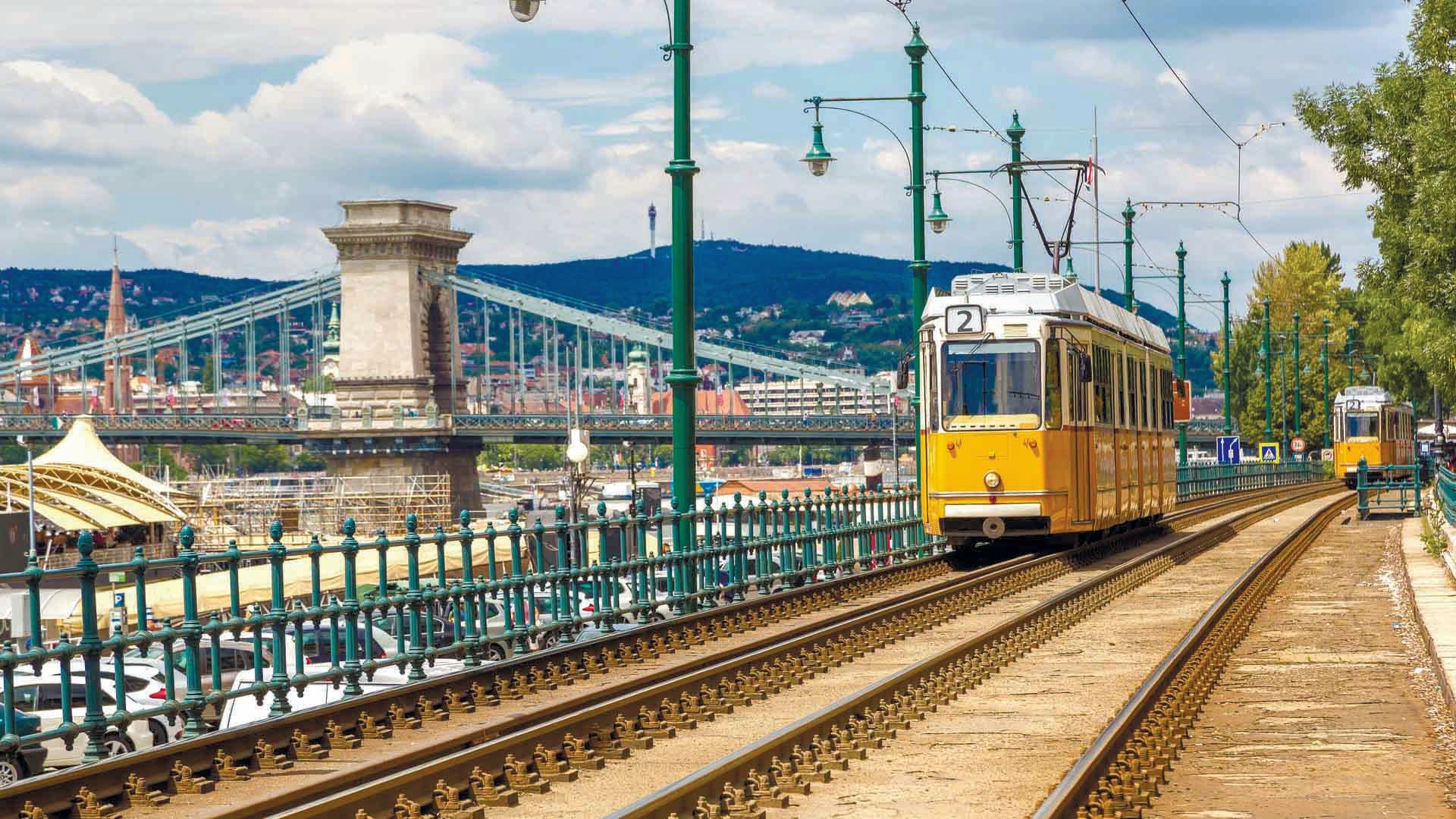
Special attention deserves Tram No. 2, whose route runs along the Danube bank. This picturesque line passes majestic Budapest landmarks, including the Parliament building, Fisherman’s Bastion and the Széchenyi Chain Bridge. Owing to its location and the panoramic views from the carriage windows, Tram No. 2 is often called one of the most beautiful urban routes in Europe. A standard single tram ticket costs about 1.24 euros.
Hotels and apartments for every budget
Accommodation choices in Budapest are varied: from cosy budget hotels to luxurious riverside establishments. However, prices have become rather “bitey” over the past three to four years. Where once inexpensive guesthouses and hotels in the centre could be found for 20–25 euros, prices have at least doubled. Nevertheless, if you book accommodation in advance, you can still find decent three-star hotels in the central areas (for example, on Andrássy Avenue) for 60–70 euros a night for two.
Apartments in Budapest are a popular option among travellers. In the Pest and Terézváros districts you can rent a studio or a flat with a kitchen for 50–80 euros a day. Many such apartments are listed on services like Airbnb and Booking and often even include a washing machine, convenient for longer stays.
Four-star hotels usually cost from 90 to 130 euros per night. Here you can often expect spa facilities, a pool and breakfast. For lovers of luxury, a five-star stay will run from 250 to 500 euros a night — but the service will match: panoramic views, marble bathrooms and hotel restaurants.
Attractions: from architecture to ruin bars
Budapest is generally divided into two parts: Buda and Pest. Historically they were two separate towns on opposite banks of the Danube: Buda on the hilly right bank and Pest on the flat left bank. They developed independently until 1873, when they were officially united into one city — Budapest, the capital of Hungary.
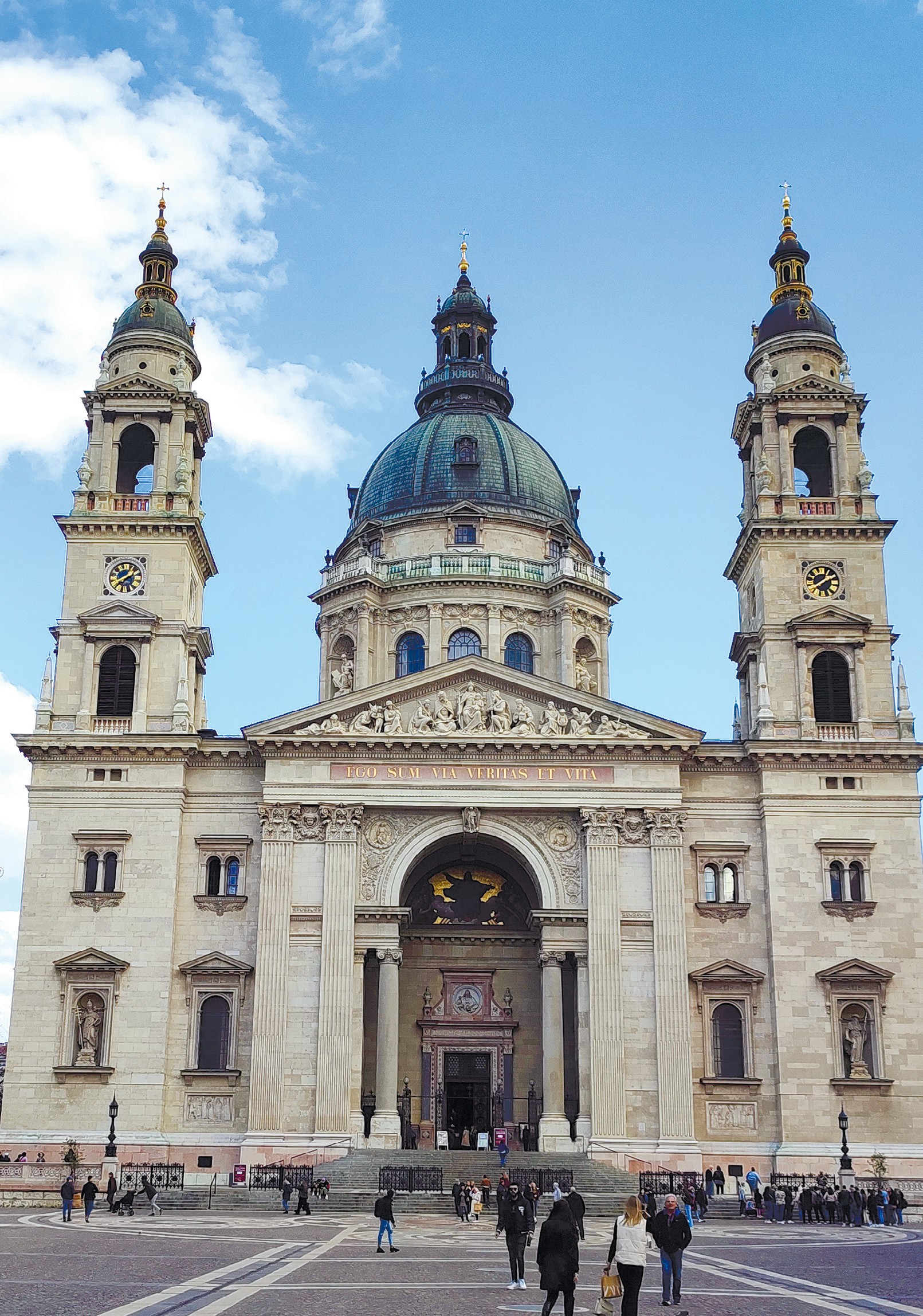
Begin your acquaintance with the city in Pest, which is home to the majestic St. Stephen’s Basilica. Entrance is free, but the ascent to the viewing platform for 8 euros opens up a panorama of the whole central area. From there you can walk along the central Andrássy Avenue, see the Opera House and reach Heroes’ Square — the historical and architectural heart of the city.
On the other bank, in the Buda district, stands the Royal Palace, which now houses the Hungarian National Gallery and the Historical Museum. The hill can be climbed on foot, by bus or by the old funicular. The Fisherman’s Bastion located there is perhaps the city’s most photogenic spot: its white, fairytale turrets and balustrades framed by the Parliament building are especially impressive at sunset.
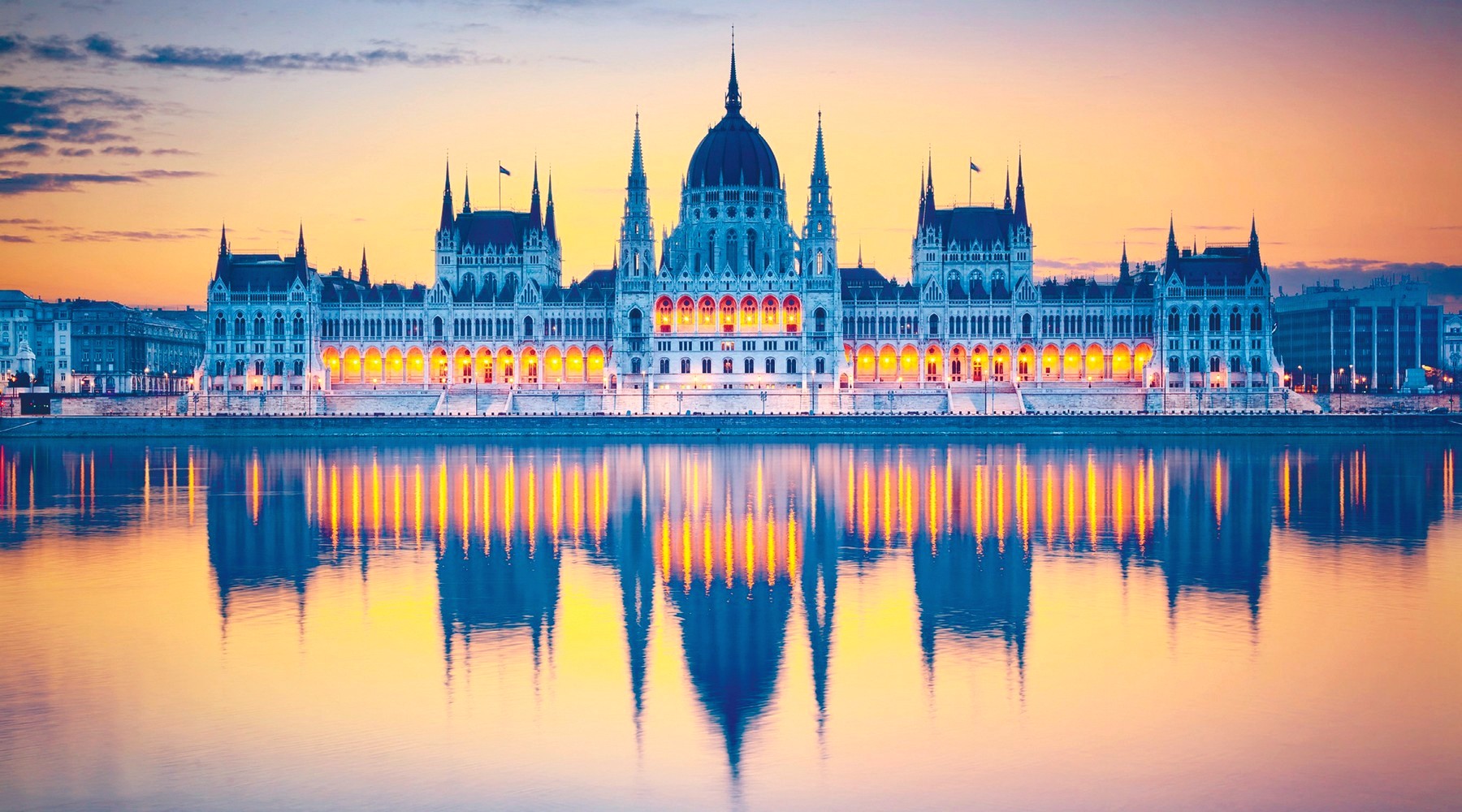
The Hungarian Parliament is a city symbol and a must-see. Tours inside are offered in English, Hungarian and other languages and cost about 34 euros. A walk along the riverbank is no less rewarding, where you will find the poignant “Shoes on the Danube Bank” installation commemorating victims of the Holocaust.
Museum lovers should visit the House of Terror, which tells of dictatorship in 20th-century Hungary, or the Museum of Fine Arts.
For those seeking unconventional impressions, try the ruin bars — atmospheric pubs set in abandoned buildings. The most famous is Szimpla Kert, where graffiti, vintage furniture and live music mix. Szimpla Kert has effectively become an icon and often features on lists of the world’s most unusual bars. Inside there are dozens of rooms, each with its own mood: old televisions and bathtubs repurposed as seating, walls scrawled with phrases and drawings, beer (2.5–3 euros) and cocktail bars, stages for DJs and even film screenings. For tourists this is a must-visit, even if you do not drink — simply to see and feel the atmosphere. Evenings are particularly beautiful when everything is lit with bulbs and music plays.
By the way, Budapest offers many organised tours. A Hop-On Hop-Off sightseeing bus costs from 20 to 30 euros a day and lets you plan your route with stops at main attractions. Walking tours with Russian-speaking guides start at about 20 euros for two hours. The popular evening Danube cruise typically costs 15–20 euros per person for a simple sightseeing trip, while fancier cruises with dinner and entertainment start at 65 euros and up. Gastronomic tours, visits to wine cellars and carriage rides in the surroundings are also available.
Where hot springs have a capital
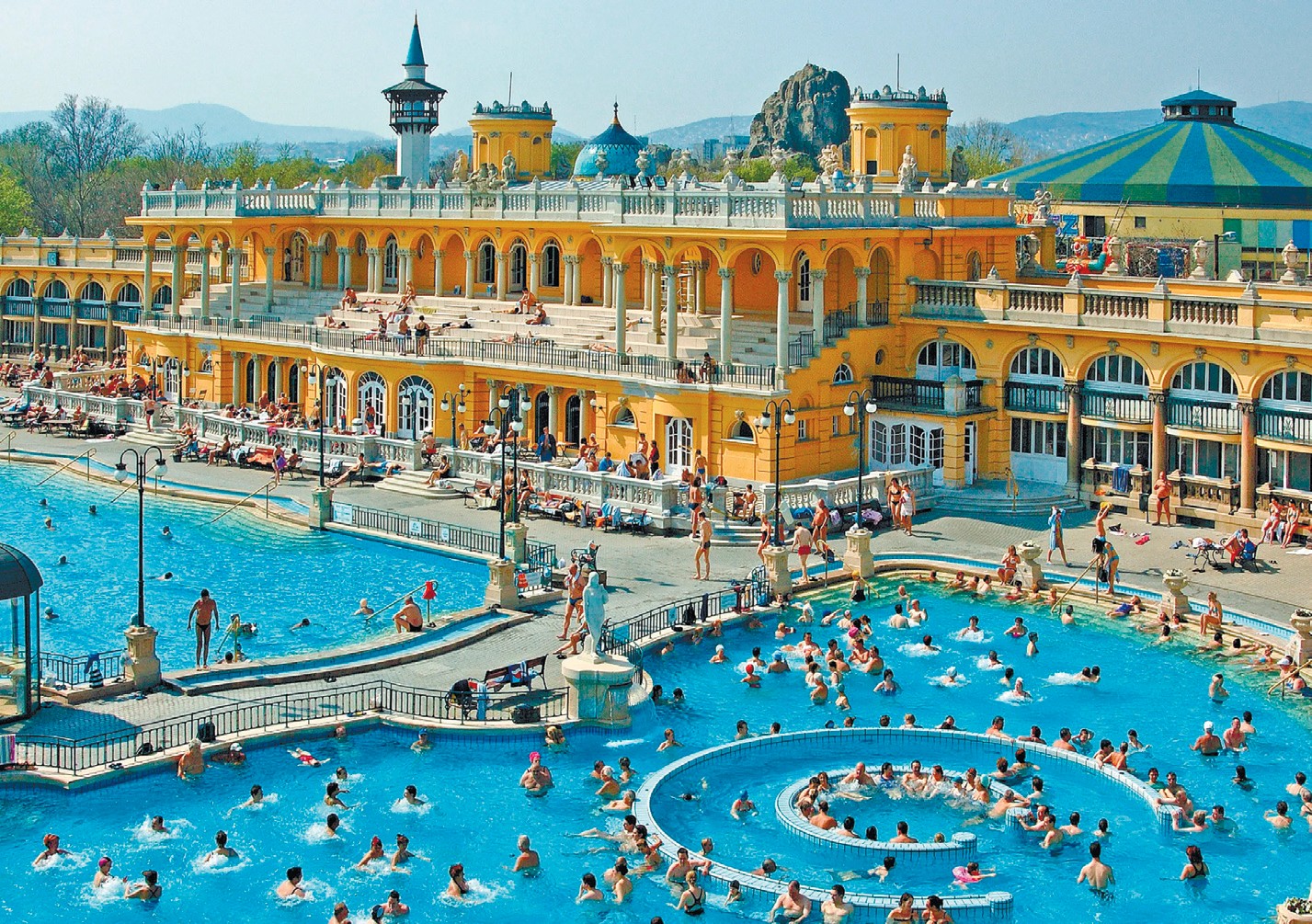
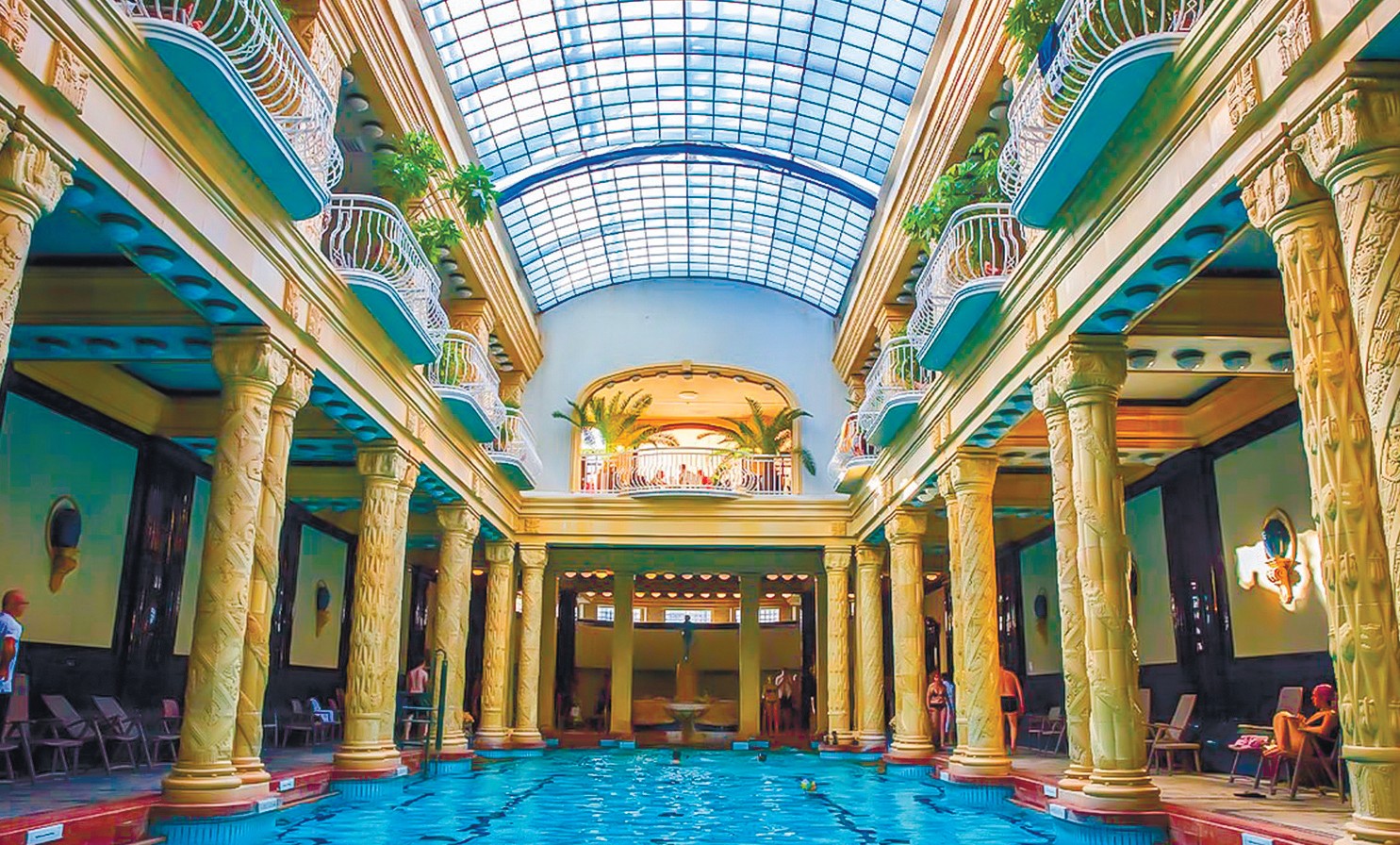
Budapest is rightly called Europe’s spa capital. The city has more than 100 thermal springs and dozens of bath complexes; in Hungary overall there are over 1,500. The most famous is Széchenyi in City Park (Városliget). The complex includes over 15 pools with waters of different temperatures, saunas, steam rooms and massage cabins. The bath was built in a neobaroque style in 1913 and impresses with its architectural splendour. Tourists are drawn by the unique possibility to bathe in thermal water outdoors year-round, even in winter when thick steam rises from the pools. The water comes from deep thermal wells and contains minerals beneficial for joints and skin. The open pool with hydromassage and circular current is especially popular.
The Széchenyi atmosphere is unique: you can play chess right in the water, as locals do. The bath is open from morning until late evening, and on Fridays and Saturdays there are sometimes night spa parties. This is not merely a wellness spot but a cultural symbol of the city, combining leisure, health and history. Note that visiting Széchenyi is an essential item on any traveller’s Budapest itinerary. Entrance costs about 20–25 euros for the day; locker and towel hire are extra.
Also popular are the Gellért Baths with their Art Nouveau style and Rudas — with night sessions and a rooftop panoramic pool. Each has its own character, but all offer a unique mix of relaxation and culture. Entry prices start from 20 euros, depending on the time of day and services chosen.
Szentendre — a Hungarian fairytale nearby
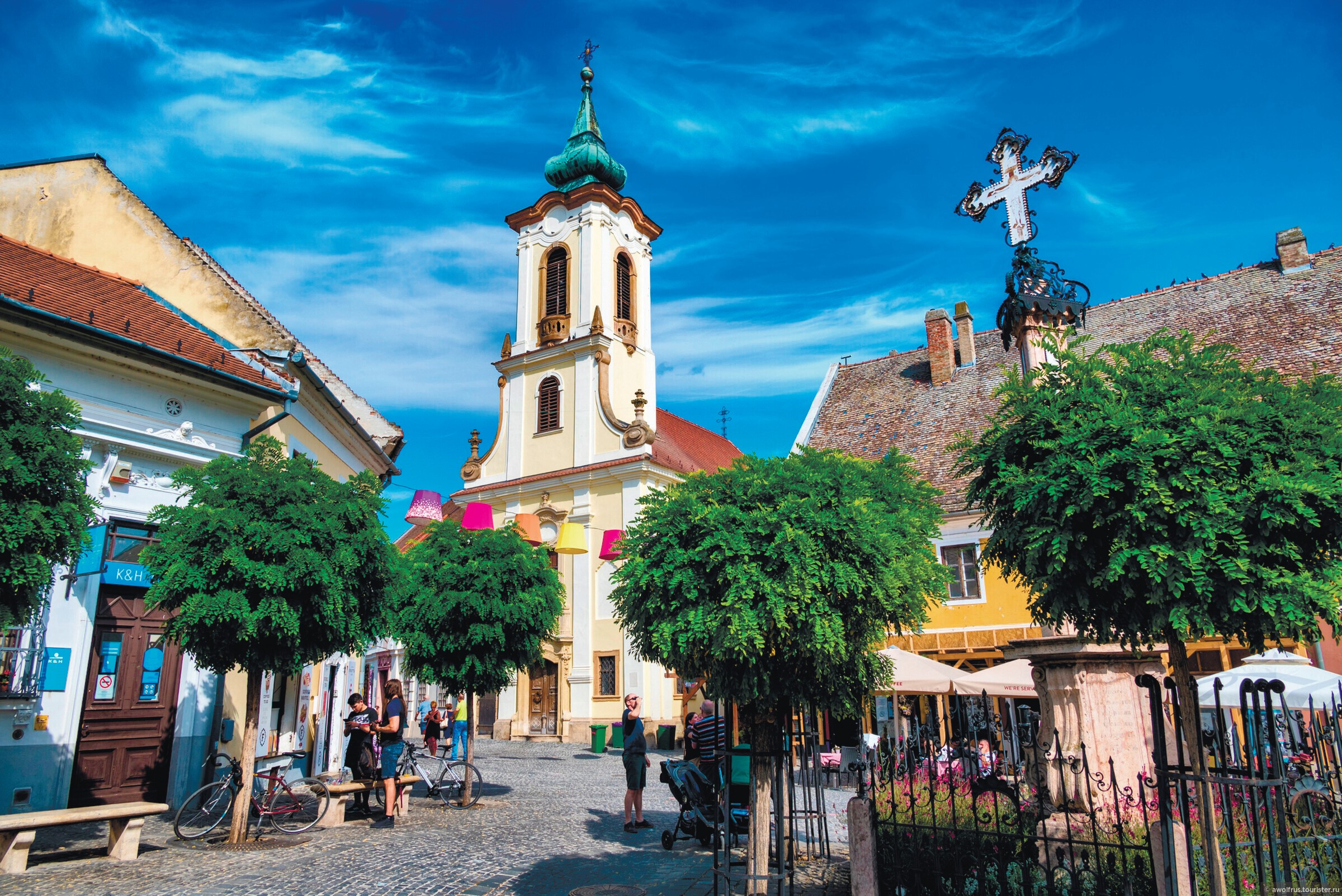
Just 20 km from central Budapest lies the picturesque riverside town of Szentendre — an old settlement of artists, craftsmen and cosy cafés. You can reach it on the suburban HÉV train in about 45 minutes for 2.5 euros.
Small Szentendre charms with cobbled streets, Baroque churches, a marzipan museum and snug galleries. It is especially pleasant to spend a day wandering aimlessly, buying handmade souvenirs, trying ice cream or sampling national dishes on a summer terrace. Interestingly, you may often meet Turkish residents running cafés and selling souvenirs here.
The town also offers boat trips on the Danube and seasonal fairs. Szentendre is an ideal escape from the city bustle and a chance to feel an authentic miniature Hungary. You will very much enjoy the small welcoming cafés with views of the Danube — at least have a coffee and soak up the atmosphere.
Balaton: Hungarian-style relaxation
If you have a few extra days on your trip to Hungary, be sure to plan a visit to Lake Balaton — the largest lake in Central Europe and a favourite holiday spot for both Hungarians and tourists. This destination is especially popular in the warm season from June to September, when the water warms to 24–26 degrees and the shores take on the atmosphere of a relaxed resort.
Reaching Balaton from Budapest is easy and convenient. The distance to the northern shore is about 120 km, and to the southern shore slightly more. By train you can get there in 1.5–2.5 hours depending on the destination. Local and fast trains depart roughly every hour from Déli and Keleti stations. Tickets cost from 6 to 10 euros one way. Bus services are also available — they take a little longer, about three hours, and cost roughly the same. The fastest way is by rented car: driving on the M7 motorway takes about 1.5 hours.
The north shore of Balaton hosts resort towns with history, vineyards and cultural attractions. One of the best known is Balatonfüred, an elegant town with a promenade, yacht club and mineral springs. It is pleasant to stroll, enjoy spa treatments and cycle — and, of course, taste the local wines, notably the white Olaszrizling (also known as Welschriesling).
On the southern side are more “beachy” towns such as Siófok — a youthful resort with active nightlife, bars, beaches and clubs. Here you can find broad sandy beaches with water slides, cafés and boat rentals. Fonyód is known for parks, beaches and a family-friendly atmosphere. Balatonlelle likewise offers sandy beaches and varied water activities and is popular with young people.
Resorts in the Mátra, Bükk, Zala and the Göcsej regions provide scenic routes, panoramic views and cool relief even in heat. Parks feature viewing platforms, eco-trails and natural bathing spots.
Regarding accommodation, the region has hotels of every category. In Siófok a three-star hotel with breakfast costs 50–80 euros a night; in Balatonfüred from about 70 euros. Four-star hotels with lake views and spa zones run from 100 to 180 euros. Apartments and guesthouses are very popular too: locals often rent them for 35–40 euros a night. In high season you should book well in advance, especially for weekends and July–August.
Entertainment at Balaton is varied: water sports, sailing, wine tours, cycling, swimming, fishing and even surfing on the southern shore when winds are strong. Music festivals take place here as well, including the annual Balaton Sound — one of Europe’s largest outdoor electronic music festivals.
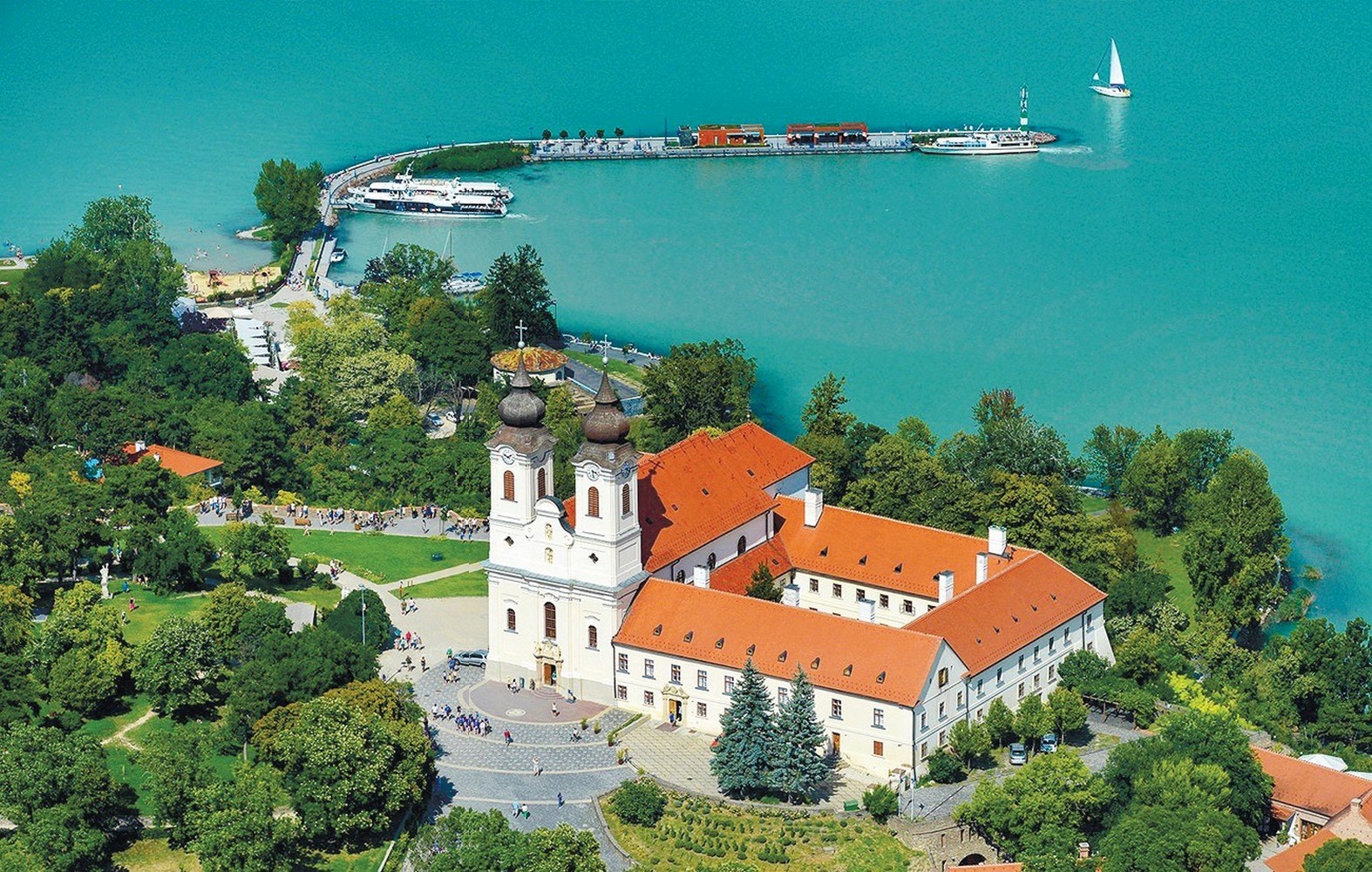
Fans of history and nature can visit Tihany — a peninsula with an 11th-century monastery, lavender fields and stunning views. This region is exceptional in June, when the lavender blooms and the air fills with its scent. Also worth a visit is Hévíz — a spa resort with a thermal lake whose waters are warm and mineral-rich year-round.
Gastronomic pleasures plus shopping
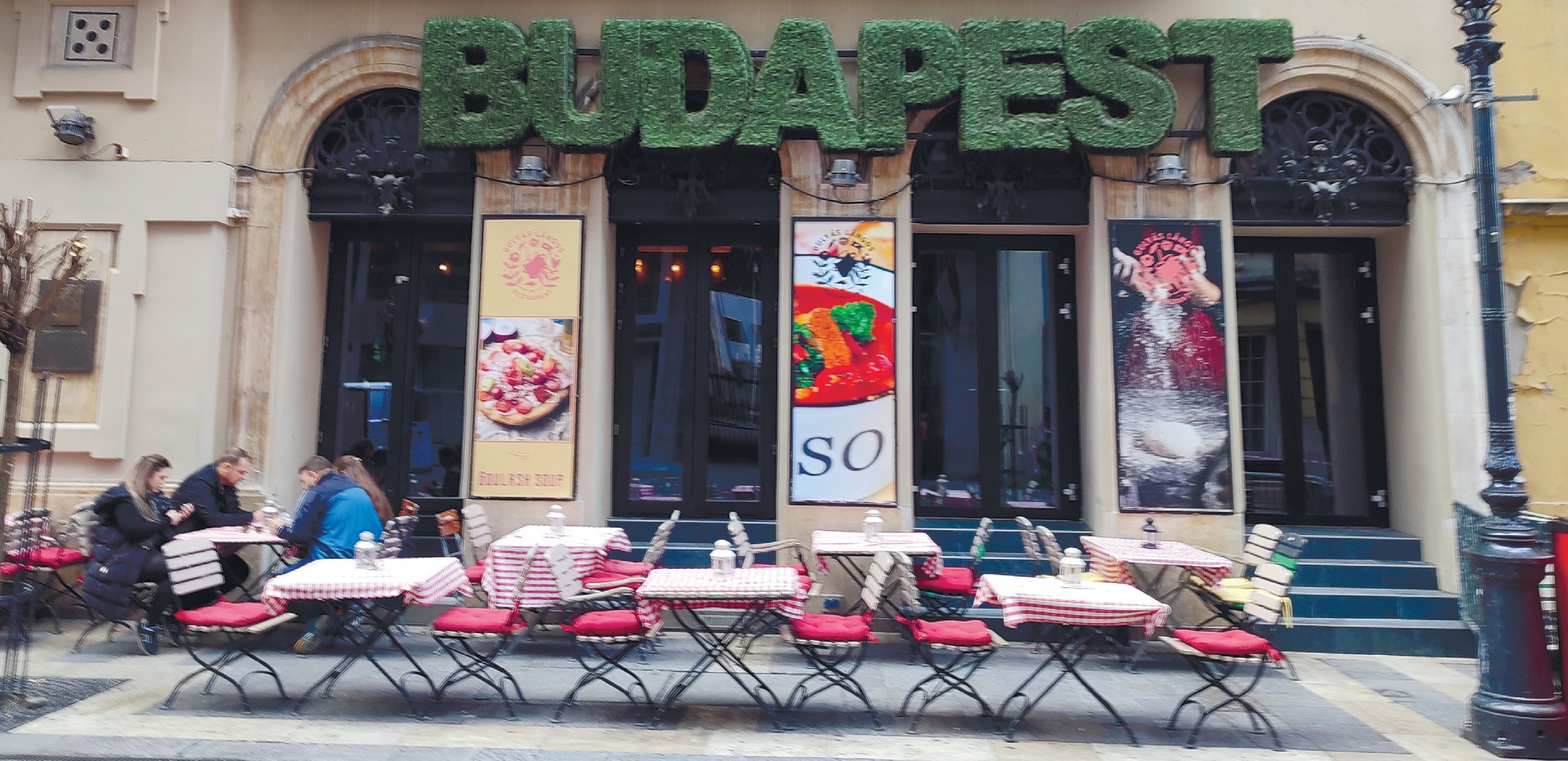
Hungarian cuisine is a blend of rich flavours, spices and traditions. The most famous dish is goulash, a thick soup with beef and paprika. In classic Hungarian restaurants such as Paprika Vendéglő or Hungarikum Bistro, a meal for two with wine will cost around 30–40 euros. Many establishments offer tasting menus, including modern interpretations. Also try Tokaji wine, lángos (fried dough with cheese and sour cream) and local sweets like strudels.
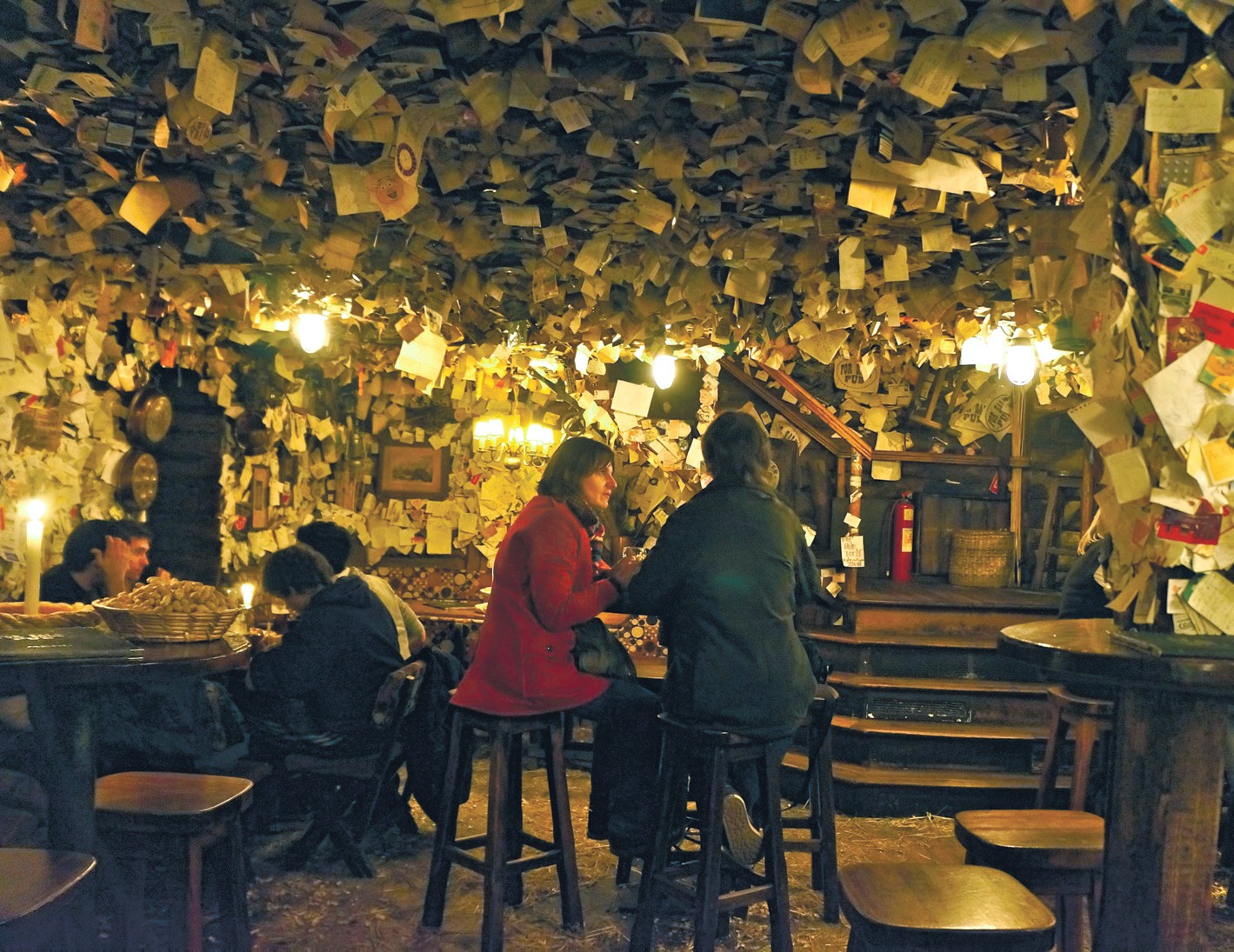
Street food is popular as well: at the central market in the Belváros area you can buy sausages, fresh fruit and souvenirs. By the way, just across from that market is the For Sale Pub, very popular with tourists and locals. They serve one of the most tasty and inexpensive versions of goulash. If you drop in, note that a single portion of goulash will be more than enough for a group. It is brought in a large tureen — even if you order only one serving. One pot can easily feed several guests. Also, on every table and the bar there are baskets filled to the brim with peanuts — a complimentary treat. While you wait for your order, feel free to crack them and drop the shells on the floor: it is part of the atmosphere and a local custom. And of course, alongside the peanuts and goulash you can sample local wine and beer (for an extra charge).
Cafés in Budapest serve Hungarian pastries such as kürtőskalács (a sweet tubular cake known in the Czech Republic as trdelník) priced at 2–5 euros.
Fans of haute cuisine should consider Costes or Onyx, where dinner can cost over 100 euros per person, but it will be a true gastronomic symphony.
Budapest is not regarded as a fashion capital, but you can find interesting pieces here. Váci Street is lined with boutiques, souvenir shops and shopping centres. Local designer brands offer stylish, quality clothing. Markets sell embroidery, ceramics, Hungarian peppers, wines and other produce. Pleasant finds often await in vintage shops and antique stores. Shopping centres such as Arena Plaza or WestEnd City Center offer the usual European range of clothing.
The main thing is that Budapest is a city you want to return to. Its unique blend of architectural beauty, cultural diversity, gastronomic pleasures and thermal relaxation makes a trip here truly rich and memorable. It is not merely a European capital, but a place where everyone finds something: history, art, leisure, gastronomy, nature and living culture. A holiday in Budapest is a chance to stop time, breathe in the aroma of Hungarian paprika and feel the warm energy of the Danube.
RECOMMEND:
 267
267

