

MARRAKECH UNFILTERED
Not for comfort, but for experience
Author: Elchin HUSEYNOV, Baku-Marrakech-Baku
If you are seeking a vibrant, dynamic city rather than a picture-perfect destination, Marrakesh is an ideal choice. Here, they do not guarantee impeccable service or serenity. Instead, there are bustling markets, the scent of spices, street food stalls, the chaos of the Medina (the oldest part of the city) and the energy of Jemaa el-Fnaa Square, which is a hive of activity. People come to Marrakech for a unique experience that offers a glimpse into the authentic world, where each day is filled with memorable moments that cannot be replicated or forgotten.
In the tourist heartland of Morocco
It plays a vital role on several levels: as the country's cultural centre, a major economic hub, and a key tourist and transport hub linking the south and north of the country. Its significance extends far beyond tourism—it is here that the image of modern Morocco, combining tradition with dynamic development, is most vividly manifested.
In this context, Marrakech has emerged as the country's primary tourist destination and one of the most visited cities in Africa. Against a backdrop of record growth in visitor numbers, the country welcomed around 19.8 million foreign tourists in 2025, a historic high. By early 2026, this positive trend had continued, with over 4.3 million arrivals recorded in the first quarter alone. Within this overall picture, Marrakech plays a key role—it accounts for a significant portion of the tourist flow and remains the main 'gateway' to the country for millions of travellers.
The scale of tourism is particularly evident in the city itself. In the first half of 2025, Marrakech recorded over 5 million overnight stays, firmly holding first place among all destinations in the country, ahead of Agadir (the local equivalent of Antalya) and the popular Casablanca. The city consistently achieves high hotel occupancy rates, and its tourism infrastructure comprises thousands of accommodation options—ranging from traditional houses in the Medina (old town) to modern five-star complexes.
The main influx of visitors comes from European countries, primarily France, Spain and the UK, as well as Germany, Italy and the growing US market. Moroccans living abroad also account for a significant share, returning to the country as tourists, particularly during the high season.
Marrakech's appeal lies in its blend of contrasts, showcasing the ancient Medina with its narrow streets and markets, the vibrant Jemaa el-Fnaa Square, numerous historical monuments, including palaces, mosques and gardens, and over 20 key attractions spread between the old town and modern districts. People are drawn to this location not for its tranquillity, but for its dynamic atmosphere, the opportunity to experience the vibrant East, and the unique and rare opportunity to enjoy an experience that is not easily found elsewhere.
A layered city
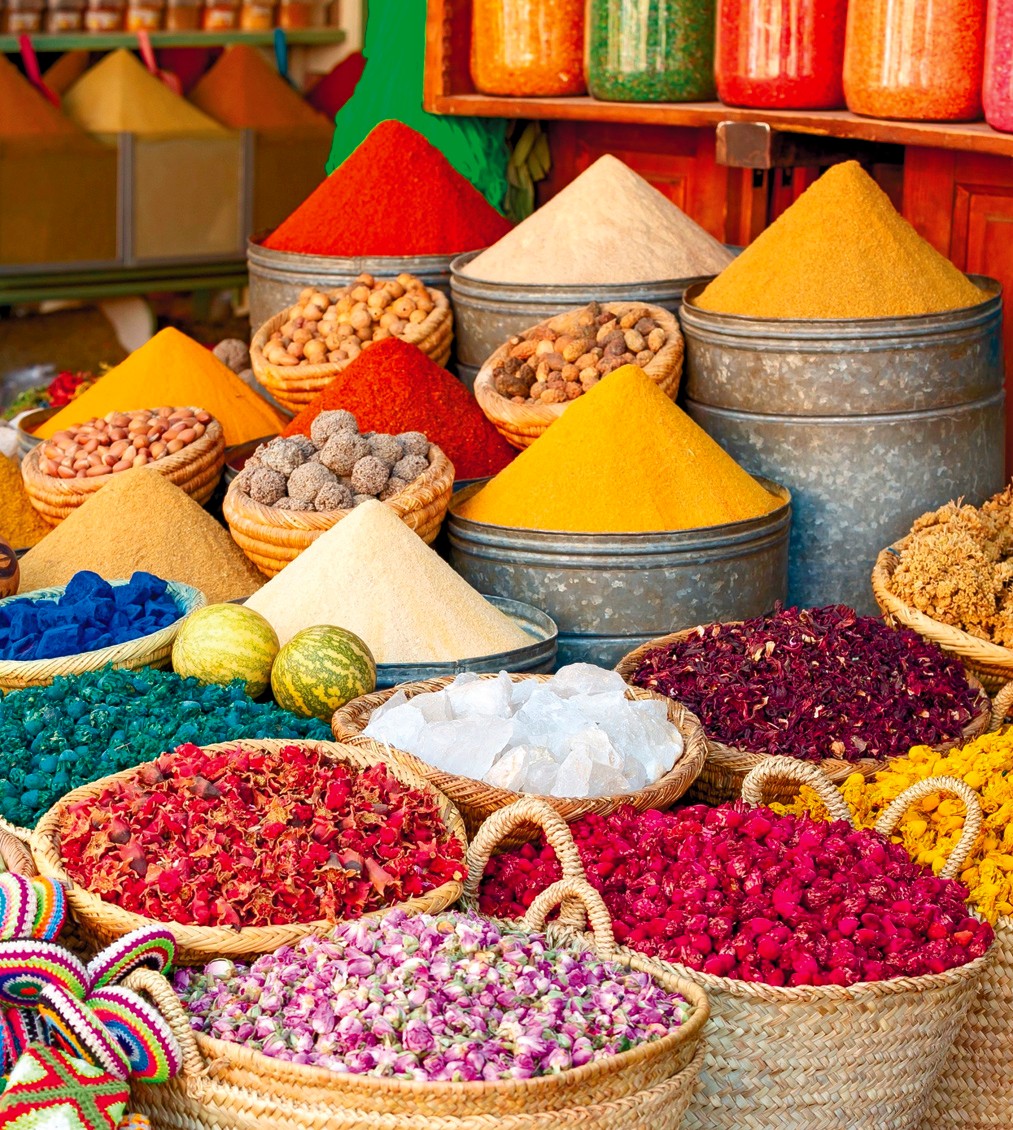
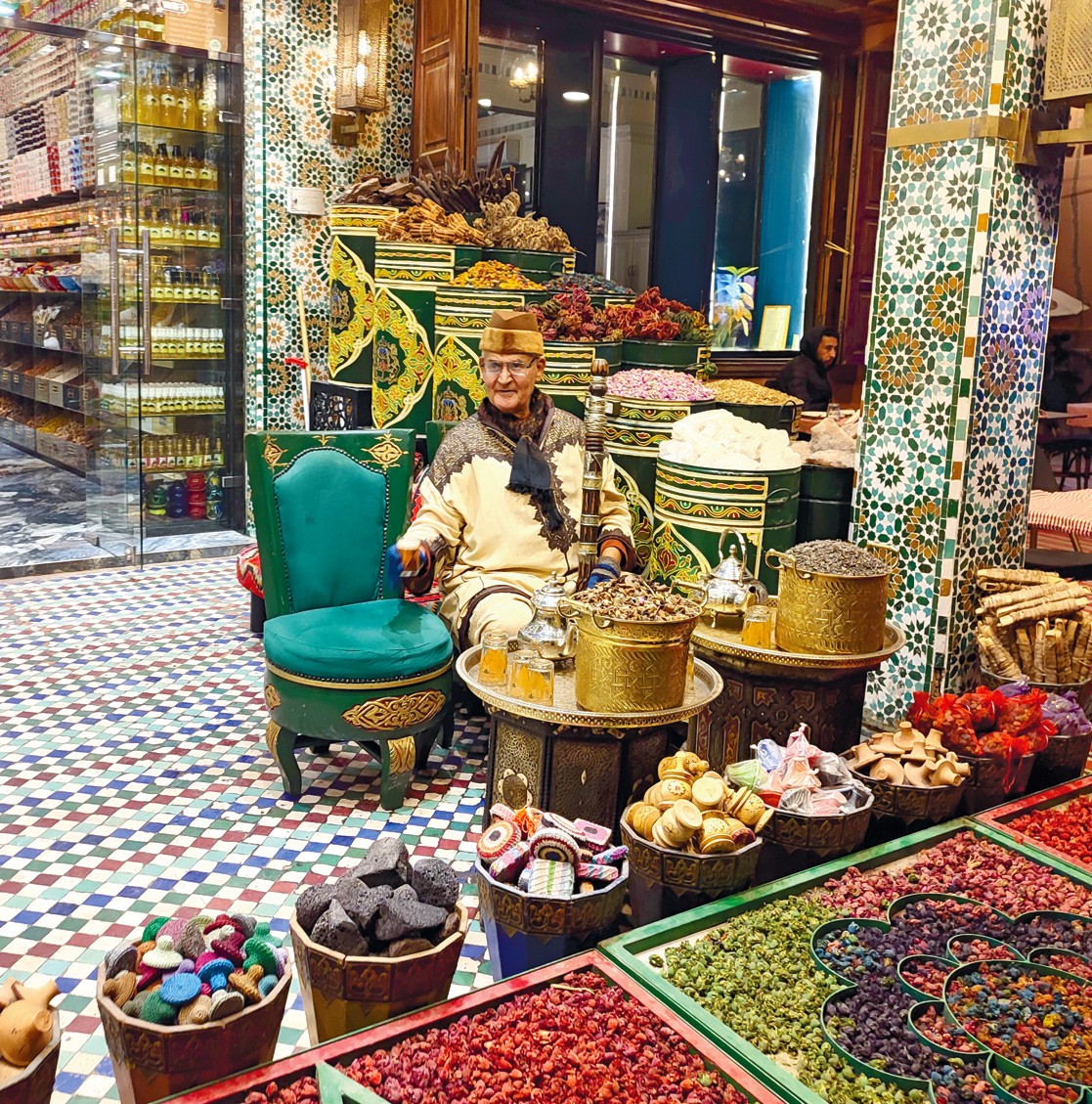
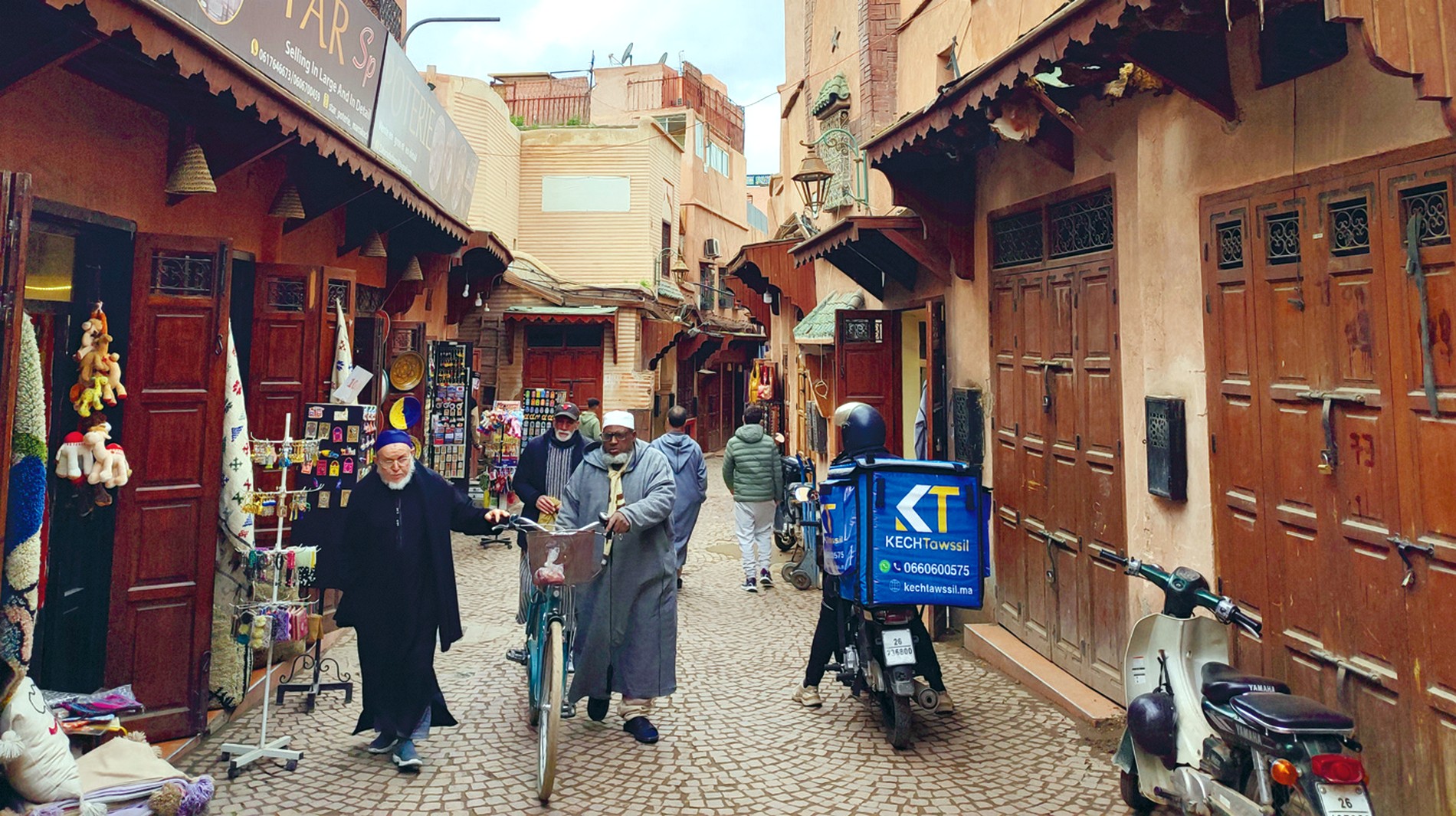
The Marrakech Medina is not just an old town, but a complex, living organism where the streets defy conventional logic. Narrow alleyways intertwine, leading to a variety of bustling markets, courtyards and squares. This creates a labyrinthine city where getting lost is part of the experience. This is where you will find the most authentic aspects of Marrakesh life. Endless streets filled with carpets, spices, leather, ceramics, food and fabrics create the busy atmosphere of an oriental market, where trade has long since become a cultural ritual rather than a mere exchange. At the heart of this bustle lies Jemaa el-Fnaa Square—a space that comes alive from morning till night as a spectacle in its own right. In this vibrant setting, street performers such as musicians, storytellers, snake charmers, acrobats and impromptu entertainers collaborate to attract the attention of passers-by. Among them, persistent traders and touts can be found, offering a wide range of goods, from traditional souvenirs to spices and sweets.
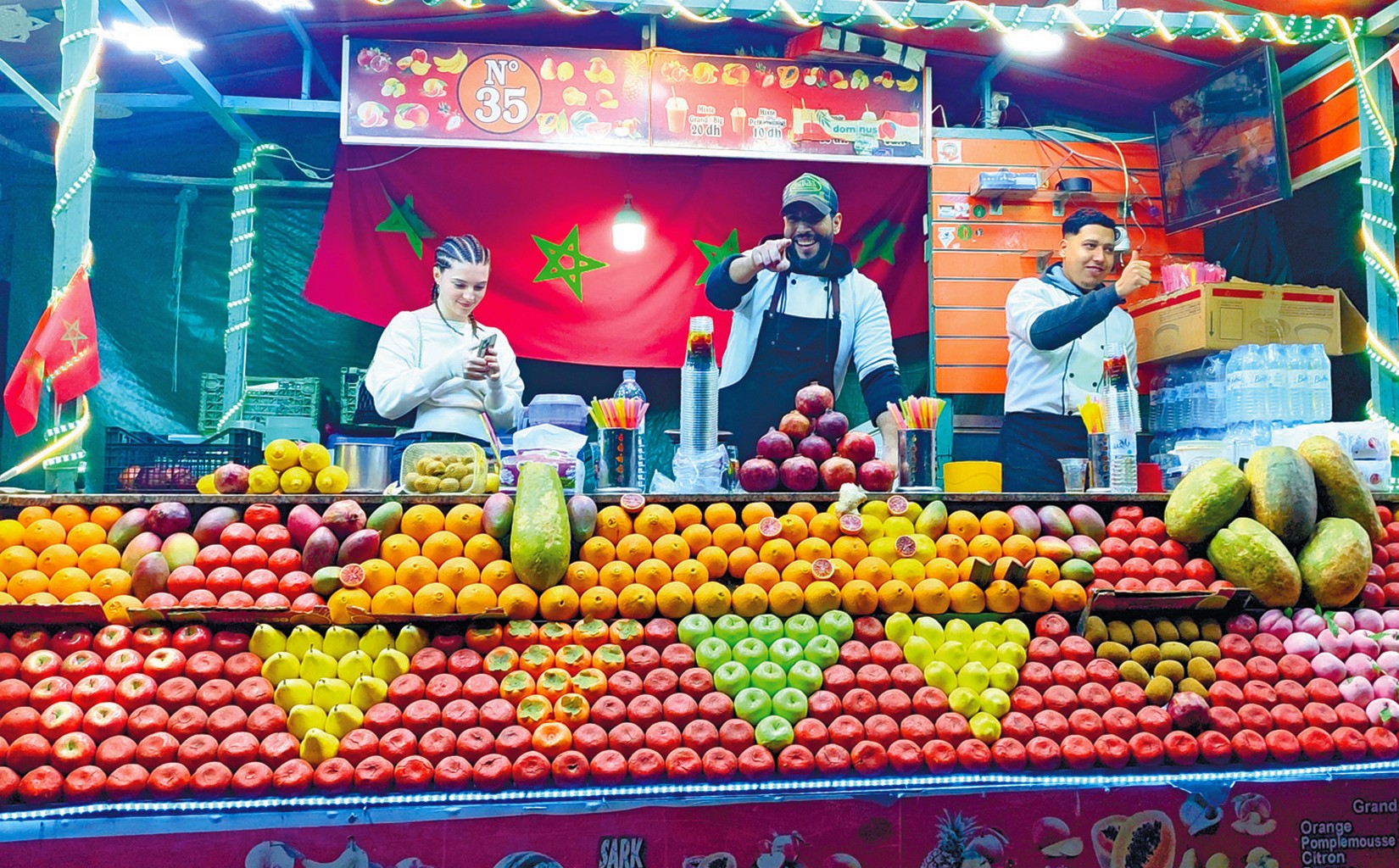
The provision of food and drink is a separate category. There are stalls selling freshly squeezed orange and pomegranate juice, as well as mobile carts and street cafés offering tagines, couscous and meat cooked over an open fire. In the evening, the square metamorphoses into a substantial open-air gastronomic pavilion, where the aromas of food, the voices of vendors and the lamplight combine to create a dense atmosphere that is almost palpable. This environment is such that it is impossible to remain merely an observer.
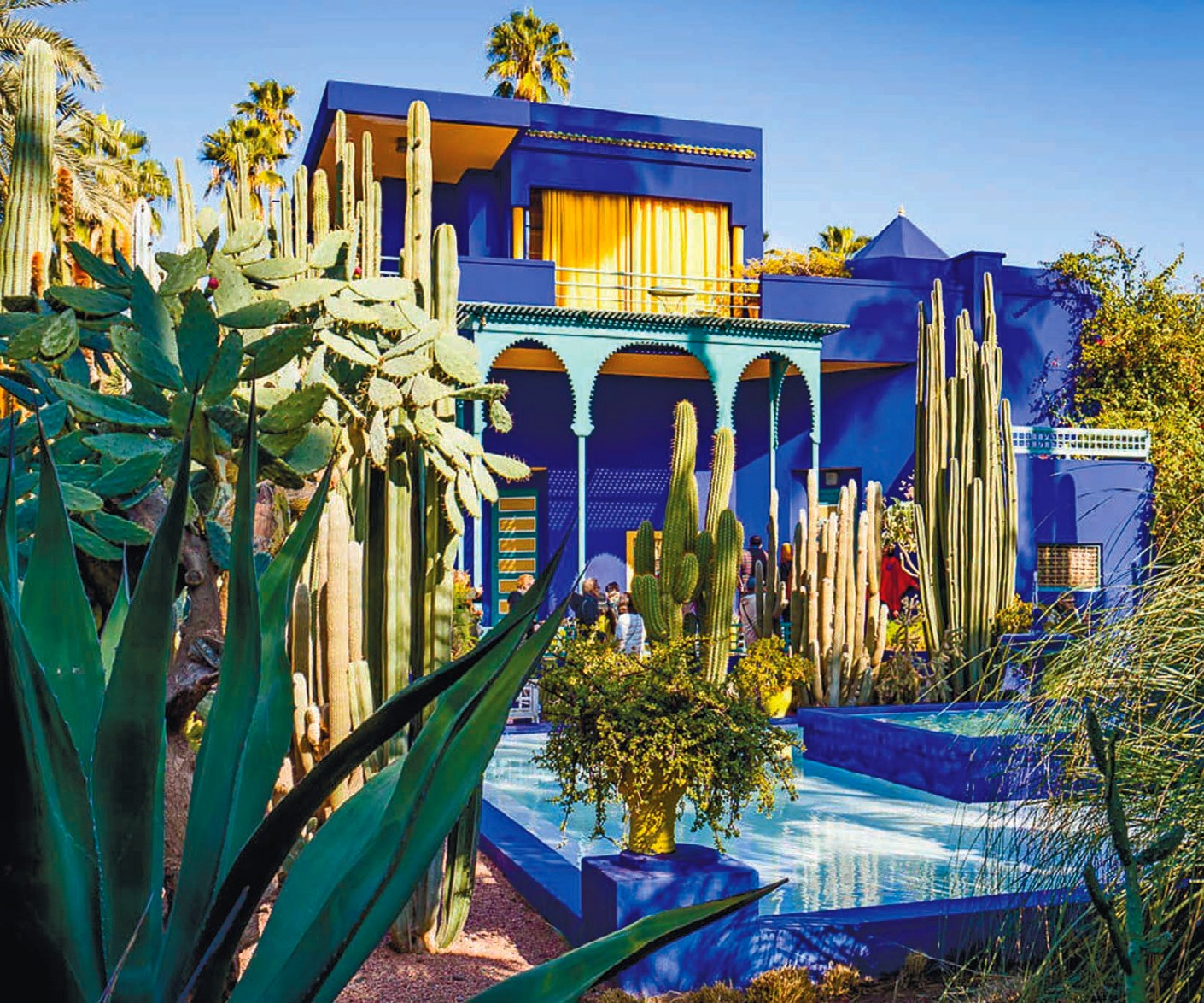
In the context of the city's dynamic environment, Marrakech's spaces of tranquility stand out, with the Jardin Majorelle being a particularly notable example. It was created by the French artist Jacques Majorelle in the 1920s and 1930s, and in 1980 it was saved from ruin by the fashion designer Yves Saint Laurent, together with Pierre Bergé. Following its restoration, the garden became one of the city's main attractions and is now open to the public as a botanical garden and cultural complex. The garden's primary feature is its vibrant cobalt blue hue, which is artfully incorporated into the design of the pavilions and serves as a striking contrast to the cacti, bamboo, and exotic plants sourced from across the globe. The site also houses a museum of Berber culture, which was opened in 2011 and displays over 600 exhibits of traditional art and everyday objects. The Yves Saint Laurent Museum, which opened in 2017, is also nearby. Please be advised that queues are a common occurrence at the garden entrance, and it is therefore essential to purchase tickets in advance online, selecting your preferred time slot. Failure to do so will result in being left at the garden gates.
Le Jardin Secret (The Secret Garden) is a restored historic garden complex in the centre of the Medina, covering an area of around 4,000 square metres. The site is divided into two key areas: an Islamic garden, which features a classic symmetrical layout, and an exotic garden, which showcases a variety of plants from different regions of the world. Both parts of the garden are organised around a system of water channels and pools, recreated according to traditional Moroccan irrigation principles. The premises include an observation tower, which offers a panoramic view of the Medina.
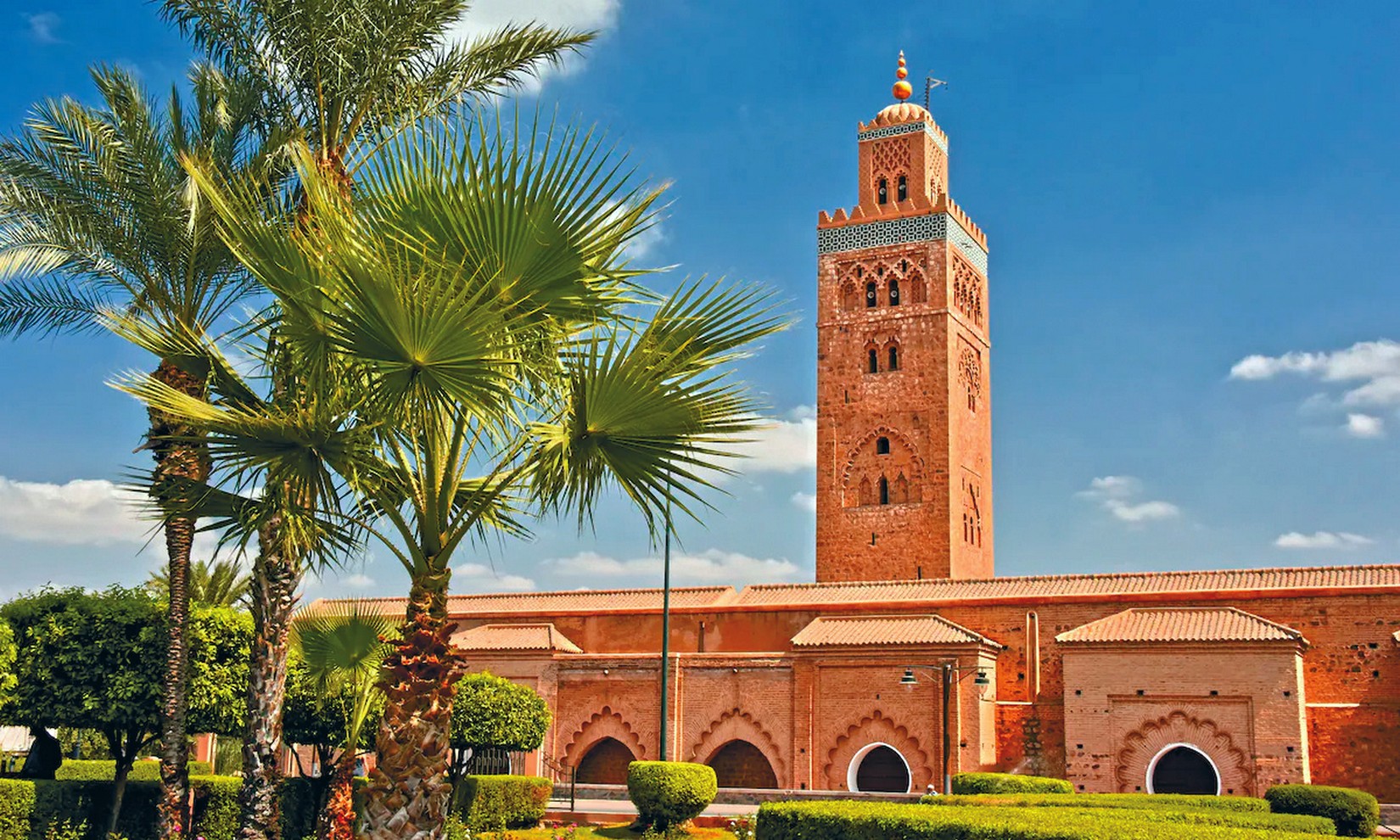
Marrakech's historical and architectural heritage is concentrated in a few key sites, which can be conveniently visited as part of a single city tour. The Koutoubia Mosque is the city's central landmark and the largest in the city. The minaret, standing at almost 77 metres tall, is visible from virtually any point in the city centre. The mosque was constructed in the 12th century and stands as a significant exemplar of Berber Almohad-era architecture. Entry is restricted to Muslims, but the surrounding area is accessible for walking.
The Bahia Palace is one of the city's most visited 19th-century palaces. The complex consists of multiple courtyards, living quarters and reception halls. The site's main attraction lies in its intricate detailing, including carved wooden ceilings, zellij mosaics, marble features and interior gardens. The palace's layout is not uniform, having been constructed in stages, as evidenced by its intricate structural design.
The Ben Youssef Madrasa is a true architectural treasure trove, where everyday walls reveal intricate details of cedar, plaster and zellij mosaics. Upon arrival, visitors are greeted by an ambience reminiscent of an oriental fairy tale. They are invited to observe the compact cells that once accommodated hundreds of students and to experience the serene atmosphere of the inner courtyard, which features a cool, mirror-like pool. This location is widely regarded as the most photogenic in Marrakech and is highly recommended.
The Saadian Tombs are the necropolis of the Saadian dynasty from the 16th–17th centuries. The complex was not reopened until 1917. The site currently consists of multiple mausoleums and a garden courtyard. The most renowned chamber is the Hall of the Twelve Columns, where members of the ruling dynasty are interred. The necropolis itself is relatively small, but is considered an important historical site in the city.
Marrakech is also an important starting point for trips beyond the city. Excursions are organised from here to various regions of the country, including the Atlas Mountains with their Berber villages and mountain valleys, the desert regions of the Sahara with overnight stays in camps and camel rides, and the Atlantic coast to the town of Essaouira, known for its historic centre and Atlantic coastline. These destinations are typically considered one- or two-day trips from Marrakech, offering the opportunity to complement your city itinerary with natural and coastal landscapes.
Accommodation options
The choice of accommodation in Marrakech is one of the most important considerations for visitors, as the neighbourhood in which you stay will have a significant impact on your overall impression of the city. The city boasts a total of around 2,000 licensed accommodation establishments, encompassing riads, hotels and apartments, and the range of options extends across virtually all price ranges, catering to diverse requirements and budgets.
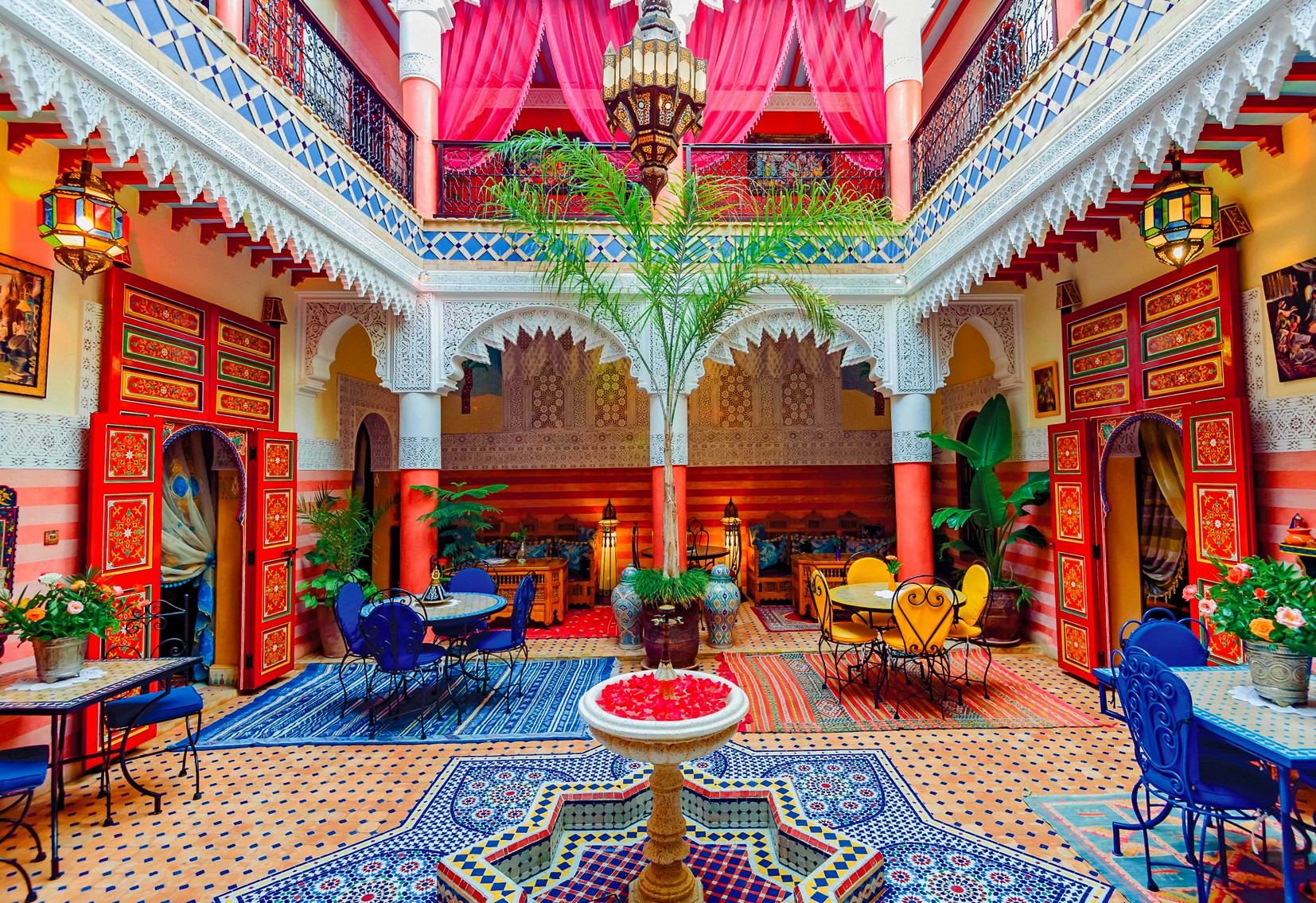
The city's main feature is the distinction between riads and hotels. A riad is a traditional Moroccan house that has been converted into a small hotel. These hotels typically have 5–15 rooms and feature a courtyard or garden. The majority of riads are located in the Medina, that is, in the old town. The atmosphere here is as authentic as possible, but there are certain features to bear in mind: narrow streets, no transport right to the door, noise and dense development. Hotels, on the other hand, are more often located in newer areas with more familiar amenities: swimming pools, restaurants, parking and a consistent standard of service.
Marrakech is divided into several main areas based on accommodation. The Medina is an ideal location for guests wishing to stay in the historic centre of the city and be close to the main attractions, including the market and Jemaa el-Fnaa Square. The Gueliz district is the modern part of the city, with an abundance of shops, cafés and excellent transport links. Hivernage is a tranquil area with a concentration of 4- and 5-star hotels, offering a range of accommodation options to suit a variety of requirements.
Prices are dependent on the standard of accommodation and the season. The cost of a night's stay in a budget riad is approximately €25–60, while mid-range options are €70–150. For a more luxurious experience, boutique riads and higher-quality options are available from €150–300. Prices for five-star hotels start at €180 and can reach €500–600 or more, particularly during the high season (spring and autumn), when demand rises significantly.
A culinary experience in Marrakesh
The food in Marrakesh is a highlight of the trip in its own right, and almost always comes as a pleasant surprise to visitors. The city offers a variety of culinary experiences, ranging from street food to traditional Moroccan dishes and a wide selection of restaurants. These include both simple stalls in the square and modern rooftop venues.
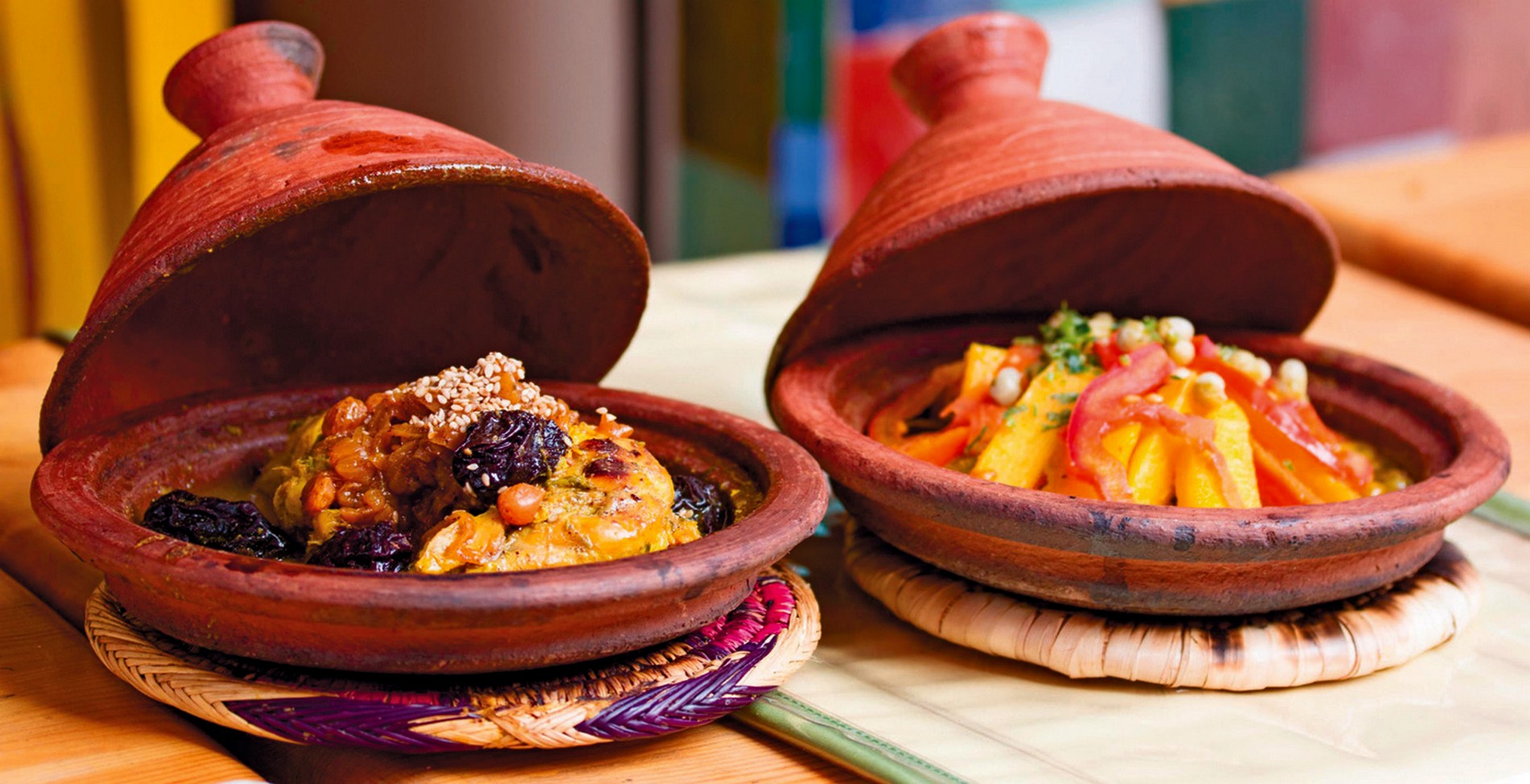
The national cuisine is centred on dishes such as tagine (stewed meat or chicken with vegetables and spices in a clay pot), couscous (fine wheat grains, traditionally served on Fridays), and pastilla—a layered pastry filled with chicken or pigeon meat, almonds and icing sugar. It is evident that the majority of restaurants offer variations on these dishes, with prices depending on the establishment's standard. A tagine can be found at a range of prices, from €5–8 in simple cafés, €10–18 in tourist restaurants, and up to €20–25 in more upmarket venues. The most renowned Moroccan soup is harira, which is similar to Turkish lentil soup and is characterised by its use of an array of pulses, tomatoes and Middle Eastern spices.
Street food constitutes a distinct segment of the culinary landscape, especially in the context of Jemaa el-Fnaa Square. Here, there are dozens of small stalls and pop-up kitchens serving a range of dishes, including grilled meat, snails, fried seafood, traditional fare and snacks. Depending on the dishes selected, the cost of dinner in the square is usually between €8 and €12.
Freshly squeezed juices—primarily orange and pomegranate—play a major role in the city's culture. Juice stalls are located in abundance throughout the Medina and on the square. The average price for a glass is €2–2.50, making them the most affordable and popular drink for tourists. Morocco is renowned for its fresh orange juice, which is widely regarded as being superior to that of other countries. It is an integral part of the breakfast and dinner menu.
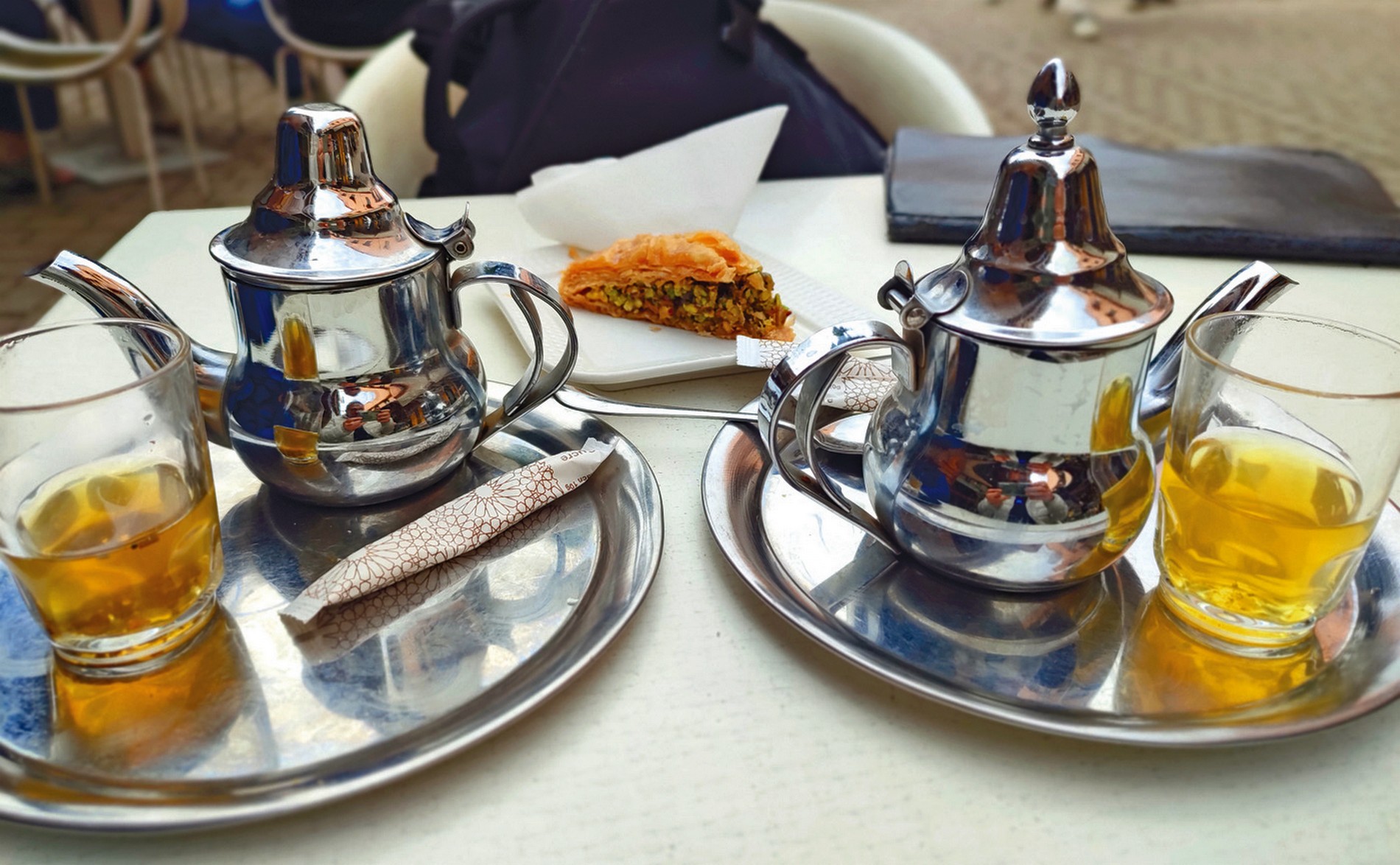
Another noteworthy beverage is traditional Moroccan mint tea, which is widely available—from cafés to riads. It is not merely a beverage, but rather an integral component of the local hospitality industry, frequently offered at no additional cost when customers purchase food. The traditional cuisine of Marrakesh is also notable for its sweets, which play an important role in the local gastronomy. These include pastries made with honey, nuts, almonds and filo pastry, such as 'chebakia' (fried biscuits in honey with sesame seeds) and various puff pastries. Moroccan desserts are notable for their taste and presentation, and bear a strong resemblance to Turkish sweets, particularly the baklava and honey-based desserts. However, Moroccan desserts tend to be less cloying and have a more pronounced aroma of spices and orange blossom water.
Overall, Marrakech's cuisine is built on a combination of simplicity and rich flavour: a generous use of spices (cumin, cinnamon, saffron, ginger), slow cooking, and a balance of sweet and savoury. This cuisine is best experienced in situ, with the convenience of being able to enjoy it without the hassle of searching for restaurants, as it is literally woven into the urban fabric.
A hassle-free trip: key practical tips
A trip to Marrakech will be much more comfortable if you bear in mind a few simple but important rules that are directly linked to the city's local customs. Firstly, it is essential to engage in a period of haggling. Within the Medina and at marketplaces, this practice is not only tolerated, but it is an integral component of the purchasing experience. It is standard practice to start the bidding at a price that is almost always inflated, and to reduce it by two or three times, depending on the item and the situation. When travelling by taxi, it is advisable to engage in a bit of haggling and agree on the fare in advance, as tourists are often charged double or even triple the normal price.
Secondly, it is important to be able to find your way around the city. The old town is a complex network of narrow streets with no clear signage, so it is advisable to have an offline map or a GPS app to hand. Even experienced travellers can find it challenging to navigate the Medina, particularly in the early days.
Thirdly, the dress code. Marrakesh is a tourist city that remains part of a traditional environment, so it is advisable to choose more modest clothing: it is best to cover your shoulders and knees, especially in the Medina and at religious sites. This is not a strict rule, but rather a matter of respect for the local culture.
It is important to note that Moroccans generally do not agree to have their photo taken. If you approach someone with a camera without first obtaining their consent, they are likely to show their displeasure by either expressing their displeasure vocally or simply leaving the scene. It is advisable to seek approval before proceeding.
Finally, it is essential to have cash on hand. Despite the development of tourist infrastructure, many small shops, markets and street vendors still only accept cash. There are cash machines and bank cards are accepted in major locations, but it is more convenient to carry a sufficient supply of Moroccan dirhams for daily expenses.
Marrakech is a city that is not easily overlooked. The city can initially appear overwhelming due to the noise, movement, smells and sheer number of events, but upon further reflection, a more organised picture begins to emerge. It is easy to get lost here, quite literally, but that is precisely what becomes part of the experience: the city forces you to slow down, look around more carefully and perceive familiar things in a different light.
This is its main effect—Marrakech is not about ‘visiting and seeing’, but about living. It does not strive to be convenient or predictable, but that is precisely why it leaves a much stronger impression than many classic tourist destinations. And, as a rule, after the first trip, it is not seen as a closed chapter—rather as a place to which one returns with a different perspective.
RECOMMEND:
 95
95

