

BEYOND LUXURY
Why the new luxury ecosystem belongs to intimacy and longevity

Author: Khadija SEYIDLI
You step into the grand entrance of a magnificent hotel lobby. You will be greeted by flawless floral arrangements, meticulously calculated to the nearest millimetre, gleaming white marble, and majestic paintings designed to underscore the venue's status. Everything around you appears perfect, yet within this faultlessness lies a subtle paradox: it feels entirely too rehearsed, too predictable. For a fleeting moment, you experience a strange, even unsettling sensation, as if this grand entrance could simultaneously be in Milan, Doha and Tokyo. The space around it is undeniably opulent, and the luxury is globalised and strangely familiar. You will undoubtedly feel a sense of déjà vu, rather than admiration. Right then, a person walks past. They are clearly part of the world of privilege, as their membership is highlighted by conventional, tangible markers — a crocodile-skin bag, gold-plated sunglasses. Meanwhile, a sleek sports car awaits them at the entrance. This scene illustrates the conventional understanding of prestige perfectly: luxury must be strictly visible, material, and explicitly on display.
Now, imagine a completely different scenario. You step into a hotel that immediately evokes the feeling of entering someone's private home. The interior and architecture here speak the profound language of memory, luxury is subtle, and the artwork belongs to the space, forming an integral part of its personal history. The owner or general manager will welcome you at the door themselves, and the staff will recognise your face and remember your preferences without needing prompts from a computer screen. This space conveys sophistication without pretension, and every corner exudes a genuine and authentic human feel. This stark contrast reflects one of the most profound, thoughtful, and intriguing shifts in the modern travel and premium-consumption industry. True luxury is rapidly moving beyond size, scale, and material possession, transforming from something one shows into something one feels, practices, and protects over time.
The scalability crisis
For a long time, traditional luxury was meant exclusively to be a demonstration of power, volume, and international scalability. Major hotel chains dominated the industry precisely through their hundreds of rooms, monumental lobbies, and global loyalty programmes. Travellers actively and consciously chose these famous brands for their predictable quality, whether for business trips, city excursions, or family leisure. Rigid international standards guaranteed that a tourist would experience the exact same proven model of high-end service anywhere on the planet. For decades, this predictability served as the primary guarantor of comfort.
Yet this massive expansion revealed a flip side, and today the aggressive internal growth of luxury groups across different continents has caused them to seem more like corporate entities than personal spaces to travellers. Driven by a desire for strict brand consistency and visual uniformity, large hotels have begun to look overly staged and performative. A sense has emerged that metrics of net profit, occupancy rates, loyalty programme retention, and overall revenue have become far too entangled with the very essence of hospitality. To be sure, these giants retain their historical value; they continue to offer impeccable comfort, exquisite cuisine, and top-tier service. But the shift itself is subtle, almost imperceptible. Scalability and continuous expansion inevitably dilute the very rarity and scarcity that originally made a brand desirable. When designers' names are repeated from one project to the next, when the scents in the corridors are identical across all continents, and when staff communicate using a rigidly scripted service manual, the atmosphere begins to feel formulaic. Under such conditions, it becomes increasingly difficult to surprise guests or genuinely impress them with bygone grandeur.
The manifesto of intimacy
Boutique hotels are transforming the philosophy of travel. They are making intimacy and understatement their primary advantage over a vast array of standardised amenities and an excess of luxury in public zones. By limiting their space to a small number of keys—typically ranging from just five to thirty rooms—they escape standardisation entirely. In these properties, each room has its own distinct character and is ready to tell guests its unique story. It is not part of an assembly line. Whether it is a meticulously restored medieval villa, a renovated century-old mansion, or an urban building hidden away from prying eyes, the boutique hotel is unique.
In these properties, the manager or hotel owner is physically and visually present, remaining almost emotionally bound to their project. This detail is of decisive importance. A boutique space is always more attractive to travellers because of its genuine, living connection. This is impossible to implement and maintain consistently within massive, sprawling hotel structures. This is an authentic bond that originates long before the guest's arrival through personal correspondence and continues to grow right up to the moment of their departure.
This tectonic shift from the plane of external gloss to internal substance has completely rewritten the beauty and wellness industry, altering the social identity of the modern individual. In a society oversaturated with external stimuli, information and endless noise, true tranquillity and calmness are the new luxury. The vast majority of discerning travellers today feel an acute need to remain incognito, seeking seclusion, silence, and security during their journeys. The primary goal of travel is now mental and physical rejuvenation, so it's only natural to want to feel shielded from the outside world rather than being paraded in front of it.
From correction to cellular repair
This approach also changes the requirements for a hotel's location. While major luxury groups traditionally strive to occupy the most central districts of a city, surrounding themselves with shopping arcades, financial quarters, and active tourist flows—which is highly effective for business—boutique hotels choose a fundamentally different path. Their locations are almost always slightly hidden from view, even if they are situated in the absolute heart of a central region. Here, the connection with the journey and the space is strengthened not through the prism of consumerism and shopping, but through profound serenity and synergy with the locality.
The differences are clearly visible even in how these properties present themselves through their staff. Large luxury chains continue to follow the canons of strict corporate life: they require their staff to wear razor-sharp uniforms, execute movements rehearsed to the point of automation, and provide countless conference rooms and employees who seemingly blend into the interior. To be sure, such an atmosphere can be aesthetically beautiful, but it represents an impeccable workplace—a beautiful office. This explains why travellers find themselves charmed and captivated precisely by smaller spaces, where the environment in no way reminds them of conferences, office routines, and rigid frameworks.
Boutique hotels have adapted to display luxury in a much more relaxed, natural manner. Their staff wear original, signature attire that reflects the individuality and character of the hotel itself, and these outfits are often changed and rotated throughout the week rather than being stuck within a single, rigid dress code. The staff become genuine catalysts of life inside the hotel rather than merely remaining statically attached to the reception desk in the lobby. During a stay, employees gently guide guests around the overall mood of the hotel, ensuring that hospitality is experienced as genuine companionship and engagement rather than a dry, regulated procedure. This is recognised as the fundamental strength of boutique hotels, one that cannot easily be mimicked or copied. It is far more difficult to replicate the unique feeling of a restored Baroque villa, a seaside sanctuary, or a hidden urban residence to which guests wish to return year after year. Boutique hotels create value through memory, the senses, and a lasting impression that this specific property simply could not exist anywhere else in the world.
Healthspan versus lifespan
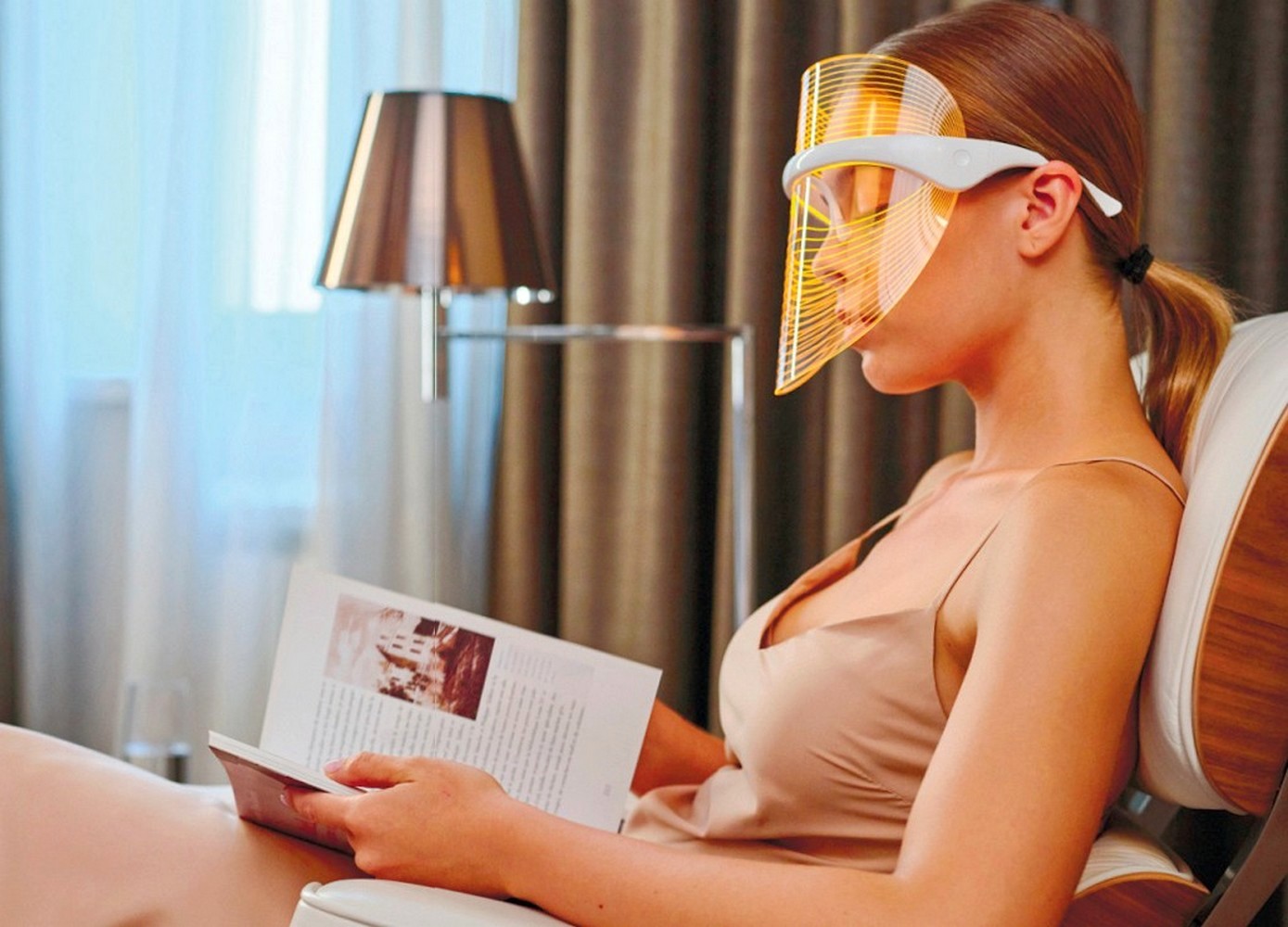
This same shift has completely overturned the beauty industry, where traditional ideals have given way to new values. In everyday life, exclusive jewellery sets are yielding to ankle weights, late-night weekend raves are replaced by deep-sleep rituals, and gold-plated sunglasses are supplanted by high-tech red-light therapy masks. Healthcare and the preservation of biological resources are asserting themselves as the new and only true standard of beauty. The ideal look has become a relaxed, natural face. Instead of aggressive surgical face-lifts and excessive injections, the trend has irrevocably shifted towards the cellular resilience of the skin by strengthening its natural barrier, deep hydration, the constant application of SPF (sun protection factor), supporting the body's own collagen production, fascial release, and improving blood microcirculation. Preservation occurs at a deep cellular level, and the skin is beginning to be treated as the most complex and largest organ of the human body, requiring gentle care rather than acting as a mere decorative surface. The new luxury beauty routine is built upon lymphatic drainage massages, fascial release, LED therapy, and oxygen treatments. The goal is a well-rested, energised version of the exact same face, rather than the creation of a completely different, unfamiliar countenance.
The word longevity is heard everywhere today, yet few realise its true depth and what it actually entails. It is frequently confused with a basic fight against ageing; however, the concept of longevity extends far beyond superficial methods and short-term biohacking tricks. At the core of this practice lies a fundamental prioritising of healthspan over lifespan, where the quality of each lived day—a good, fulfilling life—is paramount. The primary objective becomes maintaining high energy levels throughout the day and preserving the body's strength long before the first signs of any disease manifest. Through regular health protocols including infrared saunas, red-light therapy, non-invasive facial treatments, and lymphatic drainage, individuals shield their bodies from hidden inflammation, exhaustion, and internal imbalance, nourishing the organism at a profound level.
Any systemic longevity begins with the meticulous measurement of metrics. This means shifting the focus of attention from the operational correction of defects to deep preventative restoration and repair. Specialised longevity clinics base their work on advanced diagnostics, evaluating comprehensive blood tests, hormonal profiles, sleep quality, the gut microbiome, and actual biological age. These data are used to create strictly personalised health programmes. Modern luxury categorically rejects one-size-fits-all solutions. It focuses exclusively on the specific deficiencies of a particular organism. It does not market mass-market programmes.
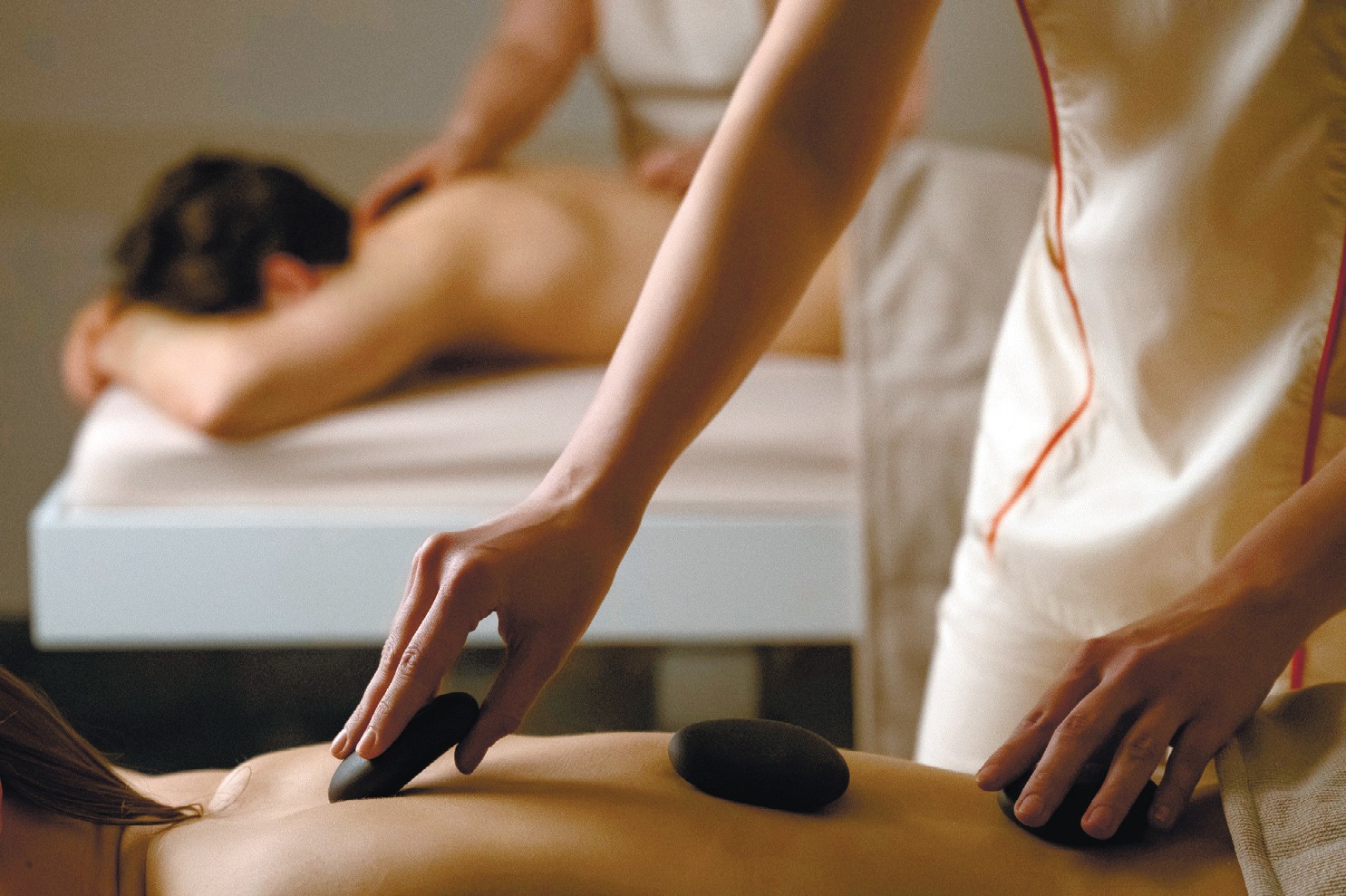
This wave began in medical wellness centres, private practices and specialised spas. Here, prevention was prioritised over treatment and health was elevated to a key element of personal identity. Switzerland is the prime example of this movement, where health is viewed as an intrinsic part of the human self. Guests are offered more than just passive relaxation; they receive a comprehensive approach to movement, nutrition and skincare that can be seamlessly integrated into their daily lives and lifestyle. Today, this philosophy of preventative luxury has deeply penetrated the premium hotel segment. It is clear that the spa facilities of high-end hotels have evolved far beyond the standard menu of full-body massages. Their unique concept is clear: early-morning yoga at dawn, breathwork and complex rejuvenation protocols are an integral part of it, merging with the brand identity. The market's largest players are investing heavily in advanced equipment, the world's finest practitioners, and innovative cosmetic formulations. They understand that the comprehensive restoration of skin and body through barrier strengthening, hydration, and collagen support has transformed from a fashionable trend into an obligatory standard of high-end hospitality. Virtually every luxury spa today offers lymphatic drainage, LED therapy, and sculpting body massages, elevating these services beyond the luxury mainstream into a basic necessity.
A new manifesto for reset
The best longevity practices are those that are woven seamlessly into a person's daily lifestyle. It is clear that high-quality sleep, regular movement, proper hydration and minimising inflammation are the definitive paths to a life lived with genuine grace. Sun Simiao, a renowned traditional Chinese physician, observed that those who excel at cultivating life treat illness before it even begins to appear. This ancient maxim perfectly encapsulates the evolution of modern luxury. Restoration must commence long before a critical necessity arises, making longevity far more than a passing micro-trend; it is a conscious remedy for the systemic lifestyle deficiencies of past generations.
This shift marks a profound change in social identity. Now, longevity is bound to the same code of sophistication and refinement as premium travel. Guests who choose premium hospitality, secluded rounds of golf, dawn yoga, and organic farm-to-table dining are engaging with a completely new understanding of status. The body, mind and health are the core components of a well-curated portfolio of a successful, balanced life. Longevity is not about fearing getting old; it is about embracing the natural passage of time and maintaining the body in peak condition through consistent care.
The global luxury industry is undergoing a fundamental shift in its cultural code. The age of conspicuous consumption, as measured by the scale of buildings, the loudness of brands and visual eccentricity, is giving way to an age of internal luxury. The choice is no longer between a boutique hotel and a major chain; it is about the precise nature of the experience you wish to encounter. Large luxury networks will absolutely retain their strong position when it comes to corporate travel, central locations, efficiency, and business objectives. However, boutique hotels offer privacy, emotional peace, and relaxation in their own inimitable way. Luxury is slowly but irreversibly moving away from grandeur towards serenity, seclusion, and intimacy. It is shifting towards how authentic the space around you feels, and how "reset" and mentally restored you are upon returning from your travels. With these tectonic changes in the industry, the greatest and most prestigious hotel in a city is now recognised not as the largest, but as the most secluded and intimate.
RECOMMEND:
 84
84

