
UNEXPECTED HEROES
Seven medals and third place at the World Championships
Author: Sanan SHAFIZADE
The World Judo Championships for seniors, held at the National Gymnastics Arena in Baku from October 4 to 11, have gone down in the history of Azerbaijani sport in letters of gold.
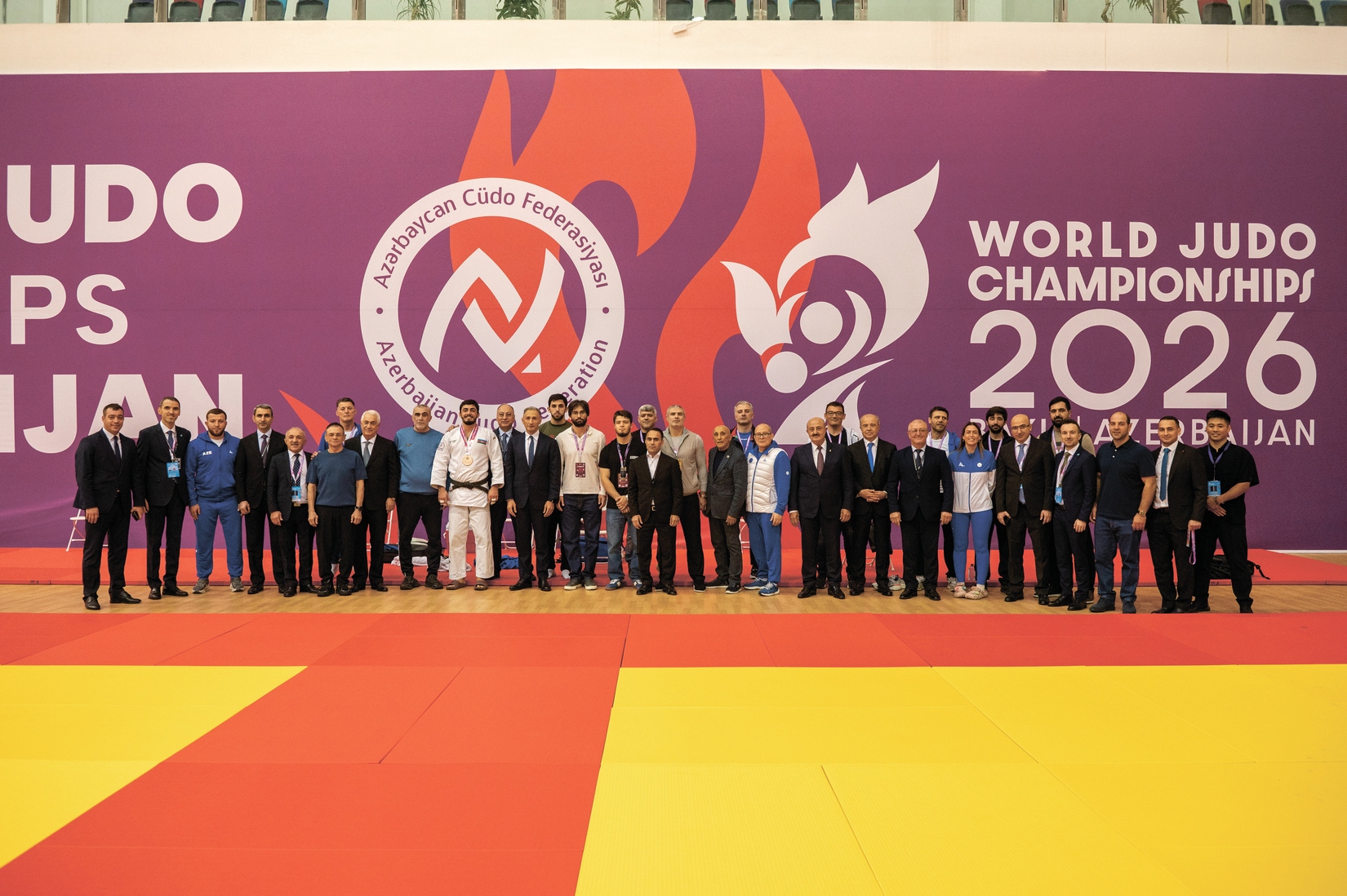
At this prestigious tournament, which brought together the world’s strongest judokas, the Azerbaijani team, competing on home soil, won seven medals in the individual events: one gold, two silver and four bronze. In the team standings, the national team finished third. This was the best result in the history of Azerbaijan’s participation in the World Judo Championships and a national record.
Azerbaijan’s rich culture and history featured prominently in the competition’s opening ceremony, which was highly significant in promoting the country’s image on the international stage. President Ilham Aliyev’s attendance at the ceremony and his meeting with world champion Ahmad Yusifov also gave the athletes an additional boost.
Surprises of the Championships, or new leaders
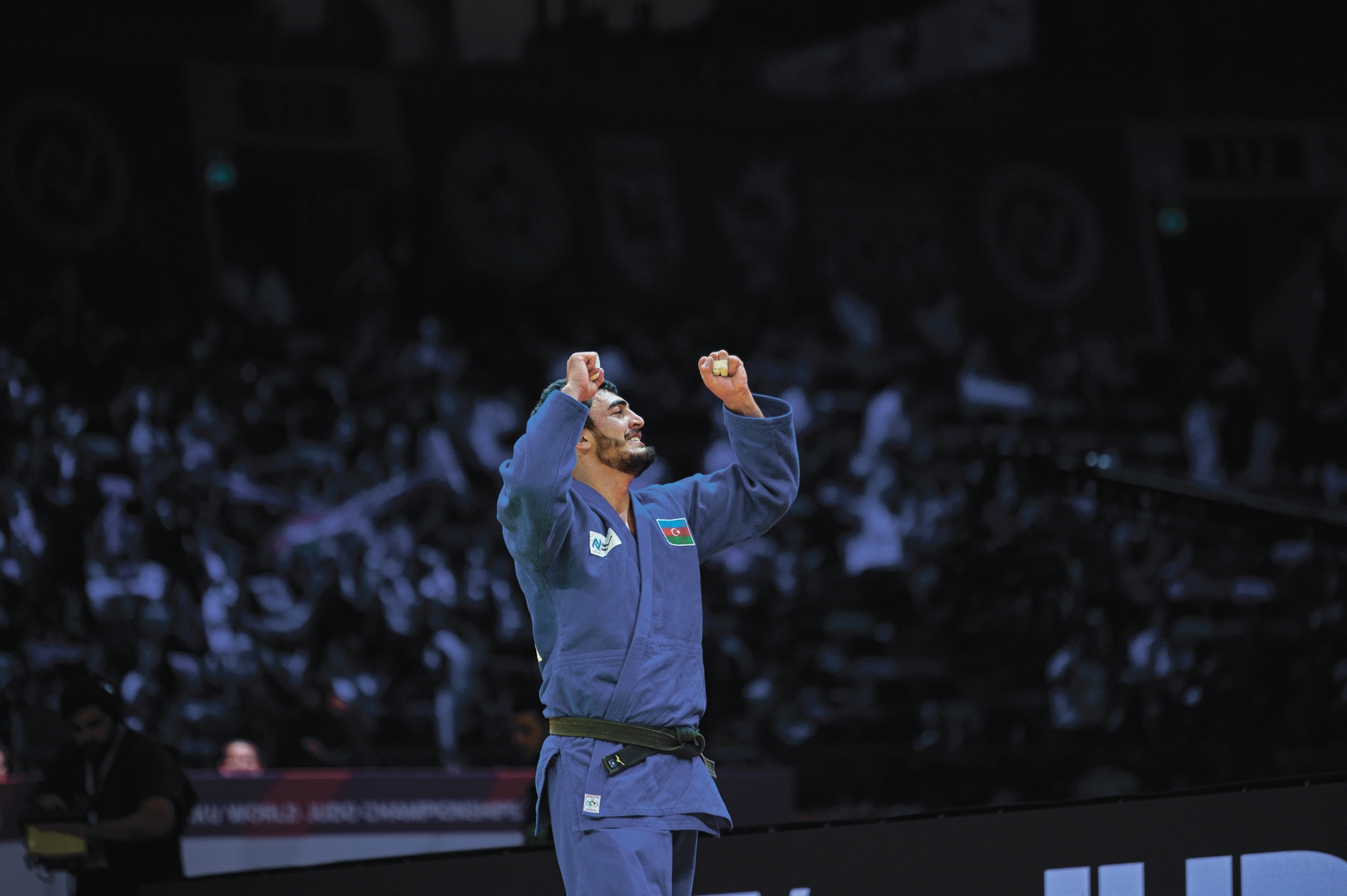
An analysis of the Azerbaijani judokas’ results by weight category shows that the team performed consistently in both the lighter and heavier divisions. On the first day of the tournament, Ahmad Yusifov, competing in the under-60kg category, secured a gold medal for his country with a brilliant performance. This victory was not only the tournament’s first historic gold medal but also a statement of intent in a weight category in which Azerbaijani judokas had previously failed to achieve significant success. In this sense, Yusifov’s victory came as a pleasant surprise.
In the middleweight and heavyweight categories, Azerbaijani athletes fought the world’s strongest opponents until the final seconds. Zelim Tskayev, competing in the under-81kg category, won a silver medal after a series of tense and dramatic bouts. He showed particular resilience in the final, where he faced one of the leading figures in Georgian judo, Tato Grigalashvili.
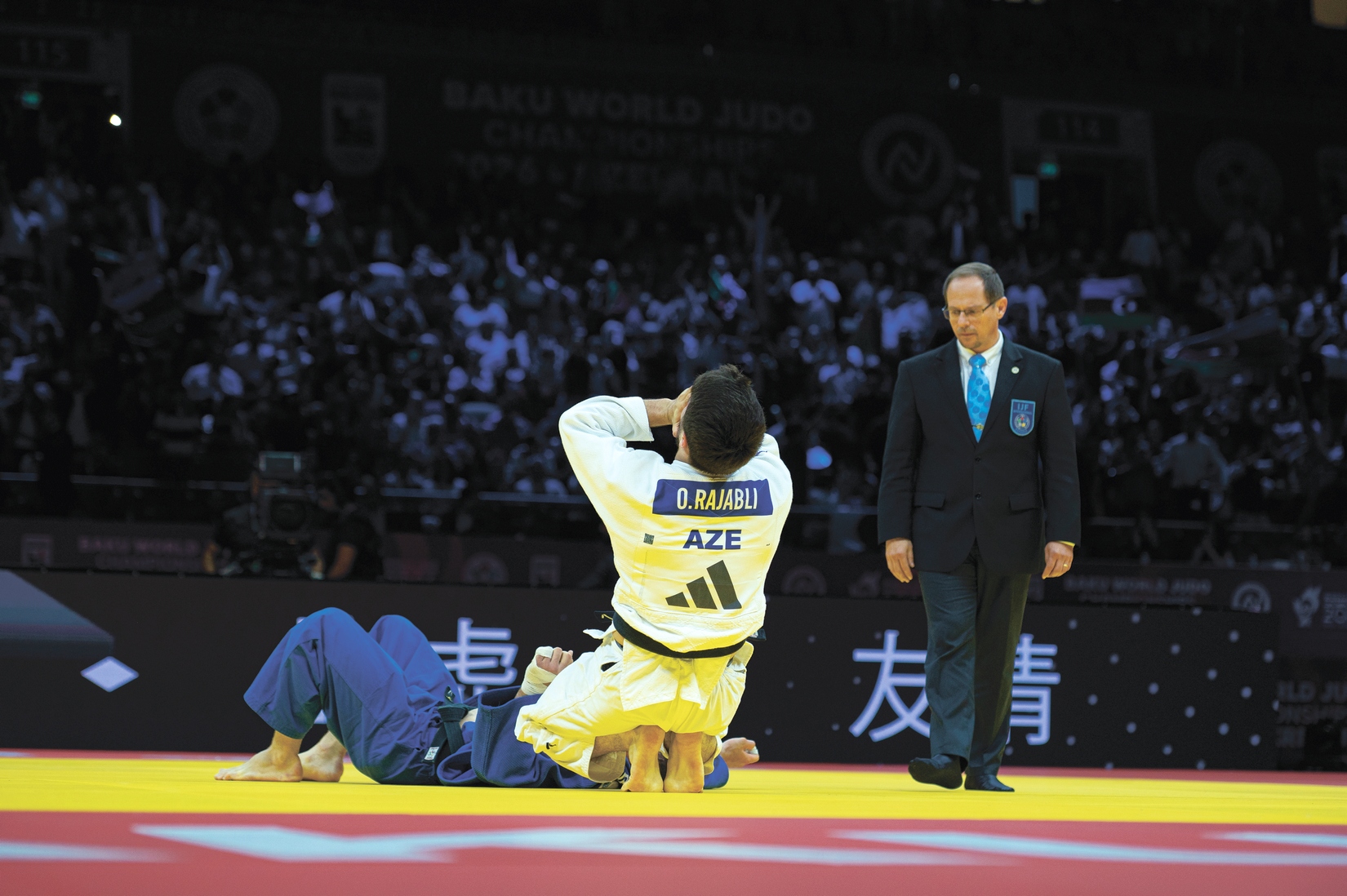
In the same weight class, Omar Rajabli, one of the most promising members of the younger generation, displayed great determination in his senior debut and secured a bronze medal for the country. This result demonstrates that athletes from two generations are ready to compete for top honours in the same weight category.
The national team’s other bronze medals were won by athletes who stood out for their tactical ability. Rashid Mammadaliyev, competing in the under-73kg category, took bronze, proving that he can step out of the shadow of reigning Olympic champion Hidayat Heydarov. His performance has intensified competition in this weight category.
Murad Fatiyev, competing in the under-90kg category, made a confident return to the world elite after serious injuries and a difficult recovery period, also claiming a place on the third step of the podium.
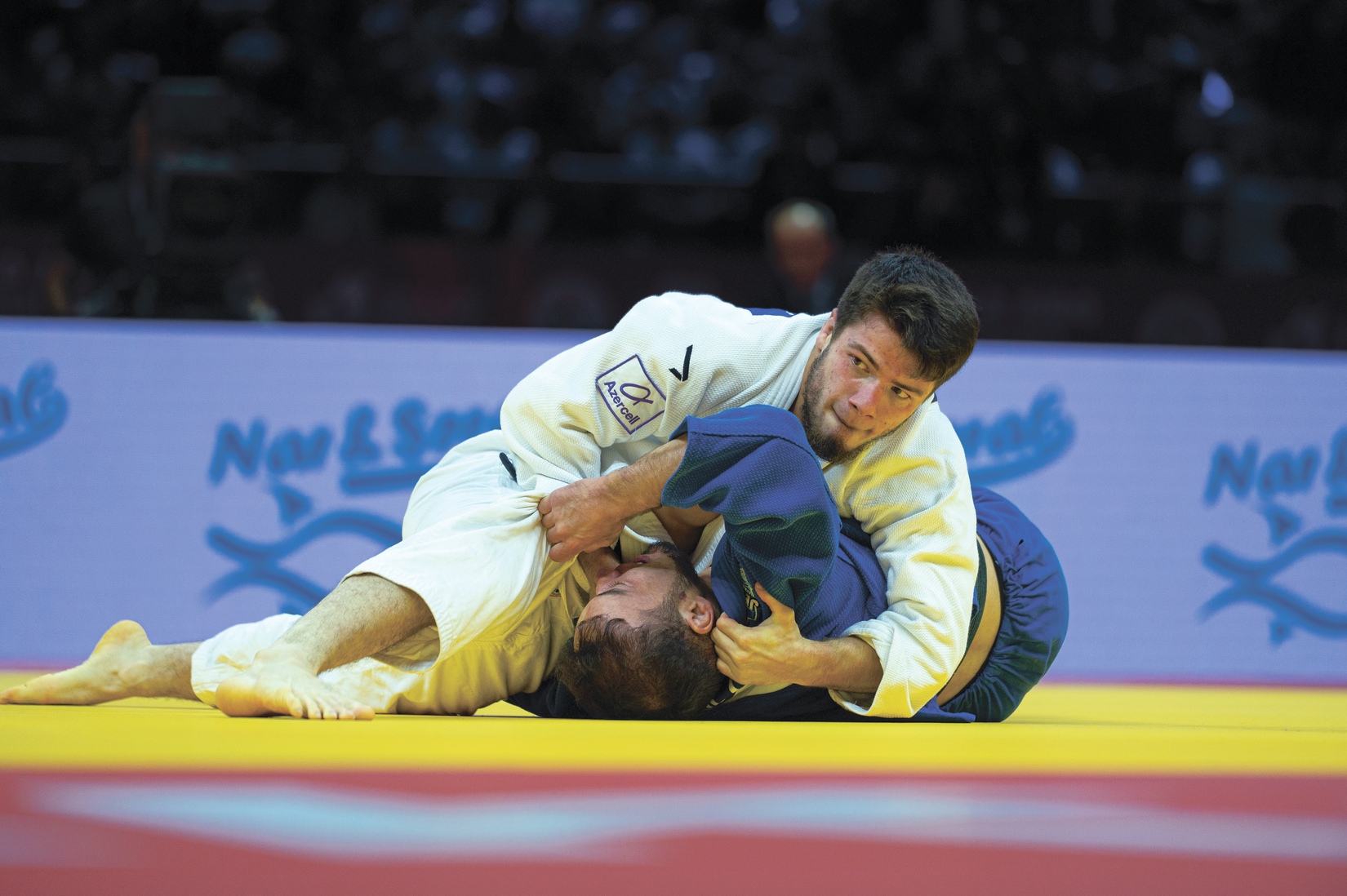
The tournament also appears to have ended a long-standing impasse in the heavyweight division. One of the national team’s most experienced members, Ushangi Kokauri, finished second in the over-100kg category after demonstrating impressive physical strength and stamina. This was the second World Championship silver medal of his career. Meanwhile, the young and promising Kanan Nasibov, competing in the same weight class, maintained his tactical discipline in bouts against experienced opponents and secured bronze. He confirmed that Azerbaijani judo has a reliable pool of talent in the heavyweight division.
Several of the successful athletes were not regarded as the main favourites before the competition began. As the International Judo Federation noted in its official review, the Land of Fire found new heroes at this tournament.
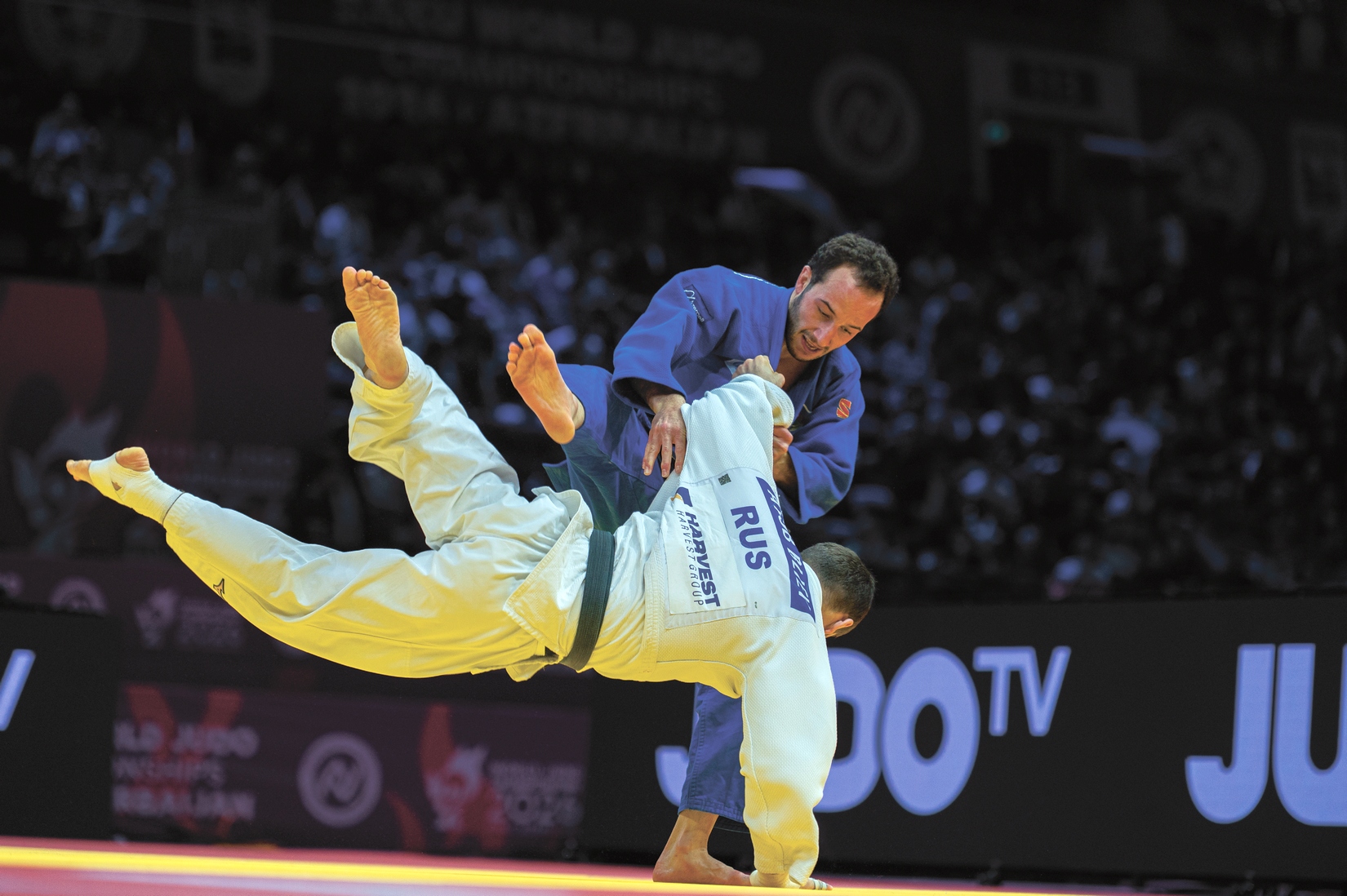
On the first day of the competition, hopes in the under-60kg category rested on world number one Balabay Aghayev. However, the unpredictability of sport made itself felt here too, as Aghayev was eliminated at an early stage. At this tense and nerve-racking moment, Ahmad Yusifov stepped up and delivered a brilliant performance throughout the tournament. In the final against Kazakhstan’s Sherzod Davlatov, he fell behind after his opponent scored an ippon, but did not falter and maintained his tactical composure. Yusifov levelled the score before finishing the bout with a clean throw. The victory gave the team a powerful boost and demonstrated the high level of internal competition.
The two medals won in a single weight category—silver and bronze in the under-81kg division—were no coincidence. Zelim Tskayev advanced to the final with confidence and composure. Although he lost the decisive bout to Georgian judoka Tato Grigalashvili, he established himself among the world’s strongest athletes. Omar Rajabli, meanwhile, overcame his opponents through his speed and aggressive attacking style, earning a bronze medal. The competition in this category clearly demonstrates how athletes can push one another towards greater achievements.
Achievements and disappointments
For many years, Azerbaijani judo has been known for strong performances in the lightweight and middleweight categories. The World Championships in Baku demonstrated that Azerbaijani athletes are now also capable of competing for medals in the over-100kg division. The silver medal won by the experienced Ushangi Kokauri and the bronze claimed by the young Kanan Nasibov provide grounds for optimism about the national team’s prospects in this weight category.
Unfortunately, the 2024 Olympic champions Hidayat Heydarov and Zelim Kotsoyev failed to meet expectations. Both athletes, recognised leaders in world judo and the main favourites according to the current rankings, were defeated in the early stages of the competition. These setbacks require serious analysis. Questions were raised about controversial refereeing decisions in both judokas’ bouts. At the same time, it must be acknowledged that the Olympic champions failed to demonstrate the expected level of performance. This applies particularly to Hidayat Heydarov, who struggled to make weight and, according to observers, was unable to perform at his best.
After winning seven medals in the individual events, the national team also tested its strength in the mixed team competition. On the final day of the championships, the Azerbaijani team secured an early 4–0 victory over Austria, demonstrating its superiority. The victories of Madina Kaisinova, Zelim Kozoyov, Khadija Gadashova and Rashid Mammadaliyev showed that the team possesses not only strong individual skills but also effective tactical coordination and team spirit. In the next round, however, Azerbaijan lost to the eventual champions, Japan, and was eliminated from the competition.
On the road to the Olympic Games
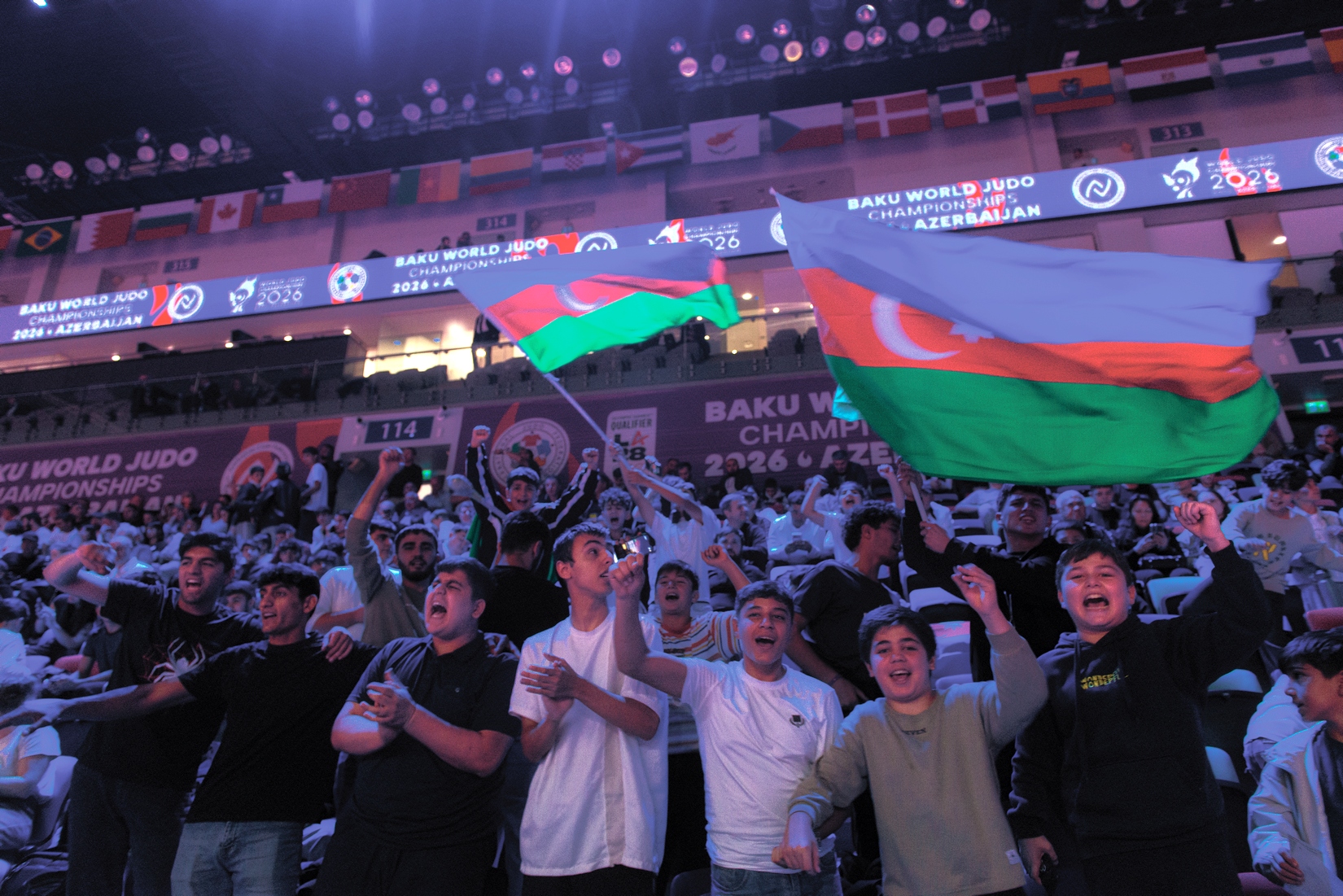
The coaching staff deserve great credit for the seven medals won by the Azerbaijani judokas, having ensured that the athletes received professional preparation. The competitors were given additional motivation by the tremendous support of the fans at the National Gymnastics Arena. The pressure of competing on home soil, which could have affected performance negatively, was skilfully managed by the federation’s psychological-support team and turned into an advantage. Furthermore, the presence of at least two athletes of comparable ability in each weight category meant that no one could afford to relax, forcing them to maintain peak form at all times.
The World Championships in Baku were not merely another tournament. They became one of the most important stages on the road to the next Olympic Games, where athletes compete for ranking points that are crucial to Olympic qualification. A successful performance in Baku significantly strengthened the position of Azerbaijan’s judokas in the race for Olympic places.
Azerbaijani judo demonstrated at these championships that its success does not depend solely on the individual talent of established stars. The country has developed a robust, systematic and sustainable training programme capable of producing new title contenders at any time. The historic record of seven medals at the World Championships in Baku is compelling evidence that this programme is moving in the right direction.
RECOMMEND:
 51