
THREE SUMMITS IN TURKMENISTAN
From expanding cooperation between Central Asia and Azerbaijan to a new dialogue in the CIS and the fight to save the Caspian Sea
Author: Ilgar VELIZADE
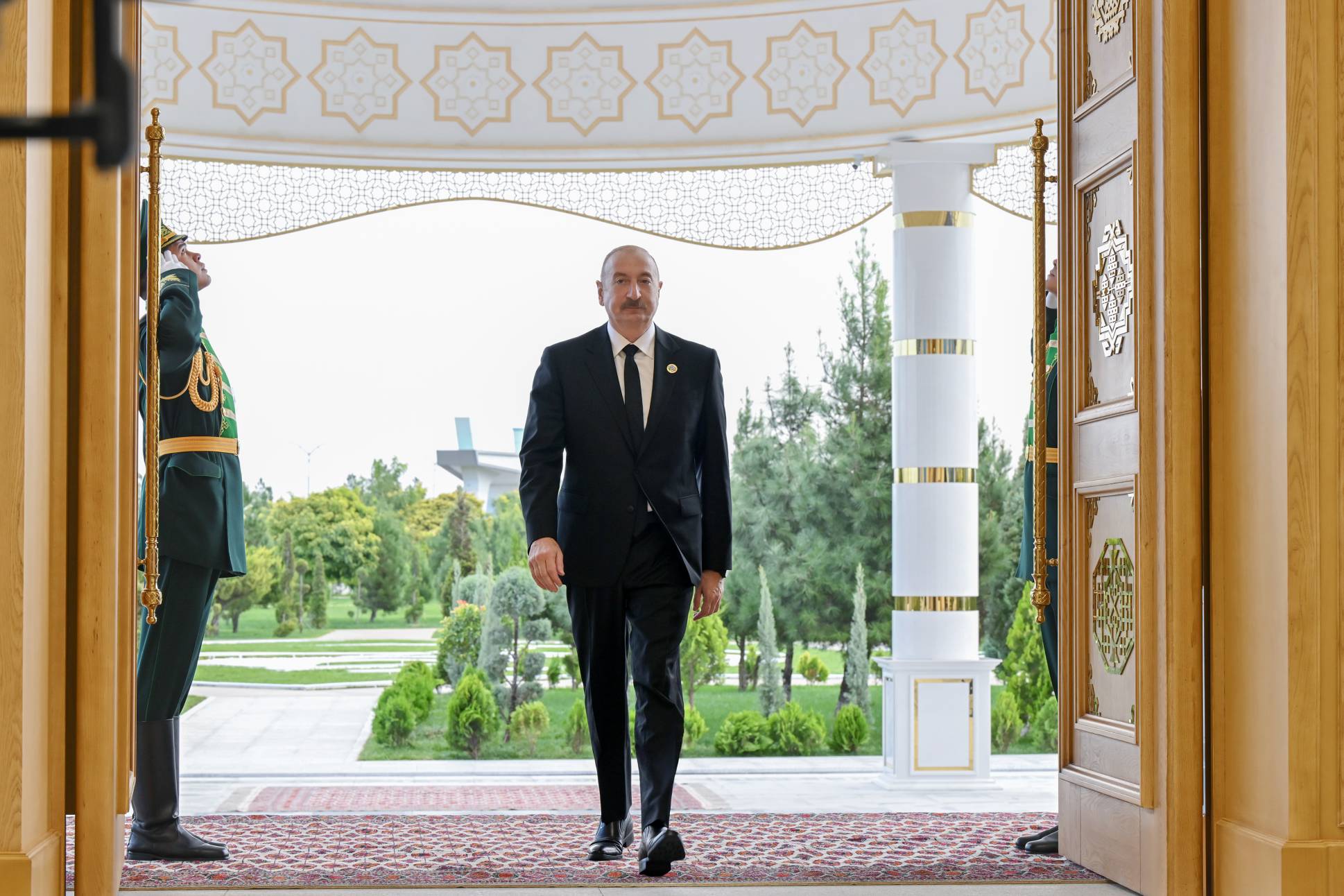
On 8–9 October, three summits were held simultaneously in Turkmenistan: a meeting of the leaders of Central Asia and Azerbaijan, a meeting of the Council of CIS Heads of State, and the Caspian Environmental Summit. Despite their differences in composition and the subjects discussed, they were unified by shared objectives, including the enhancement of international standing, the expansion of economic relations, and the conservation of the Caspian Sea, a body of water with significant implications for the future of the entire region.
Azerbaijan in the concept of the Central Asian six
In the current business environment, the "Central Asian Six" is a noteworthy example of a recently emerging cooperation format. This is particularly evident amid growing interest from extra-regional countries in cooperating with the countries of the region. Meanwhile, Azerbaijan's accession to it as a full member last year significantly expanded the opportunities for interaction, connecting countries on both sides of the Caspian. In the current global context, marked by shifts in global trade, the development of transport routes, a growing demand for energy, and the exacerbation of water problems, there is an urgent need for coordinated actions. The long-term interests of the peoples of these countries necessitate a closer relationship between them.
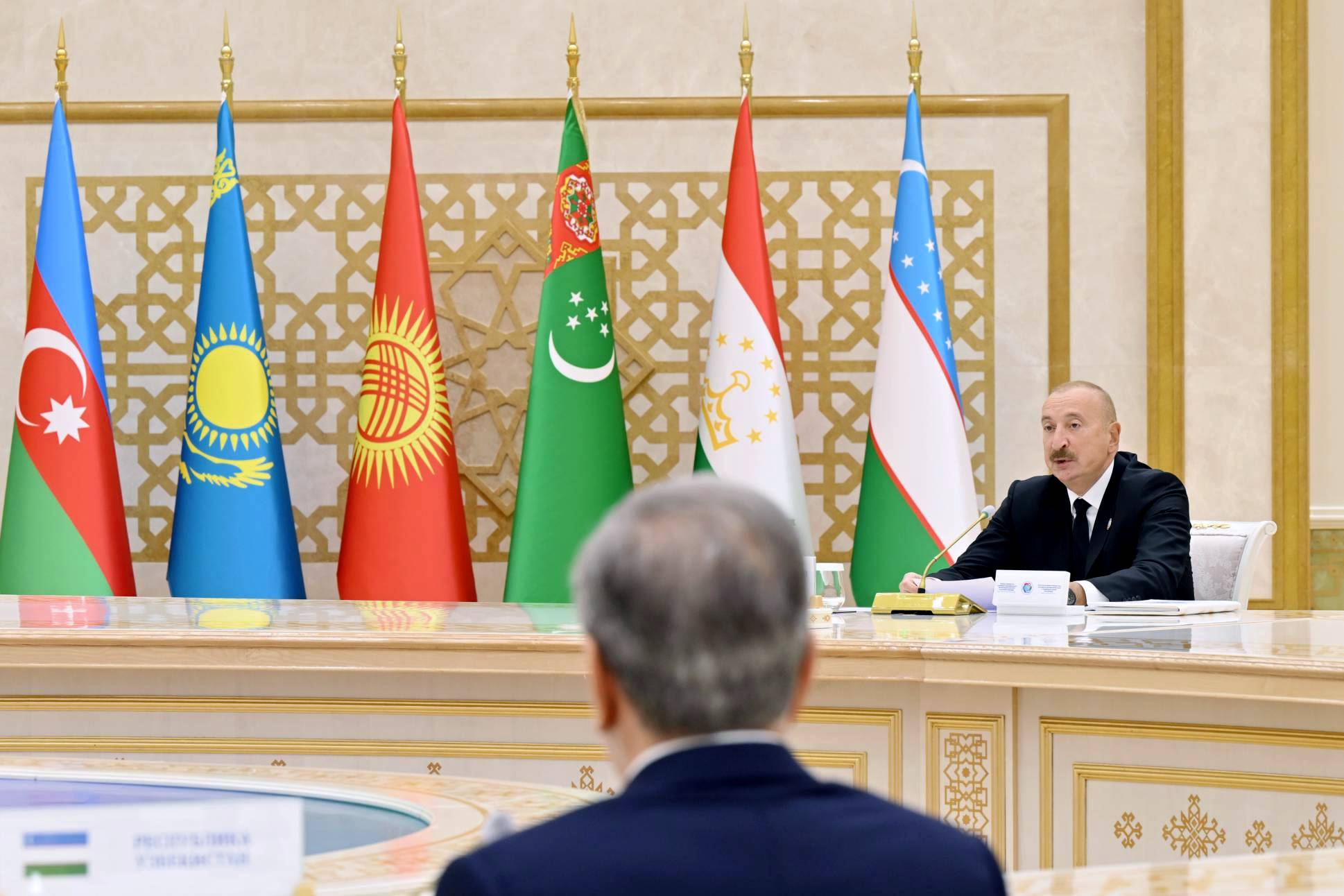
The Eighth Consultative Meeting of the Heads of State of Central Asia and Azerbaijan, held on October 8 in the Turkmen tourist zone of Avaza, demonstrated how countries intend to address the tasks facing them. It is noteworthy that the presidents met again just a little over two months after the informal summit in Cholpon-Ata, Kyrgyzstan, which merely confirms the importance and relevance of strengthening cooperation.
Furthermore, a common approach could be identified in the leaders' speeches, which included the recommendation to supplement trade with joint production, link transport routes with industrial and logistic facilities, and create regional supply chains.
In light of this, the President of Azerbaijan, Ilham Aliyev, highlighted the resources available to the countries. According to the latest figures, in 2025 Azerbaijan's trade turnover with the states of the region grew by more than 50%, and over 400 companies with their capital operate in the country. The President has proposed a strategy for developing production facilities and entering external markets in collaboration with Kazakhstan, Uzbekistan and Kyrgyzstan. The capital of each of these countries is in the hundreds of millions of dollars.
The development of these ties largely depends on the efficiency of transport across the Caspian. According to the President of Azerbaijan, transit along the Middle Corridor increased by more than 10% last year, and in the first eight months of 2026, by another almost 20%. Further growth in cargo traffic requires a reduction in delivery costs and the provision of predictable timeframes. It is precisely these issues that lie at the heart of the close interaction between the relevant departments of regional participants. At the same time, cooperation is expanding in other directions as well, encompassing fibre-optic lines along the bottom of the Caspian, the transit of Kazakh and Turkmen oil, and the Azerbaijan-Kazakhstan-Uzbekistan green energy corridor.
Enhancing interaction potential
It is clear that the full potential of trade has yet to be realised. The President of Kazakhstan, Kasym-Jomart Tokayev, has proposed an increase in intra-regional trade from approximately $13 billion to at least $20 billion, with the aim of achieving this through the development of trade and logistics complexes and cross-border industrial cooperation. The study of coupling the Middle Corridor with the TRIPP initiative should also serve to expand transport opportunities. Perhaps his most significant remark concerned the implementation of previous proposals. Since 2018, more than 200 initiatives have been proposed, but only a small portion has been implemented. Therefore, the Kazakh head of state called for the inventorying and the determination of priorities.
The President of Uzbekistan, Shavkat Mirziyoyev, continued to deliberate on the question of how to give cooperation practical substance. His "six economies—one product" formula involves the creation of production chains with the participation of enterprises from different countries. The business forum in Khiva in 2027, along with the investment project support platform and the Infrastructure Development Council, should facilitate this. The Uzbek president also proposed cooperation in low-carbon energy and the digital sphere, a common approach to critical minerals, and a permanent dialogue with Afghanistan on water management.
In order to successfully undertake joint projects, specific commitments are required. The President of Kyrgyzstan, Sadyr Japarov, has proposed a new plan that would see the participants, funding and timeframes for the project pre-determined. The plan would also see a single electronic trading platform linked with delivery and customs clearance. According to his assessment, the development of new transport routes, including the China-Kyrgyzstan-Uzbekistan railway, should lead to a tangible reduction in the cost and time of transport.
The President of Tajikistan, Emomali Rahmon, also emphasised the need to eliminate transport barriers. Alongside the digitisation of transport, he proposed identifying priority energy facilities and mechanisms for joint financing, once again raising the issue of a regional oil refinery. The Tajik president also linked the expansion of economic ties with the strengthening of security, including the fight against drug trafficking and cybersecurity cooperation. Following the meeting, the presidents signed a Joint Statement and a decision on documents regulating the activities of consultative meetings. These documents are designed to set the basis for further work and enhance its effectiveness.
Therefore, the meeting in Avaza demonstrated that the six countries are increasingly integrating their own development with each other's opportunities. Transport routes create conditions for new production facilities, investment funds help finance them, and energy cooperation must secure the growing needs of their economies. In 2027, the chairmanship in the format of consultative meetings of the heads of state of Central Asia and Azerbaijan will pass to Baku. For Azerbaijan, this is an opportunity to give additional impetus to projects in which it is already involved with partners. The combination of common interests with accumulated cooperation experience suggests the "six" will be able to consistently expand trade, create joint ventures, and strengthen its position on international markets.
The new role of the CIS
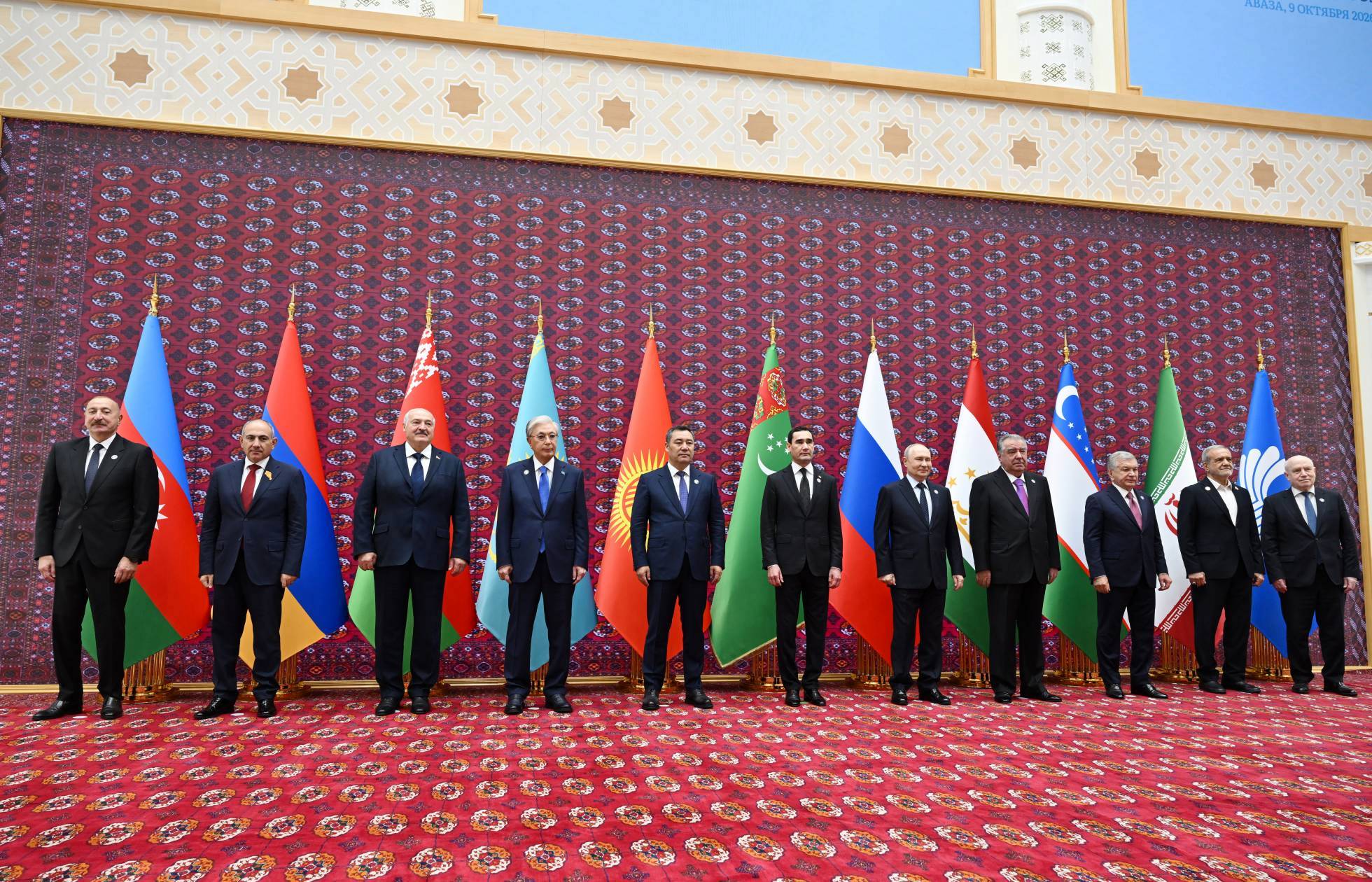
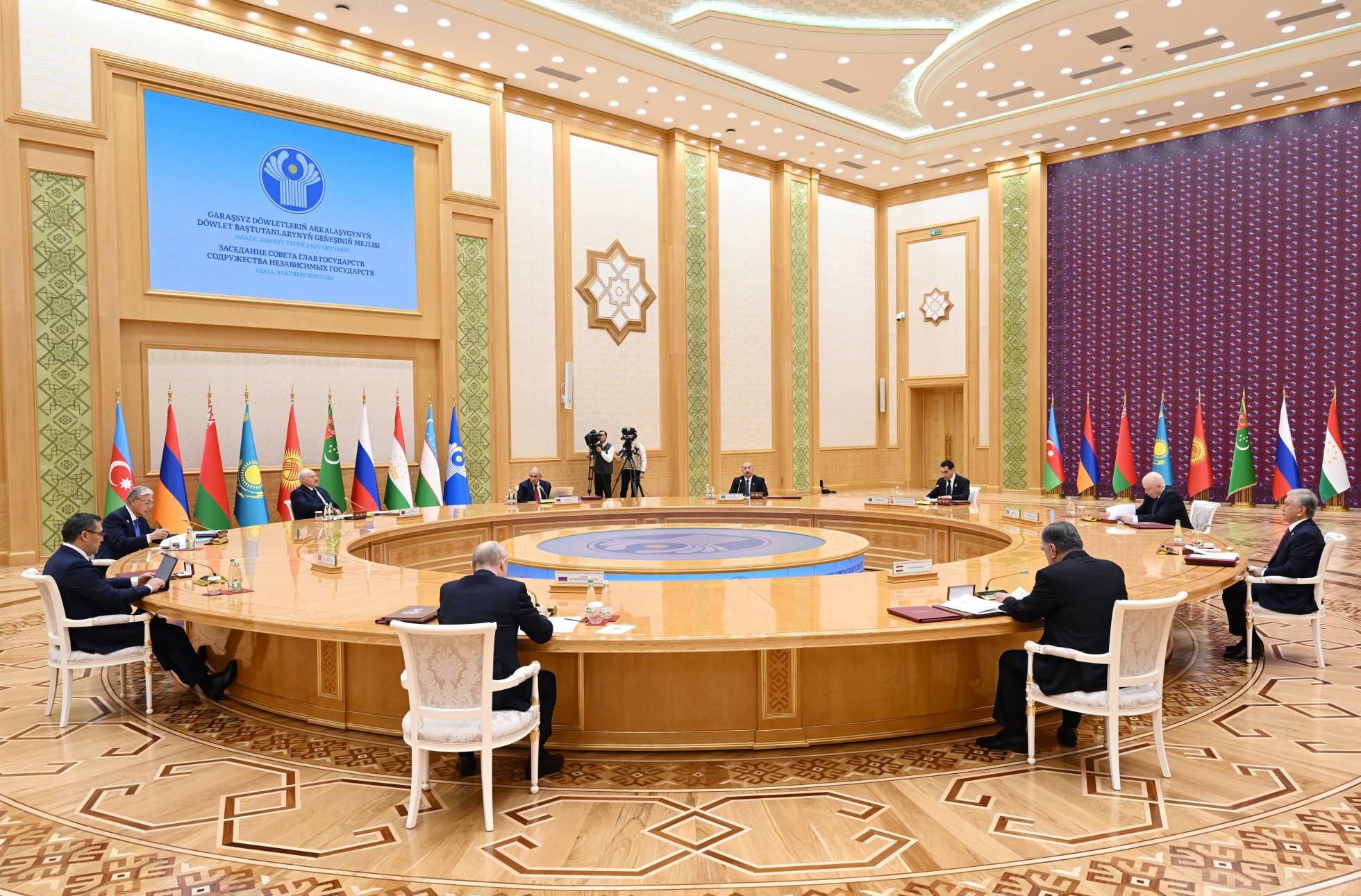
Another significant event was the CIS summit held in Turkmenbashi. The leaders' meeting is significant for having taken place in the year of the Commonwealth's 35th anniversary and was dedicated both to the results of its activities and to cooperation in the coming years. Despite the fact that over the years the circle of active CIS participants has been narrowing, the Commonwealth still retains its significance as a dialogue platform. Simultaneously, Azerbaijan employs a pragmatic approach to promote its own interests. Conversely, assertions that this participation signifies Moscow's acknowledgement of its historical influence are unfounded and disregard contemporary realities.
The states comprising the Commonwealth have changed noticeably over the past decades, strengthened their independence, expanded international ties, and are themselves implementing large-scale transport and energy projects. Moscow must also adapt to these changes, as attempts to revert to previous methods would only exacerbate tensions and endanger ongoing collaboration.
This was also reflected in the speech given by Ilham Aliyev. The President of Azerbaijan emphasised the significant potential of interaction, highlighting transport and humanitarian cooperation as priorities. He used figures to illustrate his thoughts on the matter, noting that transit through Azerbaijan grew by 10% in the first half of 2026, reaching almost 8 million tonnes. Meanwhile, the 3rd CIS Games succeeded in strengthening the country's sports and organisational potential, while also enabling guests to experience Azerbaijan. The development of sports infrastructure in Garabagh and Eastern Zangazur also demonstrated the scale of ongoing work to restore the liberated territories and the growing capabilities of the Land of Fire.
It is important to note the decision regarding Azerbaijan's co-chairmanship in the CIS in 2027 and its chairmanship in 2028. This decision once again confirmed the country's growing authority, which will allow it to participate more actively in shaping the Commonwealth's agenda and promoting initiatives that meet the participants' common interests.
It should be noted that a number of bilateral and multilateral meetings also took place on the margins of the summits, enabling leaders to continue discussing specific issues of cooperation. At the meeting between Ilham Aliyev and Iranian President Masoud Pezeshkian, the importance of ongoing contacts and the final stage of work on the Aghband-Kelaleh project was emphasised. The Aghband-Kelaleh project is an integral part of the Araz Corridor. The advancement of this project demonstrates the significance of political dialogue between Baku and Tehran for both parties. The Iranian president's comments were also noteworthy, as he once again expressed his gratitude for Azerbaijan's stance during the events in Iran. Pezeshkian emphasised Baku's welcoming and supportive stance, underscoring the importance of mutual assistance, particularly during challenging periods for a neighbouring nation.
It is also interesting to note the informal communication between the presidents of Azerbaijan, Russia, and Turkmenistan. Following the Caspian Environmental Summit, particular attention was drawn to a separate meeting between Ilham Aliyev, Vladimir Putin and Masoud Pezeshkian. The trilateral dialogue was resumed at the highest level after an interruption of nearly nine years. The previous summit of this format took place on 1 November 2017 in Tehran. According to the Russian side, the leaders discussed interaction in various spheres, including energy. Transport, particularly the North-South corridor, is a key shared interest for all three countries, though the agenda could have been more comprehensive.
Difficult topics of the Caspian Eco-summit
The sea is shallowing, the coastline is retreating, and the consequences affect more than just nature. The reduction of the water area has a number of consequences. It disrupts the ecosystem, complicates the work of ports and coastal infrastructure, and threatens transport routes towards the development of which regional countries are directing significant funds. In his speech, the head of our state stated that in the Azerbaijani part of the sea alone, about 30,000 hectares of land have formed as a result of the shallowing.
President Ilham Aliyev emphasised that the shallowing is linked not only to climatic changes, but also to a reduction in river runoff and economic activity. Of particular importance here is the state of the Volga, which is the main source of river supply for the Caspian. Researchers in Russia have also acknowledged the impact of reservoirs and water consumption on runoff. Therefore, reducing the problem exclusively to climate would mean leaving out of the discussion factors upon which states are directly capable of exerting influence.
In contrast, Russian President Vladimir Putin placed the main emphasis on the climatic causes of the shallowing. It is crucial to recognise the difference in approaches when selecting further measures. In 2022, Baku proposed the establishment of joint expert groups. The participants have now agreed to establish a five-sided commission to determine the causes of the drop in sea level and prepare coordinated measures. The inaugural meeting is scheduled to take place in Azerbaijan during the first half of 2027. Consequently, a concrete mechanism for collaborative endeavours has been established.
Meanwhile, the Caspian continues to shallow, which is having an impact on the time available for routine discussions. It is reasonable to expect that the support given to Baku's initiative will result in a transition to practical actions. The effectiveness of these measures will be contingent on the willingness of all five countries to consider the full spectrum of causes and make decisions that impact their own economic activity.
RECOMMEND:
 75