
JAPANESE BATTLE IN BAKU
Azerbaijan hosts the World Sumo Championship for the first time, while Emrah Shafiyev writes his name into sports history
Author: Sanan NADIROGHLU
On October 17–18, the capital of Azerbaijan played host to a landmark event in the sports world. The official World Sumo Championship, which embodies the ancient traditions of the East and the millennium-old culture of Japan, took place for the first time not only in Baku, but across the entire South Caucasus and Caspian region. Over the course of two days, hundreds of the strongest sumo wrestlers from nearly 30 countries stepped onto the dohyo.
Baku dohyo
The prestigious tournament, held at the Sports Palace in Baku, was remembered not only for the high level of sporting competition, but also for Azerbaijan's first-ever gold medal at the World Sumo Championship. The strongest athletes arriving from various corners of the globe engaged in intense competition, once again strengthening Baku's status as an international sports arena.
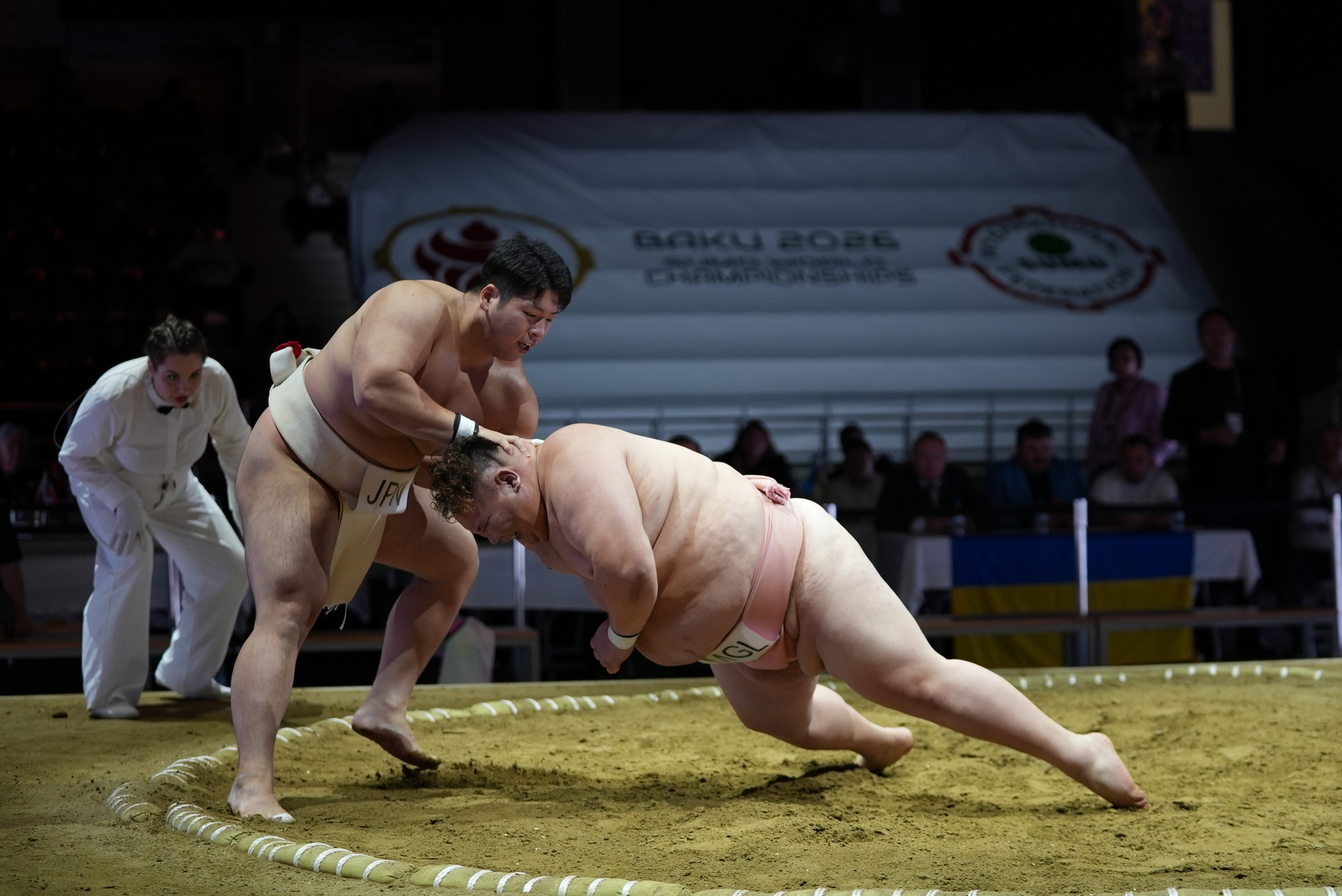
When sumo is mentioned, the first professional tournaments in Japan are most often recalled. Meanwhile, amateur sumo is enjoying widespread popularity and is working towards achieving full Olympic recognition. The championship in Baku was held in accordance with the official amateur rules of the International Sumo Federation. In contrast to the traditional Japanese sport of sumo, this system introduces weight categories, thereby facilitating the participation of women and young people in world-level competitions.
The venue of the competitions, the Sports Palace in Baku, was comprehensively transformed for the duration of the tournament. In order to maintain the philosophy and visual aesthetics of sumo, a traditional dohyo platform constructed from special clay and earth was installed in the centre of the arena. A special technical approach was required to ensure compliance with international standards for amateur competitions, taking into account the firmness of the soil and the probability of slipping. Through the skilful creation of an appropriate atmosphere, the organisers enabled spectators to feel as though they were present at the renowned Tokyo sumo venue, Ryogoku Kokugikan.
Competition surprise
The grand opening ceremony of the championship was held on 18 October. The choice of this date also had symbolic significance: on this day, Azerbaijan celebrated Independence Restoration Day.
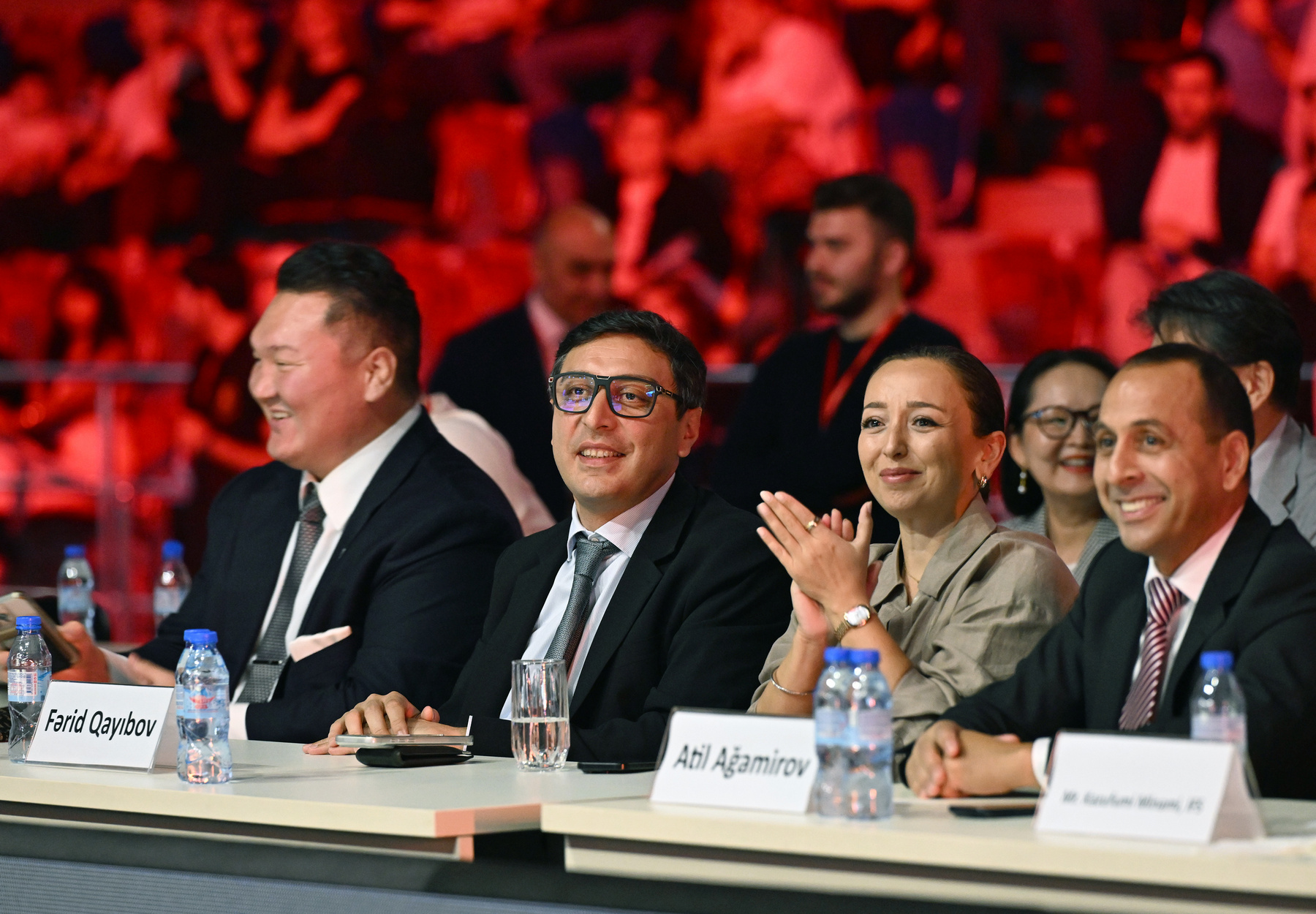
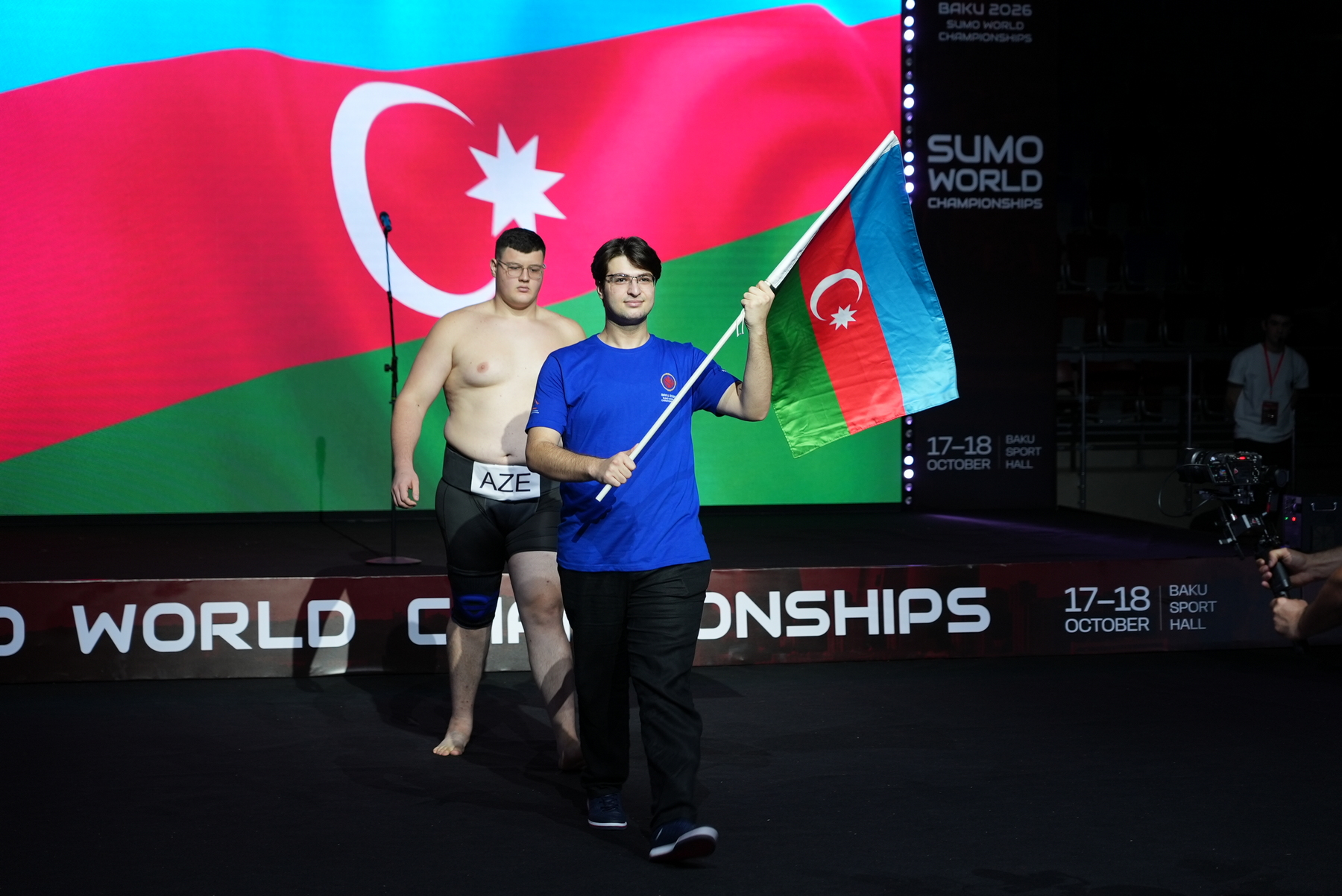
The ceremony commenced with the entry of flag bearers from the participating countries into the arena. At the opening, the Azerbaijani Minister of Youth and Sports, Farid Gayibov, stated that the holding of such a championship in Baku is clear evidence of state support for sports and trust in the country. Atil Agamirov, the President of the Association of Japanese Martial Arts and Culture, emphasised that the tournament will significantly boost the popularity of Eastern martial arts in Azerbaijan.
One of the most notable moments of the ceremony was the address by the newly-appointed president of the International Sumo Federation, the 69th yokozuna (the highest title for a sumo wrestler) Hakuho Sho, widely regarded as one of the most significant figures in the history of this martial art. He extended congratulations to the Azerbaijani people on Independence Restoration Day and made high praise for Baku's organisational abilities, expressing gratitude on behalf of the federation.
New page in sports history
Although our country first entered the international sumo arena in 2007 and for many years its athletes managed to win predominantly silver and bronze medals at European and world championships, the tournament held on home soil has inscribed a new page in the history of Azerbaijani sports in golden letters.
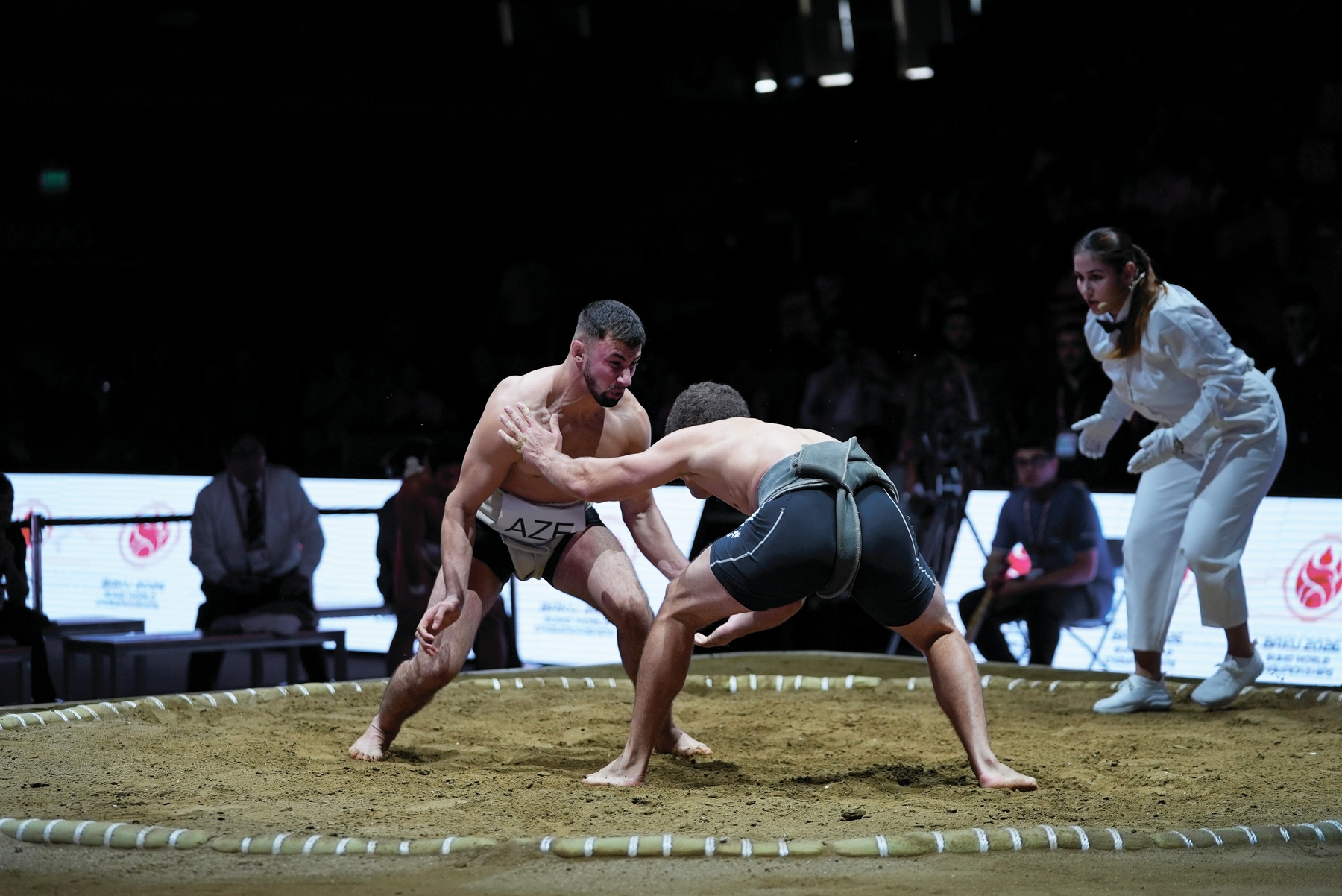
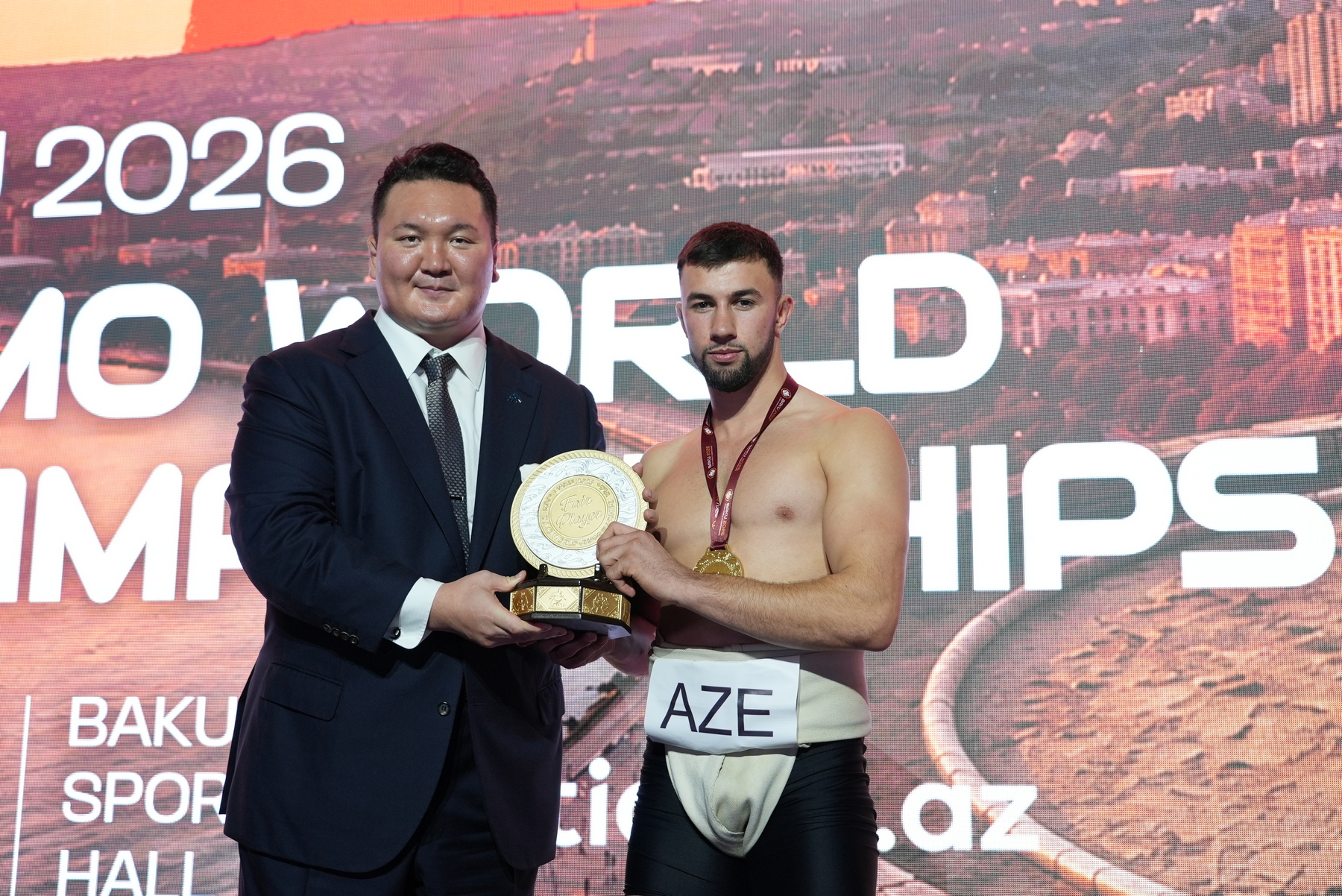
In the weight category up to 85 kg, Azerbaijan was represented by Emrah Shafiyev, a trainee from Gabala Sports Club. He demonstrated excellent wrestling skills, securing victories over strong opponents to reach the final. The competitor with whom he was matched in the final contest was a representative of Georgia. In a tense duel where the psychological confrontation reached its limit, Emrah Shafiyev, thanks to impeccable technique and sound tactics, managed to force his opponent outside the dohyo boundaries. As is well known, stepping outside the boundaries of the dohyo area in sumo results in defeat for the athlete.
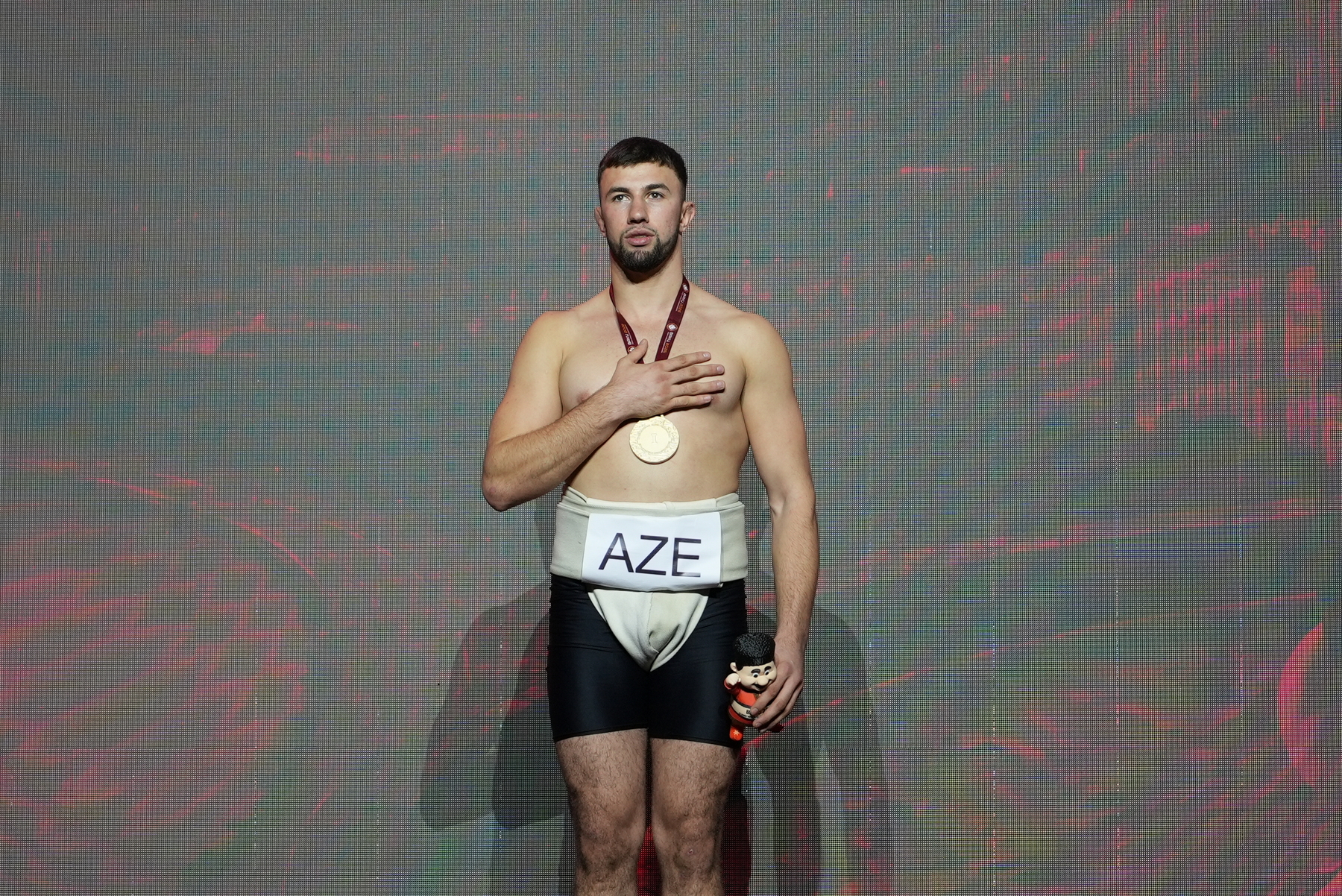
This resounding victory prompted an overwhelming response from the spectators at the Baku Sports Palace, with thousands of fans on their feet in celebration. Emrah Shafiyev's victory has made him Azerbaijan's first-ever adult world sumo champion. His victory was not just a personal achievement, but also clear proof of the level this sport can reach in a country where it is considered non-traditional.
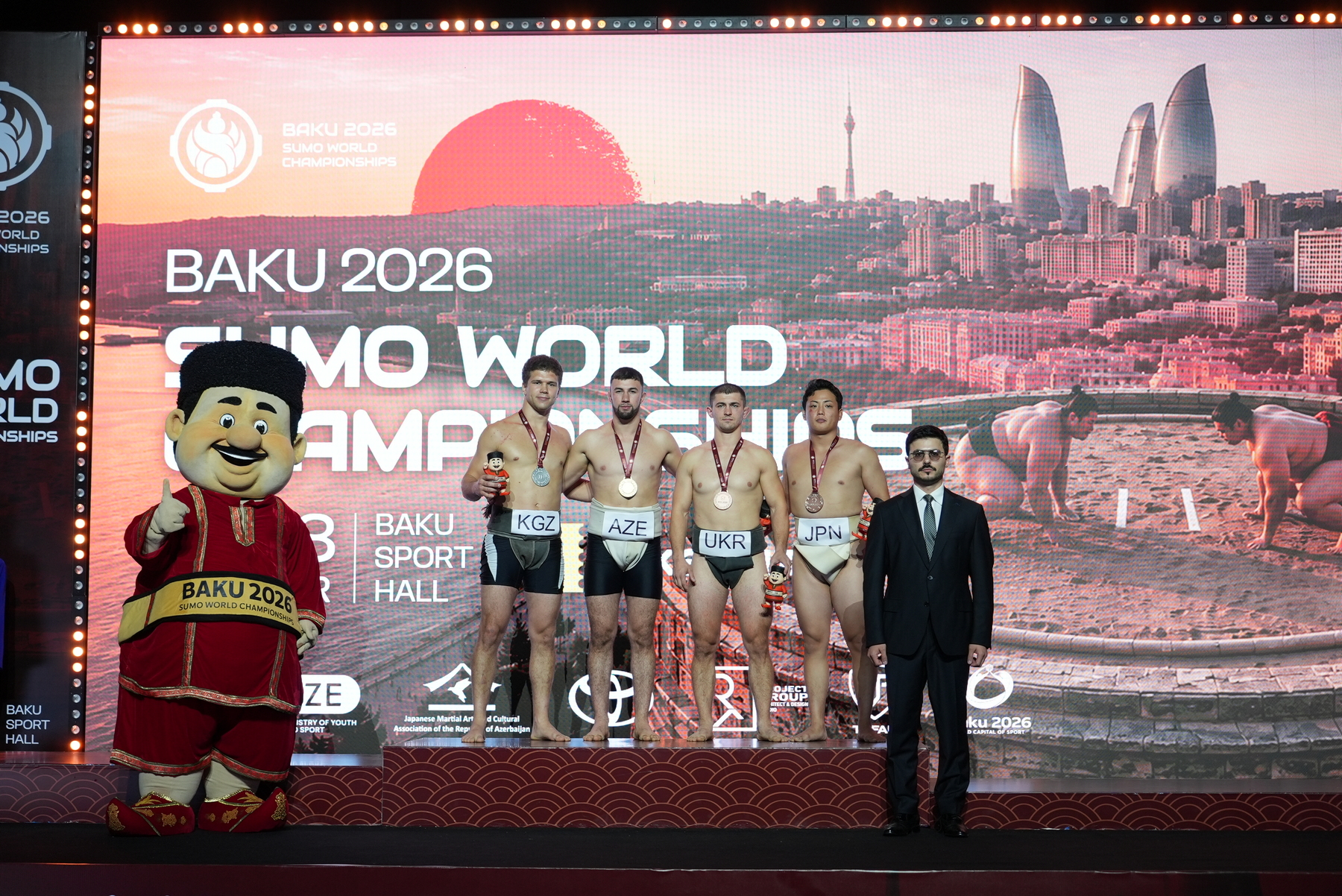
Japan and Ukraine, the two dominant forces in the global sumo arena, once again demonstrated their supremacy. In the highly competitive arena of 12 gold medal events, a resounding nine of the top spots were claimed by athletes hailing from these countries. The remaining three gold awards in the individual weight categories were won by sumo wrestlers from Azerbaijan, Kyrgyzstan, and Bulgaria.
A further noteworthy incident during the championship was the tenacious efforts of the US national team. The Chargé d'Affaires of the United States in Azerbaijan, Amy Carlon, visited the Baku Sports Palace in person in order to show her support for the athletes from her country. The American team achieved a commendable success in Baku, securing three medals. Kelliann Boll secured second place in the women's competition, Ethan Perez achieved third place in the men's tournament, and the US women's team received third place in the team event. The broad geographical distribution of these medals is indicative of the international nature of sumo, which has evolved into a global sporting arena.
The sumo competitions held in Baku are of great strategic importance to Azerbaijan. Our country is renowned globally for its contributions to sports such as wrestling, boxing, karate, judo, and chess. Securing the World Sumo Championship—a sport with a distinctive philosophy—and winning a gold medal have the power to broaden the country's sporting repertoire and spark a surge in youth interest in sumo.
It is important to note that sumo plays a significant role in Japan's national identity and Shinto culture. The championship in Baku further strengthened the sports, cultural, and friendly ties between Azerbaijan and Japan. The tournament was distinguished by its meticulous organisation, the vibrant Japanese atmosphere in the arena, and Emrah Shafiyev's momentous gold medal achievement. This championship demonstrated that Azerbaijani athletes are capable of achieving success in the most ancient and technically complex combat sports.
RECOMMEND:
 46