
BRATISLAVA IN ITS TRUE COLOURS
A city where medieval centre stands alongside prefab neighbourhoods, the Danube and four countries
Author: Elchin HUSEYNOV
Historically, Bratislava has been a destination of transition for many tourists, strategically located between Vienna, Budapest and Prague. Visitors spent a few hours exploring the old centre, visiting the castle and then continued on to other destinations. However, the Slovak capital is gradually shedding this image: its compact historic centre, the Danube, unusual architecture and proximity to several European destinations make it a worthwhile destination in its own right.
Bratislava is an ideal destination for a brief excursion. The city's main attractions are in close proximity, while the historic centre boasts a distinct character, showcasing socialist architecture, modern districts and stunning views of the Danube. Therefore, there is no need to dedicate an entire week to familiarising oneself with the city; two or three well-planned days are sufficient for a preliminary visit.
Direct flight
Since the end of October 2026, Bratislava has become much more accessible to tourists from Azerbaijan. A direct air service between Baku and the Slovak capital has been launched. However, Baku is currently the only viable option. Bratislava Airport offers direct connections with a wide range of European cities, including London, Rome, Athens, Berlin, Warsaw, Brussels, Barcelona, Milan and many more destinations.
There is also a convenient route via Vienna. The international airport of the Austrian capital is located 40 kilometres from Bratislava. Regular buses are available between Vienna railway station and Bratislava Airport, with ticket prices ranging from €8 to €9. The journey is direct and takes approximately 70 minutes. This facilitates seamless travel, allowing travellers to begin their journey in one capital and seamlessly continue their trip from another.
Even if flights from Baku arrive in Bratislava later than expected, there is no cause for concern. M. R. Štefánik Airport is 9 kilometres from the historic centre, and it remains connected to the city at night by route 61. According to the current timetable, buses run hourly until morning between the airport and the city's main railway station, Hlavná stanica. The journey takes 26 minutes and costs €1.20.
The main railway station is not located in the historic centre. During the day, travellers can reach the centre from Hlavná stanica by tram, while at night they can take bus 61. The route passes through Hodžovo námestie, one of Bratislava's central squares, located close to the historic centre. The railway station continues to serve as a pivotal hub for the city's night transport network.
For those wishing to avoid waiting for a night bus after a late arrival, it is advisable to take a taxi. Since July 2026, Bolt has been the airport's official partner. The fare for a journey from the terminal to the Nivy bus station is between €8 and €10, while a trip to the Most SNP area near the historic centre costs between €10 and €12, although the final fare depends on demand. A special self-service Bolt TapBox terminal has been installed in the arrivals hall. Passengers without a smartphone or internet access can order a ride through the terminal and receive a ticket showing the vehicle number. The official Airport Service is also available.
Two-days walk
Bratislava is one of the few European capitals that can be thoroughly explored in a relatively short space of time. The historic centre is compact, most of the main sights are linked by pedestrian streets, and the distances between them mean that visitors do not have to spend the trip constantly battling with public transport. Therefore, it is advisable to commence the tour on foot, in the area of the city where Bratislava's distinctive features are most evident.
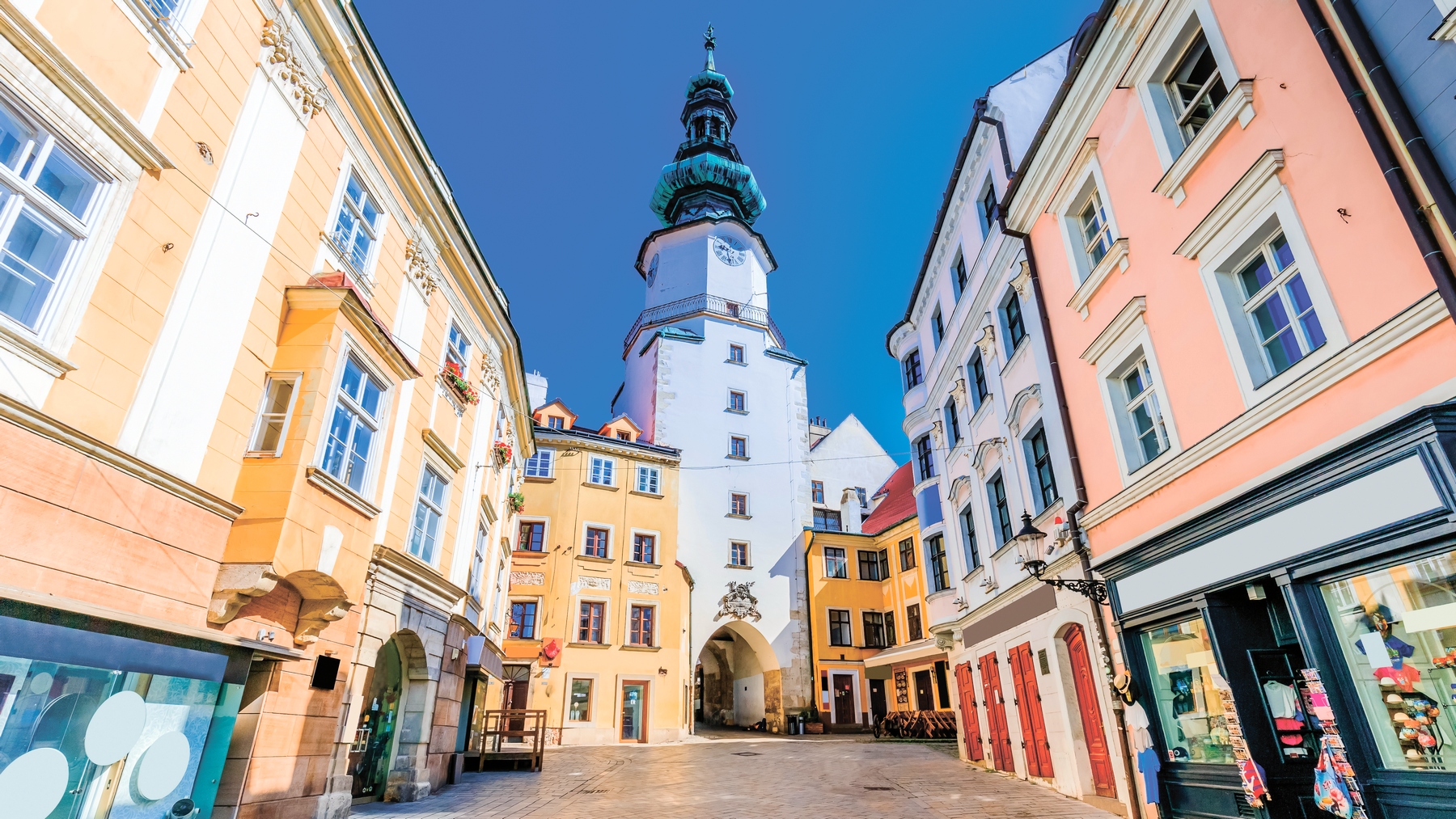
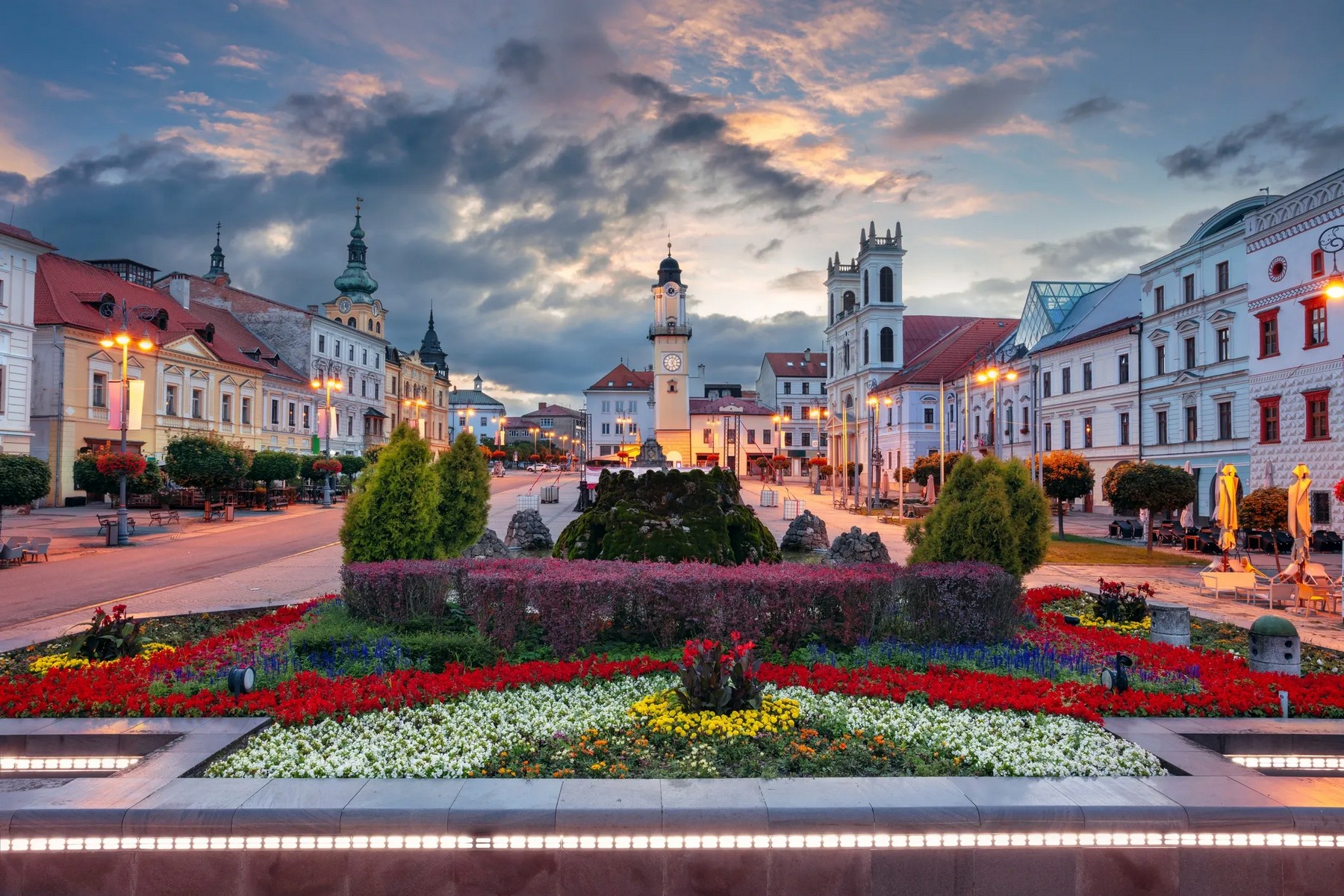
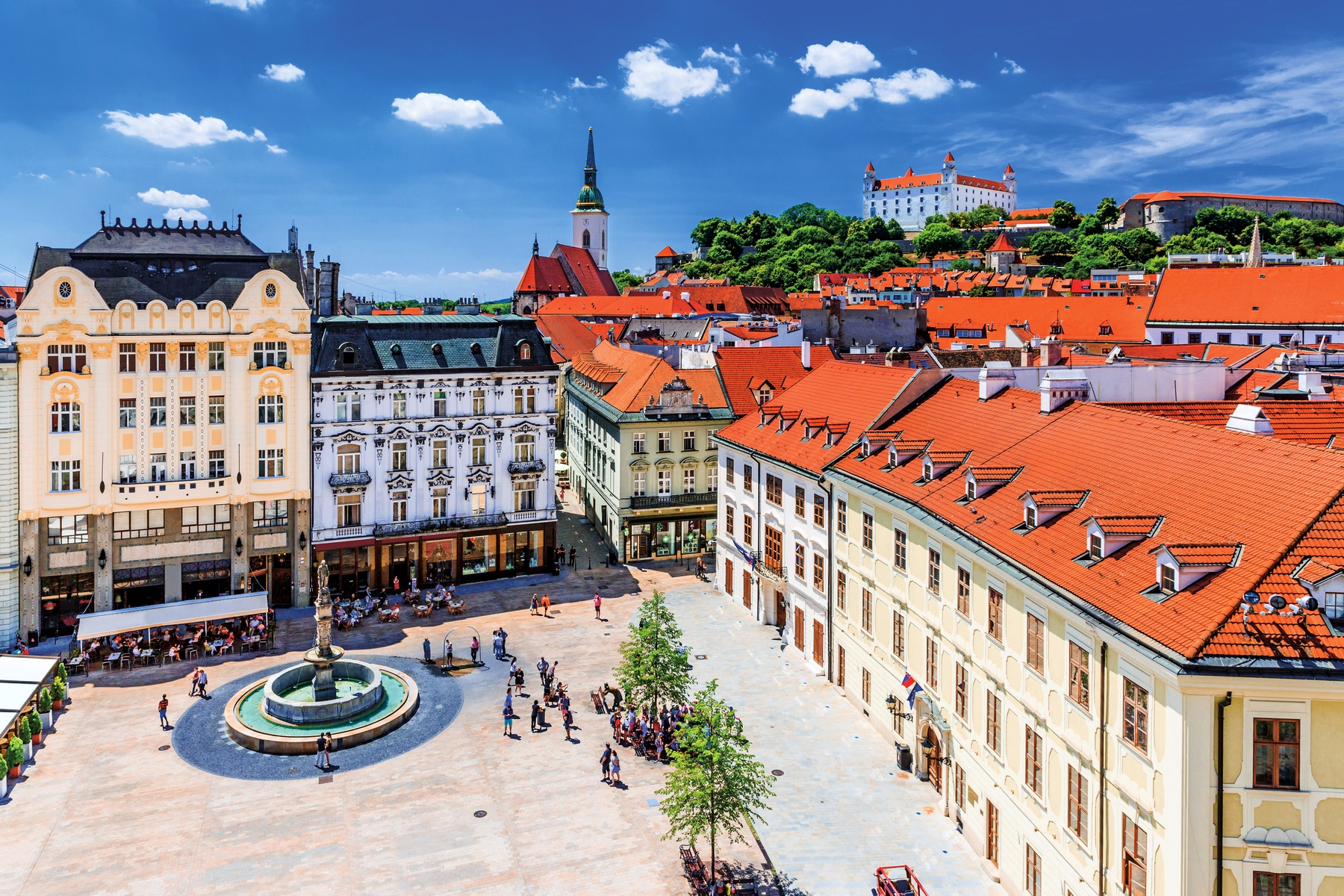
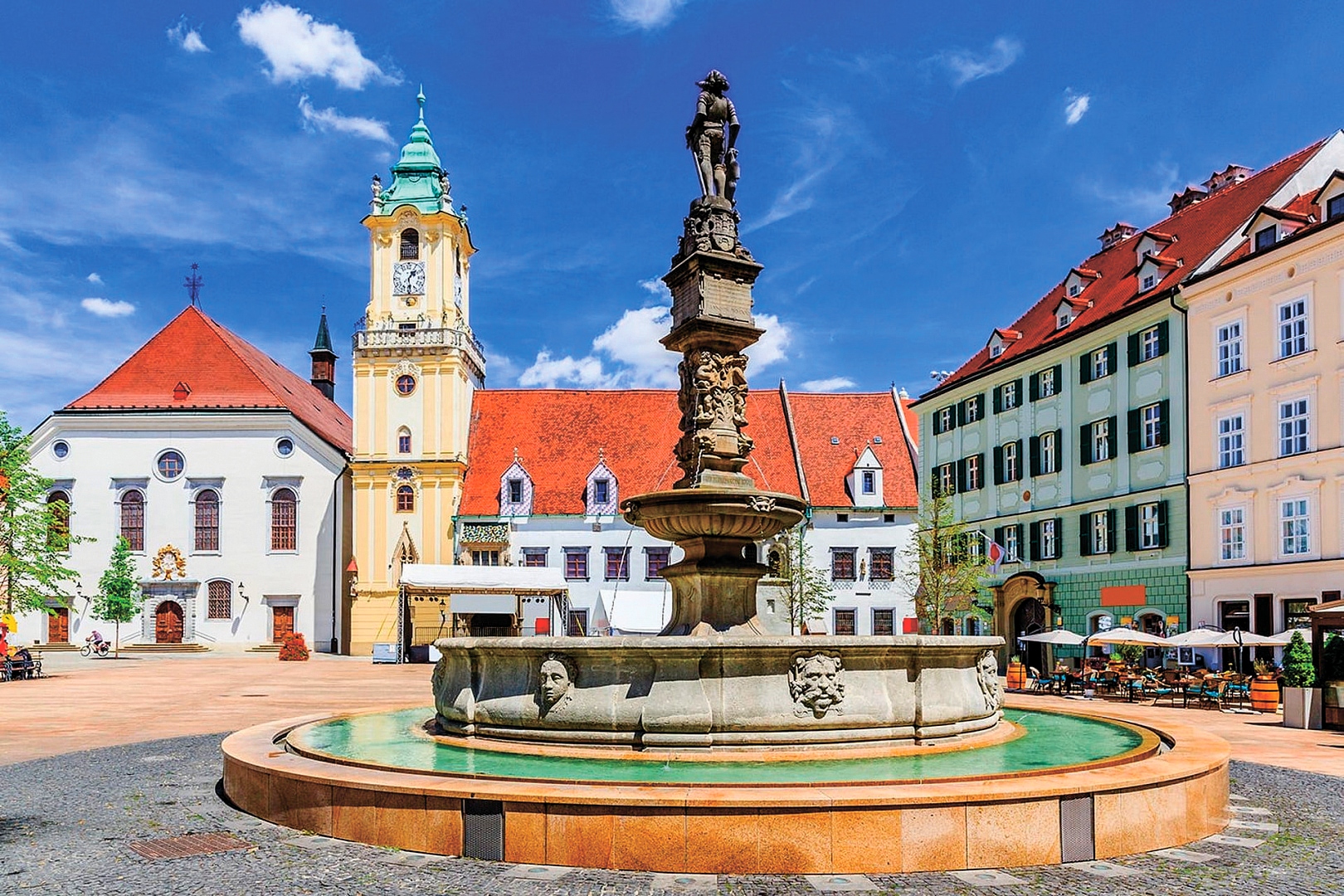
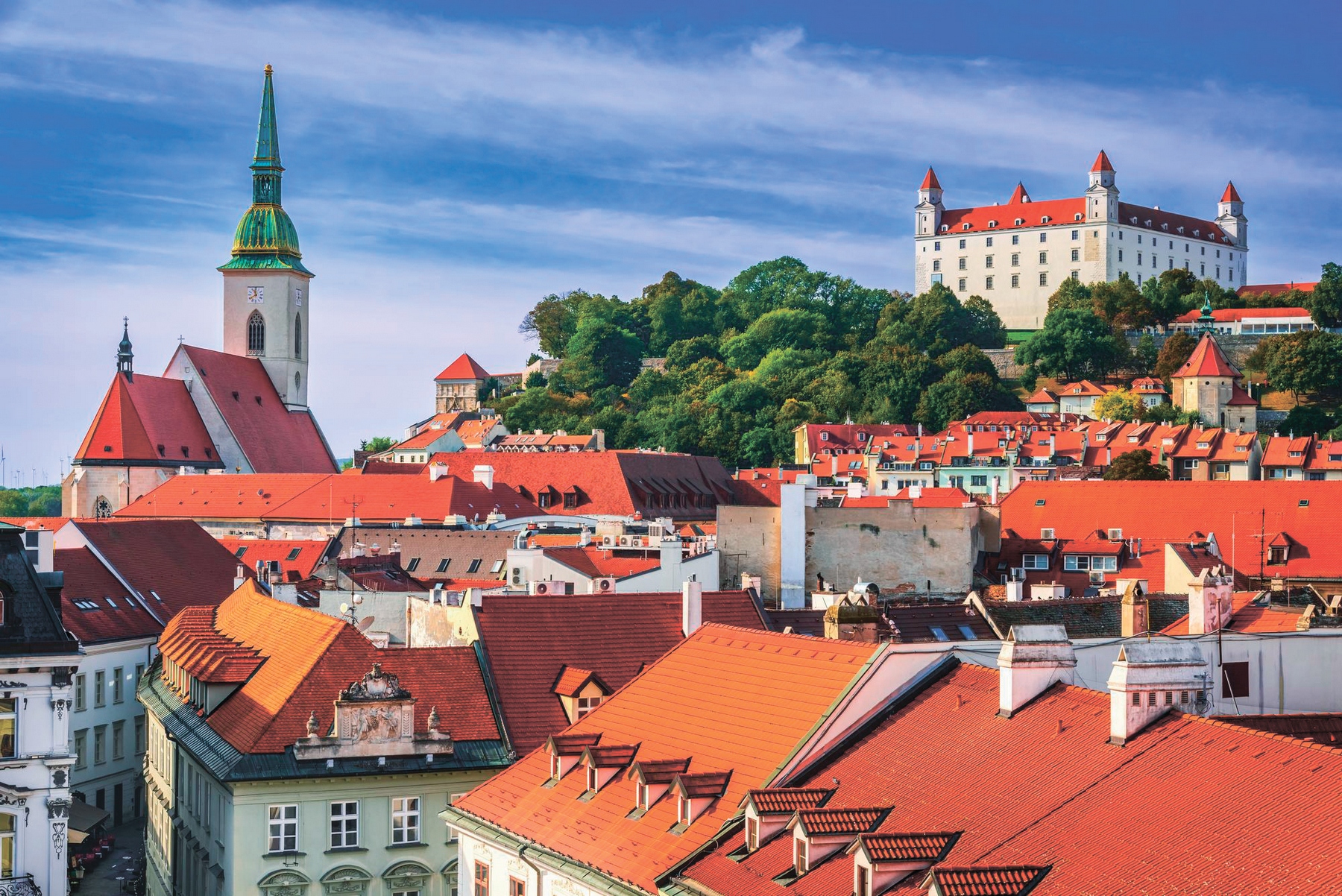
From Michael's Gate, visitors can access the Old Town, which is home to the Main Square, the Old Town Hall and the Primate's Palace. St Martin's Cathedral is also nearby. The church was the coronation church of the Hungarian monarchs. A few hours are sufficient to follow this route at a leisurely pace, visit one or two museums or simply leave time for a café. In contrast to many European capitals, Bratislava does not require a rigid itinerary.
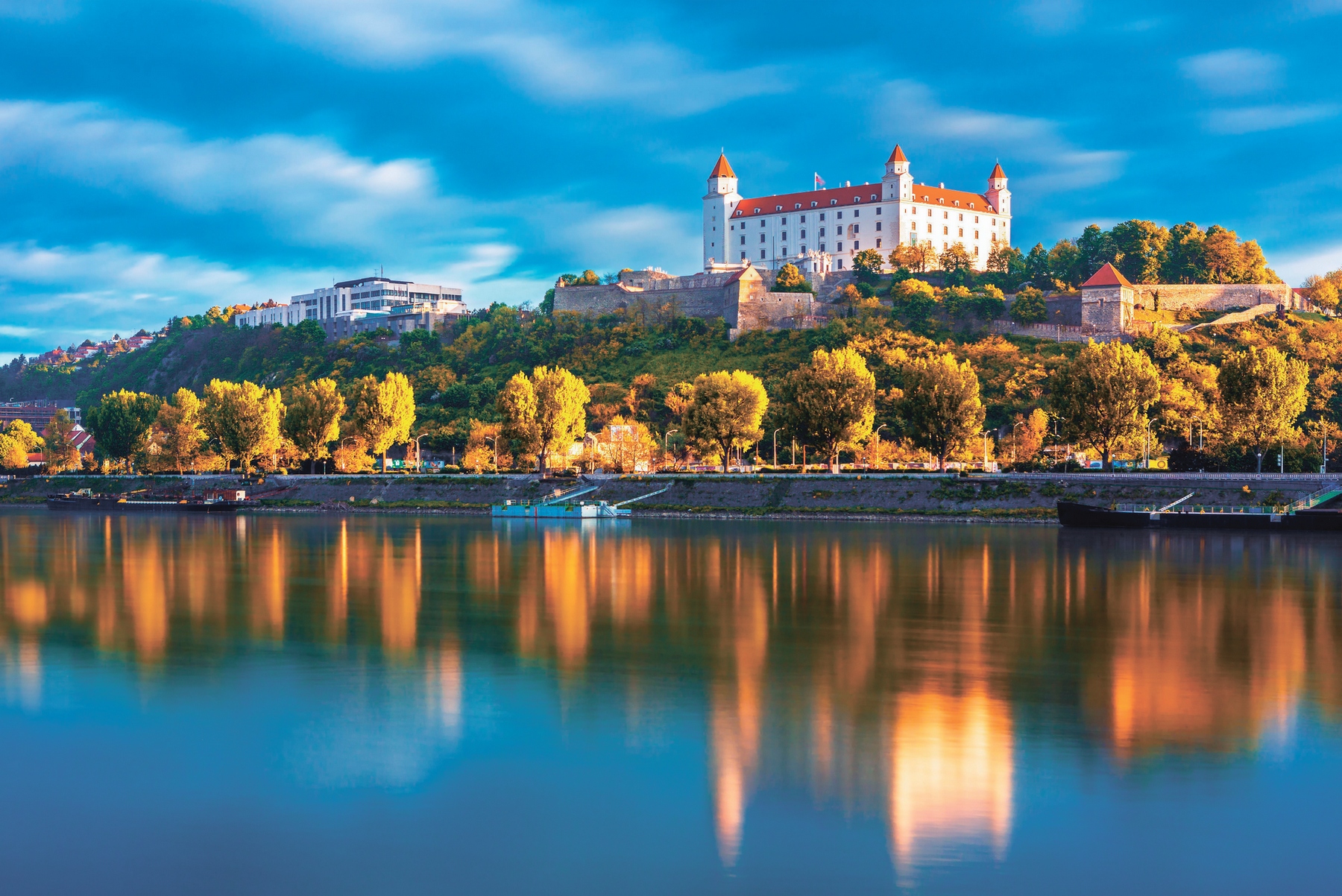
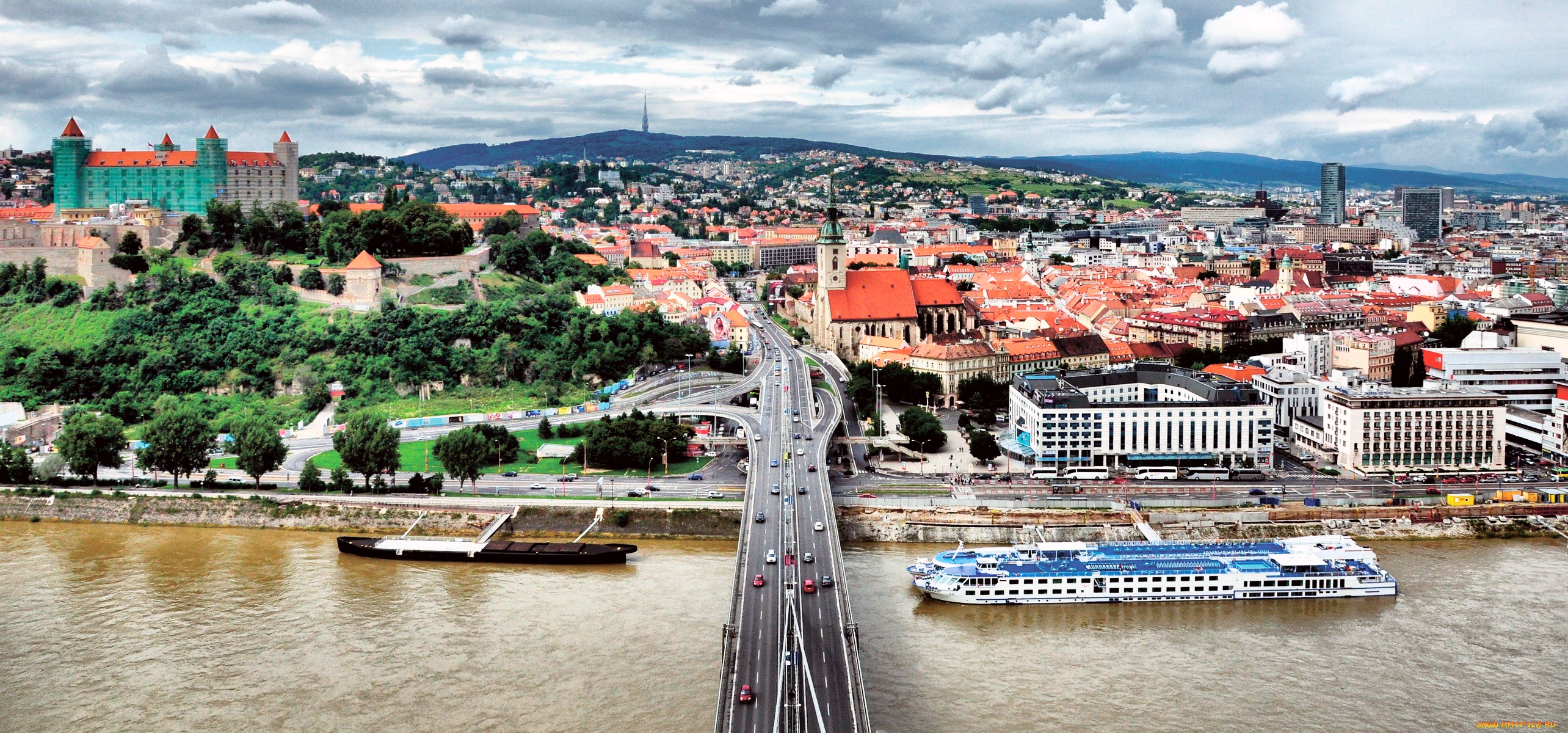
You can then proceed to Bratislava Castle. It is situated on a hill 80 metres above the Danube and remains one of the city's main viewpoints. The History Museum is located within the castle, and the site is worth visiting even without seeing the exhibition for its views over Bratislava and the Danube. The castle grounds are open for longer than the museum, allowing visitors to explore later in the day.
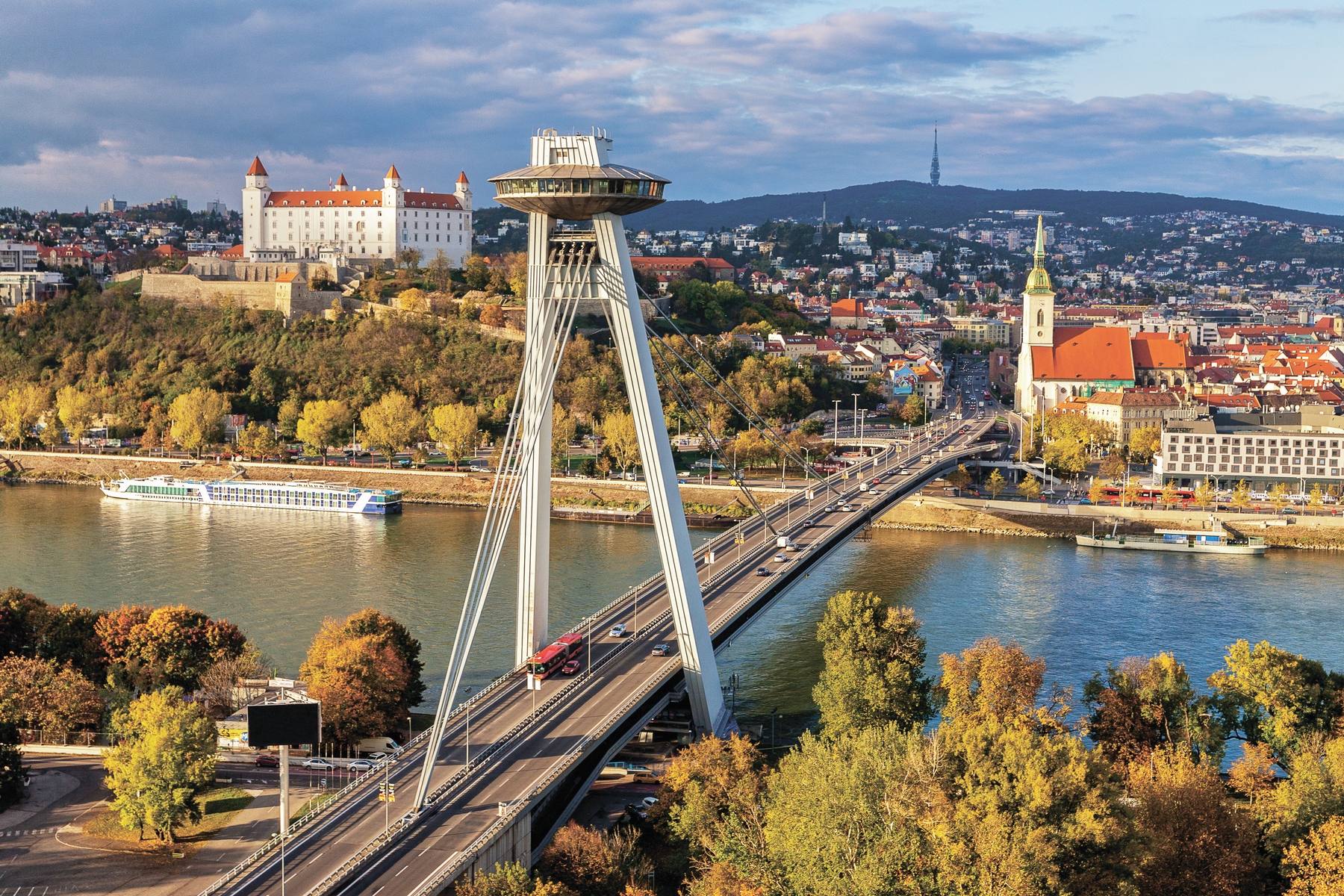
From the castle, the route can continue towards the river. The city undergoes a notable transformation at this point, with medieval streets giving way to a expansive riverside promenade, modern architecture, and one of Bratislava's iconic landmarks, the SNP Bridge, whose distinctive structure is widely recognized by residents as an object of unusual design. At a height of 95 metres, its observation deck offers a 360-degree view of the city and the Danube. It is open daily until 11pm, making it a suitable option for those wishing to enjoy the evening after a day of work. At the summit, guests can also enjoy a bar and a fine-dining restaurant.
On the second day, there is an opportunity to experience Bratislava from a different perspective. One of the most interesting options is a walk up to the Slavín memorial, which is both a war memorial and the burial place of 6,845 Soviet soldiers who died during the liberation of the city in 1945. The route offers a comprehensive view of the capital, taking you through a district of villas and green slopes that differ significantly from the tourist centre. Slavín's history is viewed in a complex way in modern Slovakia: the memory of those who died in the war exists alongside the history of post-war Soviet influence.
Should you have a few hours remaining, you may wish to explore Bratislava beyond the postcards, walk through districts of socialist architecture, see the famous prefabricated housing estate of Petržalka or head to Devín. The ruins of Devín Castle are located 10 kilometres from the centre, at the confluence of the Danube and Morava rivers, directly on the border with Austria. You can access the location by bus 29 from Most SNP, and during the warmer months by boat along the Danube. This is a full-day excursion, so Devín should be given half a day rather than being squeezed in between other sights.
A two-day visit allows you to experience several different Bratislava's: medieval and ceremonial in the Old Town, grand and futuristic around the castle and the Danube, Soviet around Slavín and in Petržalka, and borderland at Devín. This combination of factors contributes to the city's appeal, which extends beyond its well-known status as a convenient stop between Vienna and Budapest.
How much does Bratislava cost?
Bratislava is sometimes described as one of Central Europe's most 'Soviet' cities, a reputation that is largely attributable to certain districts and architectural features. It is evident that this description is not applicable to accommodation prices. Hotels in the Slovak capital are noticeably more expensive than one might expect from a relatively small city, particularly during the high season and in the centre. At the same time, the local accommodation market is weighted more towards apartments and small private properties than large hotels.
Accommodation is the primary expense. Prices vary considerably: the most economical option is available from €60-80 per night, however a satisfactory apartment or hotel in the centre will cost at least €100-120, and often more. Prices remain high even outside the peak season.
The cost of living in Bratislava is comparable to other European cities, though it does not yet match the price levels of Vienna. Lunch or dinner at an inexpensive restaurant costs €10-15, a cappuccino about €3, and dinner for two at a mid-range restaurant, including several courses, approximately €60. It should be noted that prices may be higher in the most touristy parts of the centre and at restaurants with good views of the Danube. The cost of a coffee with dessert, a light snack or breakfast at a café is between €5 and €10 per person. The price of a beer at a standard establishment is approximately €3, while a bottle of water costs around €1.50.
Tickets to the main attractions are reasonably priced. Admission to the History Museum at Bratislava Castle is €14 for adults, while entry to the Old Town Hall, including access to the tower with its views over the centre, is €8. The Primate's Palace costs a further €5. If you would like to visit Devín Castle, the ticket will cost €8 in summer and €6 in winter. Visitors are advised that setting aside €30-40 per person for tickets should be sufficient even if they visit several major paid attractions over two days.
The Bratislava CARD, the official tourist pass, can also help you save money. It provides free admission to 23 major museums and attractions, pays for itself after visiting three or four sites and allows you to avoid queues at ticket offices. There are two card formats, with prices depending on the period of validity. The version including free public transport, including the bus to Devín Castle and the airport transfer, costs €30 for 24 hours, €36 for 48 hours and €39 for 72 hours. The version without transport, intended for walking around the centre, is available only for 24 hours and costs €27.
Public transport is relatively inexpensive. An electronic ticket valid for 30 minutes costs €1.09, a one-hour ticket €1.60 and a 24-hour pass €4.85. For two days of frequent travel, you can buy a 72-hour ticket for €9.68. Bratislava has an integrated system covering buses, trams and trolleybuses, and the ticket allows transfers during the period of validity.
Taxis are not among the most expensive items either, particularly when booked through an app. Bolt, Uber and local services are generally more convenient, as the fare is known in advance.
Shopping in Bratislava
Shopping here is not an inexpensive activity. For everyday purchases in the centre, Obchodná, one of the city's main shopping streets, is well worth a visit. The route commences near Michael's Gate and extends towards SNP Square. In the historic centre, the selection consists primarily of small boutiques, designer shops and souvenir stores.
If you are looking for well-known international brands and a wide selection, you won't have to travel far. Eurovea is conveniently located within a ten-minute walking distance of the Old Town, situated on the banks of the Danube. The fashionable Nivy Centre is conveniently located next to the central bus station and is also close to the historic centre. Aupark, a large shopping centre, is located on the opposite bank of the Danube. It is easily accessible from the centre by public transport.
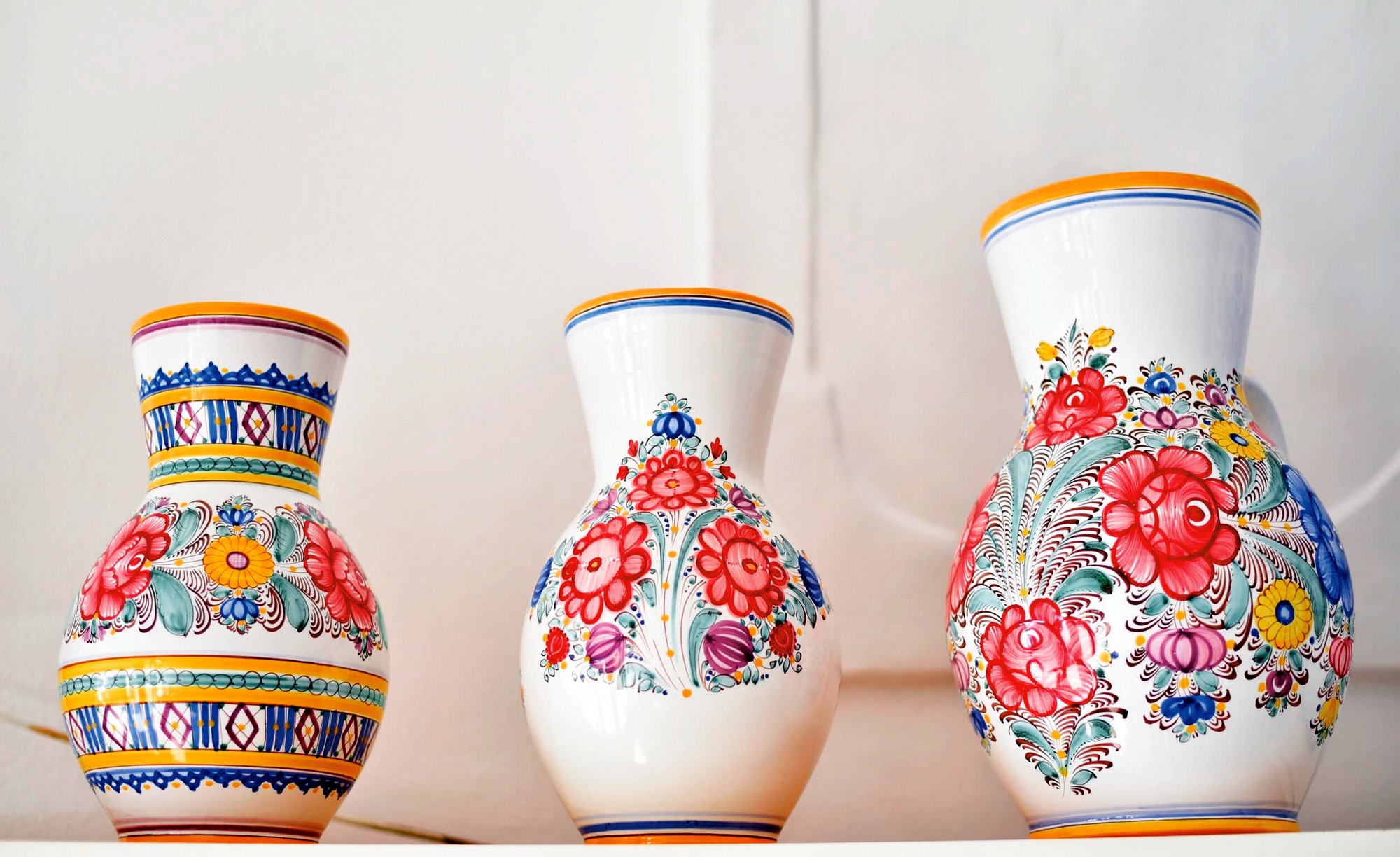
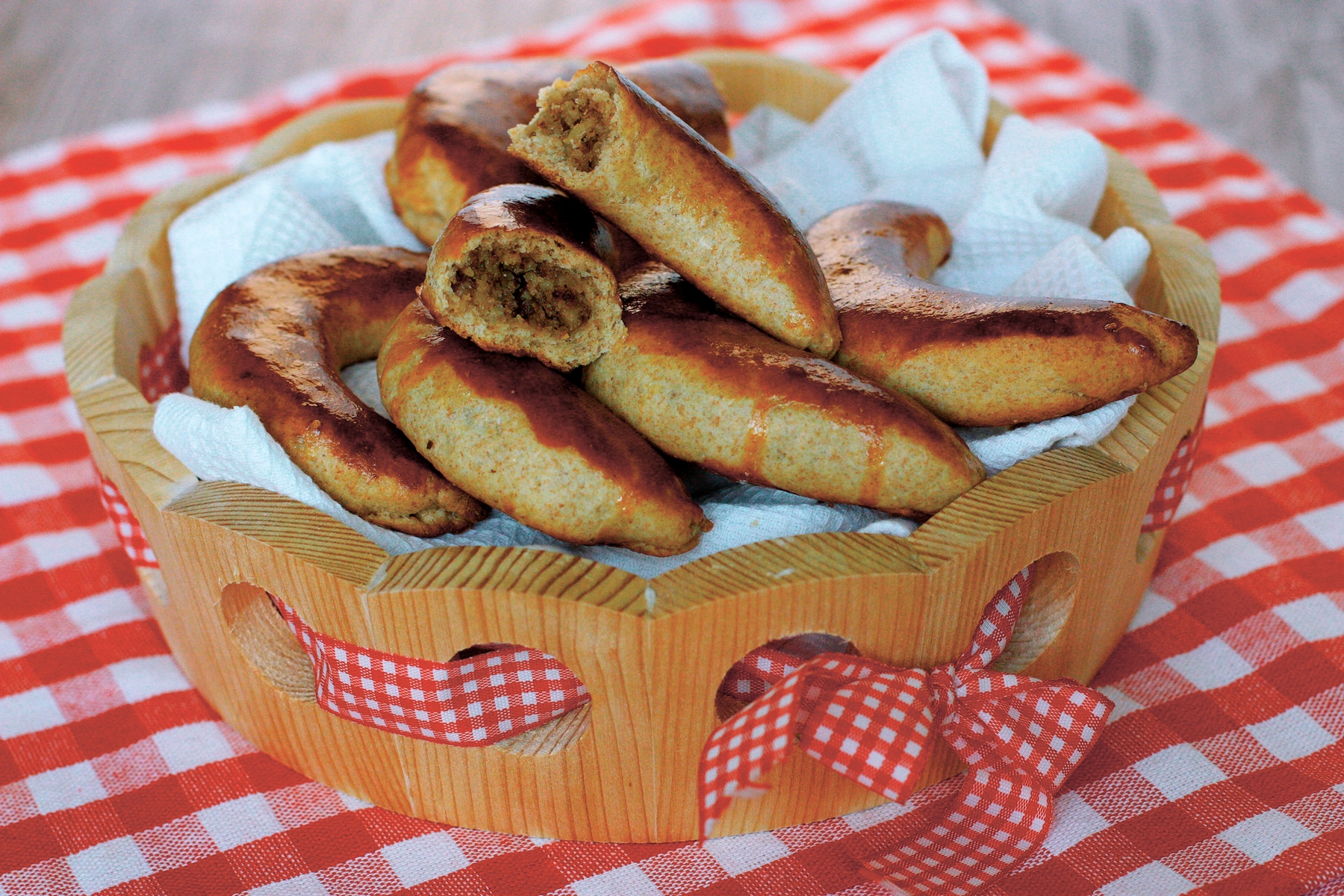
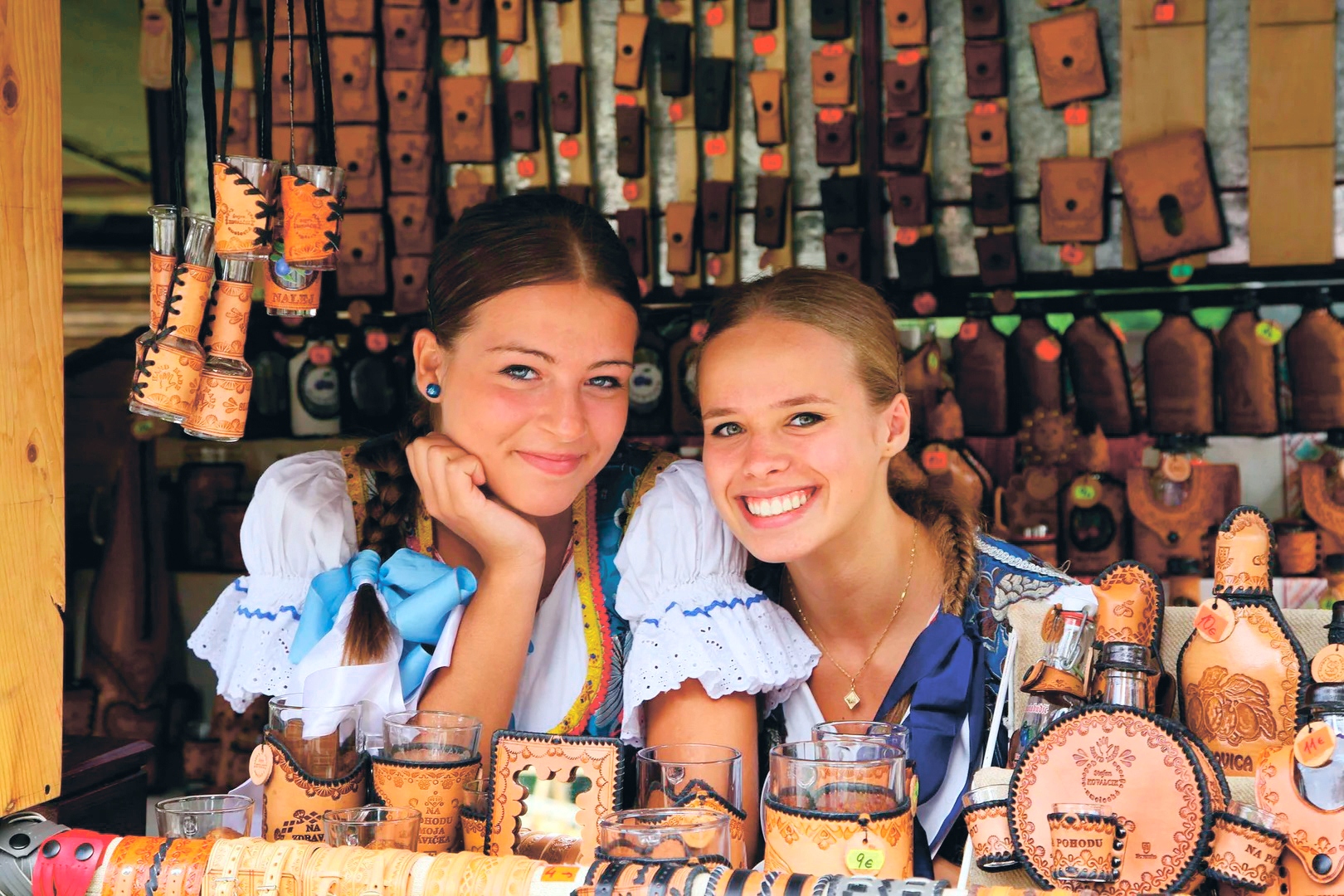
Many visitors purchase local wines, including products from vineyards in the Little Carpathians, as well as traditional pastries known as Bratislava rolls and ceramic items made from the traditional Modra majolica. Small shops run by local designers offer a range of authentic Slovak products, including ceramics, jewellery, and wooden goods, rather than merely displaying images of Bratislava Castle. The Old Town and the Stará tržnica market, held on Saturdays, are also worth a visit, offering local produce and gastronomic gifts.
Four neighbouring countries
Bratislava is an interesting location from which to base trips to several neighbouring countries and destinations in western Slovakia. The most obvious option is Vienna. The two capitals are only about 65 kilometres apart, and there are good transport links between them by train, bus or along the Danube. It is therefore entirely feasible to depart for Austria in the morning, spend the day in Vienna, and return to Bratislava in the evening.
The Czech Republic is another appealing destination. Brno, which can be reached in approximately 90 minutes, is considerably closer than Prague and an excellent destination for a day trip. The city's main attractions include the historic centre, Špilberk Castle and the Cathedral of St Peter and Paul, as well as the distinct atmosphere of Moravia. Should you have more time, you can continue from Bratislava to Prague, which is 330 kilometres away.
Hungary is also effectively nearby. Budapest is 200 kilometres away, or approximately two and a half hours by road, and the two cities have regular transport links. While the journey to Budapest is more extensive than travelling to Vienna, a well-planned schedule can incorporate both cities within a regional itinerary.
There is no necessity to leave Slovakia, however. The Little Carpathians wine region, which includes the towns of Svätý Jur, Pezinok and Modra, is located in the vicinity of Bratislava. In this location, visitors have the opportunity to combine walks through small, historic towns with visits to local wine cellars and tastings of regional wines. Modra is also renowned for its traditional ceramics, while the castles of Červený Kameň and Smolenice are located further along the route.
Another option is Trnava, known as "Little Rome" because of its many churches and historic buildings. For those wishing to combine sightseeing with relaxation, Piešťany, with its renowned spa and thermal springs, is an excellent choice. During the summer months, Senec is also a popular destination, renowned for its Sunny Lakes.
Bratislava can therefore be used as a starting point for a wider journey through Central Europe, rather than as a final destination in its own right. In a few days, you can visit Vienna, Moravia or Budapest, or remain in Slovakia and head to the wine towns of the Little Carpathians, historic Trnava or a spa resort. For a small city, this is a relatively rare advantage.
Perhaps this is why Bratislava should not be viewed as a city to visit “in passing”. Yes, it can be seen in two days, but those two days reveal much more: a medieval centre and prefabricated housing estates, a castle and the Danube, Viennese cafés and Slovak vineyards, a nearby border and the opportunity to change your entire itinerary the following morning. Bratislava does not demand too much from visitors, but it leaves enough reasons to return one day.
RECOMMEND:
 80