

APPARENT DISSERVICE
Azerbaijan must urgently address the waste problem in regions
Author: Sabira ALAKBAR
The disconcerting statistics from Russia, where the number of fatal bear attacks is increasing, have prompted serious concern among environmentalists and safety experts worldwide. Specialists attribute this sharp increase in aggressive behaviour to a combination of factors, including growing bear populations, the shrinking availability of natural food and the animals' increasing presence near human settlements.
A casual observer would be forgiven for thinking that the expansive Siberian taiga has little in common with the landscapes of the Caucasus. Nevertheless, this incident prompts a universal question regarding the boundaries of coexistence between people and wildlife. For Azerbaijan, where mountain regions and ecotourism are developing rapidly, Russia's experience is a stark warning that exposes one of our most serious domestic problems – uncontrolled rubbish dumps in resort and rural areas.
In order to comprehend the situation, it is essential to analyse the factors that motivate wild animals to cross safety boundaries and seek contact with humans. The main stimulus is almost always hunger, caused by drought, a poor harvest of wild plants or climate change, which disrupts the animals' usual hibernation cycles and causes bears to enter their dens later and later. The second, and most significant, factor is human activity itself. It is important to note that easily accessible food waste can prove to be a significant attraction for wild animals. Once predators become accustomed to feeding at rubbish dumps, they quickly lose their natural fear of people. They begin to associate the smell of human habitation with a guaranteed food supply and inevitably become aggressive when that food appears to be under threat.
Waste crisis
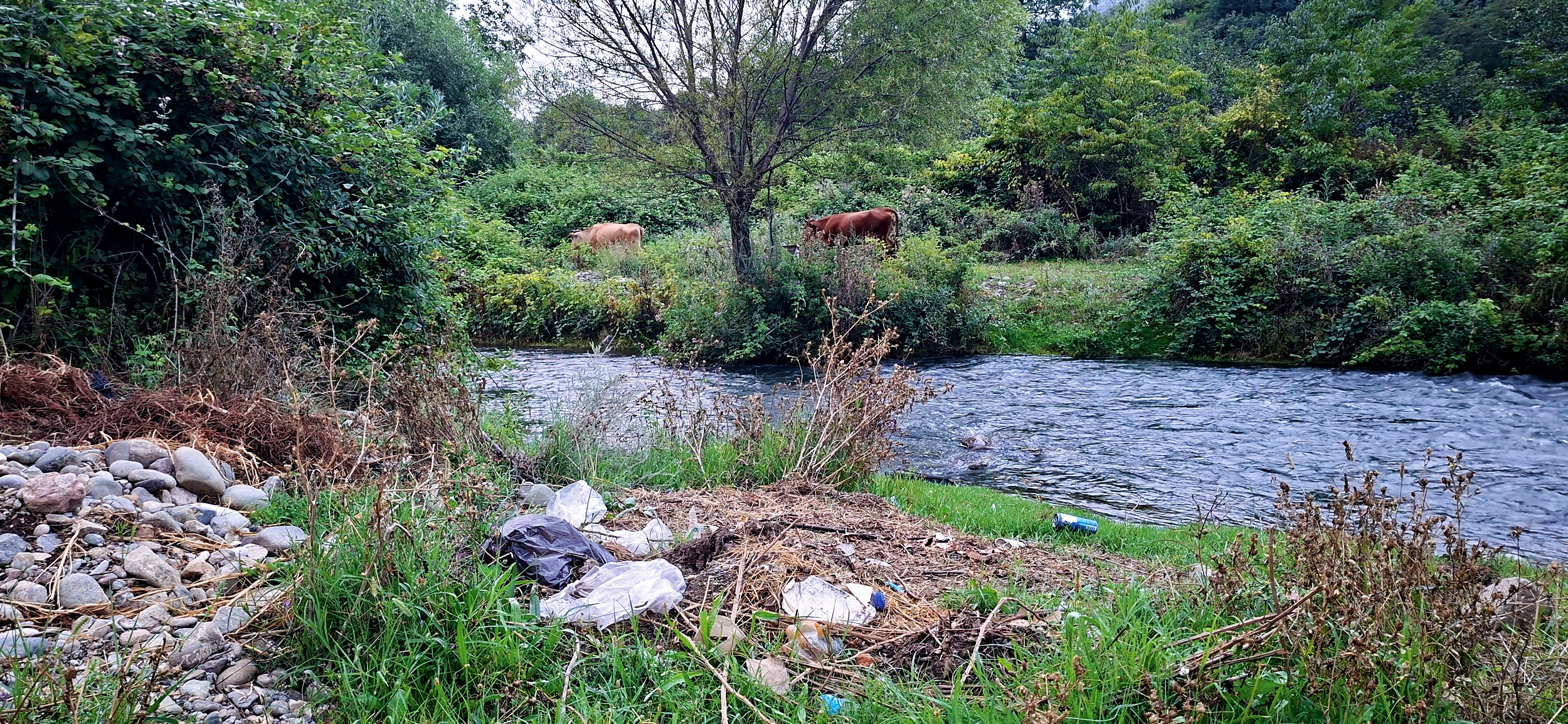
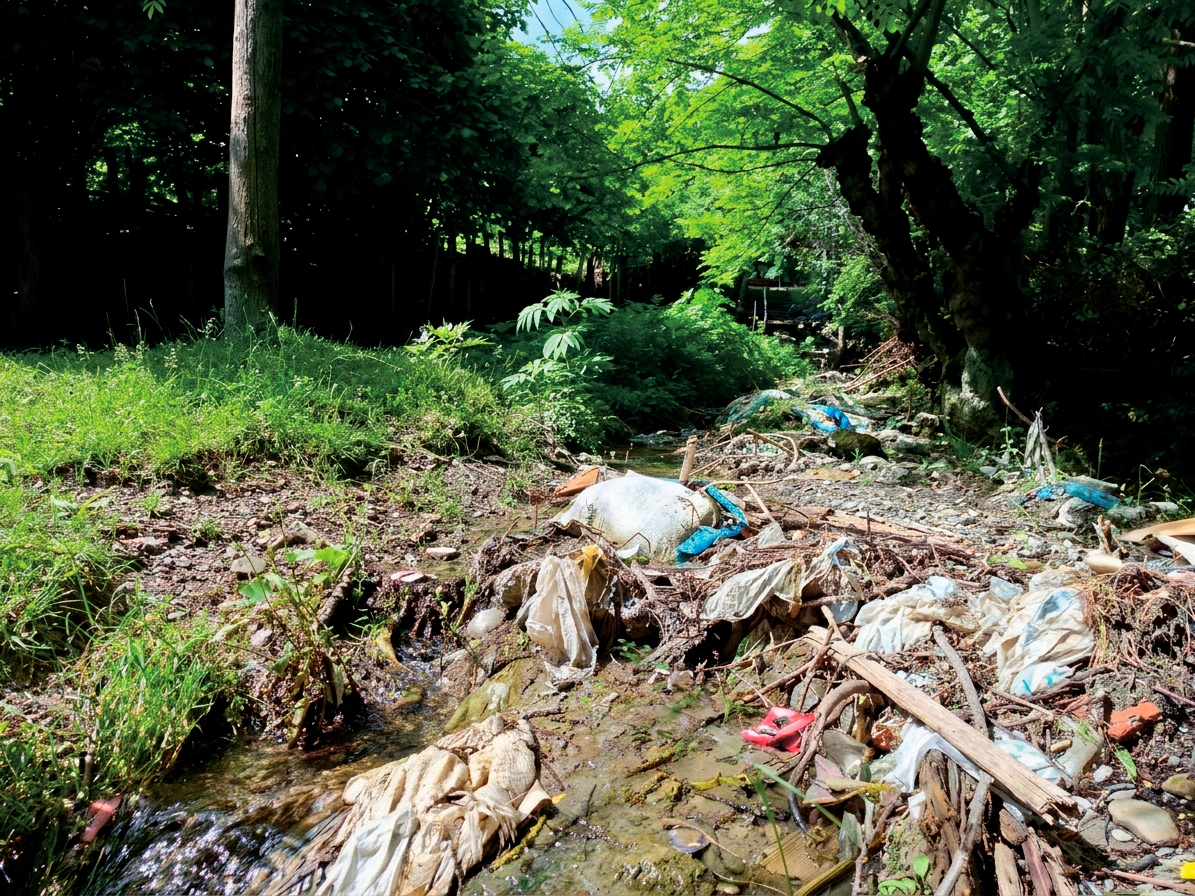
In Azerbaijan, this problem is particularly acute because waste-management systems in the regions are in deep crisis. While modern recycling mechanisms are in operation in the capital, household waste has become a significant problem in the districts. Residents and visitors have been observed disposing of plastic, food scraps and construction waste directly along mountain roads, in picturesque gorges, on forest edges and in riverbeds. In the foothills of majestic mountains and in previously pristine areas of Guba, Gusar, Ismayilly, Shaki, Zagatala and Lerik, accumulations of decaying waste are increasing, attracting stray dogs, rodents and wild predators.
Circumstances
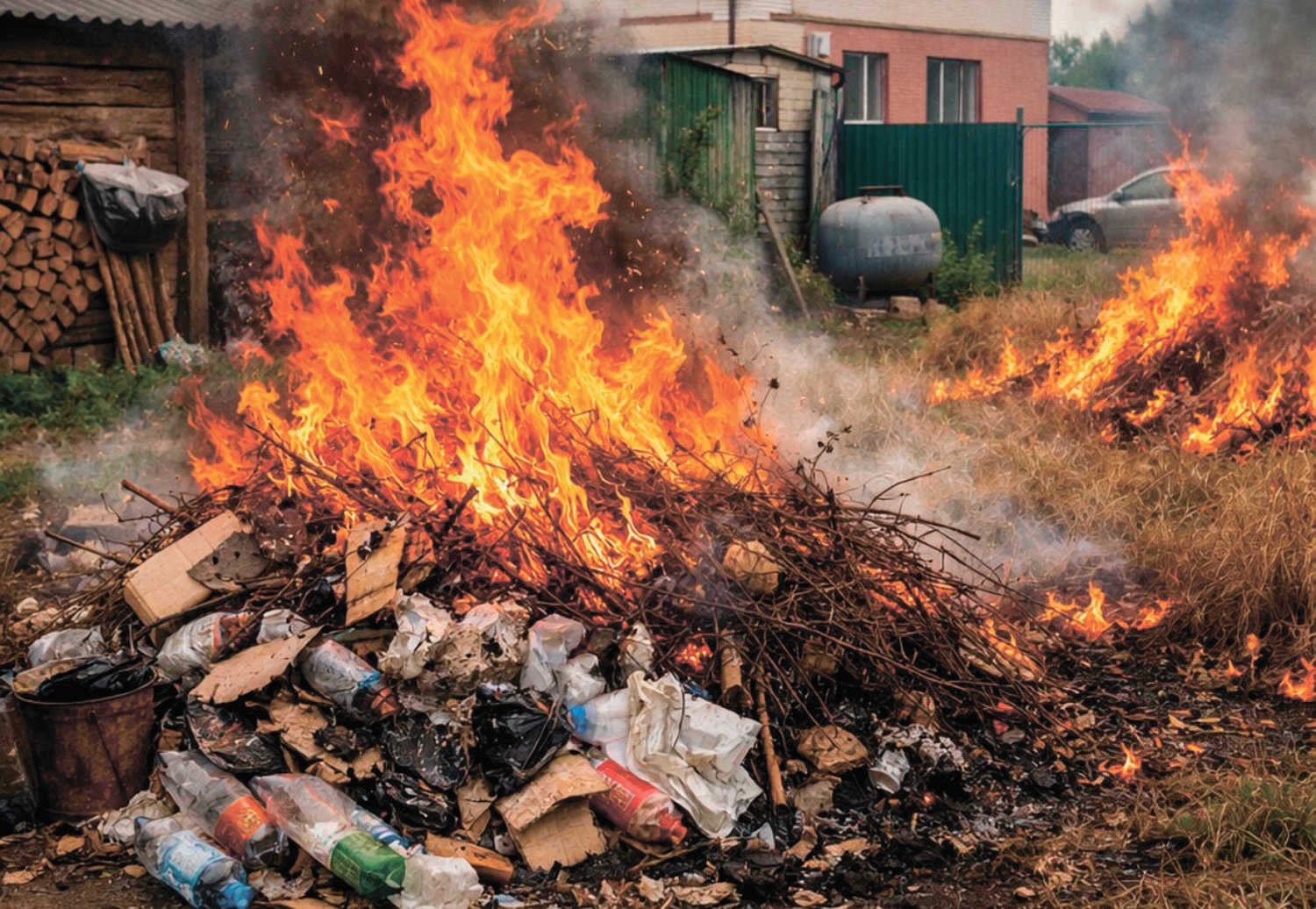
The problem in Azerbaijan has its roots in systemic and cultural issues. On the one hand, local municipalities face a severe shortage of funding, specialised equipment and properly organised sites for removing and safely disposing of waste. In many remote villages, regular rubbish collection is simply unavailable, leaving residents with no choice but to burn their waste, bury it or throw it into the nearest ravine. However, the issue is further compounded by the low level of environmental awareness among some residents and domestic tourists, who come to admire nature but leave bags of food waste at picnic sites.
The situation involving wild animals in Azerbaijan is unique and has its own particular features. The Caucasian brown bear, which is listed in the Red Book, is smaller than its Siberian relative and more cautious by nature. Its primary habitats are protected within Shahdagh, Hirkan, Altyaghaj and Göygöl national parks. However, the construction of hotels and roads, in conjunction with the expansion of agricultural land, is fragmenting the animals' traditional migration corridors. When animals move through areas of fragmented habitat and encounter human waste or refuse, conflict can quickly become a serious issue. The presence of bears in mountain settlements, raiding apiaries and attacking livestock has been a frequent topic in regional news reports.
Urgent plan of action
Azerbaijan must take the following key lesson from the tragic events in Russia: if waste is not disposed of correctly, this will lead to highly unpleasant consequences. Protecting the population and preserving the rare Caucasian bear require the immediate reform of municipal services in the regions. Municipalities must be provided with the resources to install enclosed rubbish containers that wild animals cannot access, establish regular waste collection services and introduce severe fines for dumping rubbish in unauthorised places.
It is vital that the waste crisis is addressed and a culture of responsible ecotourism is fostered if we are to protect the country's mountain regions and preserve the fragile balance between people and wildlife.
RECOMMEND:
 55