

REFERENDUM ON TRUMP
How congressional elections can reshape US policy and Washington’s relations with the world
Author: Zaur HASANOV
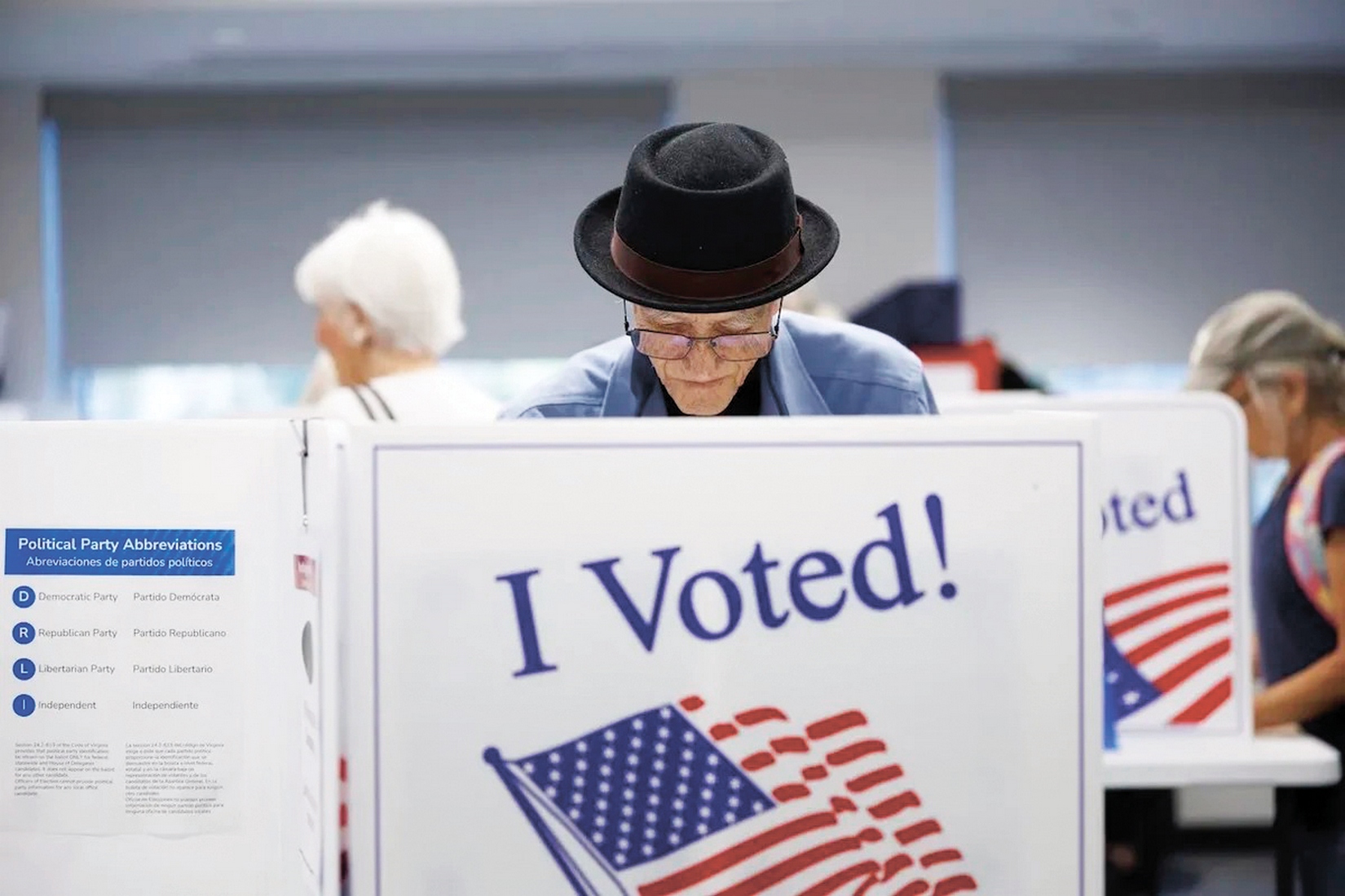
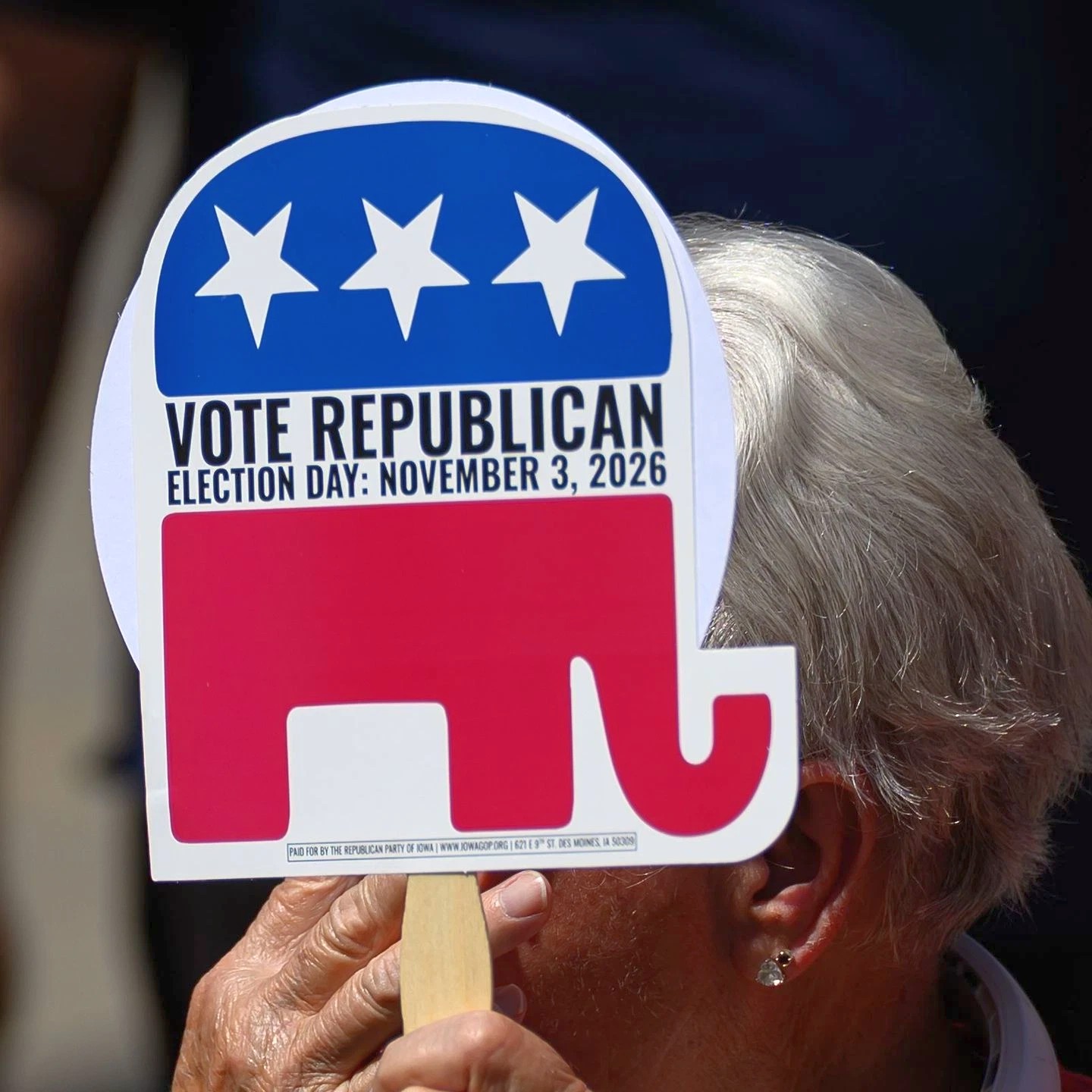
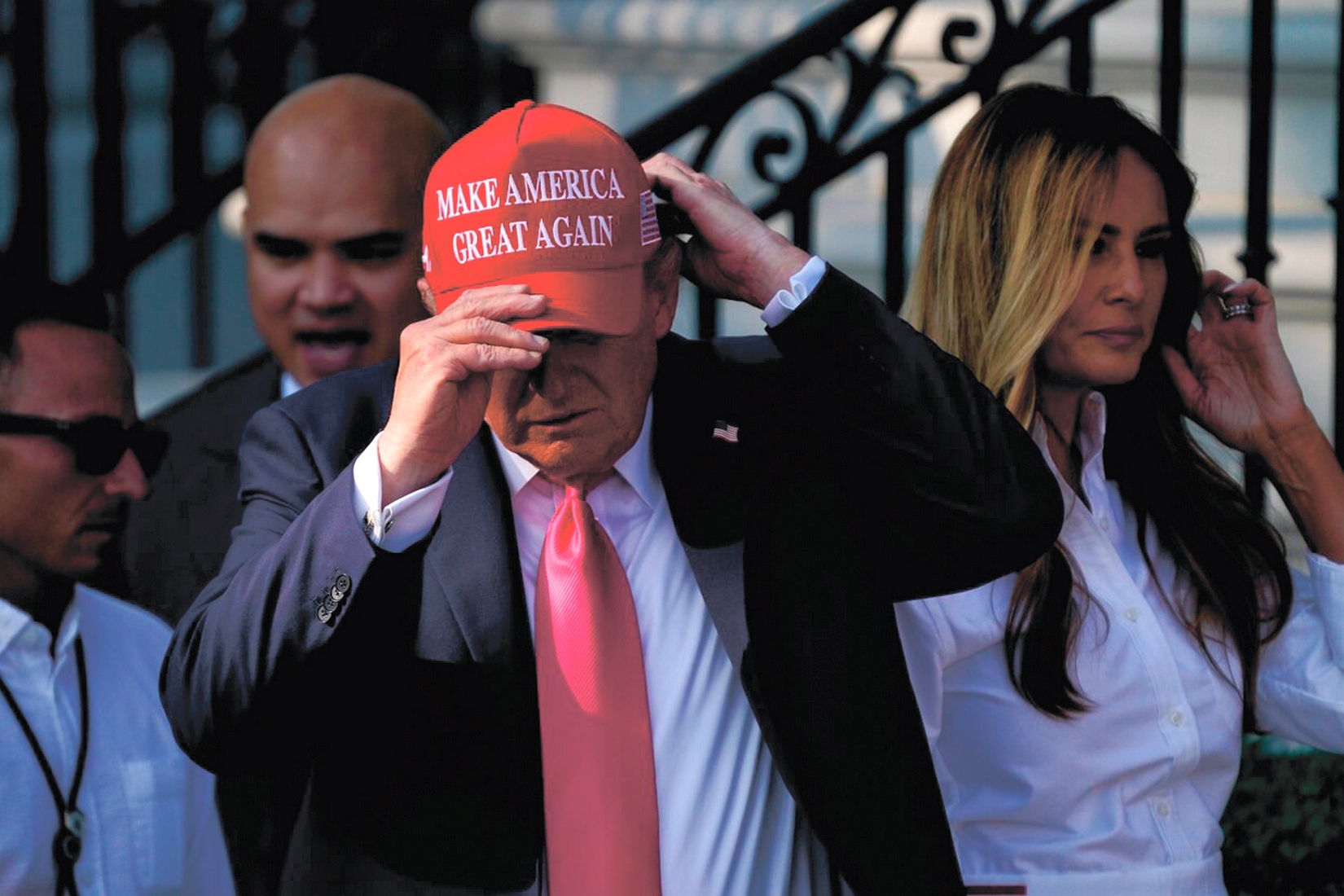
On 3 November 2026, Americans will elect all 435 members of the House of Representatives and one-third of the US Senate. These elections are held midway through a president's term of office. However, their significance extends far beyond the contest for seats on Capitol Hill. The vote will be a crucial test of public support for Donald Trump and his political agenda, from the fight against inflation to trade disputes and foreign policy. The president will continue to be based in the White House, irrespective of the result. However, a new balance of power in Congress could make it significantly more difficult for him to implement his agenda over the next two years.
Pre-election polls indicate that the Republican Party is facing significant challenges. According to a Reuters/Ipsos survey, Trump's approval rating has fallen to a record low of 31%. In the matter of the question of which party they would lend their support to in the event of a congressional election, 47% of registered voters indicated that they would vote for Democratic candidates, while 35% stated that they would vote for Republicans. The 12-point gap was the largest recorded in the current election cycle. However, it should be noted that national polls reflect broad public sentiment rather than guaranteeing a particular outcome in individual districts or states.
The central question is whether public dissatisfaction will translate into a real change in Washington's political balance. Should the Democrats regain control of either chamber of Congress, it is likely that Trump will face strong opposition in the legislature. This would have a direct impact on budget approval, trade tariffs and funding for foreign-policy initiatives. The question is whether such a scenario would lead to a reassessment of US policy towards Ukraine, Russia and its European allies, or whether the White House would retain sufficient executive powers to pursue its own course.
Dissatisfaction without an alternative?
For the majority of American voters, the cost of everyday living has become the primary metric by which they assess the Trump administration. An AP-NORC poll conducted from September 24-28, 2026, recorded exceptionally high levels of public dissatisfaction. A recent survey revealed that 65% of American adults directly linked persistently high prices and inflation to Trump's policies rather than to external factors.
Concurrently, approval of the president's efforts to reduce the cost of living has fallen to a historic low, with just 17% of respondents supporting this policy. There is a general feeling of dissatisfaction, which is having a negative impact on the White House's standing. 69% of respondents believe that the country is currently moving in the wrong direction, and this pessimism is shared even by 47% of ordinary Republicans.
However, Trump's declining approval rating does not automatically guarantee an opposition victory. There is a pervasive sense of mistrust towards both of the major political parties in American society. Voters may offer strong criticism of the administration, yet fail to perceive the Democrats as a convincing alternative. The Democratic Party's primary objective in the coming days is to persuade undecided citizens that a change in the congressional majority would yield tangible, practical results, rather than merely paralyzing the government.
The battle for Capitol Hill
All 435 seats in the House of Representatives and 35 seats in the Senate will be contested on November 3. In the latter part of October, the Republicans maintained a slim majority in the House of Representatives and exercised effective control over the Senate. In order to reverse the situation and regain the legislative initiative, it is clear that the Democrats would need to make a net gain in both chambers, which is a difficult task in an environment of intense polarisation.
In the House, the outcome will be decided in several dozen closely contested districts. According to the Cook Political Report, the Democrats have strengthened their position in a number of these districts. In Iowa, the first and third districts have moved into the "leaning Democratic" category, while the second is considered a toss-up. Montana's first district is also of interest: following the Republican incumbent's resignation, analysts have moved the seat into the toss-up category. The results in these districts could therefore play a significant role in determining the new balance of power in the House.
In the Senate, the primary contests are occurring in states where Republicans are defending their seats against formidable Democratic challenges. These include Maine, Iowa, Texas and Ohio. It is important to recognise that Senate campaigns are characterised by their own distinct logic. The personal popularity of a particular candidate in a state often outweighs national party trends, making the outcome of the battle for the upper chamber one of the election's main uncertainties.
What will change beyond the US?
For Washington's international allies and partners, the election results are of primary importance due to the influence that Congress has over White House foreign-policy decisions. The most sensitive issues are continued support for Ukraine, commitments under NATO and transatlantic trade. If the Democrats were to take control of the House, they would gain significant oversight capabilities, including the authority to initiate congressional investigations, convene hearings, and demand public reports from the administration. However, it is important to note that oversight does not automatically confer upon Congress the authority to influence US foreign policy.
The Ukraine issue is a pertinent illustration of this balance of power. In mid-October, Trump used a special legal loophole to block the implementation of new "hellish" sanctions and tariffs contained in the recently adopted Graham Act. The president signed an order that exempts several key provisions of the act, including 500% tariffs on Russian imports and stringent secondary sanctions against foreign buyers of Russian oil. Trump provided a rationale for the decision, citing US national interests, particularly the objective of curbing domestic fuel prices. The decision was met with strong criticism from Vladimir Zelensky and US lawmakers themselves. The episode demonstrates how America's domestic economic challenges can take precedence over geopolitical considerations.
The new Congress will undoubtedly intensify debates over aid allocations and sanctions pressure, but as head of the executive branch, Trump retains extensive powers in foreign policy. While Congress has the authority to restrict funding, it does not possess the power to compel the president to alter his personal stance. The same applies to trade policy. Tariff wars have a negative impact on American businesses and consumers. Therefore, opposition to Trump's protectionist measures could unify some lawmakers from both parties and make life more difficult for the White House, without guaranteeing a complete reversal of US policy.
A president without a majority
A hypothetical victory for the Democrats in the midterm elections would not result in total paralysis of the White House. The president has the power to veto, and for a veto to be overturned, it requires a two-thirds majority in both chambers of Congress, a feat that is all but guaranteed to be unattainable for the Democrats.
The federal budget is set to become a key point of contention in the domestic political arena. By controlling the House, Democrats could block spending on Trump's key projects and demand concessions. A negative aspect of such a confrontation would be the constant threat of legislative deadlock and a government shutdown. If Republicans succeed in maintaining their majority in Congress, it is anticipated that President Trump will be able to implement his domestic agenda with minimal obstruction, and that his appointees to key positions will be confirmed with expediency.
The 2026 midterm elections will serve as a litmus test of Donald Trump's ability to retain his electoral base amid economic instability. For the Democrats, a victory would provide them with a platform for criticism and a share of the responsibility for the country's condition. Regardless of the outcome, it is clear that American society will continue to be divided.
The term 'referendum on Trump' is a political accurate phrase, but not a literal one. The American people are not electing a new president. The current focus is on the balance of power within which he will have to govern for the remaining two years of his term. It is imperative that both US allies and opponents adapt to a new reality, in which White House decisions will repeatedly encounter a new distribution of power in Congress.
RECOMMEND:
 49