

THE UKRAINE CRISIS IS GROWING INTO A WORLD DISASTER
The world order that emerged after the collapse of the USSR is undergoing major changes

Author: Irina XALTURINA Baku
Occasionally, time stretches out in a most peculiar way. There is hardly any time left before the presidential election in Ukraine, but the current situation in the country is such that it is very difficult to make predictions, even for a few days ahead. Alas, Ukraine is not prepared to elect the President: there is a civil war going on and the country is close to a collapse.
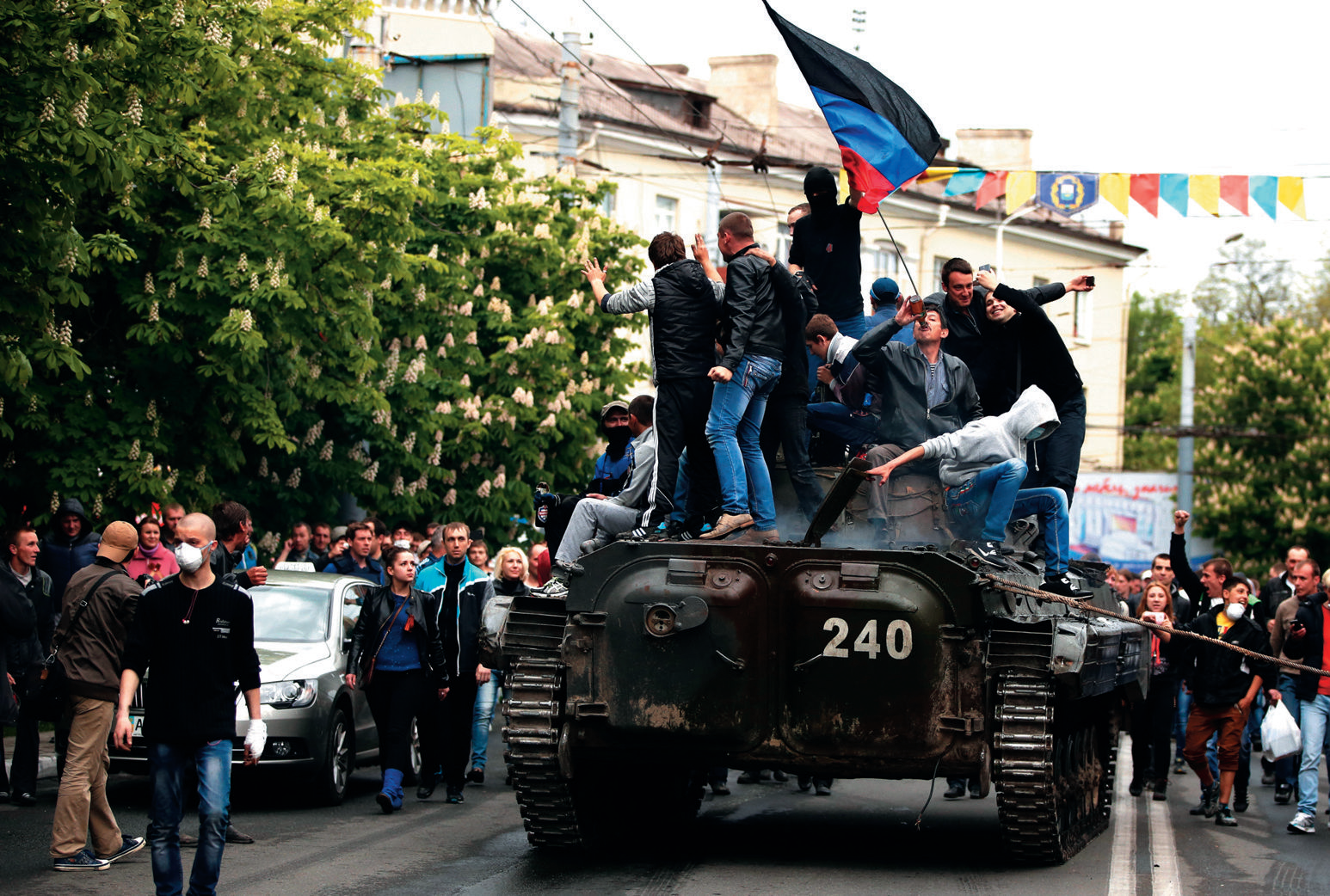
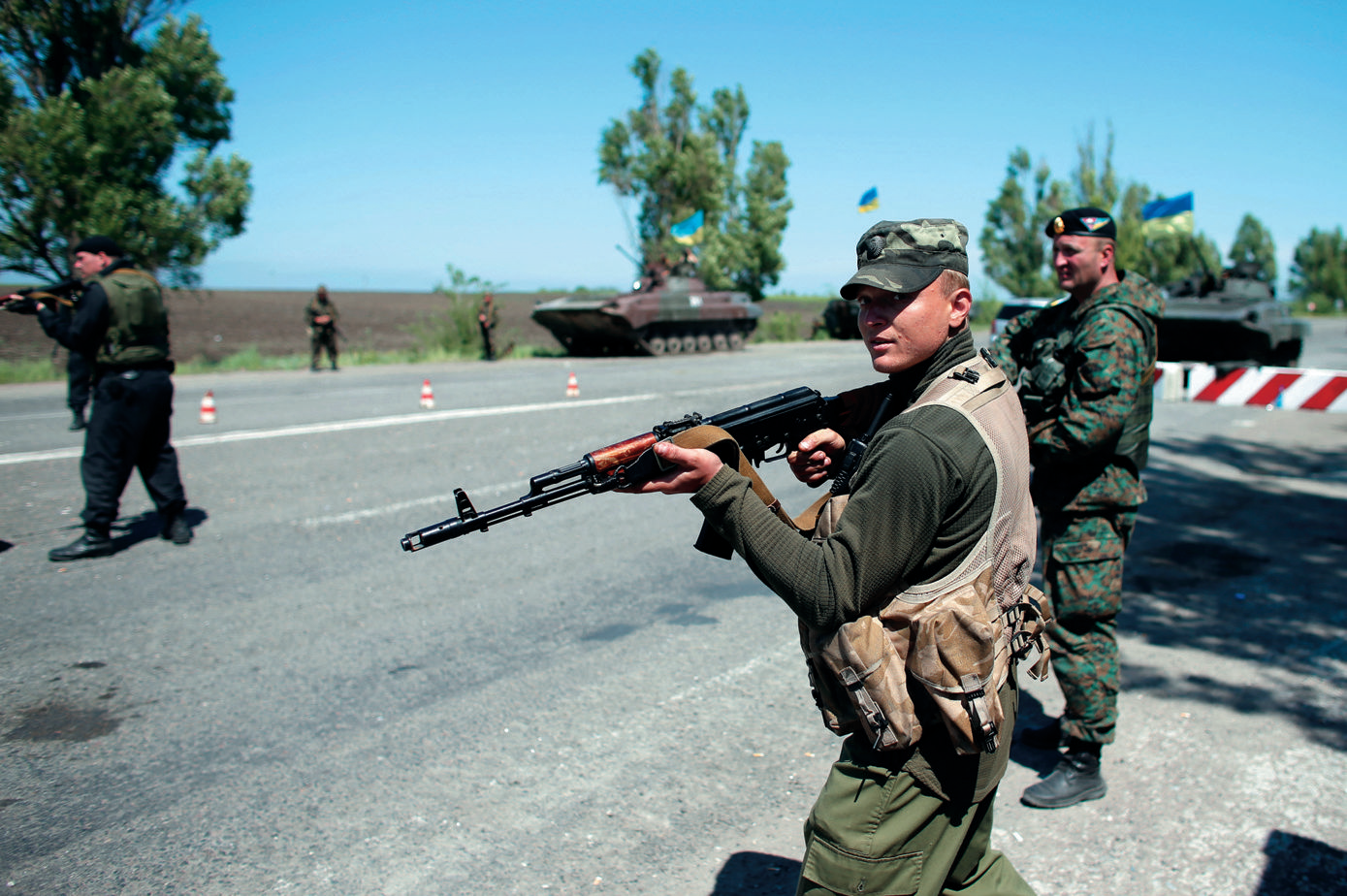
After the events in Slavyansk and the tragedy in Odessa, civil unrest was stirred up in Mariupol, Kramatorsk, Luhansk, as well as other cities and towns. There are reports of the death of civilians, priests and even children, which is especially depressing. According to some reports, the so-called "territorial armies" are being formed in the south-east of the country and mercenaries are taking part in actions. This makes the civil confrontation much more substantial, tantamount to an international conflict.
On the one hand, the West believes that Moscow stokes and coordinates protests in southern and eastern Ukraine, supplies weapons to "separatists" and sends in subversive groups - those "little green men"/"polite people" without insignia. Of course, the Kremlin has denied the fact of intervention. On the other hand, Russian media, quoting German sources such as Spiegel and Bild am Sonntag, have spread information that in Ukraine "American mercenaries were involved in operations against the militants in the south-east of the country." This refers to employees of the Academi security company (formerly known as Blackwater), ostensibly dressed in the uniform of the Ukrainian Special Force "Sokol" [Falcon]. Earlier a statement to this effect was made by the Russian Foreign Ministry. The US State Department has categorically denied anything of the kind. Meanwhile, CIA Director John Brennan confirmed that he recently visited Kiev and passed on to the Ukrainian side "information and means for restoring stability in the country."
NATO is reinforcing its troops in the countries bordering Russia. Russian Defence Minister Sergey Shoygu spoke of the unprecedented increase in the activity of the US and NATO armed forces the in Eastern Europe, the growth in the number of US aircraft and military personnel in the Baltic States and Poland and NATO ships in the Black Sea. At the same time, Russia's long-range strategic aircraft make flights to the coast of California and the activity of the Russian armed forces in the vicinity of Japan and Korea has "sharply increased."
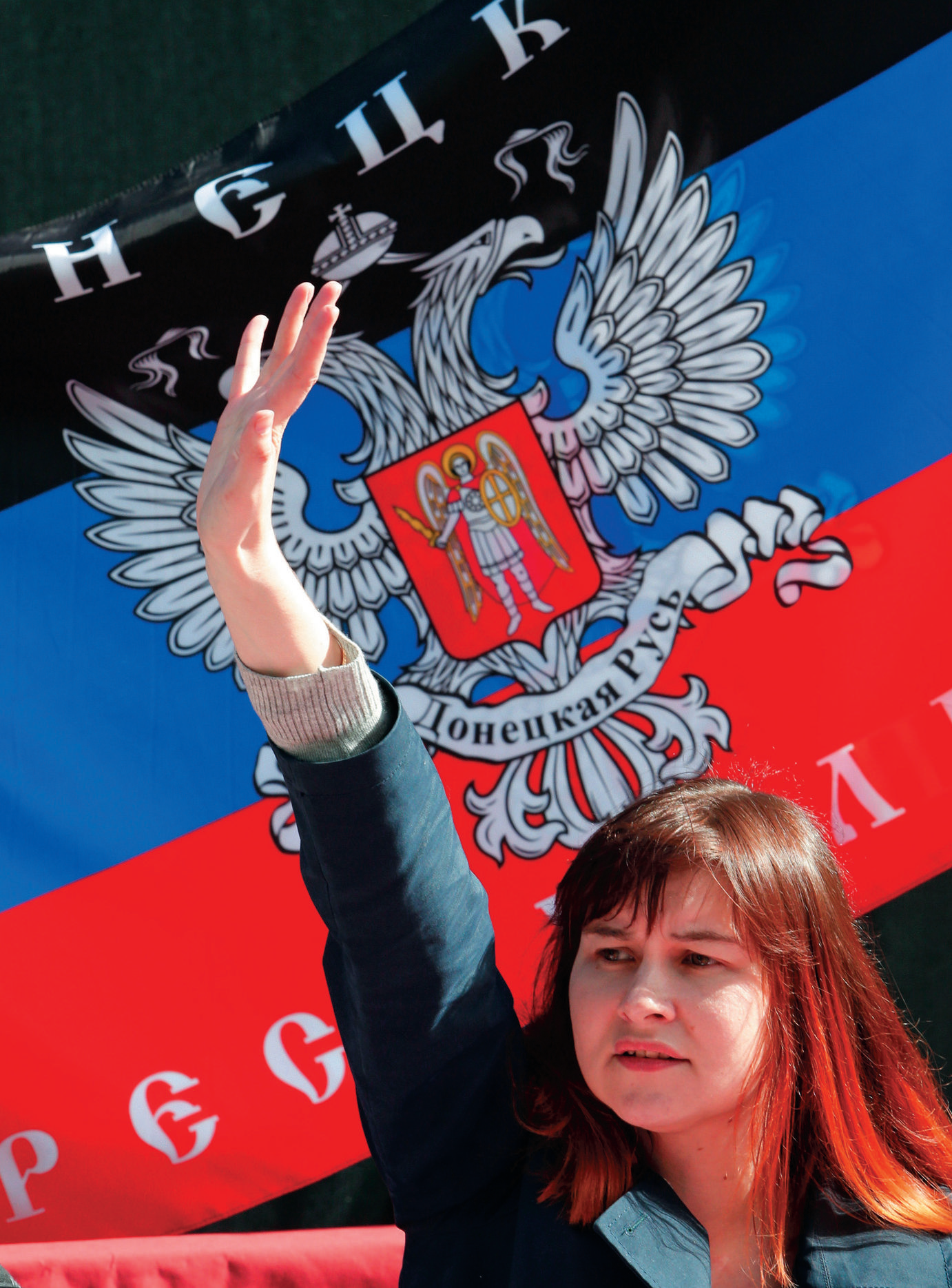
Against this background, a referendum on independence was held on 11 May in the cities of South-Eastern Ukraine. The ballot question asked, "Do you support the act of state sovereignty of, respectively, the Donetsk and Luhansk people's republics?" According to Russian media, the turnout was very high and the organisation was flawless. Voting at polling stations in Moscow was just as active. Based on preliminary estimates, the vast majority of voters in the Donetsk region voted for the independence of the region, a representative of the Central Election Committee of the Donetsk People's Republic told an Interfax correspondent.
The United States stated in advance that it would not recognise the results of the referendum. US State Department spokeswoman Jen Psaki stressed that any referendum would lead to unrest in the south-east of Ukraine. If Russia recognises the results of the referendum, it will face new sanctions from the United States and the European Union.
Sanctions is a separate topic though, which raises too many questions such as Europe's dependence on the United States in the economic and military aspects, the contradictions within Europe, the state of the Russian economy, Moscow's dependence on the export of energy as well as the dependence of the Old World on energy supplies from the East, the role of big business interests in the war of sanctions, the position of China and much more. It is not known how the gas issue will be solved - Gazprom said that Ukraine failed to make payment for the April deliveries of Russian gas, which was due by 7 May. As a result, Gazprom has shifted Ukraine to the advance payment scheme, whereby Kiev already in May has to pay for the amount of gas it is going to received in June. It is expected that an Emergency Response Plan will be signed at a G7 meeting in June "to assist Ukraine in the winter of this year if Russia limits its gas supplies." This is going to be achieved through shale gas exports from the United States, the construction of new pipelines and diversification of transportation routes. However, now it is much more important to know what will happen early in summer as Europe itself may be left without gas.
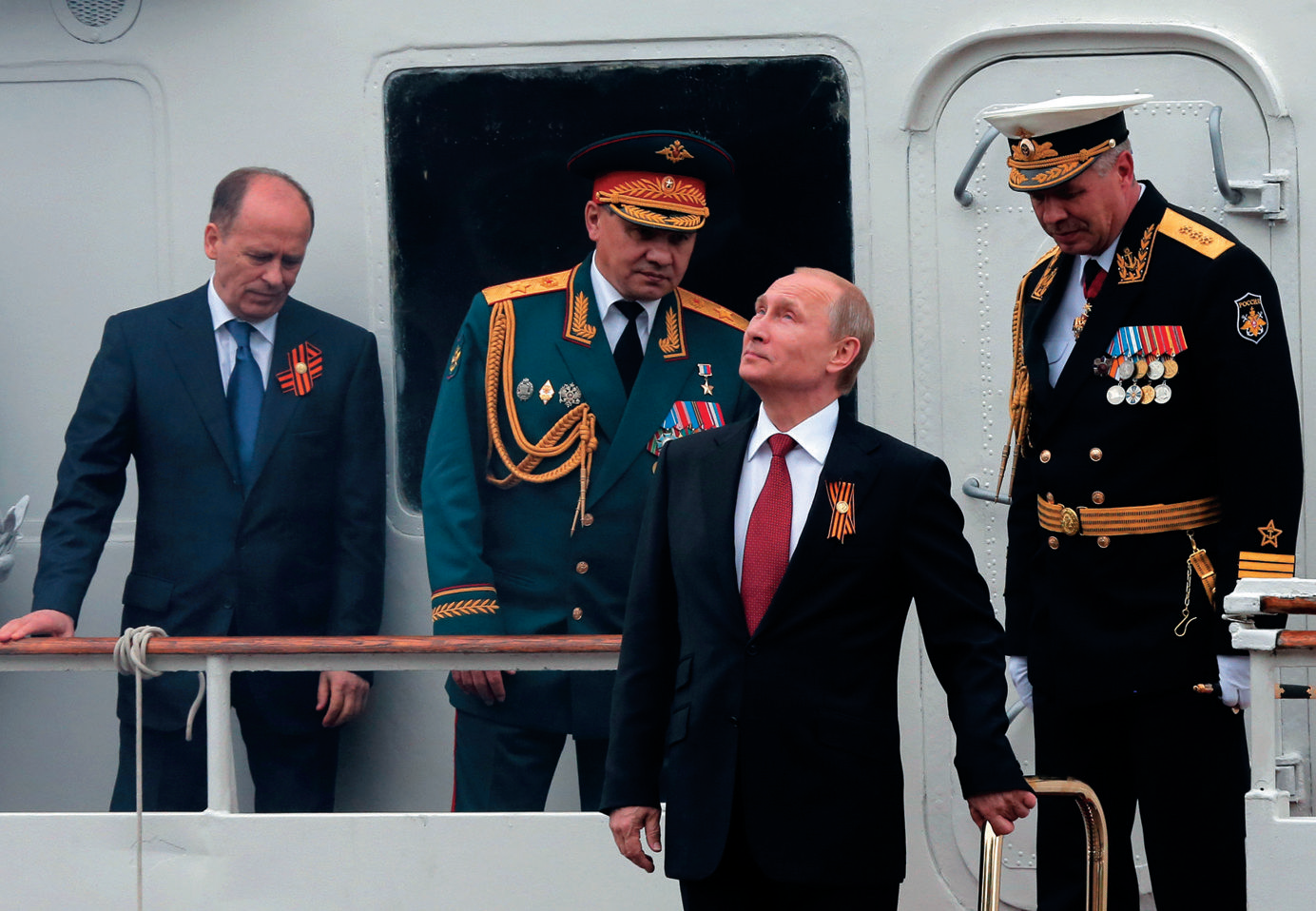
However, it is not in the best interest of Russia to leave Europe without gas. It is noteworthy that Russian President Vladimir Putin has remained silent about the latest developments in the south-eastern part of Ukraine for a long time and expressed himself only after a meeting with Swiss President Didier Burkhalter, urging the organisers of independence referendums in the Donetsk and Luhansk regions to postpone the vote. Putin also said that Russia had withdrawn its troops from the border with Ukraine and advised the Kiev authorities to immediately cease all "punitive operations in the south-east of Ukraine." As is known, the proponents of the referendums on independence of Southern and Eastern Ukraine did not listen to the Russian President and carried out as they saw it fit. "The Self-Defence Forces are not going to unilaterally lay down their arms," Miroslav Rudenko, co-chairman of the government of the Donetsk People's Republic told the Interfax news agency.
However, this is only one version. According to another version, Putin is simply "showing off." Many analysts think that Moscow is now making every effort to avoid direct military intervention in Ukraine because in this case it will face much tougher sanctions from the West. Secondly, Moscow will have to assume full responsibility for the population of the south-eastern regions including economic and security problems, and this will be a heavy burden on the state budget. And thirdly, the Kremlin will lose the tools of exerting at least some pressure on Kiev. It is much more beneficial for Russia to have "independent Novorossia" [New Russia] as a buffer zone, with a friendly government, rich natural resources (there are already "funny postcards" to be found on the Internet saying that Ukraine will soon pay Russia not only for gas but also for coal) and access to the sea. There is nothing new in this approach: it is a favourite tactic of the United States which has never integrated any territory but only helped to restore democracy and justice everywhere.
The deployment of Russian troops in Ukraine, which signifies the escalation of the conflict, is not in the interest of Europe, whose economic and political problems may worsen as a result of this; moreover, Europe may run the risk of becoming even more dependent on the United States, especially in military aspects. As a minimum, the "unfreezing" of the conflict in Transnistria may take place, the first signs of which are already visible. Here I refer to the visit of Russian Deputy Prime Minister Dmitry Rogozin to Transnistria, for whom both Ukraine and Romania closed their airspace when he was returning to Moscow by plane. Writing in his microblog on Twitter, Rogozin promised that next time he would fly to Transnistria onboard a Tu-160 strategic bomber. The Romanian Foreign Ministry responded to this statement rather nervously "as to a very serious threat, especially in the current regional context." NATO Deputy Secretary-General Alexander Vershbow criticised "attempts to strengthen the position of Moscow-backed separatists in Moldova." By the way, the Moldovan authorities searched Rogozin's plane and confiscated boxes given to him by activists of the Union of Russian Communities as well as boxes with lists of signatures of Transniestria residents "for reunification with Russia" and the recognition of the Moldovan Transniestrian Republic.
Whatever the outcome of the Ukraine crisis, one thing is clear: the world order that emerged after the collapse of the Soviet Union is undergoing major changes. And it has to do not only with the struggle between the two poles of power. After all, what is happening? Russia that remains a monolithic state is actively engaged in the development of its new ideology which, thanks to V. Putin, is clearly focused on national identity under the "Russian umbrella," family values, spirituality, a strong centre of power, and patriotism. All this is in contrast to the West and in particular to Europe which, though united, still remains fragmented into different countries, some of which do not hide their dislike for the "single control tower" in Brussels. As regards values and ideology, the most revealing comments appear in the Russian media and the Internet concerning the victory of a pretty outrageous character, Thomas Neuwirth, at the Eurovision song contest, who performed as bearded girl Conchita Wurst. Austrian President Heinz Fischer said that this victory signified the triumph of not only Austria but also, above all, diversity and tolerance in Europe. However, the majority of the Russian audience did not understand what tolerance consisted in and, on the contrary, dubbed bearded Conchita as a European symbol of degradation and changing of cultural and moral orientations.
Thus, the Ukraine crisis is really growing into a world disaster. The question is, will it end in a relatively quiet manner (however cynical it may sound amidst reports of casualties in Odessa and in the south-eastern regions of Ukraine), being limited to the local use of weapons and controversies over the winners of song contests, or will the world be faced with a new world war? Soon the Russian and US presidents will attend the celebration of the 70th anniversary of the landing of allied troops in Normandy. Speaking at a briefing, US State Department spokesperson Marie Harf said that no meeting was planned between the heads of the White House and the Kremlin, and the reason for this were the events in Ukraine. But are the events in Ukraine not a good reason to have a discussion? Presidents and governments are only voicing the people's will and this is seemingly the case where the people should exert pressure on their leaders. Or does anybody need a second cold war, closed borders and the arms race?
RECOMMEND:
 648
648