

"US" AND "THEM"
The fall of the Berlin Wall has not protected the world from new obstacles
Author: Irina KHALTURINA Baku
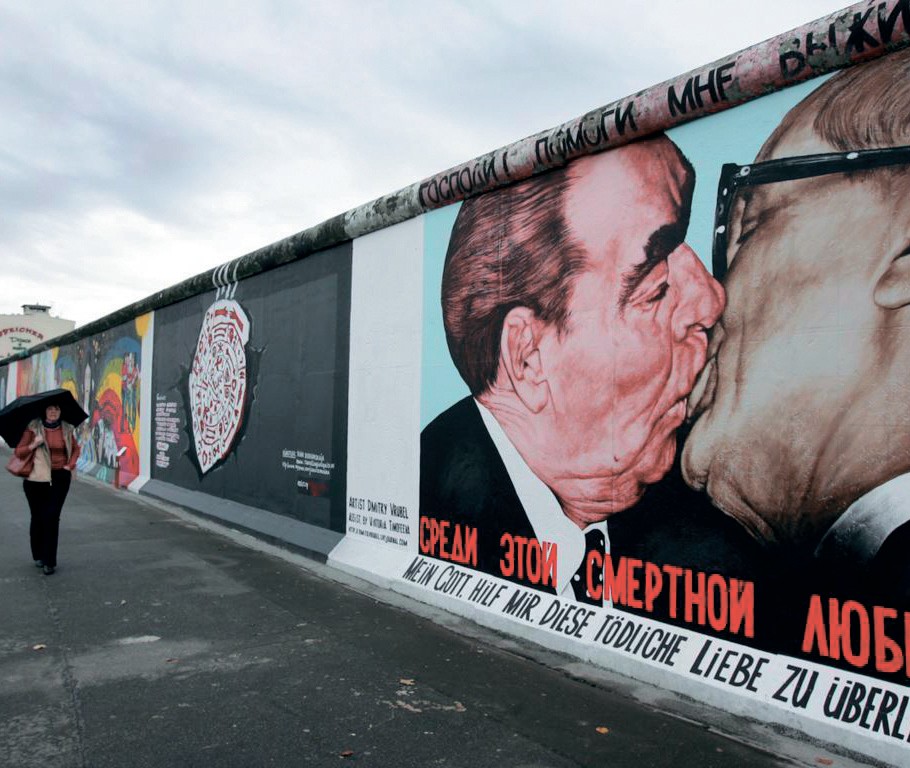
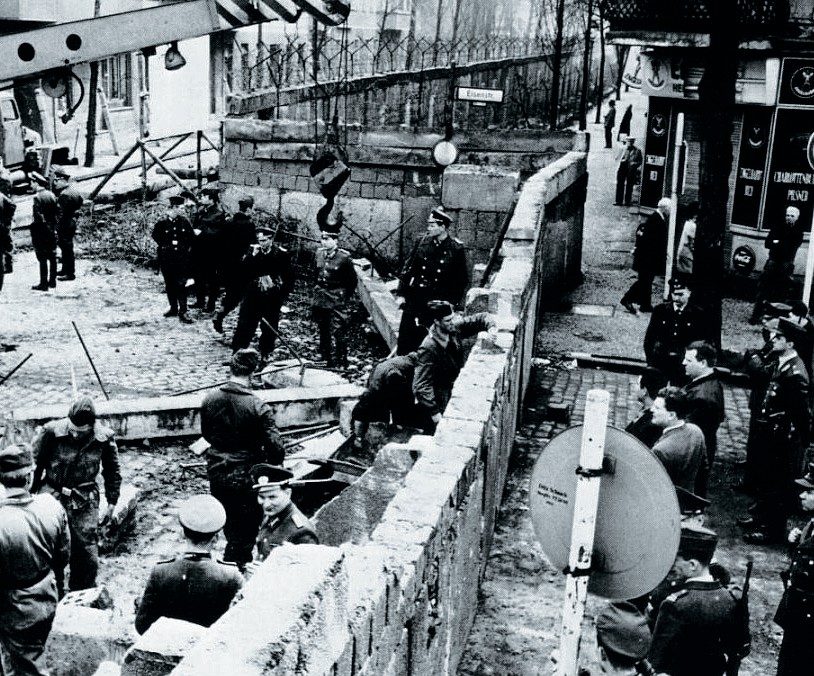
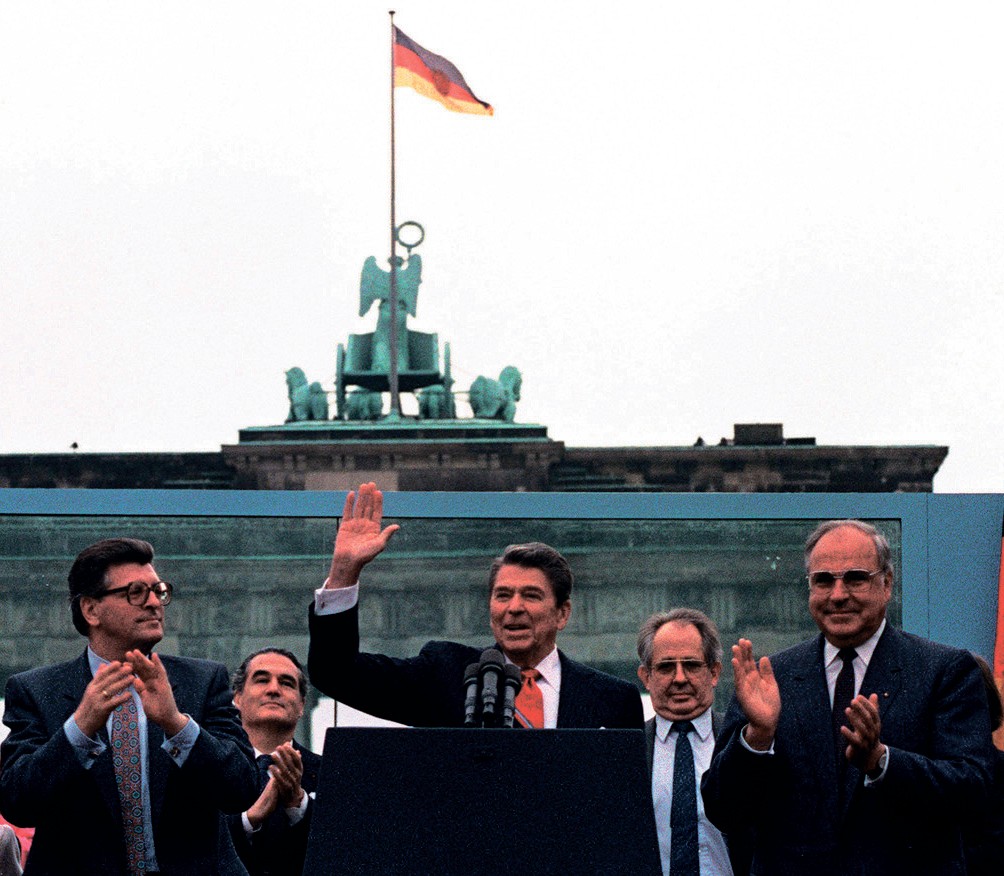
The Wall was an ugly scar 156 km long which for a long time - from August 1961 to 9 November 1989 - split Berlin and, essentially, the whole world in two. The GDR [German Democratic Republic] decided to build the Wall after a quarter of its population, or 4 million people, escaped in the first 12 years of the country's existence (from 1949 to 1961). Later, dozens of people were killed trying to get to the other side of this imposing concrete edifice. The crisis came at the beginning of November 1989 when about half a million Berliners turned up at the biggest opposition rally in the GDR's history. There are several versions of what happened at the time of the "fall of the Berlin Wall" - from a clash of circumstances to the goodwill of the leaders of that time and their ability to come to an agreement. Indeed, the collapse of the border between the two worlds did happen peacefully on 9 November 1989, and 11 months later, in October 1990, the former GDR officially merged with the FRG [Federal Republic of Germany]. Eventually, the fall of the Wall became a symbol of the desire for freedom, democracy and western values, and also the source of inspiration for a number of books, films and surveys. Today, fragments of the former concrete barrier are a kind of trademark of Berlin, and small artistic models of it are a ubiquitous popular item in souvenir shops.
However, the physical destruction of this barrier to movement and contact between people was probably not a sufficient step in itself. The Berlin Wall came down a quarter of a century ago, but Germany, like the rest of Europe in fact, is still divided into East and West. Of course, the stone blocks, watch-towers and barbed wire have gone, but the economic and statistical figures are there. There are differences in outlook and behaviour, and there is no doubt that Berlin is visibly different architecturally in its eastern and western parts.
The German people themselves do not regard themselves as one, either. According to an Allensbach public opinion poll, which was carried out on German Unity Day, over 56 per cent of Germans do not agree with the definition "We are one people". In the east of Germany, 60 per cent were convinced of this, and in the west 55 per cent, the Bild newspaper pointed out, quoting this report.
The differences between the two parts of the city and the country in general were summed up by the Washington Post. Thus, people's incomes in the eastern part were much lower and the level of unemployment higher. As a result, many young people from Eastern Germany leave for its Western part and people from Poland and the Czech Republic come to replace them. At the same time, there are still far more immigrants in Western Germany and many of them are from Turkey. Incidentally, the majority of supporters of the ultra-right National Democratic Party live in Eastern Germany. The reason for this is that people have become disillusioned with western capitalism, but at the same time there are few who want to go back to the communist past, so the ultra-rights successfully fill the void. Although this, too, is not of course the case. At the September elections to the Landtag (parliament) in Thuringia, the "Left" party - the heirs of the East German communists (SUPG - Socialist Unionist Party of Germany, which ruled during the whole of the 40 years of the GDR's existence) - took second place. This was the first such success of the "left" since the reunification of Germany. They also achieved tangible success at last year's elections to the Bundestag, coming third and emerging as the main opposition to Angela Merkel's "grand coalition". Thuringia, incidentally, is regarded as one of the poorest states in Germany and its people clearly like the arguments of the socialists - a limit to privatization, the dissolution of NATO and the closure of US bases in Europe.
Meanwhile, the Washington Post continues its list of differences, some of which are fairly surprising and reflect not just the difference in standards of living, but also way of thinking. For example, street lighting in Western Germany is more environmentally friendly. Eastern Germany is still extremely polluted and quite heavily dependent on coal. The majority of young mothers in Western Germany go out to work, whereas "eastern mums" prefer to stay at home and look after the children. Finally, as one travels around it is easy to see who is from Western and who is from Eastern Germany: whereas the former travel around and live in caravans, the latter spend the night camping.
Another newspaper - the Los Angeles Times - has also come up with some interesting things about the Berlin Wall, reflecting the different ways in which Europeans and Americans perceive the fall of the Berlin Wall. For example, whereas the US solemnly believes that the power and ideals of America as the leading light of western liberal democracy was the main driving force behind the changes, the Europeans talk about a low-key "continental breakthrough", the work of transitional institutions and the long path towards integration, and that is why of late the Europeans have been so opposed to the US' aggressive policy. So, in this case we are talking about a "Berlin Wall" in the minds of the people of the Old and the New World.
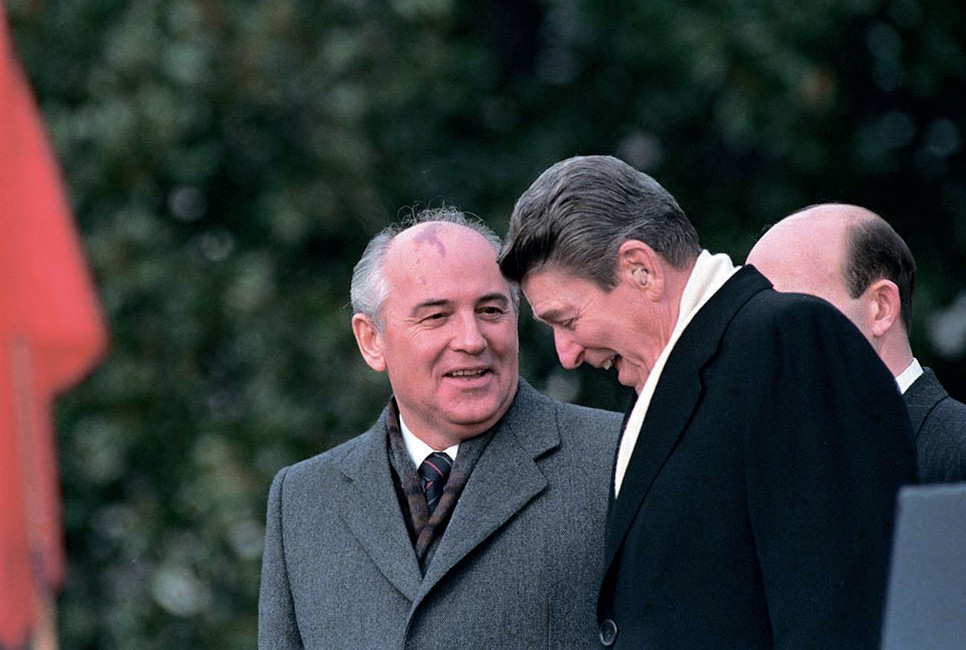
But even in the seemingly united Old World not everything is fine when it comes to unity. Europe remains Eastern and Western, where the former has always been economically weaker, more dependent, more vulnerable and emotional, whereas Western Europe doesn't like visitors from the East who are forever competing with them for jobs. According to the German paper Der Spiegel, German Chancellor Angela Merkel recently said she would prefer Britain's withdrawal from the EU, which calls for a restriction in migration of "manpower" within the EU, to a compromise on the question of a free labour market within the European Union. As well as immigrants, London is fed up with paying more money into the European budget and has made no secret of its intentions. Incidentally, 25 years ago, during negotiations, it was British Prime Minister Margaret Thatcher, who was always aware of Germany's immense economic and political strength, who came out as the main opponent of a merger between the two Germanys. "Mitterrand's France and Thatcher's Britain disagreed. They preferred to wait. They wanted the USSR and its army to stop the course of events," was how Mikhail Gorbachev, one of the few politicians still alive who was immediately involved in these events, responded in a recent interview to La Repubblica. The first and last president of the USSR argues passionately about state wisdom and the need for restraint at the most critical moments of history. However, as usual, Gorbachev does not say why he was able to contain force in Germany but unable to do so in his own country… Alas, what became the start of freedom for the German people and the rest of Europe, for what was already the former USSR at that time this was just the first period in a terrible series of misfortunes, wars, destruction and hard times. "Hot" spots dividing people much more intensely and for a much longer time than any high wall appeared, one after the other, on the map.
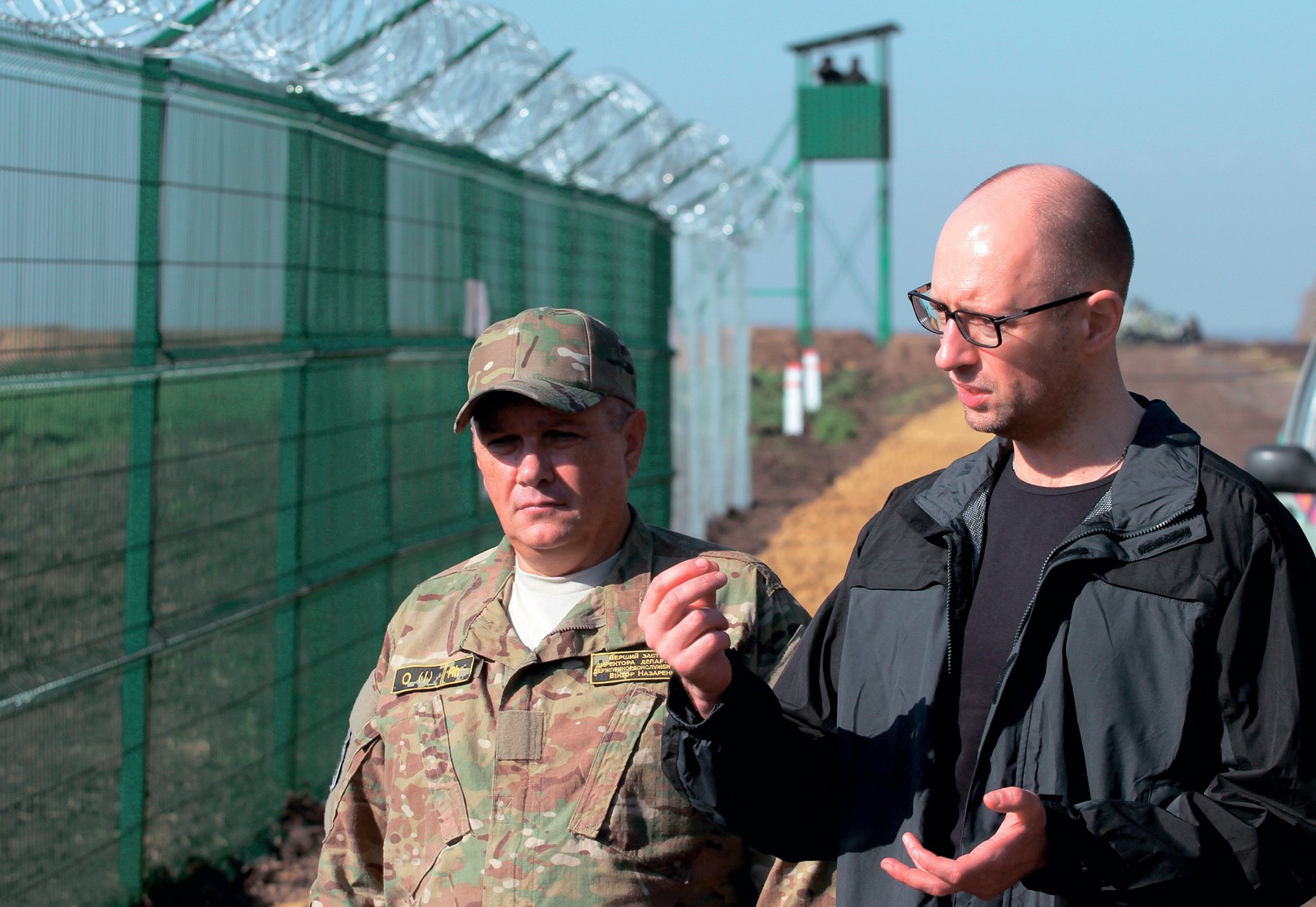
However, in today's world no-one even thinks of rejecting the actual idea of a "Wall" - at first it seemed a bad joke, but now it is even more possible that it could appear on the border between Russia and Ukraine. This was stated by Ukrainian Prime Minister Arseniy Yatsenyk, and The Times newspaper believes that this is what Putin will do. Western experts believe that a wall could bring peace to Ukraine and give Kiev the chance to rebuild its economy and join the EU. And it will be pulled down when Putin falls from power.
So the Berlin Wall can hardly be regarded as a repulsive symbol of communism alone. To make such a claim is tantamount, essentially, to saying that the bonfires of the Inquisition are a symbol of Christianity. The Berlin Wall was rather a symbol of human fears and the old instinct to divide the world into "us" and "them". After all, we had the Great Wall of China; Israel built a "security wall" on the border with Palestine (over 700 km long, with a 60-metre right of way); India cut itself off from Pakistan in a similar way. The Greek and Turkish inhabitants in Cyprus did the same. A fence divides Korea into South and North. The Moroccan Wall in Western Sahara looks abhorrent and unnatural with mine fields and barbed wire. Everyone knows about the protective system of structures on the border between the USA and Mexico - many people have died while trying to climb it from the Mexican side. The wall in Northern Ireland protects Catholics from Protestants and vice-versa.
This list is by no means complete and does not in every case clearly state that such barriers are a blatant violation of the right to freedom of movement. And by no means in every case will the fall of a wall (if it in fact occurs) be as peaceful as in Berlin, and the scars will surely remain even deeper than those which have tormented Germany until now. The world is still divided into "us" and "them".
RECOMMEND:
 851
851

