

MISSION TURNS OUT IMPOSSIBLE
It seems that Greece is trying to gain maximum dividends from the alienation between Turkey and Israel

Author: Natiq NAZIMOGLU Baku
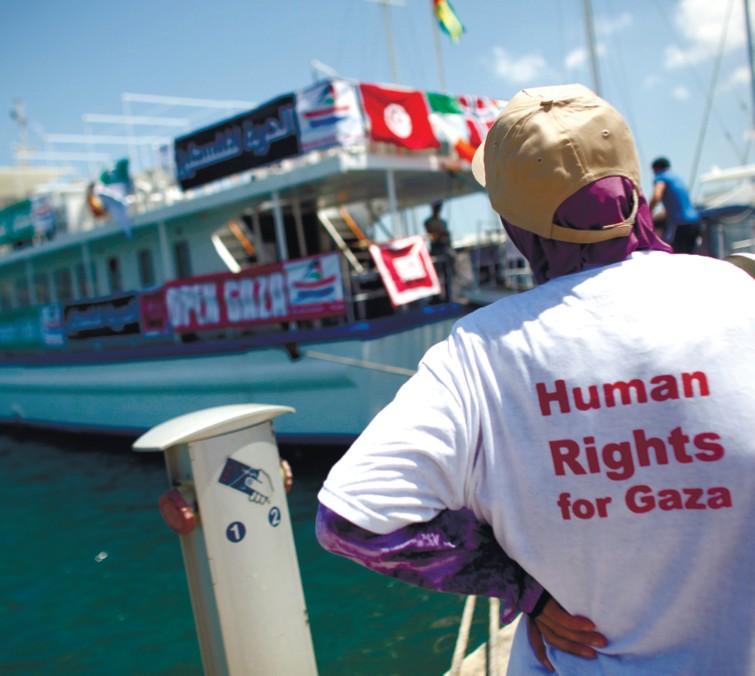
The campaign of the Freedom Flotilla, which tried to deliver humanitarian aid to Gaza civilians cut off from the rest of the world, failed again. Israel, this time solely by peaceful means, succeeded in preventing the international human rights campaign, which it saw not as aid to the residents of the sector it had blockaded, but as cooperation with the radical group Hamas which is in power there.
The nuances of Greek courtesy
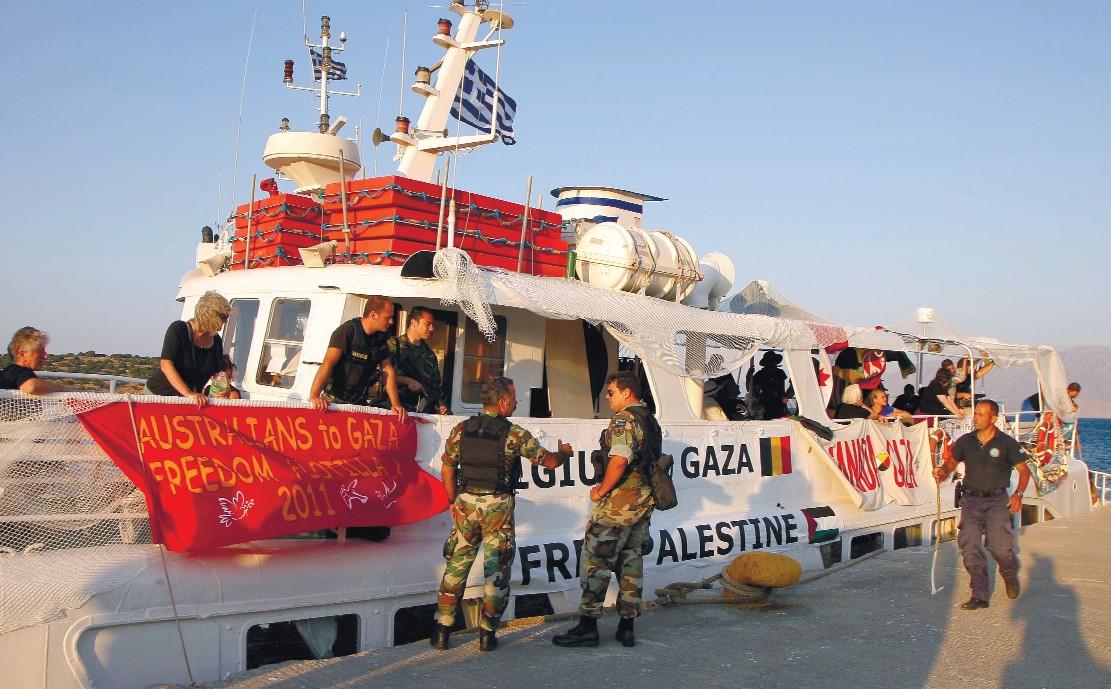
The second Freedom Flotilla, which had set itself a goal that its predecessor failed to achieve last year, consisted of 10 ships and 1,000 activists. It was formed by 22 non-governmental organizations and planned to reach Gaza in early July. However, Israel managed to prevent the implementation of this plan. It was, above all, Greece that helped Israel by holding for three weeks the Canadian cargo ship "Tahrir" - the flagship of the second flotilla which came to the port of Crete for refuelling. Invoking Greek law, the administration of the Cretan port refused the Tahrir permission to leave the port. But when the pro-Palestinian activists tried to set off without permission, a Greek warship intercepted the ship and returned it to the port. The members of the flotilla were charged with obstructing the actions of the Coast Guard, and some of them were sentenced to one month's suspended imprisonment. On top of all, the Greek government issued a decree forbidding any ship to go out of its ports in the direction of the Gaza Strip. Instead, Athens offered to send aid to the blockaded Palestinian enclave via the routes Israel does not object to.
Desperate to reach their destination by sea, the human rights defenders assigned "an air freedom flotilla", planning to arrive at Ben Gurion airport and spend a week in the occupied West Bank. However, this action failed, too. The Israeli Interior Ministry sent international airlines a black list of about 500 people, asking them not to let them get on the plane. About 200 of them were denied check-in for flights at European airports. Of those who were still able to fly to Israel, 124 were detained at Ben Gurion airport and sent to prison for subsequent voluntary expulsion or deportation.
Summing up the struggle against the Freedom Flotilla, Israeli Foreign Minister Avigdor Lieberman said: "Both anti-Israeli provocations failed. The threat of a mass breach of the blockade of Gaza is no longer relevant. The flotilla dissipated like smoke, and the participants in the provocation at Ben Gurion airport are serving their last few hours in police custody before heading back home." According to him, the sea and air flotilla failed not only due to the actions of Israeli security forces, which seriously prepared to receive the activists this time, but also diplomats. The latter were able to convince government agencies of European countries, as well as private airlines that these provocations could damage not only Israel but also the entire West.
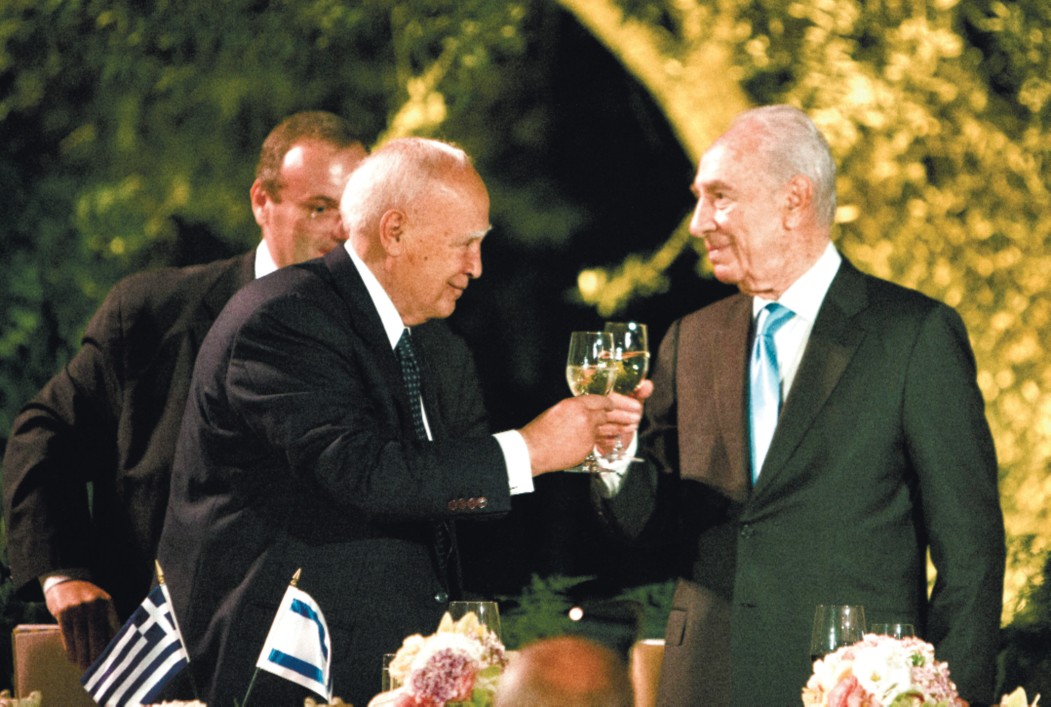
However, of all the Western powers that supported Israel in this story, Greece received special thanks from Tel Aviv. Israeli President Shimon Peres, who met with his Greek counterpart Carlos Papoulias in Jerusalem, thanked him for his contribution to preventing another raid of the humanitarian flotilla on Gaza. "You helped us prevent a provocation," Peres told the Greek leader.
Such compelling Greek support for Israel in the story of the second Freedom Flotilla might seem unexpected at first glance. After all, Athens has not hidden its pro-Palestinian sympathies for decades and has even given strong political support to the Palestinian leadership. It is also proved by the fact that Greece recognized Israel only in 1990. However, much has changed recently. First of all, the economic crisis in Greece itself, the likes of which, as acknowledged by President Papoulias during a meeting with the Israeli leadership, history has not seen, had an impact. In a situation where the fate of the Greek state was dependent on significant financial injections from Western institutions, in which Jewish and allied US capital plays an important role, perhaps it was not too difficult to ensure that Athens behaves properly and prevents the "flotilla" (since its activists chose Greek ports as a priority area for their vessels). Greece, which has been on the verge of a default for several months, is now extremely interested in Israeli investments in the tourism sector of Greece.
Meanwhile, there is another significant geopolitical factor pushing Athens closer to Tel Aviv. The incident with the Flotilla took place at the time of an increasing deterioration in relations between Israel and Turkey. As we know, Greece, to put it mildly, does not have entirely smooth relations with the latter. Athens and Ankara are traditional rivals on the south-eastern borders of Europe, and the Greeks, apparently, would not mind occupying the niche that the Turks have "vacated" in Israeli foreign policy and trade. The military aspect of Greek-Israeli cooperation is also important. It is no accident that Greece's Minister of Defence Panos Beglitis stressed in those days that his country intends to significantly expand its military cooperation with Israel, as Greece is well aware of the importance of its cooperation with Israel to its national interests.
In Israel itself, many see Athens' extreme courtesy towards Tel Aviv through the prism of events in Turkish-Israeli relations. The former director-general of the Israeli Foreign Ministry, Alon Liel, made a remarkable statement to this effect: "What pushed Israel to Greece is the crisis in relations with Turkey. And Greece saw Israel very positively. Israel could help Greece solve its problems, especially in the military field, and at the same time, demonstrate to Turkey that it has alternatives."
Slammed door and diverging paths
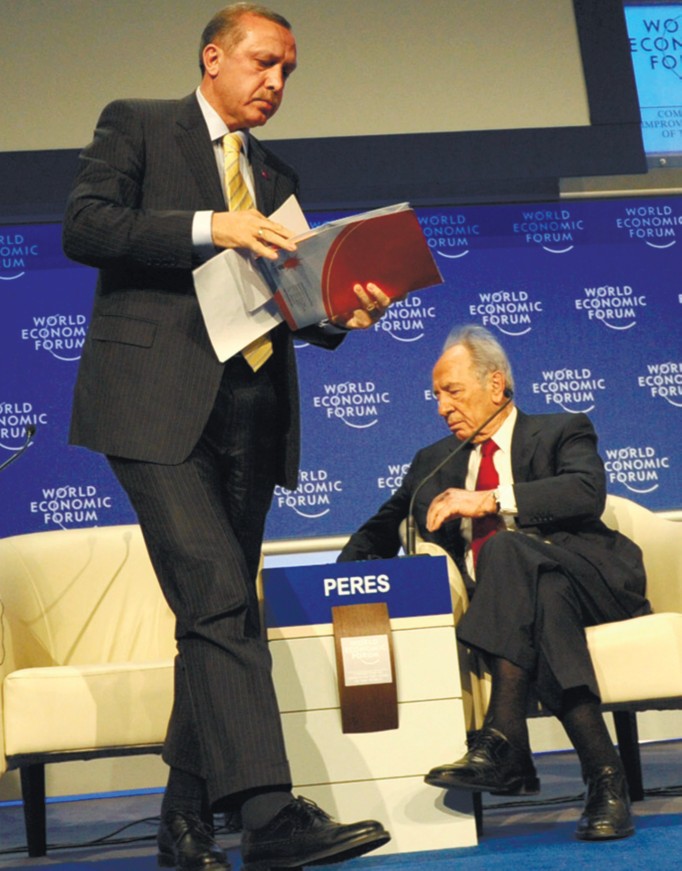
Meanwhile, the Turkish government, which is again headed by the leader of the Justice and Development Party, Recep Tayyip Erdogan, following the June parliamentary elections, gave, in essence, a negative response to the proposal of Israeli Prime Minister Benjamin Netanyahu to restore the old friendly relations between the two countries. Delivering a keynote speech on behalf of the new government in the Turkish parliament, Erdogan said that the normalization of relations with Tel Aviv "is inconceivable as long as Israel has not fulfilled all the conditions previously announced by Turkey". He stressed that Israel must completely lift the blockade of the Gaza Strip, offer a formal apology for the capture of the Freedom Flotilla on 31 May 2010, in which nine Turkish citizens were killed, and pay compensation to the bereaved families.
The Israeli authorities immediately reacted to Erdogan's statement. Foreign Minister Avigdor Lieberman harshly criticized the Turkish prime minister, blaming him for the further aggravation of relations between the two countries. "It is clear that this person is not looking for ways of rapprochement and peace or normalization of relations with Israel. On the contrary, his only desire is to humiliate the State of Israel, undermine its international standing and damage its status in the region. He has no intention of normalizing relations with us. He slammed the door in front of us," Lieberman stated.
Meanwhile, the Turkish-Israeli talks in the US also failed. They were held against the background of the preparation of the final report of the UN commission that investigated the circumstances of last year's assault by the Israeli special force on the flagship of the Freedom Flotilla - the Turkish ship Mavi Marmara. The US State Department tried to bring the parties to compromise and ensure that the final report of the commission headed by the former prime minister of New Zealand, Geoffrey Palmer, is acceptable to both Israel and Turkey. However, after the collapse of the talks, Turkey demanded that the publication of the report by the Palmer commission be postponed, especially as it clearly laid the blame for the tragedy on the Israeli leadership. The demand of the Turkish side was accepted, but it did not help the representatives of both countries to reach agreement.
It seems that the estrangement between Turkey and Israel has reached the point of no return. This is evidenced Ankara's strong support for the Palestinians' desire to secure the international recognition of their state, primarily by the UN. "Turkey is determined to support Palestine in its quest to become a member of the United Nations," said Erdogan, expressing Ankara's willingness to mobilize the international community to recognize the new state.
As you know, Israel is trying to prevent the international recognition of an independent Palestinian state. It says that this is possible only with its consent and after the settlement of all disputes between the Israelis and the Palestinians. And this issue is another factor in differences between Turkey and Israel, not to mention the fact that Turkey sees the possibility of a Middle East settlement on the basis of the requirements of Palestine, which coincide with international law. "The establishment of an independent and viable state with its capital in East Jerusalem is a key condition for solving the problem," says Ankara, opposing Israel's claims to monopolize its possession of the holy city of three religions.
Thus, the story of the second Freedom Flotilla, albeit indirectly, revealed further differences between Turkey and Israel. This process will undoubtedly have a significant impact on the entire geopolitical configuration at the crossroads between Eurasia and the Middle East. The abovementioned rapprochement between Athens and Tel Aviv is just one of the events that will outline the future shape of the regions that form part of the zone of interests of the once close friends and partners - Turkey and Israel.
RECOMMEND:
 615
615

