

NEW MOVES IN THE MIDDLE EAST
The rejection of the Palestinian resolution by the UN Security Council will not lead to a reduction in efforts towards international legitimization of Palestine
Author: Natiq NAZIMOGLU Baku
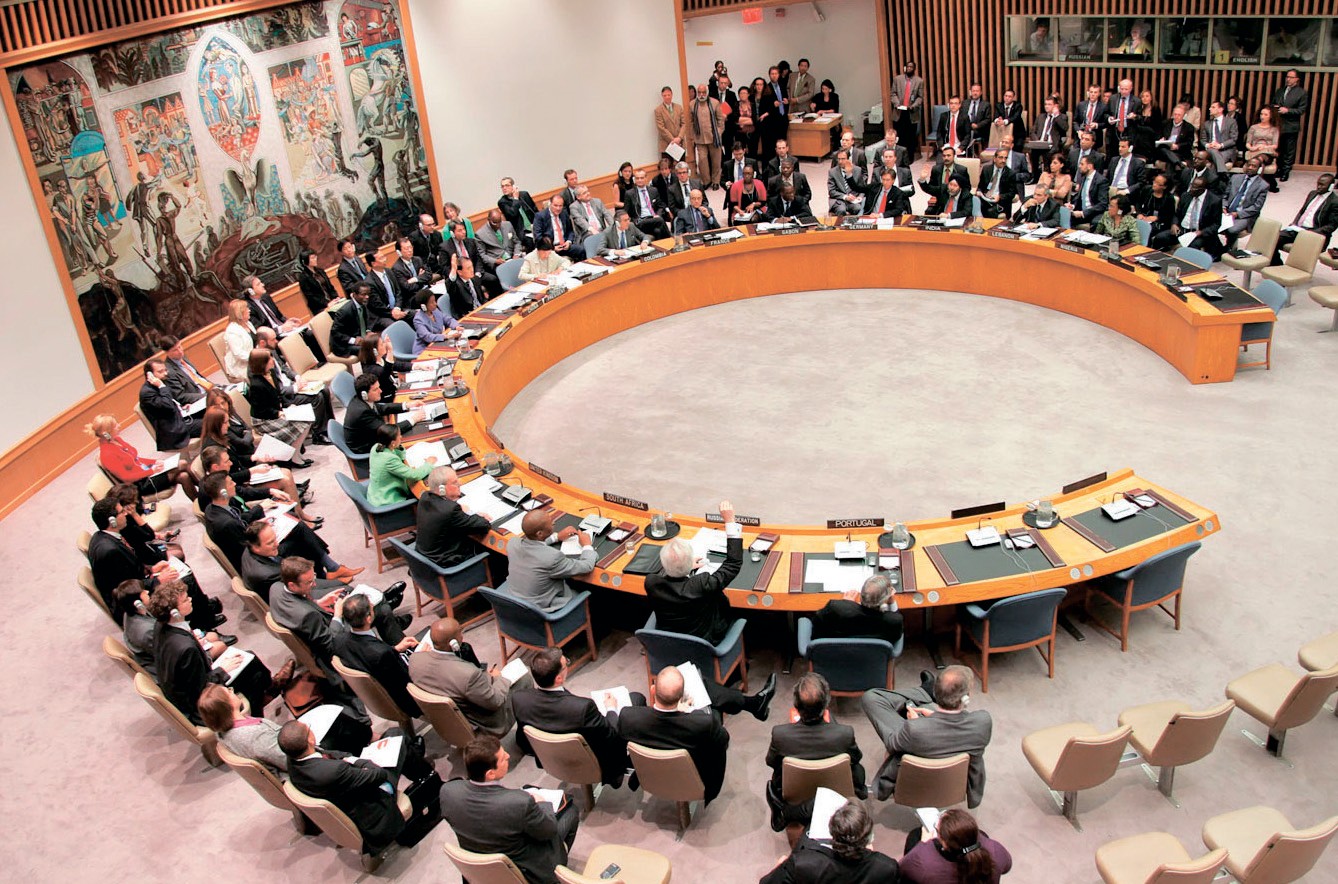
The Palestinian-Israeli conflict will undoubtedly remain one of the most pressing problems of world politics in the new 2015. It again came into focus of international attention on the last day of 2014 when the UN Security Council held a vote on the independence of Palestine. The results of the vote reflected the positions of all the interested forces involved to a varying degree in the Middle East peace process that is extremely important for international security.
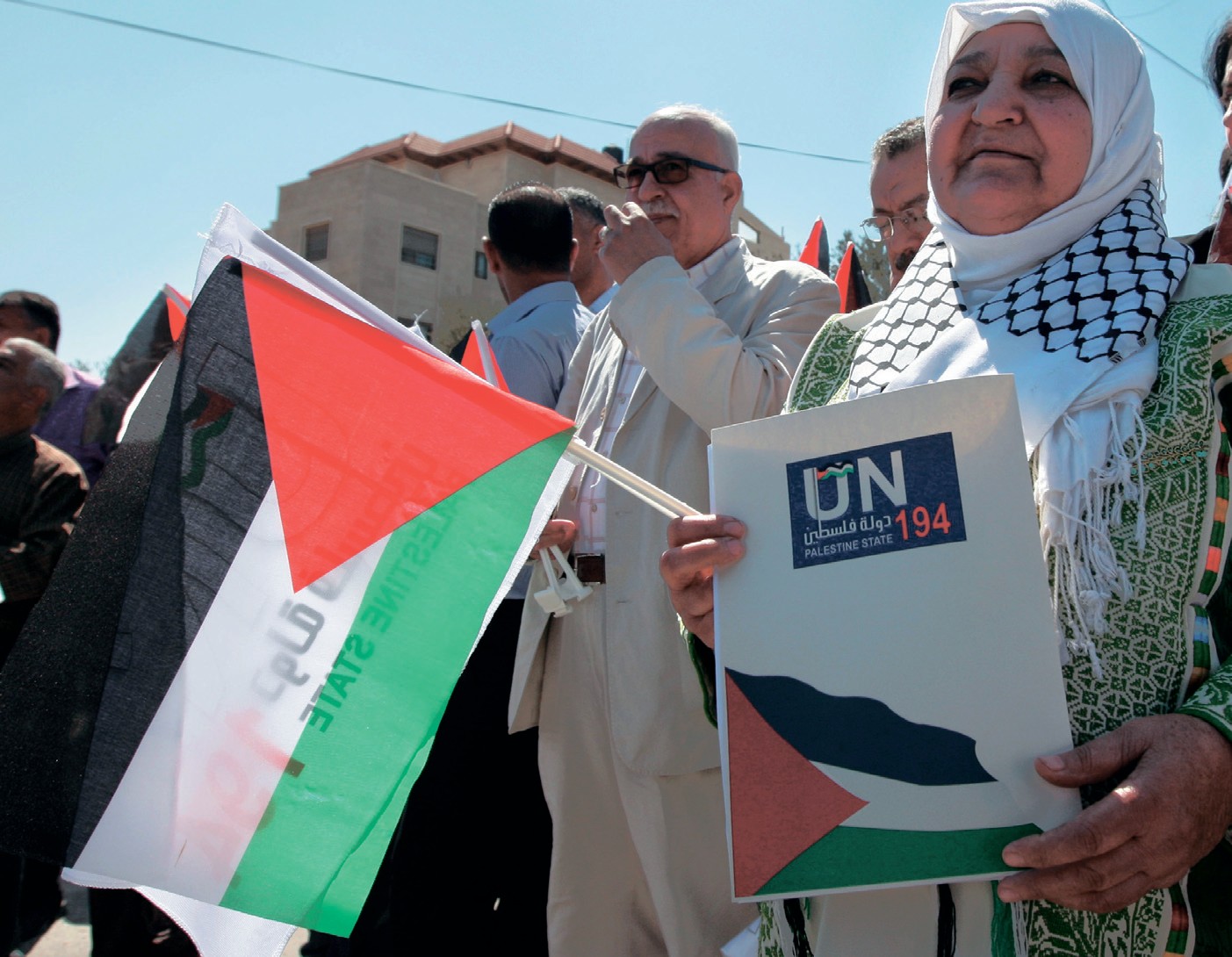
Ironically, the Security Council voted on the last day of the year, which was proclaimed by the United Nations the Year of Solidarity with the Palestinian People. However, the voting results proved to be disappointing for the Palestinians.
The Security Council failed to adopt a draft resolution, backed by 22 Arab states, which called for creating a Palestinian state and putting an end to the Israeli occupation. The document set a one-year deadline for reaching a comprehensive solution to the Palestinian-Israeli conflict, which should result in the establishment of a "sovereign and viable" State of Palestine. The draft resolution also demanded the withdrawal of all Israeli troops from the Palestinian territories before the end of 2017 under the supervision of a "third party" which would serve as a guarantor of the sovereignty of Palestine. In addition, the resolution recalled the need for a "complete cessation of all Israeli settlement activities in the Palestinian territories occupied since 1967, including East Jerusalem". As to the future borders of Israel, they should roughly confirm to those which existed before the Six Day War in 1967.
The draft resolution fell short of winning the required nine "yes" votes of the 15-member Security Council. However, it would not have passed all the same as the United States was prepared to use its veto power to stop the adoption of the resolution. In voting against this document, the US was joined by Australia. Nonetheless, the Arab countries expected to at least save their faces by securing nine votes in favour of the resolution but this was prevented by Nigeria, according to Western media reports. The representative of the African country, which had been expected to support the resolution, abstained at the last moment. Perhaps the explanation of the sudden change of the Nigerian position could be found in the materials of the Israeli press which reported that Israeli Prime Minister Benjamin Netanyahu phoned the leaders of "undecided" states. It appears that the Israeli prime minister had been able to convince Nigeria's leadership not to cast their vote in support of the Palestinian resolution.
The position of Tel Aviv on the essence of the resolution was articulated by Israel Nitzan, Counsellor at the Permanent Mission of Israel to the UN, at the Security Council session, who described the document as "preposterous unilateral proposals".
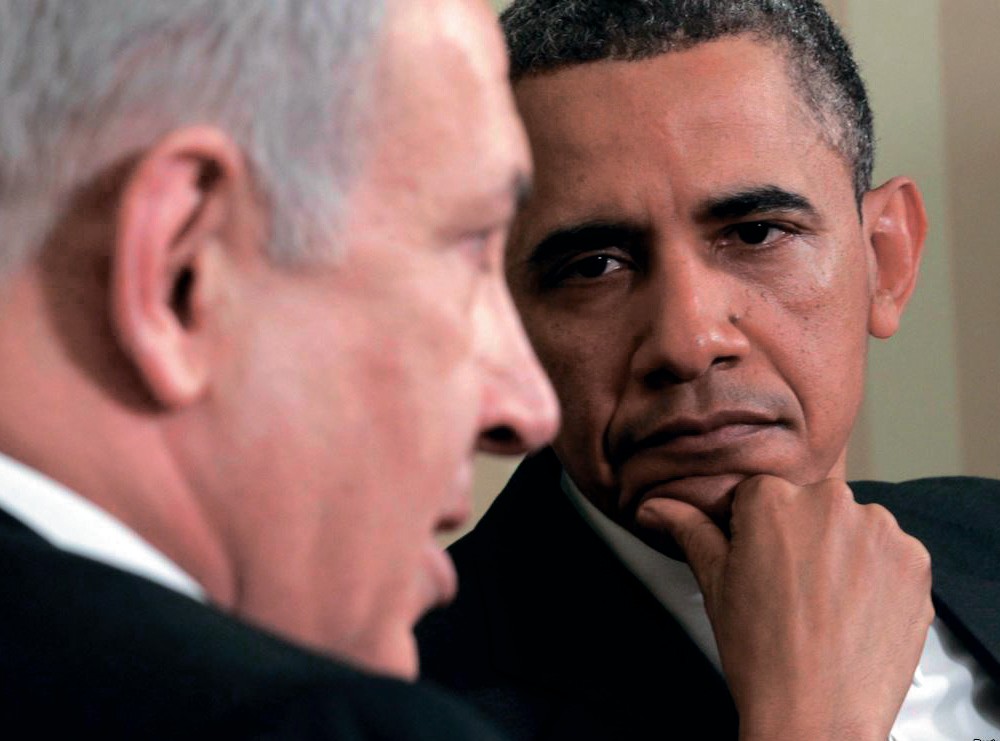
It is clear that by saying "unilateral proposals", the Israeli representative referred to Palestine. The United States also cited the unilateral character of the resolution as an argument for rejecting it as inappropriate. In the past, the US repeatedly vetoed resolutions calling for an end to the Israeli occupation of the Palestinian lands.
US Ambassador to the United Nations Samantha Power said that the draft resolution was "imba-lanced" in terms of deadlines set for establishing a Palestinian state as "this text addresses the concerns of only one side". She also said that this document "contains many elements that are not conducive to negotiations between the parties, including unconstructive deadlines that take no account of Israel's legitimate security concerns".
Meanwhile, the United States confirmed that it remained committed to achieving a peaceful solution which would provide for the establishment of "two states for two peoples, with a sovereign, viable, and independent Palestine living side-by-side in peace and security with a Jewish and democratic Israel".
A similar stance was adopted by the European Union which voiced its support for the "common aim of achieving a comprehensive peace agreement based on the two-state solution". European foreign policy chief Federica Mogherini stated that the outcome of the vote at the UN Security Council underlined the urgency of resuming meaningful negotiations between the parties to the conflict.
Just one country involved in the negotiation process on the Middle East does not see the main reason for lack of progress in resolving the conflict only in the irreconcilable positions of the Israelis and the Palestinians. We are talking about Russia which has voiced concern over a substantial strengthening of the United State's role as a mediator and a marked weakening of peacekeeping positions of Russia, if not its complete removal from the Palestinian-Israeli peace process. Commenting on the results of voting at the Security Council, Permanent Representative of Russia to the United Nations Vitaly Churkin expressed regret that the Security Council had failed to adopt a draft resolution on Palestine, which was to reinforce the internationally recognized framework of the Middle East settlement. As viewed by Russia, the main reason why the settlement of the Israeli-Palestinian conflict has reached a deadlock is the monopolization of this process by the United States as well as sidelining of the Middle East "Quartet" (the UN, the EU, Russia, and the US). Expressing the official position of Moscow, Churkin said that the recent events in the Middle East "have confirmed with the renewed urgency the absolute truth" that "there is no alternative to a truly collective approach to such a complex problem".
Thus, it is clear that the Middle East conflict remains to be held hostage to big geopolitics. This factor is reflected in the Palestinian-Israeli settlement with special vigour, given the current political environment characterized by a significant worsening of the confrontation between the West and Russia over Ukraine.
Still, what are the immediate prospects for the Middle East peace process? What consequences will the rejection of the UN Security Council resolution, establishing deadlines for the termination of the Israeli occupation of the Palestinian territories and the establishment of an independent Palestinian state, have for the conflict settlement?
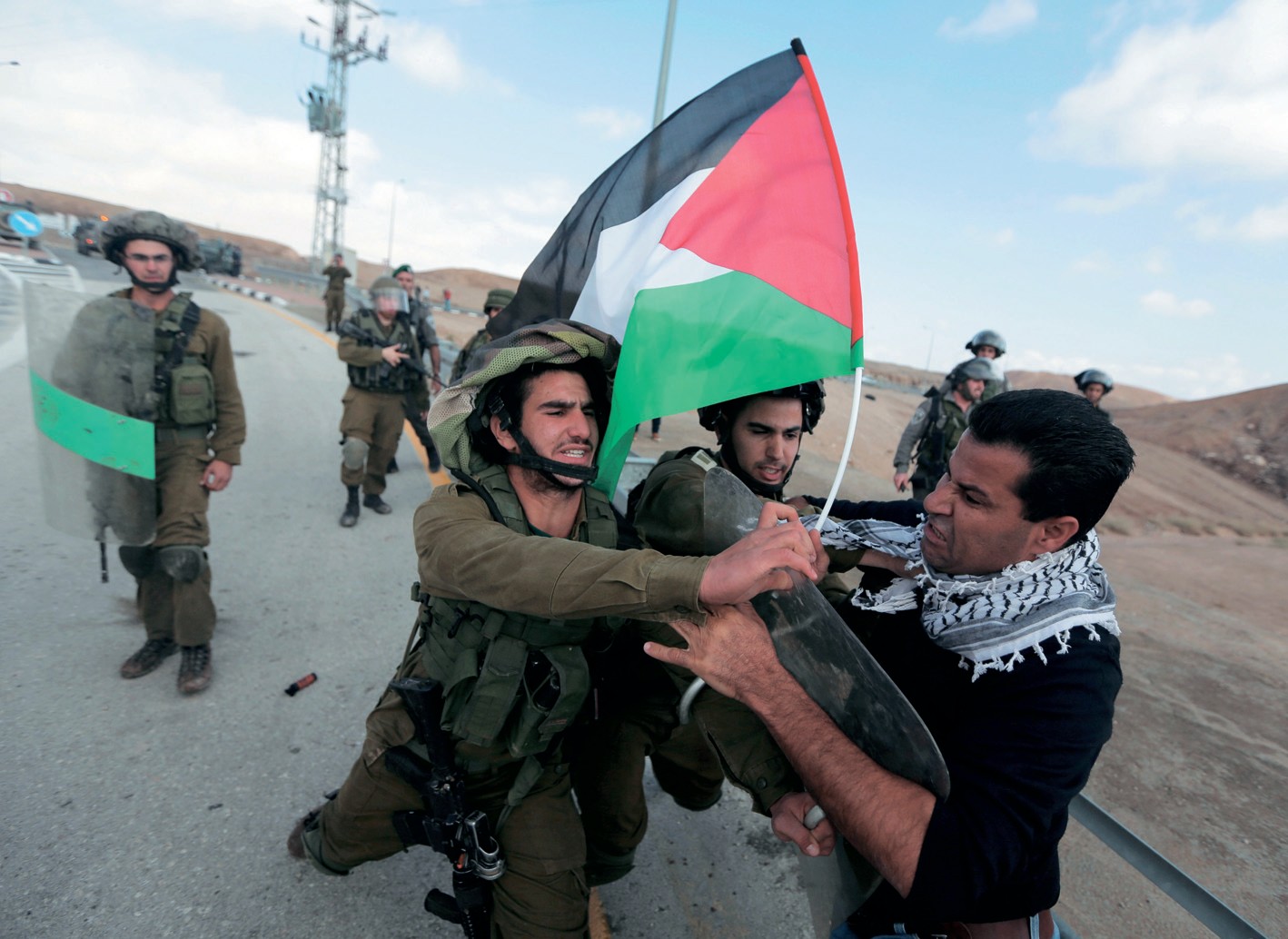
First of all, we are witnessing another failed attempt of the international community to make a breakthrough in the conflict which has for many decades remained one of the major catalysts of international instability. The refusal of Israel and its main ally, the United States, to set a specific time frame for the withdrawal from the Palestinian territories will only lead to further radicalization of the Arab world, first of all, the Palestinians in terms of their relations with Israel. This entails a further escalation of the conflict, as evidenced by the strengthening of the entire right-wing spectrum in the Israeli party system which actually rejects the very possibility of changing the status quo, namely, de-occupation of the internationally recognized Palestinian territories including East Jerusalem.
As regards the situation in the Middle East in the short term, it was clearly described in a statement of Mahmoud Abbas, President of the Palestinian National Authority (PNA), which preceded the vote at the Security Council. In the case of failure of the draft resolution on the settlement of the Palestinian-Israeli conflict, he said, "we will no longer deal with the Israeli government which will then be forced to assume its responsibilities as an occupier".
Nevertheless, there is a reason to believe that the Palestinian side will soon make another attempt to submit the resolution to the UN Security Council for discussion. At least, this was said by Saeb Erekat, the PNA lead negotiator with Israel, who linked such an attempt with the re-election of five non-permanent members of the Security Council. But in any case, Palestine is going to demand an early admission to the International Criminal Court (ICC). This move can provide the Palestinians with such a potent tool of pressure on Israel as charging it with war crimes and crimes against humanity. After signing the Rome Statute of the ICC on 31 December 2014, PNA President Mahmoud Abbas announced his intention to use the membership of this organization for bringing lawsuits against Israeli politicians and the military.
Based on the statement of UN Secretary-General Ban Ki-moon, Palestine will become a member of the ICC on 1 April 2015, meaning that yet another step will be made on the path of international legitimization of Palestine. Not surprisingly, Israel condemned the PNA's desire to join the ICC as a "unilateral step" which, according to Tel Aviv, "undermines the prospects of peace talks between Palestine and Israel". Evidently, however, the process of international recognition of Palestine has already become irreversible, and this factor will certainly have an increasingly greater impact on the Middle East settlement.
RECOMMEND:
 908
908

