

RHYTHM OF DESIGN
Azerbaijani carpets recapture their former glory
Author: Sabira MUSTAFAYEVA Baku
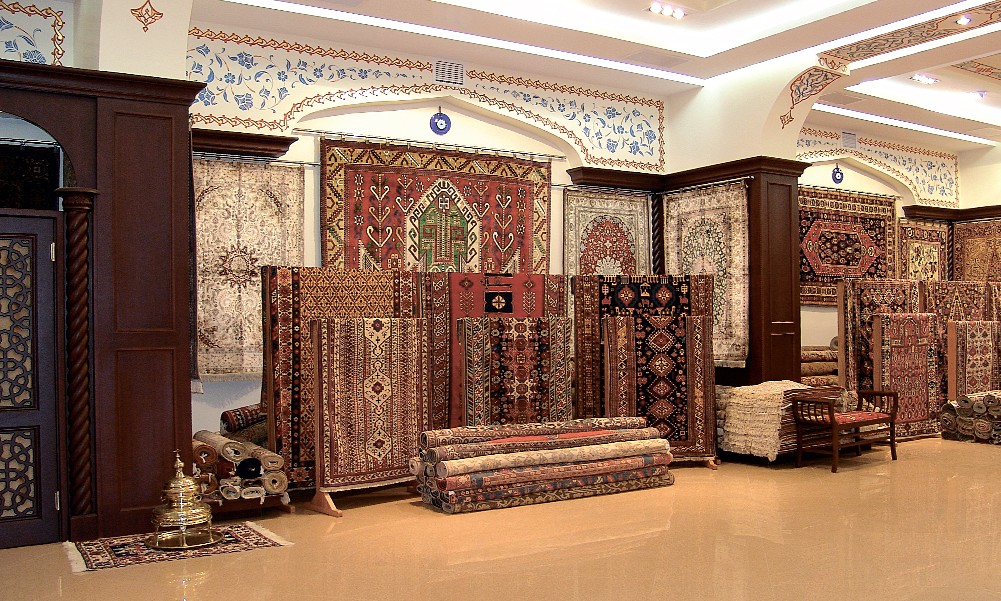
People at the Azer-Ilme Joint Stock Company weave the legendary Azerbaijani carpets by hand, as was the practice centuries ago. This means that it is practically impossible to find two carpets with identical design or colour. Engineers, painters and carpet weavers - all help to create masterpiece carpets, and the weavers use only three instruments in the process - a special knife, a mallet and scissors. It is surprising that the company's carpets are designed in modern style and to modern technological specifications, as required by international standards, but Azerbaijani traditions are preserved. Just touch a carpet lovingly created by the hard-working hands of the weavers, and feel how warmth spreads through you. The indescribable smell, the feeling of home and time defied by the carpet... And immediately the idea occurs to you of a fairy-tale carpet which can fly, moving through time and space... Carpets are history, culture, tradition, meaning and rhythm made eternal in designs, the riches of Azerbaijani culture, luxury and national pride.
Only vegetable dyes are used to colour the natural wool and silk with which the carpets are woven. The only extras are hazelnut shells, fig tree leaves and sea salt. The organic nature of the dyes emphasizes the emotional expressiveness of the carpets, the brightness and fullness of their patterns of colour, rendering them almost infinitely and mystically beautiful, says company director Vidadi Muradov proudly. And it seems that this man never ceases to be amazed by every one of the products woven by Azer-Ilme. He is an expert in carpet making and the author of a unique 500-page illustrated book Carpets of Azerbaijan, which was published in three languages, Azerbaijani, Russian and English. The book includes more than 1,000 illustrations of masterpiece carpets from Azerbaijan, information about the best master weavers and the unique designs. Vidadi Muradov can talk about every work of art for hours. It was the master craftsmen of Azer Ilme who made a copy of the grand Azerbaijani carpet Sheykh Safi - the masterpiece of the Safavid culture and the finest carpet of its era. The original is kept in London, at the Victoria and Albert Museum [Ardabil carpet].
The history of Azerbaijani carpets
Vidadi Muradov says that favourable geographical and climatic conditions, cattle farming and the agricultural activity of the local population helped to spread and develop carpet weaving in Azerbaijan, which researchers believe began here in the 2nd millennium BC. The carpets, which were initially used as duvets, pads and curtains in tents, gradually evolved into objects of art and aimed to satisfy people's aesthetic needs; they became an inseparable part of their lives and existence and one of the main areas of manufacturing activity.
Azerbaijani carpets have always been exported. They have been shipped to Europe since the 14th century. The history of the carpet begins with pile-less carpets, such as kilim, rug, cecim, sadda, ladi, zili, verni or sumax. However, the possibility of artistic representation in patterns and special artistic expression are certainly linked to the advent of woven carpets with a pile. The Azerbaijani carpet industry, which developed in all historical periods and is an inseparable part of national culture, is notionally subdivided into the Baku, Quba, Sirvan, Ganca, Qazax, Qarabag and Tabriz schools, with their different patterns of design, originality and richness of motif, colour harmonies and technological distinctions.
Preservation of traditions
The Azer Ilme company was founded in 1996. Together with the revival of unique but forgotten carpet designs, the company works hard on the development of the artistic traditions in the manufacture of Azerbaijani carpets, which are kept at many of the world's museums as well as in private collections, and efforts are made to promote Azerbaijani carpets and to organize their sale in foreign markets.
"Our goal is to perpetuate and develop the art of Azerbaijani carpet-weaving and its traditions. To achieve this goal, we use carpet designs which have often been forgotten; we manufacture high-quality carpets and are trying to hand on this legacy to future generations. Azer-Ilme employs 350 staff. These include artists, art experts, dyers, carpet weavers and other specialists. Of course, all this work - the artistic idea, embodied in wool and silk carpets woven according to folk tradition, but meeting international standards - requires special knowledge, taste, skills and expertise from the carpet makers. It can be said with confidence that Azer-Ilme specialists have all these professional qualities and that not only in Azerbaijan, but also in other countries, there is no other company which can compare with Azer Ilme, or work to the same standards. At Azer-Ilme, we create carpets, present them and sell them. The country's honoured guests visit our facilities to see the process when they come to Azerbaijan: how threads of Saki silk are coloured with natural dyes and how much attention, responsibility and work it takes to make every knot. This increases the love and respect for carpets", said Vidadi Muradov.
The Azer-Ilme weavers create true masterpieces which are designed in accordance with ancient national traditions. This is not a mere manufacturing process, this is a creative studio, a large enterprise, which has affiliates scattered across the country's provinces to revive the different schools of carpet making. "We want to revive Sirvan traditions in Kurdamir, and Abseron traditions in our Abseron affiliates. From this point of view, having subsidiaries in the provinces is very important. Azer-Ilme, which has weaving shops in the areas which were ancient carpet making centres - in the Baku suburbs of Nardaran, Bina, Hokmali, Lekbatan, in the Sirvan plains city of Kurdamir, in the mountain town of Lerik - has earned its reputation not only in Azerbaijan, but also internationally, thanks to its great work to continue the centuries-old national carpet making traditions. Azer-Ilme is developing the artistic and technological traditions of weavers in Qazax, Borcali, Goycay, Zangezur, Agbaba, Daracicak, Pasali, Calaloglu, Hamamli, Sarur-Daraleyaz, Derbent, Tebriz, Ardabil, Sarab and other historical territories of Azerbaijan", said the company's director.
Azer-Ilme's carpets have highly refined designs, a high density of knots, unique patterns and bright and harmonious colouring. The wool yarn made in the Baku, Quba and Sirvan provinces, using traditional folk craft technology, and silk yarn from Saki are rolled into clews and delivered to the dyeing shops. There the yarns are died. The birth of a masterpiece is preceded by the work of professional artists who draw detailed patterns for every carpet, including the ornamentation, the landscape patterns, colouring and hues on which the technological parameters depend. Azer Ilme has already developed up to 900 different carpet designs. The weaving stands, which are made from the best and strongest materials and which have modern technological equipment, produce silk and wool carpets of different sizes (from 1 to 40 square metres) and densities in the shortest possible time.
Ethnic designs
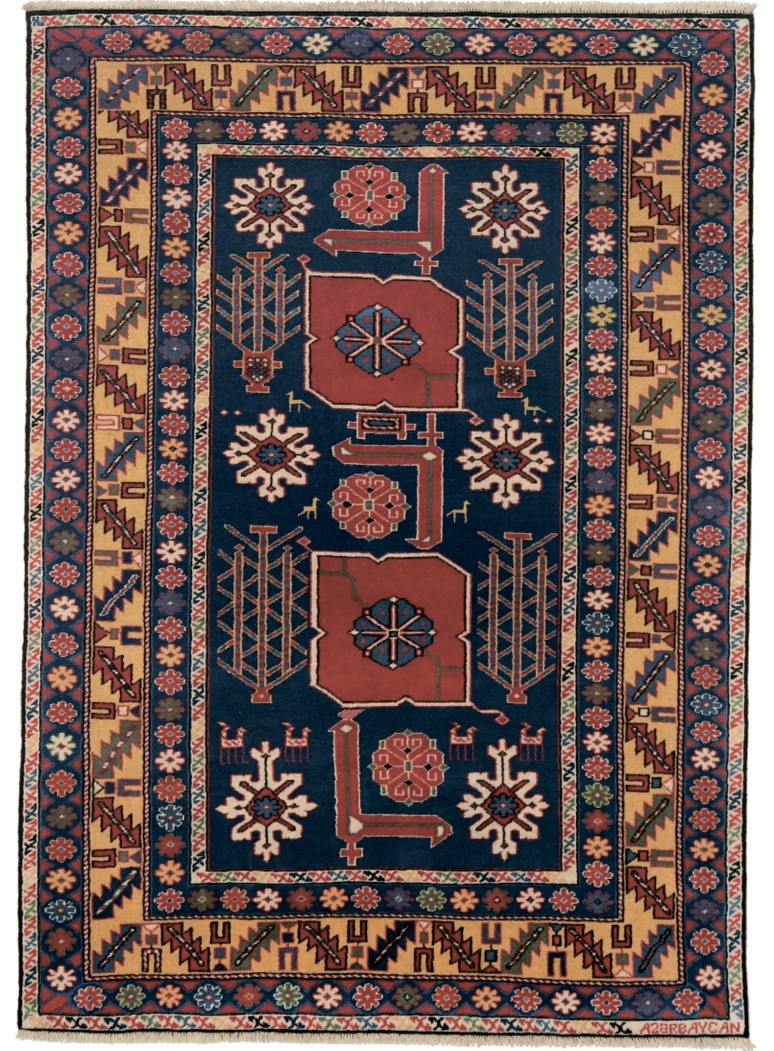
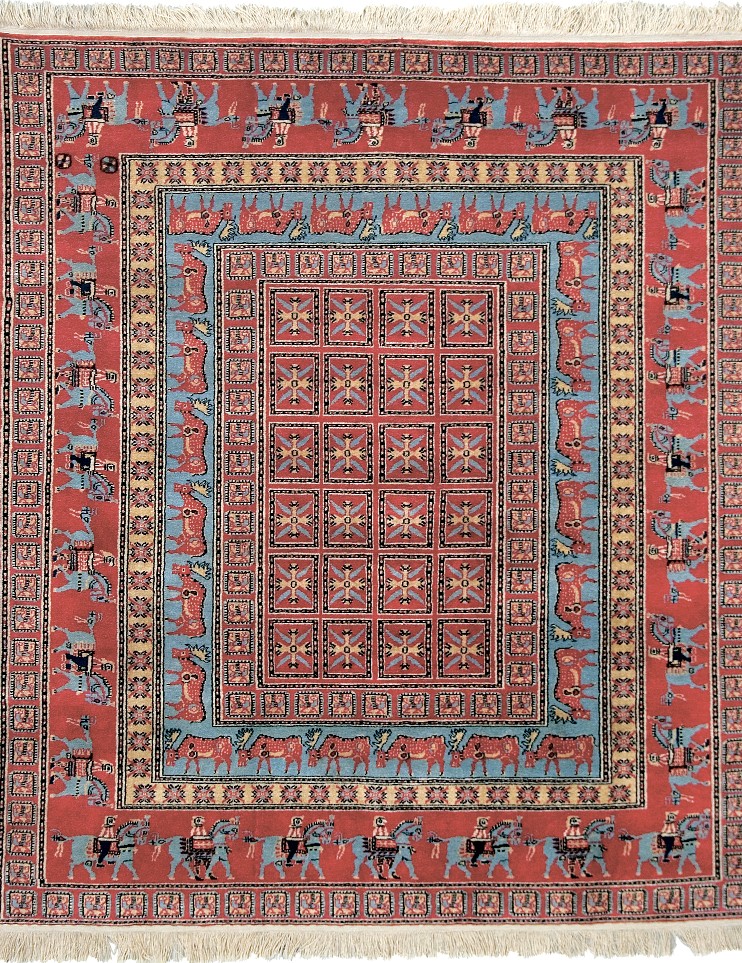
Azerbaijani carpets have unique geometric and floral designs, with sophisticated spiral and other patterns. If you examine the carpets carefully, you will notice that everyone has an individuality of type, style and quality, both in terms of colour and fabric and in ornamentation, design and pattern. All this contributes to the diversity and richness of Azerbaijani carpet making. These carpets are unique for their variety and richness of colour. In other countries, designs are often repeated; this is not the case in Azerbaijan.
Our carpets, with their highly creative pattern, are known and famed worldwide. The art of the Azerbaijani carpet embodies the spiritual world, aesthetic refinement, natural talent and philosophical worldview of the people of the country. One could talk endlessly about these masterpieces.
RECOMMEND:
 689
689

