

THE OPIUM POPPY IS AN UNDEMANDING PLANT
Or what do the problems of Afghan peasants have to do with terrorism?
Author: NURANI Baku
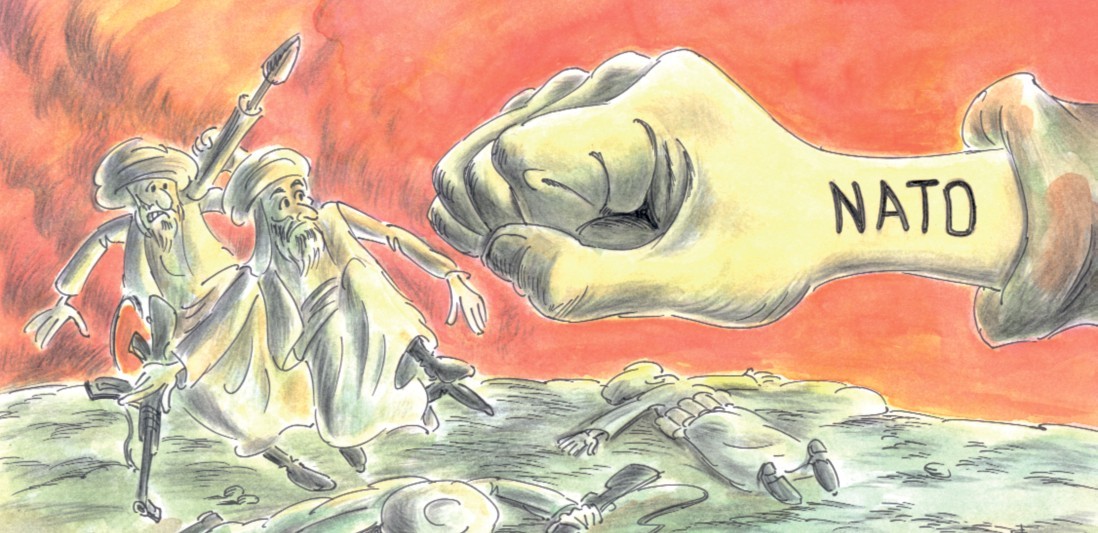
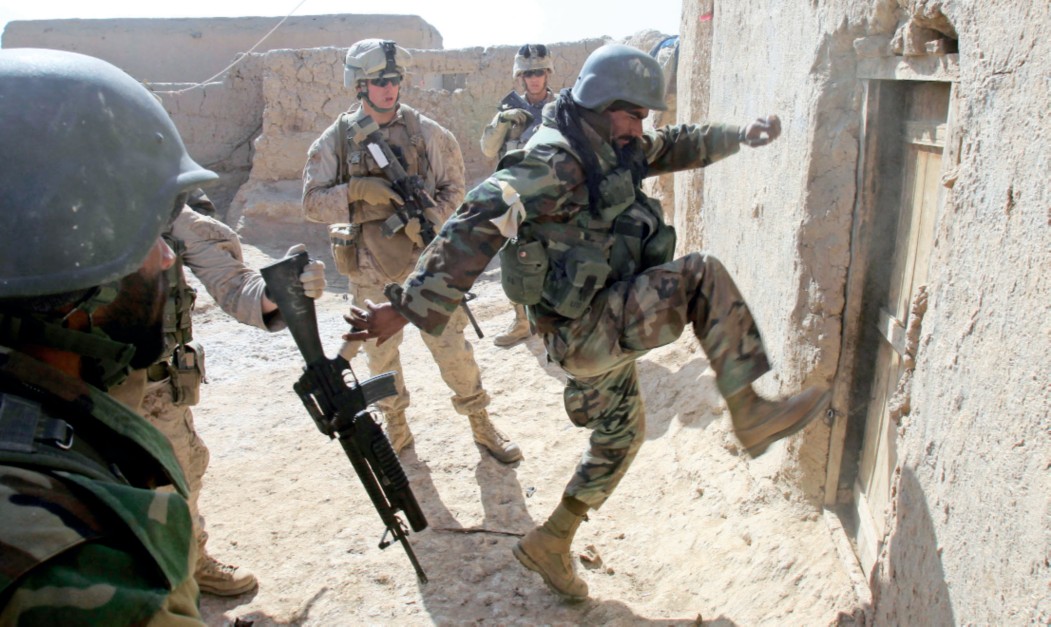
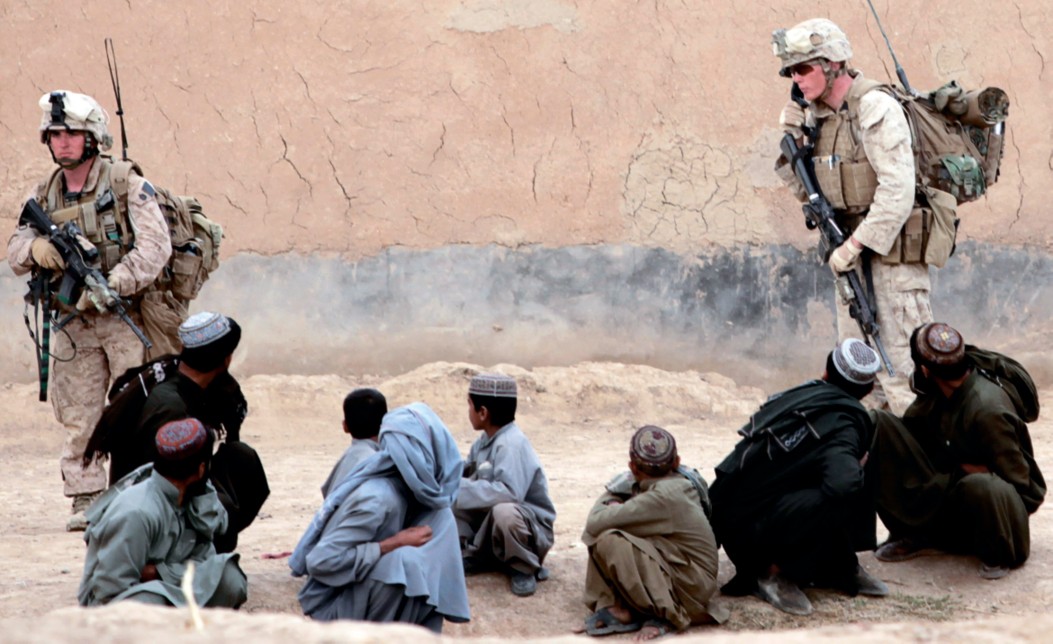
The situation in Afghanistan is once more at the centre of world attention. The coalition forces and the Afghan army are continuing their joint operation under the symbolic name of Mushtarak (Together) around the city of Marja. This is the first offensive against the Taleban movement since US President Barack Obama decided to send more troops into Afghanistan. What is more, this is the first time that Afghan soldiers have fought side by side with the international force. Representatives of the NATO International Security Assistance Force say that "mopping-up operations follow the smaller-scale 'shaping' operations that have helped establish conditions for this new phase of operations."
Mushtarak is the first stage of a major operation to restore Afghan government control over the region. The governor of Helmand Province, Gulab Mangal, said that the government was waiting for an opportunity to set up civil services, including police and security forces, after the military operation. The Afghan ambassador to the UN, Zahir Tanin, told the BBC in an interview that the operation represents a new strategy in the fight against the rebels and is led by US General Stanley McChrystal, the commander of the US and NATO forces in Afghanistan. "The new thinking is aimed at defeating the Taleban in this area. This strategy has three main directions - 'to defend civilians, to avoid killings by the Taleban and to concentrate on the resumption of local government'. District heads and 1,900 policemen are waiting to begin work in Marja once the operation is completed," Tanin said.
Earlier, NATO command preferred to act on its own and did not rely on Afghan forces; however, Operation Mushtarak must break this tendency, according to Stanley McChrystal, commander of the coalition forces. Gradually, the main burden in the fight against the Taleban will shift from coalition troops to the Afghan army, as foreign soldiers will begin to leave the country in 2011. According to US President Barack Obama's plan, before withdrawing troops from Afghanistan, it is necessary to suppress the Taleban's main pockets of resistance and hand over mopped up territories to the local army and police.
As expected, the international media focused on Afghan civilian deaths caused by "stray" missiles. One such incident claimed 11 lives and another, five. "We urge both of the warring sides - the Taleban and the international forces and Afghan troops - to protect civilians. This must be their first priority," said the head of the Afghan Independent Human Rights Commission, Nadir Nadiri. Another danger - both for the military and civilians - are the mine fields which the Taleban leave as they retreat, although American sappers are clearing them.
In any case, we can judge the military success or, conversely, failure of Operation Mushtarak over the long term because, according to experts, it is possible to knock the Taleban out of Marja, although this seems to be difficult. But it is far more difficult to "mop up" the surrounding mountains.
But the most important point is that this operation is aimed at undermining the Taleban's control over one of the world's largest opium-producing regions. According to numerous sources, including lenta.ru, from half to two thirds of the world's opium production is concentrated in Helmand.
The issue of drug dealing and drug trafficking in Afghanistan has long been the subject of comment and speculation. The Russian media quote statistical reports saying that opium production in Afghanistan has increased since the arrival of the international force. It is a fact that drug trafficking is one of the main sources of finance for the Taleban. Regular raids to destroy poppy plantations and heroin laboratories, which the coalition forces have conducted in Afghanistan, have failed to change the situation significantly, not to mention the fact that there are enough drug addicts in Afghanistan itself.
According to a report by British officials working in Helmand Province, in early 2009 about 60 per cent of local policemen took drugs. In an interview with BBC News, the governor of the province, Gulab Mangal, admitted that drug addiction among policemen had become a "big problem". This phenomenon is directly linked to the corruption in which Afghanistan has long been a world leader.
Thus, a large-scale operation in areas of mass opium production where, according to a 2007 report by the UN Office on Drugs and Crime (UNODC), poppy plantations occupy an area of 103,000 ha, could significantly undermine the Taleban's economic base. It is quite possible that it would not be difficult to "demoralize" and simply buy all locals who remain after the withdrawal of coalition forces, thus everything would begin all over again.
Such pessimism is easily explicable. Afghanistan is actually only "the beginning of the heroin tide". Drug dealing here looks quite different from that on the coast of Florida, where the Coast Guard seizes expensive, fast and manoeuvrable boats carrying marijuana and cocaine.
Drug dealing in Afghanistan includes poppy plantations diligently cultivated by poor peasants. After the poppy flowers fall off, the peasants cut off the green pods and collect their juice, which quickly turns into a dark substance in the open air. This substance is opium; it is then processed into heroin in clandestine laboratories.
In this respect, specialists say that, technically, it is not difficult to destroy the plantations, but then comes the fact that the fight against drug dealing is directly related to the economy or, to be more precise, agronomy. Afghanistan is not just a poor country, say the experts. Unlike India or many African countries, where land is so fertile that it is possible to collect three harvests per year without fertilizers or additional irrigation, Afghanistan is suffering from a catastrophic shortage of fertile land. The shortage of water is even worse here, not to mention modern agro-technology. The opium poppy is an undemanding plant. It can grow even on bare rocks and does not require too much water or fertilizer. What's more, it is always in demand.
It is clear that the peasants' income can hardly be compared to that of drug dealers, but there is nothing to replace poppy production. This is why numerous attempts to eradicate drug dealing in Afghanistan have failed, and are still failing.
RECOMMEND:
 644
644

