

A BALTIC LEGEND
In spite of its cold climate, Estonia leaves one with the warmest of impressions
Author: Fuad HUSEYNALIYEV Baku-Tallinn-Baku
Sluggish, lethargic, frigid - all these stereotypes about the Estonians have become fairly lodged in public opinion since the break-up of the Soviet Union. And stories about the people of this small European country have contributed to this even more. But a week in Tallinn is enough to disperse all these stereotypes.
Parliamentary elections
It was very cool and wet when a group of Azerbaijani journalists arrived in Tallinn as part of a programme of Courses for Journalists from the Developing Countries run by the Estonian Foreign Ministry and the Baltic School of the Cinema and the Media. But for the Estonians, who are accustomed to 25 degree frosts, this was real spring weather. The weather had apparently also affected the Estonians' political activity, with a relatively high turnout of 64 per cent out of the nearly 900,000 citizens eligible to vote at the 1 March parliamentary elections.
There were some special aspects that marked these elections. The most important of these was probably the distribution of the 101 seats in the Riigikogu (Estonian parliament) among representatives of six parties, and not four as has happened in recent years (parties overcoming the five-per cent barrier are eligible for parliament).
After the elections the following parties made it into the parliament of the 13th convocation: the Reform Party (27.7 per cent); the Centre Party (24.8); the Social Democratic Party (15.2); the Fatherland Union and Res Publica (13.7); the Free Party (8.7) and the Conservative People's Party (8.2). The last two parties are new to the Riigikogu. Since no party had a majority, consultations began to form a coalition government. However, it was already known that, outside the coalition, as in all previous years, there remains the Centre Party which is popular with the Russian-speaking population. And these elections once again showed the divided nature of Estonian society between people of Estonian and Russian origin (25 per cent of the total number of inhabitants of a country of 1.3 million).
The Russian factor
Incidentally, some Russians (87,800) live in Estonia without adopting citizenship with so-called grey passports. This is convenient to some extent for the owners of these passports because they can travel easily without a visa to anywhere in Europe (Estonia is part of the EU and the eurozone) on the one hand, and to Russia, on the other. However, they cannot vote at elections or work in government offices because of their lack of knowledge of the Estonian language. And it is language which is the main problem because one of the main conditions for obtaining Estonian citizenship is to pass an examination in the state language. But here many Estonians are inclined to see the problem not in the country, but in the members of the Russian-speaking society. So, free courses in Estonian have been organized in the country and the examination conditions relaxed - it is sufficient to know the language at conversational level, but the relatively adult generation of Russians, probably for ideological reasons, is not keen on changing their grey passports for Estonian citizenship. These conclusions are based on the opinions of the younger ethnic Russians who have become fully integrated into Estonian society, know Estonian even better than their own language and regard themselves as Estonians. But their parents still only enjoy semi-citizenship rights.
In any case, the government has no plans to increase the number of holders of grey passports. However, the possibility remains of an education in the Russian sector of a school. But in the senior classes the pupils take several subjects in Estonian which helps them to become fuller integrated into society. At the same time, Estonia's Education Minister Yevgeniy Osinovskiy admits that the standard of education in the Russian sector is lower than in the Estonian. Generally speaking, in Osinovskiy's opinion, which he shared with Azerbaijani journalists in Tallinn, the school education system in Estonia is one of the best in the world. And this result has been achieved mainly through state and municipal schools, because private schools are not very popular.
Incidentally, education in the Estonian language is also free in many higher educational establishments. Higher education is only payable in the English language , but here there are many grant schemes, state funding, and so on.
However, in the higher education sphere there is a leaning towards socio-humanitarian sciences, and here the state is trying to fund the recruitment of students to technical sciences, especially the information technology sector.
E-Estoniya
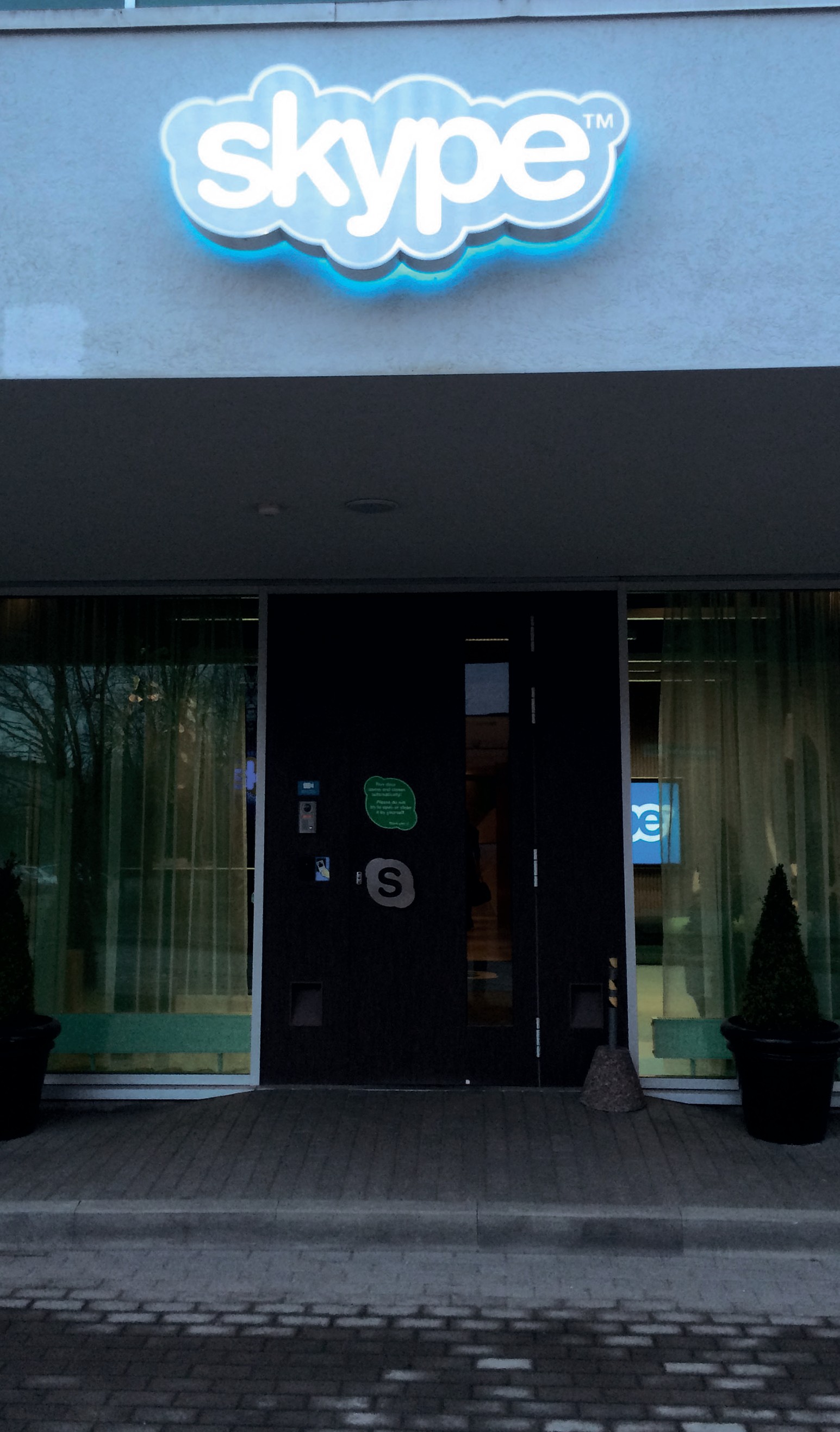
Generally speaking, Estonia may be regarded as an electronic paradise, so computerized is the whole life of the Estonian people. It is clearly no coincidence that four Estonian engineers were the creators of Skype. Despite the fact that Skype was bought up in 2011 by the Microsoft Corporation, the office in Tallinn is still the biggest in Europe, and second in the world only to the office in the USA's Silicon Valley. And Skype is still one of the most desirable places to work for the Estonians - wages here are high, together with quite unimaginably simplified working conditions, including the opportunity of working with one's own children, using computer games and even a small sauna. That said, the director of the company's Tallinn office, which has nearly 450 employees, does not have a separate office of his own, preferring to sit with his pupils and help them solve separate problems as new products are launched.
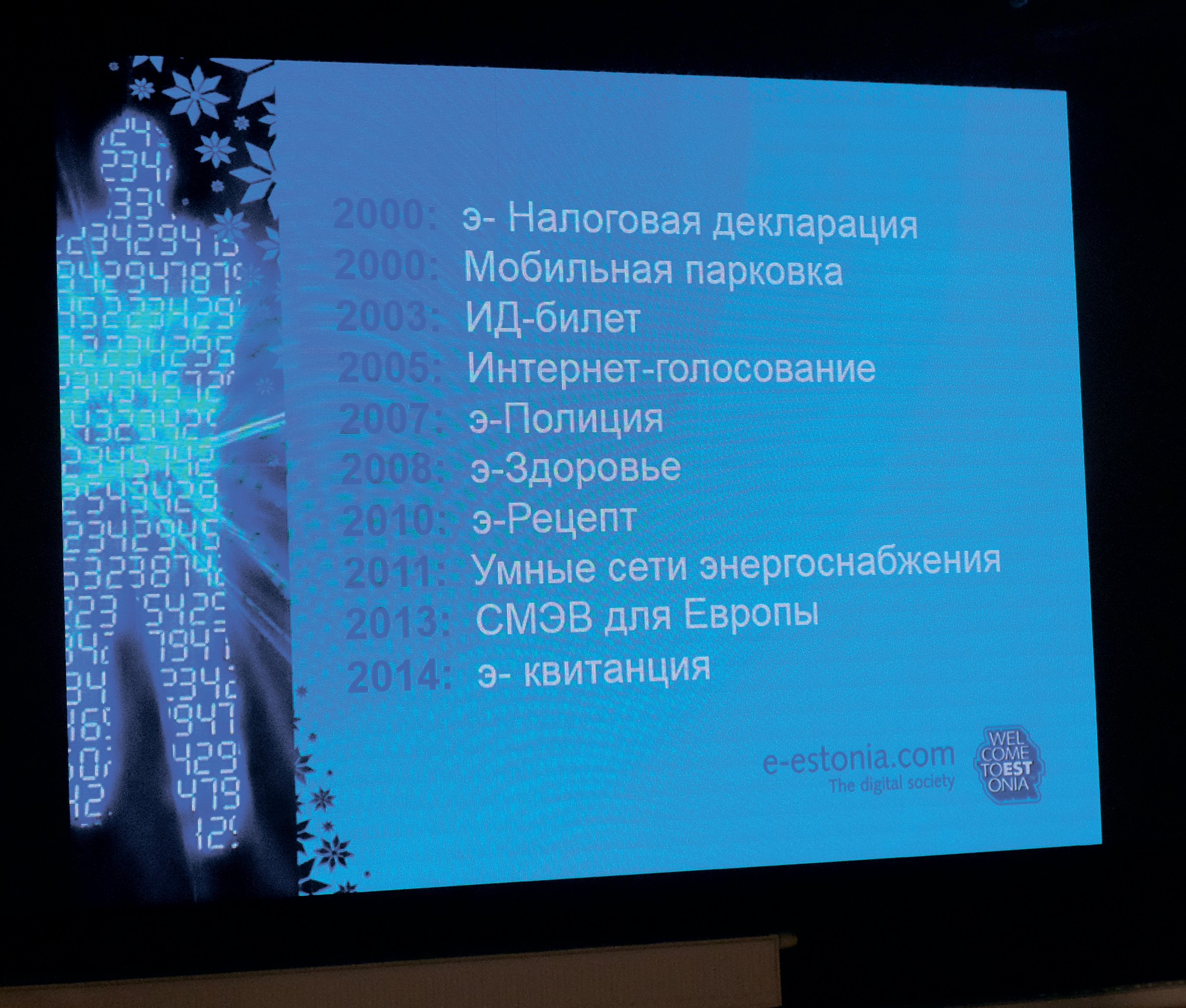
Estonia occupies second place in the world in level of freedom of the Internet. Virtually the whole of Estonian people's lives is bound up with using the benefits provided by the Internet by means of an ID-card which operates on an electronic signature basis. All the inhabitants of the country, whatever their citizenship, have an ID-card. The Estonians themselves say that with this card you can carry out absolutely any operation on the Internet except buying and selling houses and getting divorced. This card provides access to 2,600 electronic services of nearly 1,000 government organizations, including taking part in elections electronically. At the last parliamentary elections alone a third of all people who voted did so electronically. The government is very active in encouraging people to use electronic services. For example, when submitting tax returns electronically overpaid tax is returned from the budget literally in a matter of days, whereas if a return is submitted by post the process can drag out for six months. And because in Estonia there is virtually a pre-paid tax payment system, it is much more advantageous to fill in returns electronically. What's more all payments by the possessor of an ID-card for various purposes are ultimately reflected in the declaration, and all the taxpayer has to do is check that it is accurate and send it to the tax authorities. According to a member of the board of the Nortal IT company, Oleg Shvaikovskiy, there is competition in Estonia now for the speediest completion of a declaration, which is around the 90-second mark.
Incidentally, he just as highly praised Azerbaijan's efforts in creating an electronic government, noting that the country is making active use of Estonia's experience and has already created key areas, including the introduction of the electronic signature, the organization of an inter-departmental interaction base, and so on. This company is preparing a project for TeliaSonera to be introduced at Azercell.
Estonia also offers people in other countries the opportunity of acquiring virtual citizenship. This is of particular benefit to entrepreneurs because it considerably simplifies the possibilities of conducting business in Estonia and in other countries of the European Union without leaving their own town. Estonia has managed to achieve all of this in a relatively short time - since the beginning of 2000. The basis for this breakthrough was the state's decision to invest one per cent of the country's GDP in the IT sphere every year. This has enabled all state-run establishments and schools to be completely computerized and to provide all isolated areas of the country with a high-speed Internet at low cost. Estonia has set itself the task of providing an Internet with a speed of 100 Mbt a second to every home before 2018. The result is that the people of Estonia don't know what bureaucracy and delay are when it comes to obtaining state services.
Economy and Tourism
Although from the point of view of economic development Estonia is one of the most successful countries in the eurozone (growth of GDP over the past 5 years has fluctuated between 0.8 and 7.6 per cent) and foreign debt is a mere 10 per cent of GDP - the best of the EU countries, and unemployment stands at 7.7 per cent, living standards are still below the European average. The average wage in the country is about 1,000 euros of which almost 200 euros are spent on utility services, and prices in Estonia are certainly not low.
On the other hand, the state is taking measures to improve the situation with low wages. According to a spokesman for the Ministry of Foreign Trade and Entrepreneurship, Maria Varton, the main emphasis in the next few years will be on increasing surplus value in production, which will enable the export of technological output to be increased, and this will lead to an increase in wages and prevent the exodus of manpower to the neighbouring countries, such as Finland and Sweden.
A word or two about production potential. The agro-industrial sector is fairly well developed in Estonia and the country exports large volumes of fish and dairy products. Although Estonia, as a member of the EU, has been included in the sanctions over the Ukrainian crisis, their effect has been minimal - a mere 0.7 per cent of the whole of the country's exports. According to Agriculture Minister Ivar Padar, the Russian sanctions have had a fairly tangible impact mainly on the EU's dairy products, which has led to a fall in milk prices below cost. But here Estonia is working on options to enter new markets, including China, India and Japan. The Foreign Trade Ministry has been interested in the possibilities of the Azerbaijani market for the supply of fish and dairy products, as well as the import of Azerbaijani fruit and vegetables.
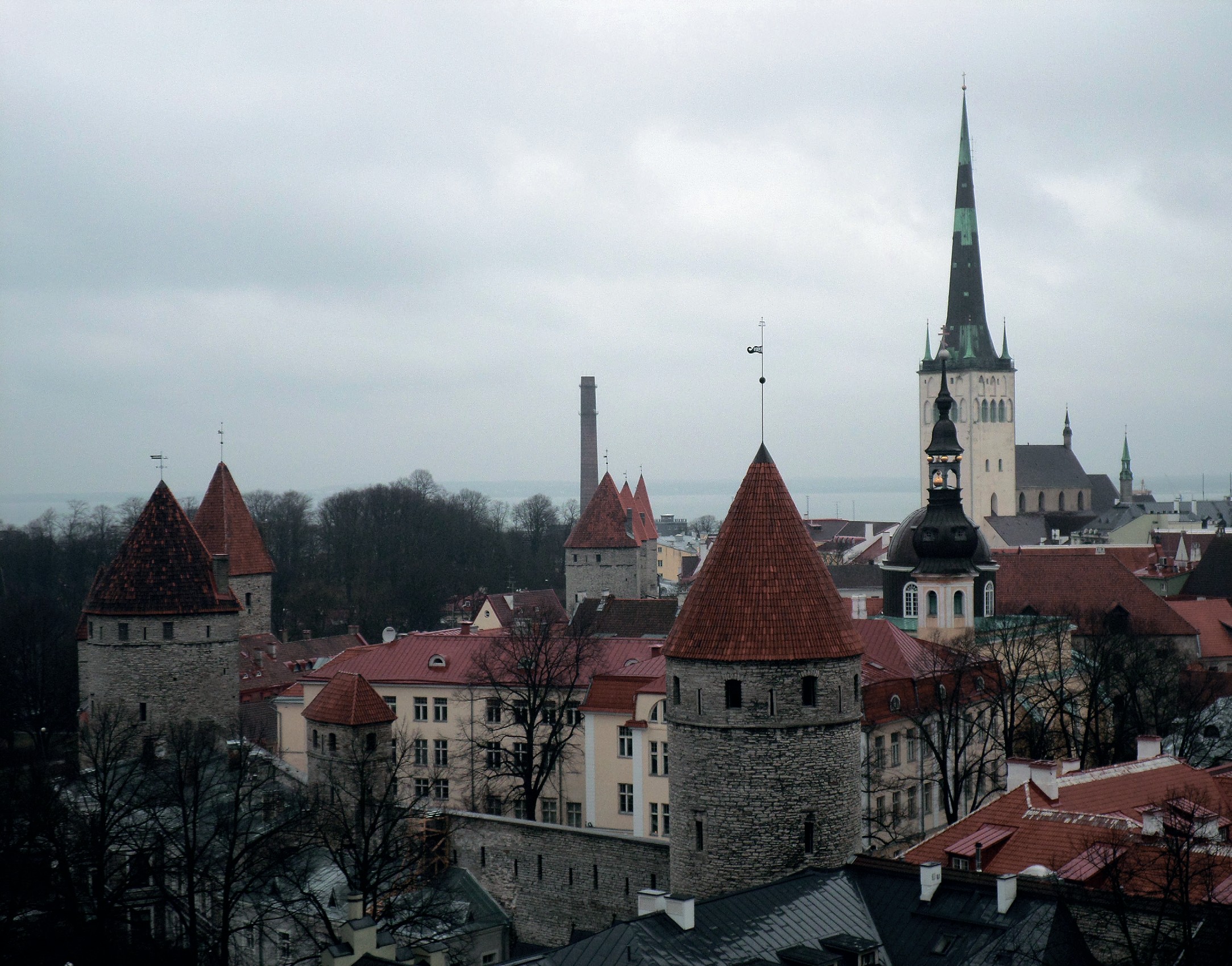
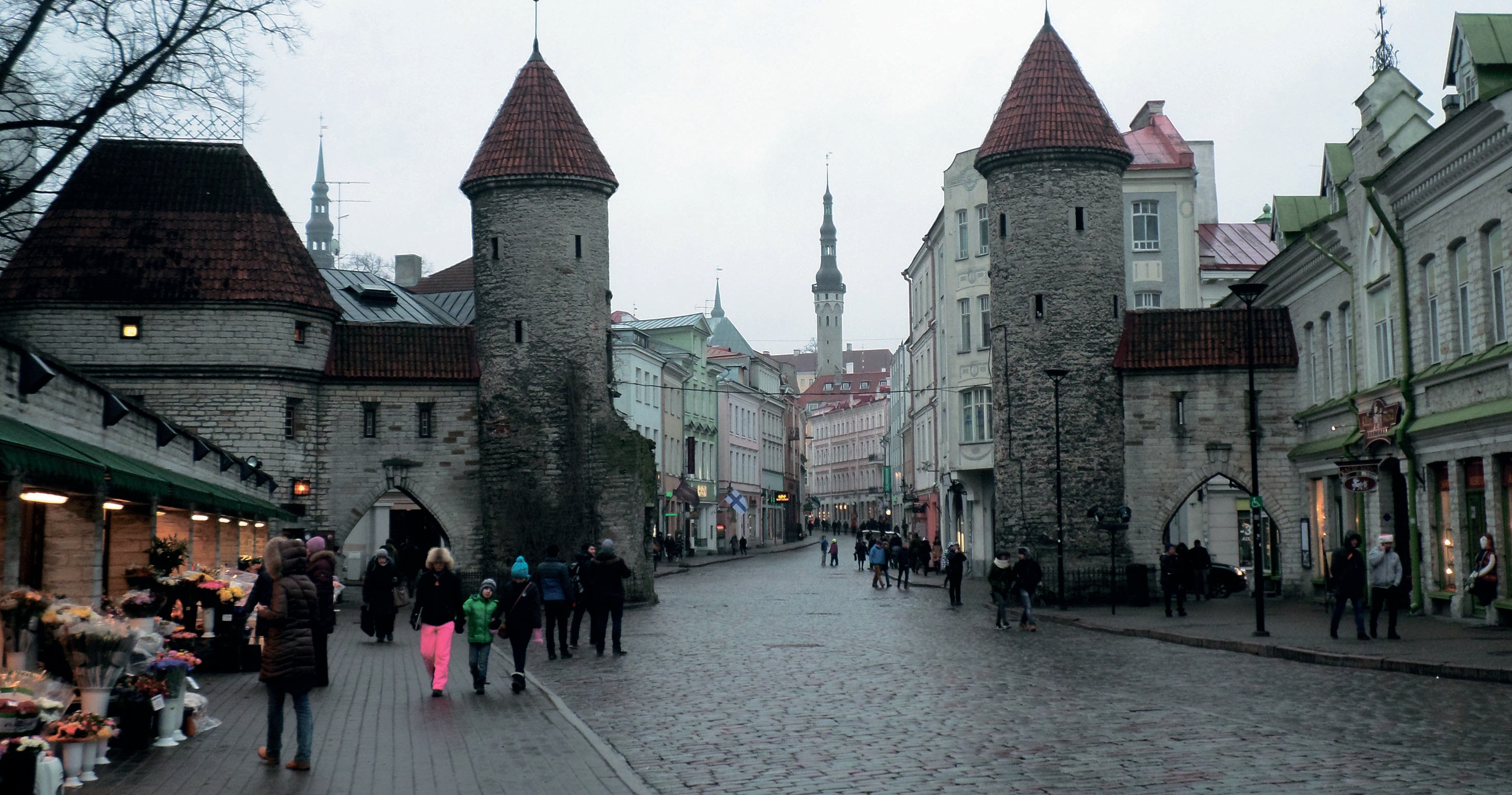
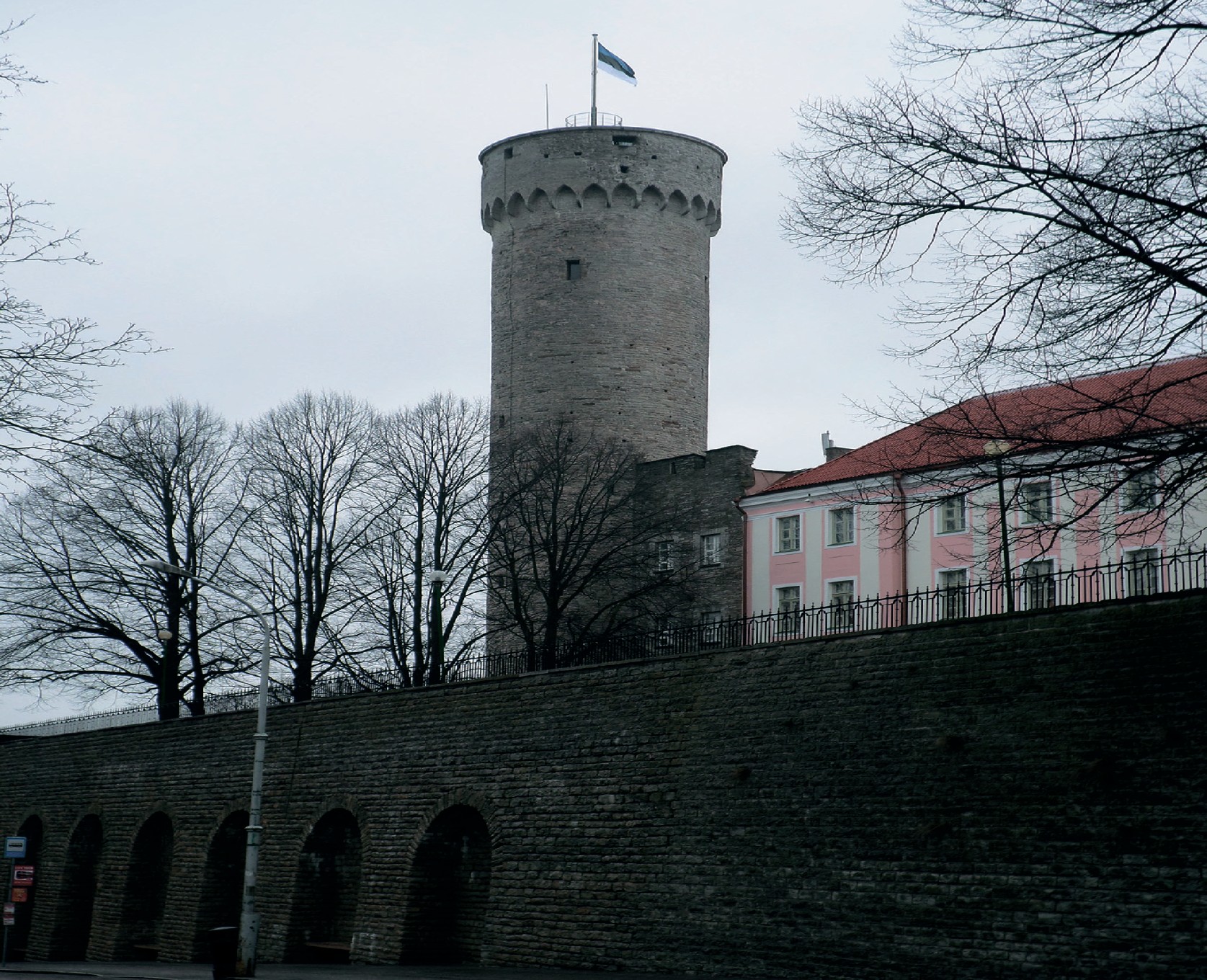
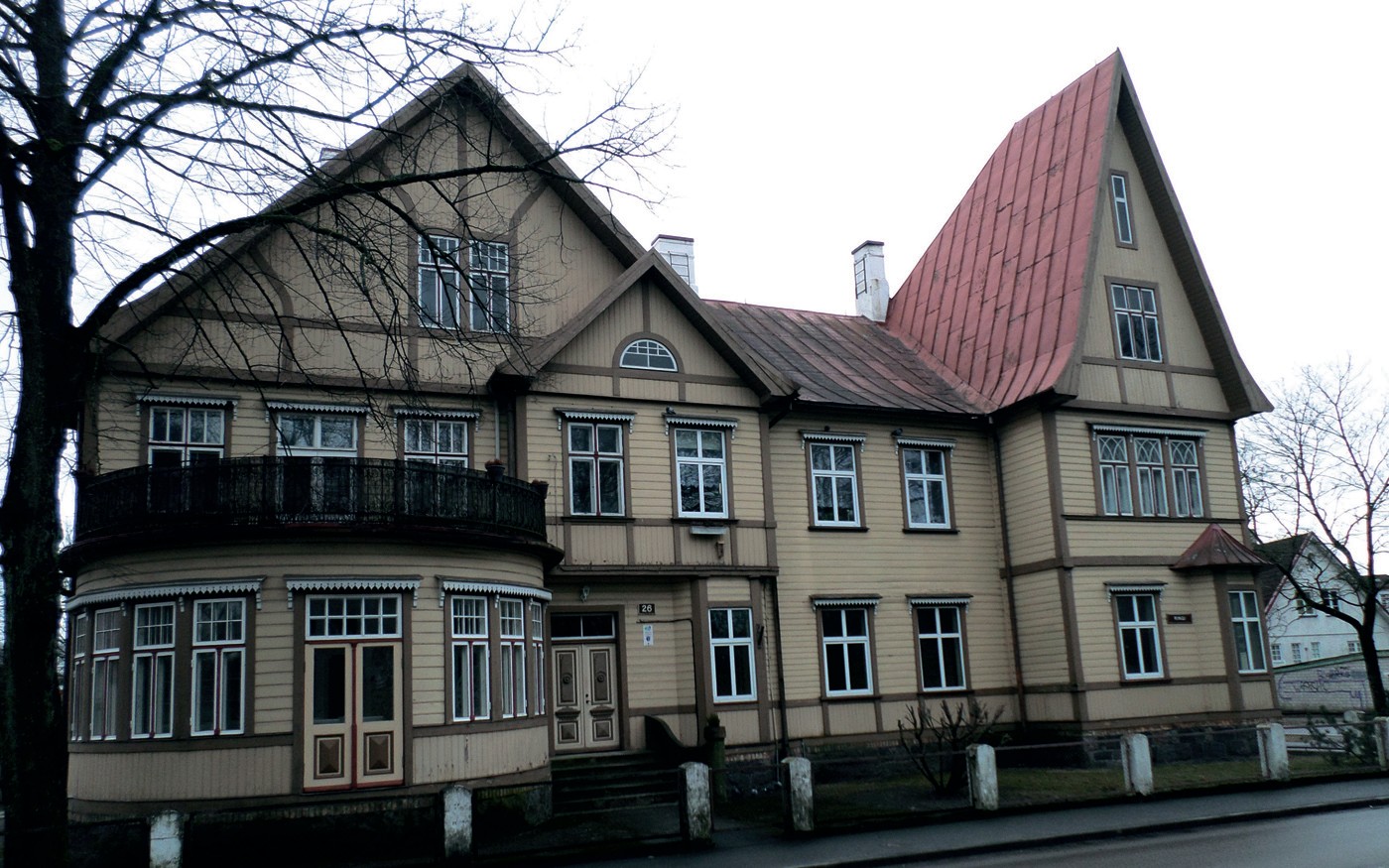
Estonia is not neglecting tourism, either. Tallinn itself, despite numerous wars, the most destructive of which was the Second World War, has managed to preserve the colour of the medieval city with its Gothic architecture. The old city is regarded as the most preserved medieval centre in Northern Europe.
Incidentally, the St. Olaf Church was regarded in the 16th century as Europe's tallest building - its main tower and steeple reached a height of 159 metres, but then a fire destroyed part of the roof and the height of the tower was reduced to 123m. It is now forbidden to construct buildings higher than this tower in Tallinn. By the way, public transport is completely free for local residents in Tallinn. The public transport network consists of large buses, trams and trolleybuses.
The southern town of Parnu on the shores of the Gulf of Riga is regarded as Estonia's summer capital. It is a small medieval town, founded in the 13th century. In the summer season the town's population increases from 40,000 to 120,000 because of the flood of tourists from Finland, Sweden, Russia, Latvia, Lithuania and other countries. And Parnu is well known not just for its fine beaches but it also specializes in medical tourism because of its therapeutic mud. It should be said that the sanatoria in Parnu are extremely competitive - the cost of accommodation with three meals a day and a range of treatments is from 50 euros in winter to 80 euros in summer.
Ordinary Estonians
Estonia's main asset, of course, is its people. The Estonians have an acute sense of honesty and it would never enter their heads to cheat you. And this honesty extends to all walks of life, so you hardly ever come into contact with the police in Estonian towns. So the streets are a sea of smiles, despite the difficult living conditions.
Simplicity and modesty are the distinctive qualities of the Estonian people. For example, on the first day of their visit to Tallinn, which coincided with the parliamentary elections, the group from Baku attended a post-election meeting of the Social Democratic Party. In Estonia every party follows the vote counting in one of the restaurants. The ministers of education, defence and agriculture sat down with Azerbaijani journalists and were happy to answer all their questions. Of course, a significant role in this process was also played by the director of the Baltic School of the Cinema and Media Katrin Saks who was previously both a deputy and a minister.
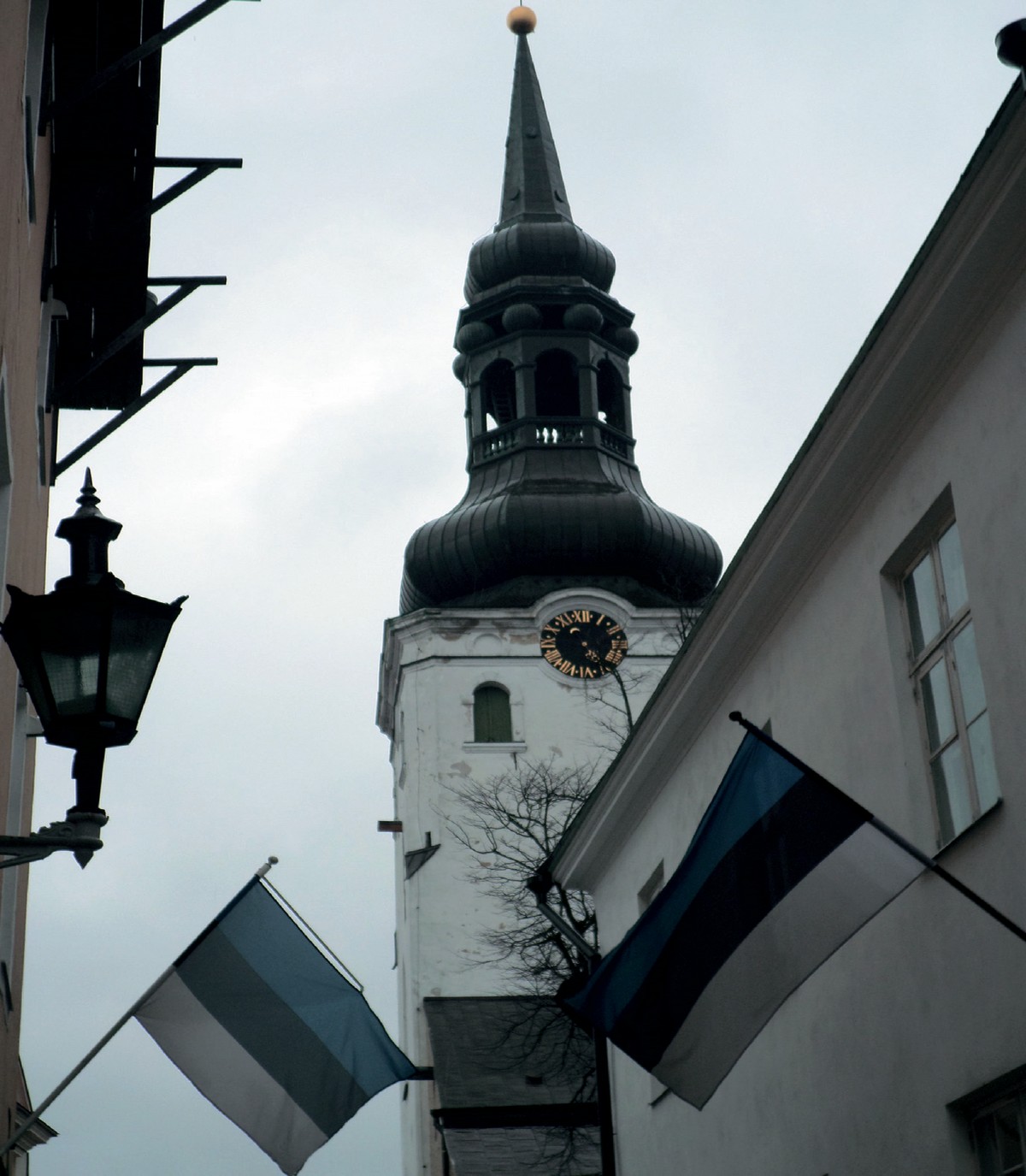
In every conversation one sensed this nation's pride in acquiring their independence and their willingness to do everything in their power to protect it.
And there was absolutely no sluggishness, lethargy or frigidity - how could a nation that created Skype and practically the best system of electronic government in the world be lethargic?!
RECOMMEND:
 948
948

