

MEETING EAST AND WEST
Why Bosnia and Herzegovina is considered the heart of the Balkans
Author: Elchin HUSEYNOV, Baku-Sarajevo-Mostar-Baku
Bosnia and Herzegovina is not often chosen as a first travel destination. Inexperienced tourists might expect to see only war-torn cities and the lingering pain of the past. However, this corner of the Balkans, despite its turbulent history, holds immense appeal for travellers seeking unconventional routes and a unique atmosphere.
Bosnia and Herzegovina is not just a country with a rich history and cultural heritage; it is also a place where nature, tradition, and modern trends blend seamlessly, creating a distinctive charm. This makes it particularly attractive to those who seek out Europe’s lesser-known gems. From ancient cities to breathtaking mountain landscapes, from profound historical monuments to eclectic cuisine, this Balkan nation offers it all.
Sightseeing Capital
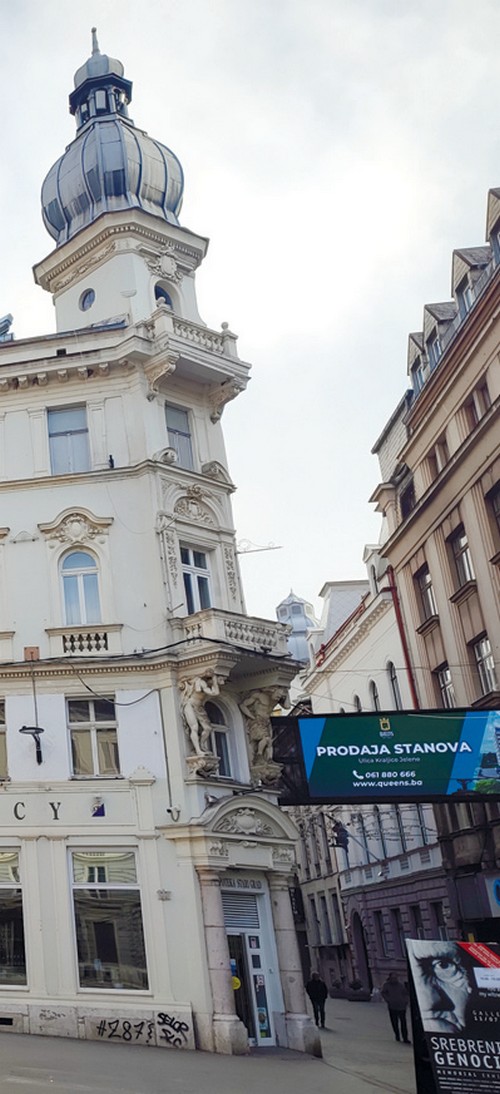
Sarajevo, the capital of Bosnia and Herzegovina, is a city that feels like a living museum. Walking through its streets, one can sense the intersection of history and modernity. Often referred to as the "Slavic Jerusalem," Sarajevo is a melting pot of the world’s three major religions—Islam, Christianity, and Judaism.
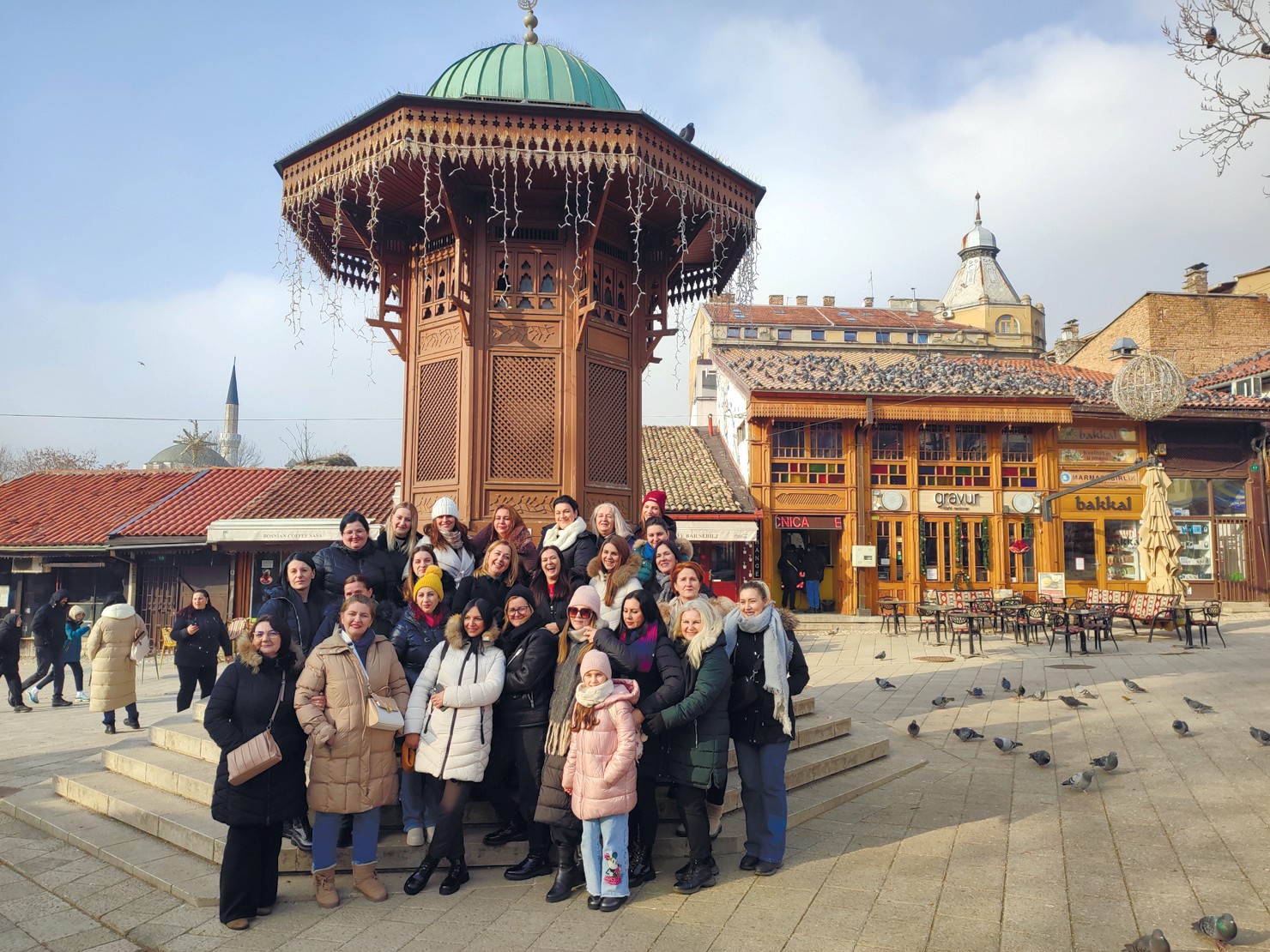
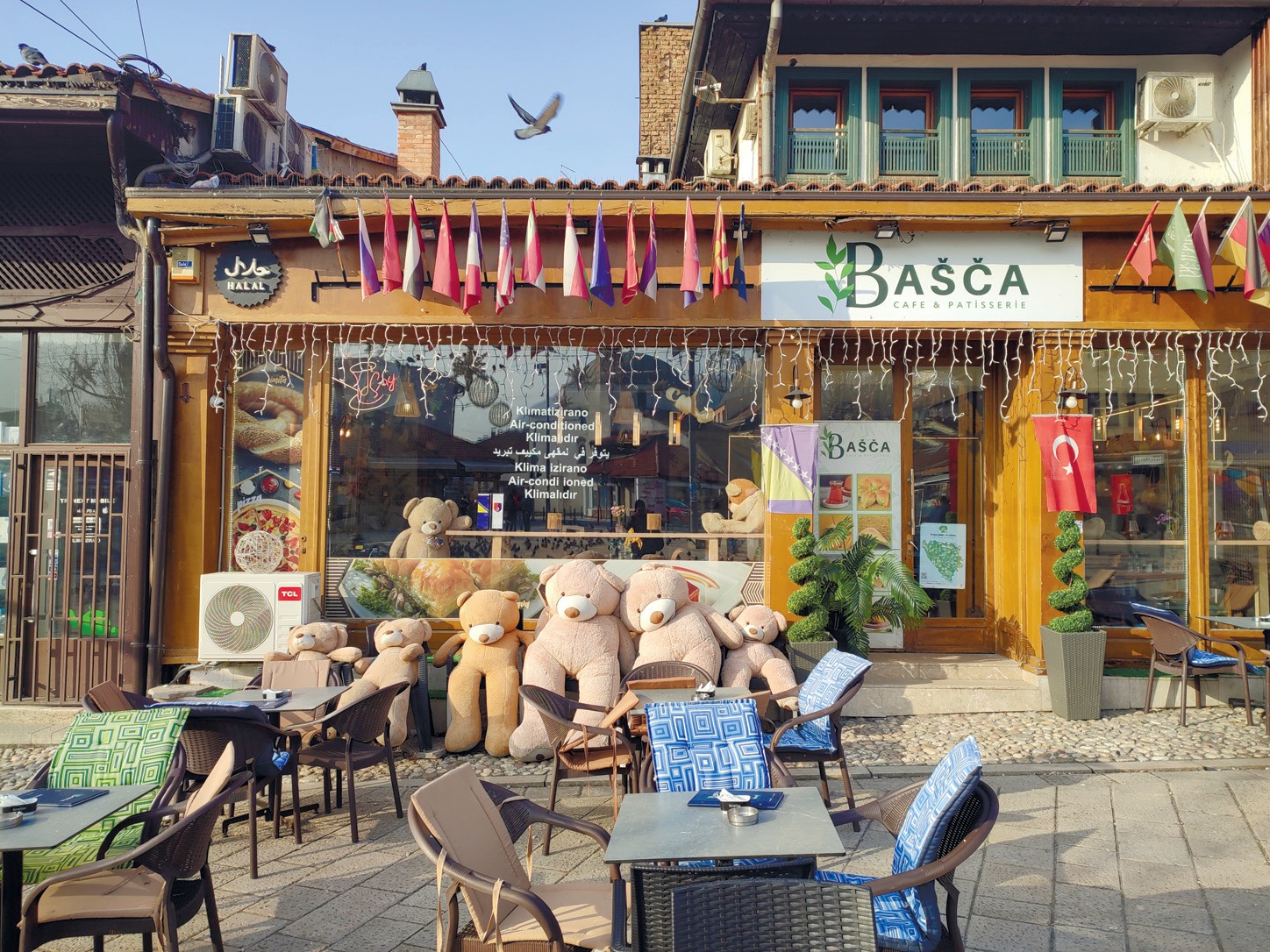
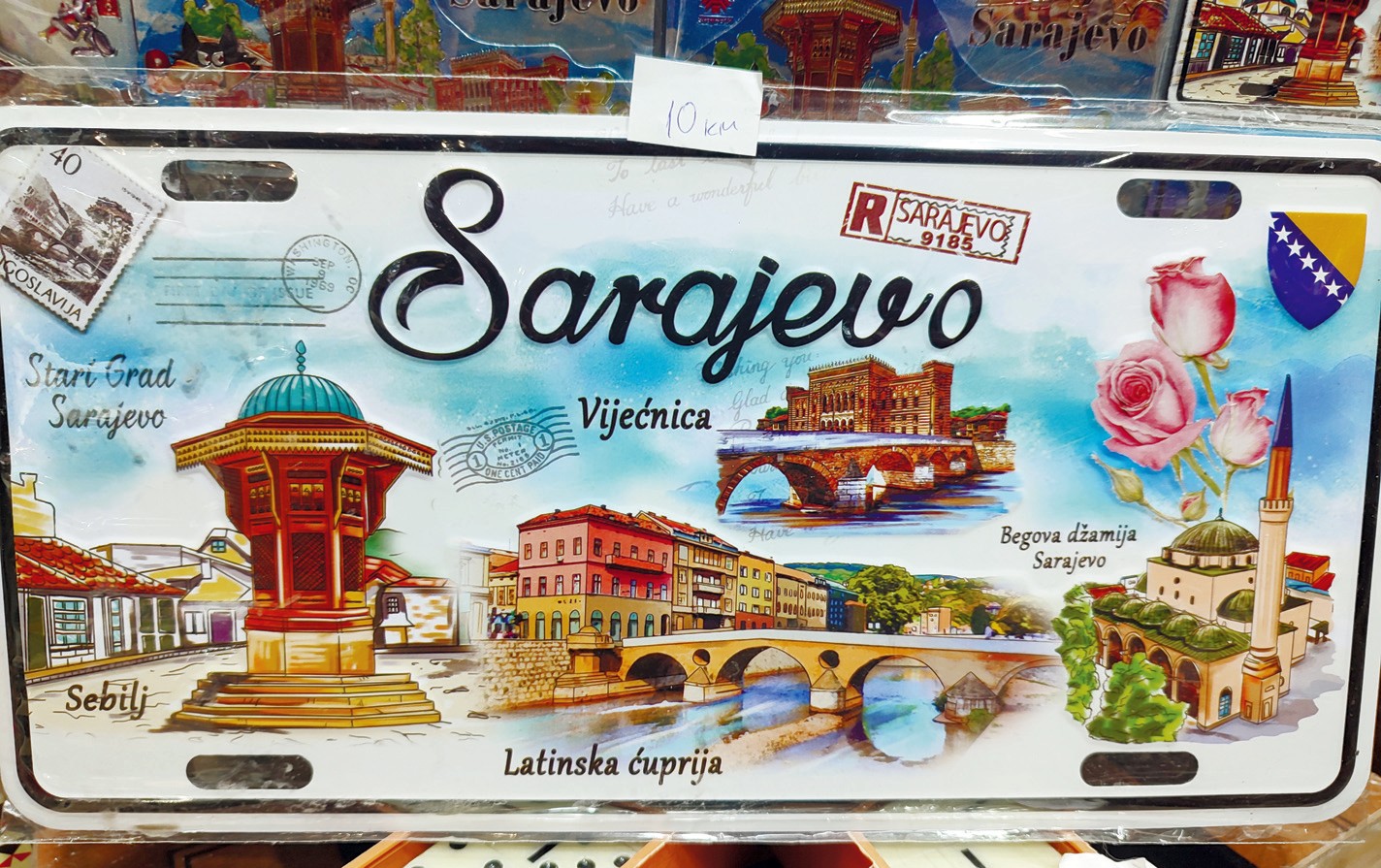
One of the city’s main symbols is Baščaršija (from the Turkish "baş çarşı," meaning "main market"), which retains the atmosphere of the Ottoman Empire. Baščaršija is the heart of the old city, characterised by narrow stone-paved streets, ancient mosques, traditional Turkish houses, and numerous shops and markets selling oriental carpets, silver jewellery, tea, and spices. Here, visitors can immerse themselves in the ambiance of old Sarajevo and experience the vibrant energy of an oriental bazaar. At the centre of it all is the Sebilj, a drinking fountain and one of the city’s most recognisable landmarks. It is here that most city tours begin or end, and every tourist feels compelled to take a photo. Surrounding the square are numerous cafés and restaurants offering local, traditional Turkish, and Balkan cuisine, as well as sweets.
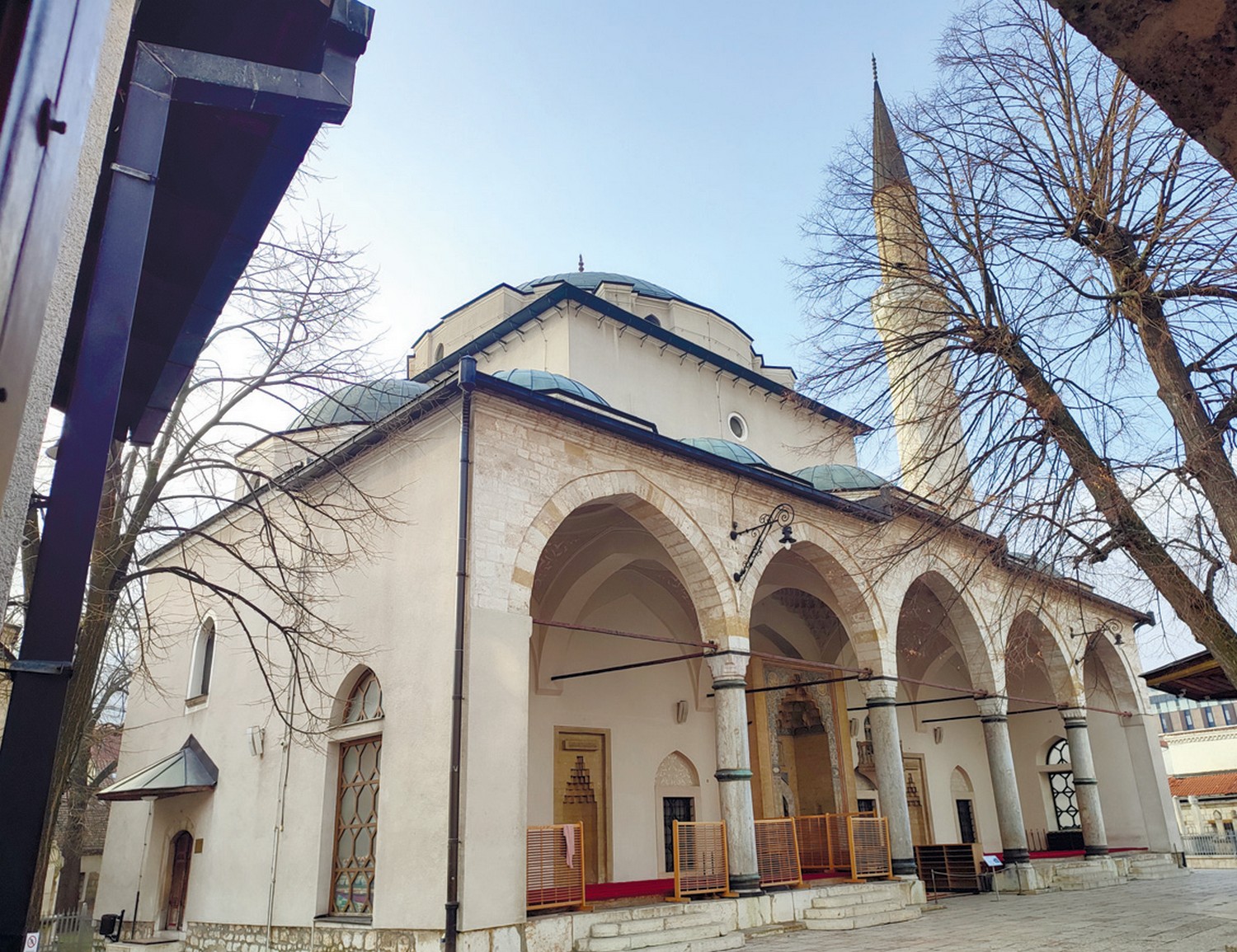
Nearby stands the Gazi Husrev-beg Mosque, an architectural and religious landmark of Sarajevo. Built in 1531, it remains one of the country’s most significant religious structures. Gazi Husrev-beg, the mosque’s founder, was a pivotal figure in Bosnia’s Ottoman history, and his legacy includes numerous cultural and architectural projects.
Another architectural gem is the Sarajevo City Hall, one of the city’s most beautiful buildings. This splendid example of Moorish architecture was constructed in 1896, destroyed during the war in 1992, and reopened to the public after reconstruction in 2014. Today, it houses the State Archives of Bosnia and Herzegovina. Its majestic façade, intricate arches, and stained glass windows make it a standout feature of Sarajevo’s architectural landscape.
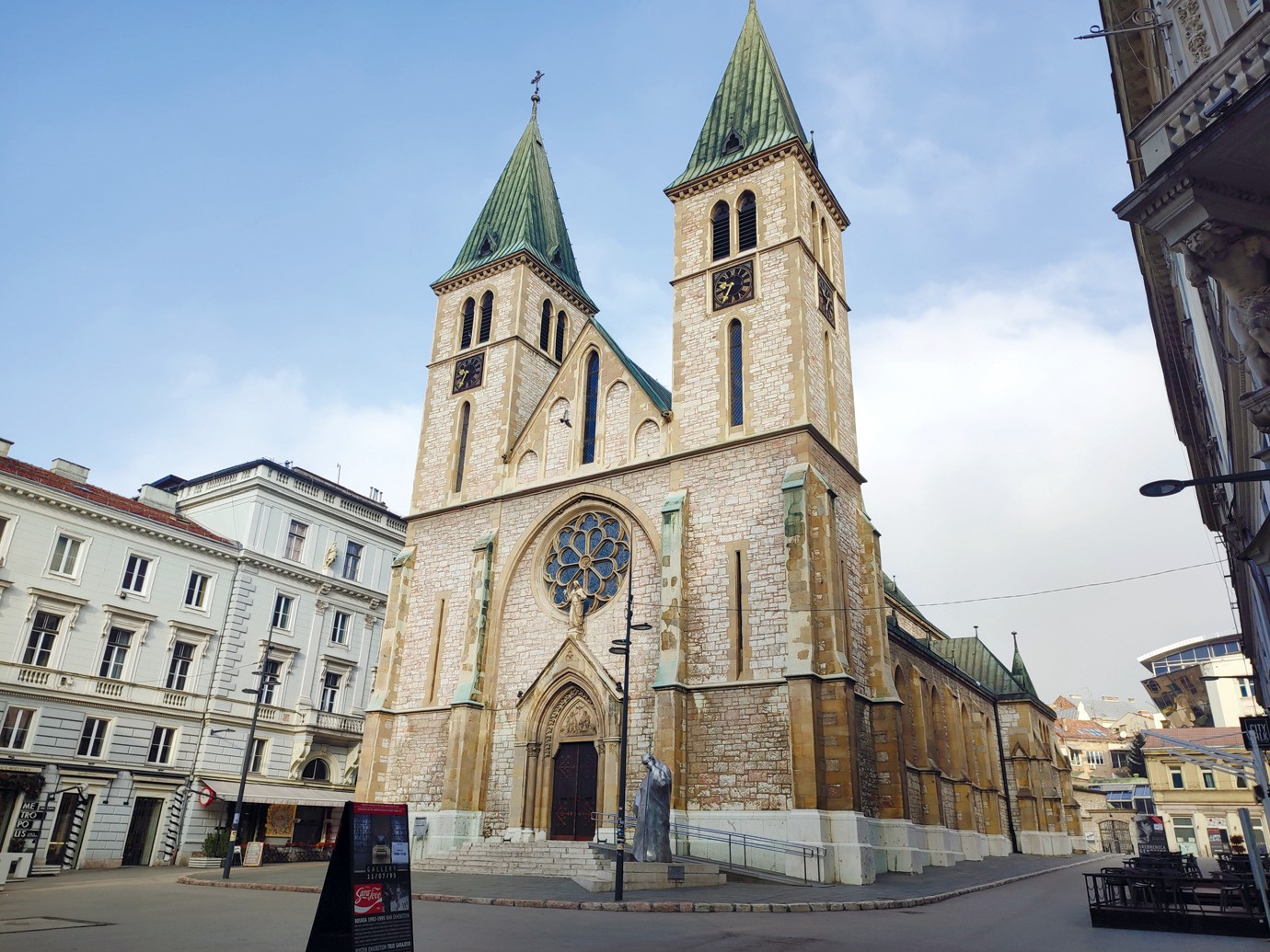
Adjacent to Baščaršija, on the main shopping street Ferhadija, is the Cathedral of the Sacred Heart of Jesus, the largest Catholic cathedral in Bosnia and Herzegovina. Designed by Josip Vancaš, who also contributed to the design of Notre Dame in Paris, the cathedral is a neo-Gothic masterpiece with Romanesque elements. Its façade is featured on Sarajevo’s seal and flag, and its Romanesque towers and pediment adorn the city’s coat of arms, making it an iconic landmark.
During the warmer months, one of the most popular attractions is the cable car ride to Mount Trebević. The pine and spruce forests, combined with the crisp mountain air, offer a therapeutic escape. Visitors can also explore the bobsleigh track built for the 1984 Olympics and the Čolina Kapa Observatory. For nature enthusiasts, guides recommend visiting the Vrba railway bridge and the Vidikovac observation deck, which provides a stunning panoramic view of the city and surrounding mountains.
To fully appreciate Sarajevo’s natural beauty, a visit to the tourist village of Vrelo Bosne is a must. Here, visitors can enjoy scenic trails, picturesque views, picnics, and insights into the traditional rural life and culture of Bosnia and Herzegovina.
Sarajevo offers a variety of tourist excursions, ranging from short walks to extended trips. Options include daily walking tours of the main sights (€15), a cable car ride (€25), a day trip to Mostar and four other cities in Herzegovina (€75), or a journey to Travnik, Jajce, and the Pliva Lakes, home to medieval castles, waterfalls, traditional watermills, and more.
The Latin Bridge: A Catalyst for History
Bosnia and Herzegovina is home to over 100 bridges, ranging from Ottoman-era constructions to modern designs. Among them, the Latin Bridge holds a unique place in world history.
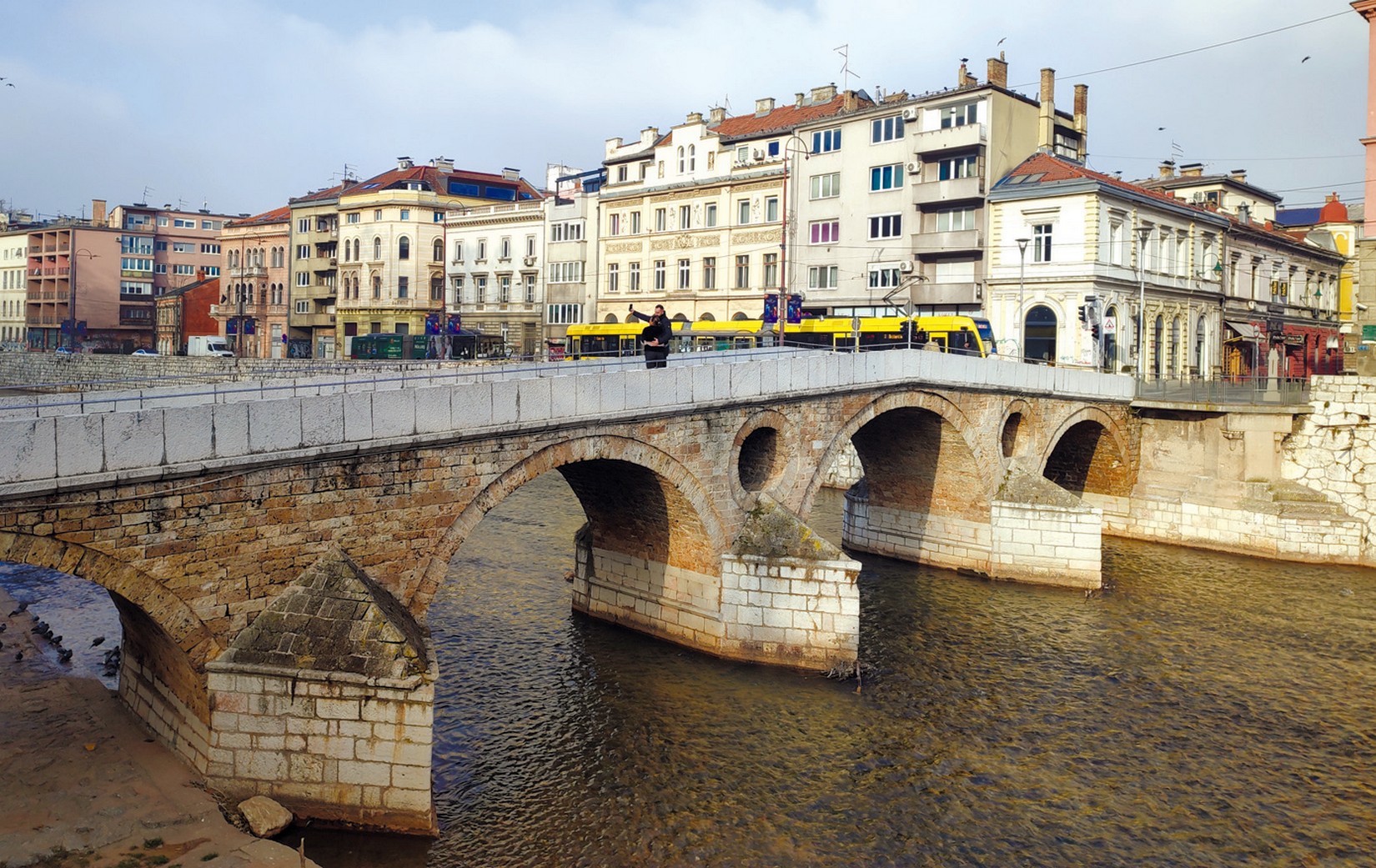
Built in 1557 during the Ottoman period, this bridge over the Miljacka River was of strategic and cultural importance. It gained global fame due to the events of 28 June 1914, when Serbian nationalist Gavrilo Princip assassinated Archduke Franz Ferdinand, heir to the Austro-Hungarian throne, sparking the First World War.
The Latin Bridge is a classic example of Ottoman bridge architecture, with its stone arches and austere style lending it a majestic appearance. Once a vital transport link connecting the river’s two banks, it now stands as both a tourist attraction and a symbol of the events that reshaped history.
Visitors may also explore the Sarajevo Assassination Museum, located near the bridge. This small museum, housed in the building that once served as the café where Princip waited before the assassination, features exhibits including photographs, documents, weapons, and other artefacts that bring the historic event to life. Admission costs €2.5.
In the Footsteps of War
Sarajevo is home to numerous museums, including the Zemaljski Museum, the country’s primary museum with extensive archaeological, ethnographic, and natural science collections. Another notable institution is the "Museum of Sarajevo," which comprises five branches scattered across the city centre (Brusa Bezistan, Dom Svrzo, Despic House, the Jewish Museum, and the Museum of Sarajevo 1878–1918). Other attractions include the Gazi Husrev-beg Library Museum, the Olympic Museum, and more.
The Bosnian War (1992–1995) left a profound mark on the country, particularly in Sarajevo, which endured a nearly four-year siege. While many destroyed buildings have been rebuilt, bullet marks still scar numerous structures, even in the city centre. As a result, many museums and memorials in Sarajevo and across Bosnia and Herzegovina are dedicated to remembering the war’s victims and reflecting on its consequences.
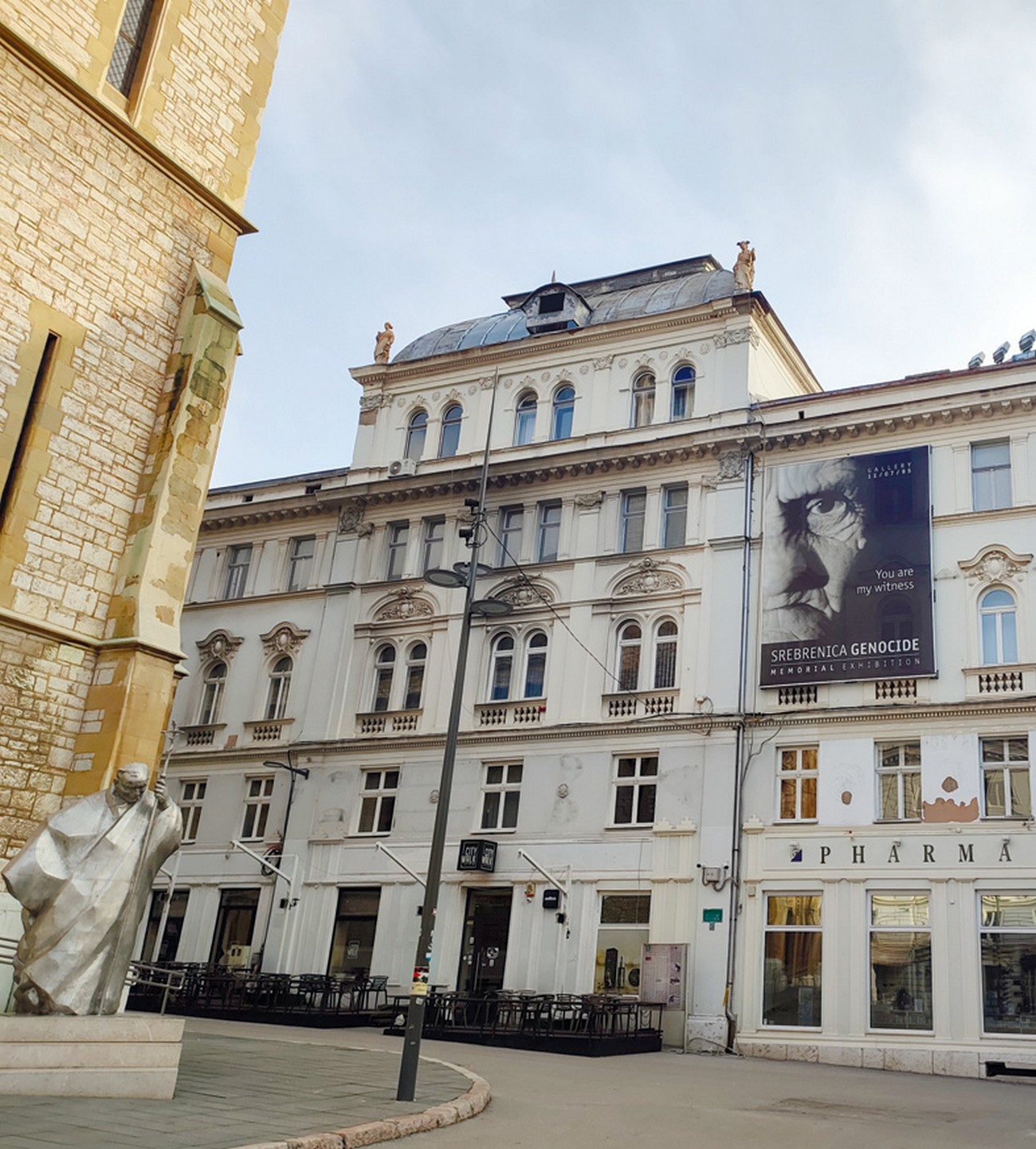
Among these, the Museum of the Tunnel of Salvation stands out. This historical site is linked to the Sarajevo siege of the 1990s, during which the tunnel was constructed to connect the besieged city with the outside world. The Sarajevo Siege Museum documents the hardships faced by civilians, including starvation, shelling, destruction, and massacres. The Museum of the War in Bosnia and Herzegovina focuses on genocide and war crimes, particularly the tragic events in Srebrenica, where over 8,000 Bosnian Muslims were killed in 1995. The Koševo Memorial Centre and Cemetery, where more than 1,500 victims are buried, serves as a place of remembrance for the atrocities of the 1990s.
The Sarajevo City Hall, severely damaged during the siege, has become a symbol of the city’s resilience. Destroyed by fire in 1992, it was later reconstructed and now stands as a memorial to the country’s tragic past.
Mostar: A Crossroads of Eras
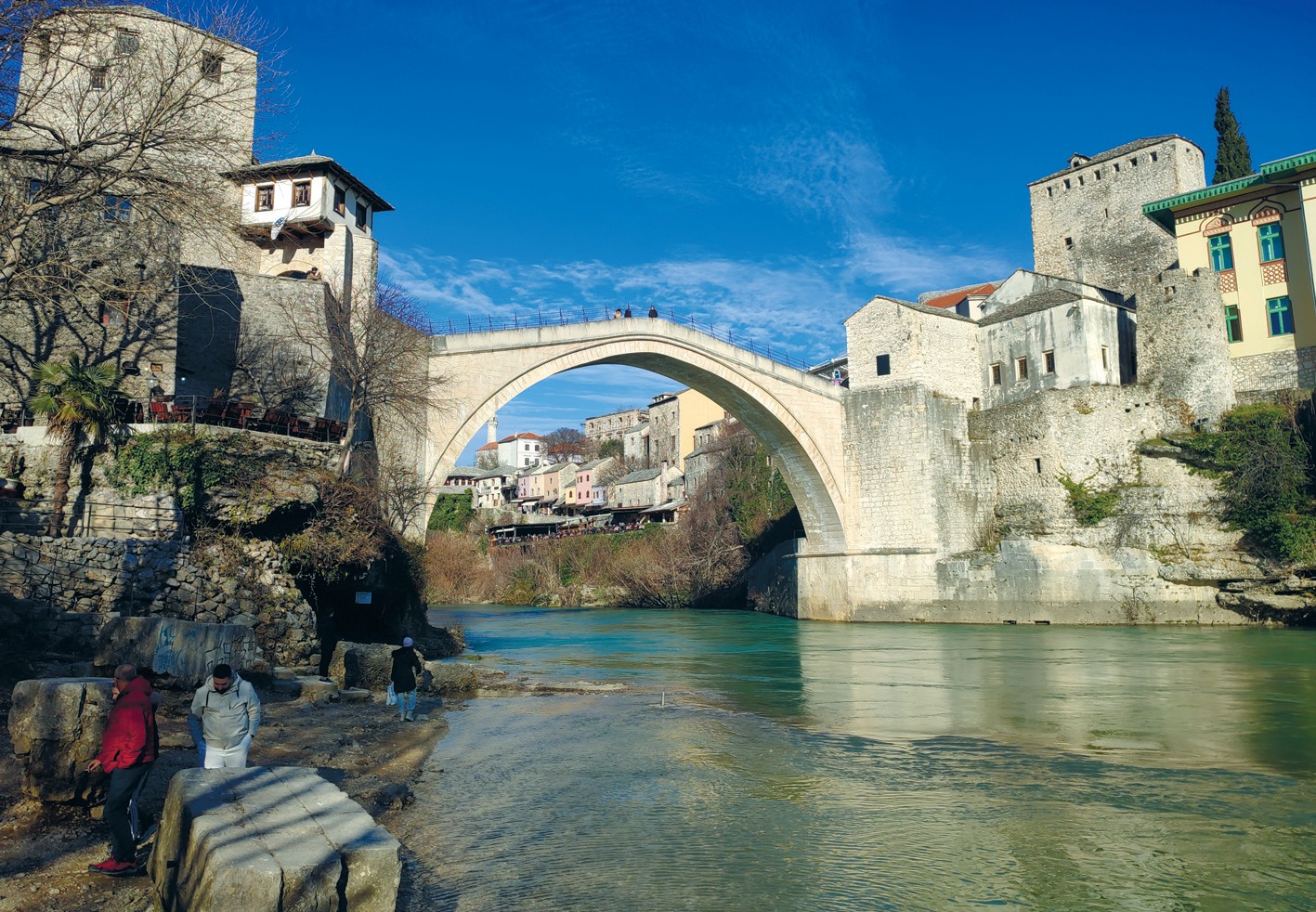
Mostar is a city that needs no introduction. Its iconic Stari Most (Old Bridge), designed by the renowned architect Sinan, is one of the Balkans’ most famous landmarks. Built in the 16th century, it spans the Neretva River and has become a symbol of the city. Destroyed during the war in the 1990s, it was rebuilt in 2004 thanks to UNESCO’s efforts.
Travelling from Sarajevo to Mostar can be done by train, bus, or car. The fastest option is by car (2 hours), while budget travellers can opt for the train (2 hours, €17–18) or bus (2 hours 40 minutes, €23). The best time to visit Mostar is between May and September, when the weather is warm, and divers can be seen leaping from the bridge into the Neretva River. However, those who prefer quieter, more leisurely walks may enjoy visiting during the cooler months.
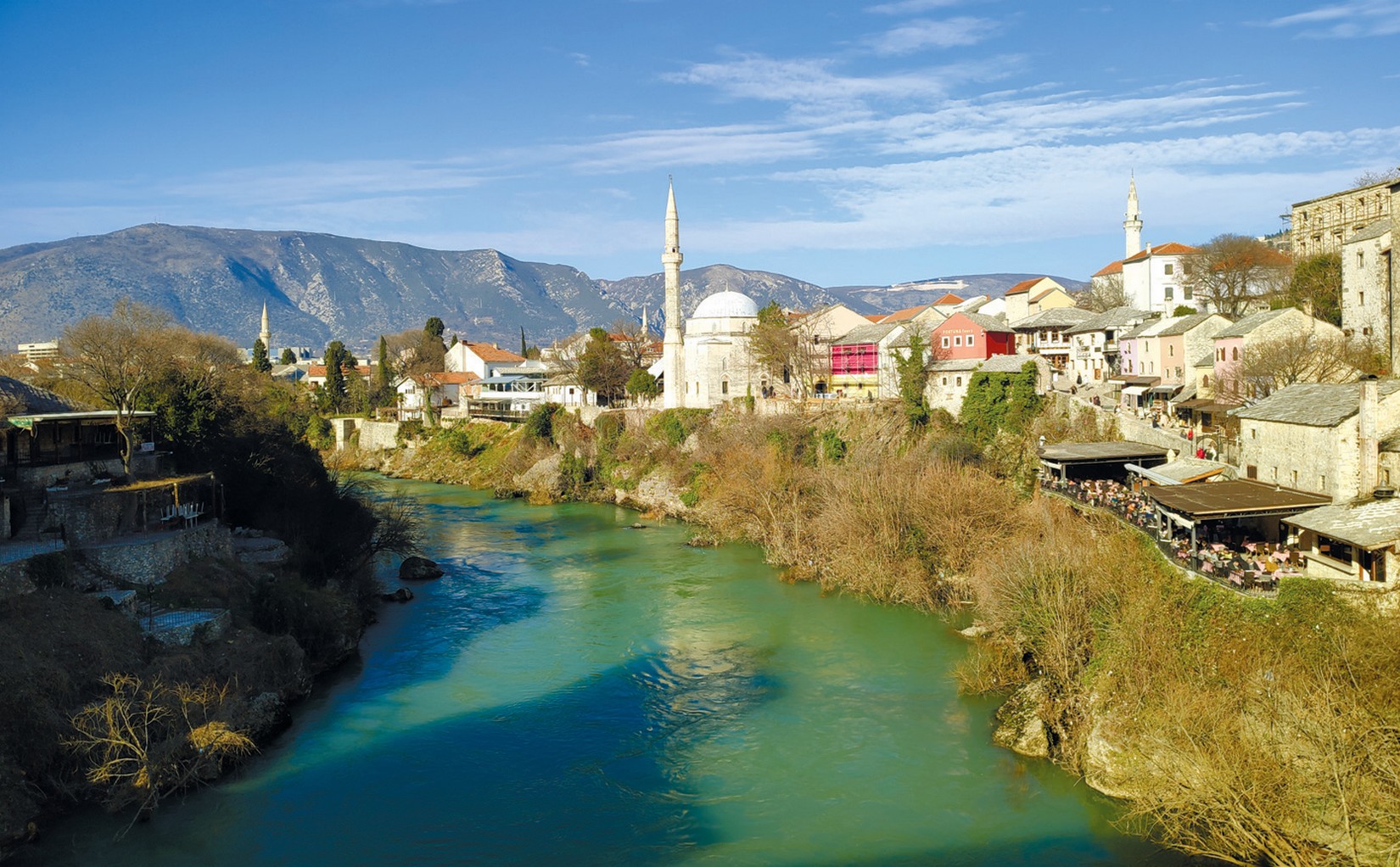
Mostar, which flourished as a border town of the Ottoman Empire in the 15th and 16th centuries, became a major centre under Austro-Hungarian rule in the 19th and 20th centuries. The city is renowned for its old Turkish houses and the Stari Most, which gave the city its name. Beyond the bridge, Mostar boasts a wealth of historical and architectural monuments, particularly in its historic quarter, with its narrow streets, mosques, and Turkish houses that evoke the ambiance of the East.
Religious landmarks such as the Koski Mehmed Pasha Mosque and the Church of St. Peter and Paul are also worth visiting. The local cuisine, featuring grilled dishes, oriental pastries, and aromatic coffee, leaves a lasting impression. For a memorable experience, dine at one of the restaurants offering stunning views of the Old Bridge.
Mostar is divided into two distinct parts: the Muslim community, concentrated in the central tourist area near the bridge, and the Croatian community, located on the opposite side. The two communities, though sharing the same city, rarely cross these invisible boundaries. The architectural and lifestyle differences between the two zones are striking. The Muslim side reflects Ottoman influences, while the Croatian side exudes a more European, affluent vibe.
Across Europe with Affordable Prices
Bosnia and Herzegovina is often regarded as one of Europe’s most affordable tourist destinations. Compared to popular Western European countries, it offers excellent value for money.
Accommodation, food, and transport costs in Bosnia and Herzegovina are generally lower than in neighbouring countries like Croatia or Montenegro. In Sarajevo, for instance, visitors can find reasonably priced restaurants, cafés, and hotels. Public transport fares (1.3 marks, or €0.68) are also relatively low. Hotel and apartment prices vary depending on the season, location, and level of service, but Sarajevo remains an affordable destination compared to Western European cities. Budget travellers can find comfortable accommodation for €30–50 per night, while mid-range hotels typically cost €50–90. Luxury hotels range from €120 to €250 per night.
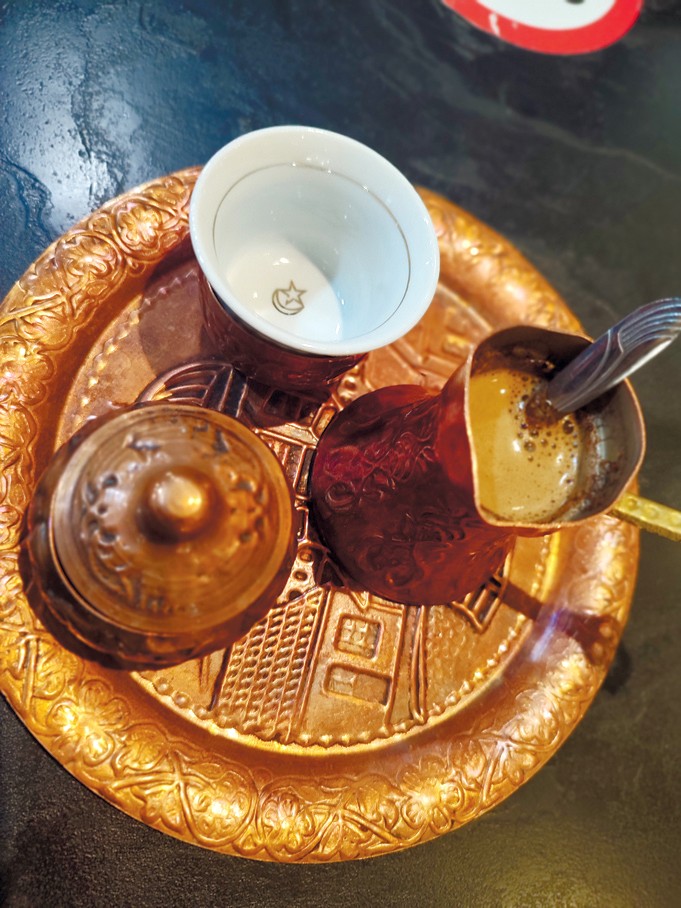
Dining out is also affordable. Bosnian coffee (served with a glass of water) costs around 3–4 marks (€2), sweets are priced at €3–4, and a meal in the city centre ranges from €8 to €15. The cuisine is a vibrant blend of Ottoman, Mediterranean, and Slavic traditions, featuring dishes like ćevapi (small meat patties), burek (meat or cheese pie), and various spit-roasted meats.
Bosnia and Herzegovina is also known for its wines, particularly from the Trebinje region. Local wineries produce unique varieties such as Žilavka (white, €5–10) and Blatina (red, €5–12).
International media have noted that Bosnia and Herzegovina is increasingly becoming a tourist hotspot, thanks to its unspoilt nature, fascinating cities, welcoming atmosphere, and relatively low prices. However, it is worth noting that the tourist infrastructure is still developing in some areas, and the level of service may not match that of more established European destinations.
Bosnia and Herzegovina is a land of contrasts, where ancient traditions and modern realities coexist. It offers visitors the chance to delve into history, enjoy natural beauty, savour delicious cuisine, and truly experience the essence of the Balkans. For those seeking to explore Europe’s hidden gems, this country is an excellent choice, where history, culture, and nature come together in perfect harmony.
RECOMMEND:
 314
314

