

WHAT TO EXPECT?
Domestic Political Struggle in Iran Intensifies Amid Increased US Pressure on Tehran
Author: Natig NAZIMOGHLU
Recent events in Iran indicate a sharp escalation in the ongoing struggle between the so-called 'conservatives' and 'reformers,' the two factions of the political elite in the Islamic Republic. This process is unfolding against a backdrop of increasingly deteriorating foreign policy conditions surrounding Iran, which is under significant pressure from the new administration of its arch-rival, the United States.
Resignations, Assassinations, Protests
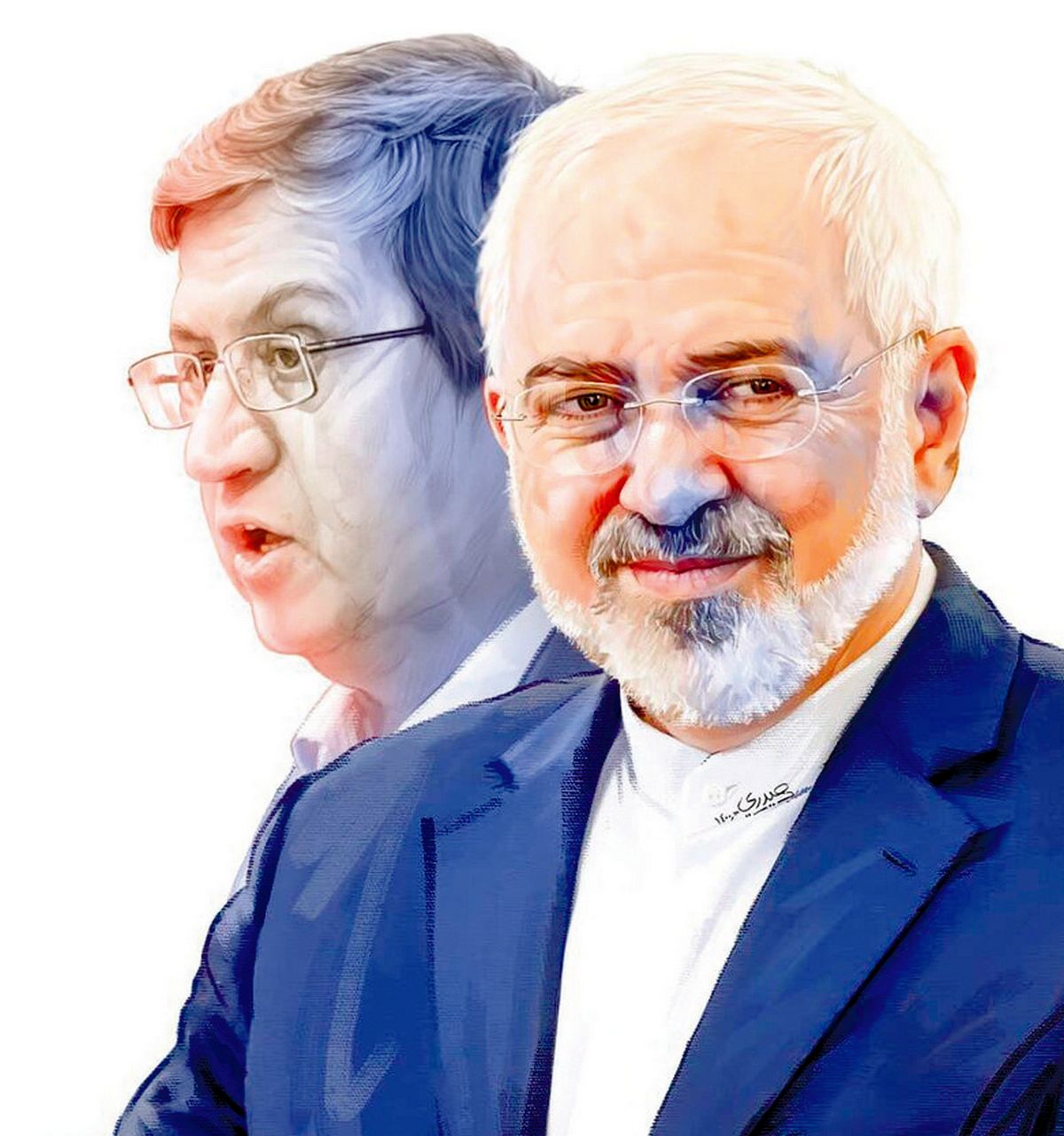
The clear instability within Iran's ruling elite was evidenced by the resignation of key figures from the reform-minded President Masoud Pezeshkian's circle, such as Vice President Mohammad Javad Zarif and Minister of Economy Abdolnaser Hemmati. Following a meeting with the head of Iran's judiciary, Gholam-Hossein Mohseni Eje'i, Zarif announced his resignation, citing the need to 'consider the circumstances in the country' and 'avoid putting additional pressure on the administration' by returning to teaching at the university. Zarif's expressed hope that, after his departure, those who obstruct the 'will of the people and the success of the administration' would lose their justifications is telling.
This is a direct hint at the dissatisfaction among conservative circles, represented by clerical and military elites (including the Islamic Revolutionary Guard Corps), who traditionally cluster around Iran's spiritual leader. These groups are opposed to Pezeshkian's attempts to moderate political directives in the country and initiate dialogue with the West, particularly with the US. Zarif played a direct role in this latter task, especially given his impressive record as one of Iran's most renowned diplomats.
From 2013 to 2021, Zarif served as Iran's foreign minister, achieving the conclusion of the Joint Comprehensive Plan of Action (JCPOA) in 2015 between Iran and the 'P5+1' (the US, UK, France, Russia, China, and Germany). This 'deal' aimed to resolve concerns regarding Tehran's nuclear programme, ensuring its transparency in exchange for easing anti-Iranian sanctions. With Pezeshkian's presidency beginning in 2024, Zarif returned to Iran's upper leadership, being appointed Vice President for Strategic Affairs, indicating his influential role in conducting foreign policy. However, Zarif's appointment was met with opposition from conservatives, who resented both his previous experience cooperating with the West and his desire to negotiate with the US after assuming the role of Vice President. A formal pretext for the harsh criticism of Zarif arose from the American citizenship of one of his children. According to Iranian law, individuals whose family members hold foreign citizenship cannot occupy government positions. In response, the Pezeshkian administration introduced a bill that would allow individuals whose children did not hold foreign citizenship to work in government. It should be noted that Zarif's children were born in the US when he was still a student and later worked at Iran's UN mission in New York. Despite these efforts, attempts by Pezeshkian to retain Zarif as Vice President were unsuccessful. Similarly, attempts to support Hemmati, who served as Minister of Economy and represented the 'reformers' faction, proved unsuccessful. Hemmati had been Chairman of Iran's Central Bank from 2018 to 2021 and later a presidential candidate in the 2021 elections that resulted in Raisi's victory. However, he was accused of being unable to address the country's economic problems. On 2 March 2025, Iran's parliament declared Hemmati impeached.
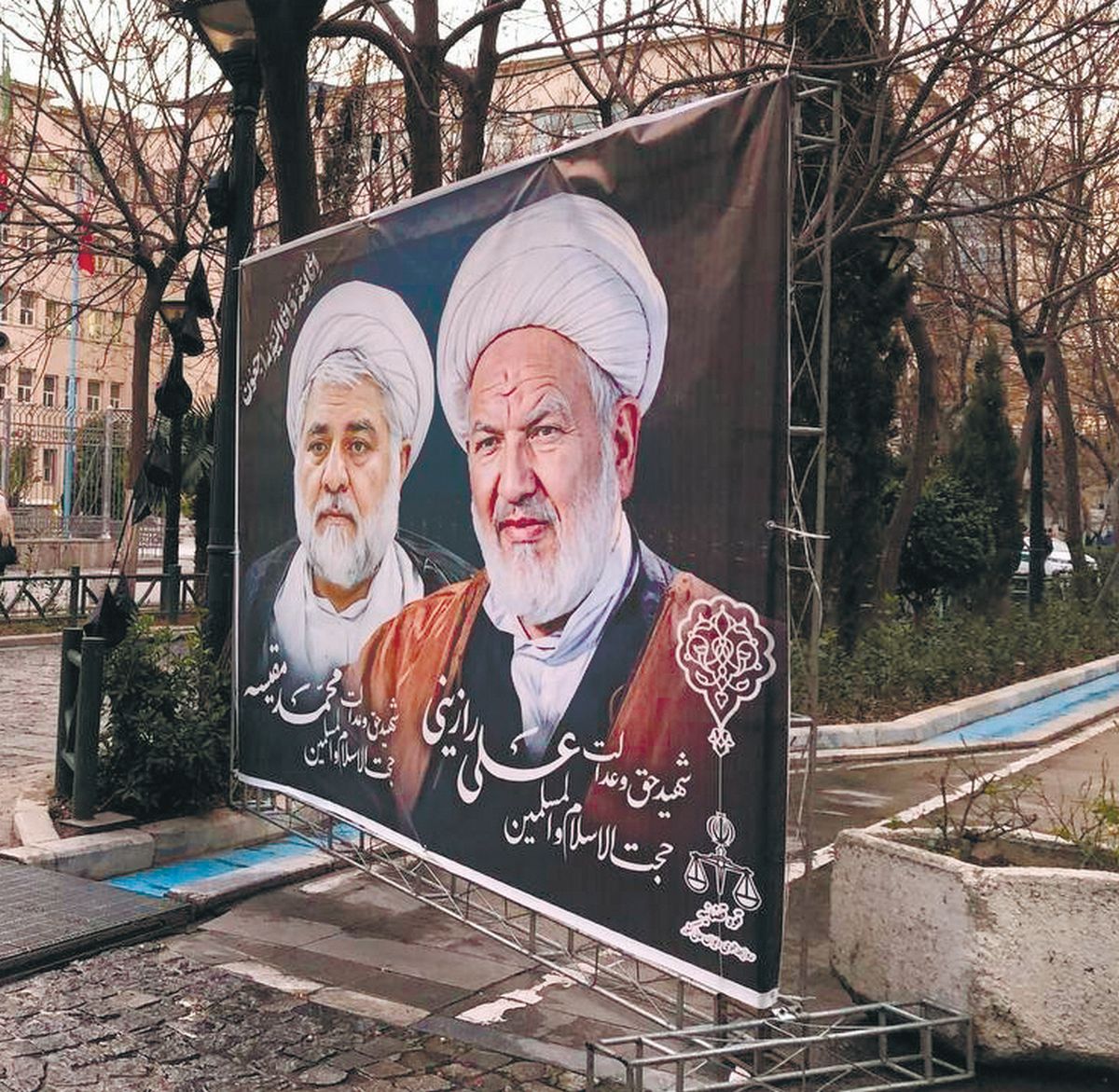
Finally, another significant event indicative of escalating internal strife in Iran is the assassination of two senior judges from Tehran's Supreme Court. A court employee shot Ali Razi and Mohammad Mogiseh, known for their involvement in harsh punishments for political prisoners.
Thus, all signs point to a deepening internal crisis in Iran, manifesting itself in exacerbated political contradictions and socio-economic issues. Contributing to this tension are issues concerning women's rights regarding hijab-wearing and various national groups within Iran. Pezeshkians own ethnic background is Azerbaijani, and he came to power advocating for these rights. However, his attempts to advance these issues have so far been unsuccessful, as evidenced by the parliament's rejection of a proposal to teach non-Persian literature in schools, a move that would have been unlikely to win conservative support. Even Pezeshkian's occasional use of the Azerbaijani language has been met with open discontent among those who oppose any changes in the country or even minor relaxations of strict control by the clerical elite. This has led to rising tensions in Iranian society, with a significant portion advocating for reforms in social, economic, and political life. This was confirmed by protests in Tehran and several other Iranian cities during celebrations for the 46th anniversary of the 'Islamic Revolution' in February. In response to this escalating protest sentiment, authorities have historically resorted to the use of force against participants. At the same time, internal political struggles within Iran are intensifying, coinciding with mounting external pressure on Tehran from the West, particularly the US.
Threatening Trump Rejects Khamenei
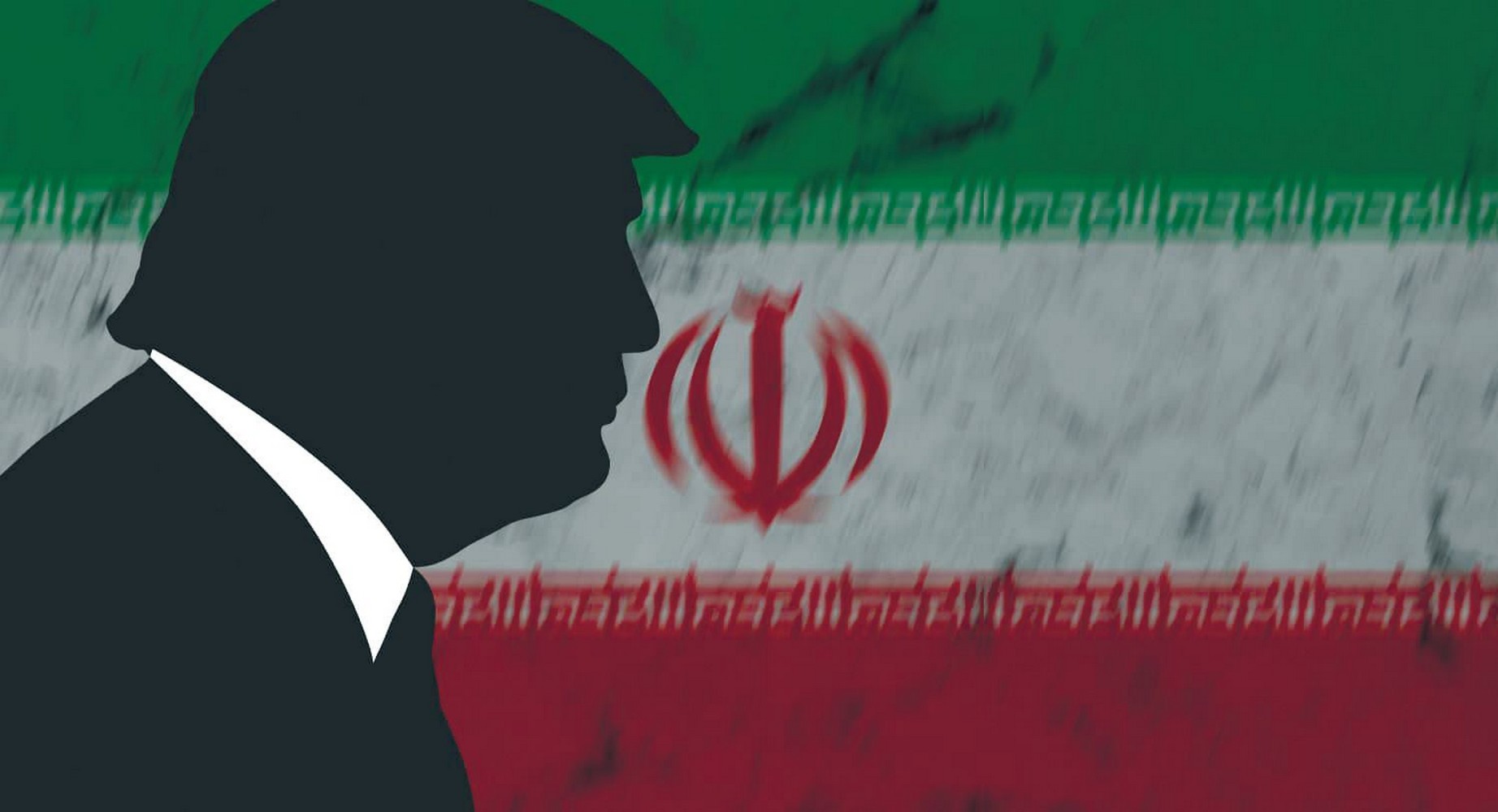
US President Donald Trump's approach to the Iranian nuclear issue has been characterised by unwavering resolve since his inauguration in 2016. In 2018, he made the decision to withdraw from the JCPOA, citing concerns over its perceived inadequacies in constraining Tehran's nuclear development. Subsequently, Trump has expressed a renewed interest in negotiating a new nuclear agreement with Iran.
In an interview with Fox Business, Trump stated that he had written to Iranian Supreme Leader Ali Khamenei, urging him to initiate new negotiations on the issue, and explained his proposal by saying that 'there are two ways to deal with Iran: militarily or through a deal. I would prefer to make a deal. I'm not sure everyone agrees with me, but we can reach an agreement as effective as a military victory. But time is running out. We will soon see events unfold, however they may."He further elaborated: "If we were to take military action, it would have severe consequences for Iran. It is imperative that we take action to prevent the acquisition of nuclear weapons by Iran."Tehran's response was immediate. Its primary contention was not merely the denial of Trump's letter to Khamenei, but the confirmation that the Iranian leader would not engage in negotiations that might imply a concession from their side. Pezeshkian has already expressed his intention to remove Iran from isolation and restore relations with the United States and the rest of the West, but even before the story about Trump's 'sent but not received' letter, Pezeshkian—despite his reformist image—emphasised his complete loyalty to Khamenei and made it clear that the Supreme Leader opposed negotiations with the US, negotiations that he himself sought. The Iranian president candidly admitted that they had wanted to discuss and negotiate with America, but the leader said there was no need, so they did not hold talks.
In response to Trump's recent statements regarding Iran, Khamenei stated that the Islamic Republic will not negotiate with those who seek to use talks to satisfy their own interests. He emphasised that the insistence of some powerful states on negotiations is not aimed at solving problems, but at establishing dominance and imposing their expectations. The Islamic Republic of Iran will certainly not accept these expectations.
Consequently, Iran's highest leadership rejects the possibility of negotiations with the US under Trump's terms, appealing to Trump's intentions to deprive Iran not only of any nuclear potential but also of military power altogether, including its missile programme. This would align with the interests not only of the US but also of Iran's other arch-enemy, Israel.
In addition, Trump has advocated for practices involving the detention and inspection of Iranian oil tankers on key maritime routes, which could be interpreted as an attempt by the American administration to combine maximum political pressure on Iran with further economic isolation of the country, including the reduction of its oil exports. In response to Tehran's refusal to negotiate, the White House has taken certain measures. Brian Hughes, spokesperson for the National Security Council, reiterated Trump's assertion that dealing with Iran can be done either militarily or through a deal, and expressed hope that 'the Iranian regime will put its people and interests above terrorism.'Notably, mentioning 'terrorism' as an integral aspect—from Washington's perspective—of Iran's role in the region and globally fits into Trump's administration's hardline approach toward Tehran. It is important to note that both the United States and Israel have already achieved significant military weakening of pro-Iranian groups, including Lebanese Hezbollah. This has the effect of weakening Iran's position in the Middle East, particularly in Lebanon and Syria, where Tehran has suffered a major geopolitical defeat by withdrawing from conflict. Developments in Iran and the surrounding region are approaching a climax. The only question is: what kind? The answer to this question will determine not only Iran's fate, but also that of the entire Middle East and global security, given that the 'Iranian issue' involves interests not only from pressure-bearing United States, but also from its close partners Russia and China.
RECOMMEND:
 288
288

