

THIS IS SINGAPORE
What surprises tourists in this southeastern country?
Author: Elchin HUSEYNOV, Baku-Singapore-Baku
Many people have probably noticed that it has recently become easier to carry water and other liquids through customs in hand luggage at airports worldwide. In Europe, numerous airports now have advanced equipment to check liquids for safety. This sometimes allows passengers to bring bottles of up to 1-1.5 litres, not to mention half-litre containers. However, at Singapore's airport, this is definitely not possible. Customs officers confiscate even small containers of liquid. Whether it is 100 grams of water or a nearly empty tube of sunscreen, these are not permitted. You may feel inclined to protest or request permission to carry them in your hand luggage, but the customs officer will respond quietly and monotonously with a memorised phrase: "This is Singapore. You have to follow the rules."
Strict and unusual penalties
Thanks to social media, you have likely heard about Singapore's strict laws and hefty fines—and these reputations are well deserved. Several factors underpin this approach, which stems from the country's philosophy on law, order, and societal development.
Firstly, Singapore enjoys an exceptionally high level of security and order, making it one of the safest countries worldwide. Strict fines and laws help maintain discipline and reduce crime. Even minor offences such as littering in public or disrespectful behaviour are severely punished. This ensures a high standard of public order and a comfortable environment for both citizens and tourists.
Secondly, Singapore adopts a ‘zero tolerance' policy towards crimes and offences. The law does not differentiate between serious or minor infractions; even petty offences can be penalised. This includes smoking in prohibited areas, cheating, or damaging public property.
Thirdly, environmental cleanliness is a major priority. Strict rules on littering, pollution, and violations related to ecology help keep the city in exemplary condition. Singapore also fosters a culture of discipline and respect for social norms—applicable across all areas of life from road regulations to public decorum. High fines promote a sense of civic responsibility.
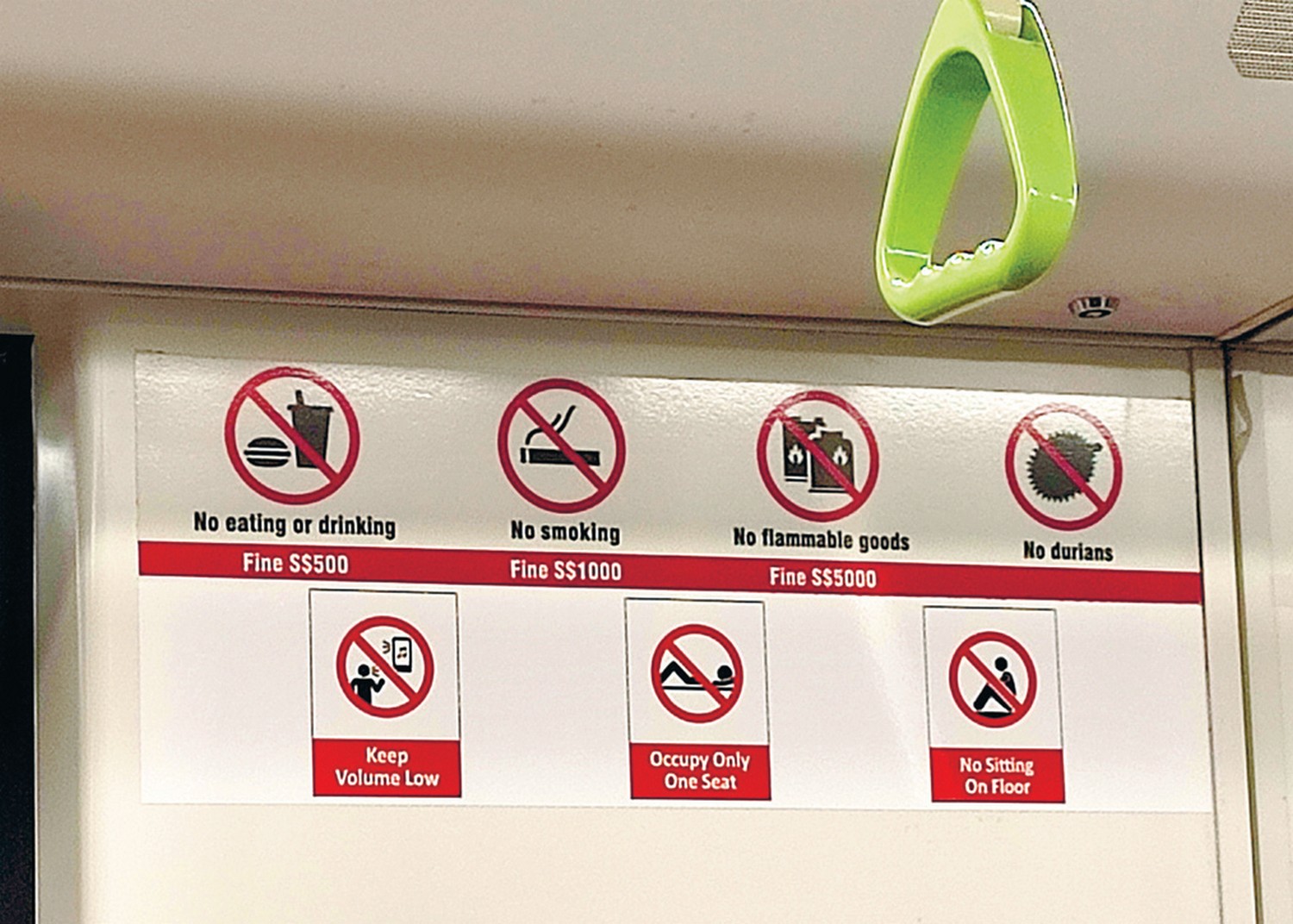
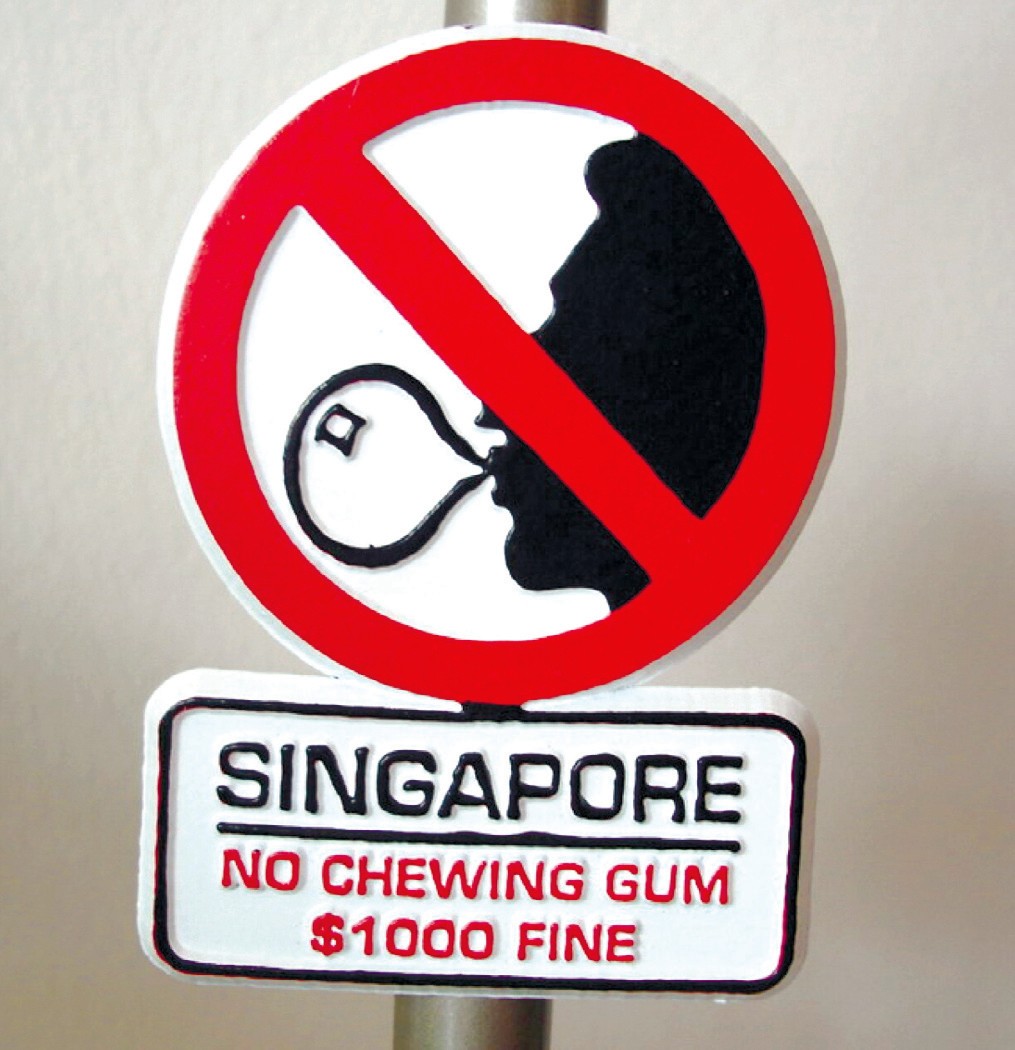
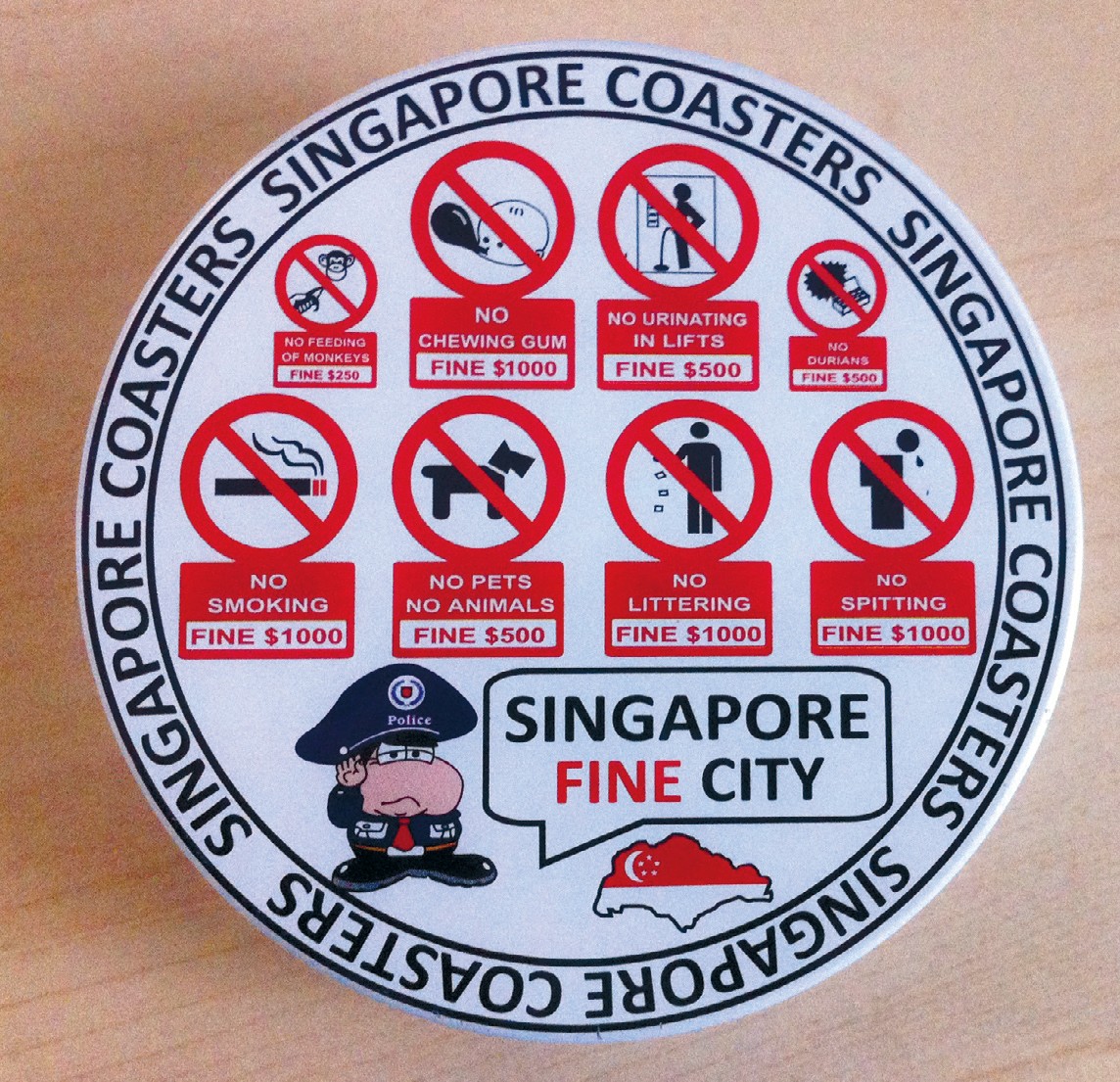
Singapore enforces numerous surprising (sometimes shocking) fines that visitors might not anticipate. For instance, chewing gum disposal in public places can result in a fine of SGD 1,000 ($748) or even imprisonment for up to one year. Walking around naked inside your own flat can lead to a fine of SGD 2,000 or up to three months' imprisonment. Wearing swimwear is prohibited in certain public spaces such as shopping centres and can incur fines up to SGD 1,000.
Using someone else's Wi-Fi without authorisation may cost you up to SGD 1,000. Feeding birds or animals on the street also attracts fines up to SGD 1,000. Eating or drinking in underground stations can bring a fine of up to SGD 500, as can cutting durian—a notoriously smelly but prized fruit—in public. Dropping rubbish or spitting on the street results in a SGD 1,000 fine; repeat offenders may be required to clean streets wearing brightly coloured T-shirts marking them as rule-breakers.
If your singing disturbs neighbours or passers-by, you could be fined SGD 1,000. Noise disturbances at night (between 10:30 pm and 7:00 am) may also lead to fines or even arrest.
Traffic rules are strictly enforced. Pedestrians crossing roads illegally risk fines up to SGD 100; using a mobile phone while driving without hands-free equipment can result in fines up to SGD 1,000. Smoking is banned in many public areas including bus stops, buildings, and parks, with penalties up to SGD 1,000 for first offences.
These penalties are severe enough that breaking the law can be both inconvenient and financially costly. Tourists should therefore be mindful of Singapore's rigorous law enforcement.
With or without a visa
Citizens of many countries—including Azerbaijan—require a visa to enter Singapore. Visas can be obtained online, assuming documents are in order, typically within 7-10 days. However, it is possible to stay in Singapore visa-free for four days by obtaining a transit visa valid for 96 hours. This option is popular among tourists from Azerbaijan and elsewhere.
To qualify, travellers must transit through Singapore between two other countries—for example, flying Malaysia-Singapore-Indonesia—and must apply for an electronic Singapore Arrival Card before travelling. Confirmation is sent via email and automatically linked at airport entry. Immigration control no longer stamps passports; automated systems scan them and match data with the arrival card while simultaneously photographing travellers before welcoming them. The entire process takes about 1–1.5 minutes.
At the best airport in the world
Singapore attracts tourists year-round thanks to its equatorial climate. Temperatures remain stable between 25°C and 31°C with consistently high humidity.
The best periods to visit are February to April and July to September when rainfall is lighter and weather more pleasant. However, brief showers can occur at any time. Visitors sensitive to heat and humidity may prefer December or January when temperatures drop slightly. Shopaholics should plan visits for July during the Great Singapore Sale.
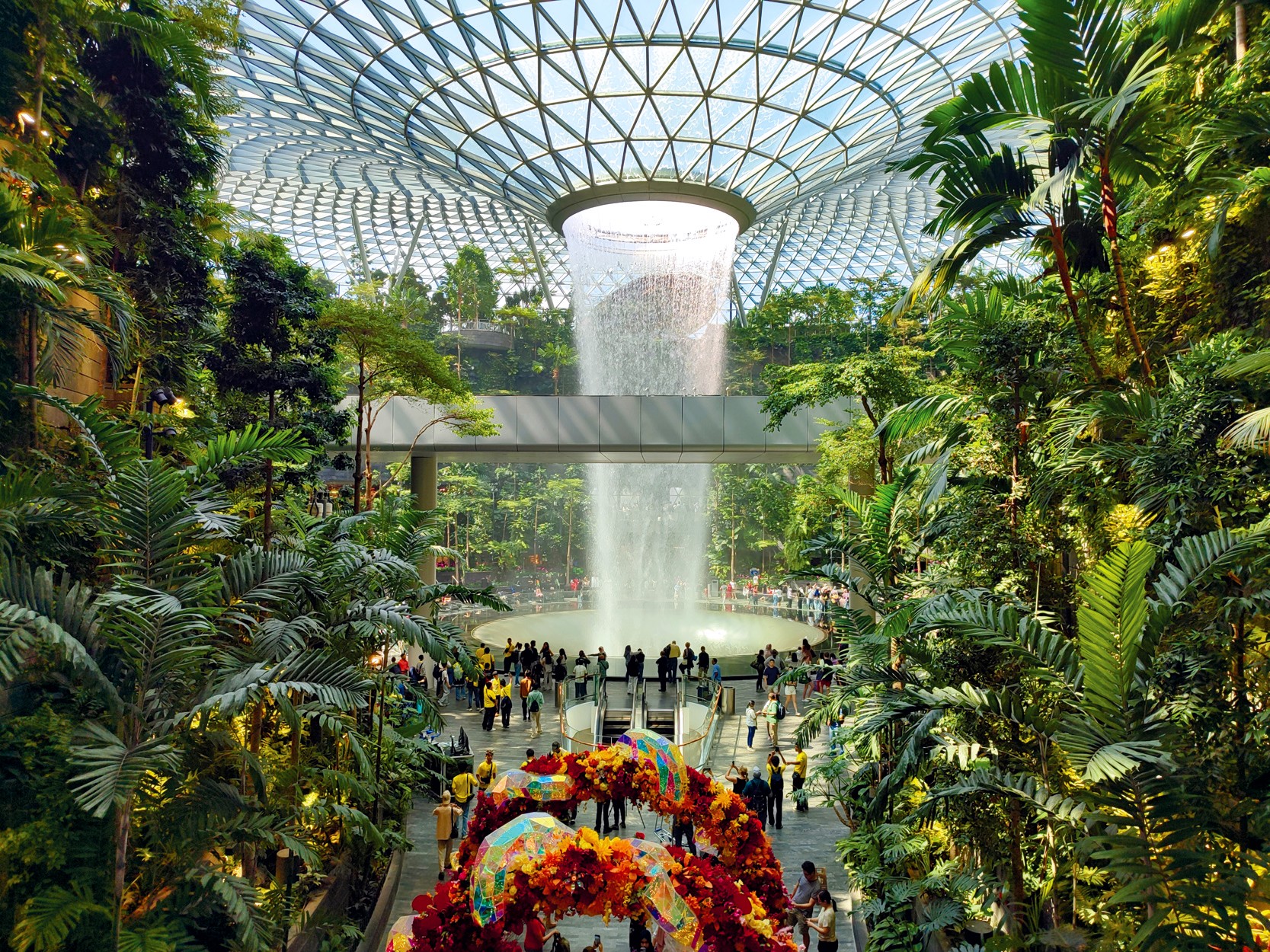
Changi Airport is among the most modern and convenient airports globally. More than just a transit hub, it offers extensive entertainment options akin to a miniature city. Repeatedly ranked the world's best airport by international ratings, Changi attracts thousands annually—not only as a destination but as an attraction itself.
The airport comprises four terminals serving millions of passengers yearly. Each terminal offers more than just shops and cafes—it provides unique spaces where travellers can find remarkable experiences.
One standout feature is the abundance of green spaces scattered throughout the complex. Passengers can enjoy nature while waiting for flights: one terminal houses a luxurious orchid garden boasting over 1,000 orchid species; another features a butterfly garden where visitors can observe these exquisite insects amid natural surroundings.
The main highlight is Terminal 4—an exemplar of cutting-edge technology and design. At its centre stands the "Pearl," an entertainment complex opened in 2019 under a glass dome that has become an airport symbol. It houses the world's tallest indoor waterfall at 40 metres high—a spectacular sight day and night when illuminated by multi-coloured lights. The Pearl's rooftop offers a walking trail with panoramic views connecting various airport sections.
Changi also features over 280 shops and restaurants ranging from global fashion brands to local delicacies. There is a free 24-hour cinema as well as playrooms equipped with entertainment devices for children. Spas and massage parlours offer relaxation options too.
Travellers should note that Changi is very large; if connecting between different terminals, allow sufficient time as free shuttle services operate between them.
In the Lion City
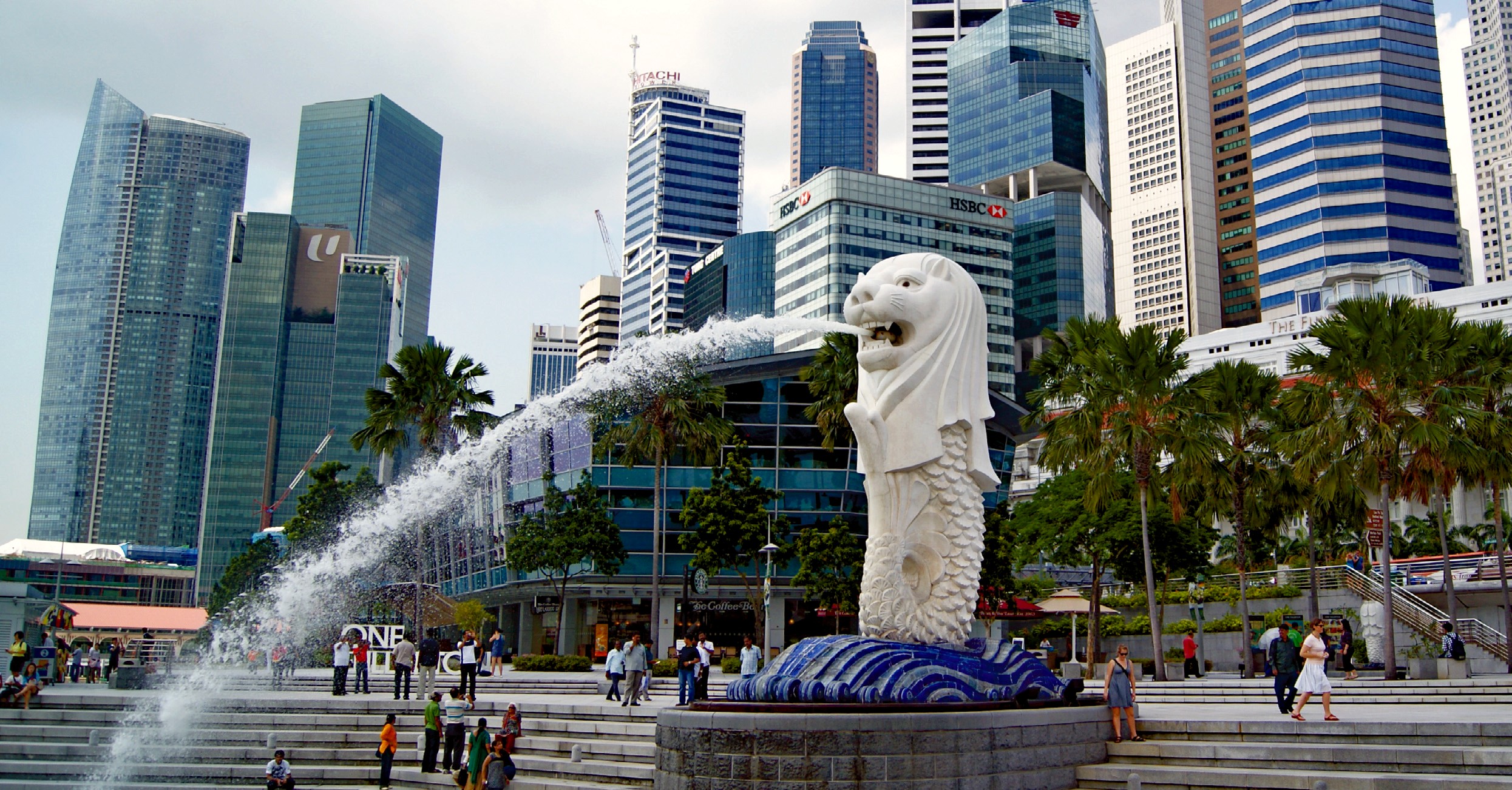
The name Singapore originates from Sanskrit: sinha means "lion" and pura means "city." According to legend, while walking on Tumasik Island in the 14th century, the first Malay king Sang Nila Utama spotted an unusual animal that only a travelling sage recognised as a lion.
Singapore's mythical symbol is the merlion—a creature with a lion's head and fish's body—believed in ancient times to protect the island from natural disasters.
The city-state consists of 63 islands including several man-made ones. Its neighbours are Malaysia and Indonesia, connected by sea routes as well as causeways and bridges.
Singapore ranks second globally in population density after Monaco, with 8,169 residents per square kilometre.
Almost 77 per cent of the population are Chinese; about 14 per cent Malay; around 8 per cent Indian origin (including Tamils, Punjabis, Bengalis, Malayalis). Buddhism, Islam, Christianity, Taoism, Confucianism, and animism peacefully coexist here.
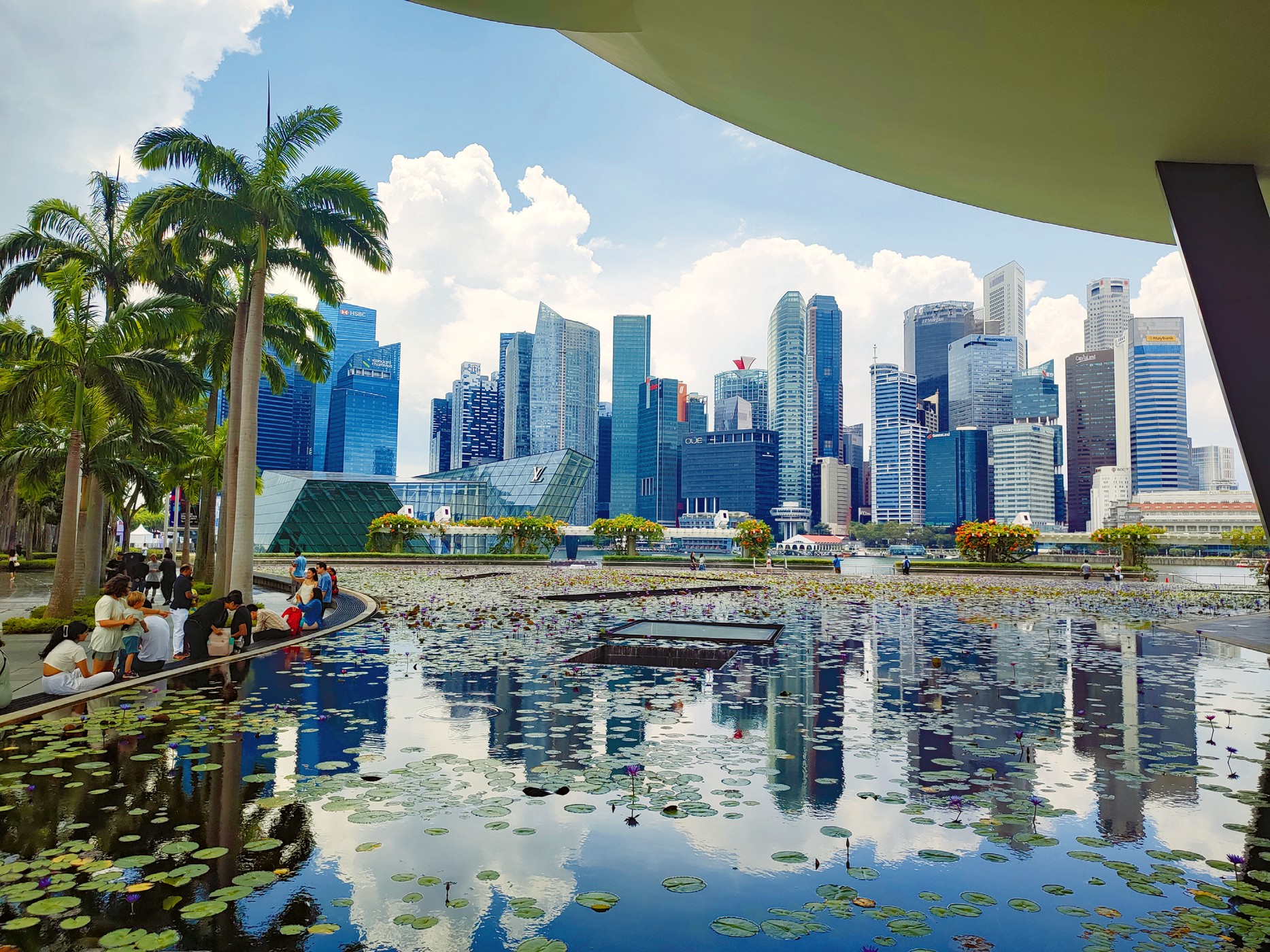
This ethnic and religious diversity shapes Singapore's unique character—modern business skyscrapers stand alongside cosy neighbourhoods such as Chinatown, Little India and Arab Street.
Singapore boasts one of the world's best education systems with a literacy rate of 99.9%, alongside excellent healthcare facilities—though free medical care is limited only to citizens and residents so tourists should ensure they have international medical insurance.
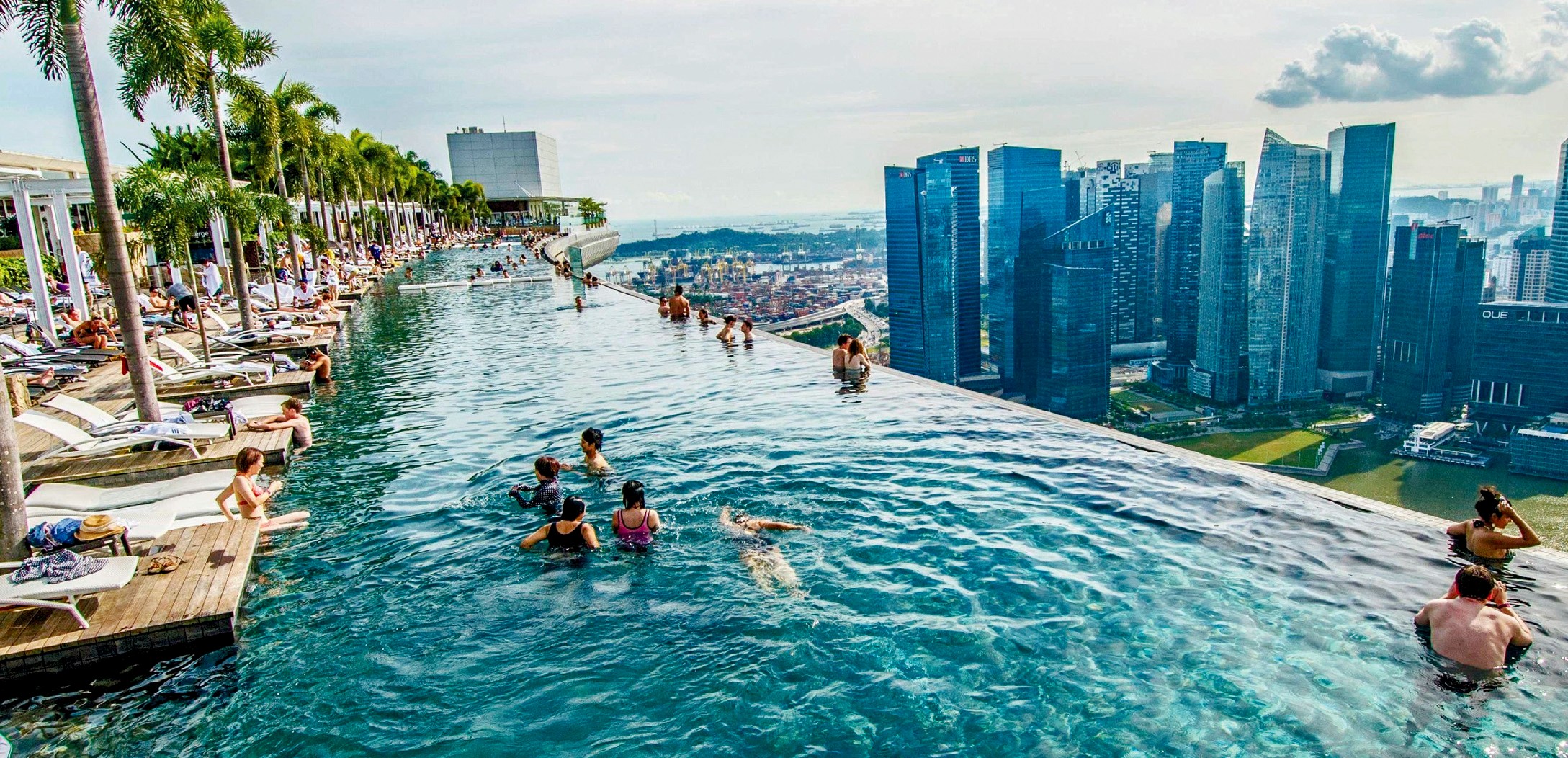
Among top attractions is Marina Bay Sands hotel-casino with its famous rooftop infinity pool—the Sands SkyPark—perched 200 metres above ground offering stunning cityscape views. Only hotel guests may access the pool; many tourists rent rooms solely to experience it firsthand. Room rates vary seasonally; standard rooms average between SGD 400-500 ($300–375) per night while deluxe suites start around SGD 1,500 ($1,100). Non-guests can visit the building's observation deck spanning three towers linked by a sky bridge.
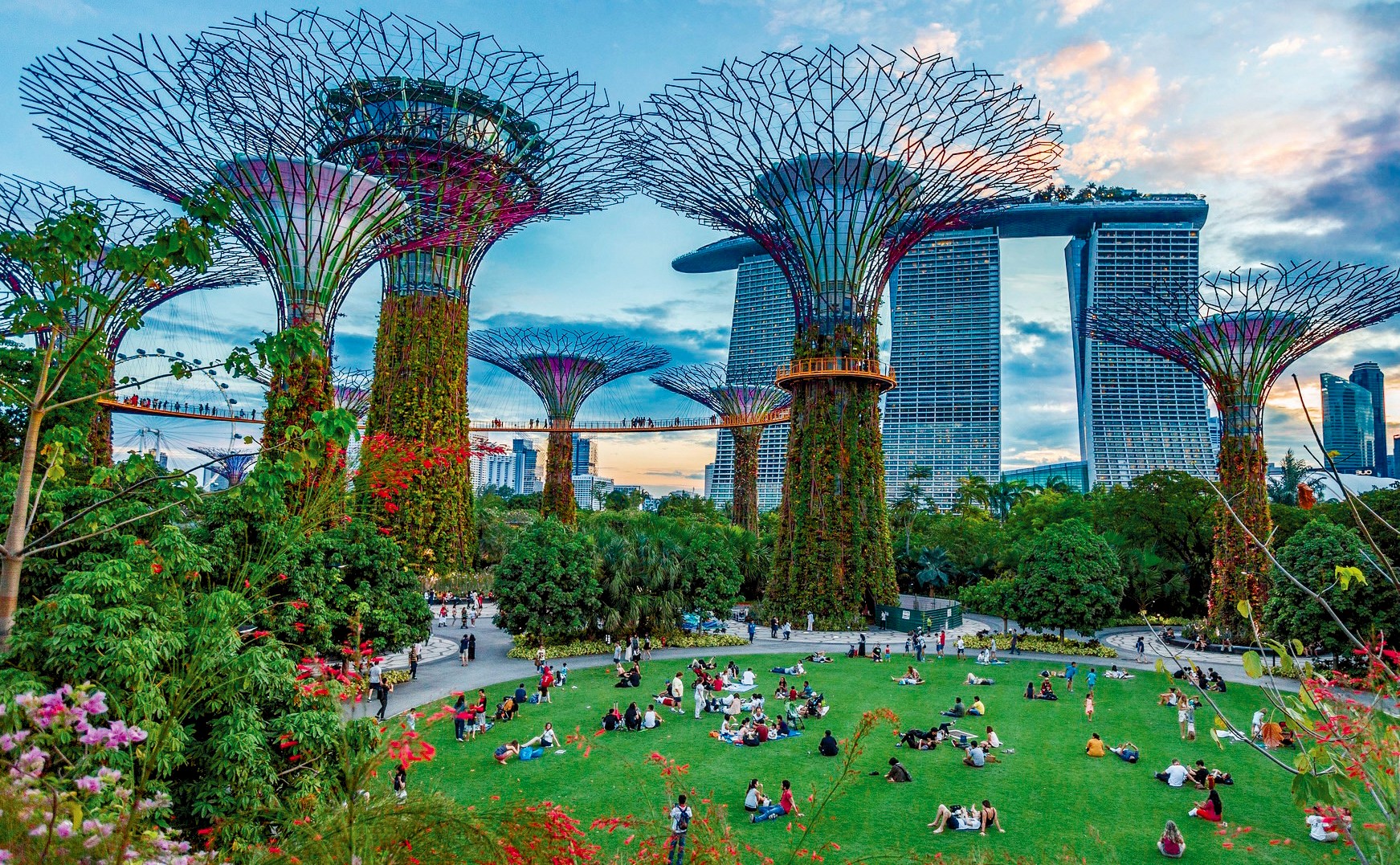
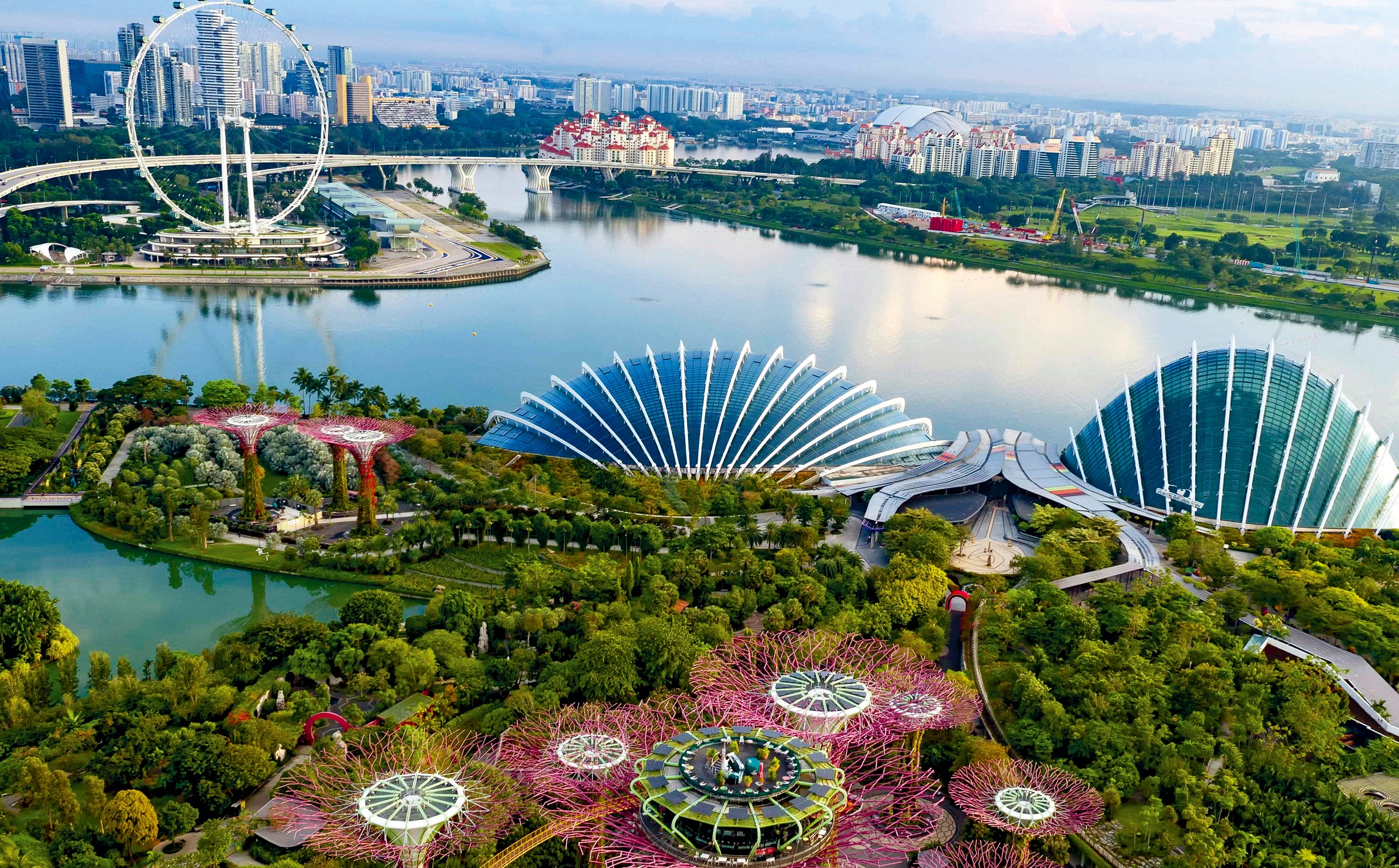
Another iconic site is Gardens by the Bay—a futuristic park near Marina Bay Sands symbolising Singapore's vision as a city of the future. Unlike many tourist spots, Gardens by the Bay offers free entry both day and night.
Located near Bayfront metro station—ideal for travellers on short layovers—the gardens feature expansive paid greenhouses: Flower Dome and Cloud Forest; eighteen towering "Supertrees"; a suspension bridge called Skyway suspended 22 metres above ground; as well as pavilions showcasing cacti, dragonfly lakes, sculpture-lined paths, concert stages seating 30,000 people, restaurants and cafes.
Singapore's multicultural heritage shines through its neighbourhoods: Chinatown offers traditional Chinese cuisine and history; Little India immerses visitors in vibrant colours, aromas and Indian food culture.
The renowned Singapore Zoo provides naturalistic habitats employing innovative animal care techniques. The Night Safari allows visitors to observe rare animals in their nocturnal environment—both highly recommended experiences.
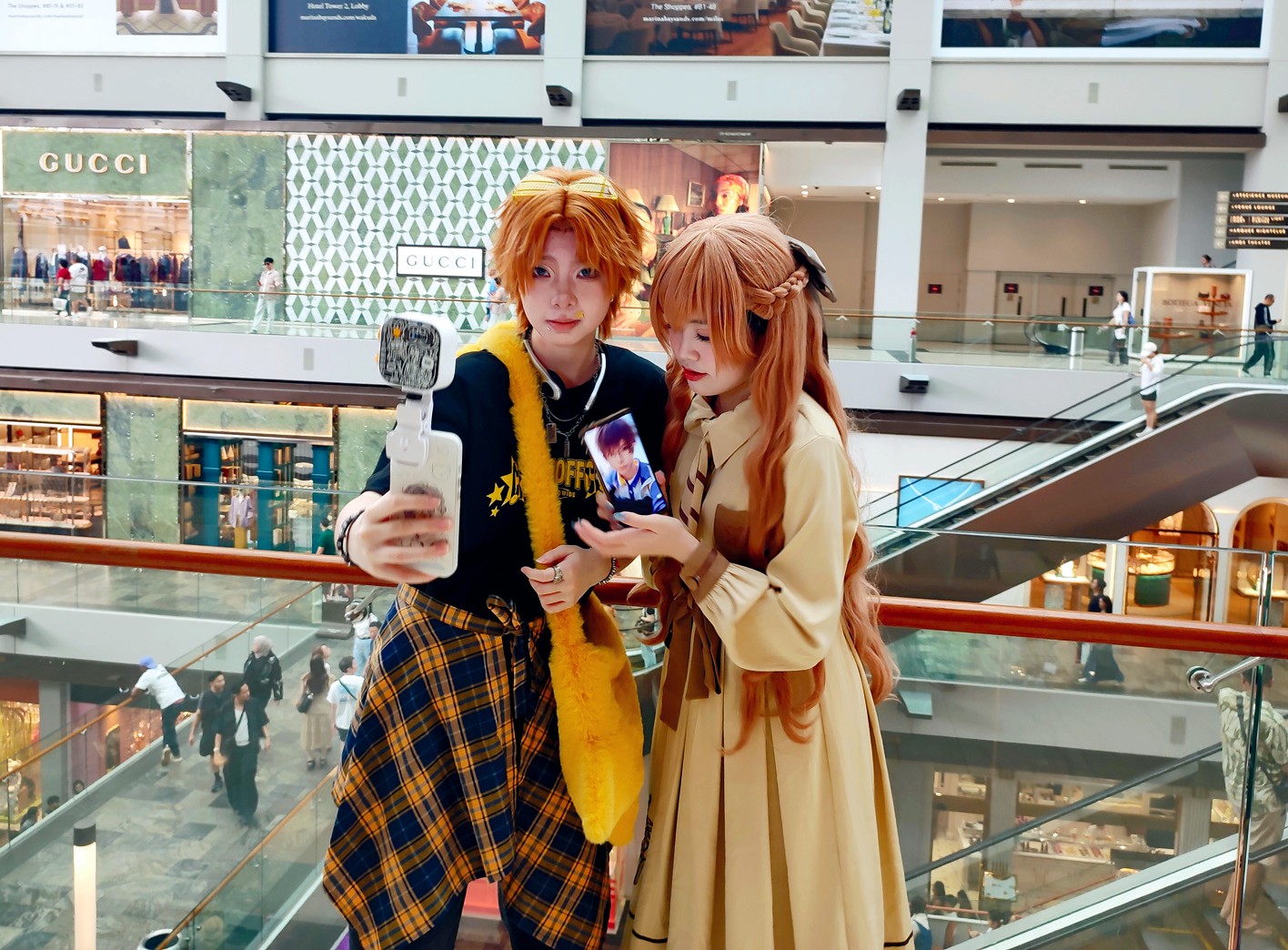
For shopping enthusiasts, Orchard Road is Singapore's premier retail street featuring prestigious boutiques, malls and restaurants—from international fashion labels to local designers.
Singapore is also a paradise for lovers of Asian cuisines including Chinese, Indian and Malay dishes; however, tourists from Azerbaijan or other CIS countries and Europe may find familiar foods less common here.
The greenest country
Singapore rightly earns its reputation as one of the world's greenest countries—not just a publicity claim but the result of deliberate environmental policies promoting harmony between humans and nature. Achieving sustainable development was challenging but today green areas cover nearly half the country's territory.
The city features an extensive network of urban parks and gardens integral to daily life. The Orchid Garden alongside other botanical spaces such as the UNESCO-listed Singapore Botanic Gardens demonstrate both aesthetic beauty and commitment to biodiversity conservation.
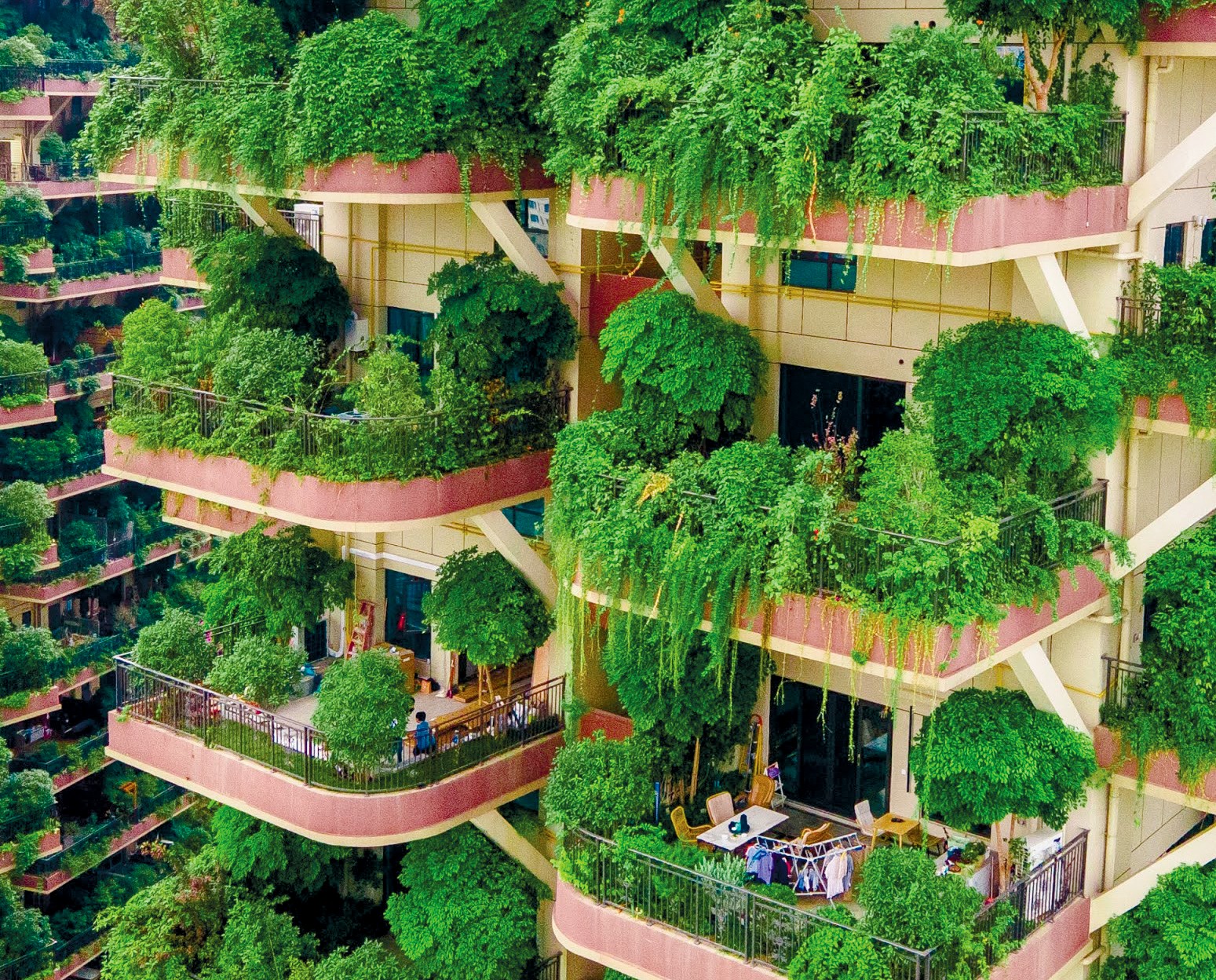
A key characteristic is widespread use of greenery on rooftops—"green roofs" fitted with plants on balconies and terraces are actively promoted here. This practice improves air quality while reducing urban heat—a crucial benefit in tropical climates.
Singapore embraces sustainable construction using energy-efficient technologies certified by initiatives like BCA Green Mark which recognises environmentally friendly buildings that minimise energy use while employing natural materials.
Water management is another success story: advanced water treatment and reuse systems support irrigation of parks amid scarce natural freshwater resources.
Beyond large parks Singapore invests heavily in greening streets and public spaces through "green corridors" connecting parks with residential areas—enhancing biodiversity while creating pleasant urban environments. One notable example is the Green Corridor network of alleys linking major parks across the city.
Singapore offers an exceptional blend of culture, technology and nature making it an outstanding travel destination. With stunning sights, incredible cuisine and exceptional safety standards it ranks among the world's top tourist locations.
Whether admiring skyscraper views from high-rise vantage points or exploring historic neighbourhoods steeped in multicultural charm—or savouring exotic local dishes—Singapore guarantees unforgettable experiences that visitors will cherish forever.
RECOMMEND:
 295
295

