

ON THE SYRIAN STAGE
Will Türkiye and Israel Avoid Armed Conflict?
Author: Natig NAZIMOGHLU
The prolonged crisis in Syria, which has not yet fully emerged from its state of armed conflict, risks being compounded by new developments. The interests of Türkiye and Israel have clashed within this country’s borders to such an extent that the threat of a major war cannot be dismissed.
Escalation Intensifies
Relations between Türkiye and Israel, once close partners, have deteriorated significantly amidst the ongoing Palestinian-Israeli conflict. The prospect of dialogue between Tel Aviv and Ankara—which has consistently condemned the Jewish state’s policies toward the Palestinians—was cut short with the latest escalation, triggered by Hamas’ attack on Israel in October 2023 and the subsequent Israeli military operation in Gaza, which continues to this day. Now, Syria has become another flashpoint between Israel and Türkiye.
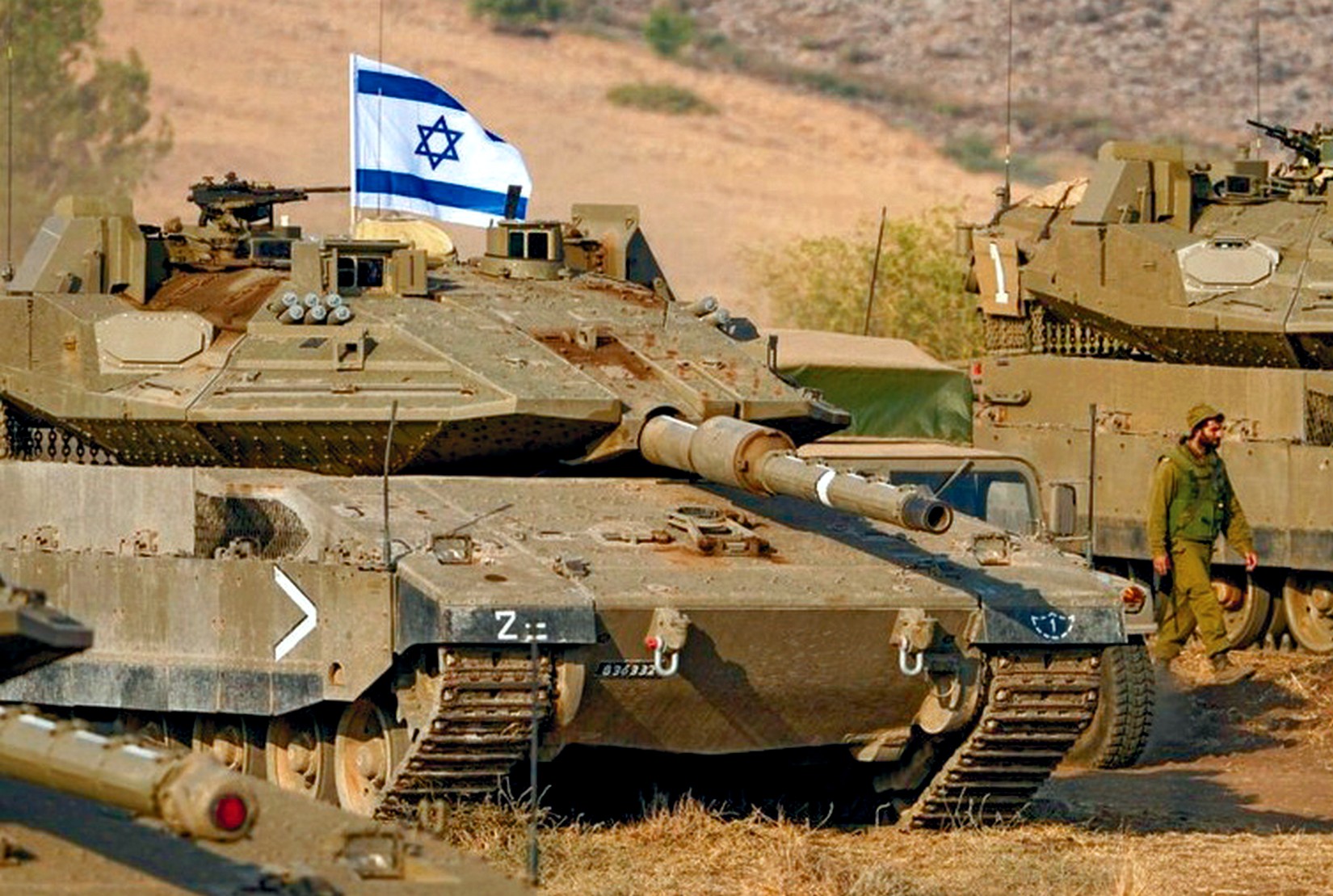
Israel views Türkiye’s growing presence in Syria, now under an Islamist-led government, as a serious existential threat. Significant strikes against the so-called Iranian Shiite Axis, including the weakening of Bashar al-Assad’s regime in Syria and the Lebanese Hezbollah group, have substantially curtailed Tehran’s influence in the Middle East. Now, Israel is alarmed by the potential formation of a Sunni Axis under Türkiye’s leadership. This danger is taken particularly seriously given Türkiye’s direct proximity—bolstered by NATO’s second-largest army after the US, its patronage of Syria’s new leadership, and its support for Hamas—to Israel’s borders.
Türkiye remains committed to strengthening the military-political capabilities of post-Assad Syria, a move that would also consolidate Ankara’s geopolitical standing in the broader Middle East. One tool for expanding Turkish influence is the deployment of troops across Syrian bases. Reports indicate efforts to restore the Tiyas (T4) airbase near Palmyra, which is expected to be equipped with Türkiye’s Hisar air defence system to protect Syrian airspace.
Fearing that Turkish control over Syrian military bases would restrict its freedom of operation in the country’s skies, the Israeli Air Force has struck several Syrian targets, including the Tiyas airbase. According to Western media, Israeli Prime Minister Benjamin Netanyahu emphasised the need to "act within a limited window to strike the T4 base before Türkiye can deploy its assets there."
Israel’s actions signal its refusal to tolerate Turkish military bases in Syria. Defence Minister Israel Katz even warned Syria’s new authorities of "severe consequences", if they "allow forces hostile to Israel to enter the country."
Meanwhile, Ankara has accused Israel of provocative policies in Syria. "If Israel perceives a security threat concerning itself, it should articulate its concerns in a manner that respects the sovereignty and territorial integrity of a neighbouring state," stressed Turkish Foreign Minister Hakan Fidan. He condemned Israeli strikes in Syria as "undermining Syria’s ability to defend itself against ISIS and other threats," adding, "What Israel is doing in Syria not only endangers Syrian security but also paves the way for future regional instability. I do not believe this bodes well for Israel’s future in the region."
Ankara has made it clear that it will not tolerate Israeli actions against either the Türkiye-backed Syrian government or Turkish interests themselves. Given the diametrically opposed stances, the current crisis in Türkiye-Israel relations is seen as unprecedented, with the potential for direct military confrontation. One proposed solution, floated by Israel, is the division of Syria into spheres of influence: Türkiye would consolidate control in the north, where it combats Kurdish militant groups, while Israel secures the south, leveraging support from Syria’s Druze community. However, the challenge lies in Türkiye’s insistence on Syria’s territorial unity, whereas Israel may find a fragmented Syria more advantageous—especially since a strong, Türkiye-aligned Syria could pose a security threat.
Nevertheless, establishing zones of influence is considered a potential temporary measure to stabilise the situation and avert full-scale conflict. According to Middle East Eye, Türkiye and Israel are negotiating a demarcation line in Syria to "avoid misunderstandings."
Trump Promises Mediation
Dialogue between Türkiye and Israel remains possible, if only because neither side is fundamentally interested in military confrontation—a point both Ankara and Tel Aviv have explicitly stated. While Fidan affirmed that Türkiye "is not seeking conflict with Israel," Netanyahu stressed Israel’s reluctance to "let the situation in Syria trigger a conflict with Türkiye."
It is also evident that neither country’s closest allies and partners—particularly the US—wish to see the crisis escalate further. This was made clear during Netanyahu’s recent visit to Washington.
Meeting with Netanyahu, US President Donald Trump expressed confidence in facilitating Türkiye-Israel talks, citing his strong rapport with Turkish President Recep Tayyip Erdogan. He praised Erdogan as a "very strong, smart leader" who achieved "what no one else did in 2,000 years—taking control of Syria."
Responding to Netanyahu’s remarks about "issues with Türkiye in Syria," Trump assured, "I believe I can resolve any problems you have with Türkiye. But we all, including you, must be reasonable on this matter."
Thus, Trump signalled to Netanyahu that while the US maintains close ties with Israel, it will not take sides in its standoff with Türkiye, as it seeks to avoid conflict between two allies. This stance is further justified by Washington’s broader Middle East focus on countering Iran—a shared interest that could help mediate Türkiye-Israel tensions.
Netanyahu, post-meeting, acknowledged the US as a potential mediator to prevent conflict with Türkiye over Syria. Meanwhile, another state—with tacit approval from both sides and their powerful US ally—has emerged as a key intermediary: Azerbaijan.
Azerbaijan’s Mediation
US President Donald Trump sent Azerbaijani President Ilham Aliyev a Novruz congratulatory message, reaffirming US support for Azerbaijan’s sovereignty and territorial integrity while thanking Baku for its friendship with Israel, a US partner. This underscores Azerbaijan’s growing international influence—particularly as the Trump administration works to prevent direct Türkiye-Israel clashes in Syria.
The emphasis in Trump’s message also highlights US interest in Azerbaijan’s mediation, given Baku’s past success in fostering Türkiye-Israel dialogue.
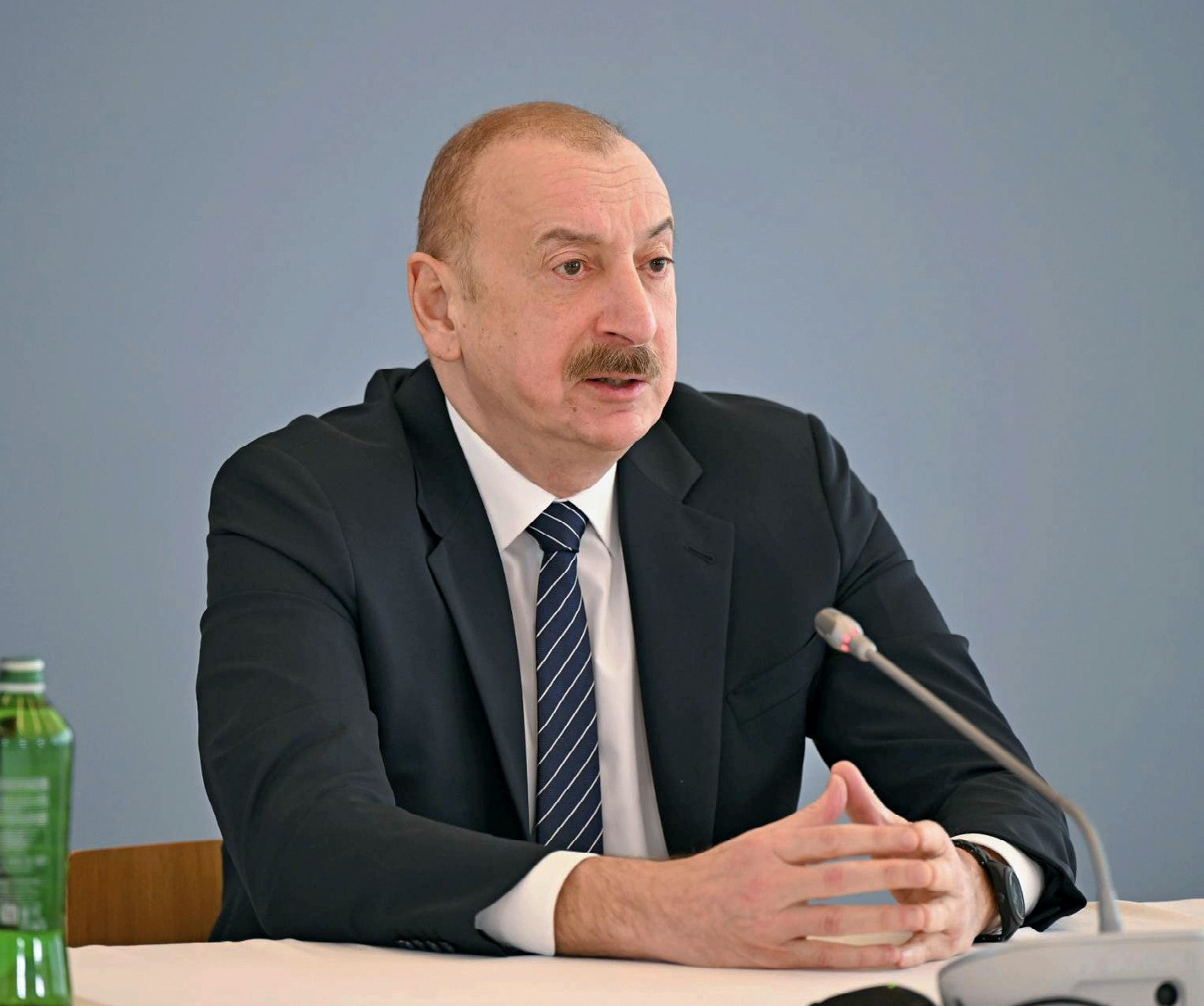
Addressing the escalating tensions at ADA University’s Toward a New World Order forum, President Aliyev expressed concern over the crisis between two of Azerbaijan’s allies: "With Türkiye, we are formal allies under the 2021 Shusha Declaration, though our de facto alliance long predated it. Israel, too, is a friendly nation, and our mutual support has been demonstrated in difficult times. This tension naturally troubles us." Aliyev also noted Azerbaijan’s role in facilitating the first Türkiye-Israel reconciliation.
His remarks confirmed Baku’s past mediation efforts and its readiness to assist again, particularly as Türkiye and Israel edge toward potential conflict.
This commitment was demonstrated by direct Türkiye-Israel talks in Baku. Turkish media reported discussions on establishing a mechanism to prevent unintended incidents in Syria, while Israeli officials thanked President Aliyev for hosting the meeting.
Recent developments thus indicate three key points:
1. Azerbaijan’s mediation is welcomed by Türkiye, Israel, and the US, all of whom seek improved relations.
2. The Baku talks reflect both sides’ reluctance to escalate further and their commitment to avoiding armed conflict.
3. Azerbaijan’s role complements US efforts to resolve the crisis—a contribution acknowledged by Washington, further solidifying Baku’s rising influence in Eurasian and Middle Eastern geopolitics.
RECOMMEND:
 239
239

