

BAKU AND THE GLOBAL SOUTH
Azerbaijan demonstrates advantages of offensive diplomacy at Antalya Forum
Author: Ilgar VELIZADE
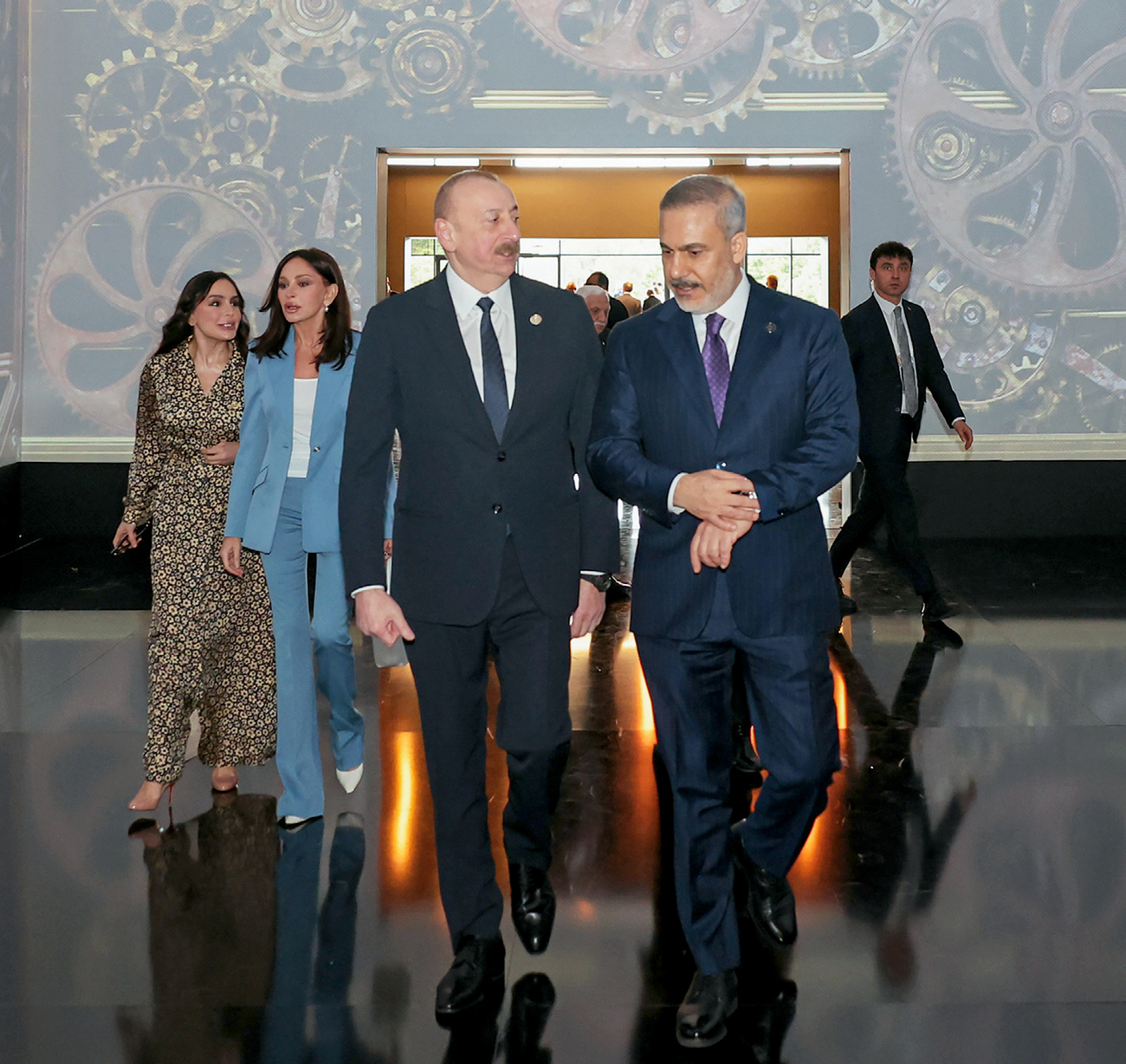
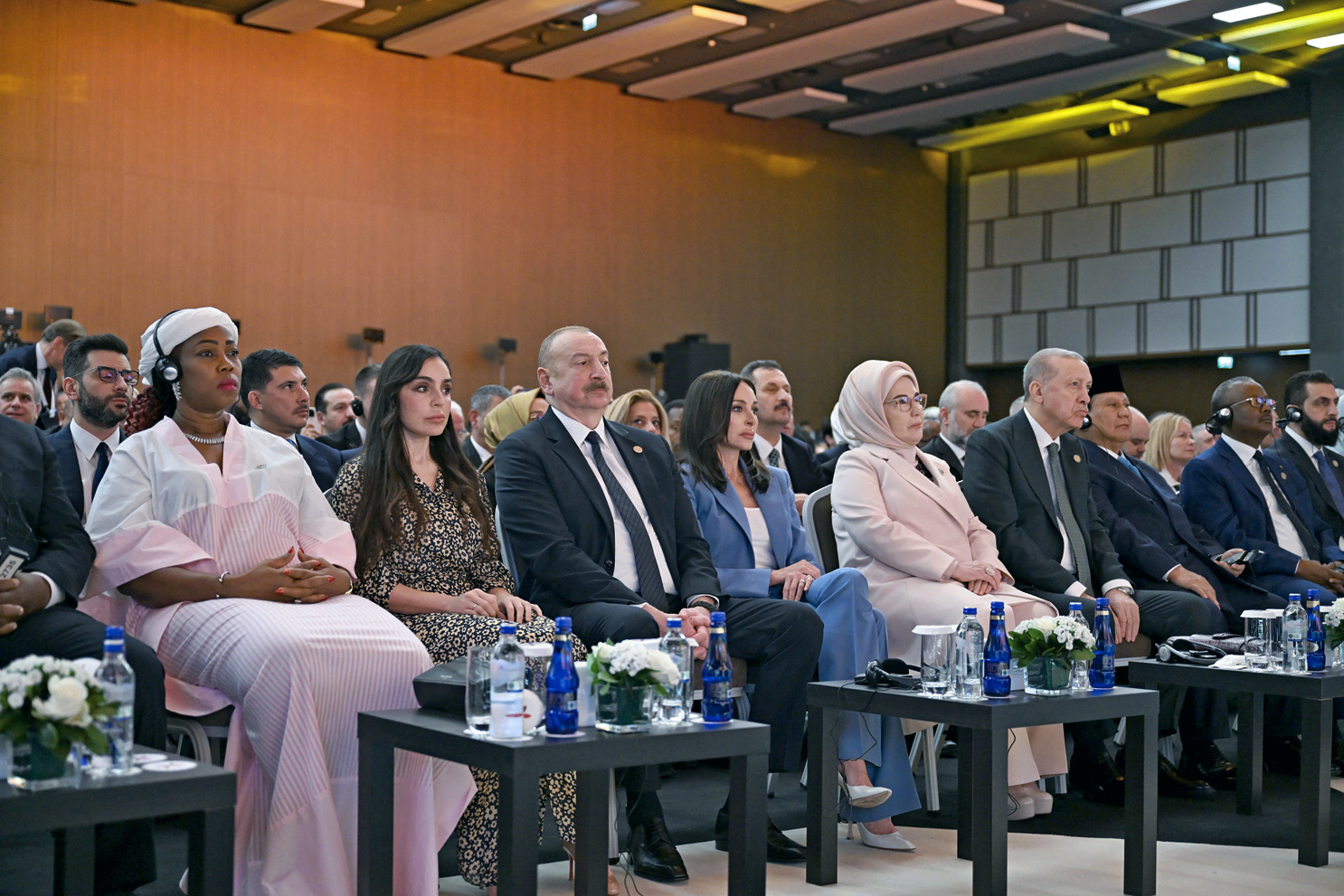
The fourth Antalya Diplomatic Forum took place in Türkiye's main resort city of Antalya on April 11-12. It brought together presidents, diplomats, politicians, experts, and scholars from various countries to discuss pressing international issues amid significant geopolitical shifts.
The Forum was opened by Turkish President Recep Tayyip Erdogan and Foreign Minister Hakan Fidan. Their opening speeches centred on the theme "The Return of Diplomacy in a Fractured World." Leaders emphasised the role of diplomacy in addressing both regional and global challenges.
The scale of the event is reflected in the number of participants—over four thousand, including more than 20 heads of state and government, 70 ministers, and some 60 high-level representatives of international organisations.
Ankara sets the tone
The forum’s programme was extensive, featuring more than 50 sessions covering a broad range of topics. These ranged from key global issues such as climate change, counter-terrorism, humanitarian aid, digitalisation, food security, and artificial intelligence to regional concerns.
The forum was primarily attended by representatives of countries and political circles that recognise Türkiye’s authority and leadership in the current international relations system. They view the congress as a sign of the increasing ability of the Global South to formulate and propose solutions to global crises.
A central message in President Erdogan’s speech was that Türkiye can help overcome geopolitical divisions related to Ukraine, Syria, and the trade war triggered by US-imposed duties.
The day before, regular Russian-American consultations on normalising diplomatic relations between the two countries concluded in Istanbul, Türkiye. Furthermore, Türkiye’s strengthened presence in Syria offers hope for stabilising the country, which has been devastated by years of civil war. Even US President Donald Trump acknowledged in a conversation with his Turkish counterpart that he had managed to achieve what seemed almost impossible in Syria. Regarding Ukraine, it was the 2022 Istanbul talks that produced the first agreements between warring Russia and Ukraine, demonstrating to the world that negotiation and agreement between the two countries were possible. Today, in the emerging European security environment, Türkiye is once again offering mediation in the Russia-Ukraine conflict alongside efforts by the United States.
Friends and foes are known by deeds
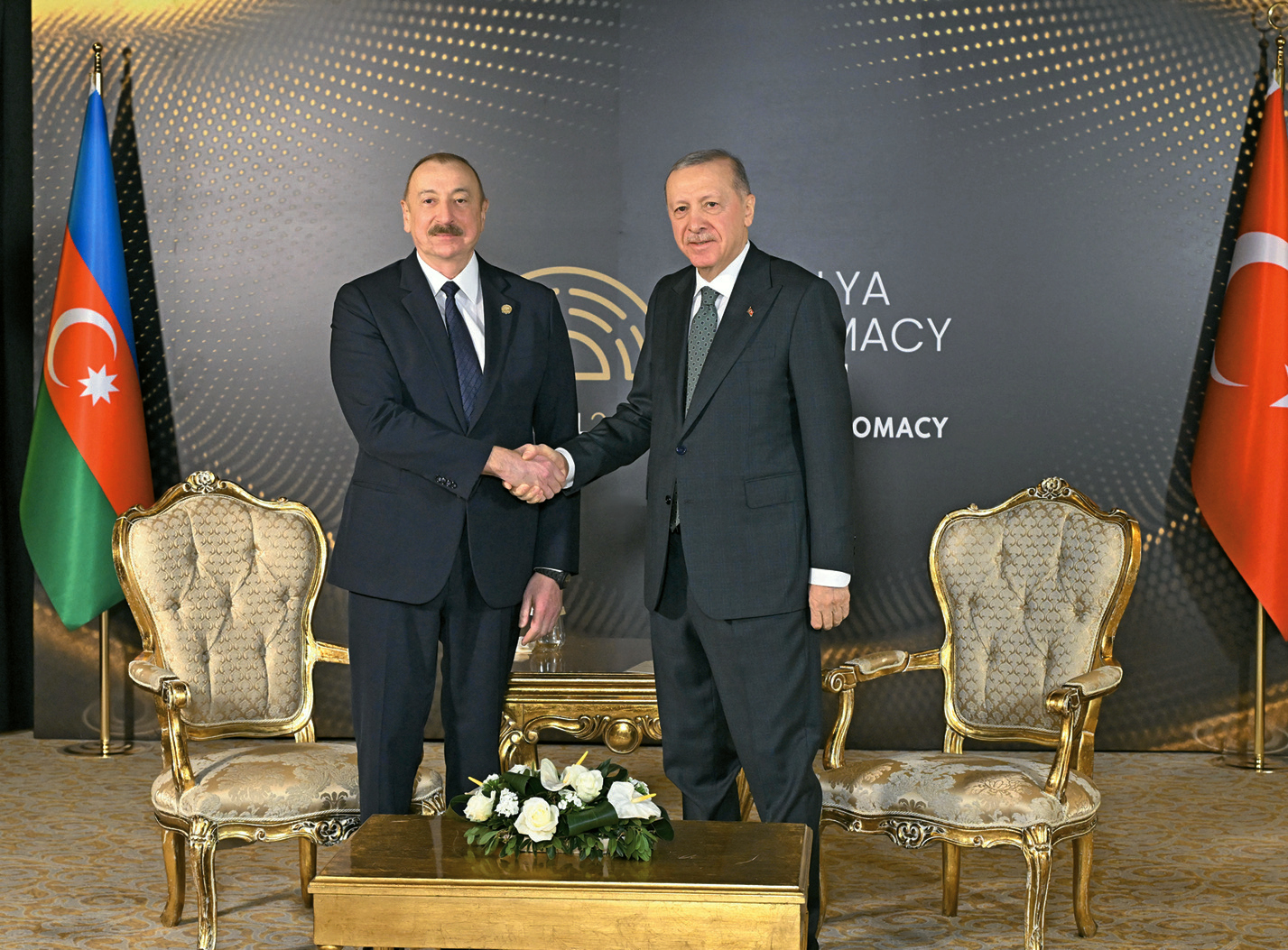
President Ilham Aliyev, who refers to his Turkish counterpart not only as a friend but also as a brother, was among the forum participants. Recently, some media outlets and experts have suggested that serious disagreements have emerged between the leaders of the two countries concerning regional matters—specifically Azerbaijani-Armenian and Azerbaijani-Israeli relations. However, the warm meeting between Presidents Erdogan and Aliyev, their negotiations, and the messages conveyed at the forum fundamentally refuted these speculations.
The Turkish President expressed satisfaction with Azerbaijan’s role and position in the peace-building process with Armenia, calling the country "the architect of peace in the South Caucasus". Meanwhile, Baku’s principled stance on the Northern Cyprus issue, voiced by President Ilham Aliyev at a forum held at ADA University, was gratefully acknowledged by Northern Cyprus President Ersin Tatar.
Additionally, Azerbaijan plays an extremely important role in establishing Turkish-Israeli dialogue—a fact recognised by both Türkiye and Israel.
President Aliyev’s meetings with leaders of various countries and international organisations are also noteworthy. On April 12 in Antalya, Ilham Aliyev met with Council of Europe Secretary General Alain Berset, who attempts to maintain an equidistant position in relations with Azerbaijan and Armenia. Berset had visited Baku as part of COP29 and participated in discussions promoting important decisions related to the global climate agenda.
The President of the Parliamentary Assembly of the Council of Europe (PACE), Theodoros Roussopoulos, holds a markedly different stance. In an interview with Alpha News, he claimed that Azerbaijani statements about the Council of Europe justified depriving Azerbaijan’s delegation of its powers in the Assembly. Naturally, Baku distinguishes between the Council of Europe and PACE, whose attitude contradicts the leadership’s actions within that organisation. Therefore, it was quite natural that Alain Berset and Ilham Aliyev had a constructive exchange on prospects for relations between Baku and the Council of Europe’s executive bodies. It should be recalled that Roussopoulos, along with 76 PACE members who supported the biased initiative to suspend Azerbaijan’s delegation powers in the Assembly, was blacklisted by the Azerbaijani Foreign Ministry.
Developing a dialogue with the Global South
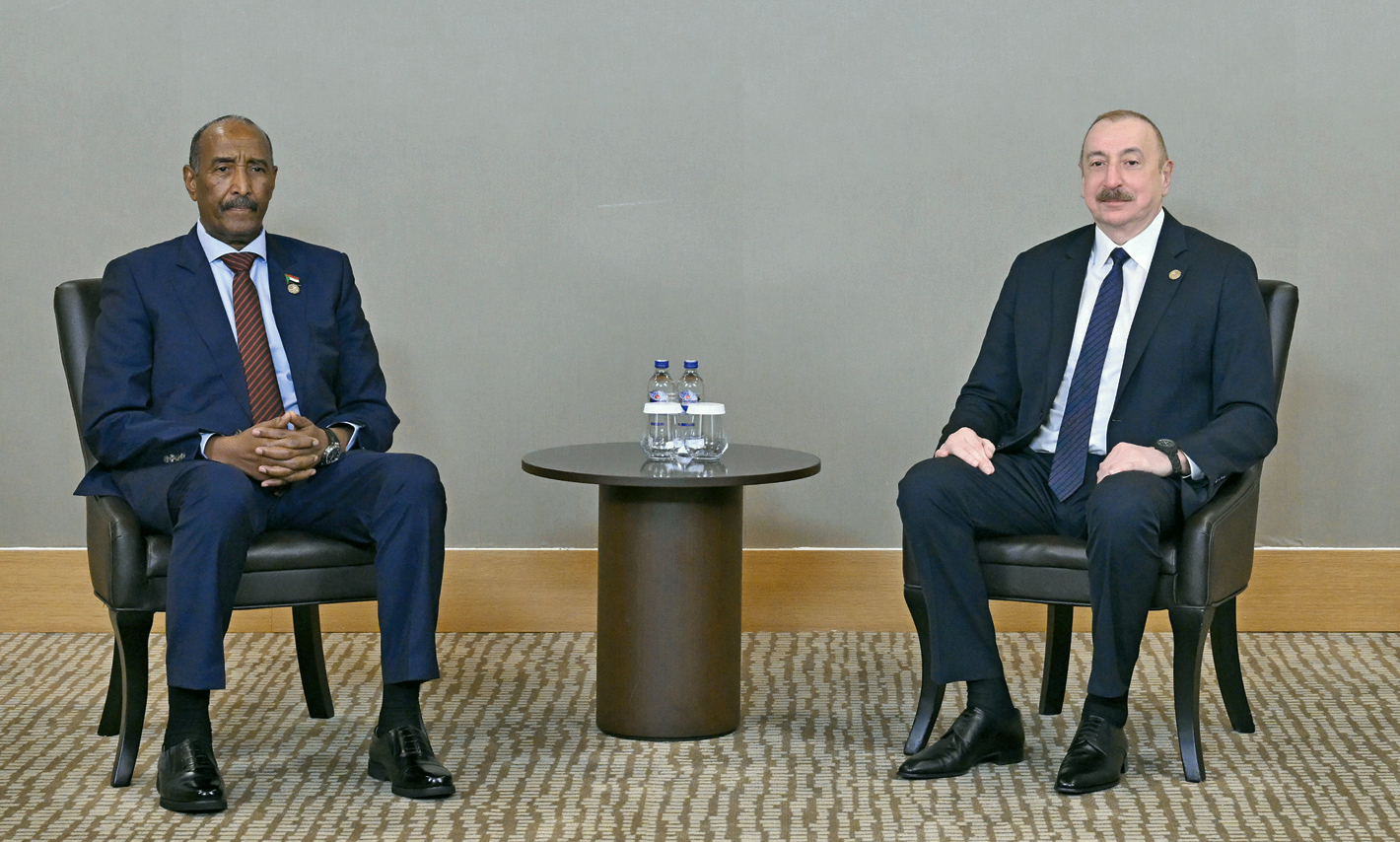
President Ilham Aliyev met with Sudan's Sovereign Transitional Council Chairman Abdel Fattah Abdelrahman Al-Burhan in Antalya. Sudan has been enduring a prolonged civil conflict since 2023. The situation is now changing: on March 26, 2025, government forces took full control of Khartoum and are advancing against rebel-held areas. Sudan’s government is backed by Türkiye. Expanding ties with Khartoum amid the civil conflict’s resolution strengthens Azerbaijani-Turkish cooperation in Africa and promotes Baku’s interests in this resource-rich region. External actors’ interests have frequently led to bloody conflicts there.
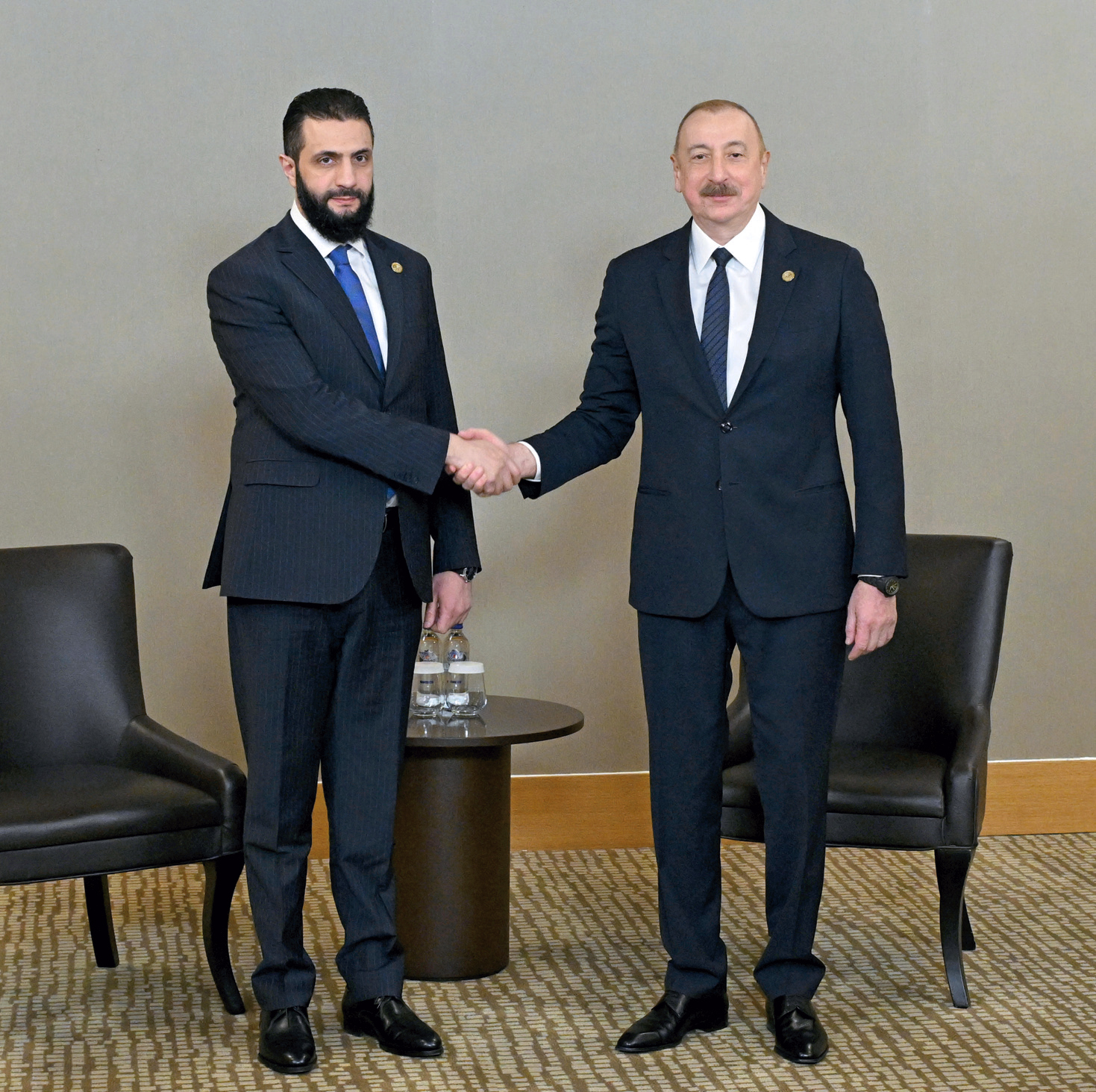
Another important meeting was with Ahmed al-Shara'a, President of Syria’s transitional Arab Republic. The day before, a new transitional government was formed in Syria, with reconstruction as a vital task ahead. During discussions with Syria’s leader, it was noted that Azerbaijan is ready to contribute to Syria’s reconstruction efforts—essential for stabilising the country. Energy, infrastructure, and security were mentioned as potential areas for Azerbaijani assistance.
Aliyev also met with Georgian Prime Minister Irakli Kobakhidze. Highlighting unity and solidarity between Azerbaijan and Georgia amid current global turbulence, Ilham Aliyev stressed that South Caucasus problems should be resolved by regional countries themselves. In turn, Kobakhidze thanked Aliyev for his stance during his speech at an international forum at ADA University. According to Kobakhidze, Aliyev’s views on bilateral relations were met with great interest in Georgia. As is known, in his speech, Azerbaijan’s President sharply criticised Western policies pressuring Georgian authorities, describing them as interference in Georgia’s internal affairs. Simultaneously, he supported Georgian authorities’ actions and affirmed that Azerbaijan will always stand by Georgia as its most important strategic partner in the region.
Offensive diplomacy in action
First Lady Mehriban Aliyeva and Foreign and Defence Ministers Jeyhun Bayramov and Zakir Hasanov followed a separate schedule of meetings and negotiations. Presidential Representative for Special Assignments Elchin Amirbayov and COP29 President Mukhtar Babayev also actively participated in the Forum.
Azerbaijan's diplomatic activity at the Antalya Diplomatic Forum reflects its growing regional role and deeper involvement in Global South issues.
No delegations from the US or Europe attended the event. In this sense, the summit can be seen as a reflection of the Global South’s independent approach to current international political issues.
Amid a silent boycott by Western countries, the Global South strives to find its own solutions to pressing challenges. The Contact Group on Gaza meeting—which included foreign ministers from Azerbaijan, Armenia and Georgia during discussions on "Challenges and Opportunities for Regional Cooperation in the South Caucasus"—confirmed a desire to resolve regional interaction problems primarily through local efforts. The talks between Türkiye and Israel on humanitarian aid and possible de-escalation measures mediated by Azerbaijan demonstrate tangible potential for such contact formats.
Several years ago, President Ilham Aliyev stated that Azerbaijan needs offensive diplomacy—that is, not waiting for regional or global events to exert pressure forcing reactive measures to protect national interests.
In offensive diplomacy, one shapes reality proactively so others must take it into account. Such a policy demands greater effort but alone delivers results aligned with strategic state interests. At the Antalya Forum, Azerbaijan demonstrated the benefits of this approach both to its allies and detractors alike.
RECOMMEND:
 259
259

