

SECRETS OF PORTO
Travelling through one of the most picturesque parts of Portugal
Author: Elchin HUSEYNOV, Baku-Porto-Baku
Porto, Portugal’s second-largest city, captivates visitors with its unique atmosphere, rich history, breathtaking views, and exquisite cuisine. A vital trading and cultural centre since antiquity, the city retains its timeless charm, seamlessly blending ancient traditions with modern influences. For those seeking the essence of old Europe—infused with cosiness, contemporary flair, and gastronomic delights—Porto stands as an ideal destination.
The Bridge That Stole the Skyline
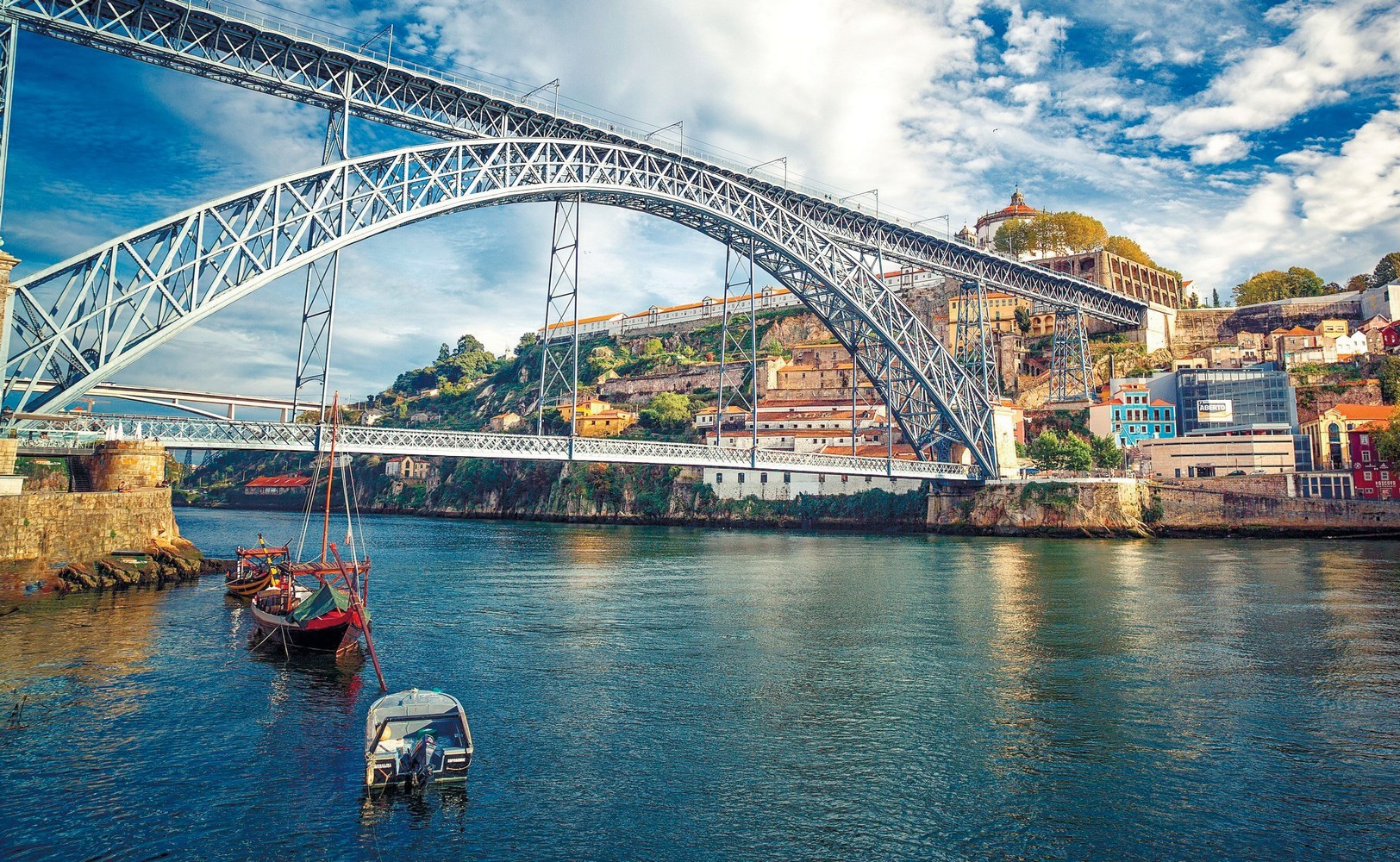
They call Porto the "City of Bridges," and for good reason. It lies in northwestern Portugal along the Atlantic coast. The Douro River cuts through its heart, evoking comparisons to Istanbul, with six bridges connecting its banks—each steeped in history. The most iconic of these, the Dom Luís I Bridge (Ponte Dom Luís I), serves as Porto’s visual emblem. This striking metal arch bridge, spanning over 500 metres, links Porto to Vila Nova de Gaia, the epicentre of Portuguese port wine production. Designed in 1886 by Théophile Seyrig, a protégé of the famed Gustave Eiffel, the bridge offers panoramic views of the river and the vibrant houses lining its shores. A favourite among photographers and tourists alike, it has become synonymous with Porto’s identity.
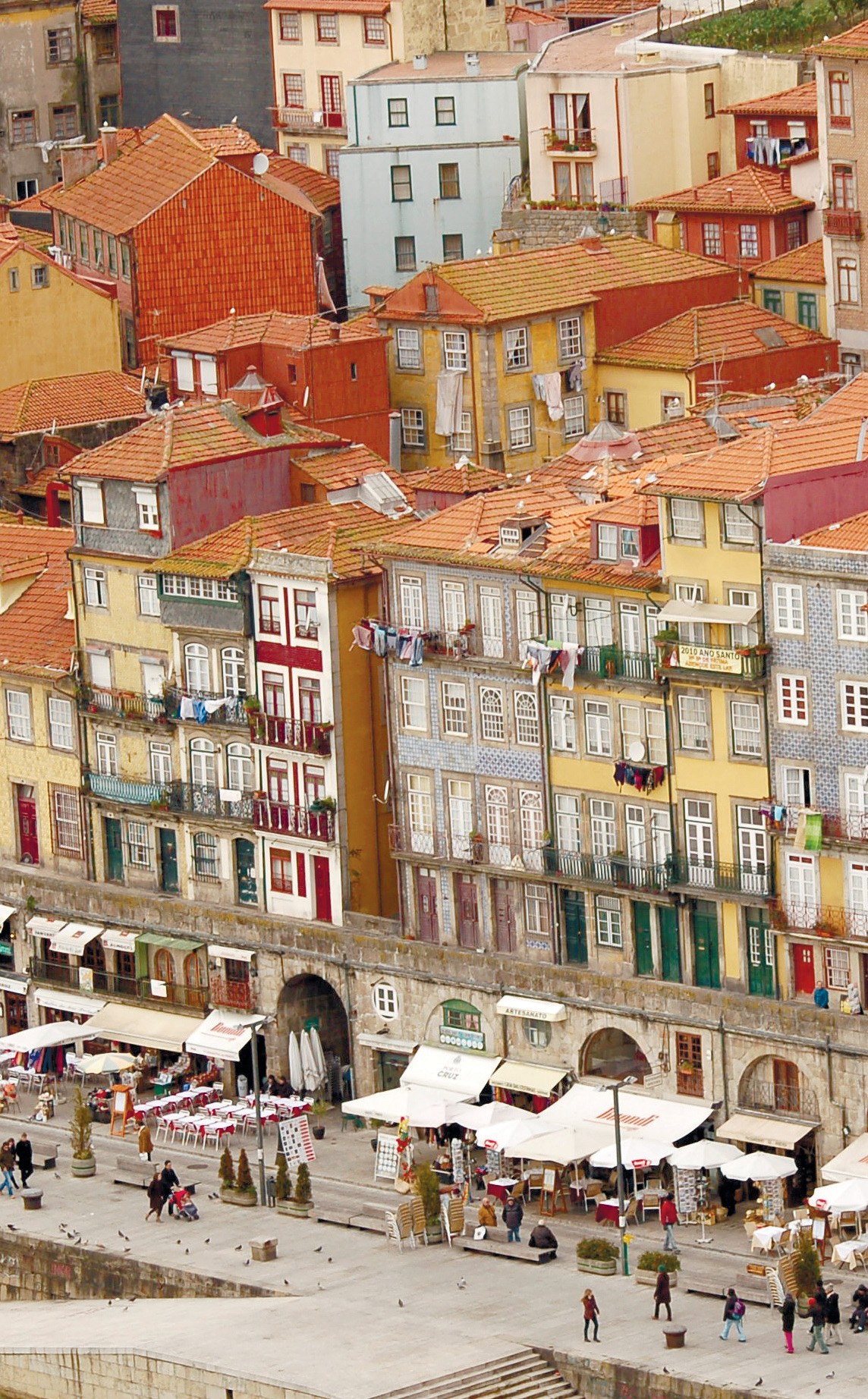
Porto’s history stretches back to the Roman era, and its architectural heritage is a treasure trove of bygone epochs. Wander through the city, and you’ll encounter remnants of its past—from Roman ruins to Baroque castles and churches. A highlight is Ribeira, Porto’s historic riverside quarter nestled beneath the iconic bridge. Its narrow cobbled streets, adorned with azulejo-tiled façades, cosy cafés, and restaurants overlooking the Douro, evoke an enchanting old-world ambiance steeped in tradition.
Ribeira forms part of Porto’s UNESCO-listed historic centre. The district’s pastel-hued buildings create a kaleidoscope of colours, breathing life into its streets. Strolling here feels like a journey through time, unveiling layers of the city’s cultural and historical tapestry.
Across the river, visitors can explore picturesque wine cellars, home to the famed Port wine. Many offer tasting tours, and the prices are remarkably affordable—starting at €8 per bottle in local cafés, or as low as €5–€6 in supermarkets.
Top 10 Locations
When in Porto, be sure not to miss its most iconic sights. Chief among them is the Church of St Francis (São Francisco), which holds a significant place in the city’s architectural and spiritual landscape. This magnificent Gothic structure, built in the 13th century, captivates visitors with its extraordinary interior. The gilded artworks and elaborate wood carvings are remarkable for their opulence and detail. Be sure to observe the altar and the iconographic composition "The Tree of Jesse", which depicts Christ’s genealogy. In total, around 200kg of gold powder was used to create the church’s rich decorative scheme.
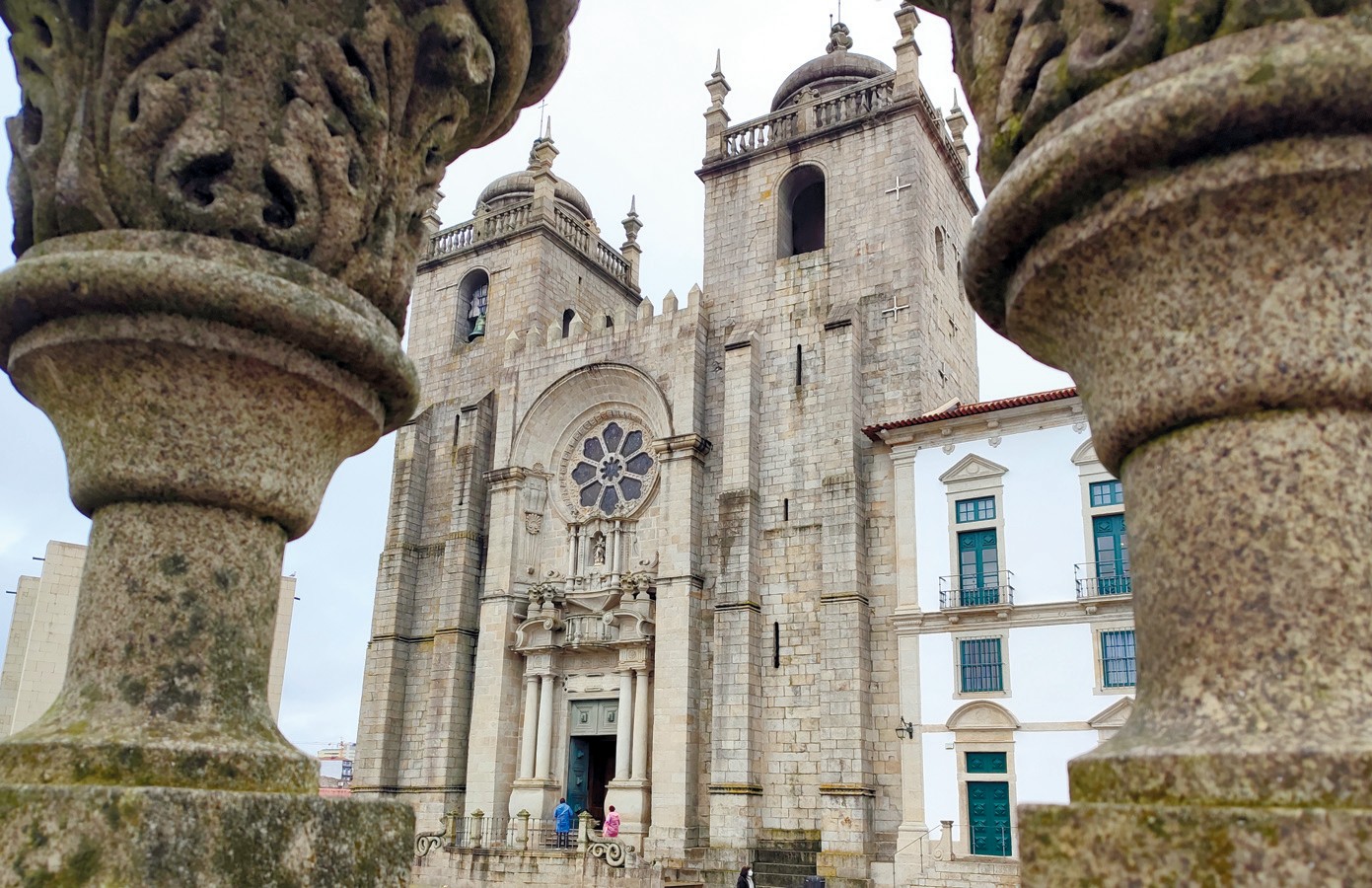
Yet the city’s principal religious edifice remains the Porto Cathedral. Though its fortress-like appearance might suggest otherwise, it is indeed a place of worship—its Romanesque style contributing to a sombre and austere ambience that reflects the spirit of the Middle Ages. The cathedral's interiors are modestly adorned, reinforcing the historical atmosphere. If you are in Porto on June 12 and 13, you will have the chance to join locals in a large-scale celebration filled with songs, dances, performances, and communal festivities.
For enthusiasts of historic architecture, a visit to Palácio da Bolsa—the city’s former stock exchange—is essential. This neoclassical masterpiece stands among the most beautiful buildings in Porto. Its main chamber, the Hall of Nations, features majestic columns and a ceiling resplendent with golden detailing. The highlight, however, is the Arab Hall, where one can find the inscriptions "Allah save Queen Mary II" and "There is only one God and that God is Allah", testifying to the building’s blend of decorative influences.
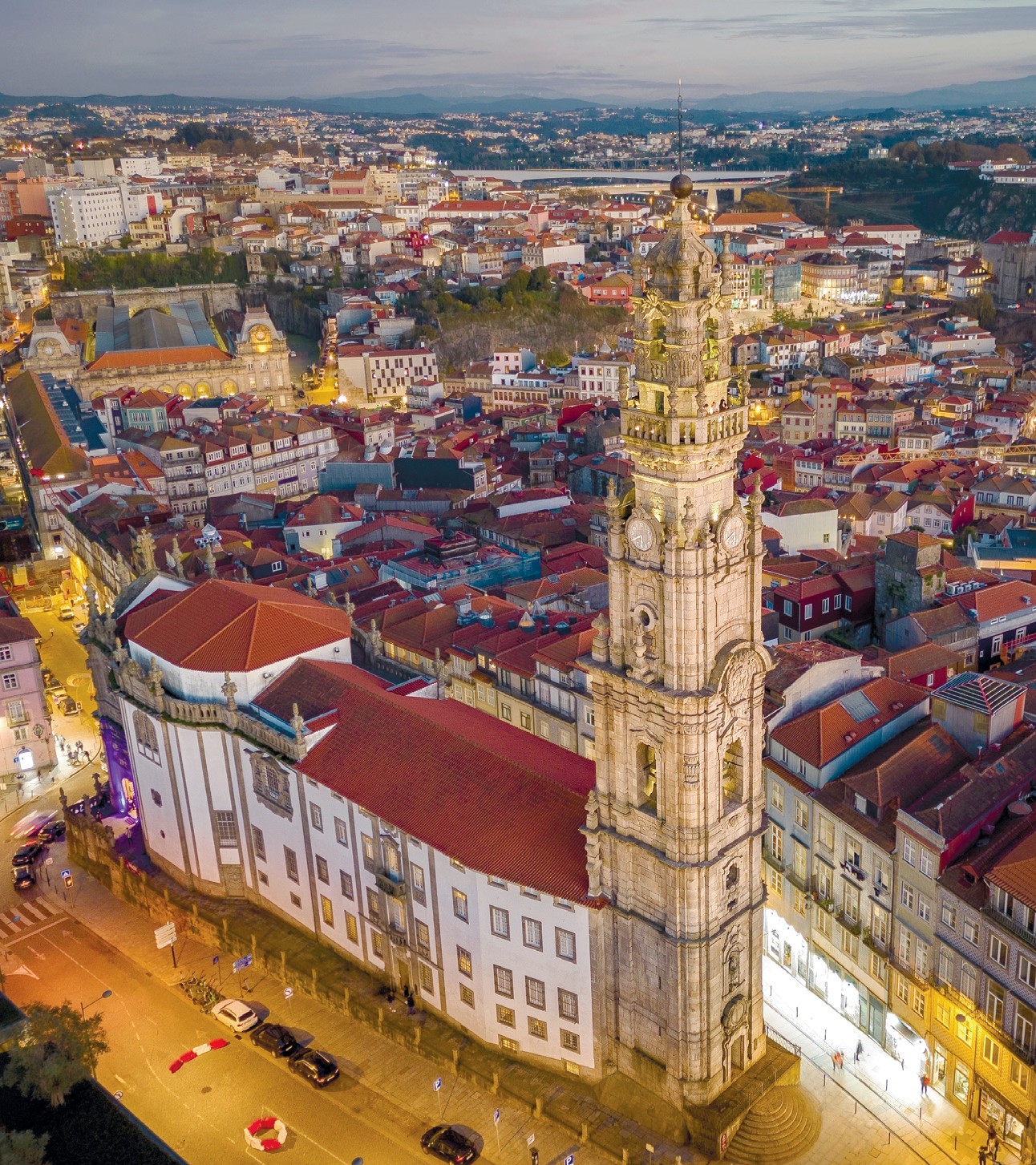
The Serralves Museum of Contemporary Art stands out as one of Porto’s foremost cultural landmarks. Set in a scenic park with well-tended gardens, the museum impresses not only with its collection of 20th- and 21st-century artworks but also with the building’s minimalist architectural design. For those who favour more traditional forms of art, the Gaudí Museum is well worth a visit. It features the works of the renowned architect alongside other hallmarks of Catalan modernism. Noteworthy landmarks also include the Clérigos Church and Bell Tower—a Baroque church known for having the tallest bell tower in Portugal. Historically, the tower served as a beacon for ships approaching Porto’s harbour. Today, it remains a navigational point for both residents and visitors, visible from nearly every corner of the city.
The imposing walls of the ancient castle at Guimarães, recently designated a UNESCO World Heritage Site, alone warrant a visit. Widely regarded as one of Portugal’s most remarkable castles, it offers not only a glimpse into the nation’s early history but also sweeping views from its battlements—making it a favourite destination among tourists.
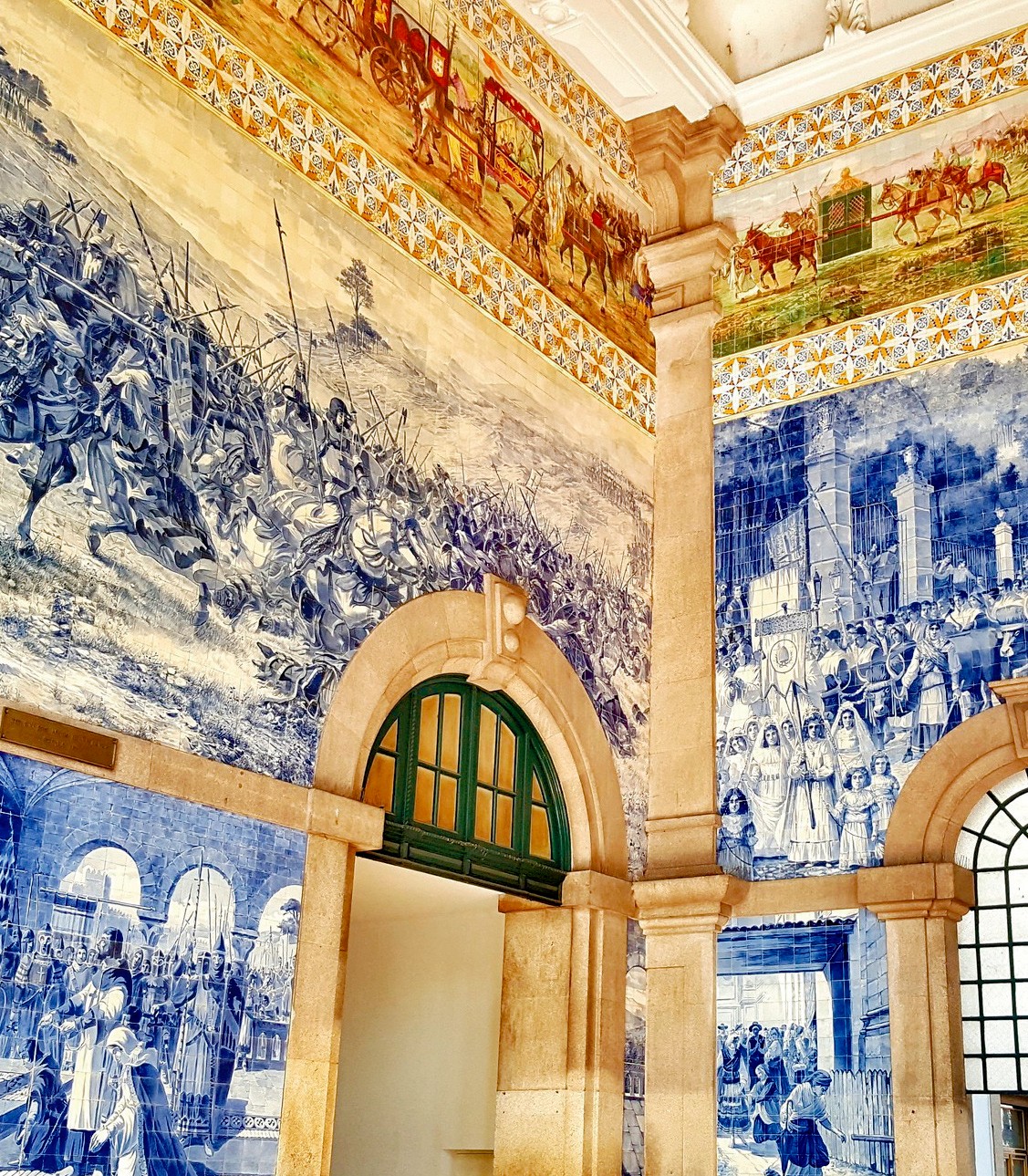
Porto’s São Bento Station has become one of the city’s most visited locations, thanks to the breathtaking azulejos (tiles) that line its walls. These iconic blue and white tiles depict scenes from Portuguese history and culture. Since opening in 1916, the station has served not just as a transport hub, but as a veritable work of public art, drawing admiration from visitors across the globe.
Those coming to Porto are often encouraged by local guides to take part in port wine tastings and tours of the city’s famed wine cellars, enjoy a river cruise along the Douro, savour lunch at the Bom Sucesso market, spend the evening on the Ribeira, and conclude the night with an "autoparty" on Galeria de Paris. Alternatively, you might opt for a tram ride through the Foz district, shopping at the Bolhão market, unwinding at nearby Matosinhos beach, or visiting the Dragão Stadium—home to one of Portugal’s most successful football clubs, Porto.
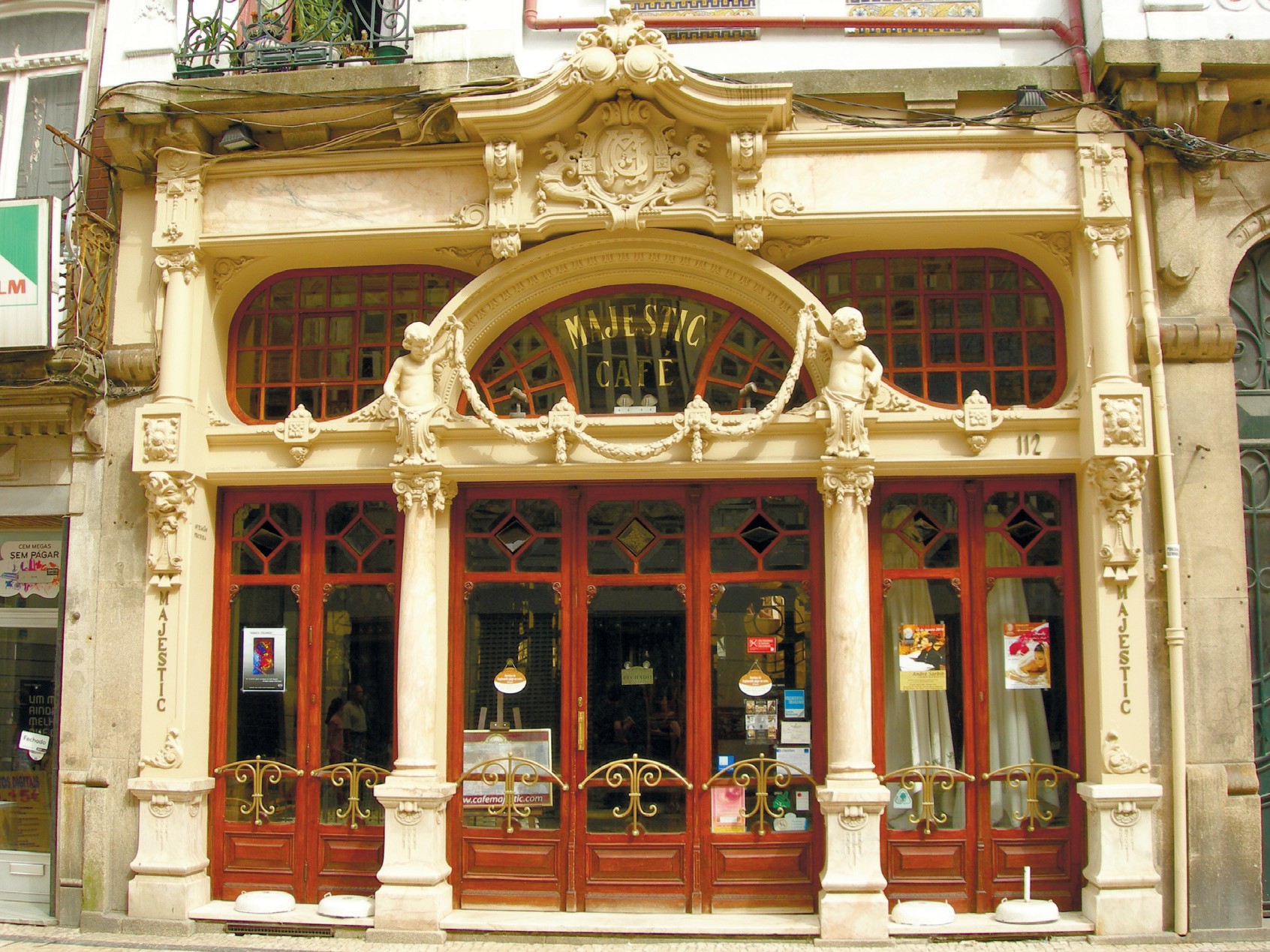
While exploring the city, make time for a visit to the Majestic Café. This landmark café is not only a cherished spot for enjoying excellent coffee and pastries, but also a cultural and architectural symbol of Porto. Opened in 1921, it has remained popular ever since. Designed in the Art Nouveau style, the café’s interior features stained glass, ornately carved wood, and mirrored panels—creating an atmosphere of refined elegance. It has long served as a favoured gathering place for writers, artists, and travellers alike.
Harry Potter's Birthplace, or the Magic of Advertising
Livraria Lello (“Lello”) is widely recognised as one of the most beautiful and distinctive bookshops in the world. Far more than just a retail space, it is a cultural landmark that draws thousands of tourists and literature enthusiasts each year.
Lello is regarded as one of the oldest bookshops in Portugal, and its history and architecture make it truly exceptional. Founded in 1906 by brothers José and António Lello, the shop has long attracted visitors with its unique design and ambience, reflecting the finest traditions of the late 19th and early 20th centuries. According to guides, this is more than just a bookshop—it is a place where literature, culture, and art converge, with every corner steeped in history.
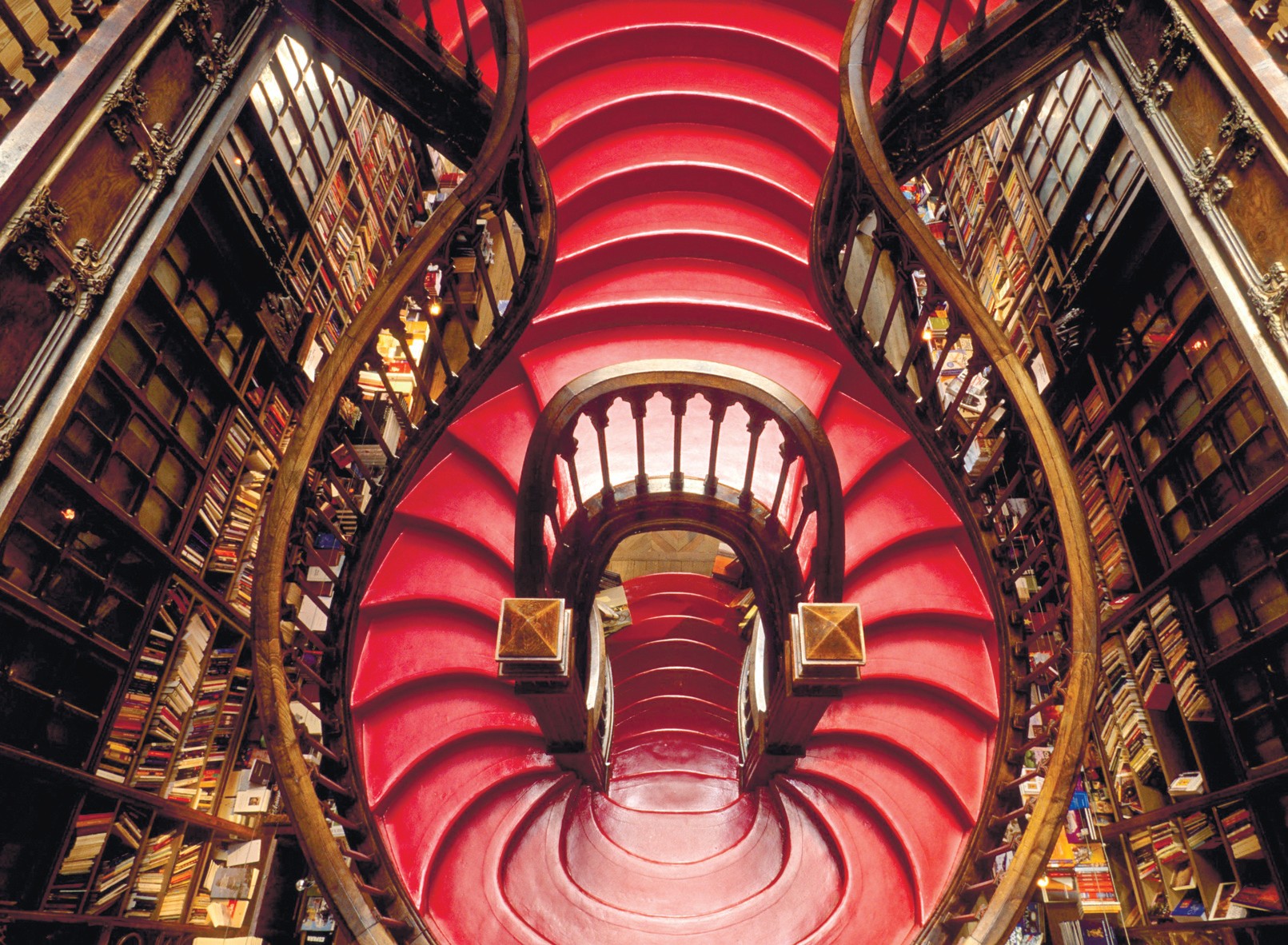
Decorated in neo-Gothic style with Art Nouveau and Art Deco elements, the interior features carved wooden details, stained glass panels, and intricately patterned ceilings and walls. Of particular note is the central staircase, with its elegantly curved red balustrades. Lello is celebrated not only for its architecture, but also for its extensive selection of books, which includes both Portuguese titles and international bestsellers in multiple languages.
A popular story—widely circulated online—claims that Joanne Rowling, the British author of the Harry Potter series, visited the shop on several occasions while living in Porto. It is believed that the shop inspired elements of the magical world she created. Features such as the grand staircase and stained glass windows are said to have influenced the design of scenes in her books. As a result, the bookshop has become a kind of pilgrimage site for fans of the Potter universe.
This legend has significantly contributed to Lello’s popularity, and for the past ten years, entry has required a paid ticket. Tickets, which currently cost €8 when purchased online, often involve waiting in queues. However, the cost of admission is deductible from any book purchased. To enjoy the atmosphere without the crowds, it is best to visit on a weekday.
In Inexpensive Porto
Yes, Porto’s prices can pleasantly surprise many visitors. For starters, travelling to the city from many other parts of Portugal by bus or train costs only €8–20.
Given Porto’s complex fare structure for public transport, purchasing an Andante daily travel card is recommended. The most affordable version starts at €4.20, but for €7.50 you gain unlimited access to all modes of transport, regardless of fare zone.
Accommodation options in Porto cater to all preferences and budgets. The city offers everything from luxurious hotels to charming boutique lodgings and budget-friendly hostels. Prices are very reasonable by European standards. Five-star hotels range from €110 to €210 per night and offer upscale amenities such as spa services and indoor pools. Four-star hotels are priced between €70 and €110, while three-star options typically cost €50 to €80. For travellers seeking even more economical choices, many budget hotels and apartments are available for €35 to €55 for two guests.
The cuisine in Porto reflects the region’s cultural heritage, with seafood, meat, and cheese playing prominent roles. Among the local culinary highlights is the francesinha—a baked sandwich with meat, sausage, cheese, and a rich sauce—priced at about €8–10. This hearty dish is a local favourite and an emblem of Porto’s food scene. Another traditional specialty is bacalhau (salted cod), usually baked with vegetables and spices and served for €12–15. The city also offers an array of seafood dishes prepared according to long-standing recipes. Don’t miss the local fish soups, which cost around €5–6. Near the railway station, numerous cafés and döner-kebab shops (typically €6–10) can be found, though most are operated by Bangladeshi or Nepalese staff. Sweet-toothed visitors should try the almond pies with caramel (€5–6), and while strolling the Ribeira promenade, enjoy freshly roasted chestnuts—available for €3–6 per dozen.
Porto is a city where each morning brings the promise of discovery. Its captivating mix of ancient history, vibrant culture, delectable cuisine, and distinct atmosphere make it a perfect destination for curious travellers. Whether you are wandering its historic streets, indulging in a port tasting, or immersing yourself in the arts, Porto offers something memorable for every visitor.
RECOMMEND:
 269
269

