
HEAR AND SEE
On a new theatrical platform in Baku, focusing on discussions after each performance — an attempt to be a step closer to the audience
Author: Valentina REZNIKOVA
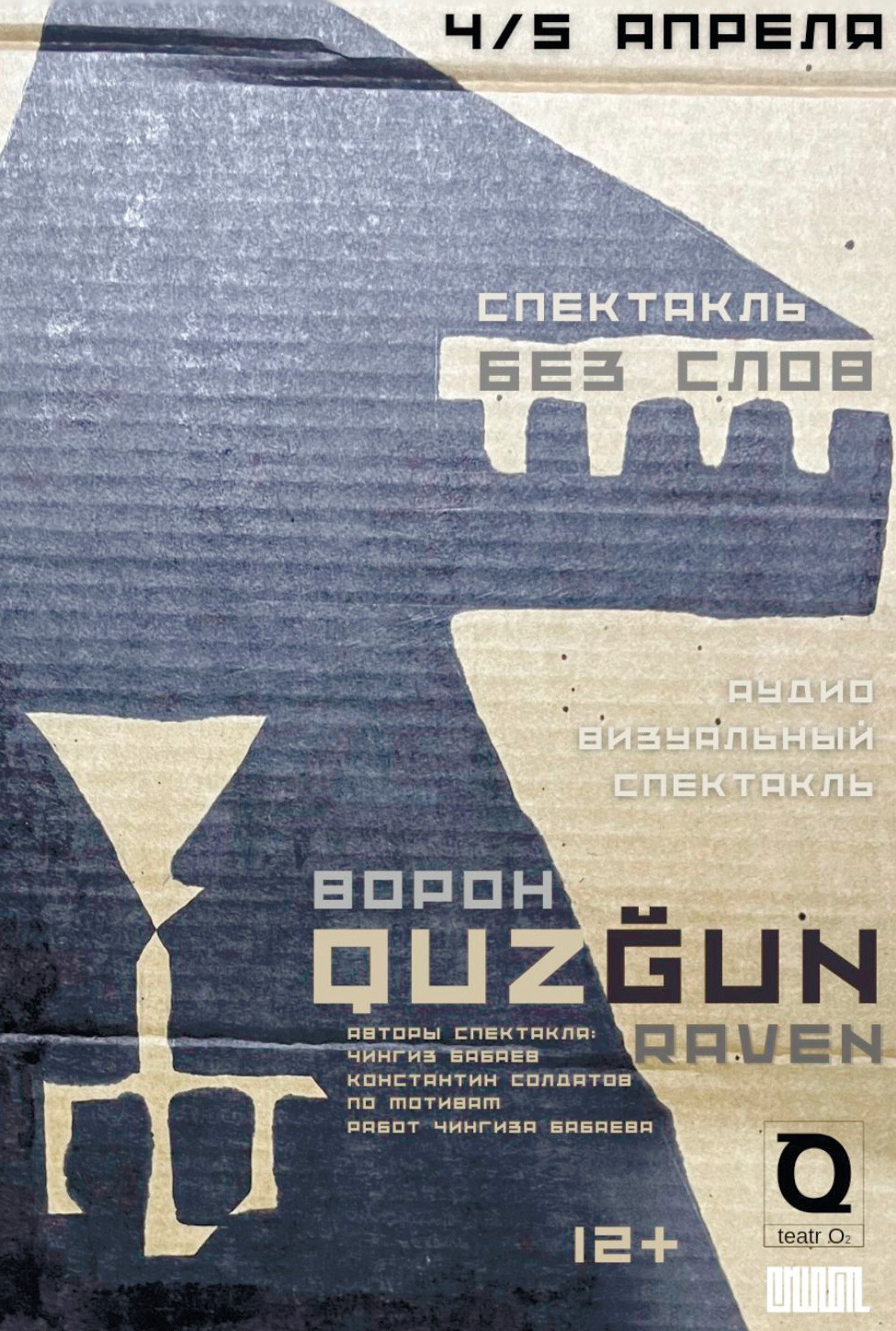
Creative space Theatre O-2. Premiere of the audiovisual performance The Raven.
The play’s title is as intriguing as its form. The programme intensified this intrigue, revealing that the performance contains no spoken text at all. So, what does it have? Movement? Doubts grew. Nowadays, the fashionable theatrical trend often involves meaningless choreographic elements inserted into the dramaturgical framework. Some directors include dance sequences to mask weaknesses in their staging. Others bring children, animals, or birds onto the stage. They seem to believe this will revive both the play’s momentum and an audience often bored by that point. But! The term “audiovisual,” sparking curiosity and interest, gave hope that this production would avoid unnecessary dancing. Also, why “Raven?” Not an owl, dove, or swallow — but a raven? Memory immediately called to mind legends and myths from around the world, where the raven holds two very different meanings: in Christianity, it symbolizes hell and death’s messenger; in Eastern mythology, it is a wise guardian.
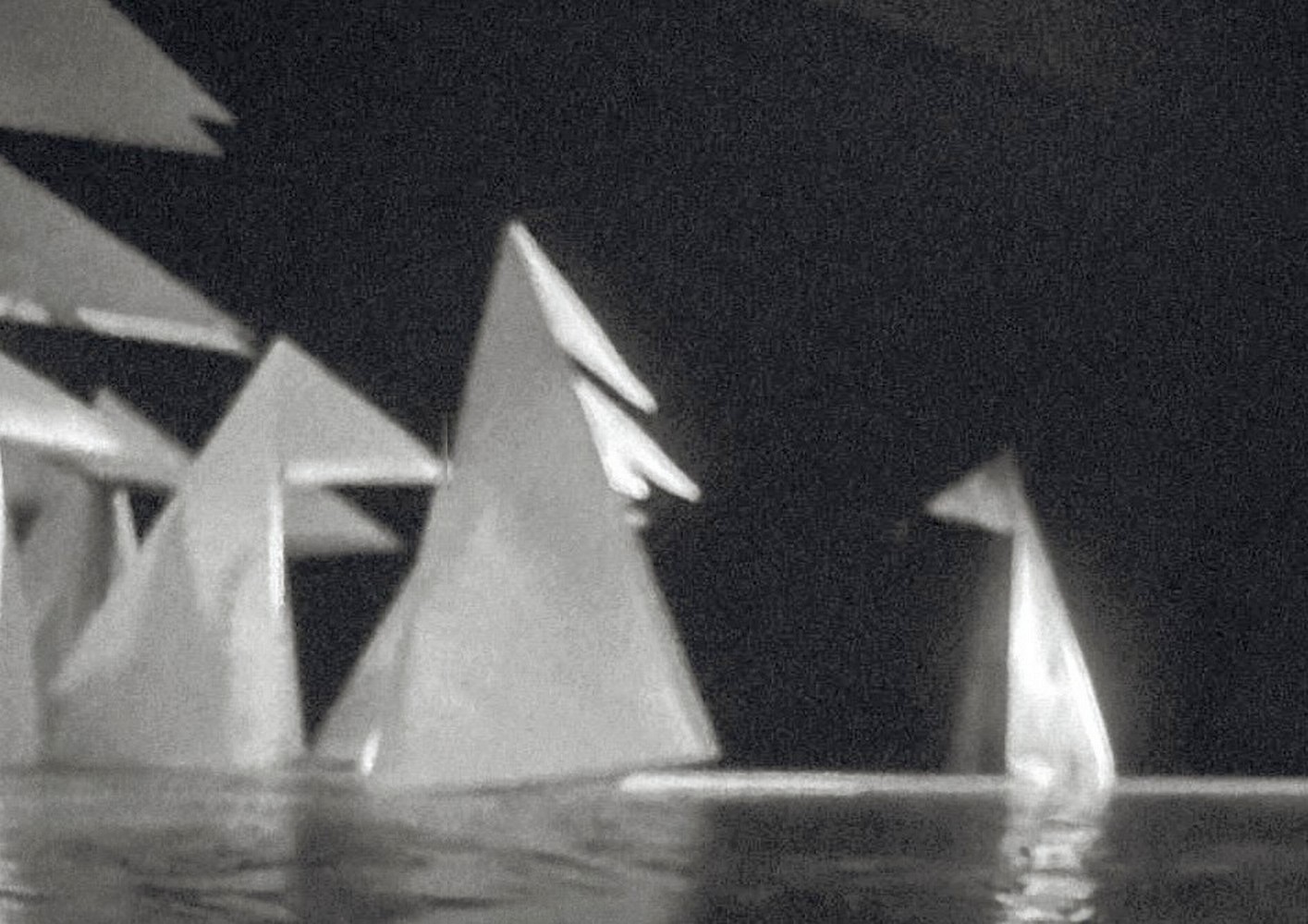
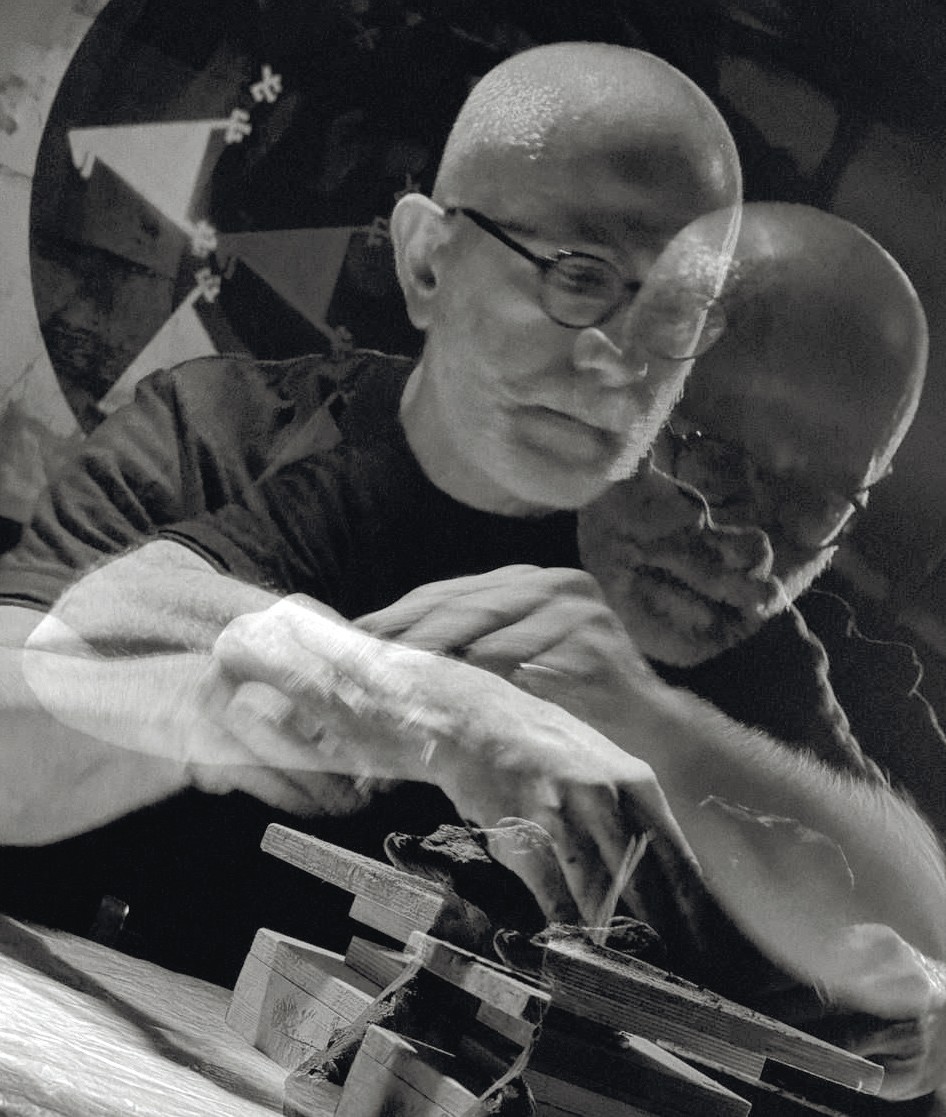
Yet what unfolded was far more fascinating and original than any assumption! Two creators — director Konstantin Soldatov and multimedia artist Chingiz Babayev — crafted a compelling performance exploring the process called Creativity. This captivating journey through sensations, emotions, and the pursuit of artistic perfection proved a revelation for both artists. The entire process — from conception to realisation down to the smallest physical, emotional, and psychological detail — was presented to the attentive audience with absolute sincerity and authenticity.
Dialogue between philosophy and art
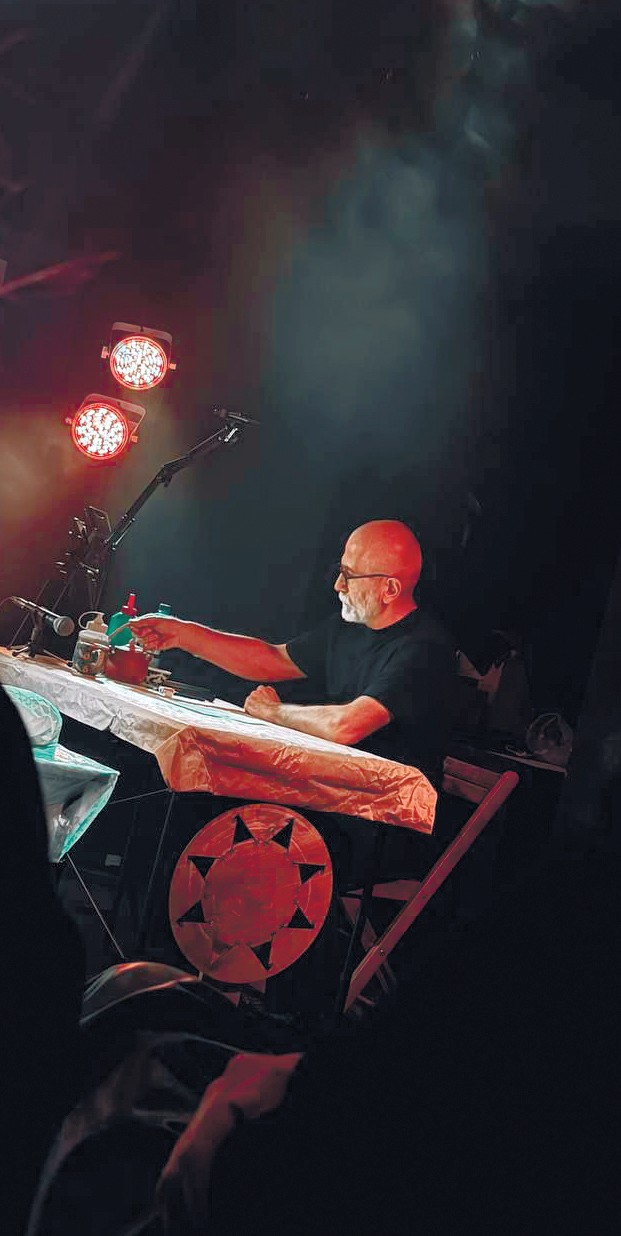
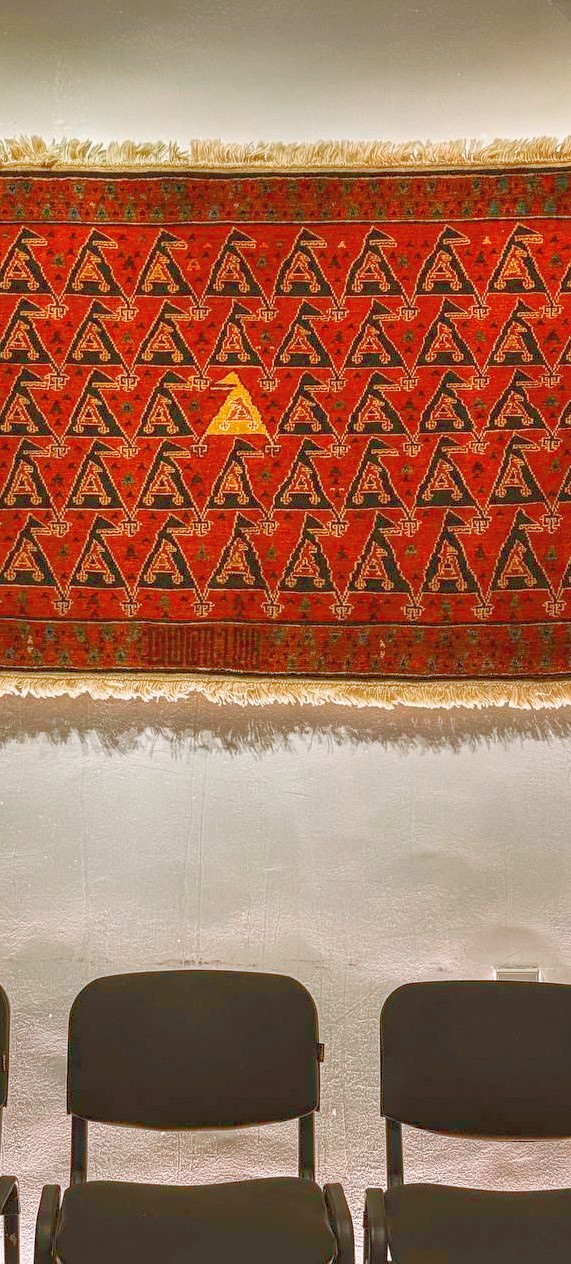
Following a well-established tradition, Theatre O-2 organises discussions after performances. Its repertoire includes ten productions: three for children and seven evening shows. This approach is a carefully measured step toward an intelligent, educated, and engaged audience. It is therefore natural that a moment occurs when the director’s concept flows into the auditorium and returns to its creators through the audience’s approving interest—an audience weary of shallow intellectual displays. Becoming co-participants in the onstage action, they not only experience a joyful and uplifting sense of life’s structure and moment but also come to realise that humanity in the 21st century remains more than victims of artificial intelligence and gadgets. No — people are still searching for truth and the philosophy of contemporary existence. Hence, among the flock of strong black ravens created during the performance by Chingiz Babayev, one White Raven appears. What is it? The alter ego of every black raven in the flock? Or a symbol of the textbook folly of one who cannot live among their own kind? The audience watches breathlessly, analysing this process called Creativity. Every detail of each raven’s creation is scrutinised by the vigilant eye of a video camera, which director and co-writer Konstantin Soldatov carries throughout the entire fifty-minute performance.
Why Raven?
The audience offered many interpretations of the play’s title, The Raven. Some identified the Artist with the Creator; others saw the flock of ravens as a metaphor for today’s world with all its challenges. Still others viewed it as a reworking of beliefs associated with the raven itself. The audience distilled their thoughts into a scheme: artist-creator, artist-provocateur, artist-philosopher, artist-chronicler, artist-creator, and so forth.
In truth, attending this performance means witnessing the most fascinating interaction between what unfolds on stage and how it resonates in the auditorium. At one moment, the audience seemed to hold its breath as the Artist (Chingiz Babayev) ruthlessly destroys part of his creation: magnificent strong birds perish by their Creator’s hand! They die, becoming past, history, and memory.
But is it necessary to describe all this in detail? Folk wisdom reminds us: it is better to see once than to hear ten times! This is precisely the purpose of such an original and richly meaningful action, born from the creative imagination of two artists representing modern Azerbaijani theatre — Konstantin Soldatov and Chingiz Babayev.
RECOMMEND:
 262
262