

REAL NEIGHBOURHOOD
Masoud Pezeshkian's visit to Baku has the potential to be a significant symbolic gesture, a new chapter in Azerbaijani-Iranian relationship, a catalyst for rapprochement, crisis resolution, and pragmatic cooperation
Author: Samir VELIYEV
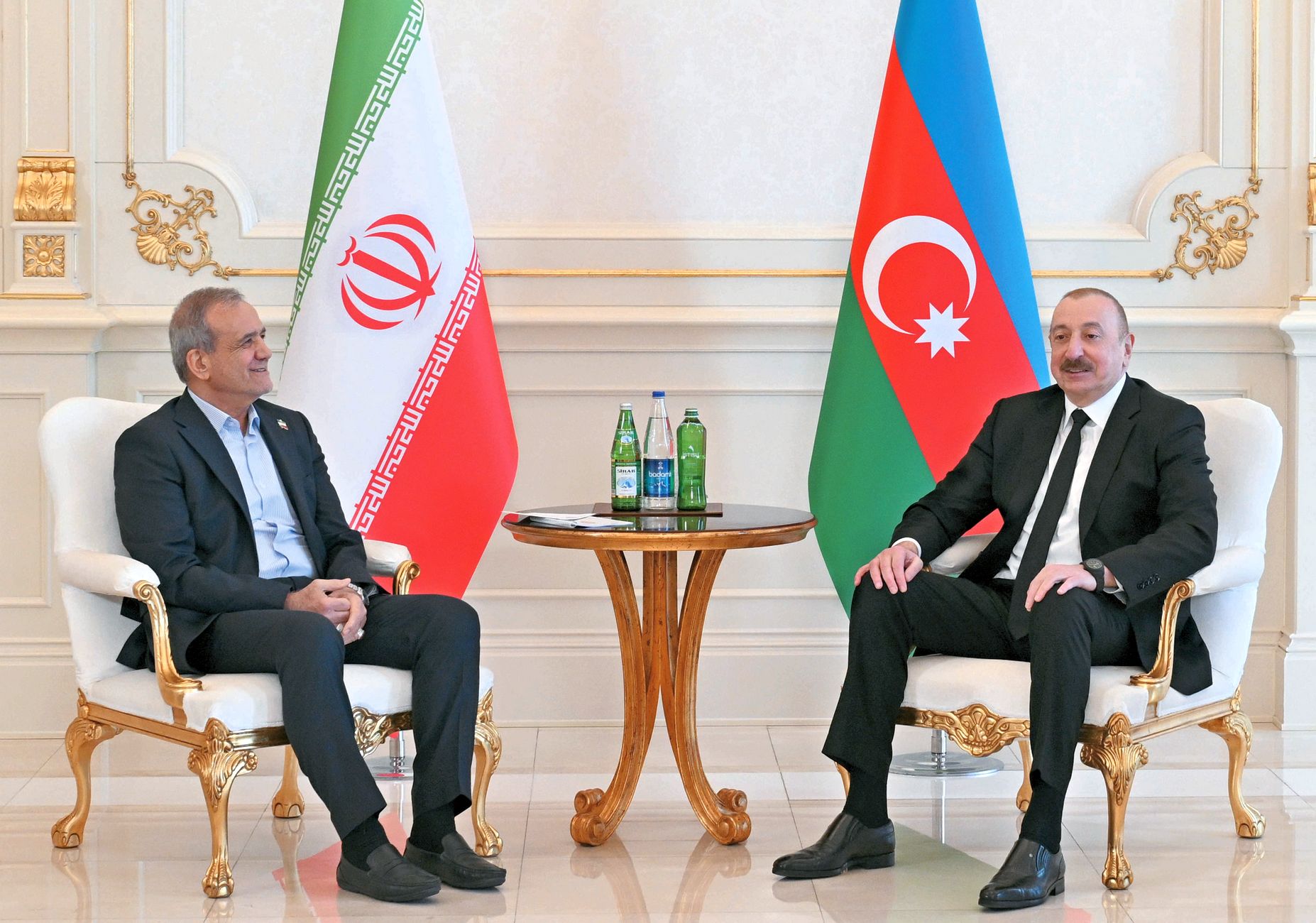
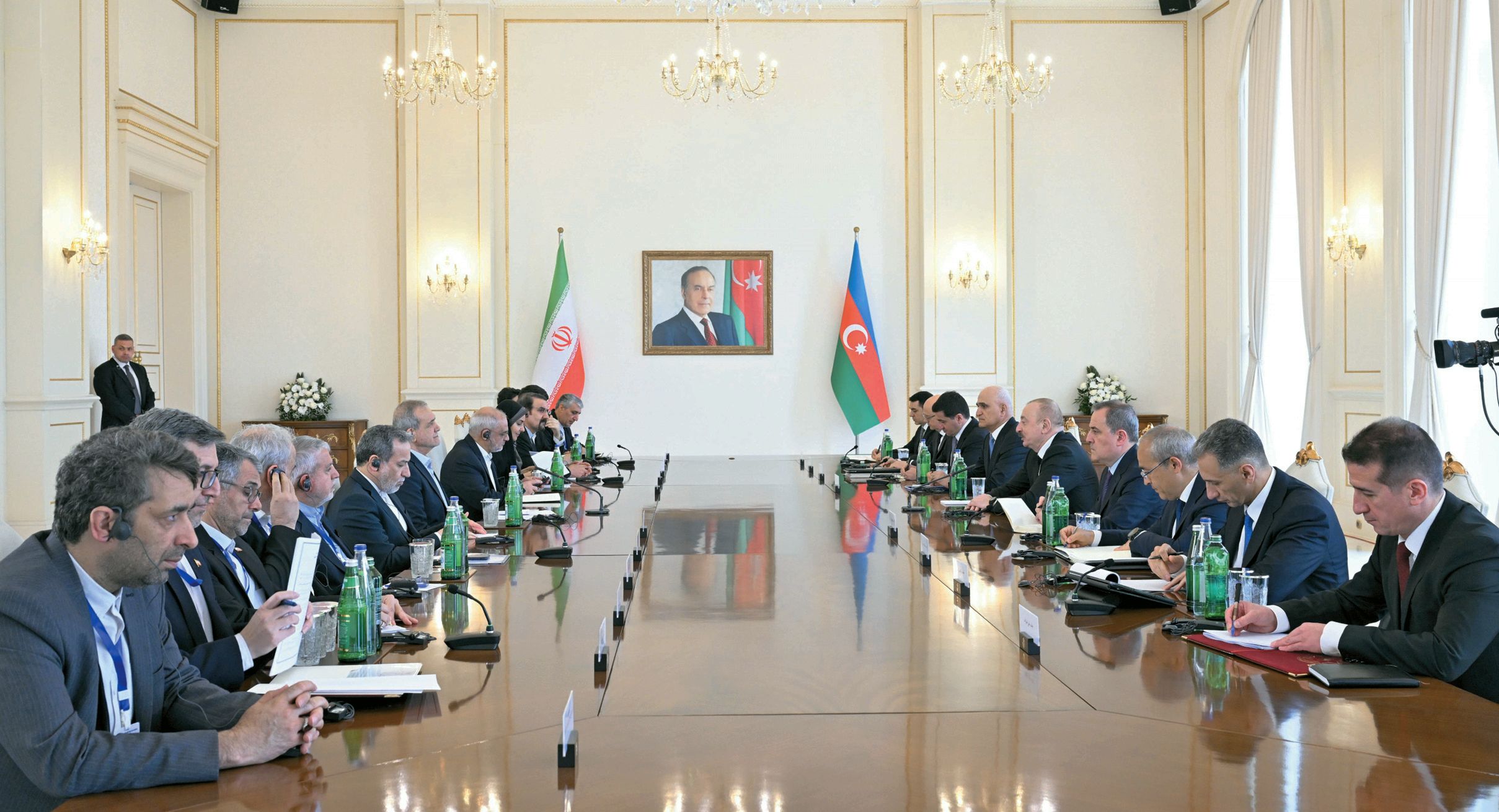
On 28 April, Iranian President Massoud Pezeshkian paid an official visit to Azerbaijan. The visit is noteworthy as it marks the first official visit to Azerbaijan by an Iranian leader in many years. Many observers have noted that it established the basis for a new phase in the bilateral relationship.
Overcoming the past challenges
The last occasion on which the former President of the Islamic Republic of Iran, Hassan Rouhani, visited Baku in this capacity was on 28 March 2018. Ebrahim Raisi, who succeeded him, did not visit Azerbaijan. During the initial years of his cadence, Azerbaijani-Iranian relations reached a critical juncture.
The tragic terrorist attack on the Azerbaijani embassy in Tehran represented a significant crisis in the relationship between Azerbaijan and Iran. Following careful consideration, the parties involved were able to reach a mutually acceptable resolution to the crisis. This is largely due to the Iranian authorities' agreement to meet the demands of the Azerbaijani leadership to hold the perpetrators of the terrorist act and those involved in it to account. In addition, Baku's principled stance on exceptional security measures and guarantees that such an incident will not recur is also a contributing factor.
It was at this point that contact between the parties was resumed. This includes at the highest level. Consequently, Iranian President Ebrahim Raisi paid a visit to Azerbaijan in the spring of 2024. On 19 May, he met with President Ilham Aliyev at the state border of the two countries. The leaders were present at the opening ceremony of a joint hydro-technical project, the Giz Galasy dam on the Araz River. The meeting was a significant event in the development of cooperation between Iran and Azerbaijan, and was widely seen as a symbol of the restoration of bilateral relations.
Unfortunately, the helicopter carrying President Raisi crashed in the Warzegan area in the north-west of the country on the way back from the meeting. The tragic accident resulted in the deaths of the Iranian President, Foreign Minister Hossein Amir Abdollahian and the entire entourage.
Masoud Pezeshkian's visit to Baku was the first visit of an Iranian leader to Azerbaijan for a considerable amount of time and should mark the beginning of a new stage of bilateral relations.
The role of ethnicity in Iran's foreign policy
Pezeshkian is of Azerbaijani origin and hails from the Iranian city of Urmia, a region with a turbulent history. Recent years have been marked by frequent unrest, which is linked to the critical state of Lake Urmia, as well as the dissatisfaction of the Azerbaijani population with the realisation of their national rights. The most recent of these disturbances pertained to endeavours to modify the ethnic composition of the region, with a view to disadvantage the Persian-speaking Kurdish population.
Masoud Pezeshkian is a politician with liberal views who enjoys support among the Azerbaijani population. Therefore, his visit to Baku could have been dictated by domestic political considerations. The objective is to demonstrate the political, ethnic and mental proximity of Iran to Azerbaijan. Therefore, the Iranian authorities must appease the radical part of Iranian Azerbaijanis. These people accuse the Iranian authorities of creating artificial obstacles between southern and northern Azerbaijanis. In his exclusive interview with Azerbaijani TV, Pezeshkian made the following statement: We consider Azerbaijan to be a familiar territory and we are confident that our presence there is well-received. In terms of the implementation of the project to establish transport communications between the western regions of Azerbaijan and Nakhchivan Autonomous Republic, he emphasised that Tehran considers Iran to be a second homeland for Azerbaijanis. Furthermore, he expressed his support for the prompt facilitation of mutual trips.
In light of the economic challenges faced by Iran, it is acknowledged that border trade with Azerbaijan and the influx of Azerbaijani tourists to Iranian provinces populated by Azerbaijanis played a pivotal role in addressing pressing concerns. Residents of Tabriz, Ardabil, Miane and other cities generated revenue through the sale of goods and the provision of a range of services to visitors from the neighbouring country. The new conditions dictate the need to strengthen relations with the northern neighbour and diversify foreign economic activities. Furthermore, the existence of strong ties with compatriots enables Iranian citizens of Azerbaijani origin to satisfy their cultural and humanitarian needs. Consequently, this also plays a part in the reduction of social tension.
Visiting home
It is important to note that the visit occurred in the context of significant geopolitical tensions surrounding Iran. Therefore, the leaders of the two countries, along with their delegations, gave the topic of great geopolitics their undivided attention.
Ilham Aliyev stated that an assessment of the current nature of bilateral relations and their impact on regional security had revealed "excellent conditions" for multilateral cooperation.
"In our current status as two independent states, we play an important role in our region. Both sides are in agreement that regional issues should be resolved by the countries of the region", - noted the President of Azerbaijan. In the context of Baku, Azerbaijani-Iranian relations are self-sufficient and should not be influenced from outside.
The Iranian President's statement on the political dialogue between the two countries was oriental and meaningful. Masoud Pezeshkian expressed his appreciation for the President of Azerbaijan's policy and highlighted his commendable determination and resolve. It is evident that the Iranian political leadership also possesses these qualities. This suggests that there are no insurmountable obstacles between the sides. The Iranian president concluded his remarks with the following statement: "We are committed to collaborating on the creation of additional projects for the region, the future of Iran and Azerbaijan, and the broader Middle East region, God willing."
He also noted that he feels at home in Azerbaijan. "I am very happy to be with you. We should work together to build a solid future for ourselves, our children and future generations, in economic, cultural, scientific, military and other fields. It is our responsibility to ensure that future generations can look back with pride on our efforts to build strong and healthy relations," Pezeshkian said.
His words clearly allude to a predetermined bond between the peoples of the two countries, founded on shared world-views, traditions, cultures and religions.
Pragmatism and cultural affinity
As of the end of 2024, trade and economic relations between Azerbaijan and Iran demonstrate steady growth and expansion of cooperation in various spheres. According to the State Customs Committee of Azerbaijan, bilateral trade turnover for the past year totalled $647.1 million, which is $159.7 million or 32.8% more than in 2023. Iran's share of Azerbaijan's total trade turnover is 1.36%.
At a joint press conference, the Azerbaijani head of state announced that the parties had discussed the prospects of implementing the North-South transport corridor during the talks. Azerbaijan has successfully implemented all the necessary infrastructure projects for the functioning of this transport corridor on its territory. "At present, we are simply expanding our transport capabilities and infrastructure, in line with the increasing volume of cargo. Whether it is seaports, railways or road transport, major investment projects have been launched to receive and transport the expected large volumes of cargo in all these directions," Ilham Aliyev pointed out.
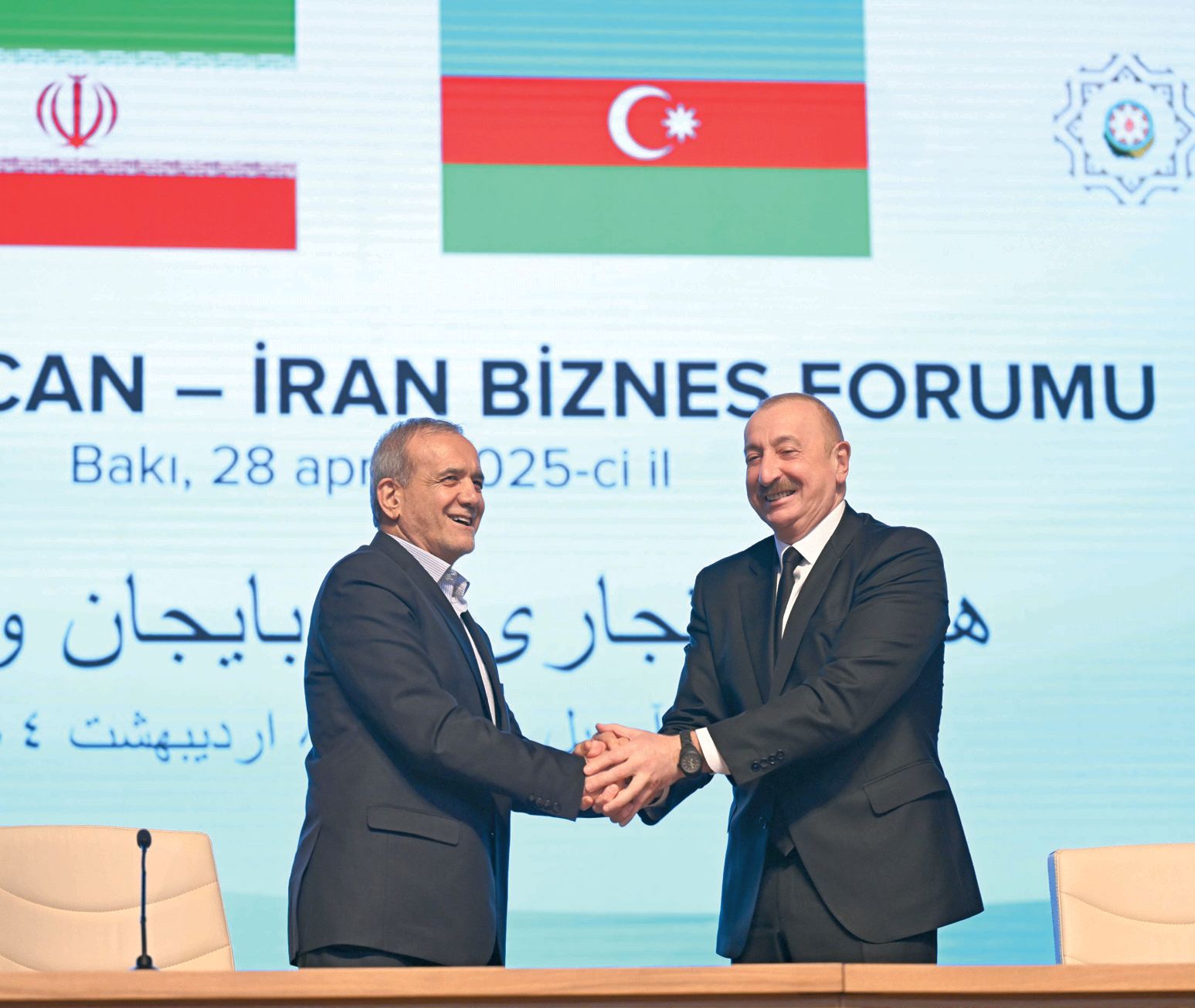
Subsequently, at the business forum, the Azerbaijani leader expanded on the implementation of transport projects between the two countries, emphasising the significance of the Araz corridor. It is his opinion that this project is of great interest not only in our region, but also around the world. There are some assumptions and rumours about it. However, there are no grounds for that. This is merely a new transport project.
The high turnout of over 400 participants at the Azerbaijani-Iranian business forum in Baku is a clear indication of the keen interest among entrepreneurs in exploring opportunities for collaboration. It is estimated that more than 120 Iranian businessmen from a variety of economic sectors were in attendance. Furthermore, the parties involved have agreed that the number of participants in such events will be increased in the future.
Masoud Pezeshkian emphasised the significance of bilateral economic relations, highlighting their potential to stimulate collaboration among all regional countries. This is particularly pertinent in the context of the priorities of Azerbaijan's chairmanship of the Economic Cooperation Organisation. Please note that the organisation's annual summit will be held in Baku this autumn.
To summarise the results of the visit, it is important to note that the atmosphere was exceptionally friendly and cordial. The Presidents referred to each other as "brothers". Most importantly, they communicated in their native Azerbaijani language and agreed to intensify bilateral ties in all directions. The six agreements, including the joint statement of the two presidents signed during the visit, will contribute to this. They facilitate the development of cooperation in key areas and will help to elevate the bilateral dialogue to a new level.
Pezeshkian's visit was brief. He was obliged to depart from Baku ahead of schedule due to the explosion at the port of Bandar Abbas, which regrettably resulted in fatalities. Nevertheless, prior to departing, the Iranian president visited the Bibiaybat mosque, a site of particular significance to Shiites. Although Pezeshkian does not hold a clerical rank, this matter is of great importance to him. The site of the mosque is believed to be the resting place of a descendant of the Prophet Muhammad, Hokumah-Khanim, who was the daughter of the seventh Imam, Musa al-Kazim. This designation renders the site sacred to Shiites, as the veneration of the Prophet's descendants constitutes a pivotal tenet of Shiism.
This is another symbol of the spiritual kinship between the Azerbaijani and Iranian peoples, which serves as a basis for bilateral cooperation despite sometimes existing contradictions.
RECOMMEND:
 218
218

