

BORDERLESS CONFLICT
Israel and the Houthis as part of global game
Author: Irina KHALTURINA
Israel's conflict with the Yemeni paramilitary group Ansar Allah (Houthis), which controls the western and northern parts of Yemen, is directly linked to the situation in the Gaza Strip, Iran, and the competition for control of maritime trade routes. An active player in this Middle Eastern 'game' is the US. The geopolitical configuration in the region is likely to depend heavily on how events unfold now.
Responses
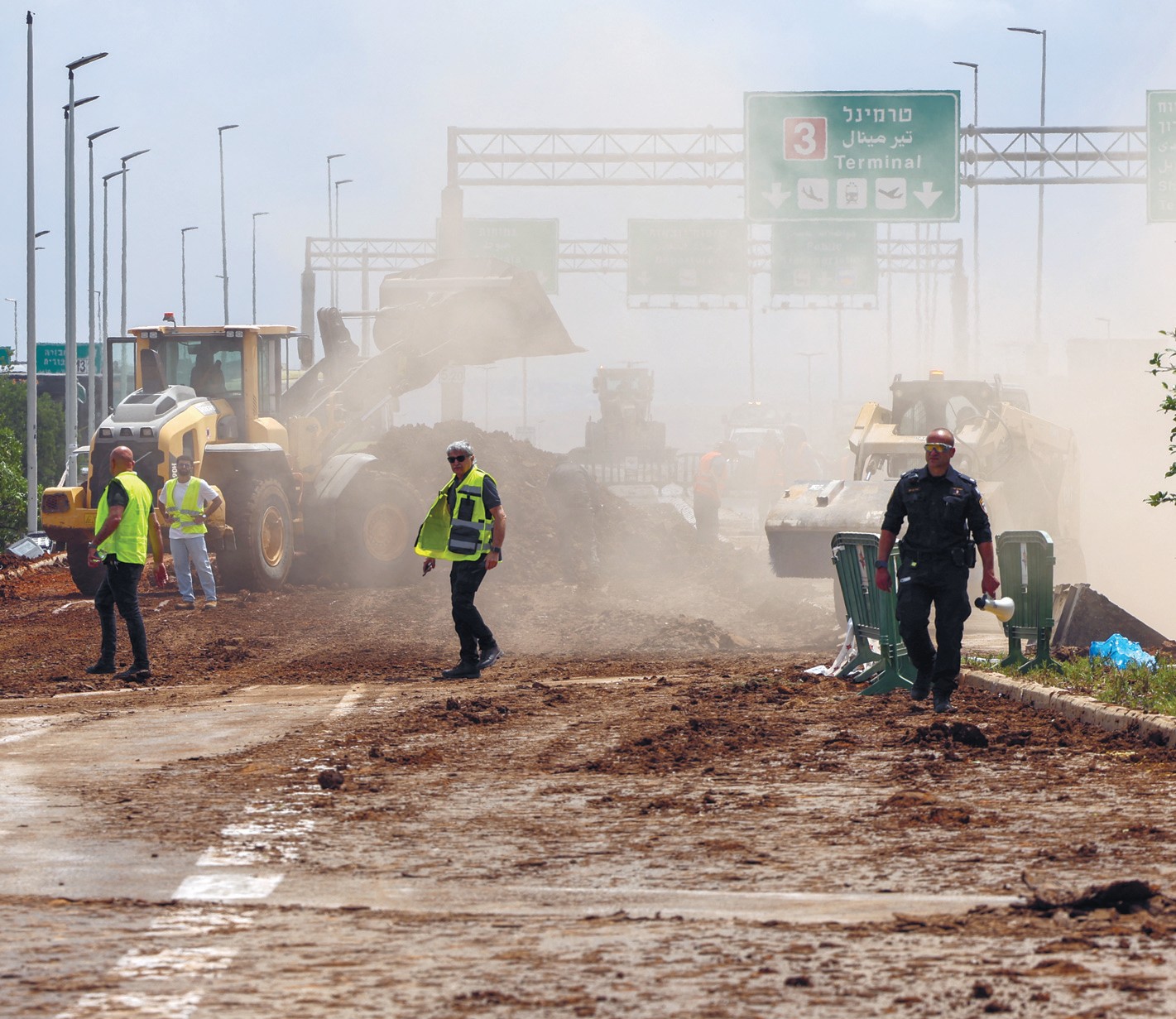
Israel refrained from strikes against the Houthis after 15 March this year, when a US carrier group stationed in the Red Sea launched a military campaign against them. However, Tel Aviv resumed strikes in early May following a series of ballistic missile attacks by the Houthis on Israeli territory. One missile landed near Ben-Gurion International Airport in Tel Aviv, creating a huge crater at the site. Israeli media reported six people were injured, and the airport suspended operations briefly, but overall no significant damage occurred. Perhaps the greatest impact was to Israel’s image, as its air defence system—considered one of the best in the world—failed to intercept the missile.
Yahya Saria, a spokesman for the Houthis, said that Israel’s airport "is no longer safe for air travel" and declared his intention to impose a complete air blockade on Israel. In response, Defence Minister Yisrael Katz warned that "whoever harms Israel will receive a blow of sevenfold power." On 5 May, the Israeli Air Force attacked Yemen’s port of Hodeidah and a cement factory near the town of Bajel. According to the IDF, both facilities were used by the Houthis "to transport Iranian weapons, military equipment and other terrorist targets," as well as to build tunnels and military infrastructure.
The following day, 6 May, Israeli aircraft almost completely destroyed Yemen’s main international airport in the capital Sana’a, along with several central power stations. Yet on 9 May, Houthi missiles again sounded sirens in dozens of Israeli cities—from Jerusalem to Tel Aviv to Netanya—and operations at Ben-Gurion Airport were once again briefly suspended.
Ansar Allah, believed to be backed by Iran, said the strikes on Israel were carried out in solidarity with Palestinians in the Gaza Strip. The Israeli army has been conducting a large military operation there in response to a Hamas attack on southern Israel on 7 October 2023. For this reason, since December 2023 the group has attacked merchant ships in the Red Sea and Gulf of Aden—key trade arteries between Asia and Europe. The Houthis have mostly targeted ships linked to Israel, the US or the UK. However, a Pentagon report shows that interests from 65 states and 29 energy and shipping companies were affected in some way during that period.
In one of the poorest countries
Reports indicate that the Houthis have sought to expand contacts with Somalia’s Al-Shabab, which could exacerbate instability in the Red Sea and Gulf of Aden. Israeli intelligence claims that Ansar Allah has also made efforts towards Egypt and Morocco with similar aims.
Since seizing power in September 2014, the Houthis have controlled large parts of northern and western Yemen. This is supported by well-fortified infrastructure in inaccessible mountainous areas and an extensive network of tunnels. These factors, combined with guerrilla tactics, make it difficult to inflict serious damage on them from air strikes, which explains their survival through years of conflict with the heavily armed Saudi-led coalition.
According to UN experts, the number of Houthi fighters increased from 220,000 in 2022 to 350,000 in 2024. Notably, they possess ballistic and cruise missiles, drones, and boats. Meanwhile, fragmented Yemen remains one of the poorest countries globally.
The civil war in Yemen has claimed over 150,000 lives by various estimates; 4.8 million residents have been displaced from their homes; and 19.5 million—half the population—require some form of assistance.
The US intentions
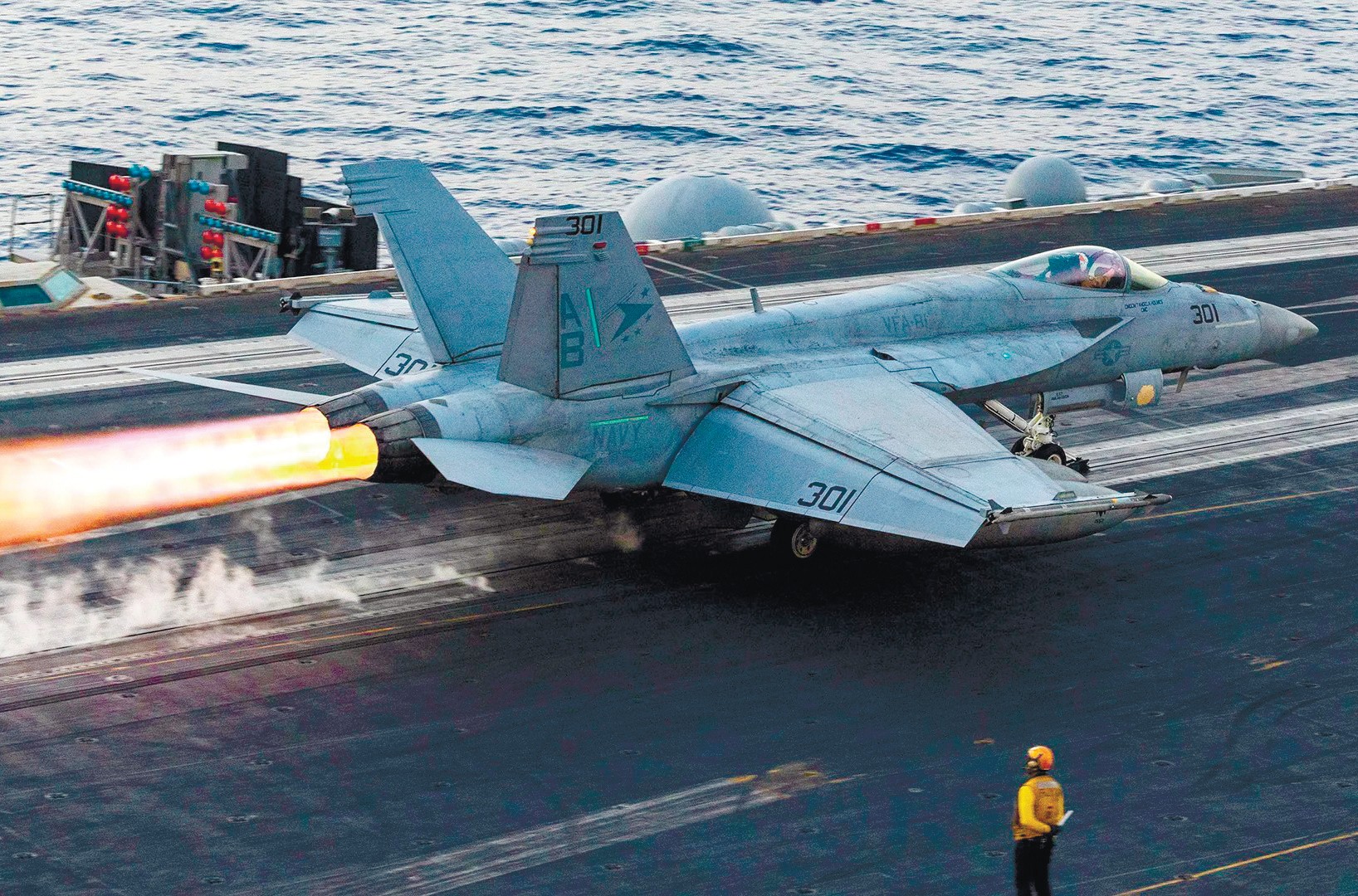
In March, the US joined efforts against the Houthis—President Donald Trump threatened them with "total destruction" and "hell breaking loose." One major US airstrike targeted the Ras Isa oil terminal on the Red Sea coast, killing at least 74 people. Despite this, the Houthis showed no inclination to back down and continued attacks on US military vessels and Israel. Though they suffered significant damage, it is too soon to speak of their destruction.
Then suddenly on 6 May, Trump announced that the US was halting strikes against the Yemeni group because they had allegedly promised not to interfere further with shipping. "They just don’t want to fight, and we appreciate that. We will stop bombing; they have capitulated. More importantly, we’ll take their word for it. They say they won’t bomb any more ships, which was the purpose of our actions," Trump said. Oman later officially announced that it had brokered a ceasefire agreement between the Houthis and the US. Whether Iranian involvement was absent remains unknown. It was emphasised that this agreement "marked a major shift in the group’s policy since Israel’s war on Gaza began in October 2023." At the same time, the Houthis themselves declared they would continue striking Israel.
The reasons for Trump’s decision remain unclear and have given rise to several theories about White House logic. Firstly, it is evident that US operations against the Houthis had very limited effect while costing millions; NBC News cited White House sources saying over $1 billion had already been spent.
Secondly, American strikes against the Houthis must be understood in the context of the crisis involving Iran. From the outset, Trump warned that Houthi counterattacks would be seen as attacks by Iran’s Islamic Republic (IRI), for which Tehran would be held responsible. Iranian proxy forces have been significantly weakened following Israeli action against Hezbollah in Lebanon and Bashar al-Assad’s regime collapse in Syria. Consequently, Houthis are currently considered the most capable group within what is called the "axis of resistance."
State Department head Marco Rubio compared Iran to Frankenstein and described the Houthis as its monster. Thus strikes on Houthis are also seen as indirect pressure on Iran, though Tehran repeatedly denies controlling them. How ongoing negotiations between the US and IRI fit into this remains unclear.
Moreover, it appears that Washington has not fully decided its ultimate goals or means to achieve them. What is clear is that escalating confrontation with Iran threatens a severe energy crisis.
On 8 May it became known that Tehran agreed to hold a previously postponed fourth round of nuclear talks with the US in Oman. Some observers believe these talks could lead to a deal similar to Obama-era agreements.
The US agreement with Houthis effectively represents implicit recognition of them as a political force. Ansar Allah’s attacks have cemented their status as a regional player previously little known internationally. However, it is possible that through this approach Washington aims to strike another blow against the pro-Iranian "axis of resistance" using a "divide and conquer" strategy.
Also, Arab states’ positions are important. In early April, it seemed that the US was preparing for a ground operation against Houthis backed by Gulf states—but they appear reluctant to resume Operations Storm of Determination or Renewal of Hope. This reluctance is significant especially given Trump’s visit to Saudi Arabia. No one wants a major war in the Middle East—especially Saudi Arabia as the region’s largest oil producer—even if it considers Houthis enemies.
Furthermore, the agreement with Houthis may relate to Gaza’s situation. Ahead of his Middle East visit, Trump promised "a very, very big announcement, one of the most important announcements ever made," adding it would be "very positive." Subsequently news emerged that he was considering announcing a comprehensive plan for Gaza aiming to end Israel’s 18-month war there. Media reports emphasised partial cooperation from Tel Aviv but noted it did not meet all Israeli government demands.
Finally, it should be noted that Red Sea developments affect China’s interests. In late April Trump demanded free passage for US military and commercial vessels through the Suez Canal—which accounts for about 12% of global maritime trade. Since Houthi activity increased there in 2023, traffic has dropped by 85%. Therefore theories suggest America’s goal is not merely punishing Houthis or stabilising passage from Red Sea to Mediterranean but militarising this strategic corridor and controlling it. Allegedly US used attacks on Ansar Allah as an excuse to deploy large military assets into the region amid fears over China’s growing dominance in maritime trade transport.
Between 17 April and 4 May China and Egypt held a large-scale air force exercise called Eagles of Civilisation 2025.
Tel Aviv’s response
The question remains how Israel will respond to these US plans and ambitions. Some media reports said Israel was shocked by Washington’s decision to halt operations against Houthis—especially since Trump linked truce only to cessation of militant attacks on merchant ships without mentioning Israel. This announcement came just days after a Houthi rocket hit Ben-Gurion Airport.
Israeli Prime Minister Benjamin Netanyahu declared: "Israel will defend itself." Reports quickly emerged that Israeli military planned expanded strikes in Yemen and potentially targets within Iran. While Israel has demonstrated long-range strike capability into Yemen, it cannot match US power.
Further developments include news regarding Washington’s plan for Gaza. US Defence Secretary Pete Hegseth cancelled his planned visit to Tel Aviv to accompany Trump on his Middle East trip.
On 8 May President Trump met Israeli Strategic Affairs Minister Ron Dermer "behind closed doors"—discussions covered negotiations with Iran, Gaza Strip matters, and ceasefire with Ansar Allah. Details were undisclosed.
Tel Aviv had legitimate questions why Trump did not include Israel explicitly during his visit given his campaign's emphasis on strong Israel relations.
Which way this tangled Middle Eastern knot will unravel—and who ultimately benefits—remains to be seen.
RECOMMEND:
 224
224

