

ISRAEL PROPOSES...
How will Netanyahu's new Gaza plan affect the humanitarian situation in the region?
Author: Samir VELIYEV
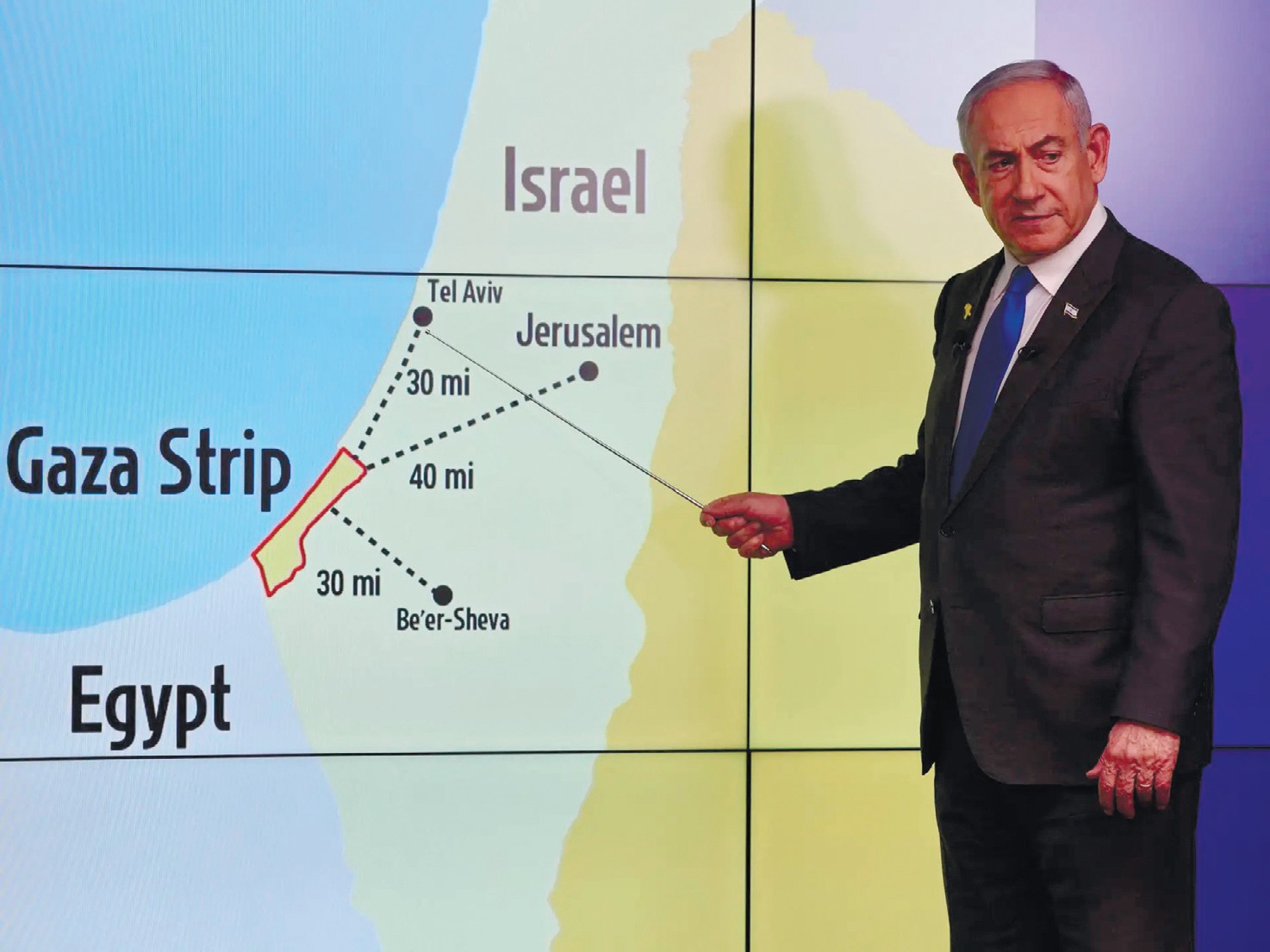
The launch of the Israeli government’s plan to completely eliminate Hamas in Gaza has triggered a fresh escalation in the region. In the words of Israeli Prime Minister Benjamin Netanyahu, the plan involves a "complete takeover of the territories and establishing sustainable control over them". Apparently, the goal is to substantially expand Israeli operations in the war-ravaged Palestinian enclave. Its announcement has already provoked sharp criticism from the international community.
The announcement was accompanied by a mobilisation order for tens of thousands of reservists in preparation for an expanded offensive in the sector.
Israeli plan: pros and cons
The news came just hours after the Houthis launched their first missile strike on Ben Gurion Airport in Tel Aviv since the start of the war on 4 May. As a result, flights were temporarily suspended and four people sustained minor injuries. Israeli officials swiftly vowed retaliation.
Israel’s declared objective of extending control over Gaza is aligned with its broader military goals of defeating Hamas and securing the release of hostages still held in the Strip. However, analysts warn that this move will lead to the displacement of hundreds of thousands of Palestinians to southern Gaza, further worsening the already catastrophic humanitarian conditions in the enclave.
Notably, Israel’s senior leadership has refrained from issuing detailed public statements on the immediate implementation of the plan. In a video address released on social media following the announcement of intentions to secure full control over Gaza, Netanyahu did not confirm that the Israeli military would immediately seize the entire Strip, but stated that the operation would be "intensive".
The European Union was among the first international actors to voice concern over the prospect of expanded Israeli military activity in Gaza. Its spokesperson, Anouar el-Anouni, warned that the escalation would "lead to further casualties and suffering of the Palestinian population", and called upon Israeli forces to "exercise maximum restraint".
The response from US President Donald Trump was more ambiguous and sparked considerable international outcry. In February 2025, Trump publicly supported the full Israeli occupation of Gaza, suggesting that the US would assume control of the territory following the cessation of hostilities. He claimed Israel would hand over Gaza to the US and proposed relocating the Palestinian population to neighbouring countries. The US leader also envisioned transforming Gaza into the "Riviera of the Middle East", and did not rule out the deployment of US troops to implement the plan.
These remarks drew harsh criticism from across the globe. UN Secretary-General António Guterres described the proposal as "ethnic cleansing". Arab states, including Egypt and Jordan, rejected the suggestion of accepting Palestinian refugees. In response to the backlash, Trump clarified that he would merely "recommend" the plan, not enforce it.
Intensifying humanitarian crisis
Despite endorsing Israeli actions, the US Chief of Staff expressed concern about the humanitarian crisis unfolding in Gaza. In April 2025, he urged Netanyahu to relax the blockade and allow the entry of food and medical supplies, stating: "We have to be kind to Gaza."
Following the breakdown of the ceasefire between Israel and Hamas in mid-March, prompted by renewed Israeli offensives, the Israel Defence Forces (IDF) seized strategically vital areas and now reportedly control roughly half of the Gaza Strip.
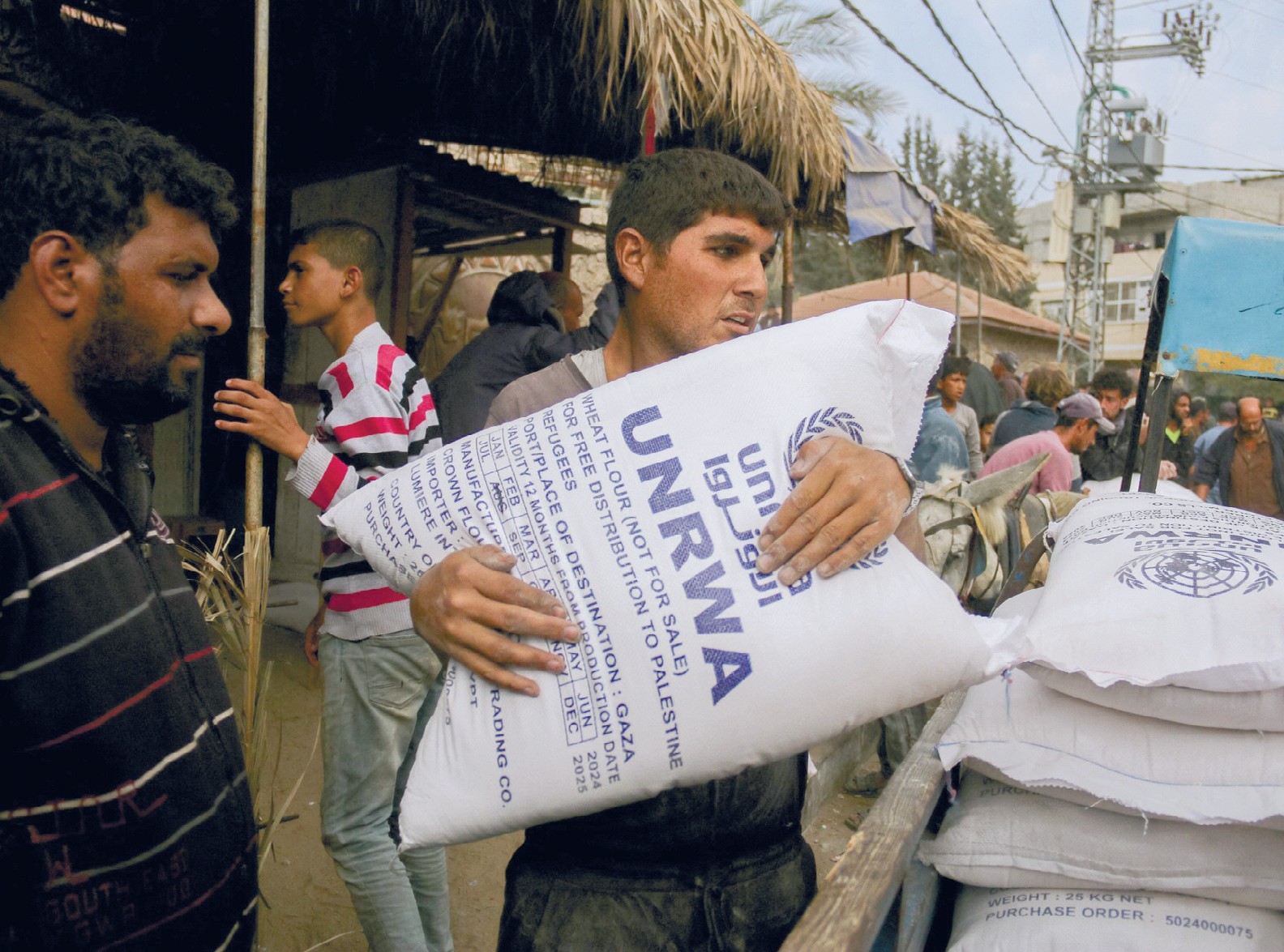
Even before the truce expired, Israel had cut off all humanitarian aid to Gaza, including food, fuel, and water, resulting in what many observers consider the worst crisis in nearly 19 months of war. The blockade induced famine, and acute shortages have led to widespread looting, according to humanitarian agencies operating in the enclave.
Israel is believed to be aiming to completely dismantle Hamas’ capacity to resist and to prevent it from distributing humanitarian aid in the territory it has governed for nearly two decades. This objective further entrenches Israel’s control over Gaza. Israeli authorities also accuse Hamas of hoarding aid for its own use.
The most contentious aspect of Netanyahu's plan concerns the fate of the Gazan population. Israeli officials have stated that the plan entails "voluntary emigration". In his video message, without providing specifics, Netanyahu confirmed that "the people of Gaza will be displaced for their own protection".
Media leaks suggest that the plan will be implemented in stages. It may be inferred that, to avoid international backlash, Tel Aviv intends to carry out a gradual population displacement according to a premeditated scenario.
Hamas: die hard?
Israel has attempted to increase pressure on Hamas in an effort to induce greater flexibility in ceasefire negotiations—so far, unsuccessfully. International mediators have also struggled to broker a new agreement. The group, long designated a terrorist organisation by Israel, the US, and the European Union, insists that Tel Aviv must fully withdraw from Gaza as a prerequisite for any lasting truce.
The previous agreement had aimed to lead both parties toward negotiations for a permanent end to hostilities, which remains a major sticking point. Israel has consistently stated that it will not agree to end the war until Hamas is defeated.
Israel's announcement of expanded military operations sparked anger among the families of Israeli hostages still held by Hamas. Leaders of the Hostage Families Forum claimed the move endangered the captives and urged the government to pursue a deal prioritising their release. According to Israeli authorities, 24 hostages are believed to be alive.
As for the delivery of humanitarian aid to Gazans, Tel Aviv has not outlined how it plans to distribute essential supplies while excluding Hamas from the process.
Reports indicate that Israel has informed the UN of its intention to employ private security firms to oversee aid distribution in Gaza. However, the UN will not take part in the process, citing violations of the organisation’s core principles.
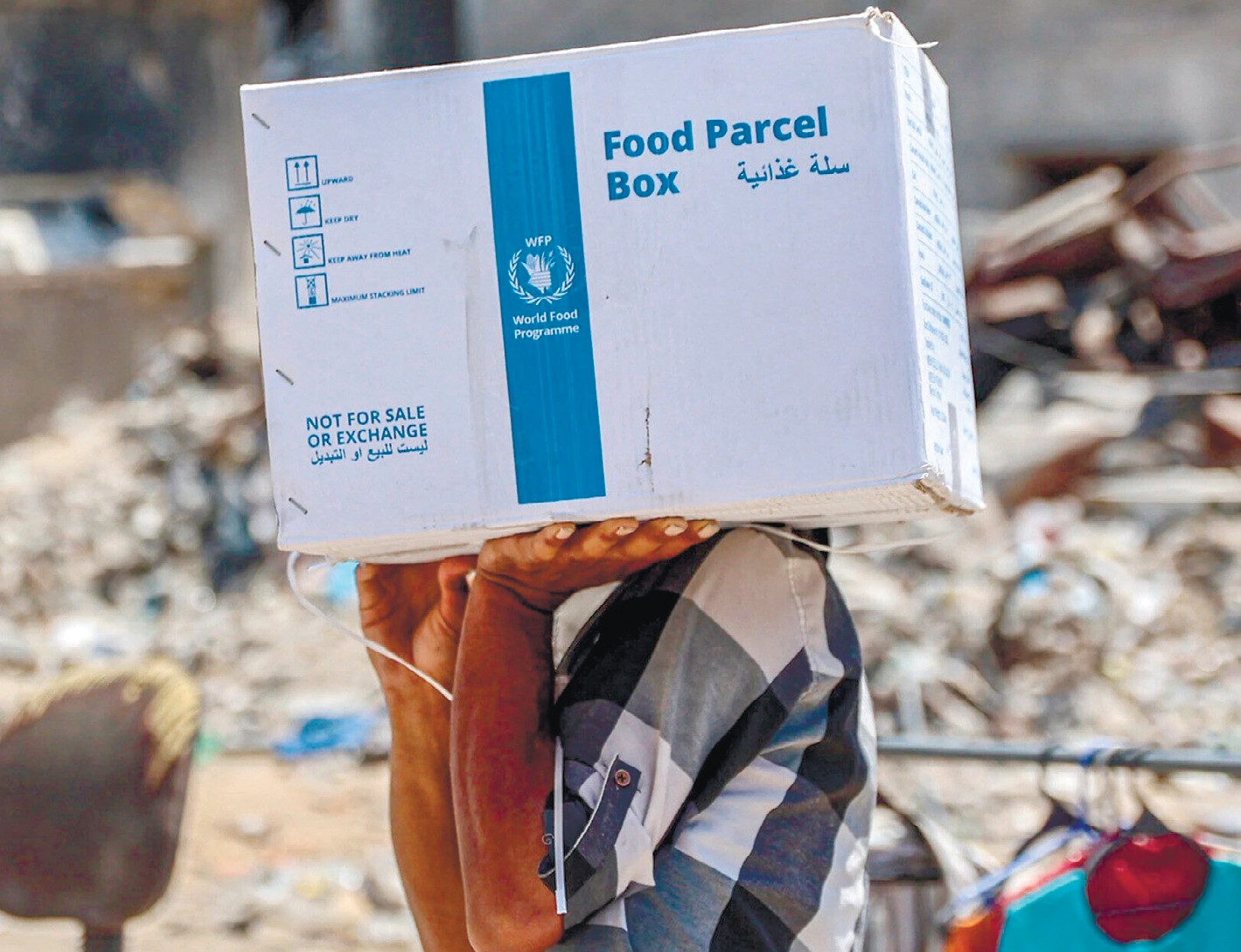
According to the Coordinator of Government Activities in the Territories (COGAT), an agency under Israel’s Ministry of Defence, all humanitarian aid will enter Gaza via the southern Kerem Shalom crossing. The estimated volume is approximately 60 lorries per day. Humanitarian organisations, including the UN, have previously asserted that several hundred trucks daily are necessary to meet minimum needs.
A memorandum issued by COGAT outlines that aid will be distributed through logistical centres managed by private contractors. Facial recognition technology will be used to identify Palestinians at these centres, and recipients will receive SMS notifications informing them when they may collect aid.
Aid as an instrument of pressure
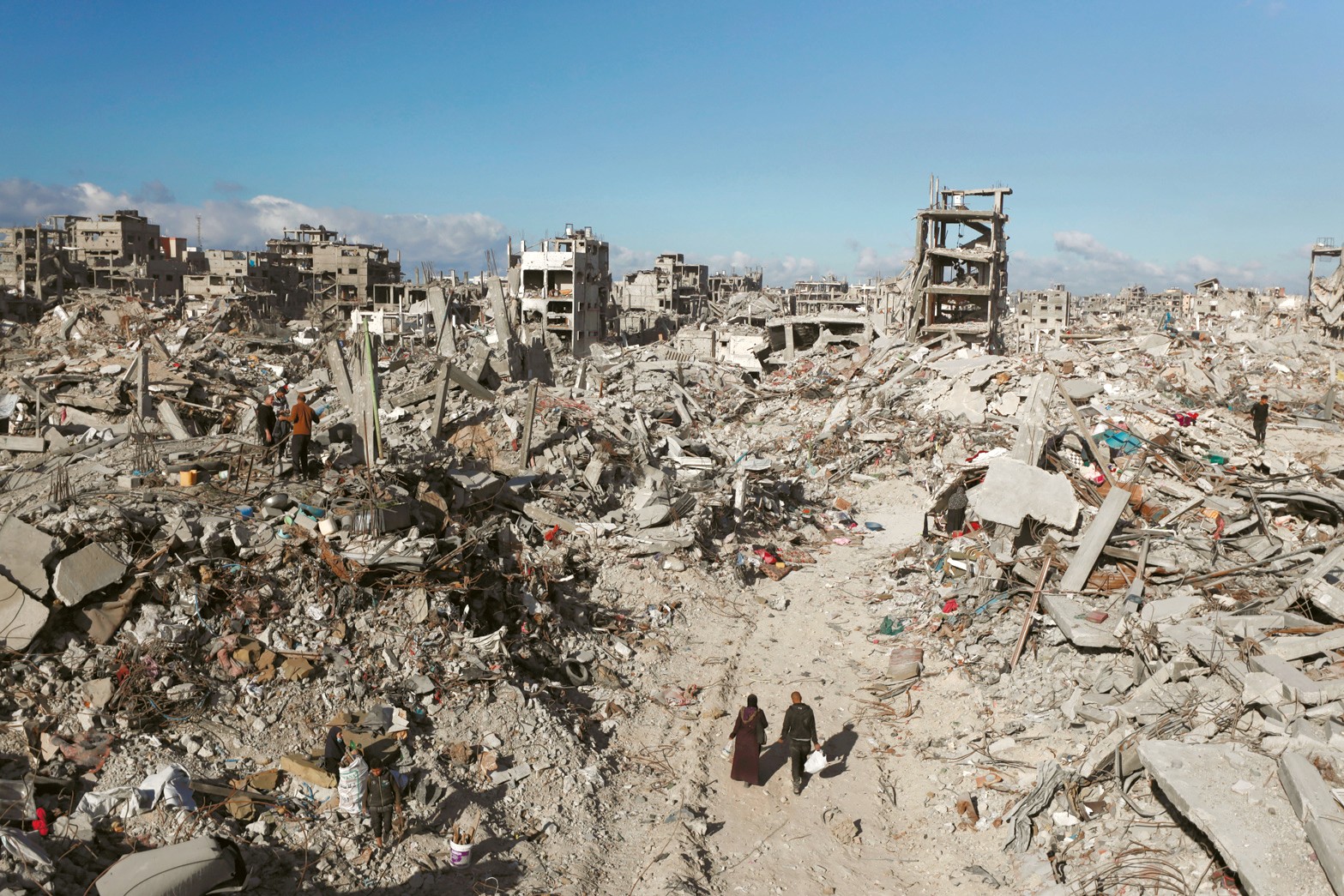
Humanitarian workers warn that centralising aid in designated distribution hubs, rather than delivering it directly to where people are sheltering, risks forcibly displacing large numbers of Palestinians. Fighting has already driven more than 90 per cent of Gaza’s population from their homes, leaving vast areas resembling a barren, uninhabitable "lunar" landscape.
The UN fears that most of the population—including the most vulnerable—will be left without access to aid. Hamas, for its part, has rejected the Israeli plan to control aid distribution, accusing Tel Aviv of seeking to "turn aid into an instrument of political blackmail or subject it to Israeli conditions". The group described the plan as "a violation of international law and a continuation of the famine policy".
The US government is reported to have expressed clear support for the Israeli plan. However, it remains unclear who will finance the private security companies or the aid deliveries themselves. Meanwhile, Israeli officials continue to deny the existence of a humanitarian crisis in Gaza. They claim there is adequate food in the enclave and accuse Hamas of obstructing its distribution to civilians.
There is growing concern among international aid agencies that the establishment of aid distribution centres could result in the permanent displacement of Palestinians and subject them to "de facto internment conditions".
At the same time, the possible indefinite reoccupation of the Gaza Strip would not only dash hopes for the realisation of Palestinian statehood, but also leave Israel reliant on managing a population that remains profoundly hostile.
It is no coincidence that the Palestinian National Authority has rejected both the US President’s proposal for Gaza and any other plans that might lead to annexation of the enclave. Many states, though sympathetic to the Palestinian cause, have remained conspicuously silent, either unable or unwilling to interfere in the unfolding developments.
RECOMMEND:
 184
184