

FLIGHT TO EXOTICISM
On the temples, skyscrapers, contrasts, and unique impressions of Kuala Lumpur
Author: Elchin HUSEYNOV, Baku-Kuala Lumpur-Baku
Kuala Lumpur is the capital and largest metropolis of Malaysia, thriving in a rhythm that fuses tradition with modern technology. The city’s skyline continues to expand, yet its unique culture, natural beauty, and gastronomic delights remain constant. For those seeking an exotic experience without sacrificing the comforts of a major metropolis, Kuala Lumpur is a destination to visit at least once.
The harmony of concrete and jungle
Kuala Lumpur’s tropical climate makes it pleasant year-round, but there are some nuances to consider when planning a trip. There is no typical winter or summer here — only an eternal summer with temperatures ranging from 28 to 32 degrees Celsius — and two main seasons: wet and conditionally dry.
The best time to visit is generally between June and August. These months offer a balance: minimal rain with occasional short showers in the evening that do not disrupt excursions. Humidity is more comfortable at about 65%, compared to 80% during other periods. Tourists are also drawn by the Food Festival in July and bank holidays in August featuring parades and fireworks at the famous Petronas Towers.
From November to February is the rainy season; monsoons bring heavy rains, especially intense in November and December. Showers can last 2-3 hours, flooding many streets. During this period, hotel prices drop by 30-40%, and tourist spots like Batu Caves or ethnic neighbourhoods see very few visitors.
The off-season months (March-May, September-October) bring changeable weather — morning sun may suddenly give way to thunderstorms. For an ideal holiday, guides recommend June through August; for cost savings, November through February; and for unique experiences, April with its many festivals or December for Christmas celebrations.
Low season in Kuala Lumpur offers not only affordable prices but also opportunities for complimentary room upgrades, especially when booking directly through hotel websites. Hotels often include special package deals with breakfast, transfers, or spa treatments at no additional cost. The main drawbacks are high humidity and occasional strong showers typical of the region’s off-season.
Kuala Lumpur remains lush and green throughout the year but is especially beautiful from March to October when tropical rains transform it into a vibrant botanical garden. The Petronas Twin Towers reflect in artificial lakes surrounded by carpets of blooming hibiscus, while sprawling raintrees create shady alleys that provide coolness even at midday. With 12 square metres of green space per inhabitant, the city exemplifies the potential future of megacities balancing concrete and nature.
Complex yet simple transport
After hours of flight, you arrive at Kuala Lumpur Airport (KLIA), about 45 km from the city centre. Azerbaijani citizens do not require visas to enter Malaysia; filling out a migration card at the airport suffices. If you have not pre-booked a hotel transfer, taxi services directly outside customs are quite expensive ($60-80 or more). However, just 40-50 metres from the airport entrance, taxi fares drop to around $40. Be cautious: you may be quoted prices in ringgit without being informed of the official exchange rate, which could lead to overcharging. Negotiating with individual taxi drivers can reduce fares further to $25-30. Travel time ranges from 45 to 60 minutes depending on traffic.
Budget travellers are best served by buses costing $3-4 to reach the city centre in about an hour without traffic jams, though congestion is frequent in this metropolis. The fastest and most convenient option is the KLIA Ekspres train, which takes about 30 minutes ($15) to reach KL Sentral Station — the main transport hub. The trains are spacious, air-conditioned, and run on a dedicated line free from traffic delays, departing every 15-20 minutes from both terminals (KLIA and KLIA2).
Note that there are no express trains from midnight to 5 am and no buses between 3 am and 5 am; during these hours, taxis or private transfers are the only options.
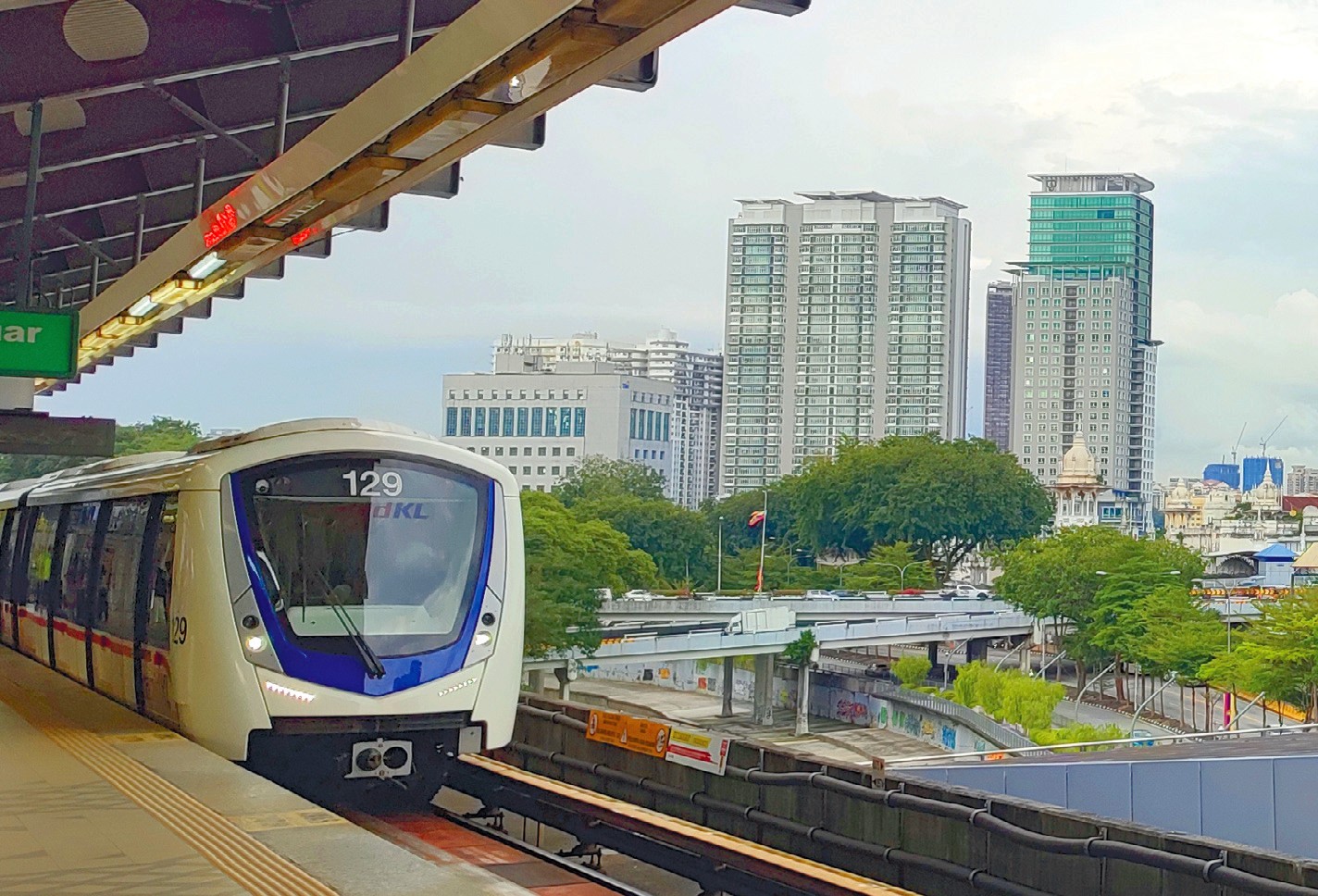
At first glance, public transport in the city centre may seem disorganised but is actually quite convenient once understood. The Metro and LRT (Light Rail Transit) systems include several lines connecting key areas such as KLCC (Petronas Towers), Bukit Bintang (shopping district), Chinatown, and others. Fares range from 25 to 70 cents depending on distance — fast, affordable, and efficient.
Additionally, a monorail ($0.50–1.50) runs through busy areas connecting them to transport hubs — a useful choice for travellers wanting quick access to central shopping districts.
Gemini as a calling card
Although Kuala Lumpur is an economic and cultural centre, it preserves its historic districts, green parks, and impressive modern architecture.
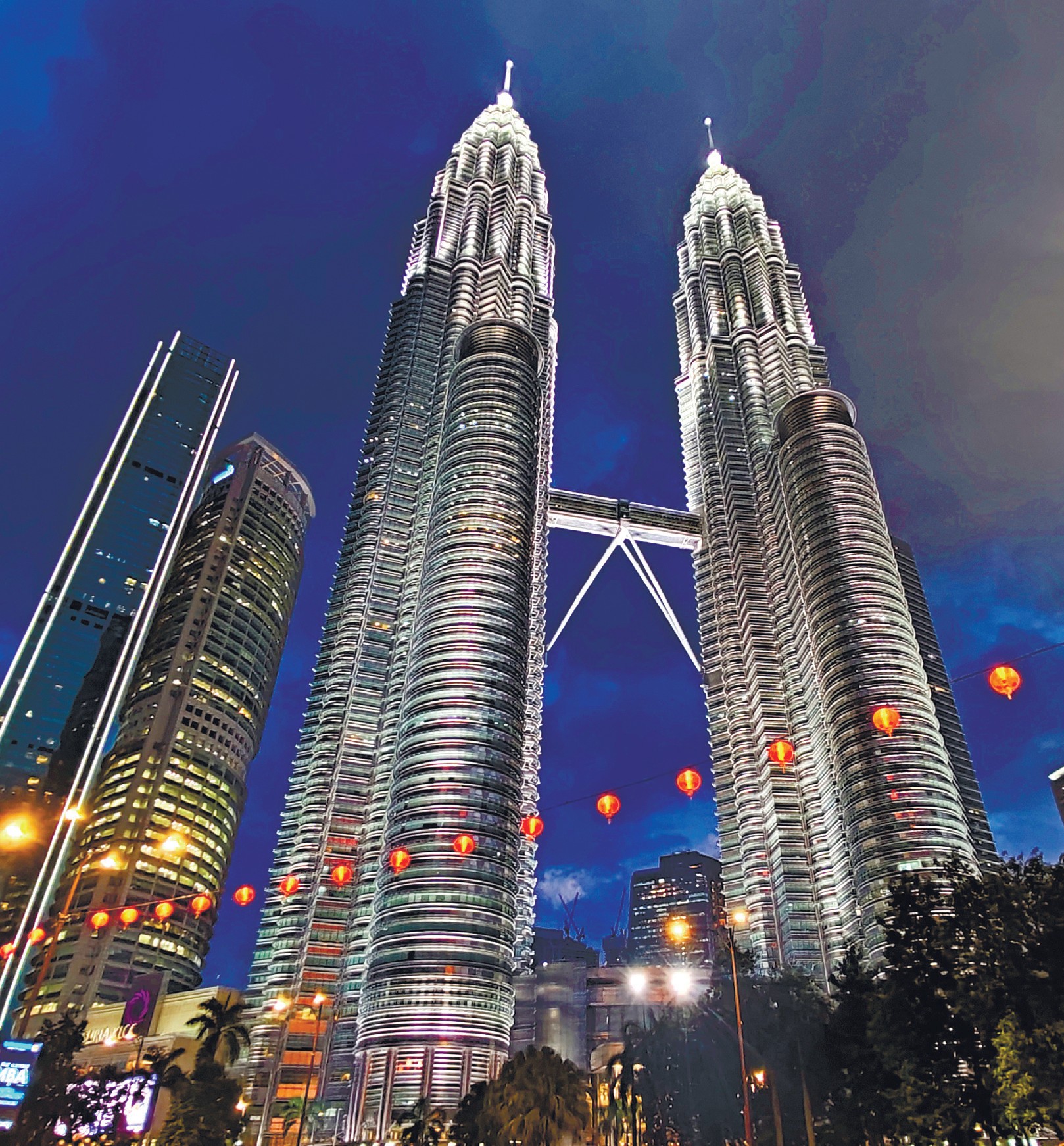
The city’s “calling card” is the Petronas Towers in the Golden Triangle area. These twin towers stand 452 metres tall with 88 floors and once held the title of the tallest buildings worldwide. Beyond breathtaking views of Kuala Lumpur, crossing the glass bridge linking the two towers provides an unforgettable experience for the brave. The skyscrapers house a theatre, art gallery, concert hall, cafés, restaurants, and a large upscale shopping mall. The observation deck on the 86th floor offers panoramic views, while the highest covered bridge in the world connects the towers on the 41st floor.
Nearby stands the Menara TV Tower at 421 metres tall. Its summit features a popular observation deck with panoramic views and a revolving restaurant.
One of Kuala Lumpur’s most beautiful spots is Independence Square, surrounded by museums and administrative buildings that are architectural landmarks: Sultan Abdul Samad Palace, National Museum of History, Memorial Library, and St Mary’s Anglican Church.
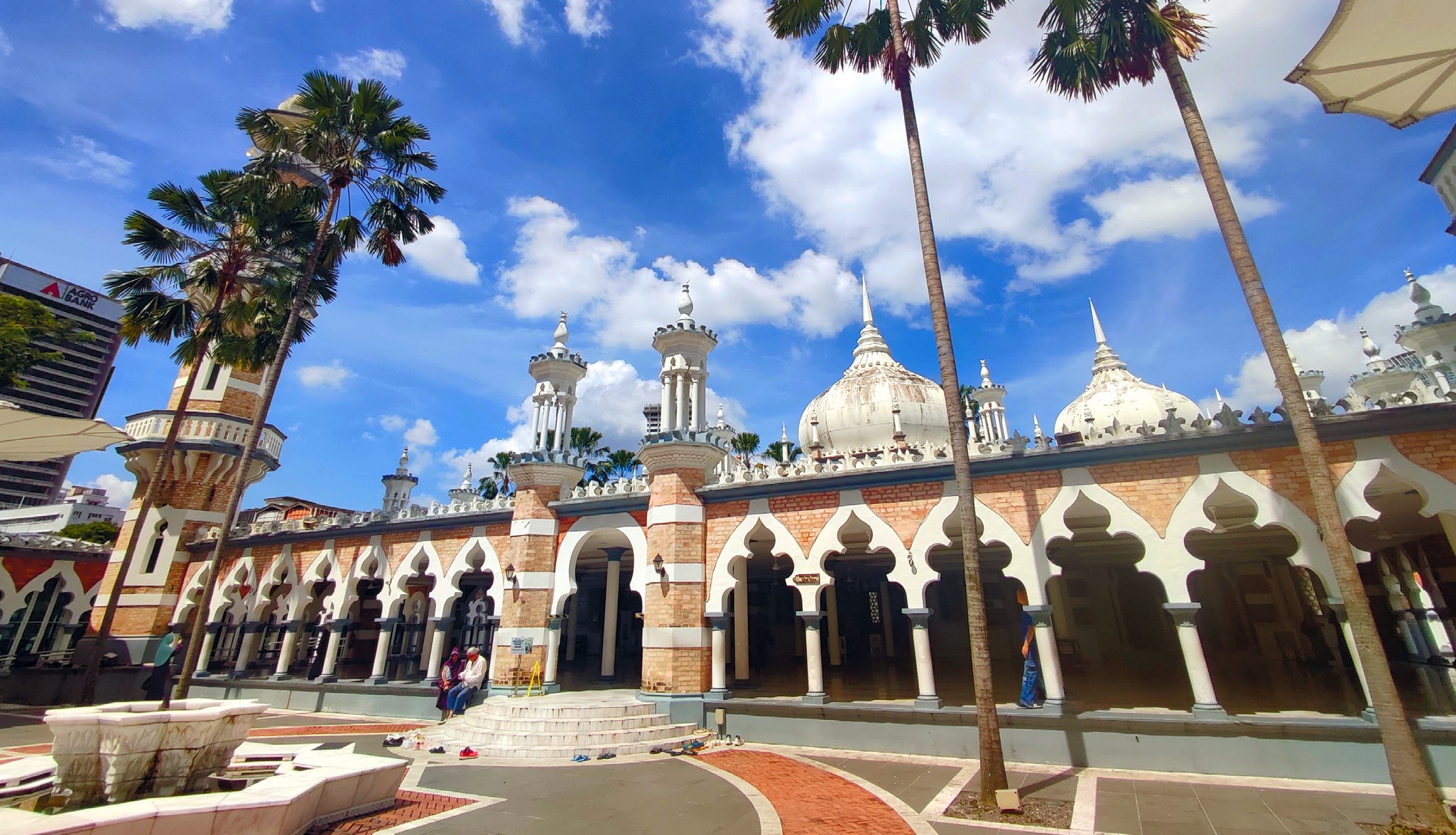
The Jamek Mosque holds special historical importance as the oldest mosque in the city, built in 1909. Constructed in Moorish style, it is known for its carved arches and exquisite turrets harmonising with coconut palms.
Fans of oriental culture should visit Tian Hou Temple — the largest Chinese temple in Malaysia dedicated to the Mother of Heaven, patron saint of sailors and fishermen. The temple features statues of golden phoenixes, dragons, and symbols of the twelve Chinese zodiac signs. Walking along the “path of happiness” or knocking on the fortune-telling drum is believed to bring good luck and prosperity.
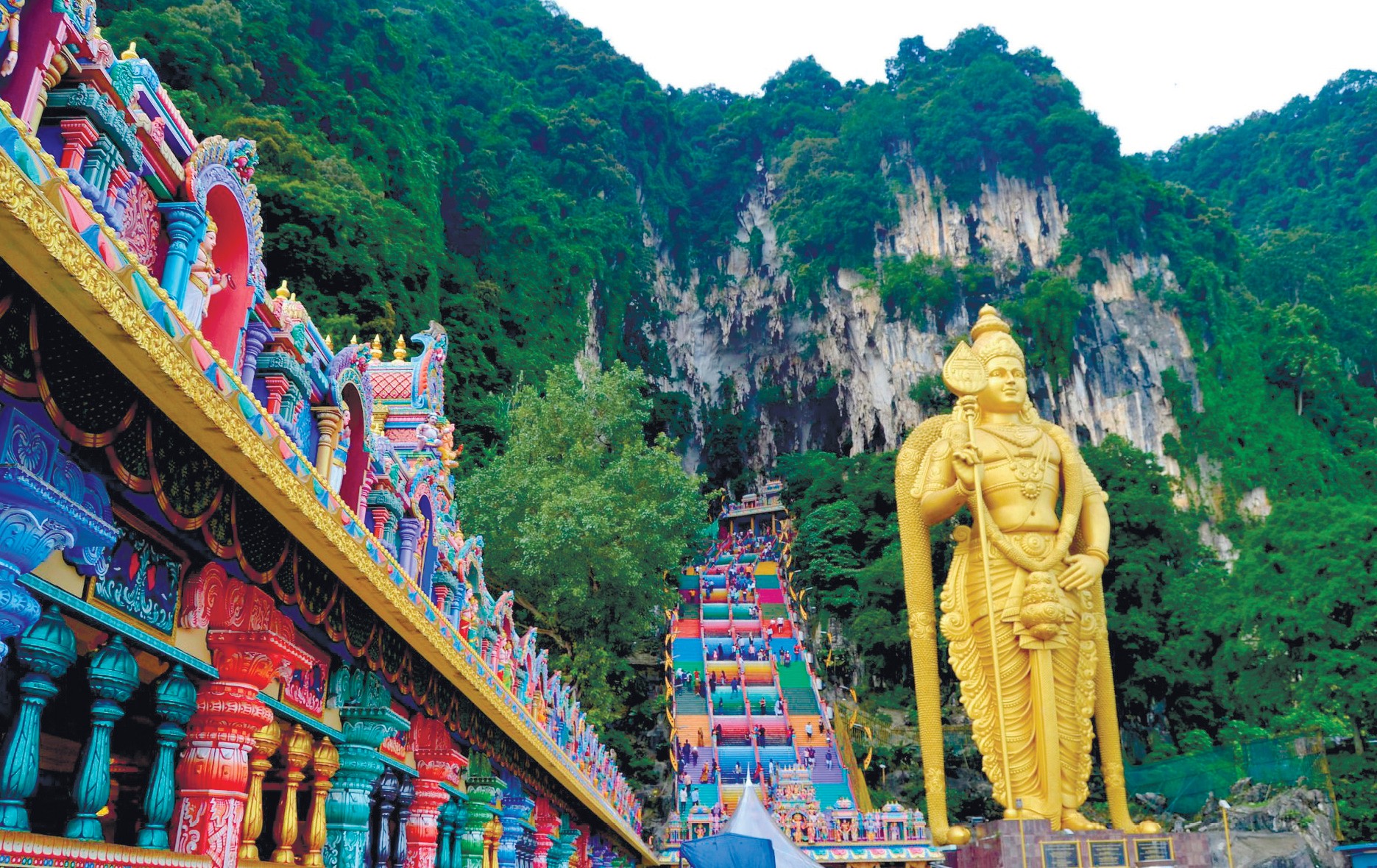
For something unique, Batu Caves offers an extraordinary experience. Located 13 km from the centre with 272 steps to climb, this complex houses temples dedicated to Hindu deities. A giant statue of Murugan stands guard at its base.
Central Lakes Park is one of the city’s most picturesque places — ideal for strolling shady alleys, boating, enjoying live music, and admiring stunning scenery. The park includes orchid and hibiscus gardens as well as biosphere areas where visitors can observe animals, birds, and butterflies in their natural habitats.
To avoid discomfort in hot and humid Kuala Lumpur, take advantage of double-decker tourist buses seating 24 people at $14 per ride.
Chinatown and Little India: the capital’s heartland
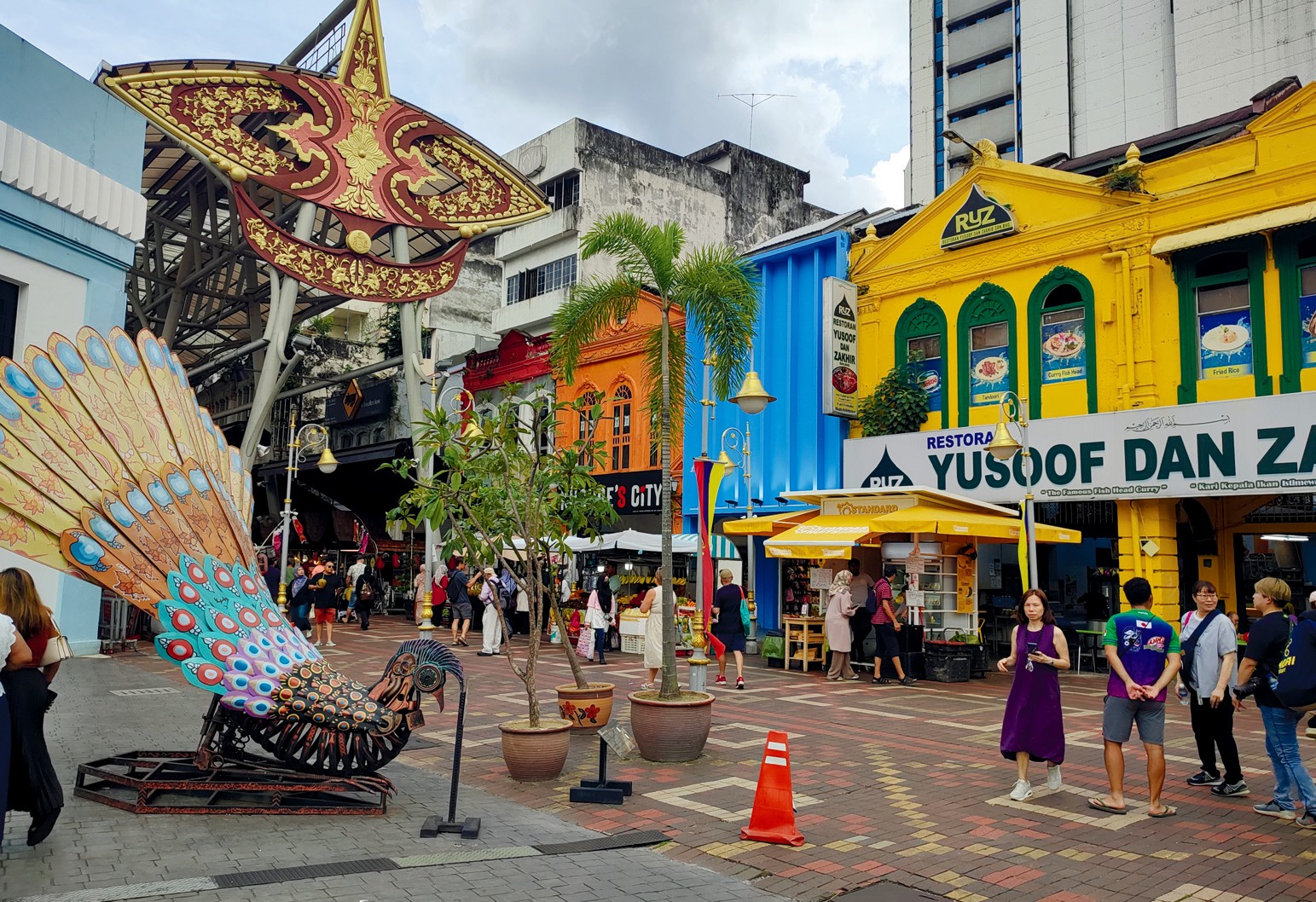
Kuala Lumpur is a city where diverse cultures merge vividly in neighbourhoods such as Chinatown and Little India — both historical centres and major tourist attractions. Approximately 23% of Malaysia’s population is Chinese and about 8% Indian.
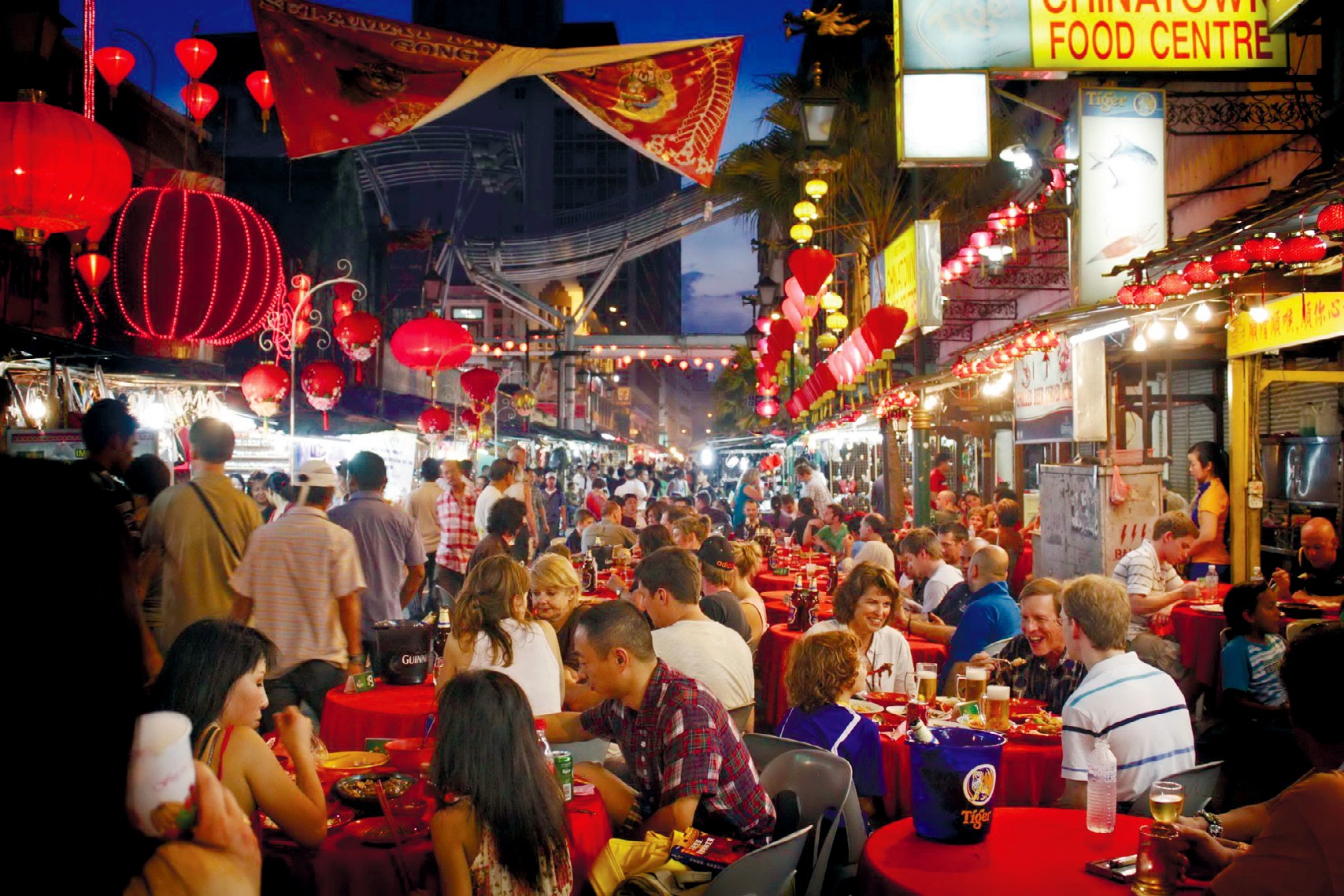
Chinatown lies in Petaling Street Market area as the heart of Kuala Lumpur’s Chinese community. It boasts bustling markets, traditional shops, and restaurants serving dishes integral to local cuisine. Known for its night markets, Petaling Street is a shopper’s paradise offering everything from souvenirs and clothing to exotic foods. Visitors can explore Chinese temples or visit Sri Mahamariamman — the city’s oldest Indian temple located here.
Chinatown uniquely blends old and new with ancient Chinese shops alongside modern shopping centres and both traditional cuisine served in restaurants and street cafes.
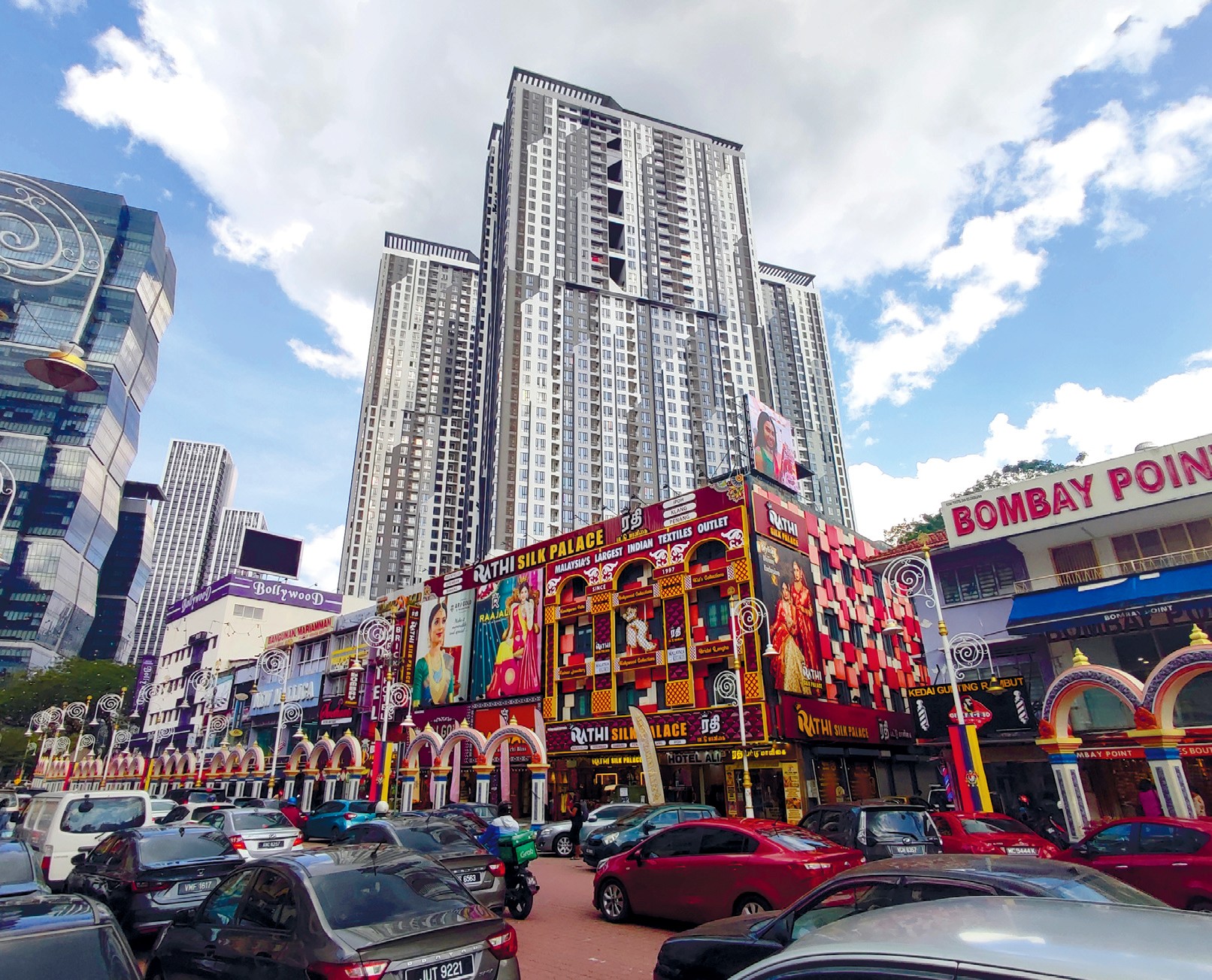
Little India near Kovil station is home to a vibrant Indian community filled with colourful shops, spice aromas, and Indian melodies. Walking its narrow streets evokes India itself through temples and restaurants serving traditional dishes.
Here, visitors can browse stalls selling spices, fabrics, and jewellery while sampling curries, samosas, kebabs, and purchasing souvenirs such as saris and musical instruments.
From luxury malls to colourful markets
Kuala Lumpur is often called a shopaholic’s paradise with around 60 major shopping centres offering everything from designer collections to local handicrafts. Shopping here has evolved into a leisure activity combining retail with entertainment, gastronomy, and cultural events. For example, Berjaya Times Square offers an amusement park with roller coasters at budget-friendly prices.
The Utama Centre — one of Asia’s largest at 500,000 square metres — features a rooftop garden, rock climbing wall, and 650 shops. Luxury shoppers flock to Pavilion Kuala Lumpur where boutiques like Chanel and Louis Vuitton reflect their status through prices reaching thousands of dollars amid impeccable service and atmosphere; Tokyo Street here is especially popular for its stylised Japanese theme.
Suria KLCC near Petronas Twin Towers includes not only luxury shops but also an art gallery with city views and the KLCC Aquaria aquarium. Sunway Pyramid features Egyptian-themed design with an ice rink and amusement park.
Central Market offers traditional Malaysian goods such as batiks, handmade wooden items, and local sweets; bargaining here is essential as sellers often reduce prices by 20-30%.
Prices in Kuala Lumpur are generally lower than in Europe or Singapore but higher than neighbouring Thailand or Vietnam. Lunch at a shopping centre food court costs about $5-6; dinner at a mid-range restaurant ranges from $10-20. For budget travellers, street markets like Petaling Street provide local delicacies and inexpensive souvenirs for just a few dollars.
Exotic cons
Malaysia — and Kuala Lumpur in particular — offers many interesting and tasty dishes; however, some tourists may find local food uncomfortable or intimidating.
Firstly, Malaysian cuisine is known for its spiciness; chilli is common in many dishes. Examples such as nasi lemak (rice cooked in coconut milk with anchovies and egg), laksa (noodle soup), or satay (grilled meat) may be too spicy for those unaccustomed to such flavours. Curry, galangal, lemongrass, and soy sauce are widely used; these seasonings may cause discomfort or allergic reactions in sensitive individuals. Palm sugar and fish sauce also have distinct tastes that may not appeal to European palates.
Secondly, Malaysia uses exotic ingredients like crocodile meat along with various seafood and fruits. The durian fruit — known for its very strong odour — is banned from public places due to its intensity.
Thirdly, street markets and stalls known as “mamak” or “gherai,” popular locally, may pose hygiene risks due to varying food quality and preparation conditions that can lead to food poisoning or infection. Despite initial unease, many tourists eventually acclimatise to these culinary quirks.
Traffic congestion represents another downside; rush-hour jams can occur early morning or late at night, affecting bus or taxi travel times significantly. Pedestrian infrastructure often falls short despite numerous modern buildings; walking on pavements can be challenging in certain areas. Air pollution issues also arise occasionally during monsoon season.
Despite these drawbacks, Kuala Lumpur leaves a lasting impression with its blend of modernity and tradition. Its wide range of attractions, delicious food, and reasonable prices make it an ideal destination for travellers seeking a unique adventure. From vibrant markets to towering skyscrapers, this city offers an array of experiences that will be remembered long after departure.
RECOMMEND:
 270
270

