

ROME UNFILTERED
The Eternal City: a must-see at least once in your life
Author: Elchin HUSEYNOV, Baku-Rome-Baku
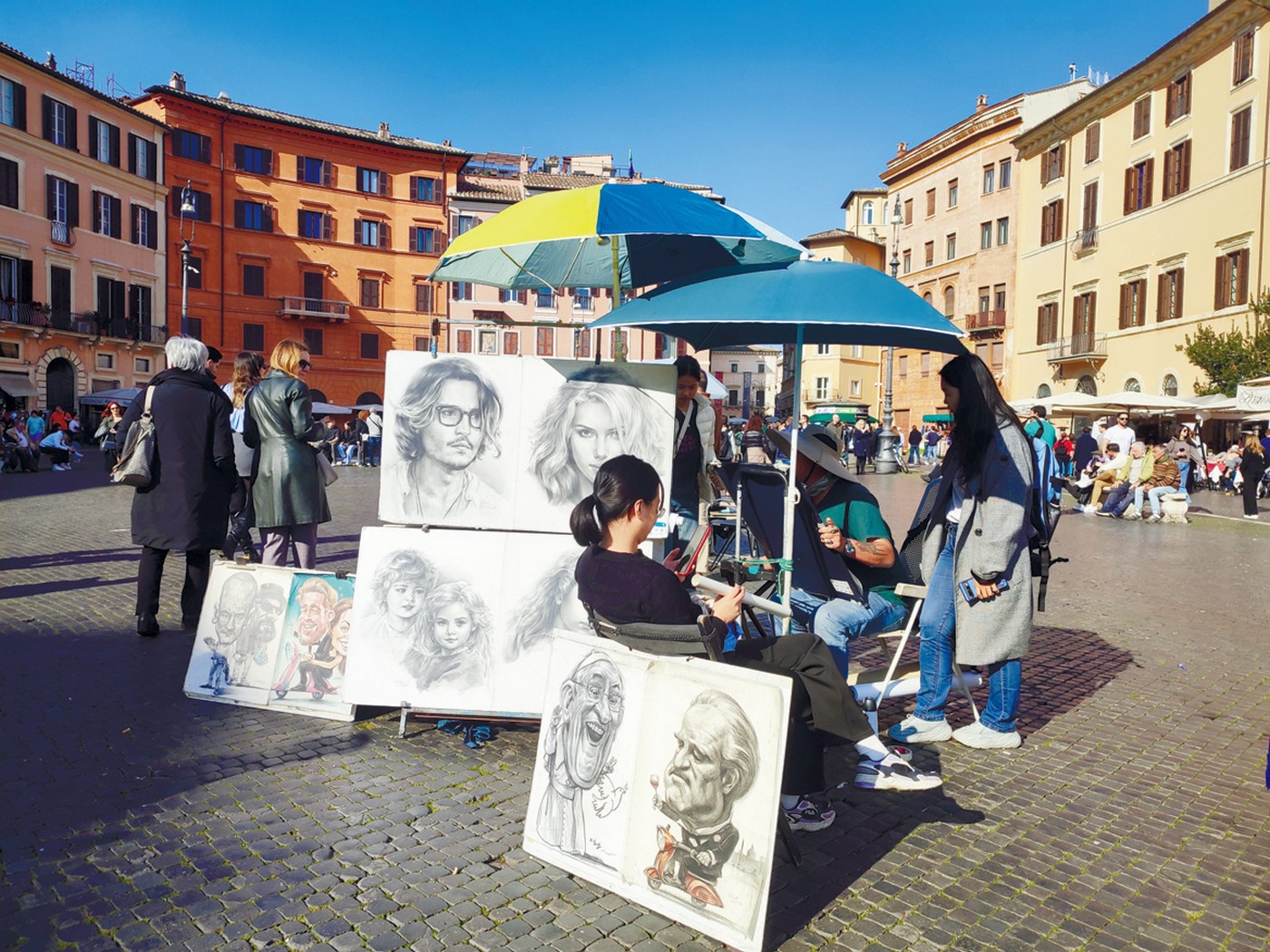
Rome isn't just a city; it's a colossal open-air museum where every stone breathes history. Imagine breakfast with a view of the Colosseum, lunch in the shadow of the Pantheon, and dinner serenaded by street musicians in Piazza Navona. But Rome is more than ancient ruins and artistic masterpieces. It's also vibrant markets, cosy family-run trattorias, hidden courtyards, and the unique atmosphere of dolce vita—the sweet life. If you're planning your first trip to Rome or looking to discover new facets of this incredible city, this guide will help you plan the perfect journey.
Planning the best time to visit
The best times to visit Rome are during spring (April-May) and fall (September-October). The weather is pleasantly warm, the scorching summer heat hasn't set in, and there are fewer tourists than in peak summer. July and August are the hottest months, with temperatures soaring to +35°C and feeling even hotter in direct sun. Many locals leave the city during this period to escape the heat. In winter, Rome is cool but not overly cold. Plus, museum lines are practically nonexistent, and prices for hotels and flights are significantly lower.
Finding your home in the Eternal City
Rome boasts a rich history, culture, and architecture, so your choice of accommodation will depend on your goals, budget, and preferences. You'll find both central, tourist-heavy areas and quieter, more affordable neighbourhoods.
The Historic Center (Centro Storico) is considered one of the most convenient areas to stay. It's home to major attractions like the Pantheon, Piazza Navona, Trevi Fountain, and the Spanish Steps. Living here means you can explore most sights on foot, though prices are the highest. A basic three-star hotel typically costs €150-€250 per night for two with breakfast, while apartment rentals range from €120-€200.
Trastevere is a charming neighbourhood with narrow streets, cosy restaurants, and a lively atmosphere. It's popular with tourists, especially in the evenings when its many bars and cafes come alive. Accommodation prices here are slightly lower than in the centre, with mid-range hotels around €100-€180 per night and apartments from €90-€150.
The Monti district is near the Colosseum and Roman Forum. It's trendy but less crowded than other tourist spots, offering many stylish cafes, small boutiques, and bars. A night in a hotel here costs approximately €110-€190, with apartment rentals from €100-€160.
Prati is an elegant and quiet neighbourhood close to the Vatican. It has fewer tourists and more locals, excellent infrastructure, and plenty of shops, making it ideal for those seeking a more relaxed atmosphere. Expect to pay €90-€160 for a hotel and €80-€140 for an apartment.
If you're looking for more budget-friendly options, consider the San Giovanni and Appio Latino areas. While not central, they are well-connected to other parts of the city by metro. You can find apartments for €60-€90 per night here. Other affordable choices include Tiburtina and Nomentano, also well-connected to the train station and suitable for budget travellers, with rentals starting from €50-€80 per night. Ostiense and Garbatella are popular with students and young people, offering a cosy, creative vibe and accommodation from €60-€100 per night.
For stays of a week or longer, renting an apartment or private house is a sensible option. Outside the city centre, budget apartments can be found for €50-€70 per night. Mid-range options average around €90-€140. Premium apartments in the centre can cost €200-€300 per night and up. Renting an entire house for a family or group might cost €300-€600 per night in central areas and €150-€250 in more remote locations.
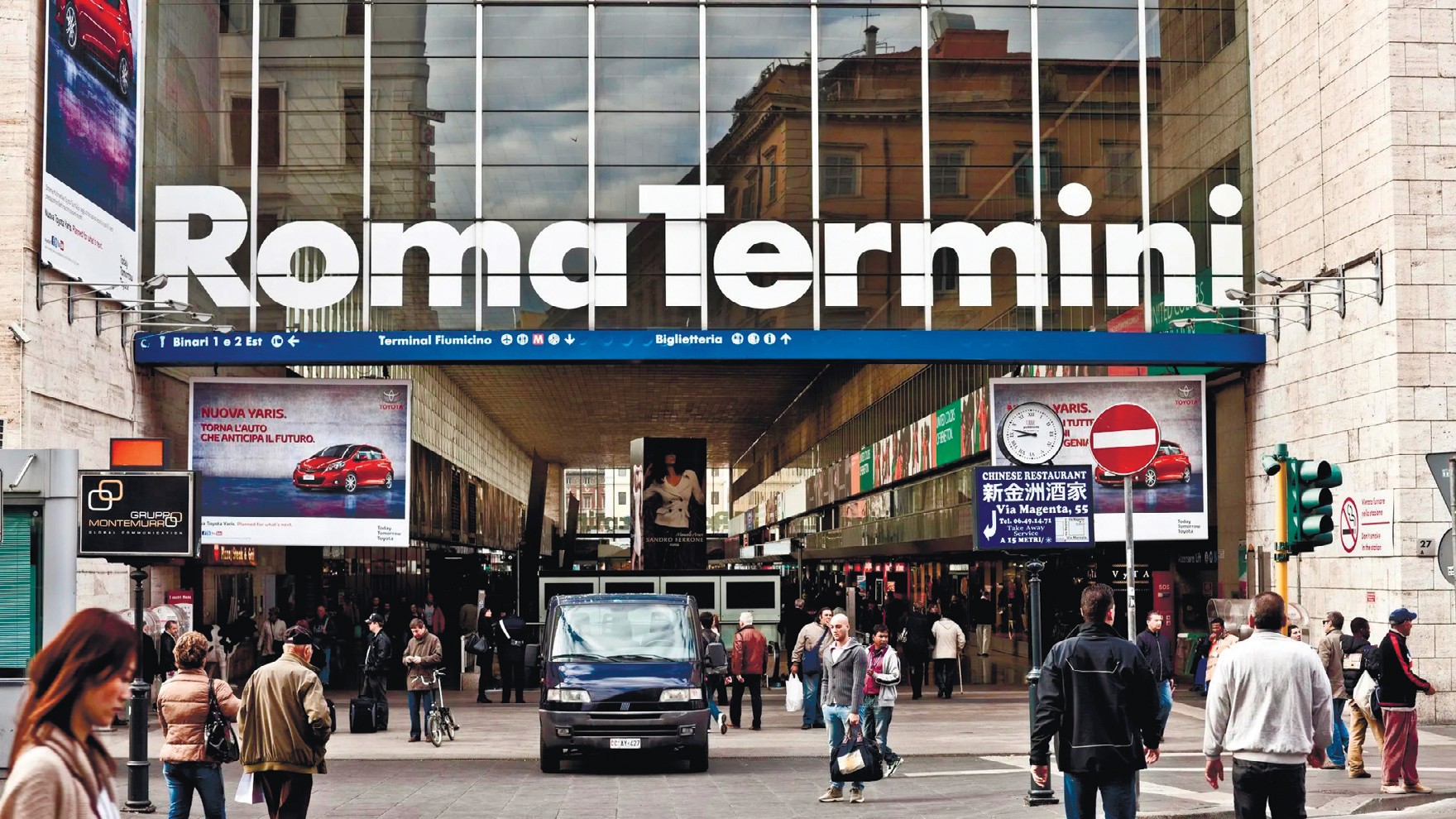
Perhaps the most convenient, though not entirely safe, option for accommodation is the Termini central train station area. Its convenience lies in being Rome's main transport hub. First, it offers 24/7 connections to the airport via both buses and trains. Second, it's an ideal starting point for train trips to any region or city in Italy. However, be aware that the streets around Termini are not very safe in the evenings.
Navigating Rome's streets: a word on safety
Termini Station, Rome's primary railway hub, sees trains arriving from all over Italy and Europe. The area surrounding it is dotted with numerous affordable hotels, cafes, and shops. While convenient for accommodation and city travel, it unfortunately has a reputation as one of Rome's least safe areas.
Here are the most common issues you might encounter:
First, there are quite a few homeless people, drunkards, and drug users, which can make visitors feel uncomfortable, especially in the evening and at night. It's worth remembering that Rome has been considered Europe's most unsafe city for several years, so it's best to avoid walking alone at night.
The second major problem in Rome is pickpockets, who are particularly active near the train station, in the metro, on buses, and around major attractions. Their targets are often tourists, who tend to be less vigilant and unaccustomed to high theft risks.
Third, be wary of persistent vendors and scammers. Street "helpers" might offer unsolicited assistance, such as with tickets, luggage, or taking photos, only to then demand payment. Scammers might try to sell fake "lucky" bracelets, solicit donations for fraudulent petitions, and more. Both scammers and pickpockets often work in groups, distracting you while others act. Stay vigilant!
While Italy is generally considered a safe country for travel, petty crime, especially theft, remains a significant concern. Due to the high volume of incidents, the police often don't respond to reports.
Experts advise travellers to never leave valuables unattended, use money belts or zippered pockets, and avoid carrying all your documents and large amounts of cash with you. Also, don't trust strangers, especially near train stations and tourist attractions. Specialists also recommend avoiding flashy jewellery, expensive accessories, phones, and clothing. Don't rely on hotel security for expensive items left in your room. Italy is a beautiful country, but it's not flawless when it comes to safety.
Following in Caesar's footsteps: iconic sights
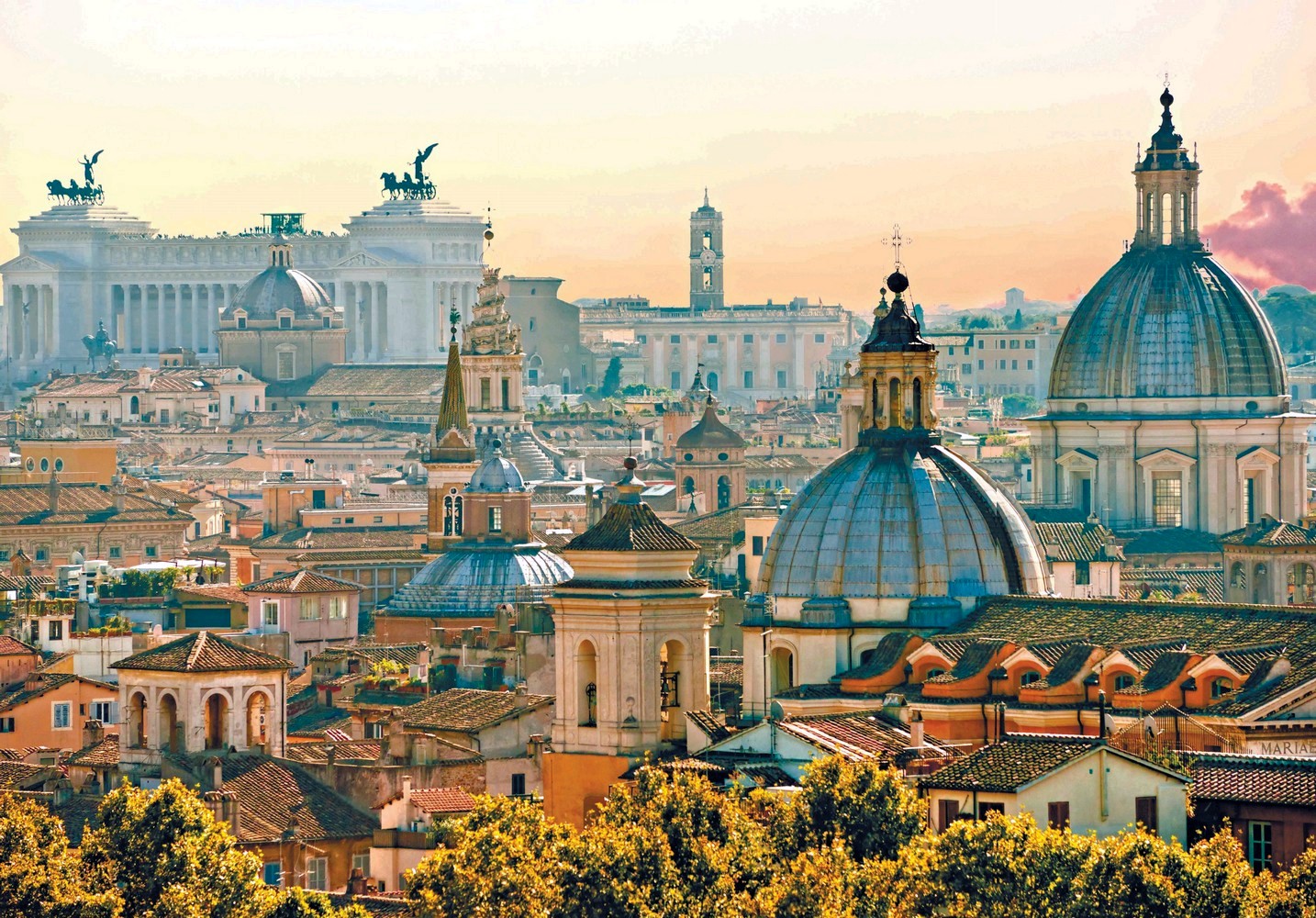
It's said that all roads lead to Rome for a reason. This legendary city, built on seven hills, is like a living encyclopedia of history, art, and architecture. Here, past and present merge into a single tapestry, with a new discovery around every corner. Whether it's your first visit or a return trip, Rome will always find a way to surprise you.
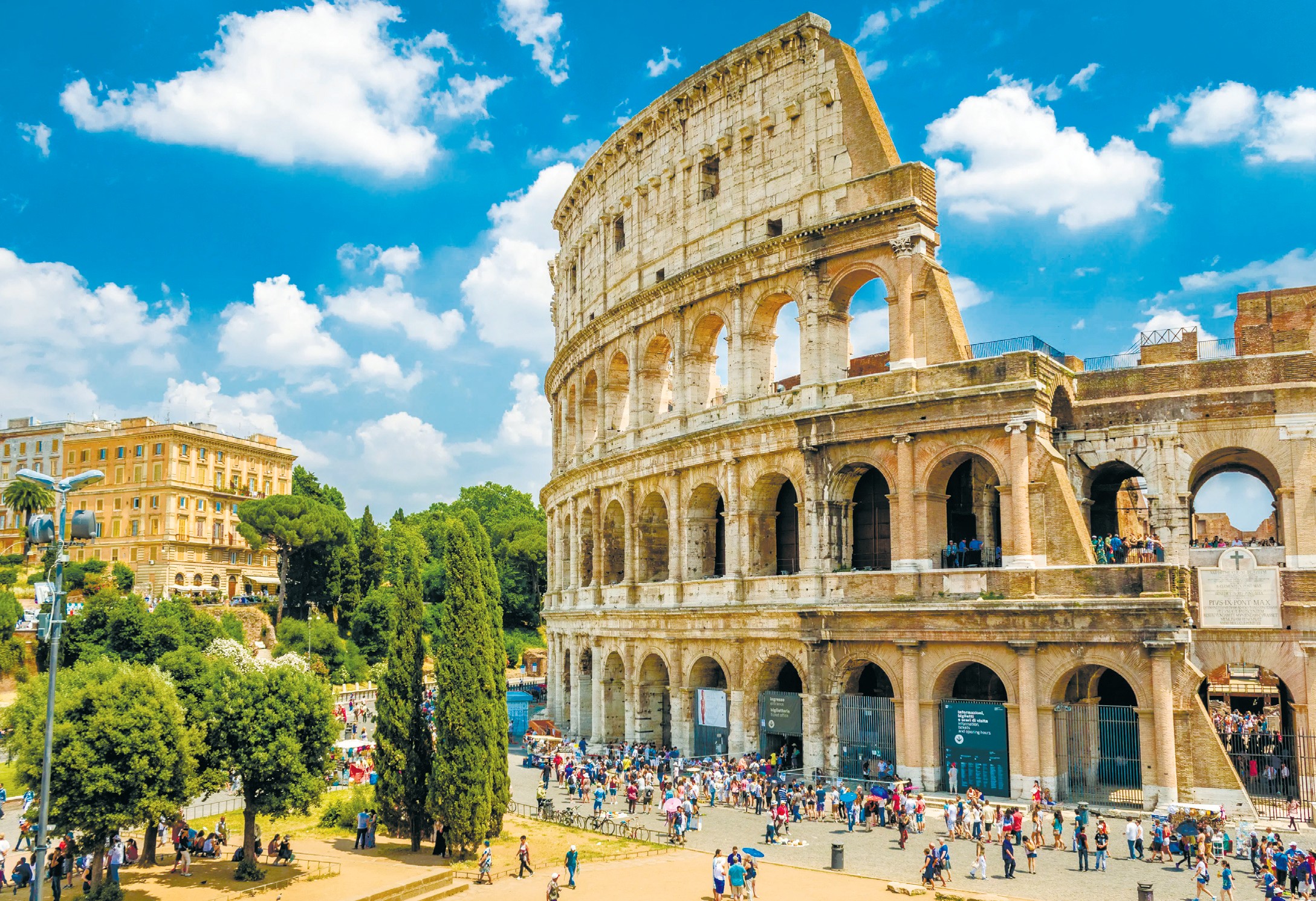
Let's start with Rome's symbol: the Colosseum. It's not just an amphitheatre but a true marvel of ancient engineering. Its walls once buzzed with passion, drama, and gladiatorial contests. Stroll beneath its arches, and you can almost hear the echoes of crowds holding their breath two millennia ago. Yes, you'll likely wait in line and pay a hefty entrance fee, but this is History—with a capital H.
Adjacent to the Colosseum lies the Roman Forum, the political and religious heart of ancient Rome. The ruins of temples, triumphal arches, columns, and basilicas still convey the grandeur of a bygone era. Walk along the ancient paving stones and imagine how the fate of the world was decided here.
Perhaps one of the most harmonious buildings of antiquity is the Pantheon. Its dome is still considered an engineering masterpiece. Step inside, and you'll find yourself in a space where architecture becomes philosophy. The beam of light piercing through the circular opening in the dome is like a divine eye, observing eternity.
Even if you're not religious, the Vatican City is a must-visit. It's a sovereign state within Rome's heart, brimming with world-class artistic masterpieces. The most famous structure in the Vatican is St. Peter's Basilica, one of the planet's most magnificent churches. This is where you'll typically find long lines, as entry is free. What's more, for €10, you can climb the dome for panoramic city views. All other Vatican Museums, including the Sistine Chapel with Michelangelo's frescoes, require paid admission. Even a quick tour of all the Vatican Museums will take at least a full day, and if you have the time, it's absolutely worth it.
Tossing a coin into the Trevi Fountain is more than just a tourist tradition; it's a genuine urban legend. According to folklore, one coin ensures your return to Rome, two mean you'll find love, and three mean you'll marry. Perhaps thanks to these rumours, city authorities collect over €1.5 million in coins from the fountain annually, all of which goes to charity. Authorities are even considering introducing a viewing fee for the fountain.
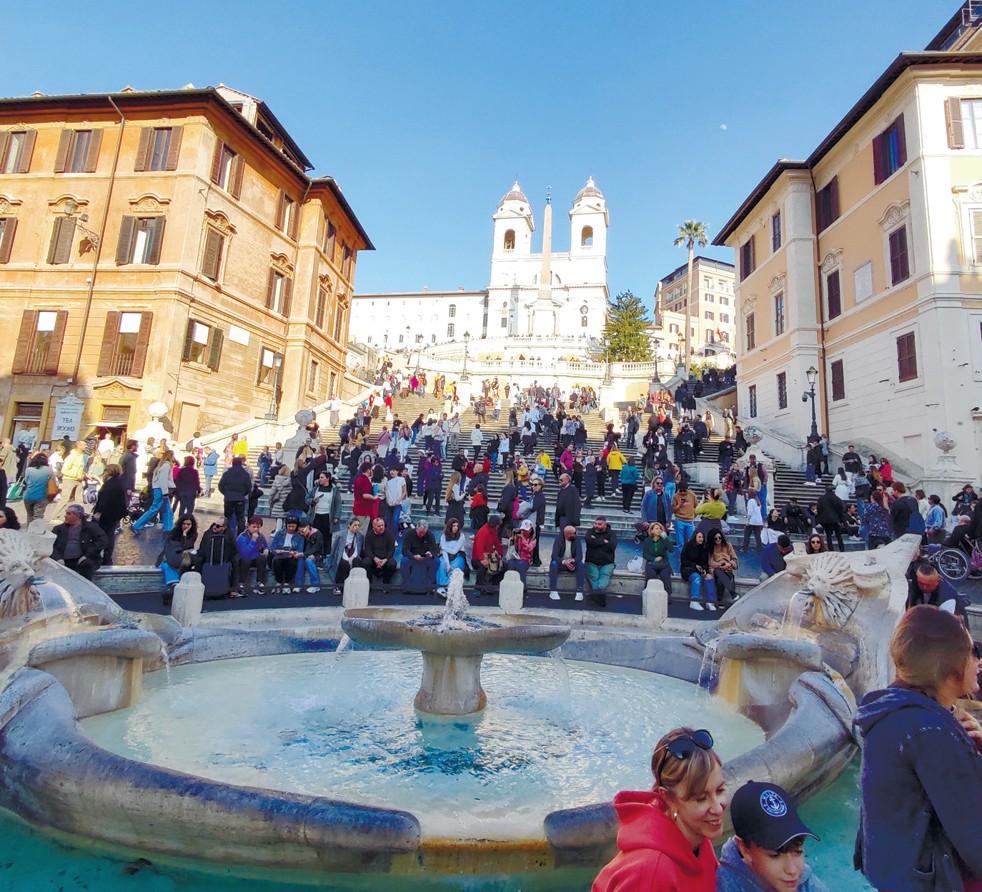
Another significant landmark is the Spanish Steps, connecting the Trinità dei Monti church with Piazza di Spagna. It's not just an architectural marvel but also an iconic spot for meetings, photo shoots, and fashion events. In spring, it's blanketed in flowers; in summer, it's bustling with people.
Overlooking the Tiber River is the Castel Sant'Angelo, once a mausoleum, then a fortress, papal residence, and even a prison. Its observation deck offers one of the best city views, especially at sunset.
If you want to experience not just ancient Rome but also the vibrant, pulsating modern city, head to the Trastevere district. Its narrow streets, cosy trattorias, street musicians, and undeniable atmosphere make it impossible not to fall in love. This is Rome without the polish—the authentic Rome.
Shopaholics on the hunt for treasures
Rome isn't just about ancient ruins and Baroque masterpieces; it's also a fantastic shopping destination. You can find everything from luxury boutiques featuring global brands to charming vintage shops and massive outlets offering significant discounts on high-end clothing. If you're planning a trip and hope to bring back more than just memories, Rome is the place for great shopping finds.
The heart of Roman shopping is the area around the Spanish Steps. Via dei Condotti is considered the local equivalent of Milan's Via Montenapoleone, home to flagship stores for Prada, Gucci, Louis Vuitton, Bulgari, and other luxury brands. Prices are high, but the selection is vast, and the window displays are works of art in themselves. If you're looking for something more affordable, head to Via del Corso, a long pedestrian street lined with high-street brands (Zara, H&M, Mango) and affordable Italian labels (Furla, Liu Jo, Intimissimi). You'll also find the beautiful Galleria Alberto Sordi passage here, with book-stores, cosmetic shops, and clothing stores.
If you prefer one-stop shopping to traipsing through the streets, check out La Rinascente, Rome's answer to Paris's Galeries Lafayette. It offers both luxury and high-street brands, and its top floor boasts an excellent food court with panoramic city views.
Located 15 km from the capital, Euroma2 is one of Italy's largest shopping centers, featuring two floors of stores, from Ikea and Zara to Apple and Sephora. Another massive mall with a cinema, kids' entertainment, and a food court is Porta di Roma.
A true spot for budget-conscious shopaholics is Rome's outlets, where prices are significantly lower—perfect if you're not chasing the latest arrivals. Here, you can buy famous brand items with 30-70% discounts year-round. The most well-known is Castel Romano Designer Outlet, 25 km from Rome. You can reach it by shuttle from Termini Station, but be prepared to spend a whole day there.
Remember that Italy has two main sale seasons. Winter sales run from early January to the end of February, and summer sales from early July to the end of August. During these times, store discounts can reach 50-70%, especially in high-street stores. Luxury brands usually lower their prices later in the season.
By the way, if you're not an EU resident, you can claim a VAT refund (Tax Free) of approximately 12-15% on purchases over €154.99 on a single receipt. Ask for a Tax Free form at the store and process the refund at the airport.
Smart spending: how to avoid running out of funds
Experts have estimated several possible budget options for a stay in Rome. An economy budget for a week in Rome, covering accommodation, food, museums, and transport, could be at least €700-€800. A standard budget might require at least €1300-€1400, while a premium package would start from €2600.
These simple tips can help you save money and avoid financial difficulties during your trip:
Know that Roman museums are free every first Sunday of the month—plan your visit to coincide with this day if possible. It's advisable to buy tickets for museums, excursions, and train travel to other Italian cities in advance. This can lead to significant savings. If you leave everything until the last minute, prices—especially for train and bus transport—can double or even triple.
Many tourists purchase the Roma Pass (a museum card and transport pass) for discounts on public transport and museums. If your hotel doesn't include breakfast, you can find a cappuccino and a croissant (or other pastry) for around €3 at local bars. Be aware that many Italian bars charge extra for sitting at a table; prices listed at the entrance, especially for drinks, are often for standing at the bar.
To avoid traffic jams, many tourists prefer to use the metro, which in Rome has only three lines and is inexpensive. Even better, explore on foot! The entire historic centre of the Italian capital can be easily navigated by walking. While you're out, fill your water bottle from the city's public fountains—the water is clean and free. These drinking fountains, known as "nasoni," are a lifesaver for many locals and tourists during the summer heat.
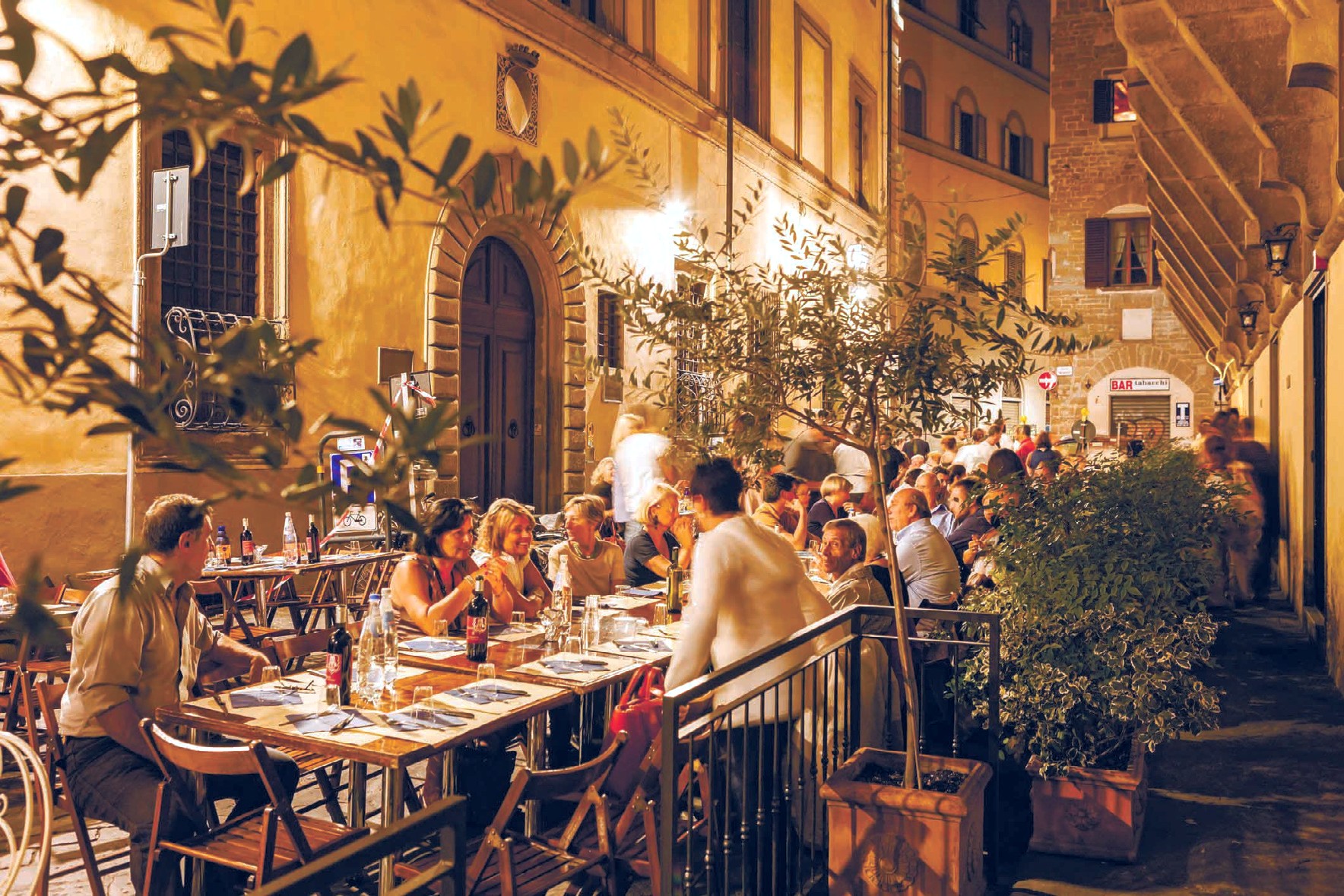
Guides often recommend that the best places for lunch or dinner are the small, family-run trattorias in Trastevere or Monti. A good restaurant meal will cost at least €20-€30 per person. Be aware that some restaurants may bring bread and water without you asking (for €3-€4), which will then be added to your bill. Many restaurants also include a service charge ("coperto") in the final bill.
They say Rome isn't a city; it's a feeling. It might exhaust you, but it will undoubtedly enchant you. Like a fine wine, this city reveals itself gradually. You'll arrive for the sights, but you'll leave with a love for every corner of it. And as tradition dictates, be sure to toss a coin into the fountain. To return. Because you'll always want to come back to Rome.
RECOMMEND:
 291
291

