

ADRIATIC CHALLENGE
Everything you need to know for a perfect holiday in Montenegro
Author: Elchin HUSEYNOV, Baku-Tivat-Baku
Montenegro is a country that is reputed to be a destination that one falls in love with at first sight. This small state on the Adriatic Sea coast is characterised by its diverse landscapes, rich history and vibrant atmosphere. Many people compare travelling through the country to walking through a living postcard, where around every corner there is a new panorama to be enjoyed, ranging from the seacoast to the majestic mountains.
Favourite destination of thousands of tourists
Montenegro has firmly established itself as one of the most sought-after tourist destinations in the Balkans in recent years. Its compact size, amazing diversity of nature, clean Adriatic Sea and affordable prices make the country particularly attractive to travellers from all over the world. According to official statistics, the number of foreign tourists is expected to reach approximately 2.6 million in 2024. Tourism is a significant industry in the state, contributing approximately 25% of the country's gross domestic product.
Montenegro has become a particularly popular destination for those seeking a more affordable alternative to Croatia, Greece and Italy. This destination is popular with a range of travellers, from independent travellers booking apartments and renting cars, to tourists buying package tours with flights, transfers and accommodation.
The importance of safety cannot be overstated in this regard. The crime rate in this area is exceptionally low, and the local population is very welcoming towards foreigners. The country is currently engaged in a major programme of infrastructure development, including the construction of new hotels, roads, seaports, embankments and entertainment centres. In this regard, the number of repeat visits is growing every year, with an increasing number of travellers returning to Montenegro to enjoy its peace and quiet, natural beauty, cuisine and atmosphere.
The largest number of tourists traditionally come from Serbia, Bosnia and Herzegovina, Russia, Germany and China. However, there has been a notable increase in the number of visitors from EU countries, particularly France, Poland, the Czech Republic, Italy and Great Britain, in recent years. It should be noted that this country presents a cost-effective alternative to expensive European resorts, particularly during the summer months. Montenegro's popularity is also growing rapidly among travellers from the Gulf countries, Turkey and Israel.
Over the past decade, there has been a notable increase in the number of travellers from the South Caucasus and Central Asia. Thanks to summer (June-August) charters, thousands of Azerbaijanis can holiday in this country each year, facilitated by the visa-free regime between the two countries. Montenegro is one of the few European countries where visa processing is relatively straightforward and cost-effective. Furthermore, the majority of tourists from Azerbaijan opt to purchase ready-made tours, combining both tickets and accommodation in a single transaction. It is much more cost-effective and convenient. For example, a week-long tour at the beginning of this season starts from €450-500 (for the most basic apartments). Tours with three-star hotels cost €600-€700, four-star hotels from €800, and the highest category from €1200. Tivat Airport is the main hub for air travel in the region, offering convenient access to Budva, the vibrant capital of Montenegro's resort industry, within a short half-hour journey.
The focal point
Budva continues to be the country's primary tourist attraction. It is the unofficial party capital of Montenegro, where young people from all over Europe (and beyond) flock every summer for hot parties, sea, music and freedom. This city on the Adriatic coast combines the antique atmosphere of an old town with the trendy rhythm of nightlife. It is often referred to as the Balkan Ibiza.
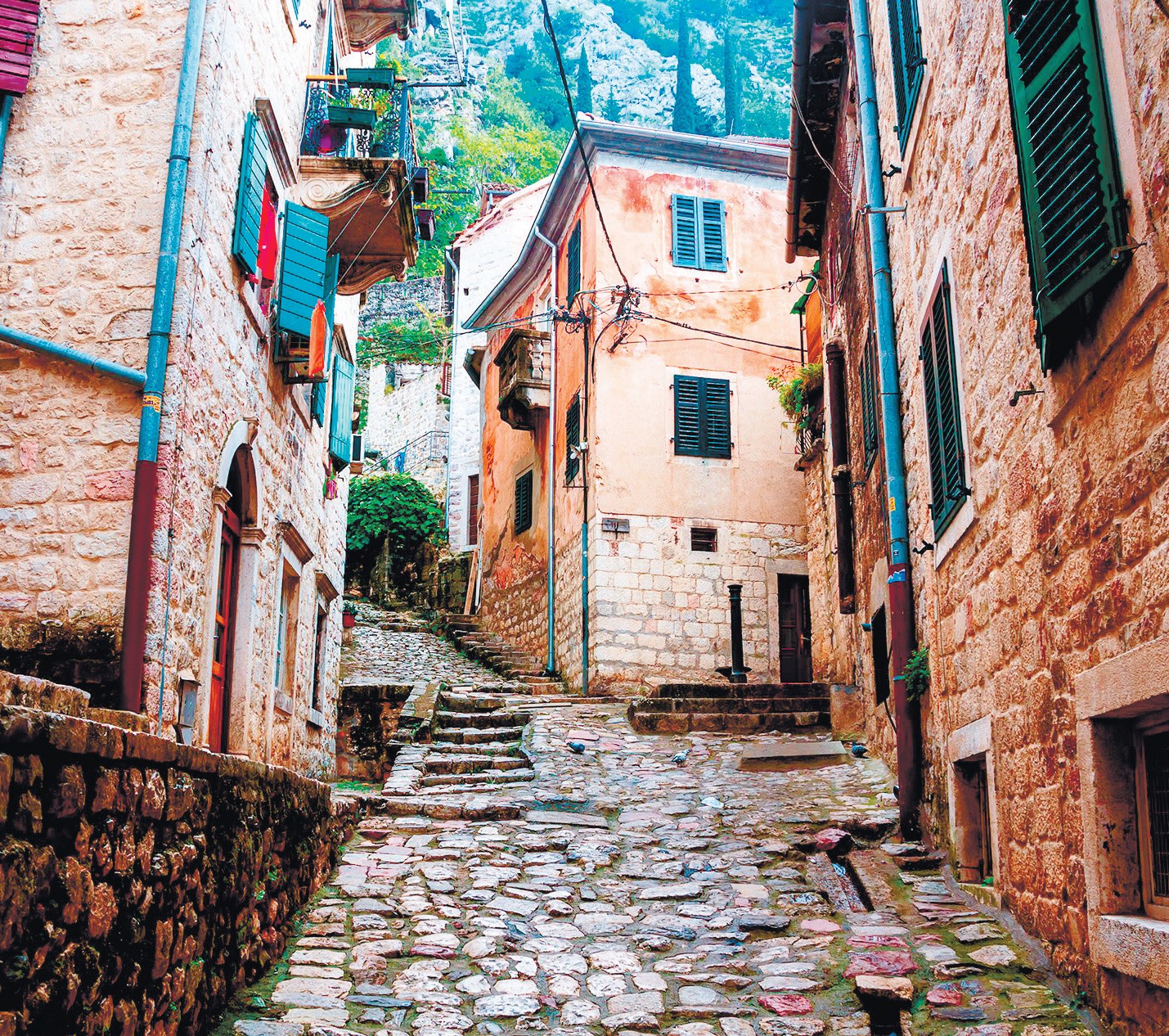
Budva's appeal is evident in its thriving tourism industry, with hundreds of thousands of visitors flocking to the city each year. The city's beaches, vibrant nightlife, historic centre and convenient location contribute to its allure. During the peak season, which runs from June to September, the population of the city increases significantly. The resorts of Kotor, Tivat, Herceg Novi and Bar are also in high demand. All of these companies offer a variety of holiday styles, ranging from family-friendly options to exclusive yacht tourism. Budva is widely regarded as the most popular destination, thanks to its ancient charm, cobbled streets, picturesque seafront and well-developed tourist infrastructure. Renowned venues such as Top Hill and Omnia attract leading DJs and artists, hosting events that extend until the early hours. The local population has long been accustomed to loud nights, and are generally welcoming towards tourists, readily assimilating into the general party atmosphere.
Budva's renowned beaches include Mogren, Slovenska Plaza and Jaz, a site that plays host to major festivals. Here, visitors can enjoy a range of activities, including swimming, dancing, cocktails and DJ sets in a seaside setting.
Comfortable experience tailored to your individual preferences
The initial consideration is that of accommodation. For those who prefer not to venture too far from the centre of activity, the location in Budva or near Slovenska Plaza is an excellent choice. A wide range of accommodation options is available, including luxury five-star hotels, cosy apartments and guest houses. Five-star hotels in Tivat, Becici, Budva, Petrovac and other cities offer a high level of comfort, with amenities such as sea views, private beaches, swimming pools and restaurants. Prices in these hotels start from €250 per night. Rooms in four-star hotels are available from €100 to €150.
Travellers with a limited budget will find that three-star hotels offer a suitable option, with room prices starting from €60. Apartments and private flats are also popular options, with rental prices ranging from €40 to €100 depending on the season and proximity to the sea. Please note that the most economical apartment options generally provide minimal amenities and breakfast is not included in most cases. These holidays are primarily aimed at budget-conscious travellers who prefer an active travel experience and prefer to spend the majority of their trip exploring new destinations.
Itinerary to four capitals
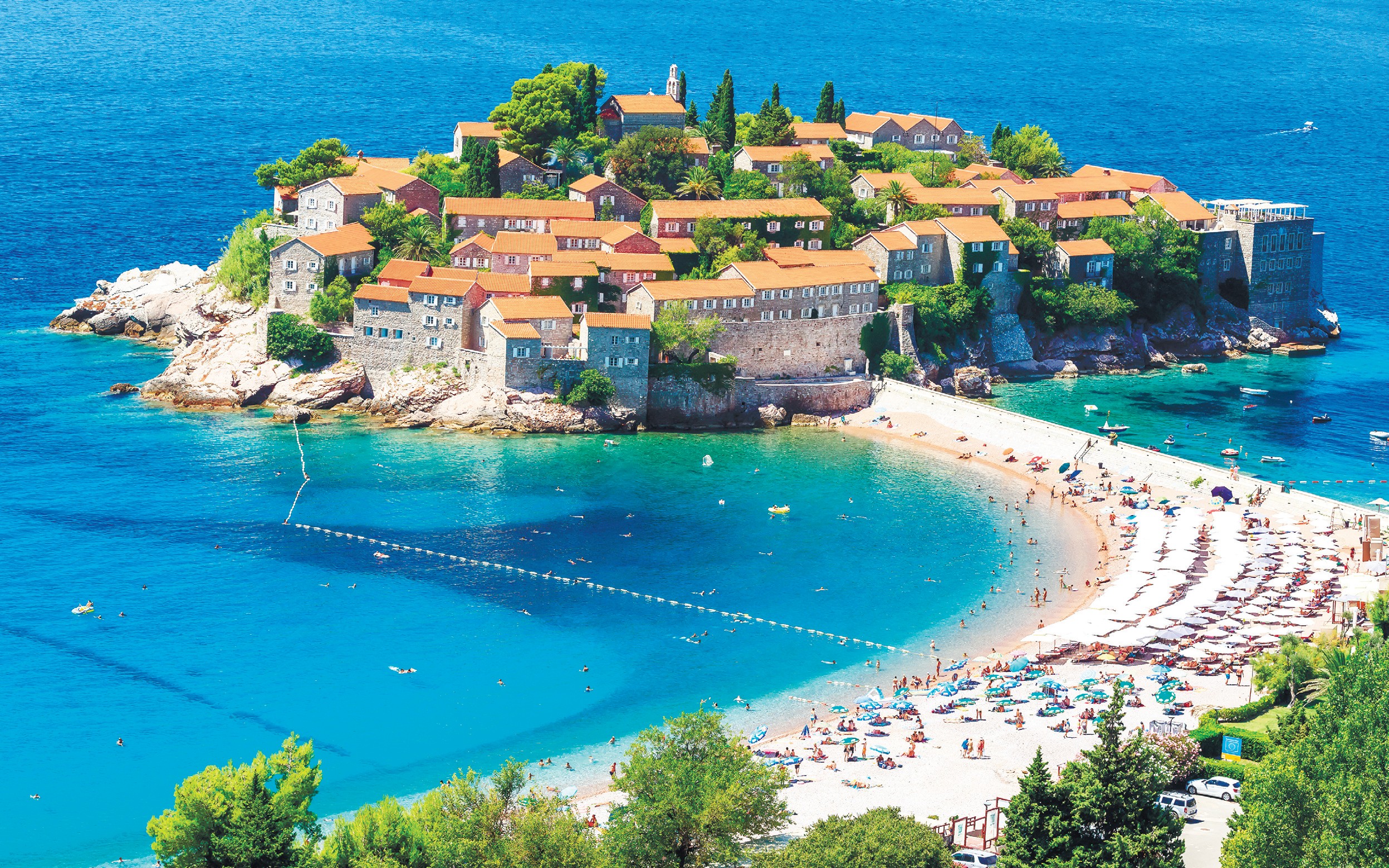
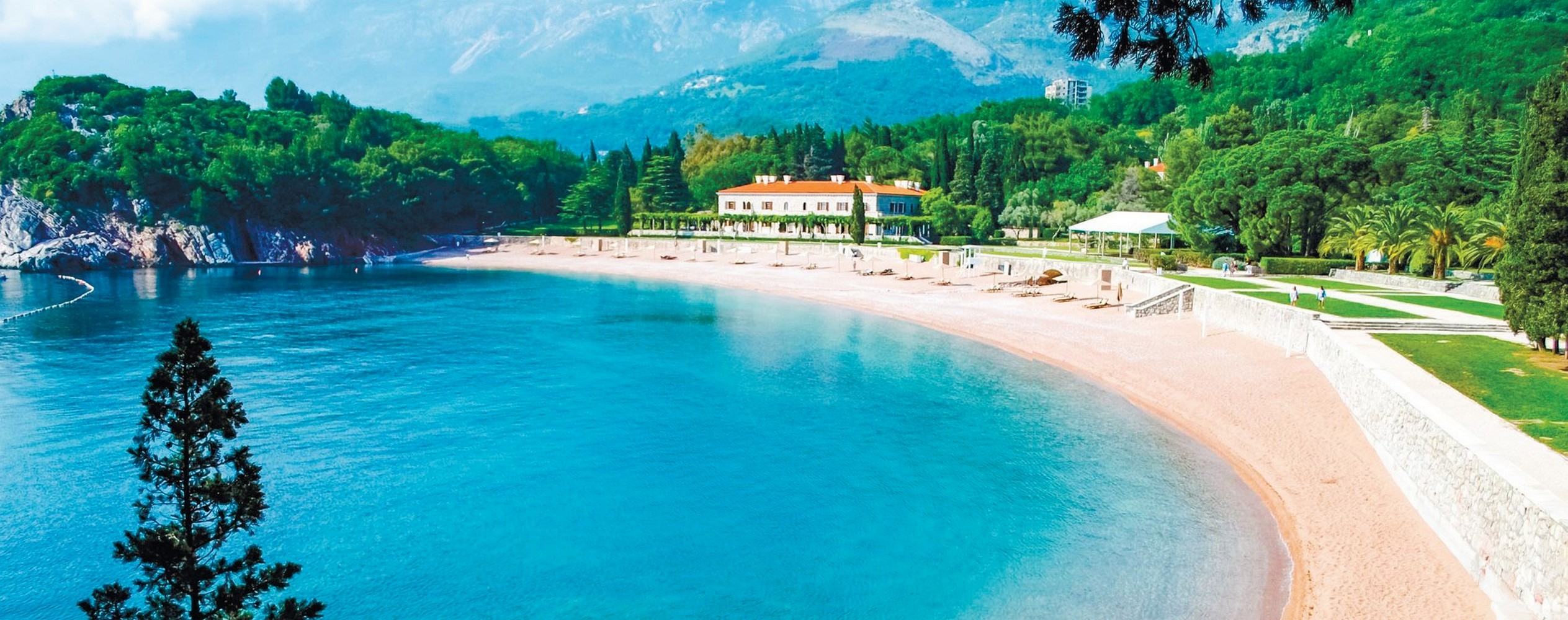
Montenegro's rich history and natural beauty are showcased in its numerous historical and natural sites. The old town of Budva is a veritable open-air museum, surrounded by a fortress wall and imbued with the atmosphere of the Middle Ages. A few kilometres from Budva is the island of Sveti Stefan, widely regarded as Montenegro's most valuable asset. Its distinctive profile, characterised by red roofs, historic stone structures and narrow streets, has become a renowned symbol of the Montenegrin coastline. The hotel island is connected to the mainland by a narrow isthmus, giving the impression of having stepped out of a medieval postcard. The former simple fishing village has now been redeveloped into a luxury resort, operating as a private hotel. Accommodation prices range from several hundred to several thousand euros per night. Therefore, only hotel guests are permitted on the island, but taking photos against the backdrop of Sveti Stefan is a popular tourist activity. The most outstanding views can be enjoyed from the designated lookout points along the road leading from Budva to Petrovac, as well as from Miločer beach, which historically belonged to the royal family. Please note that the island has two beaches: one is reserved for guests of the hotel, and the other is accessible to the public.
Montenegro is a compact yet diverse country, offering a wealth of attractions that can be overwhelming for visitors. It is tempting to create a comprehensive list of must-sees and to experience as many of these as possible in a short period of time. There is a wide variety of attractions to be explored in the region, including the old town of Kotor, the Durmitor National Park with its glacial lakes and the canyon of the Tara River, the Gorlo Sokolovo Gorge, the Skadar Lake Lookout, the Njegoš Mausoleum in Lovcen, the Ostrog Monastery and much more.
Budva, in particular, is well connected to neighbouring countries, making it an ideal base for one- and two-day excursions. One of the most popular destinations is Croatia, more precisely the city of Dubrovnik. The estimated travel time by bus or transfer is approximately two and a half hours. Please note that a Schengen visa is required for this tour, and the cost starts from €40 to €50. Tours to Albania are also available, including visits to the cities of Shkoder and Tirana. These trips typically take a full day and cost approximately €50. Tours to Mostar and Trebinje, which can be visited in one or two days, are available to destinations in Bosnia and Herzegovina. It is now possible to travel to Serbia via a mountain pass towards the city of Belgrade. This journey takes at least eight hours and usually involves an overnight stay. It should be noted here that Azerbaijani citizens do not require visas for Albania, Serbia or Bosnia and Herzegovina.
UNESCO-protected bay
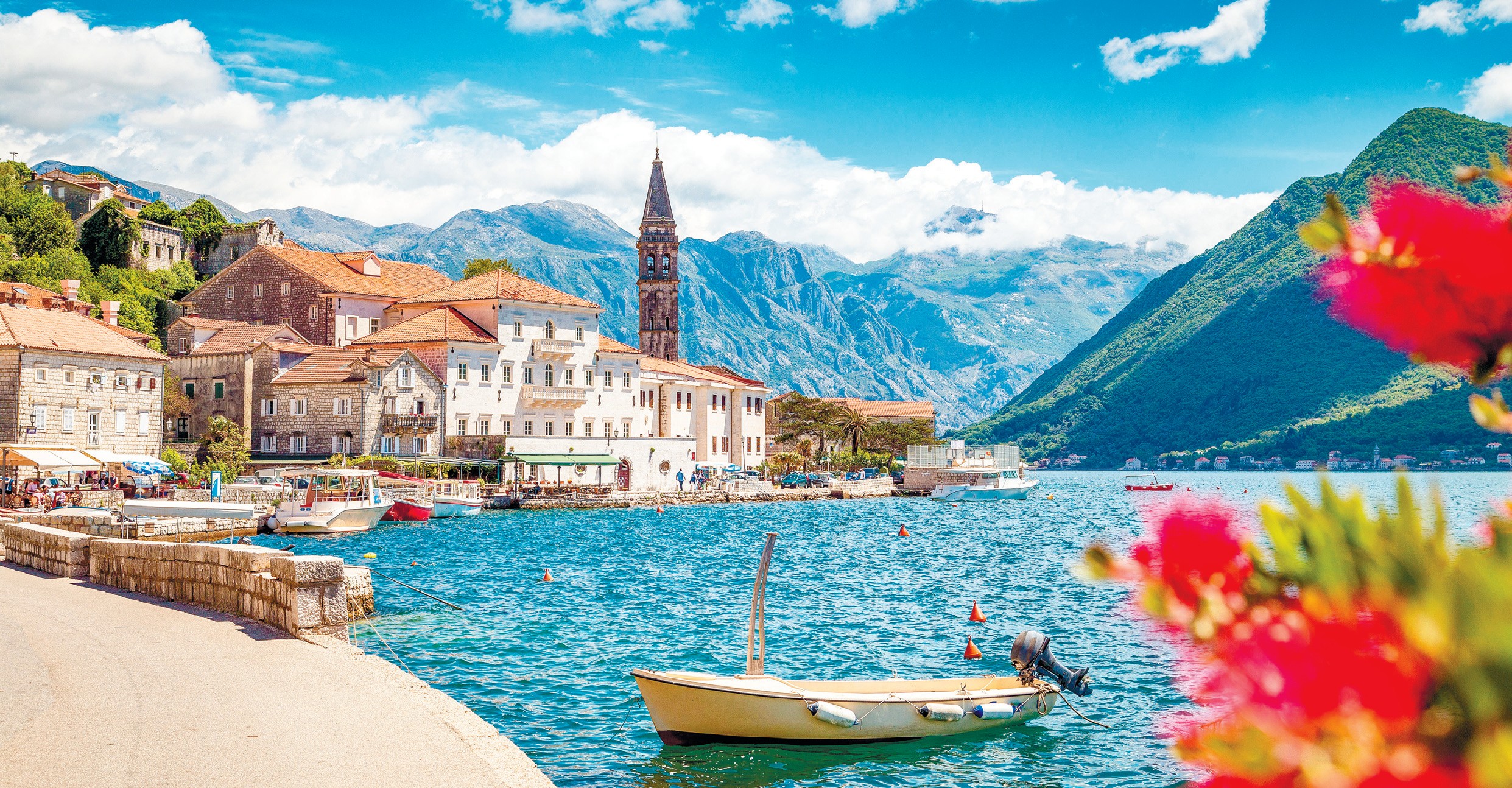
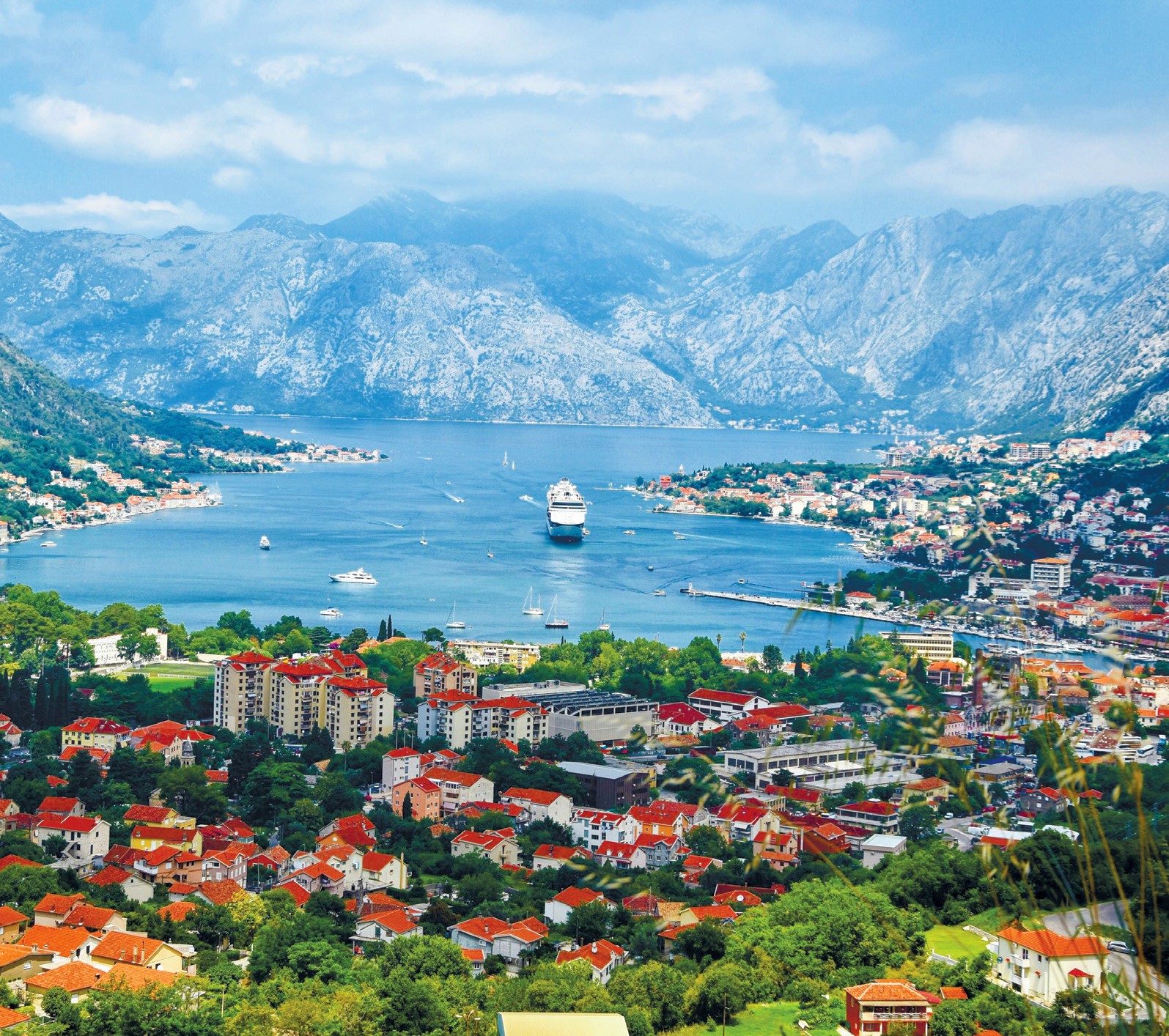
Should your travels take you to Montenegro, it is highly recommended that you take the opportunity to visit Boka Kotor Bay, widely regarded as one of the most picturesque areas of the Adriatic. The tour can be arranged through any tourist office and costs an average of €20-25. This trip is of particular significance: the Bay of Kotor is considered to be one of the 25 most beautiful bays in the world and is recognised by UNESCO as a World Heritage Site.
Despite frequent comparisons to a fjord, the bay is actually a flooded river canyon. Boka Kotor Bay is comprised of four distinct areas: Tivat, Kotor, Risan and Topljanka, and its winding coastline extends for over 100 kilometres. The bay is located within the territorial waters of three municipalities: Kotor, Tivat and Herceg Novi, where tourists typically stop during their travels.
The journey commences in Tivat, a small coastal town with a population of approximately 10,000. Tivat is accessible by bus. Tivat is renowned as the religious centre of medieval Zeta and the country's second most significant airport. Participants will then embark on a sea voyage on a double-deck boat, navigating the azure waters of the Adriatic Sea. The cruise offers stunning views of green mountainsides, cosy bays and architectural monuments. The bay's landscape evokes an open-air botanical garden, showcasing a diverse array of Mediterranean and exotic plants, including oleander, palm trees, agaves, and banana trees.
The Lustica peninsula is one of the stops on the tour, where tourists can either swim or take a boat trip to the famous Blue Cave. The colour of the water is due to the refraction of sunlight, creating a captivating spectacle. Should you choose to visit the cave, you will find yourself in a body of water of the highest clarity.
The next destination is Herceg Novi, a town with a rich historical heritage, many staircases, fortresses and flowering terraces. There is a complimentary walking tour available, offering visitors the opportunity to experience the charm of the seaside town without the expense of a guide.
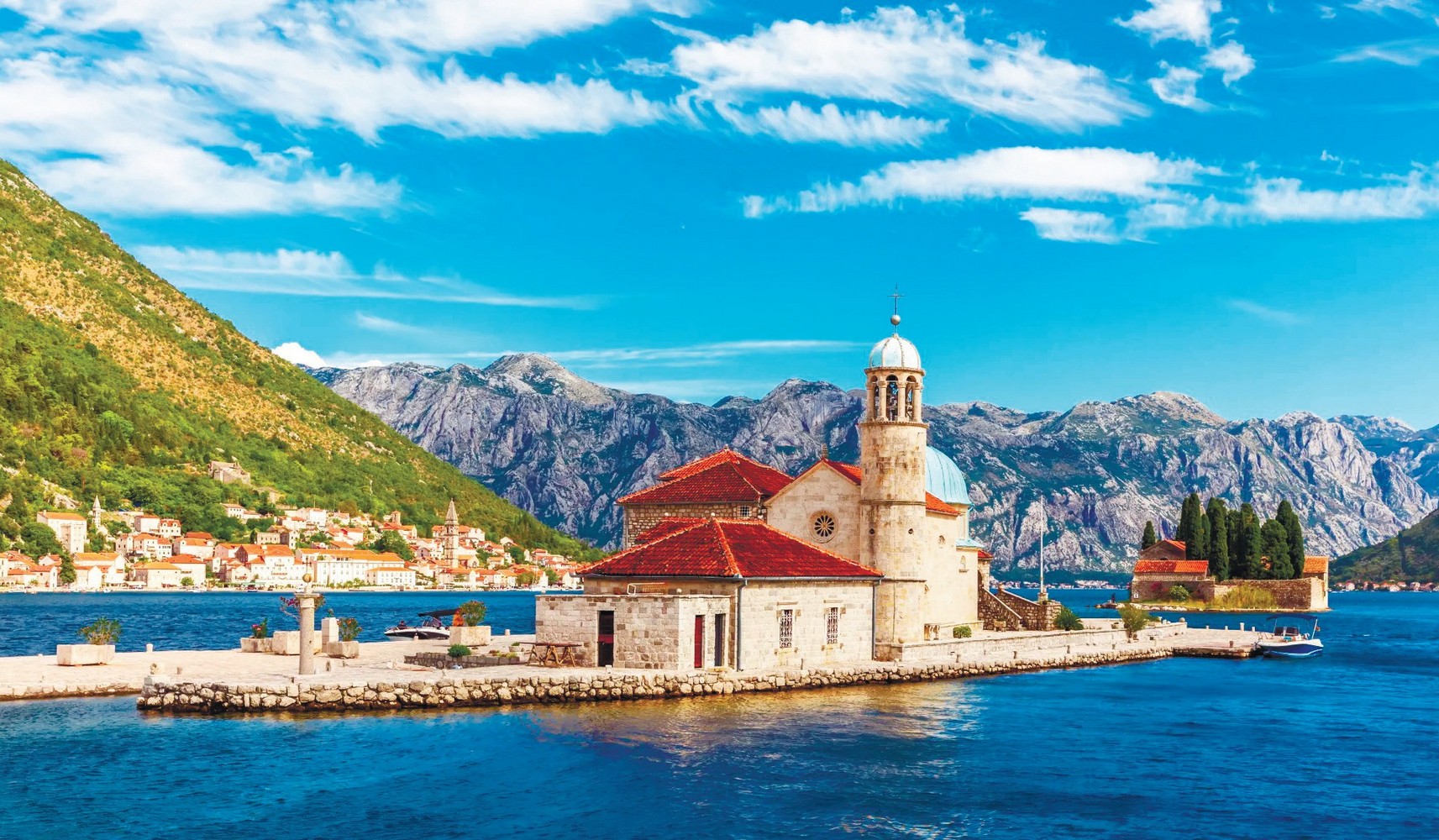
The route then leads to Baroque Perast and its famous islands. Special attention is paid to the man-made island of Gospa od Skrpela (Lady of the Rocks), which features a picturesque church built by the local community.
The tour concludes in medieval Kotor, a true open-air museum nestled within fortress walls. The town, a designated UNESCO World Heritage Site, leaves a lasting impression and shares many similarities with the Old Town in Baku.
Shopping and culinary experiences
Shopping enthusiasts in Montenegro will find many pleasant surprises. Budva, Tivat and Podgorica have shopping centres with boutiques of international and local brands. The Delta City centre, Mall of Montenegro and Bazar in Podgorica, TQ Plaza in Budva and Kamelija in Kotor are widely regarded as the most renowned. The cost of clothing here is on a par with that in Europe. For example, jeans start at 30 euros and T-shirts at 10 euros. Souvenir shops are also popular in tourist areas, where you can purchase items such as olive wood products, handmade ceramics, natural cosmetics and local wine. A bottle of quality red wine will cost €5, and a packet of prosciutto (pork ham) from Negusa will cost almost €10.
The local cuisine is a unique blend of Balkan, Mediterranean and Eastern traditions. It is recommended that you sample the fresh fish and seafood dishes on offer in the restaurants located along the coast. The menu features a selection of popular dishes, including Black Sea mussels, grilled squid and octopus with olive oil and herbs. The average price for a main fish dish is almost €20-25. In mountainous regions, local specialities include lamb, pleskavica (minced meat cutlet) and kaimak (our renowned cream), along with thick soups and corn porridge dishes. A traditional breakfast in a café will cost €8-10. The cost of a dinner for two at a mid-range restaurant, with wine and dessert, is typically between €50 and €70.
Montenegro is a destination that caters to both romantic and active family holidays. In this location, visitors have the opportunity to relax on the beach, explore ancient towns, drive through picturesque canyons and sample rich local cuisine. Your journey will leave you with fond memories and a desire to return, because in this small but multifaceted country, the tranquillity of nature and the energy of life are wonderfully combined.
RECOMMEND:
 281
281

