

A DAUGAVA SYMPHONY OF SPIRES
Riga: a journey into the Middle Ages with traces of cinematic legends
Author: Elchin HUSEYNOV, Baku-Riga-Baku
Riga, the capital of Latvia, is a city on the banks of the Daugava River that merges a cultural past with modernity, European elegance with Baltic restraint, and cosiness with grand architecture. The best time to travel to Riga is in the spring or early autumn—in May, September, or even June, when the city is especially picturesque. During these times, it is less crowded than in the summer, yet already warm and green enough to truly enjoy strolling through the streets of the Old Town, sitting in outdoor cafés, and having picnics in the parks.
Summer in Riga is also pleasant, especially if you want to combine your trip with a seaside holiday in Jūrmala, but in July and August, the city can be filled with tourists, and hotels are more expensive.
In winter, Riga has its own unique charm—Christmas markets, cosy cafés, the scent of mulled wine and cinnamon—but the daylight hours are short, and you must be prepared for the cold and winds from the Baltic Sea.
Where a million tourists lay their heads
Riga is one of the most popular tourist destinations in the Baltic states and is ranked second among the best destinations in Europe for 2025. The most frequent visitors to Riga are tourists from Lithuania, Estonia, Germany, Finland, and the United Kingdom. According to official statistics, 2.7 million people visited Latvia in 2024, with Riga alone accounting for about 1.2 million.
Hotels in Riga cater to every taste and budget. For budget travellers, hostels are a good option, where a bed in a shared room can cost between €15 and €30 per night. At the same time, the city centre offers affordable hotels in the €50-70 price range, including breakfast for two. The mid-range is represented by comfortable hotels in the centre, where prices for a double room with breakfast vary from €70 to €100.
Those who appreciate luxury should expect to pay from €180 per night. In return, guests receive impeccable service, stylish interiors, and spa areas with pools, saunas, and massages.
Riga also has a well-developed apartment rental market, especially through Airbnb, where you can find stylish flats in historic buildings for €60-80 per day.
A city of spires, cats, And amber
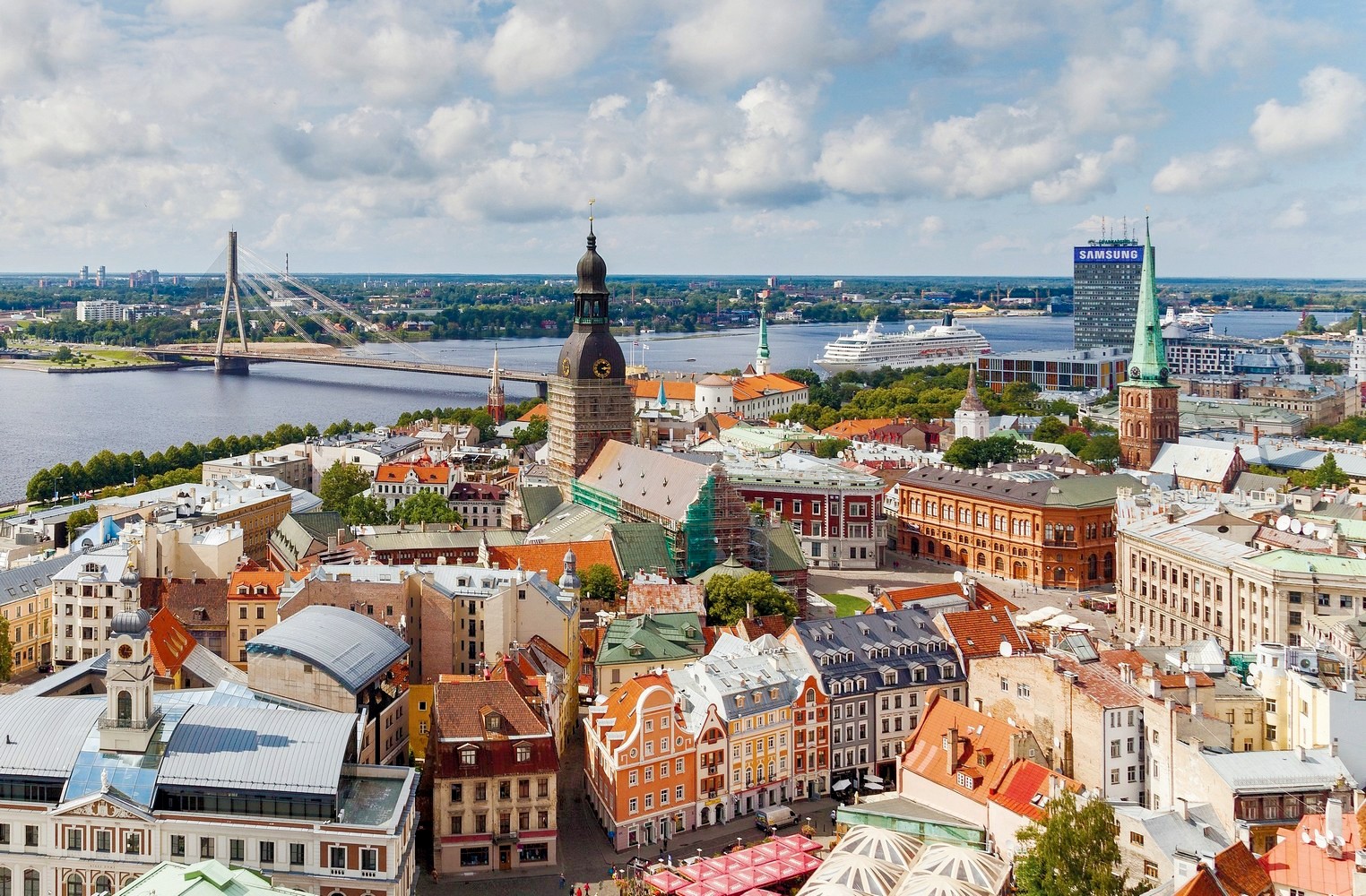
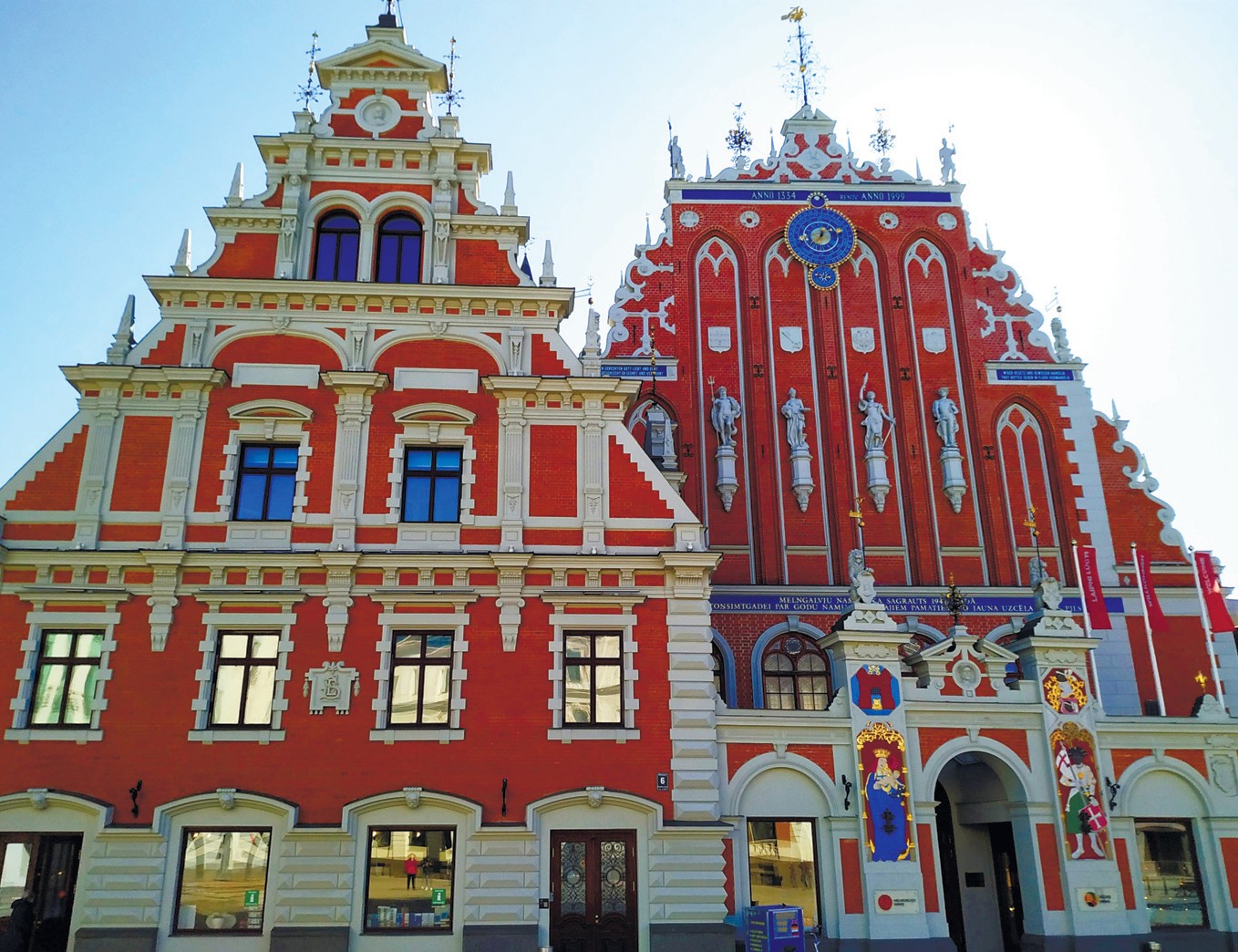
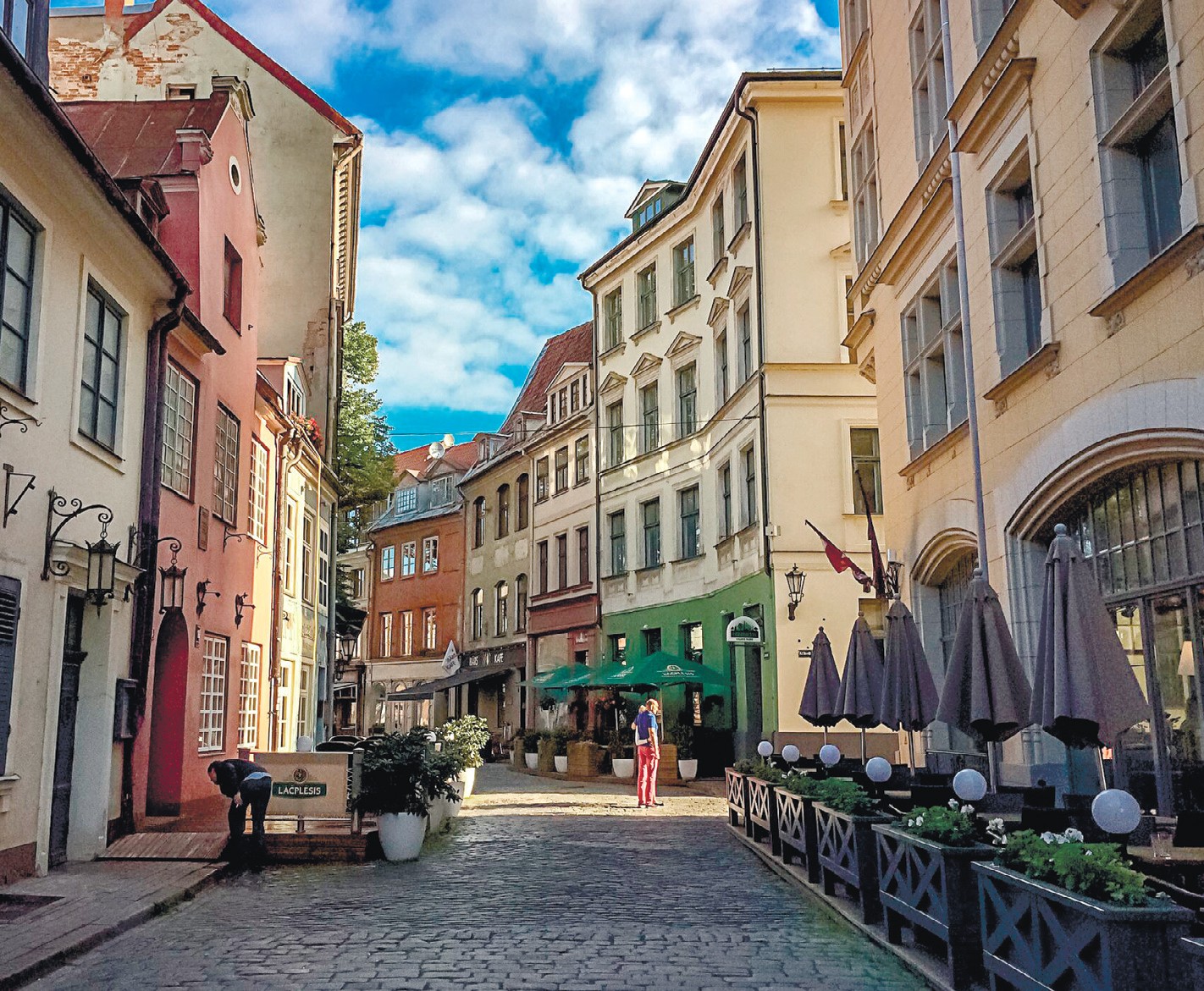
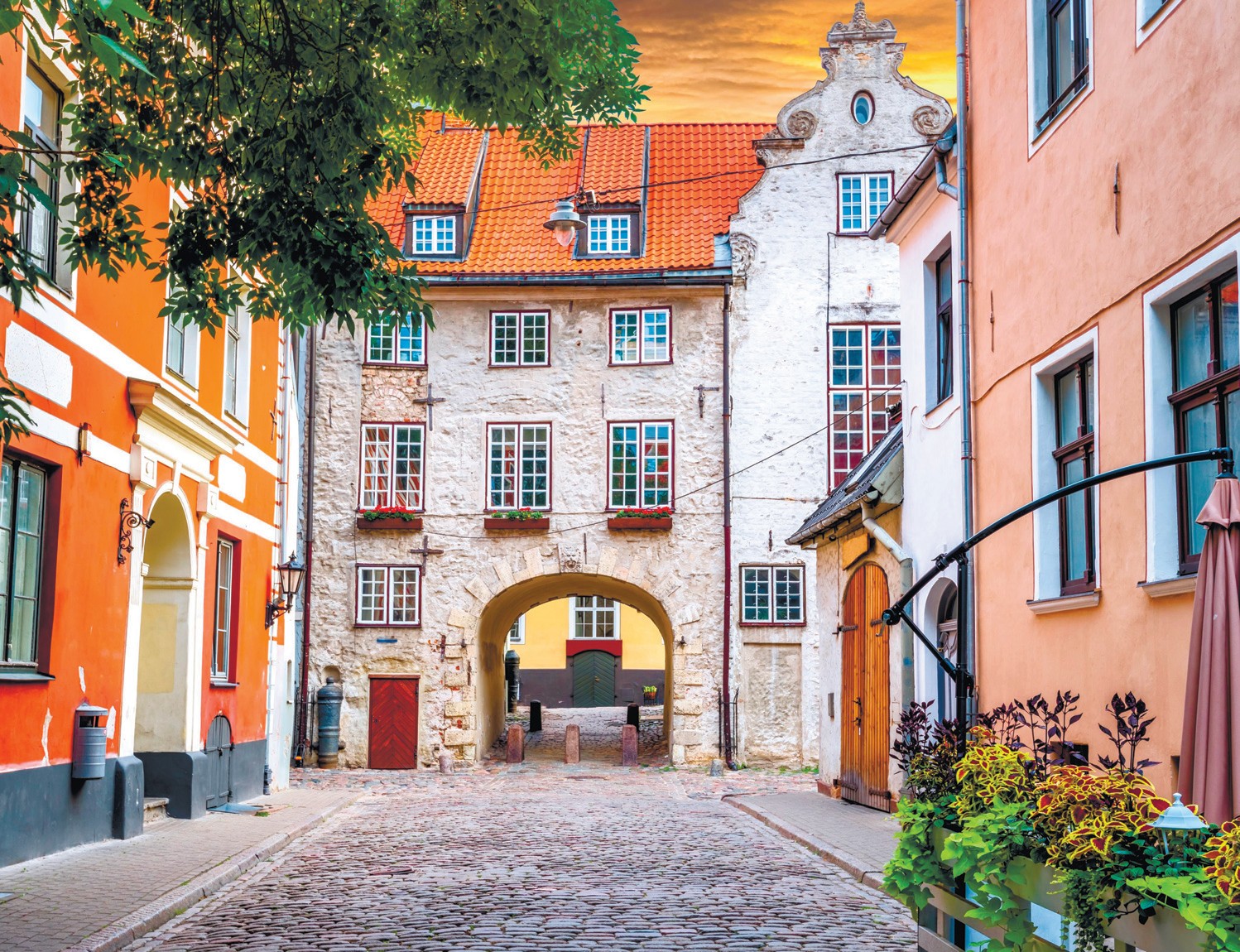
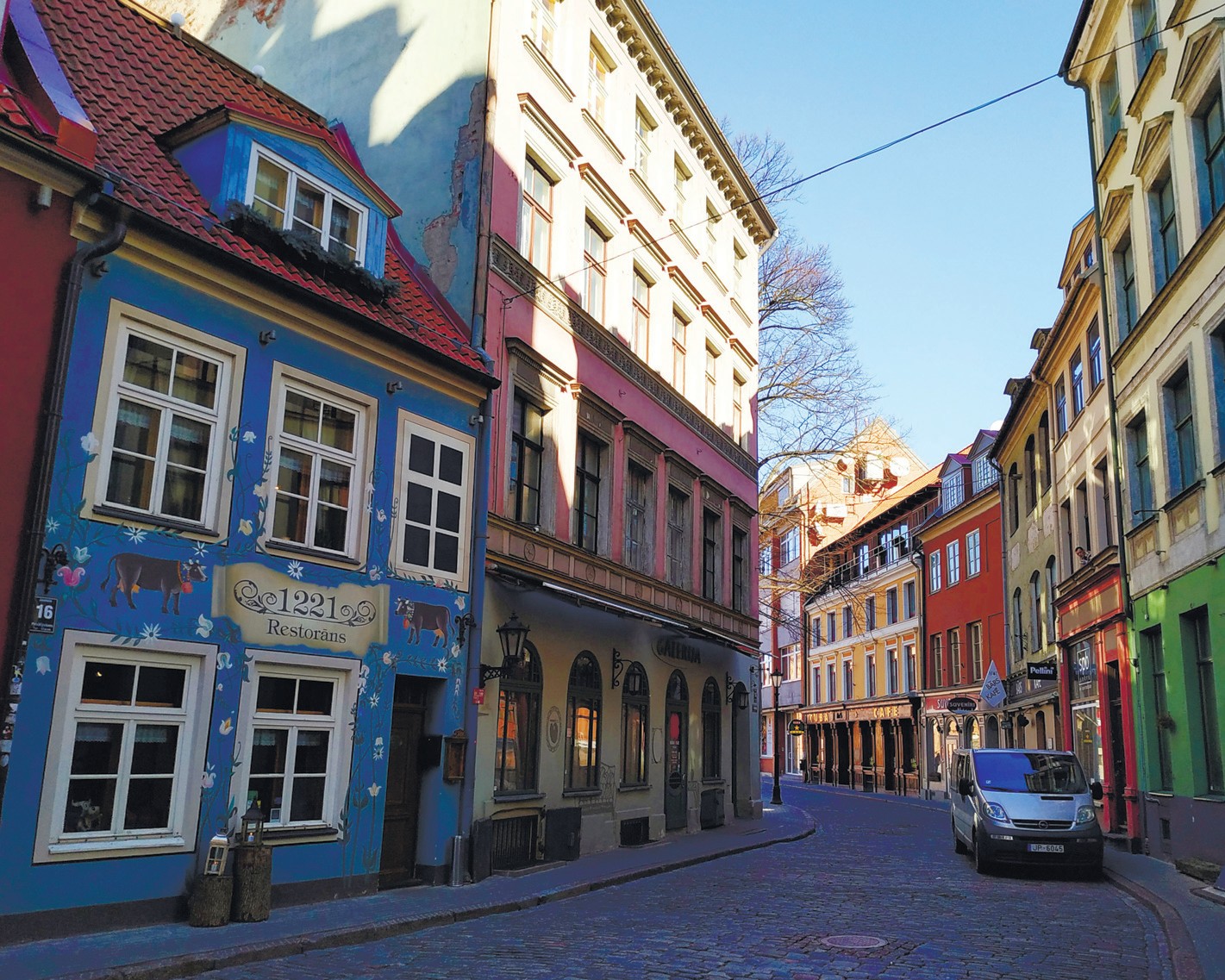
Any tourist arriving in Riga first heads to the Old Town, known locally as Vecrīga. Its narrow cobblestone streets, Gothic spires, merchant houses, and ancient guilds have always captivated visitors. Here, every turn feels like a scene from a historical novel or a fantasy film. The most famous landmark is the House of the Blackheads, a medieval Great Guild building destroyed during the Second World War and fully restored only by the year 2000. Nearby is the Town Hall Square with the Roland statue and the city museum, and a little further on is the magnificent Riga Cathedral, home to one of the largest organs in Europe.
Strolling further, it is worth paying attention to St. Peter's Church—for €9, you can ascend to the observation deck at a height of nearly 70 metres and see the entire city spread out before you. Another gem is the Cat House, with its distinctive black cats on the roof and the amusing story of a merchant who, upon being denied entry to the guild, placed the cat figures with their tails turned towards the guild building out of spite.
You must not miss Albert Street, a symbol of Riga's Art Nouveau. This street is lined with buildings adorned with fascinating façades featuring mythological and symbolic elements. This style took shape in the early 20th century, and Riga is rightly considered one of the capitals of architectural Art Nouveau, with over 800 buildings across the city designed in this style. You can even visit the Art Nouveau Museum to immerse yourself in the atmosphere of the era, walk through a recreated apartment, peek into the period kitchen, and even see what a bathroom looked like a century ago.
Museum lovers will enjoy the Latvian Ethnographic Open-Air Museum, which features houses and farm buildings from all corners of Latvia. Or the Museum of Occupation, which tells the tragic story of the 20th century—the Soviet and Nazi occupations, repressions, deportations, and the restoration of independence.
Riga offers tourists numerous tours of the city and its surroundings. A group walking tour of the Old Town in Russian costs from €15, while private guided tours start from €70 for 2 hours. An interesting option is a cruise along the Daugava River or the city canal by boat, costing from €10 to €18. You can take a gastronomic tour of Riga's markets and restaurants or a tour with a tasting of Latvian beer or cheese—prices start from €25-30. Night tours of the city, bicycle tours, and even quests based on Riga's legends are also popular.
By the way, those who wish to discover other Baltic countries should consider a trip to Vilnius or Tallinn. Buses to the neighbouring capitals depart daily, the journey takes 4 to 5 hours, and a one-way ticket costs from €12 to €20. In Tallinn, tourists will find a medieval centre with fortress towers and fairytale-like streets, while Vilnius offers Baroque architecture, cosy courtyards, and a bohemian atmosphere. Riga's train station also offers direct rail routes to both capitals, but buses are generally faster and more convenient.
On the trail of "Seventeen Moments of Spring"
The feature film "Seventeen Moments of Spring" became a cult classic not only in the USSR but far beyond its borders. Director Tatiana Lioznova managed to create the tense atmosphere of a spy thriller while imbuing it with philosophical depth and genuine historical authenticity. Although the film's plot unfolds in Berlin at the end of the Second World War, a significant portion of the filming took place far from Germany. One of the main "stunt doubles" for the German capital was Riga—a city with preserved architecture reminiscent of pre-war Europe.
One of the key filming locations in Riga was the building at 10/12 Elizabetes Street—this is where the scenes depicting Stierlitz's residence were filmed. The beautiful old façade, high ceilings, stained-glass windows, and powerful doors created the necessary atmosphere of austerity, secrecy, and German primness. Walking through the streets of old Riga, you can recognise places that became a "cinematic Berlin"—for example, Jauniela Street, where scenes involving Schellenberg and Müller were shot. The frames feature Riga's characteristic tiled roofs, wrought-iron gates, and narrow passageways, creating the right atmosphere of a 1940s urban landscape. Tirgoņu Street, near Dome Square, "plays" a part of the diplomatic quarter in the film.
The Daugava embankment played a special role—it was the setting for car chases, night street shots, and patrol scenes. Cars, motorcycles with sidecars, and extras in SS uniforms—all of this was filmed right in the city centre. Some scenes, such as dialogues in cafés or Stierlitz's walks through the city, were filmed in the interiors of real Riga restaurants, for instance, in the premises of the former "Jūras Pērle" restaurant, which was repurposed as a Berlin café.
Besides Riga, some episodes of the film were shot in Sigulda and Jūrmala—wherever landscapes outside the city, country residences, roads, and villas were required. One scene, where Stierlitz evades surveillance in a forest, was filmed in Sigulda National Park.
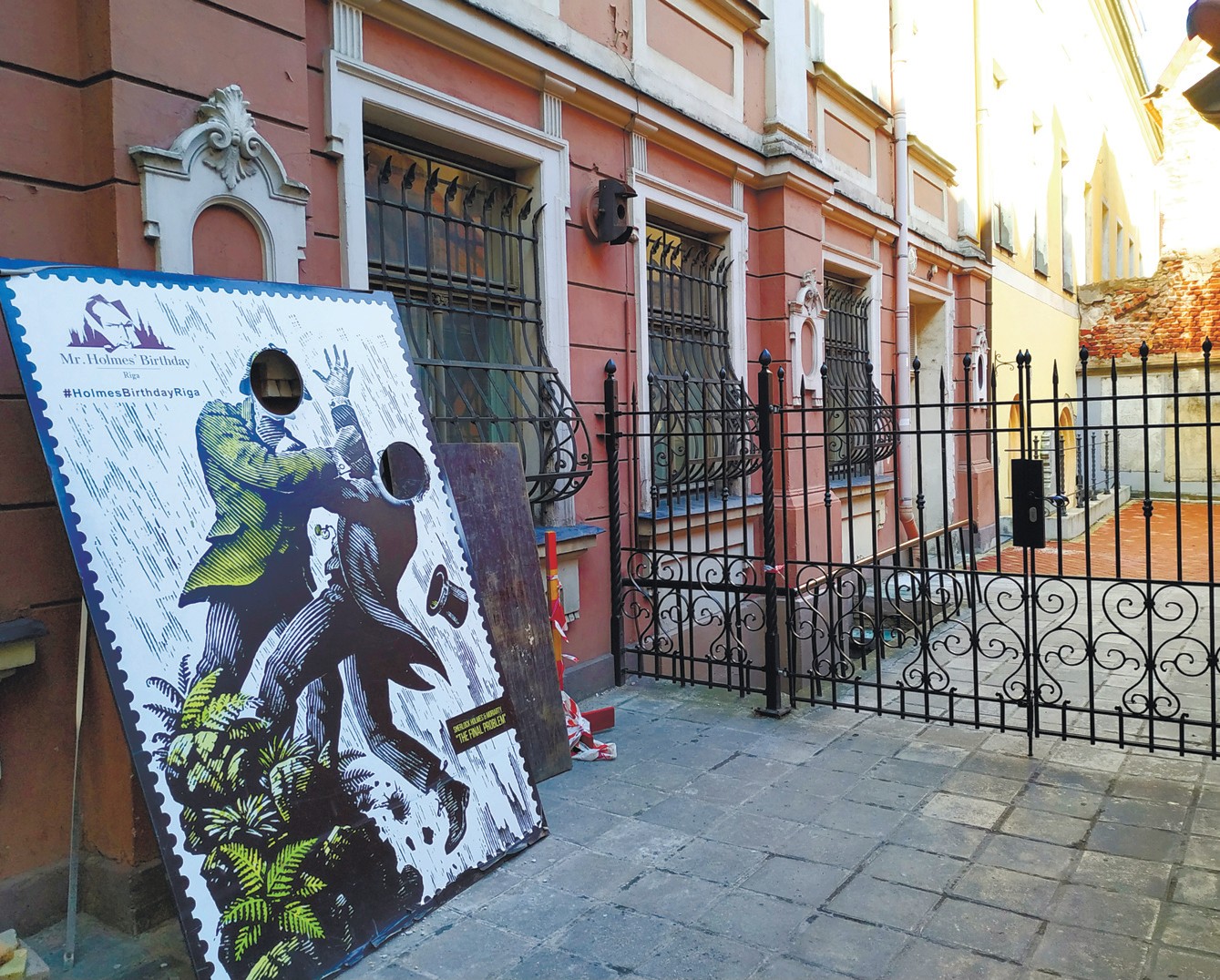
Incidentally, "Seventeen Moments of Spring" features a very atmospheric and memorable scene where Stierlitz enters a pet shop with birds to meet one of his contacts. This little bird shop was a real establishment in Riga, and it too was filmed in the Old Town. The location for the shop scene was the actual façade of a small building at 22 Jauniela Street, one of the most picturesque streets in Old Riga. Today, Jauniela Street is famous not only for being a location for "Seventeen Moments of Spring" but also for the "Sherlock Holmes" series starring Livanov and Solomin—in cinema, this street has "portrayed" London, Berlin, and Zurich many times.
Jūrmala in a day
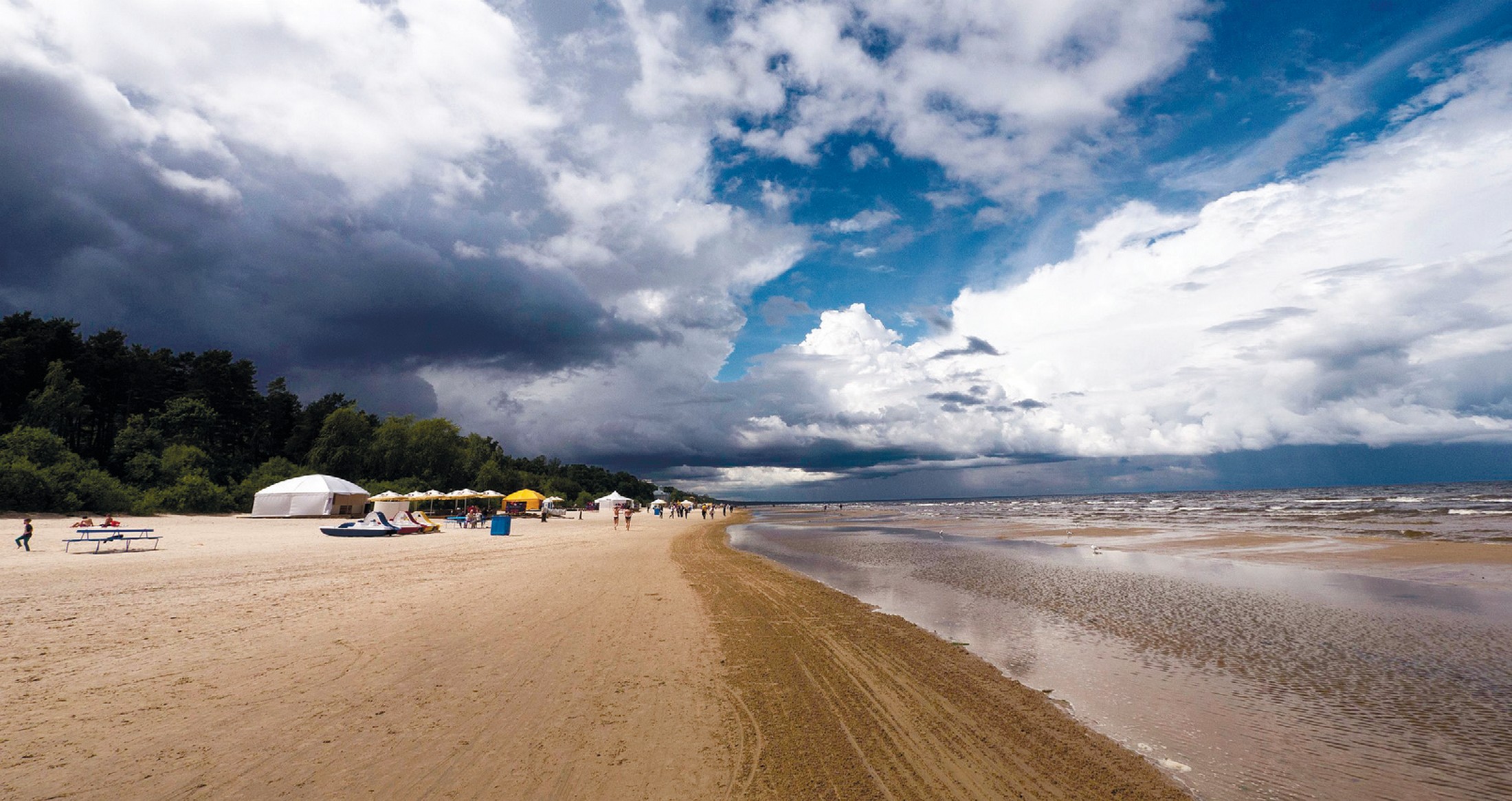
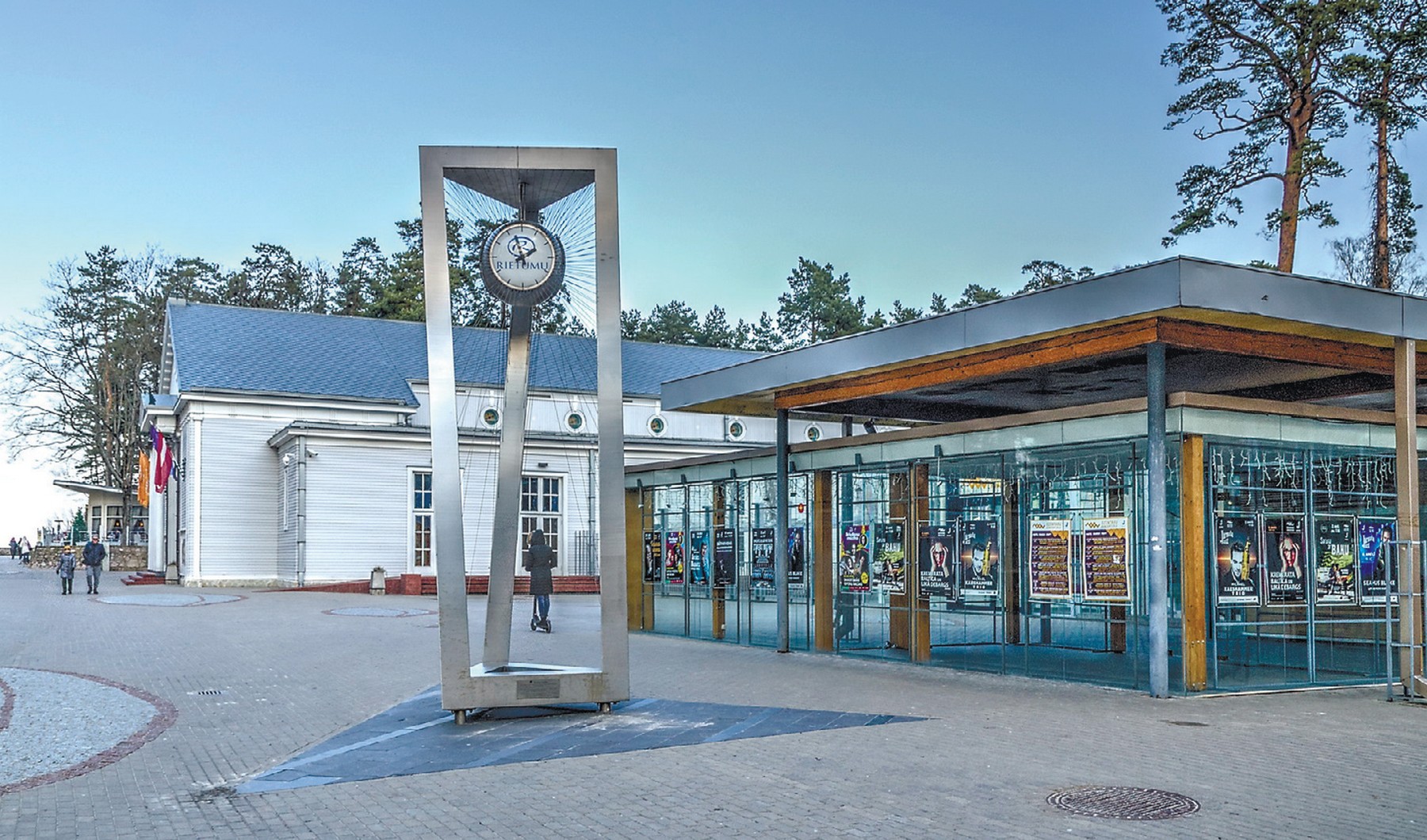
From Riga, it is easy to organise a day trip to Jūrmala—the most popular seaside resort in Latvia. In summer, Jūrmala is bustling with life—white sandy beaches, strolls along Jomas Street, spa complexes, seaside restaurants, and, of course, music festivals at the Dzintari Concert Hall. Therefore, a visit to this town is a must.
It is located just 25 km from the capital, and a train from the central station can get you there in 30 minutes. A ticket for this journey costs approximately €2.
To get to the centre of Jūrmala, you should exit at Majori station. This is the main and most tourist-oriented part of the town. It is here that the pedestrian Jomas Street is located, which is considered the heart of the resort. This street is filled with cafés, restaurants, souvenir shops, and the Dzintari Concert Hall. Within a few minutes' walk from the station are the beach, beautiful wooden villas in the Art Nouveau architectural style, the Jūrmala Museum, and Dzintari Forest Park with its observation tower.
There are other stations where you can also alight. Dubulti station is one stop further from Majori. It features a station built in the Soviet modernism style and an art gallery. This area is a bit quieter and more peaceful. Dzintari station is located closer to Riga, between Bulduri and Majori. The Dzintari Forest Park and the concert hall are nearby, so this is also a convenient stop if you want to start your walk from the park.
Nevertheless, if the purpose of your trip is to see the central part of Jūrmala, walk along Jomas Street, eat in a café, buy souvenirs, and get to the beach, then it is best to exit at Majori station.
By the way, the Jūrmala music festival called Laima Rendezvous Jūrmala is held annually at the end of July. And renting a bicycle in Jūrmala is an excellent way to explore the pine forests and the shores of the Baltic Sea.
"Eating" Riga whole: from market to restaurant
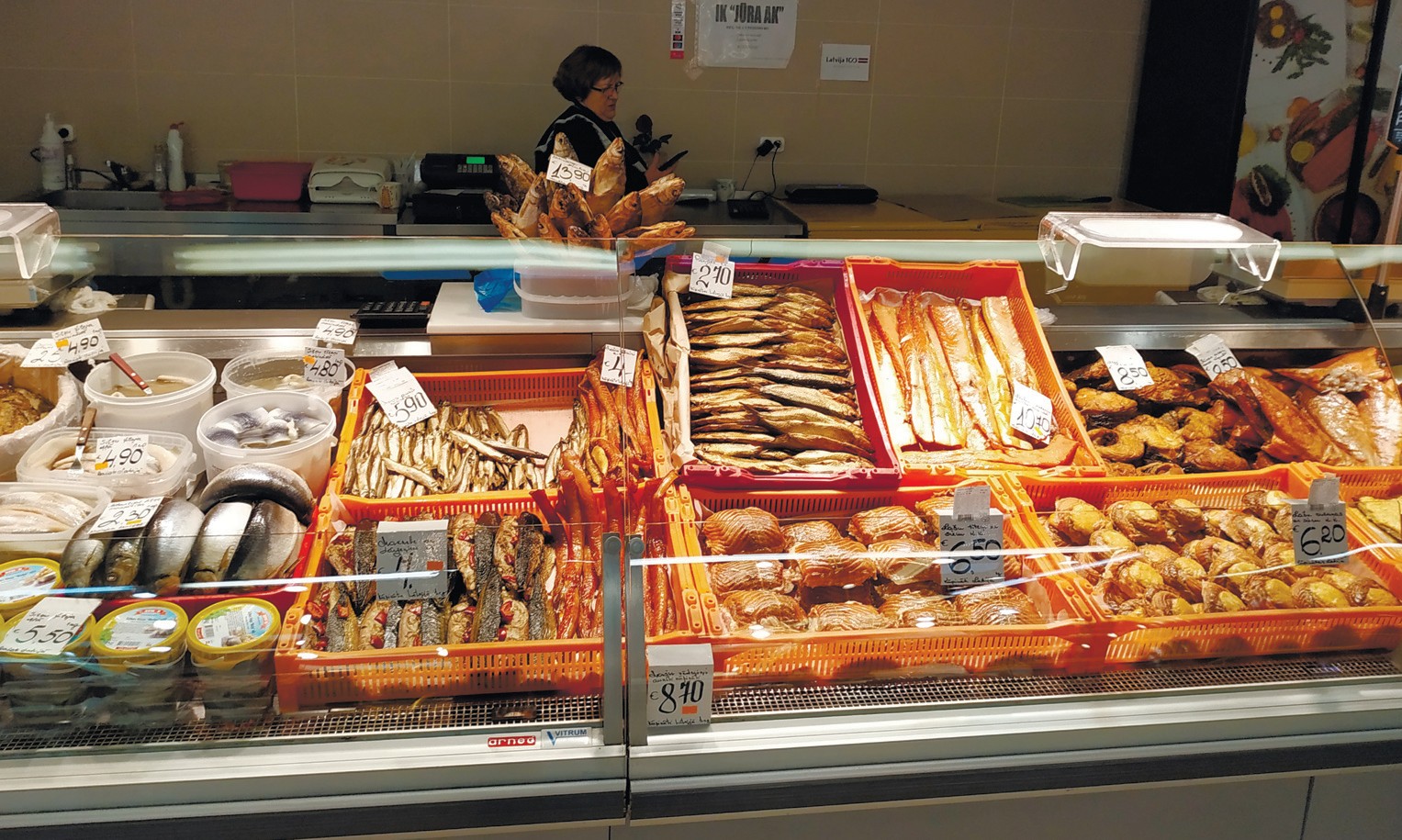
Latvian cuisine is considered to be a combination of Baltic, German, and Russian culinary traditions. In Riga, you can try pea soup, smoked fish, grey peas with bacon, blood sausage, rye bread, and desserts with cranberries or currants.
Do not miss the chance to visit the Central Market, one of the largest in Europe, housed in historic Zeppelin hangars. Here you can buy homemade cheeses, smoked meats, and farm-fresh vegetables, and try dishes at the food court at affordable prices, where both locals and tourists eat.
In general, restaurants in Riga are diverse and not particularly harsh on the wallet. A meal in a budget-friendly café can be had for €7-10, while dinner in a mid-range restaurant will cost around €20-25 with wine. You will be pleasantly surprised by the prices and the taste of the dishes at one of the most popular, inexpensive food chains in Riga (and also in Tallinn)—Lido (traditional cuisine in a self-service format). If you want to try homemade Latvian food in a calm atmosphere, you should visit Milda. For gourmands who prefer exquisite dishes, local products, and creative interpretations of national cuisine, the restaurant Vincents is highly recommended. And for lovers of local beer and live music, Folkklubs Ala Pagrabs is the place to go.
From amber to Madara: Shopping in Riga
Shopping in Riga is not just about amber souvenirs and linen products, but also local designer brands, quality foods, antiques, and cosmetics. Shopping centres such as Galerija Centrs, Stockmann, or Spice offer a wide selection of clothing at reasonable European prices. For instance, Galerija Centrs is located right in the Old Town in a historic building and is distinguished by its stylish interior. Here you can also find cosy cafés and restaurants, and on the upper floors, a fitness centre and a spa.
Those familiar with the Finnish chain Stockmann will find a department store of the same name not far from the central station. Here, you can browse high-quality goods from international clothing and cosmetic brands, as well as visit a large food hall with delicacies.
For those willing to travel a bit further from the centre, the Spice shopping centre is worth a visit, located a 10-minute drive from the capital's centre. It is one of the largest shopping centres in Latvia with over 150 stores, a supermarket, cafés, children's play areas, and a cinema. Next to it is the Spice Home building, where you can find everything for the home—from furniture to decor.
Souvenir shops offer amber products, ceramics, herbal teas, liqueurs like Riga Black Balsam, and decorative handmade candles or soaps. A great gift would be a set of products from Latvian cosmetic brands such as Madara, Dabba, or Stenders, which specialise in organic formulas with northern berries and herbs. The cosmetic brand "Dzintars", known since Soviet times, is still produced here.
A trip to Riga is not just a holiday, but a true immersion into the culture, history, and flavour of life in the Baltic capital. Here, antiquity and modernity, tranquillity and liveliness, sea and stone, the smoke from bonfires and the clinking of glasses in street cafés all organically combine. They say you will want to return here—at different times of the year, in different moods, but always with pleasure.
RECOMMEND:
 291
291

