

DEFENSIVE STRIKE
Personal experience as a lesson for all parents

Author: Sabira ALAKBAR
Until that day, I believed I knew everything about first aid for a dog bite: clean the wound, get a rabies shot... But no one ever explained how one mistake can trigger a chain reaction, the consequences of which may affect a child’s health for a long time.
The beginning of the nightmare
It all started on a Sunday when my 13-year-old son was bitten on the arm by a dog—not stray, but not under strict supervision either. The bite was serious: deep, damaging both skin and fatty tissue. Classic scenario: stress, panic, blood. The nearest state clinic did not have the necessary vaccines, so we went to a private clinic. There, we were seen promptly: the wound was examined, the first rabies vaccine was administered, followed by tetanus (anatoxin), and stitches were applied. After the procedure, without any tests or additional examinations, my son was prescribed what turned out to be an effectively massive dose of the antibiotic Amoxiclav: 1000 mg twice daily—that is, 2000 mg per day! At the time, I took this as professionalism, thinking: "Better safe than sorry." How wrong I was.
Chain reaction
On the third day after the bite, we went to the state clinic for the second vaccine as required. An elderly surgeon of the old school carefully examined the wound and thoroughly explained how to treat it and when to come for stitch removal. His advice was very different from that of the private clinic, which insisted on dressing changes twice daily. Everything seemed to be going according to plan—but the calm was deceptive.
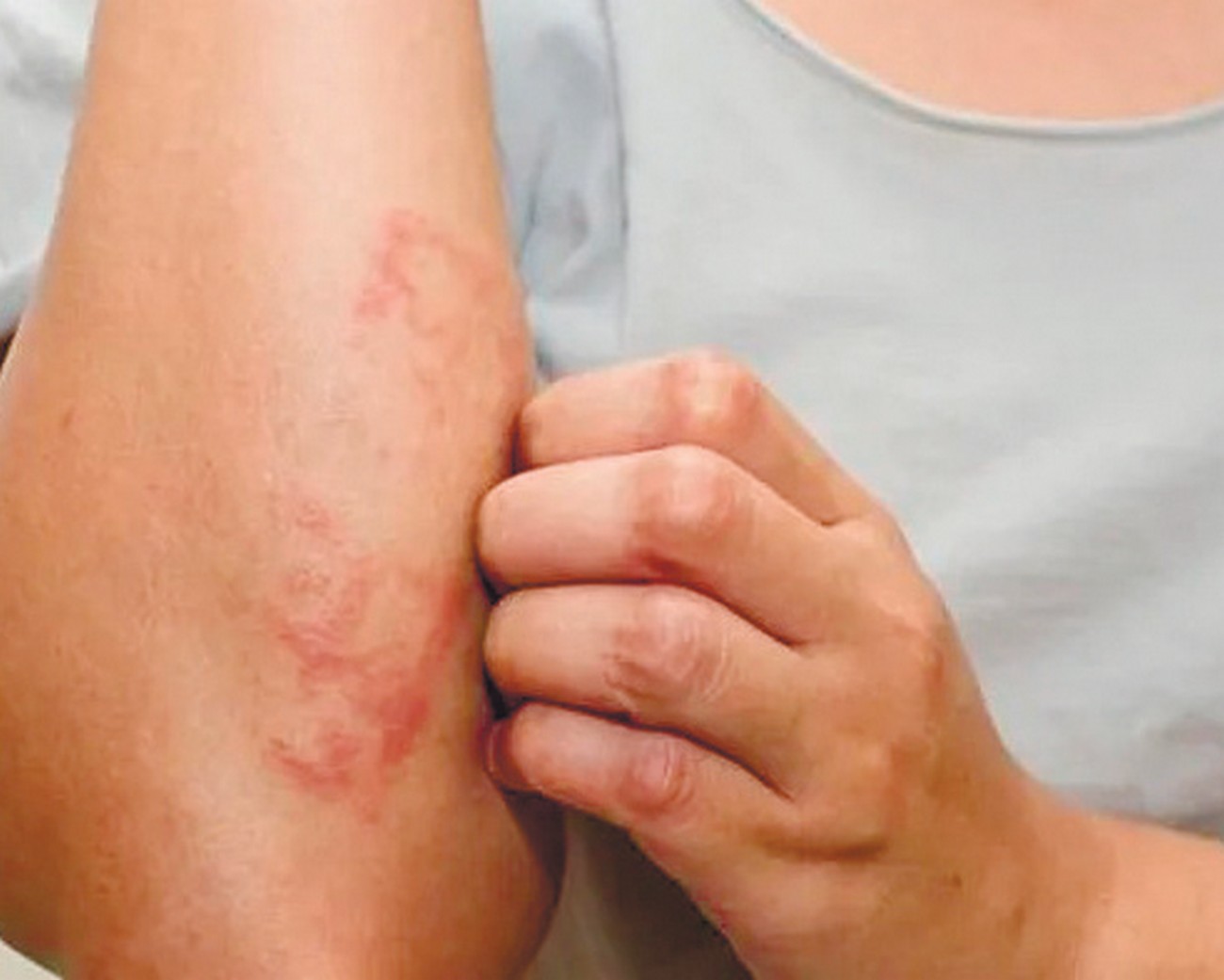
On the second day of antibiotic use, my son developed a blistering rash. It first appeared on his hands, then spread to his calves, and eventually showed up on his back as well. We suspected the antibiotic caused the rash. However, fearing possible inflammation, I only stopped the antibiotic on the fifth day. Thus, a five-day course was interrupted on the fourth day in an attempt to reduce allergic reactions. This decision essentially saved my son from worse consequences. Unfortunately, by then it was already too late.
With each new outbreak, unbearable itching intensified, which my son endured with great difficulty; redness appeared around his eyes.
Diagnoses, confusion and immune system breakdown
On the sixth day after the bite, despite receiving intravenous infusion (drip), the rash intensified over his whole body due to acute allergic reaction, and his skin temperature rose sharply—we called an ambulance. But that "rescue visit" brought even greater confusion and despair. A medical worker around fifty-five confidently declared that my son had measles, completely dismissing any suspicion of allergy from a large antibiotic dose. When we questioned him about the complete absence of typical measles symptoms, he replied firmly: "We must wait." After administering an injection of diphenhydramine, he wrote something in his report and left us utterly bewildered.
Amid this uncertainty, many questions arose: what should we do? Should we proceed with the third rabies vaccine despite this irritating rash? What if the rash continues to spread? It seemed nothing was helping, and my worry for my son's health grew by the hour.
Our first impulse was to rush to hospital. But after consideration, we decided again to continue home intravenous treatment which eased the acute phase of rashes by the next day. We desperately wanted to hear from the authoritative surgeon at the clinic who had calmed us earlier—so we hurried there next morning. He seemed calm and trustworthy. His reaction was both composed and blunt:
"Such a high dose of antibiotics combined with rabies vaccination is irresponsible. Why didn’t you tell me this earlier? Allergy in your son is no surprise. His body cannot cope with such load. The immune system is simply overwhelmed."
Indeed, his body had already suffered systemic failure. By day five—that is before the third vaccination—everything triggered allergies: skin reacted even to sunlight, food, contact with clothes and mild medications. The next day we had to give another vaccine dose but cautiously with antihistamines and doctor’s supervision. Now he is recovering but his immune system is literally shaken.
What you should know
This story is not just our experience; it is a warning. What is important to know in order to avoid such mistakes? State clinics are reliable. In Azerbaijan over 4,000 dog bites are registered annually (Ministry of Health data for 2022), and most victims are children. State clinics maintain centralised records and strictly follow standardised rabies vaccination protocols unlike private institutions that tend to "over-insure" by prescribing heavy medication without real indications.
Antibiotics should be used only when strictly indicated. According to international guidelines, antibiotics for animal bites are prescribed only if there are signs of infection: pus discharge, severe redness, swelling, fever, deep wounds or bites on face or joints. Extra caution is needed when combining antibiotics with vaccination since both affect the immune system differently and may cause allergic or cross-reactions.
Allergic reactions may not appear immediately. In our case rash appeared only on the second day of medication—typical for β-lactam antibiotics especially in children and adolescents whose immune systems react strongly to antigens.
If rash appears, stop medication immediately—and see a doctor! Trying to "endure" a course is one of the most dangerous mistakes which can lead to severe allergies including angioedema (Quincke’s oedema) or anaphylaxis in some cases.
What to do if bitten by a dog — a checklist
- Rinse wound under running water with soap for at least five minutes or use 3% hydrogen peroxide solution. Seek urgent care at trauma centre or clinic as soon as possible.
- Vaccinations: rabies vaccine is essential even if dog is domestic and bite seems minor; tetanus vaccine according to doctor’s advice (if no current vaccination).
- Antibiotics: only if clear infection signs or prescribed by a surgeon.
- No self-medication or precautionary drug combinations.
A problem requiring a solution
In Baku—as in many large cities—the problem of stray dogs is acute affecting both citizen safety and animal welfare alike. The solution cannot be simple; it requires a comprehensive approach involving responsibility and participation from everyone. What should you do if you encounter a stray dog? The main rule is not to provoke or approach it—especially if you see a pack or if the animal looks aggressive. Avoid direct eye contact and sudden movements. If aggression occurs, back away slowly without turning your back on the dog. Make sure children are taught these rules.
The Centre for Care of Stray Animals (TOPKHANA), under city executive authority, is responsible for trapping, sterilising and caring for stray animals in Baku. If you encounter aggressive dogs or see animals in need of help contact this centre; their contacts are available on official resources.
Compassion and responsibility
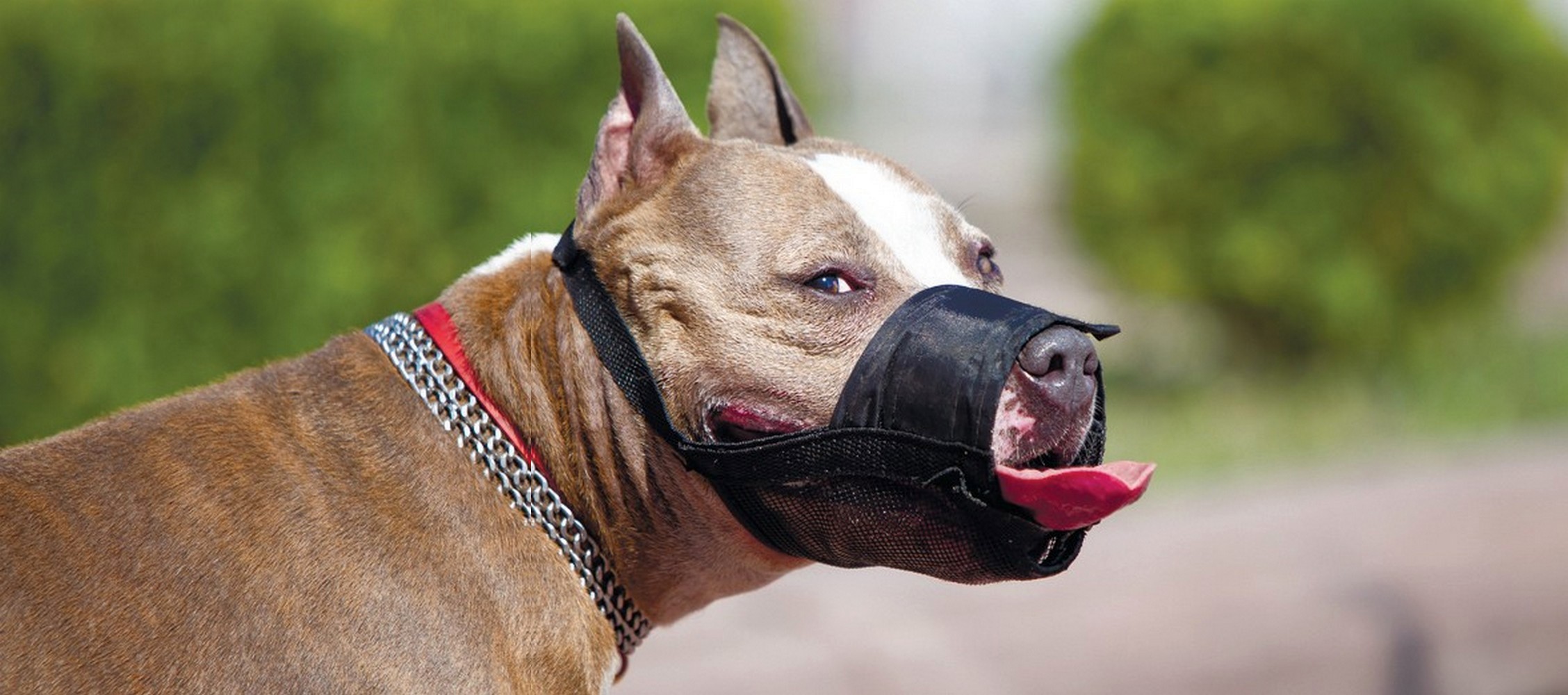
An effective method for controlling stray animal populations is through Catch-Sterilise/Vaccinate-Return (CSVR) programmes run by TOPKHANA among others. You can help too: support local shelters and volunteer if possible. If you have pets show responsibility by always walking dogs on leads and using muzzles if necessary. Sterilise or castrate pets if you don’t plan breeding them. Most importantly—never abandon animals on the streets under any circumstances; it is cruel and worsens the problem further.
Solving stray dog issues is a shared task requiring patience and humanity from all.
Why I wrote this story?
Because I am an ordinary mother—not a doctor or expert. I listened to doctors, paid money and thought I did everything right but in fact I overloaded my son’s body exposing him to risk; now we are struggling not only with bite consequences but also with wrong treatment effects. Let this story protect other parents from such tragic mistakes.
If something like this happens, do not panic but also do not act instinctively; check prescriptions carefully; ask if medicines can be combined; seek help where protocols are followed not just receipts issued; children’s health is no place for experiments—even if it is "just a dog bite."
RECOMMEND:
 290
290

