

SANCTIONS AS A WEAPON
US and Europe stepping up support for Ukraine amid discussions on total sanctions against Russia and defence reinforcement
Author: Natig NAZIMOGHLU
The Russian-Ukrainian war continues with little chance of a ceasefire in the near future. Russia's ongoing confrontation with the West is intensifying. This includes the United States, whose president, Donald Trump, has been working diligently to facilitate a ceasefire between Moscow and Kiev. However, the failure of these attempts has led to Washington imposing almost total sanctions against Russia, which are likely to have serious economic consequences.
The West will not abandon Ukraine
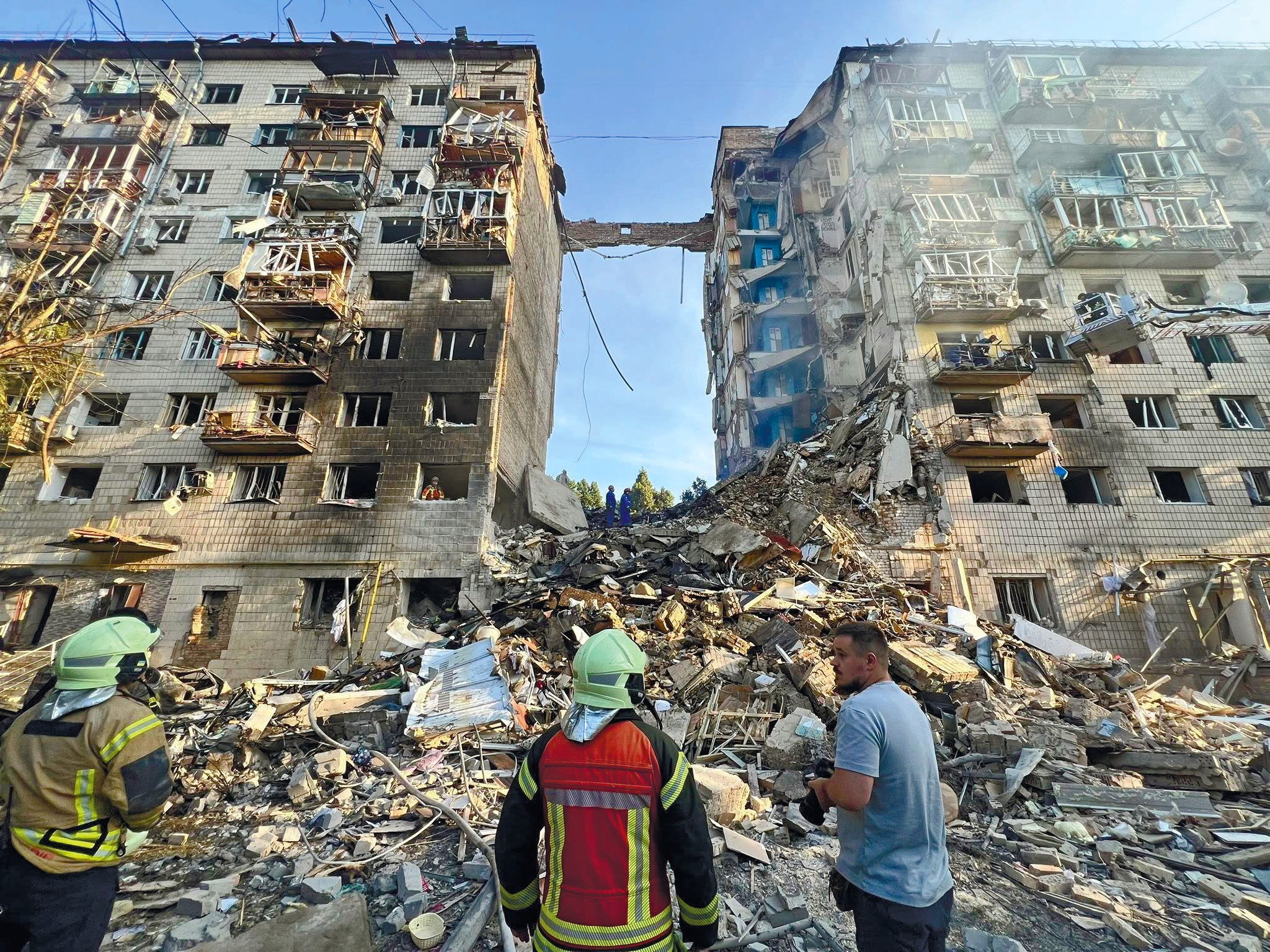
The Russian Armed Forces have been conducting missile strikes on Ukrainian towns and villages, including the capital, Kiev. These strikes have resulted in civilian casualties. It is evident that by escalating the intensity of Russian firepower directed at Ukraine, Moscow is pursuing not only the objectives of its so-called "special military operation", primarily the annexation of a substantial portion of the internationally recognised territory of the Eastern European nation, but also to encourage Kiev to make concessions during the negotiation process. The same one that, with the initiative and support of the United States, had a chance to be launched as a result of the two rounds of negotiations between the Russian and Ukrainian delegations that took place in Istanbul. However, Moscow's refusal to agree to an unconditional ceasefire - despite the fact that Kiev, under pressure from the Trump administration, agreed to a ceasefire months ago - makes further negotiations meaningless. In response to Russian missile and drone strikes, Ukraine is launching attacks on Russian military and strategic infrastructure using drones. This only confirms the reality that this bloody war is dragging on.
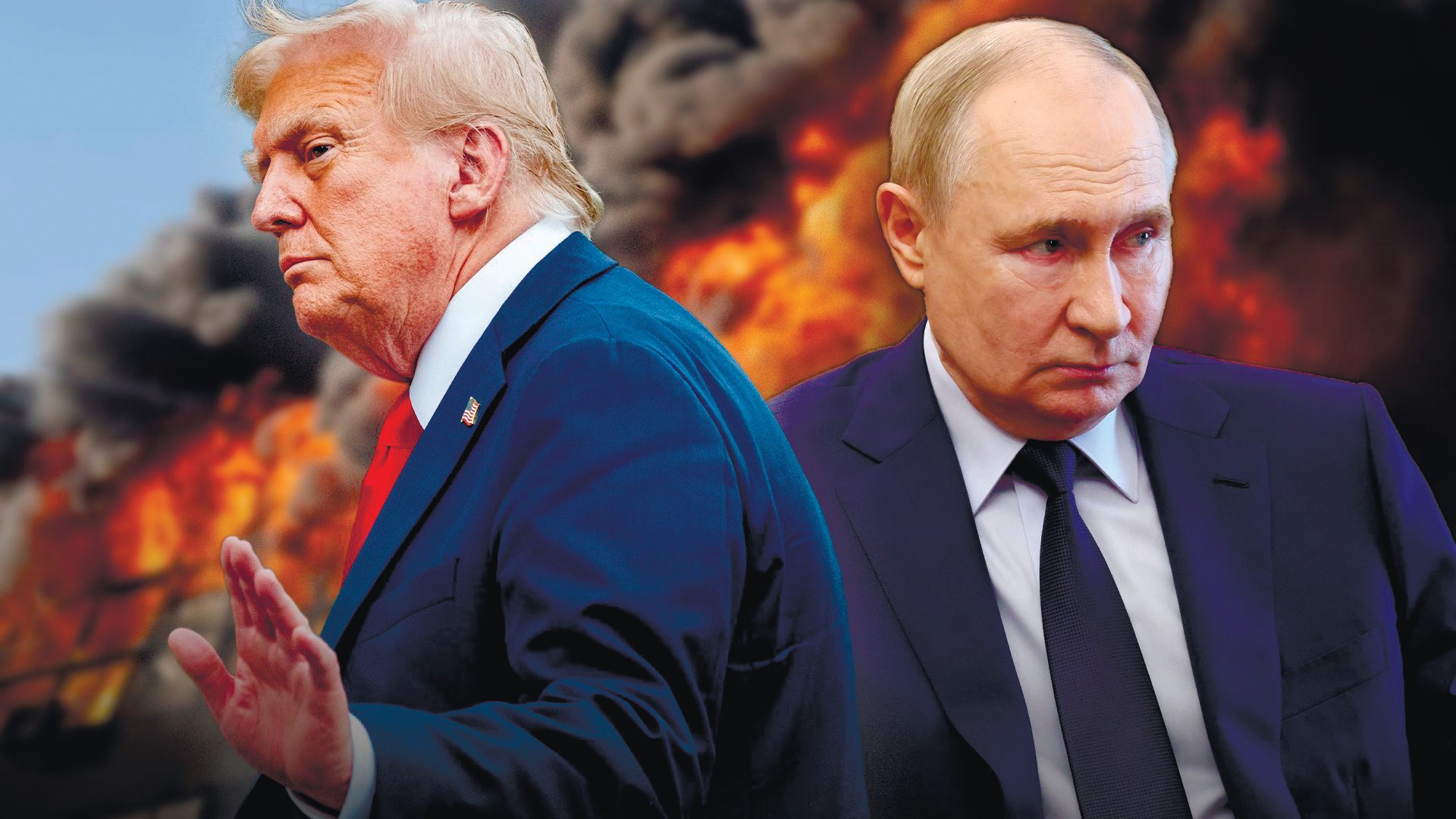
Therefore, there has been a marked shift in the US President's approach towards the Russian-Ukrainian war. Initially, there was a sense of optimism regarding the possibility of achieving an early resolution to the conflict and reaching a compromise between Moscow and Kiev. However, it has become increasingly evident that these initial calculations were not aligned with the current situation on the ground. This has led to a palpable sense of frustration and, at times, anger, on the part of the US President. The latest statements issued by the White House host have been characterised by unflattering epithets against Russian President Vladimir Putin, who actually rejected Trump's peace initiative. On 14 July, the US president announced plans to introduce "severe measures" against Moscow within 50 days unless a deal to resolve the situation in Ukraine was reached. "We are extremely dissatisfied with Russia. I'm not happy," Trump stated during a meeting with NATO Secretary General Mark Rutte at the White House.
He clarified that he was referring to "secondary duties of about 100 per cent".
In the aftermath of Russia's military invasion of Ukraine, European countries have adopted a markedly condemnatory stance towards the former.
Germany's radicalisation of its approach is of particular note. The former Chancellor, Olaf Scholz, has been portrayed as a reserved figure, known for his willingness to engage in compromise with Moscow through both statements and practical steps. The current head of the German government, the Christian Democrat Friedrich Merz, is unwavering in his commitment to supporting Ukraine, refusing to consider any possibility of weakening this support, let alone ending it. The leaders of Great Britain and France, Prime Minister Keir Starmer and President Emmanuel Macron, expressed a similar position, taking into account Russia's unwillingness to stop its military aggression against Ukraine, during talks in London. Following their meeting, the parties involved reached a consensus on the necessity to reinforce Europe's defence capabilities in light of Russia's ongoing and potential aggression against the countries of the Old World. In the event of including nuclear capabilities, it should be noted that the UK and France have signed a declaration on the coordination of nuclear deterrent forces.
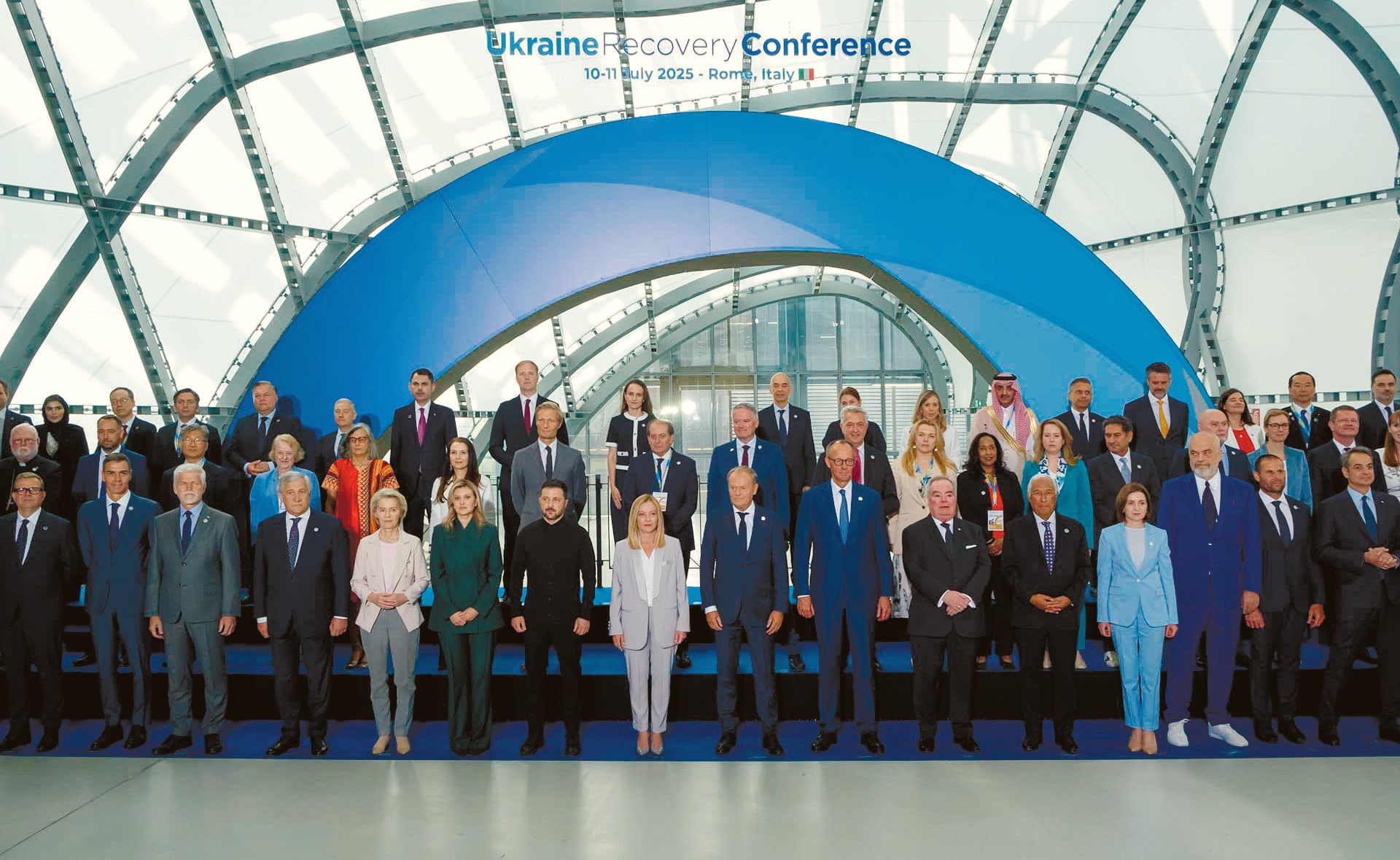
The international conference in Rome also demonstrated Europe and the West's readiness to mobilise further resources, including military and financial assistance, for Ukraine. The Euro-Atlantic world has seen a notable increase in the efforts of the United States and European powers, including Italy, the host of the Rome forum, led by the right-wing conservative politician Giorgio Meloni. These efforts are aimed at creating funds that will ensure not only Ukraine's survival, but also the ambitious process of its post-war reconstruction.
Meanwhile, statements made by US Secretary of State Marco Rubio during his meeting with Russian Foreign Minister Sergey Lavrov on the margins of the ASEAN Regional Security Forum in Kuala Lumpur are also indicative. Rubio conveyed the US side's disappointment with Russia's reluctance to adopt a more flexible stance in resolving its armed conflict with Ukraine peacefully.
It is evident that, in contrast to Moscow's expectations and calculations, the West, including the United States, will not relinquish their support for Ukraine. Western countries, including the United States, are considering the expansion of their sanctions toolkit.
Disappointed Trump
The evolution of Trump's attitude towards Russia-led war and Putin personally is best illustrated by his changing stance on the United States' imposition of tougher sanctions that could undermine Russia's engagement with the outside world. First and foremost, in the lucrative oil and gas sector, which is the backbone of its economy. In the initial months following his reinstatement of the presidential role, Trump did not express support for such a scenario, citing the possibility of reaching an agreement with Putin and achieving an end to the Russian-Ukrainian war as soon as possible. However, subsequent events, including the outcome of the May-June talks in Istanbul, demonstrated Russia's unwillingness to cease hostilities. It even rejected the Trump administration's legitimisation of Russia's annexation of Crimea and its de facto control of parts of Donbas, which had been legalised under international law. As it continues to pursue the strategic objective of incorporating those Ukrainian territories that it planned but failed to seize during the three-and-a-half-year period of hostilities.
Following a period of reflection, Trump now considers it necessary to impose further sanctions on Russia as a result of his disillusionment with Putin. As Republican Senator Lindsey Graham, one of the initiators of this proposal, himself acknowledged, "this is the most impressive sanctions package ever proposed". The President has made it abundantly clear that President Putin was not at all interested in establishing and strengthening dialogue with Russia. Indeed, he made it quite clear that the chance of reaching a compromise was doomed to failure.
The dismay in Trump's inner circle at the collapse of US peace initiatives is most evident in the controversy surrounding the Pentagon's decision to cease supplying US weapons to Ukraine. Members of both the Democratic and Republican parties in Congress expressed significant dissatisfaction with this decision, to the extent that President Trump was compelled to disassociate himself from the anti-Ukrainian sentiment, and indeed the idea of the Minister of Defence, Pete Hegseth. In yet another unsuccessful attempt to persuade Putin to cease hostilities in Ukraine, Trump assured Ukrainian President Zelensky of continued US arms shipments. At the same time, he made a series of statements on the possibility of introducing tough sanctions against Russia. This course of action would undoubtedly result in adverse economic consequences.
The significance of these two factors – the continuation of American military aid to Ukraine and the imposition of total sanctions against Russia – is also evidenced by the reaction of the Russian propaganda machine to them. The threat of nuclear strikes against the West, including the U.S. itself, which had somewhat waned during the spring Trump-Putin thaw, has been reintroduced. While Moscow may harbour hopes for a shift in the American president's stance, it is evident that the US cannot compromise by legitimising Russia's seizure of Ukrainian territories. This is precisely what Trump has communicated, despite his overt desire for dialogue with Putin.
Consequently, the intractable nature of the Russian-Ukrainian war is set to give rise to a hardening of the confrontation between Russia and the West. This is one of the most significant manifestations of an era of global disorder. China will also play a significant role in this agelessness. However, that is a discussion for another time.
RECOMMEND:
 238
238

