

ISRAEL AND SYRIA: IN ENDLESS HOSTILITY
How durable will the ceasefire in Al-Suwayda be?
Author: Natig MAMMADZADE
Israeli strikes on Syria came close to triggering a major conflict across the entire Middle East. The movement towards it has been halted. However, the question remains as to whether this ceasefire will be permanent.
Bedouins and Druze as opponents
The Syrian province of Al-Suwayda was the epicentre of the conflict. From 13 to 19 July, armed clashes occurred between Bedouins and Druze. This conflict is geographically linked to a much longer and more significant source of tension in the Syrian-Israeli confrontation: the Golan Heights, which is located to the southeast of Al-Suwayda.
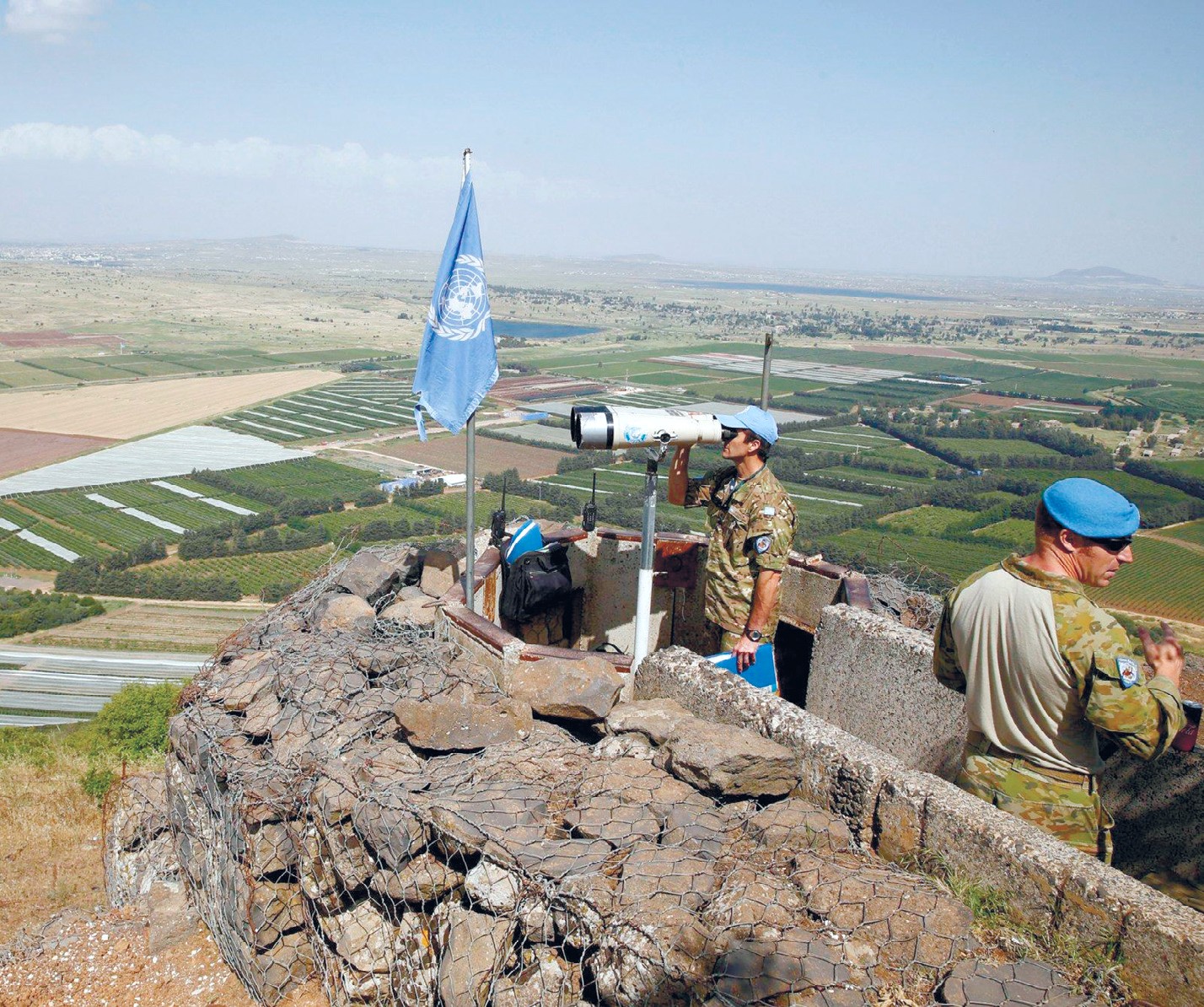
The Golan Heights, which are part of Syria, were occupied by the Israeli army during the Six-Day War of 1967. Following the failure of the Syrian Arab Republic to recapture the territory in 1973, the parties concerned signed the 1974 Disengagement of Forces Agreement. According to the report, a demilitarised buffer zone is to be established, to be controlled by UN forces, between Israeli and Syrian troops. This did not, however, prevent Israel from declaring the seizure of the Golan Heights under its jurisdiction in 1981. This annexation is not recognised by Syria, the UN, or the international community at large. With the exception of the United States, which declared recognition of Israel's sovereignty over the Golan Heights in 2019, during Donald Trump's first presidential term.
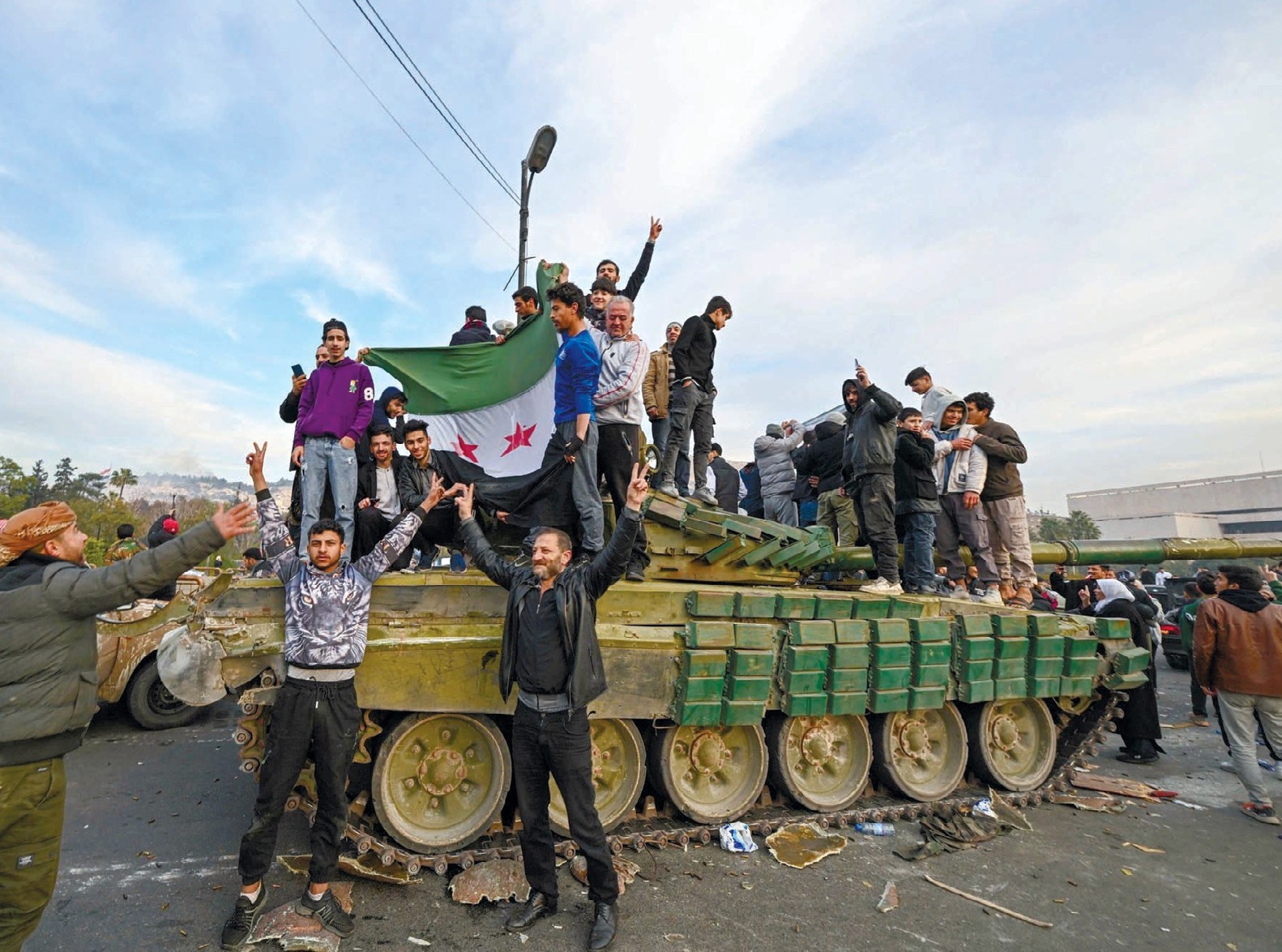
The latest round of tension around the Golan Heights began to unfold after the overthrow of the Bashar al-Assad regime and the coming to power in Syria of an Islamist government led by Ahmed al-Sharaa, who was declared president for the transitional period. Israel saw this as an opportune moment to introduce its troops into the demilitarised zone in December 2024. Despite the UN's condemnation of this action as a violation of the 1974 agreement, the Jewish state has expanded its control over the buffer zone adjacent to the occupied Golan Heights. Consequently, Israeli troops advanced to within 20 kilometres of the Syrian capital, Damascus. The Druze, who are deeply loyal to the Jewish state and reside in both the Golan Heights and the neighbouring province of As-Suwayda, also found themselves within the direct sphere of its influence.
The Druze, who are ethnically Arab but practice their own religion, a branch of Shia Islam, make up the majority of the population of As-Suwayda province. During the Syrian civil war, they fought both Assad's forces and the Islamic State. Meanwhile, another significant community in As-Suwayda, the Sunni Arab Bedouins, supported Hay'at Tahrir al-Sham during the civil war. Under the leadership of al-Sharaa, this group played a decisive role in overthrowing the long-standing Assad dictatorship.
The current Syrian-Israeli escalation was provoked by violent clashes between the Bedouin Arab Union, a key pillar of the new government in Damascus, and the Druze militias, which Tel Aviv openly supported, citing a threat to their security from the Islamist government. In the wake of the clashes, it is estimated that several dozen, and according to some reports, even hundreds of people were killed. Thousands of people were forced to flee their homes. In order to stabilise the situation, additional forces from the Syrian Defense and Interior Ministries were deployed to the province. Reports immediately began to come in that government forces were using punitive measures against the Druze. Israel was prompt in its intervention in the conflict, launching strikes on Syrian army positions in As-Suwayda, as well as on the General Staff building and the vicinity of the presidential palace in Damascus.
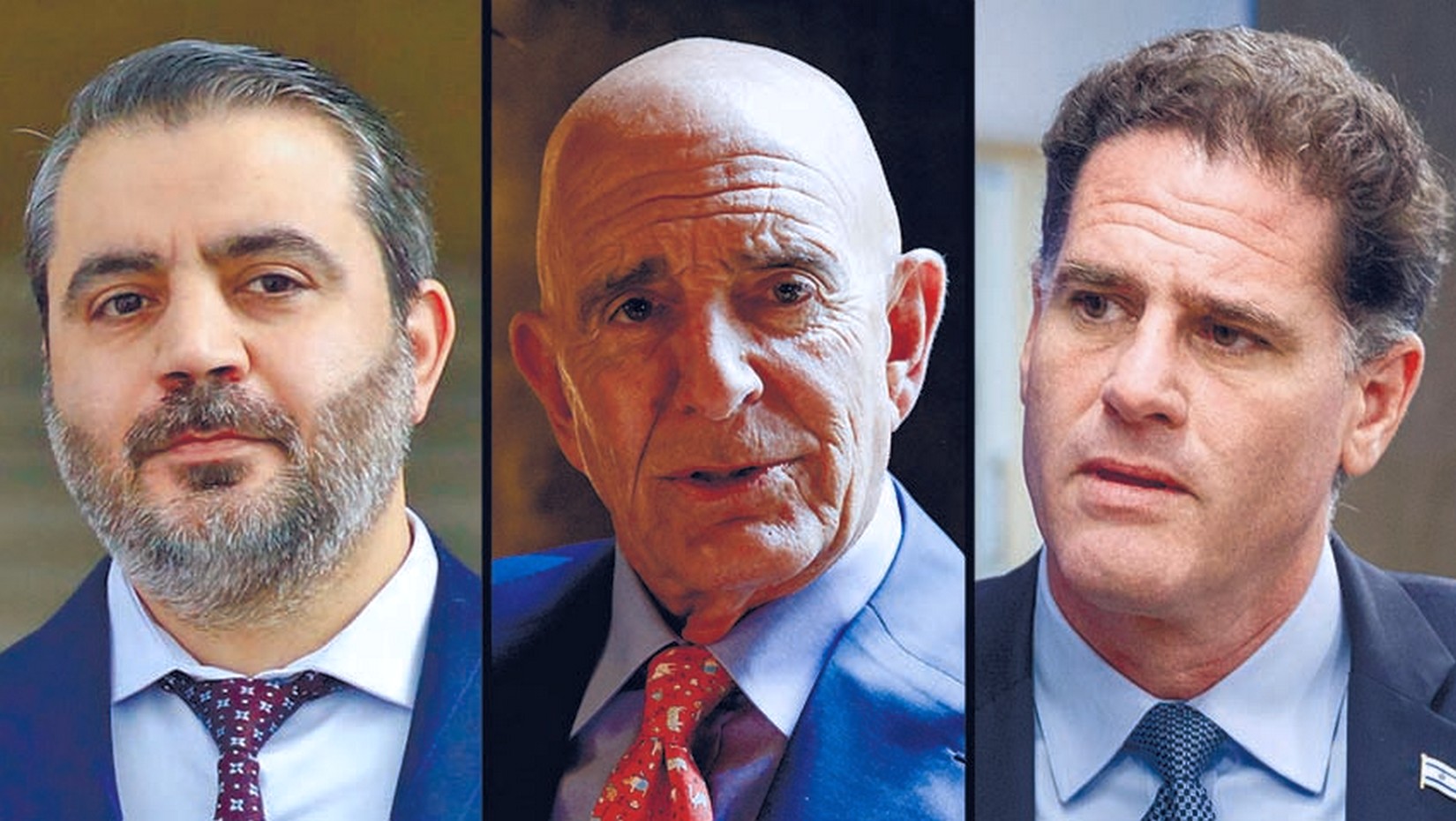
The Israeli leadership explained the military action as being necessary to protect the Druze minority and demanded that the Syrian government withdraw its troops from the city of As-Suwayda. They threatened otherwise to intensify attacks on the positions of the Syrian army. Following extensive negotiations, it has been reported that an agreement has been reached on a ceasefire. The United States played a key role in this process, with Ambassador to Türkiye and Special Representative for Syria Tom Barrack playing a pivotal part.
In accordance with the agreement, Syrian government forces have now left the conflict area. At the same time, Barrak emphasised that the ceasefire agreement reached between Syria and Israel is limited to the conflict in As-Suwayda and does not address broader issues, including Israel's demands for the demilitarisation of southern Damascus. This only confirmed the need for larger-scale Syrian-Israeli negotiations to resolve contentious issues that form the basis of the conflict between Damascus and Tel Aviv.
The essence of the question
It is noteworthy that both Syria and Israel have expressed their readiness to normalise bilateral relations. Furthermore, the transitional government of Syria has expressed its willingness to collaborate on the resumption of the 1974 ceasefire agreement with Israel. Israel has stipulated the negotiation process, insisting that the Golan Heights must remain within the territory of the Jewish state as a prerequisite for any peace agreement.
The intention of the parties to advance the peace process was demonstrated by the Syrian-Israeli talks held in Baku on July 12. These events occurred "on the sidelines" of the visit of Syrian President Ahmed al-Sharaa to Azerbaijan. The veracity of the aforementioned assertions was corroborated by Hikmet Hajiyev, Assistant to the President of Azerbaijan. Hajiyev confirmed that the meeting in Baku was intended to de-escalate tensions between Syria and Israel. Azerbaijan is well-positioned to serve as a bridge between these entities, given its positive relations with all neighbouring countries.
Further to our previous correspondence, I am pleased to inform you that negotiations took place in Paris on 25 July. The talks were facilitated by US Special Representative Barrack and included the participation of Israeli Minister of Strategic Planning Ron Dermer and the head of the Foreign Ministry of the transitional government of Syria, Asaad al-Sheibani. This suggests a dynamic shift in the peace process, although tangible breakthroughs remain elusive. The root cause lies in the uncertainty surrounding the question of Syria's political future.
It is evident that the al-Sharaa government has yet to demonstrate its capacity to establish sustainable peace within the nation, among representatives of all ethnic and religious communities, with the aim of safeguarding the unity and integrity of Syria. Furthermore, there are individual facts that raise questions about the likelihood of the new Syrian government, which is said to have Islamist leanings, allowing for the persecution of non-believers and dissenters. In March of this year, cases of interfaith violence occurred, resulting in the deaths of approximately 2,000 Alawites in eastern Syria. There were further instances of violence in April and May, involving clashes between security forces and militants from the same Druze community. Another significant event was the June terrorist attack on the Greek Orthodox Church of Mar Elias in Damascus, which resulted in the deaths of 25 people.
The ongoing interfaith and interethnic strife in Syria has been triggered by external actors who are not interested in the strengthening of a unified Syrian state. However, the country's new leadership is determined to protect its sovereignty and territorial integrity.
In light of recent events in Es-Suwayda, the official Damascus has issued numerous statements emphasising that this province is an integral part of Syria. The statement asserts that its status cannot be altered under any circumstances, as this could lead to the fragmentation of the state and the incitement of sectarian strife. During the Paris negotiations, the Syrian delegation made it clear that the country's government rejects any attempts to divide it as a result of Israeli intervention.
The speech delivered by Syrian President al-Sharaa to the Druze community is also noteworthy. In this address, he emphasised the protection of their rights as a priority for the current Syrian government. However, he also rejected any attempts to involve the Druze in an external conflict. The head of the Syrian state has stated that the country is not to be divided, and that the government is committed to bringing to justice those guilty of crimes against the civilian population.
It is important to note al-Sharaa's emphasis on the international consensus regarding the rejection of Israel's bombing of Syria. In this regard, the issue of Israel's military strikes on countries that it has declared a threat to its security has become relevant. Barrak's remarks regarding the "legitimacy" of Israeli strikes on Syrian territory are noteworthy. The special representative emphasised that the question of whether Israel's interference in the internal affairs of a sovereign state is acceptable remains unresolved. He added that Israel may be interested in weakening Syria, since "strong nation states, especially Arab ones, are perceived by Israel as a threat."
It is important to note that in less than a year since the overthrow of Bashar al-Assad, Israel has already carried out hundreds of air raids on Syria, accompanied by substantial bombing of its military forces and infrastructure. In response to Damascus's demand for an immediate withdrawal of Israeli troops from the positions they occupied in the demilitarised zone, Prime Minister Benjamin Netanyahu declared that the occupation of southern Syria would be permanent. Eyal Zamir, Chief of Staff of the Israeli army, has openly admitted that the Jewish state intends to maintain freedom of action on Syrian territory and will continue to prevent it from "acquiring strategic capabilities."
However, such goals and objectives are in direct conflict not only with the sovereignty and territorial integrity of Syria, but also with the interests of all surrounding countries. In particular, Iran, which also faced Israeli strikes on its territory, condemned the attack by the Jewish state on Syria. Furthermore, the establishment of a new government in Syria has resulted in a practical loss of Tehran's influence over this Arab country.
However, it is important to note that Israel's actions have been strongly criticised by Türkiye, whose position in the region has strengthened significantly as a result of the change in Syrian power. Turkish Foreign Minister Hakan Fidan has warned that Ankara will not allow the implementation of plans to destabilize and divide Syria. At the same time, the Turkish Ministry of Defence provided commentary on reports that Damascus had formally requested official assistance from Ankara to bolster its defence capabilities. The ministry confirmed that Türkiye maintains a firm position on issues related to protecting the territorial integrity of Syria. This ongoing threat of Syrian disintegration, primarily due to Israeli military actions, continues to contribute to regional instability.
RECOMMEND:
 253
253

