

THE ARCHITECTURE OF ATTRACTION
Hotels in Saudi Arabia as an example of a building design strategy within media and communication assets in the attention economy



Author: Nani ZHGHENTI
In an age when attention has become the most valuable currency, architecture is no longer merely functional and aesthetic but transforms into a media instrument. Global competition for attention has redefined architecture from a "spatial discipline" into a tool for generating emotional capital. Buildings are now compelled to operate not only in the physical but also in the digital realm—designed to be photographed, discussed, and shared virally.
Amid these transformations, it has become increasingly clear that architectural design requires a new strategy. This can be described as the "architecture of attraction"—a concept where a building is conceived as both a marketing and media asset. In other words, a project should generate curiosity, emotions, and attention long before its construction and commissioning.
At the core of this method lie three interconnected elements: visual magnetism—silhouettes and perspectives that are instantly recognisable and ready to go viral; emotional code—architectural dramaturgy that translates brand values into the language of space; and embedded marketing—scenarios for user-generated content and digital activations built into the design process from the outset.
From space to spectacle: the Attention Economy and architecture
We now live in a world where decisions on travel, reservations, and purchases are increasingly made "from a picture" on social media. Under these conditions, architecture is no longer a purely spatial discipline. It becomes a producer of impressions that are later converted into financial returns and reputation.
To the classic metrics of engineering, functionality, and composition are added new ones: virality of image (VIR)—content that gains popularity because users voluntarily share it; user-generated content (UGC) potential—content created by ordinary people, clients, subscribers, or fans; and emotional ROI—returns on investment derived from experiences that stimulate repeat visits and recommendations. These are the emotions a project evokes in clients, which ultimately affect its financial success.
This is why the architecture of attraction is significant not merely as an aesthetic idea, but as a strategy for faster payback and brand growth.
How it works
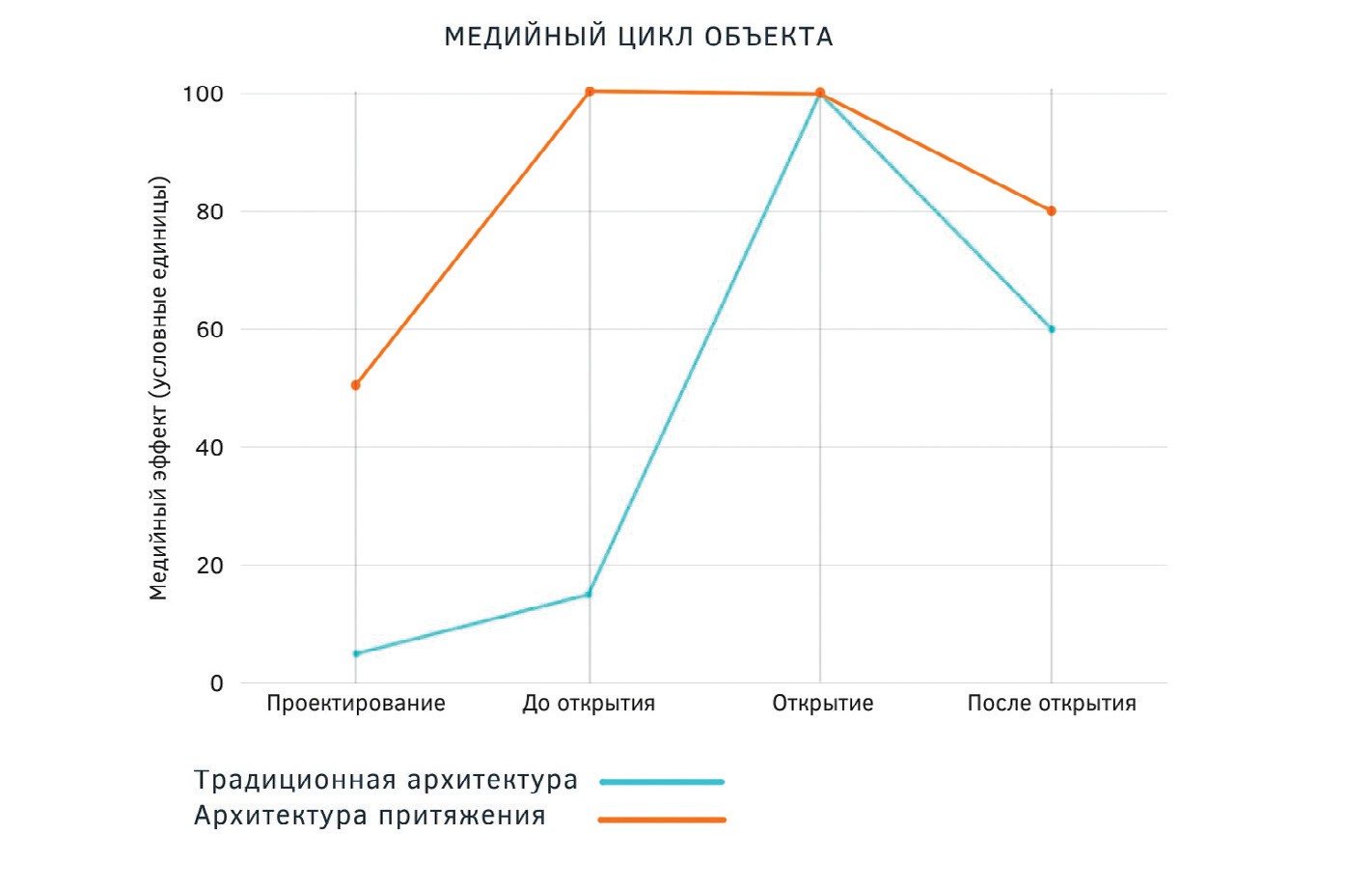
Its defining feature is anticipation. In architecture and urban planning, there are already phenomena with similar effects—for instance, the "Bilbao effect," where the sudden emergence of a landmark building dramatically boosts tourism and investment interest. Yet, the "architecture of attraction" is distinguished by its temporal shift.
If the Bilbao effect manifests itself after construction, when a building unexpectedly becomes iconic, the architecture of attraction begins to operate long before physical realisation. Teasers, renderings, and augmented and virtual reality previews themselves become marketing tools. Guests dream of entering the space long before it opens, and this anticipation is transformed into capital.
In this strategy, architecture is designed as an integrated system: form becomes the frame, route becomes dramaturgy, and emotion becomes conversion into sales. The mechanism can be described as follows.
Visual magnetism
The architecture of attraction begins with forms that captivate the eye. These are unique silhouettes, easily memorable and striking both from a drone’s aerial view and up close. Light plays a crucial role. Architecture is crafted to align with ideal "wow moments": sunsets, reflections in water, and carefully planned illumination—everything that turns a building into a ready-made postcard.
Framing is equally vital. Projects incorporate "Instagrammable" points: frames, bridges, viewing decks, and suspended pathways. At these spots, visitors instinctively reach for their phones and take photos—the space itself suggests the composition.
Emotional code
The architecture of attraction works not only on visual impact but also on deeper associations. Space conveys the values of a brand—seclusion, belonging, innovation, or authenticity—and resonates with audience expectations.
Movement through the building unfolds like a scenario: shifts in rhythm and elevation, interplay of light and shadow, and sudden "moments of revelation." Together, they create dramaturgy that sustains attention and enhances engagement. Materials are equally important: the urge to touch a surface, sense its texture, or capture reflections and light effects on camera. Architecture thus becomes not only a visual but also a tactile emotion.
Embedded marketing
In contemporary design, marketing is embedded directly into architecture. Spaces and details are created to provoke guests into filming and photographing. Hero shots—capturing the building’s striking silhouette, a bold façade, dramatic perspective, or interior angle; mirrored surfaces, iconic symbols, and interactive elements—all function as "content triggers."
From here, the "content machine" is set in motion: during the sales stage, curated sets of perspectives and hashtags are prepared, influencers are engaged, and conditions are created for guests’ organic posts.
Equally important is the "online–offline loop." First, someone sees a teaser or promotional video, then books a trip, shares their impressions online, and their posts become fresh advertising for the next wave of visitors. In this way, the building itself works as a marketing instrument—self-promoting and stimulating demand.
The outcome: design as a content occasion, the guest as a media agent, and social networks as a free channel of promotion.
Saudi Arabia: A Living Case Study
Today, some of the most striking examples of the architecture of attraction can be found in Saudi Arabia—a country making massive investments in tourism and collaborating with leading international architectural firms. A few examples illustrate this:
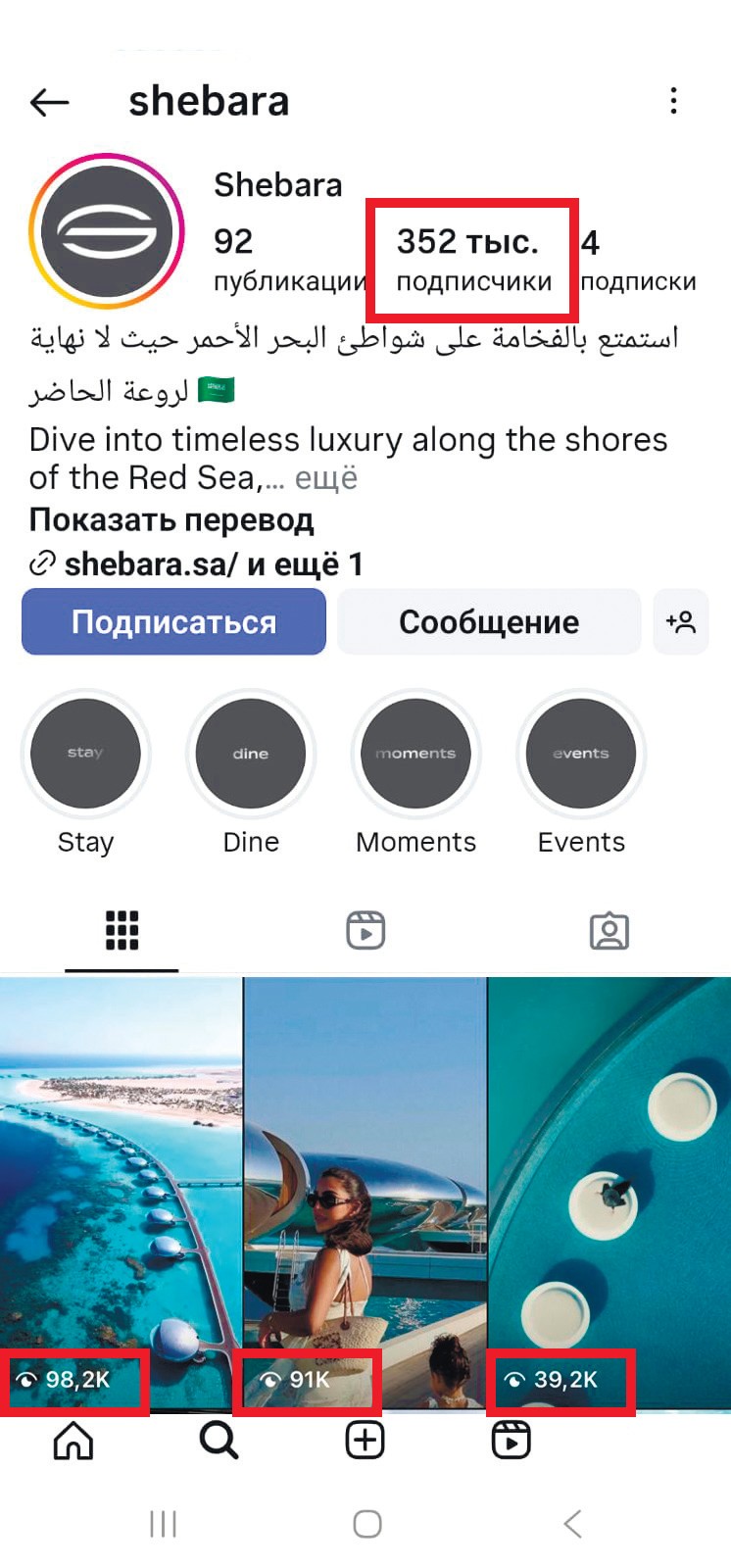
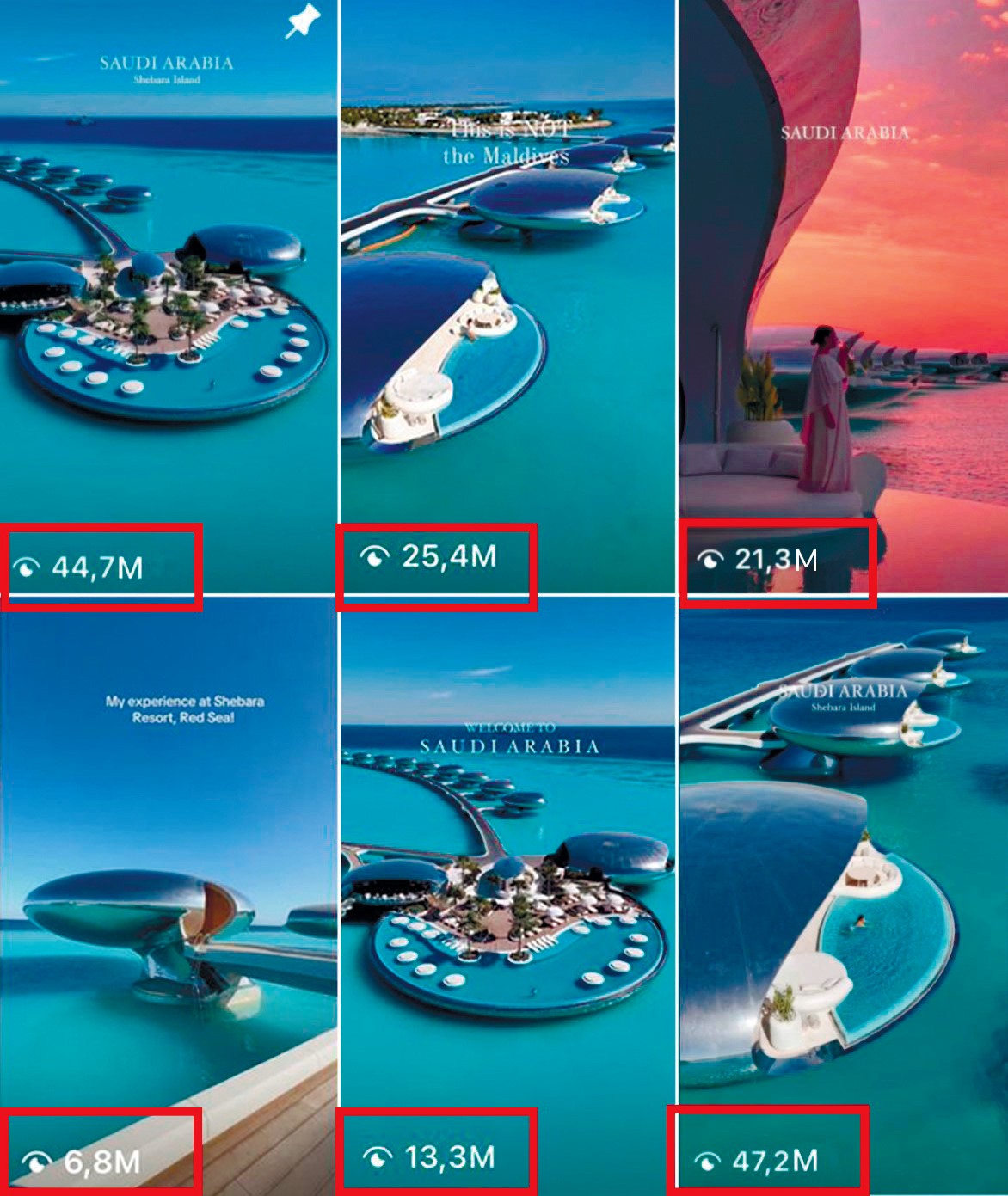
* Sheybarah Island Resort (Killa Design): white biomorphic capsules, resembling jellyfish, hovering above a lagoon. Minimal advertising, yet tens of millions of views on TikTok and Instagram. High-season occupancy is forecast at 95%. Here, architecture has gone viral in itself.
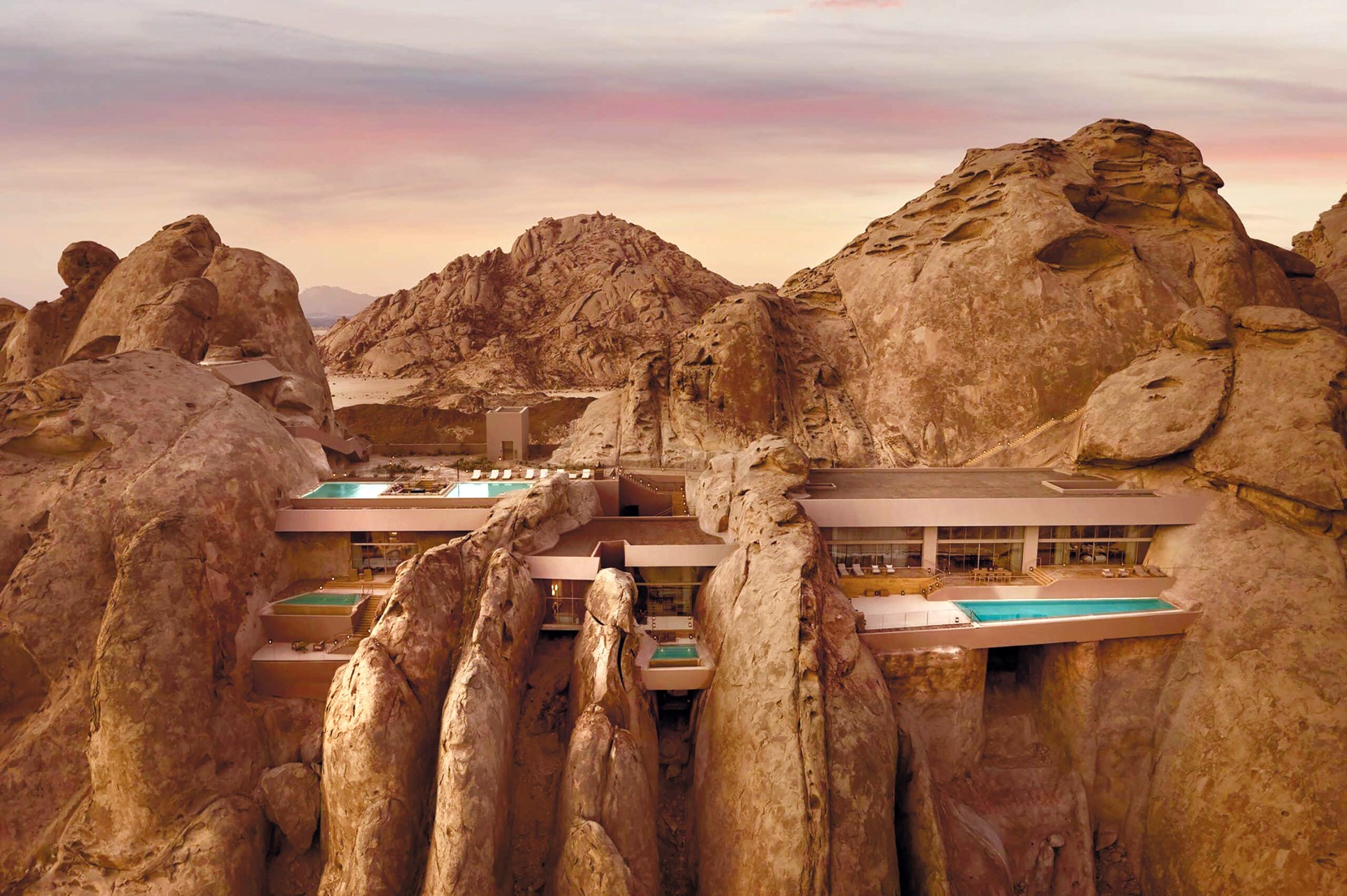
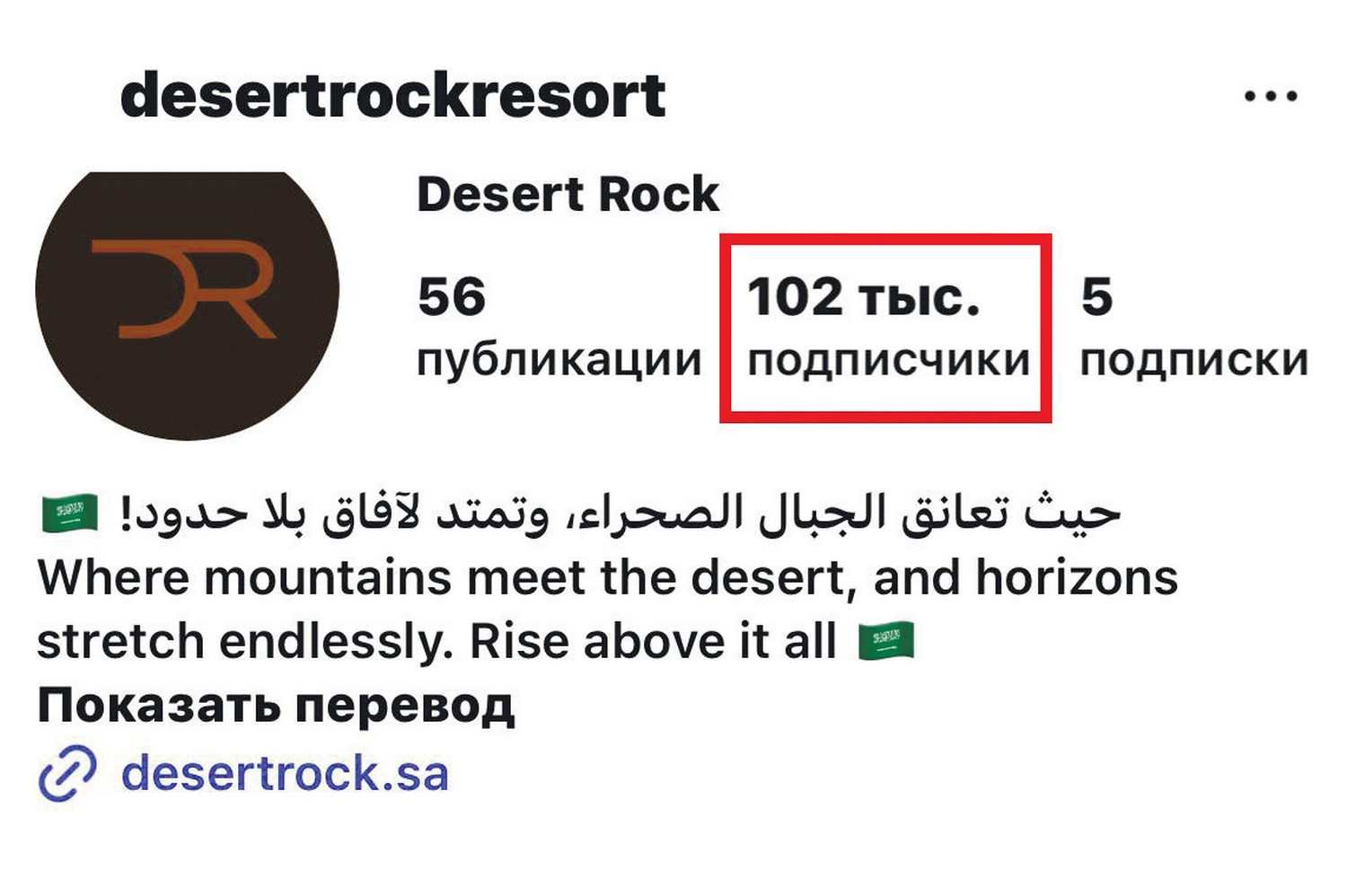
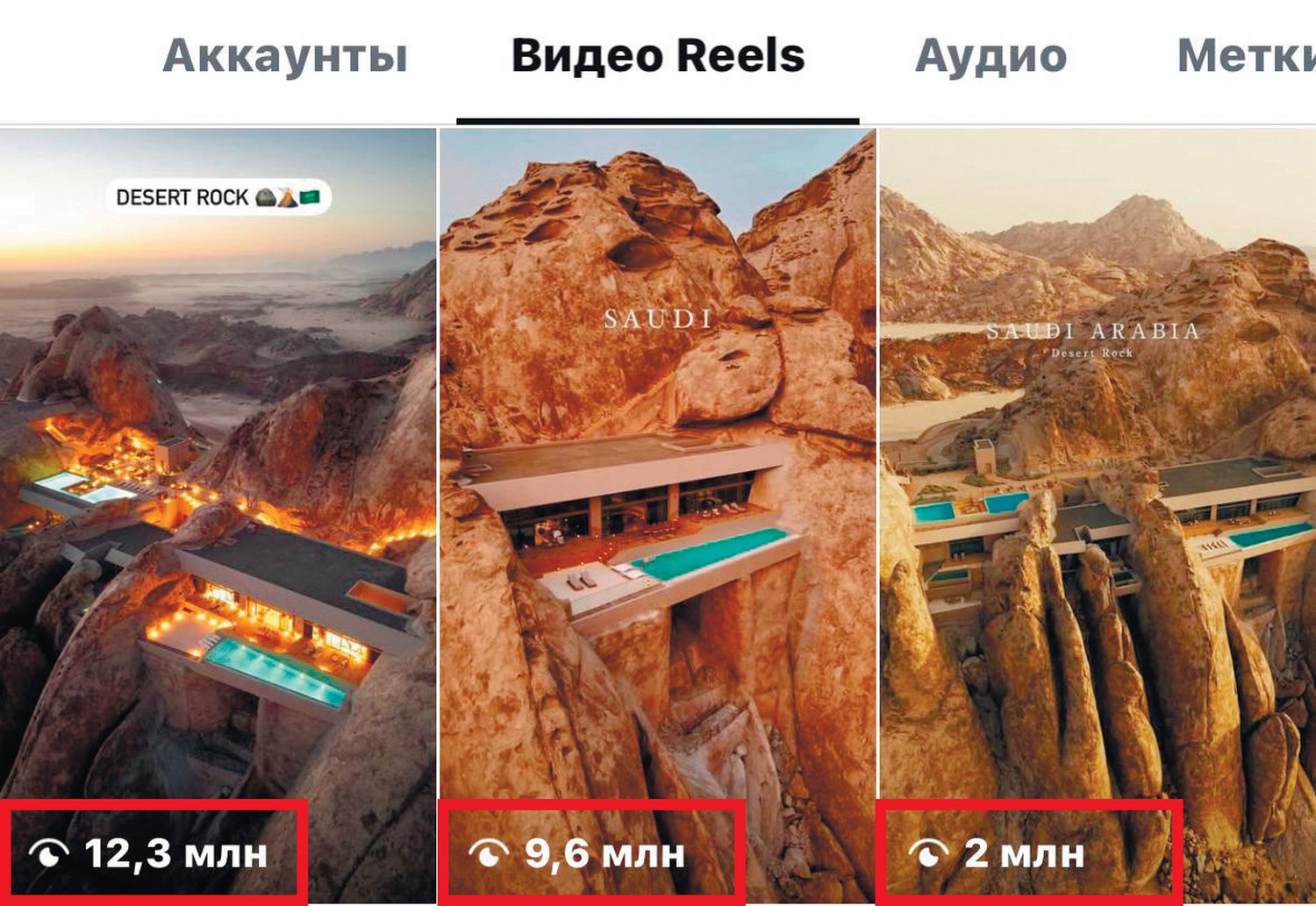
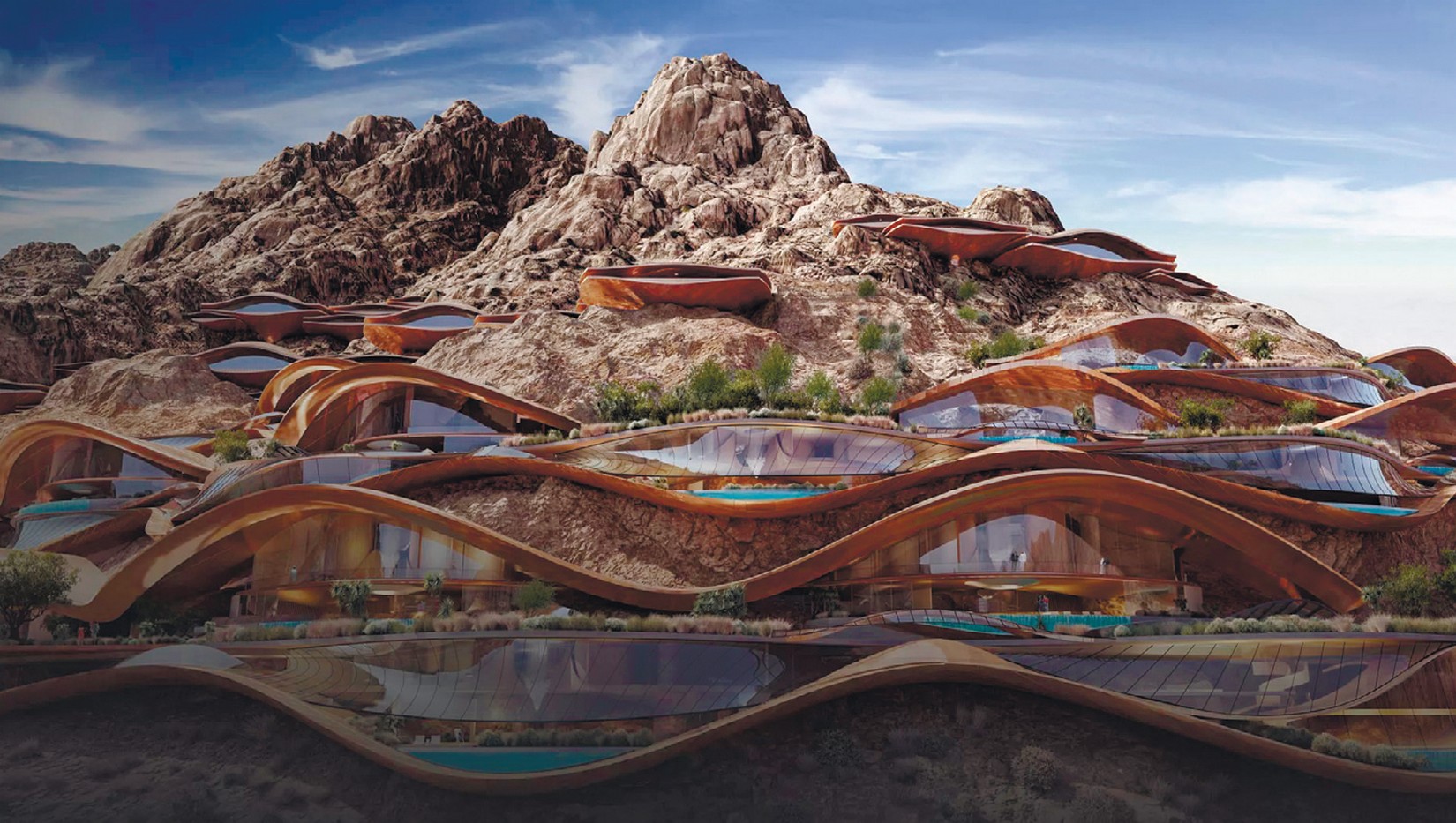
* Desert Rock Resort (Oppenheim Architecture): villas embedded within granite cliffs. A relatively small number of posts, yet almost 10 million views. The striking contrast of "rock + light" became its main media hook.
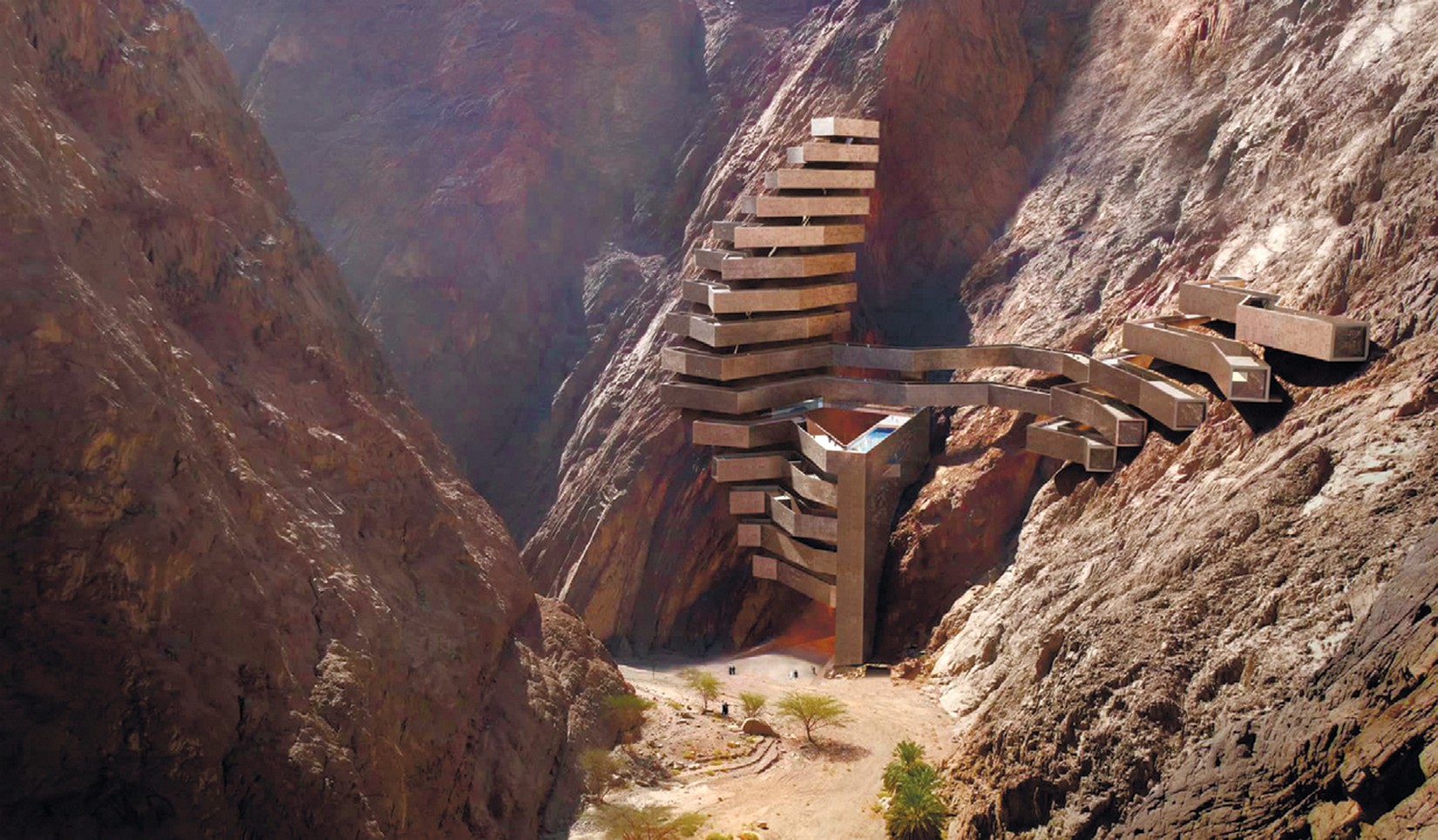
* Leyja (OMA, Killa Design, Mario Cucinella): three hotels, each with its own emotional scenario—tranquillity, health, adventure. Construction has not even begun, yet the concept videos have already attracted millions of views.
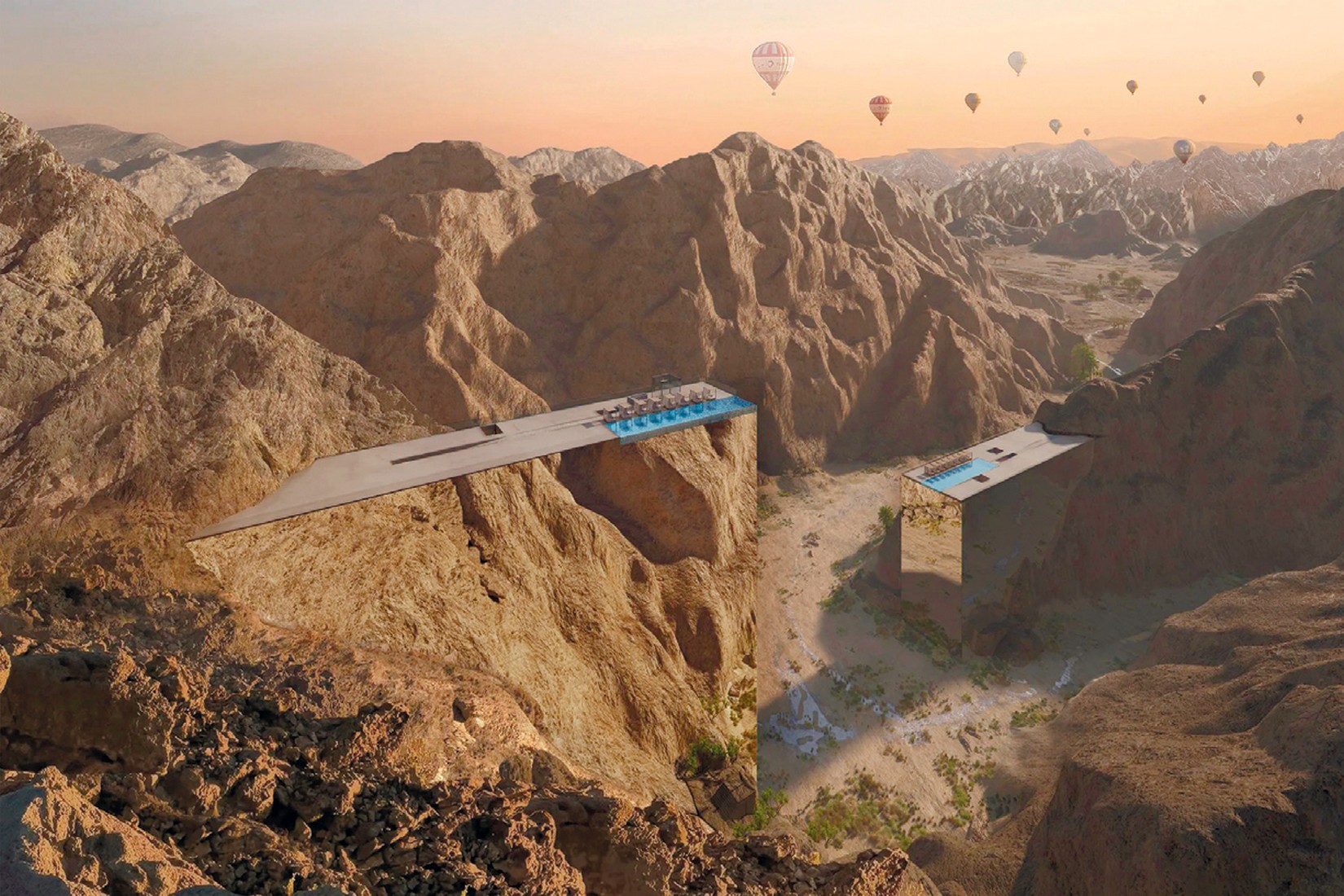
* Trojena (Zaha Hadid Architects and others): a ski resort in the desert. Only teasers released so far, yet nearly 150 million views. The architecture operates as a fantasy waiting to be experienced.
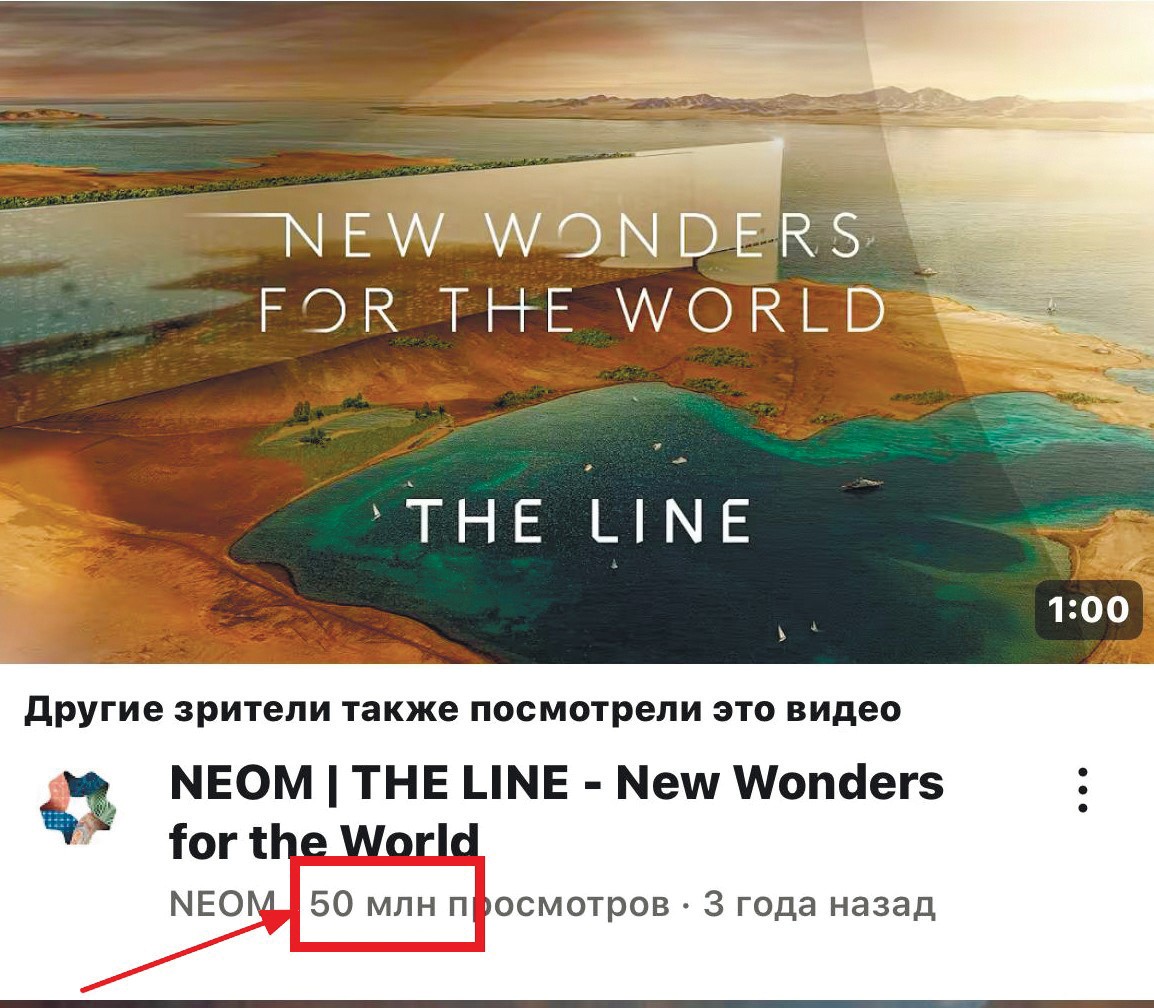
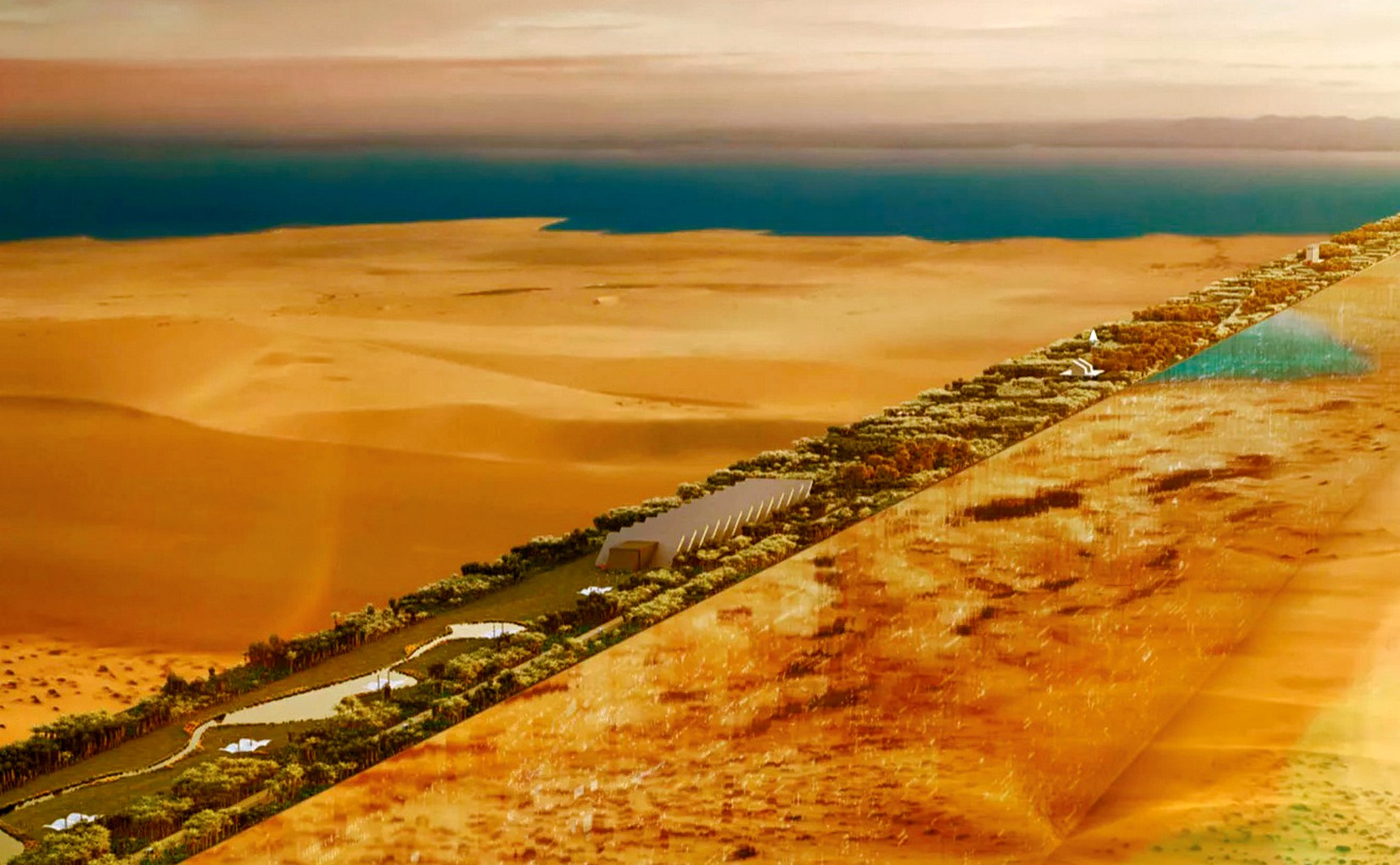
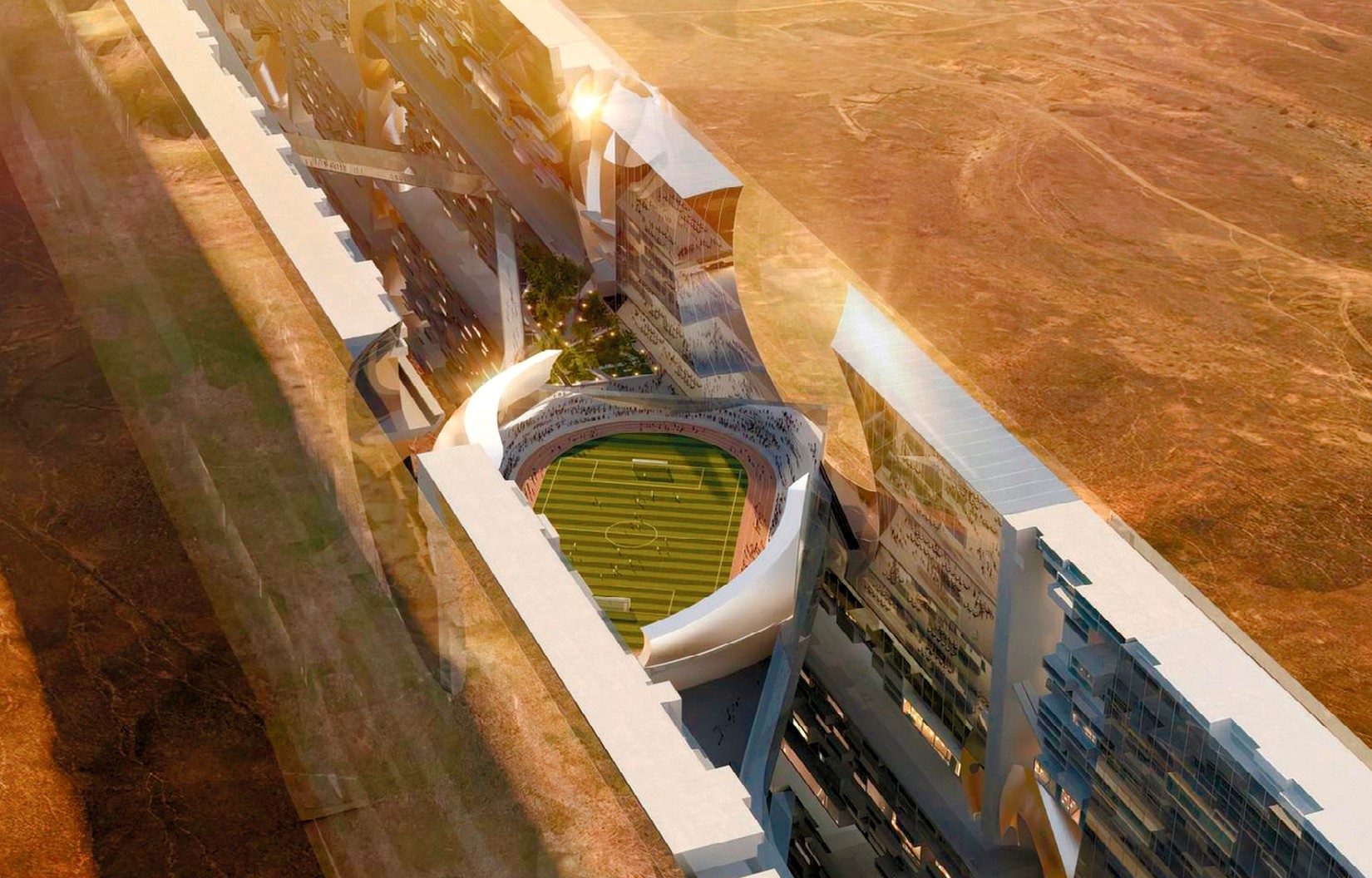
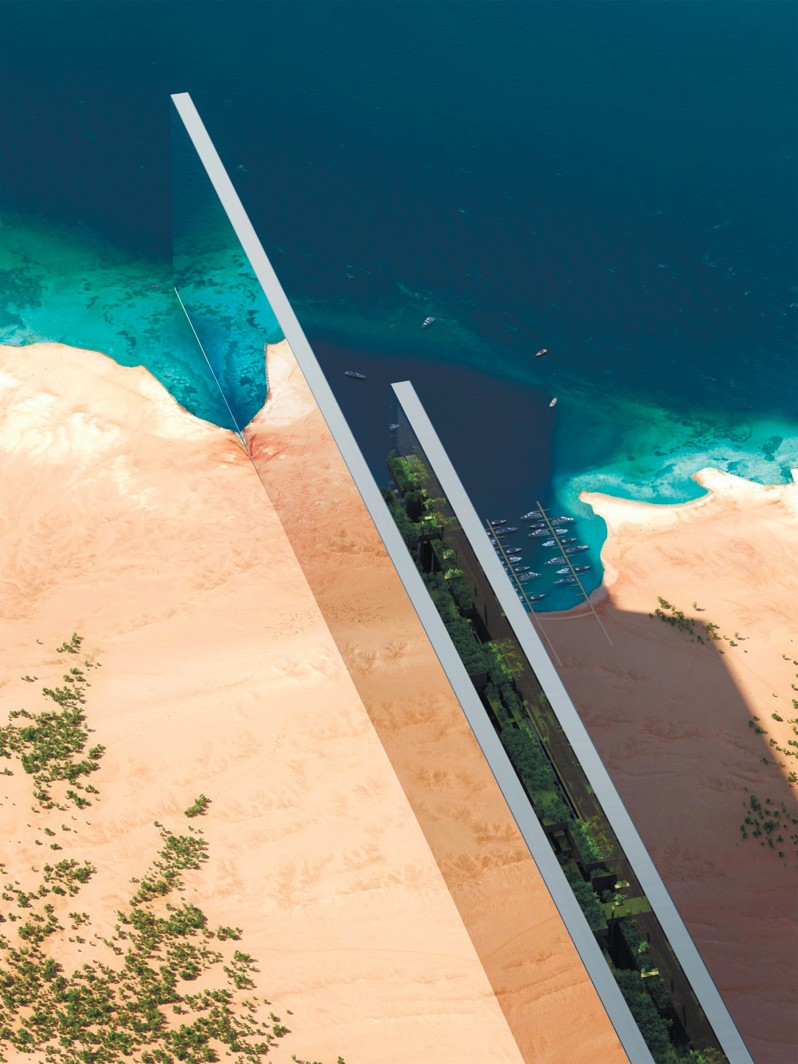
* THE LINE (Morphosis + consortium): a 170-kilometre mirrored "skyscraper on its side." Existing only as video, it has amassed over 500 million views. More than a project, it is now a global media event.
The Economy of Attraction Architecture
Comparisons of Saudi Arabia’s premium hotel segment show that integrating marketing into architecture reduces project payback periods by at least 18–24 months. Tourist flow in the first year rises by 25–30% instead of the standard 8–10%.
Organic reach on social media is 5–6 times higher. Advertising budget savings amount to millions of dollars.
Thus, architecture today is not an expense but a strategic asset: it sells itself, shapes reputation, boosts investor confidence, and strengthens the portfolio of future projects.
The chain is simple: idea → anticipation → visit → organic reach → new demand.
Future prospects
Architecture conceived under the strategy of attraction extends beyond the physical realm. AR filters, digital twins, and previews generate revenue even before construction begins.
NFT tickets and pre-sale tours create new sources of income. Post-visit digital souvenirs give fresh reasons to return and share experiences online.
In other words, buildings are becoming media platforms that independently generate revenue and retain attention.
Thus, the architecture of attraction is not a decorative device but a strategy tailored for the age of attention. It unites aesthetics, marketing, and emotion, accelerates returns, and forges brands that endure in memory and across millions of screens.
Most importantly, this approach reshapes the very profession of the architect. Today, the architect is no longer merely a designer but a strategic partner, a director of impressions, and a media producer.
Manifesto of the Architect of Attraction
"Spaces must be designed so that people dream of entering them even before they appear on the map. Every form must tell a story, every route must direct emotion, and every guest must become the protagonist. Architecture is no longer only about structures and square metres—it is now a media platform, generating aesthetic, emotional, and economic value long before the first encounter."
RECOMMEND:
 287
287

