
DISCOVERING A PEARL
Albania: a country we did not know

Author: Elchin HUSEYNOV, Bakı–Tirana–Bakı
Albania long remained off the beaten tourist tracks. The Balkans were usually associated with Croatia, Montenegro, and at best Bosnia. But Albania? For many Europeans, and for travellers from the CIS, it remained a blank spot. Only in the last few years has the country begun to assert itself more confidently as a full-fledged tourist destination. Still affordable prices, hospitable residents, beautiful nature and the absence of excessive tourist infrastructure make Albania an attractive choice for those seeking new experiences rather than a banal catalogue holiday.
Nomads in tourism
Albania is steadily gaining popularity among tourists from around the world. According to statistics, in the first half of 2025 the country received almost 4.8 million visitors, 5% more than in the same period last year. Such growth confirms that Albania is becoming an increasingly sought-after destination—thanks to its nature, historical monuments, beaches and the friendliness of locals. This trend shows that the country’s infrastructure and service are gradually improving (which was not the case ten years ago), and opportunities for comfortable holidays are expanding. Today tourists increasingly choose Albania for the combination of beauty, affordability and authenticity, making it one of the promising and popular destinations in Europe for the coming years.
Albania is also becoming more attractive to digital nomads—those who can work remotely and choose picturesque places with comfortable conditions for living and working. It offers everything needed for that lifestyle: relatively low housing and food costs, stable internet, beautiful natural landscapes and a warm climate. Cities such as Tirana and Durres are especially popular, where developed infrastructure combines with lively cultural life and a good selection of cafés and coworking spaces. Renting an apartment in Tirana or Durres costs roughly 250–400 euros per month for comfortable accommodation with internet, which is considerably cheaper than in most Western European agglomerations. In smaller towns and on the coast you can find even more affordable options—starting from 150 euros per month.
Moreover, Albania offers calm and safety, which matter not only to tourists but also to those who want to focus on work without being distracted by everyday hassles. For many, the decisive factor is the possibility of spending free time on the magnificent beaches of the Adriatic and Ionian seas—a balance between work and leisure that makes Albania increasingly popular in this travel category.
It is also worth noting a fairly lenient visa regime, including for citizens of Azerbaijan.
Faleminderit, or what we should know in advance
The weather in Albania is fairly mild and comfortable. Summers are warm, even hot—temperatures in July and August reach 30 degrees Celsius and above, especially on the coast. Spring and autumn are considered the optimal times to travel—the air warms to 20–25, and there are fewer tourists. Winters are mild, especially in the lowlands and by the sea; temperatures rarely fall below 0 degrees, although it can be cold and even snowy in the mountains.
The Albanian currency is the lek. In 2025, 1 euro equals roughly 100 lek. Euros are accepted in many tourist spots and hotels, but paying in lek is more advantageous, especially in small cafés, shops and markets. ATMs are available in large cities and resort areas, but in more remote places they can be scarce, so it is always better to carry some cash.
The official language is Albanian. It is unique and unlike neighbouring languages, which adds colour. Given Ottoman influence—modern Albanian territory was part of the Ottoman Empire for more than four centuries—the language has many borrowings from Turkish. In tourist zones and cities, English is generally well understood, and in some places Italian or Russian. The greeting "Faleminderit" means "thank you", and a few words in Albanian will help win locals over.
By the way, just over 50% of modern Albania’s population adheres to Islam, while about 16% are Christians.
The easiest way to reach Albania is by plane. Tirana International Airport is the largest in the country, with direct flights from many European cities, including Moscow, Kiev, Istanbul, Milan, Frankfurt and others. More charter and budget flights appear in summer. It is also possible to come from neighbouring Montenegro, North Macedonia, Greece and Kosovo by bus or car, which allows easy travel within the country. Many Azerbaijanis visit Albania on one-day group tours (50 euros) from Montenegro during summer holidays.
For most tourists from Europe and the CIS, a visa to visit Albania is not required if the trip does not exceed 90 days within a six-month period. Mobile communications and internet generally work well; 4G coverage exists in most settlements. Unlimited mobile internet can be purchased for roughly 10–15 euros per month. Roaming is often expensive, so it is better to buy a local SIM card (10–20 euros) if you plan a long stay or frequent calls.
Visiting Mother Teresa
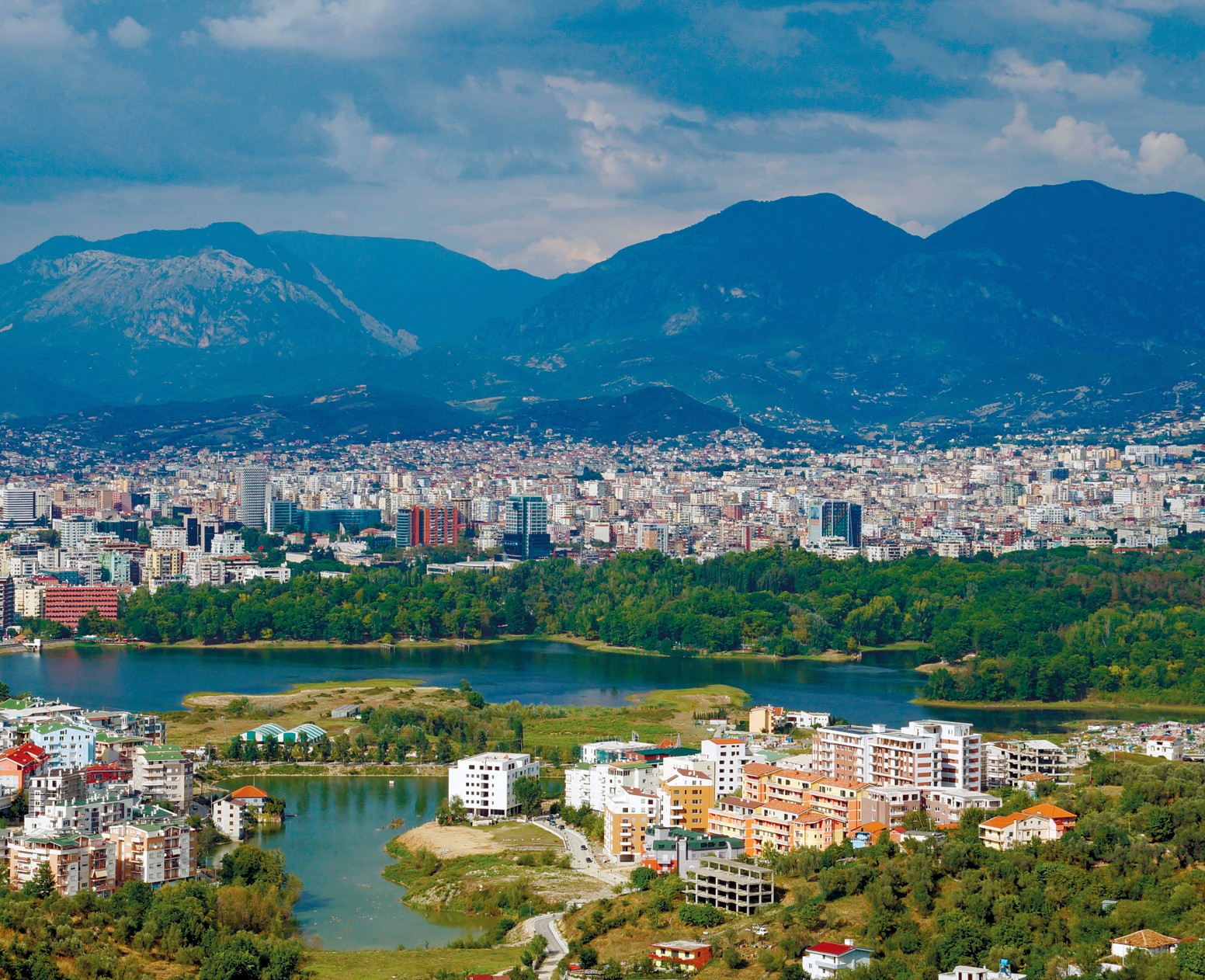
First acquaintance with Albania usually begins in its capital, Tirana. The city is developing fast, leaving behind the image of post‑Soviet chaos and grey buildings. Today’s Tirana is a mix of modernity and Balkan eclecticism, traditional culture and a vigorous drive toward the new.
Start a walk at Skanderbeg Square—the city’s symbol. Here are the National Historical Museum, the opera theatre and the Ethem Bey mosque. The square is surrounded by administrative buildings, many painted in bright colours, making this part of Tirana very photogenic.
One favourite neighbourhood for locals and tourists alike is the Blloku quarter. Once a closed zone reserved for the party elite, it is now the centre of nightlife, cafés, galleries and creative spaces. One can easily spend an evening there with a glass of wine or a coffee, dine in a stylish restaurant and stroll through alleys decorated with street art.
Prices in Tirana pleasantly surprise: lunch in a good café costs 8–12, dinner for two with local wine 20–30 euros. Accommodation in the centre can be found from 35 euros per night (guesthouse or boutique hotel), while budget hostels start at 12 euros.
In the southern part of Tirana, not far from the eponymous international airport, there is a monument to Mother Teresa—the outstanding humanitarian and Nobel Peace Prize laureate of Albanian origin. The monument symbolises the pride of the Albanian people in their compatriot and recognition of her contribution to global charity. The statue is made with simplicity and dignity—just as Mother Teresa lived. This site is often visited by tourists and locals alike to pay respects to her life and the mission she carried out.
After the bustle of the capital, it is worth heading inland to towns that have preserved the spirit of old Albania—Berat and Gjirokastra. Both are on UNESCO’s World Heritage list. Berat, known as the "city of a thousand windows", captivates with its Ottoman architecture. White houses with tiled roofs cascade down the hill to the Osum River. At the top of the town is a fortress where people still live—a rare phenomenon in Europe.
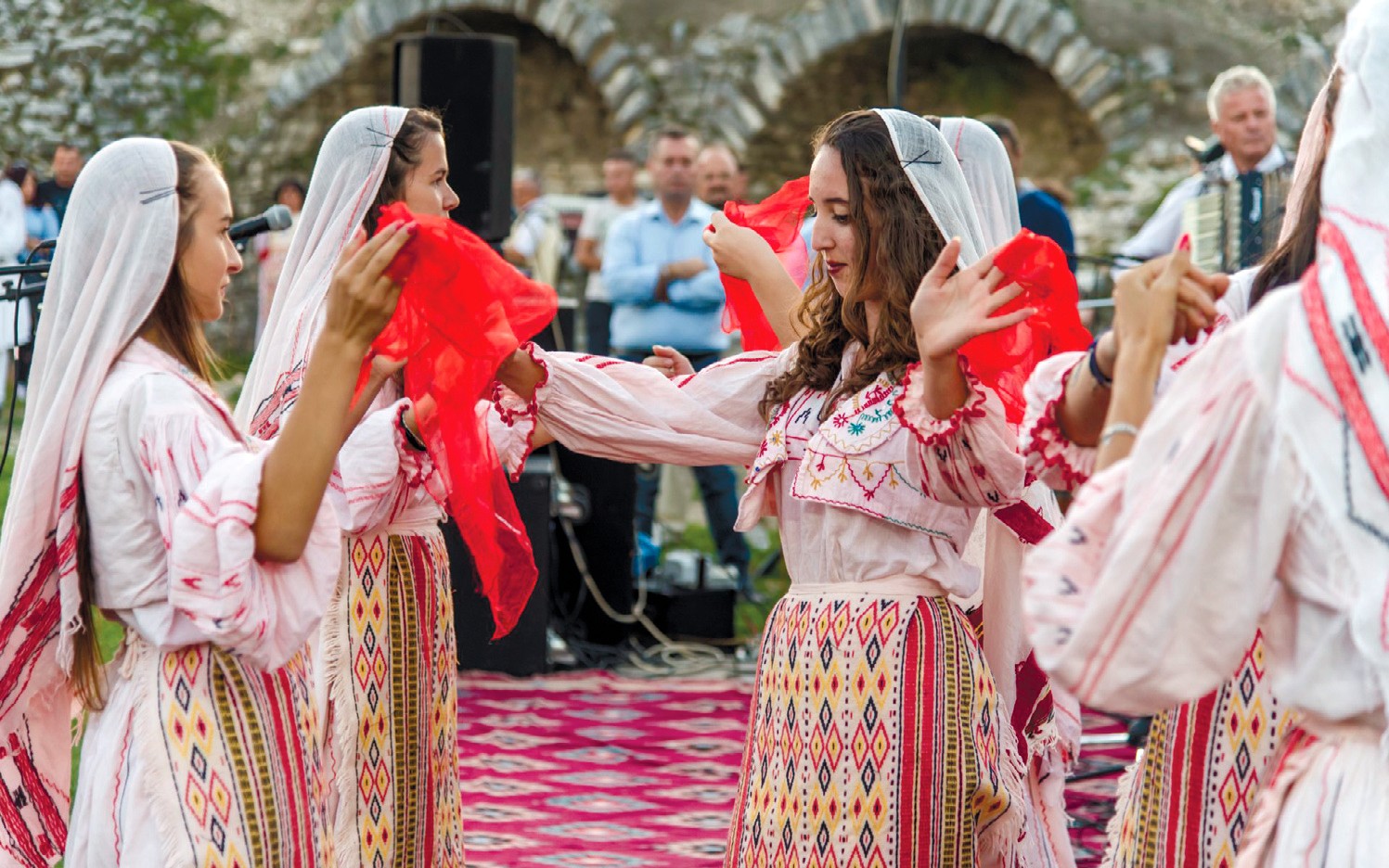
Gjirokastra is more austere and stony but no less atmospheric. The birthplace of dictator Enver Hoxha, it has preserved many stone houses and ancient streets that lead up to a majestic castle. Cultural festivals are often held here, including the national folklore festival that gathers performers from across the country.
Prices in these towns are even lower than in Tirana: accommodation from 20 euros, lunch 4–6 euros. Local housewives offer homemade jams, honey, herbal teas and handmade souvenirs—all found at small bazaars at the foot of old fortresses.
"Maldives" from Saranda to Ksamil
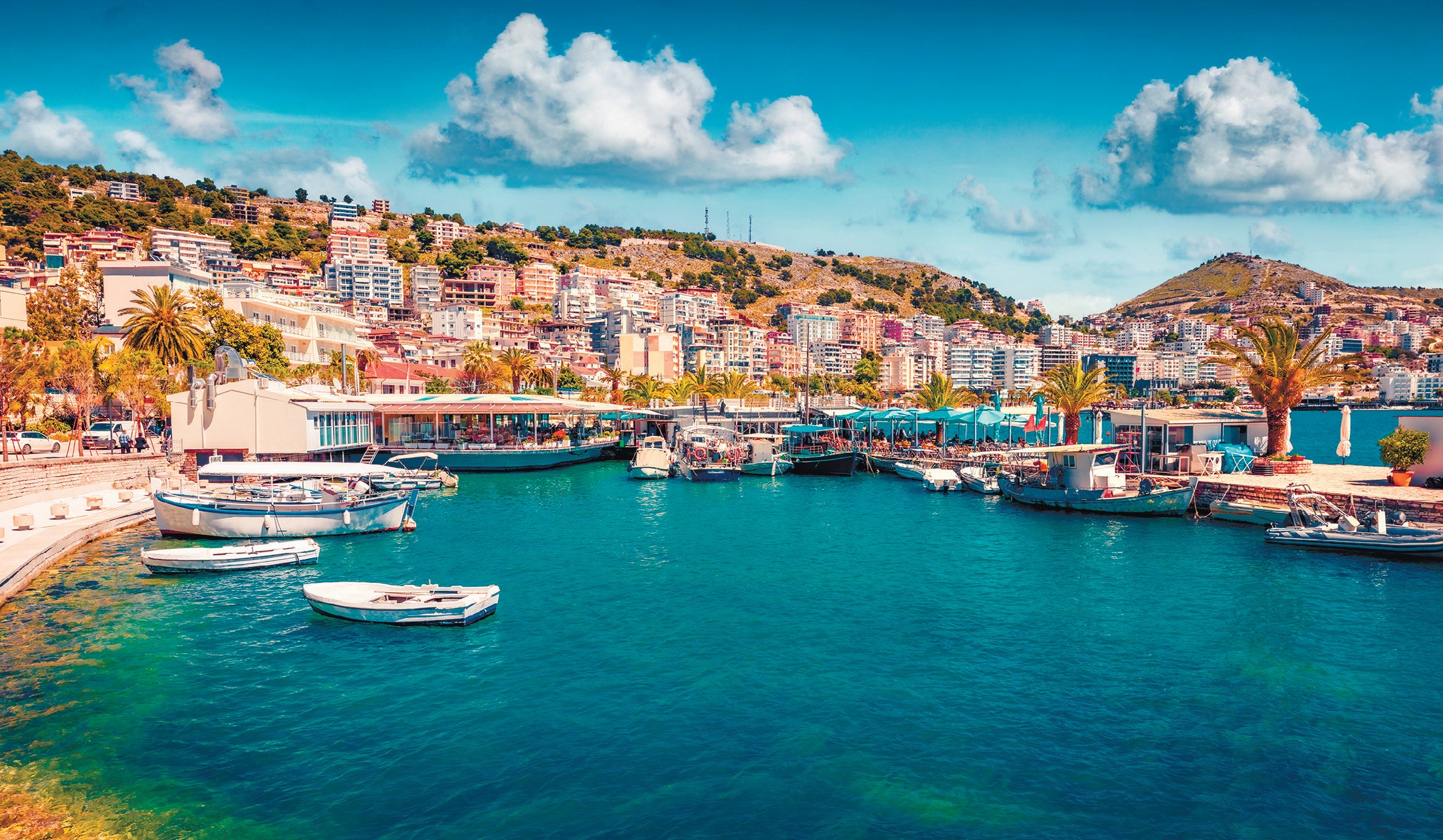
Beach holidays in Albania are not a budget alternative to Italy or Greece but an independent pleasure with its own character. The southern coast, especially the areas around Saranda and Ksamil, has become truly popular with Europeans in recent years.
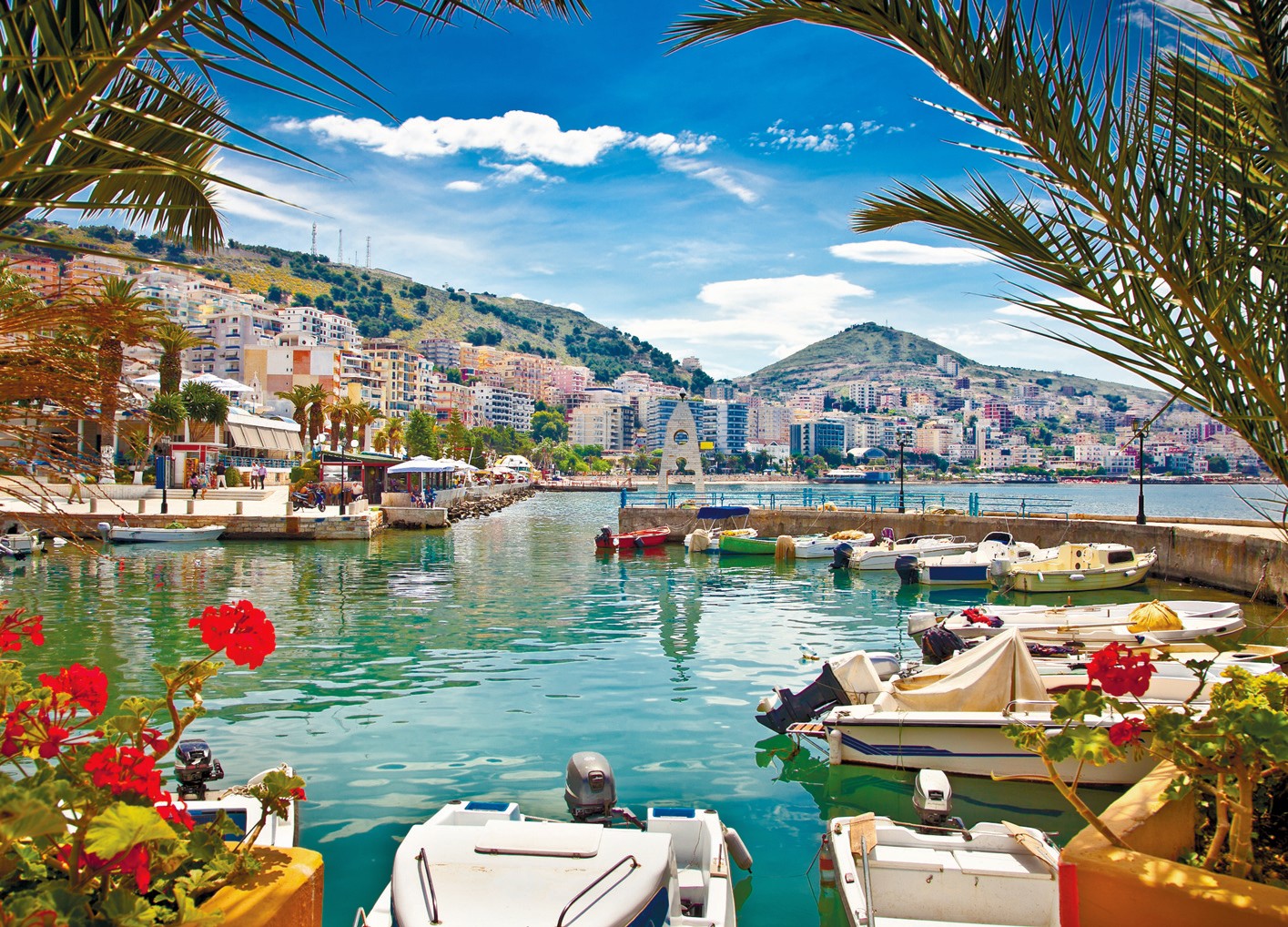
Saranda is a lively seaside town with an excellent promenade, many cafés, bars and beaches. There are numerous apartments and hotels for 30–40 euros a night; in peak season it is easy to find options for 50–70 euros with sea views. Food and groceries are relatively inexpensive: lunch 8–9, wine and cocktails 3–4 euros.
Twenty minutes by car to the south lies Ksamil—an Albanian paradise. White sand, crystal-clear water, tiny islands reachable by swim or boat. It is often compared to the Greek islands and called the "European Maldives". Despite its popularity, you can still find a sunbed for 5–10 euros, and a simple dinner for two costs 20–25 euros.
But the sharp rise in popularity has taken its toll. Despite the natural beauty of Saranda and Ksamil, tourists increasingly complain about inflated prices, the absence of receipts in restaurants, pushy service and scams by taxi drivers. Many central beaches are overcrowded in season, with most of the space taken by paid sunbeds. In places there is lack of infrastructure: garbage, sewage odour, major road jams, no parking and chaotic public transport organisation spoil the general impression.
Experienced guides therefore recommend alternative spots in Albania where the holiday will be calmer, and prices and atmosphere less "tourist-inflated". These are mainly small resorts on the Ionian coast—Dhermi, Himare, Borsh, Vlora and Shengjin.
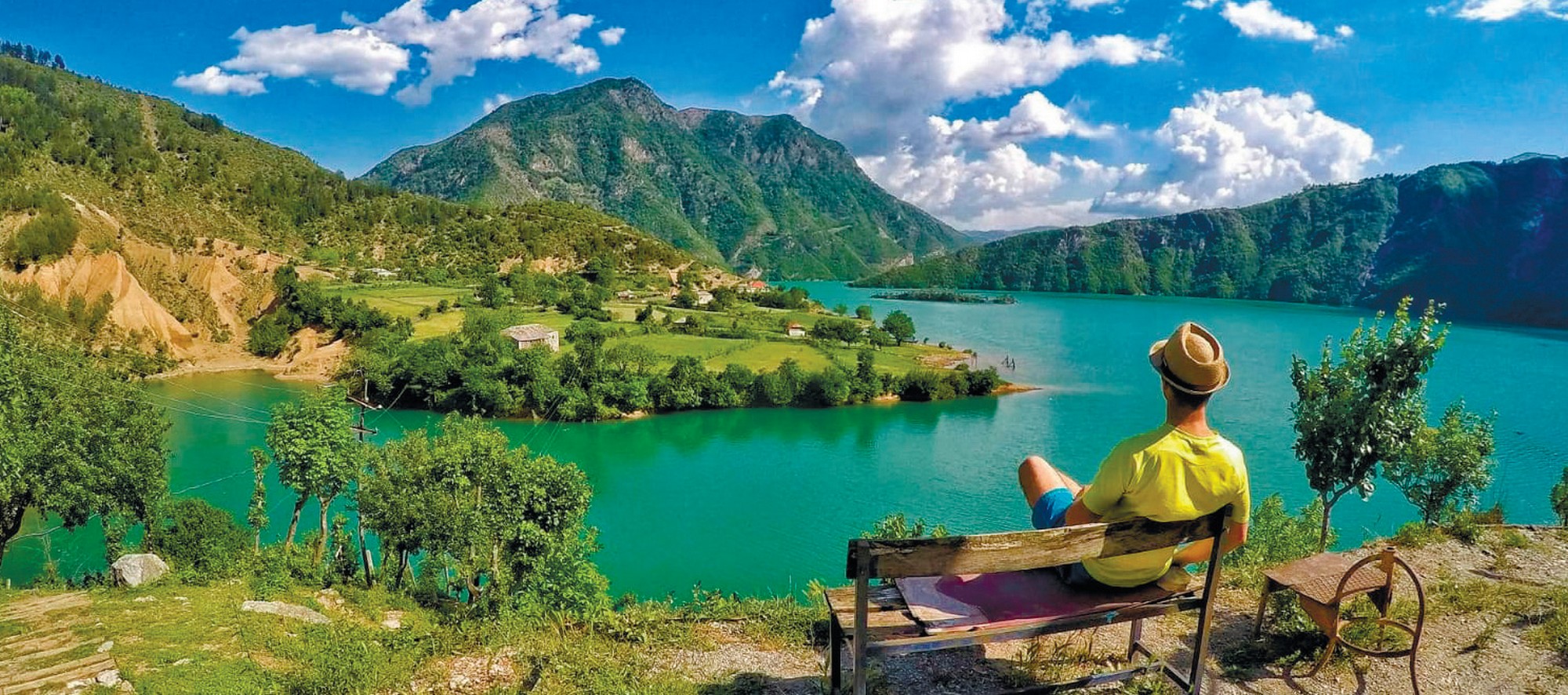
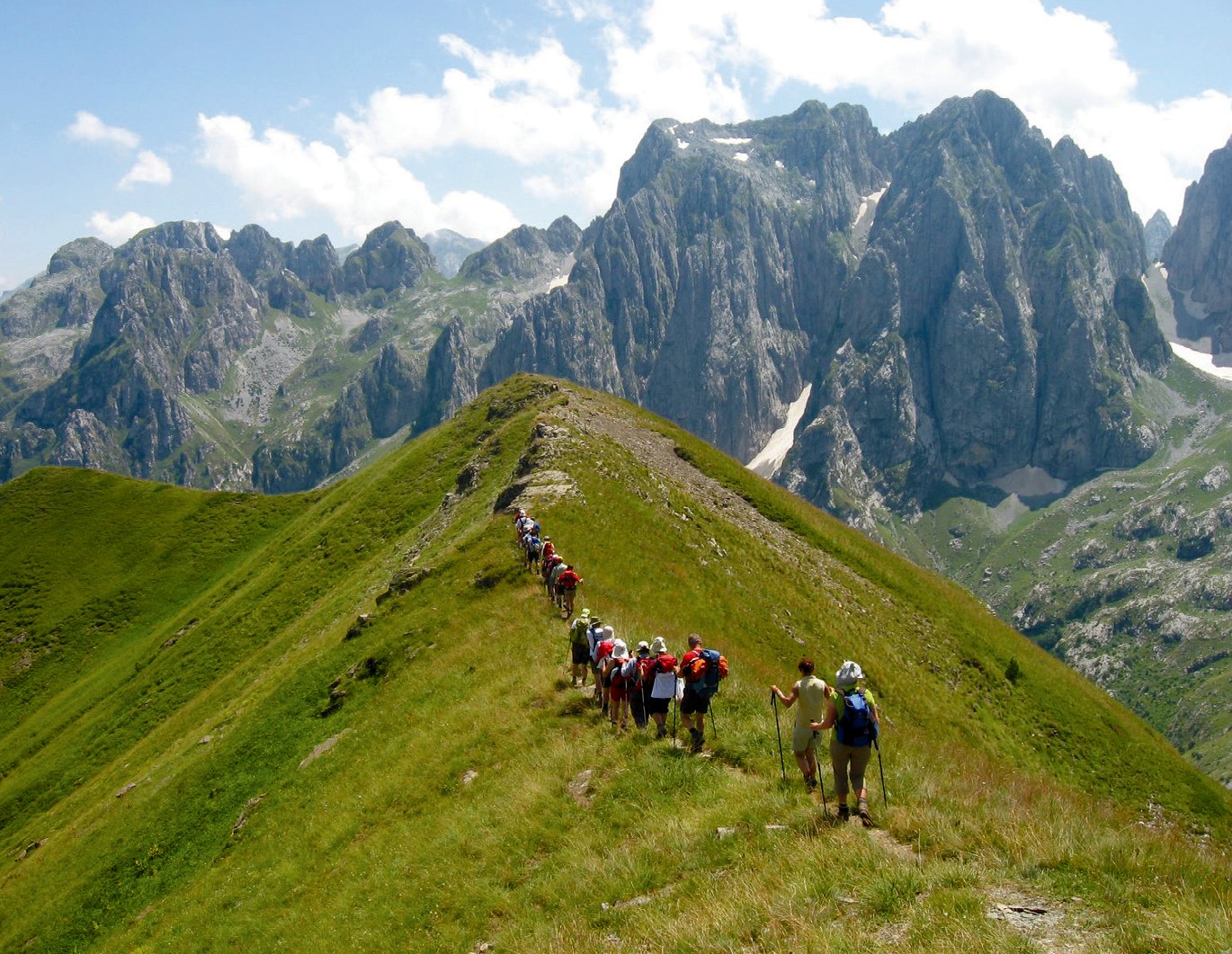
For those craving nature and solitude, northern Albania is an ideal direction. Lake Koman, with its narrow, jagged fjord-like canyons, is one of the most beautiful places in the Adriatic. The Albanian mountains (the so‑called Accursed Mountains) are excellent for hiking. Popular routes run from Valbona to Theth, crossing passes, dense forests and shepherds’ villages. This region remains relatively untouristy: there are no bars on every corner, but there is silence, nature and genuine hospitality. Plan the route here in advance, considering limited transport and the remoteness of villages.
Dita e Verës with baklava
Albania is not only nature and architecture but also a rich culture. The country celebrates unique holidays, for example Dita e Verës (Day of Summer) in March. It resembles Novruz in Azerbaijan. The ancient festival is accompanied by bonfires, songs and the traditional pastry ballokume. Every town marks its festivities with colourful processions, folk music and street food.
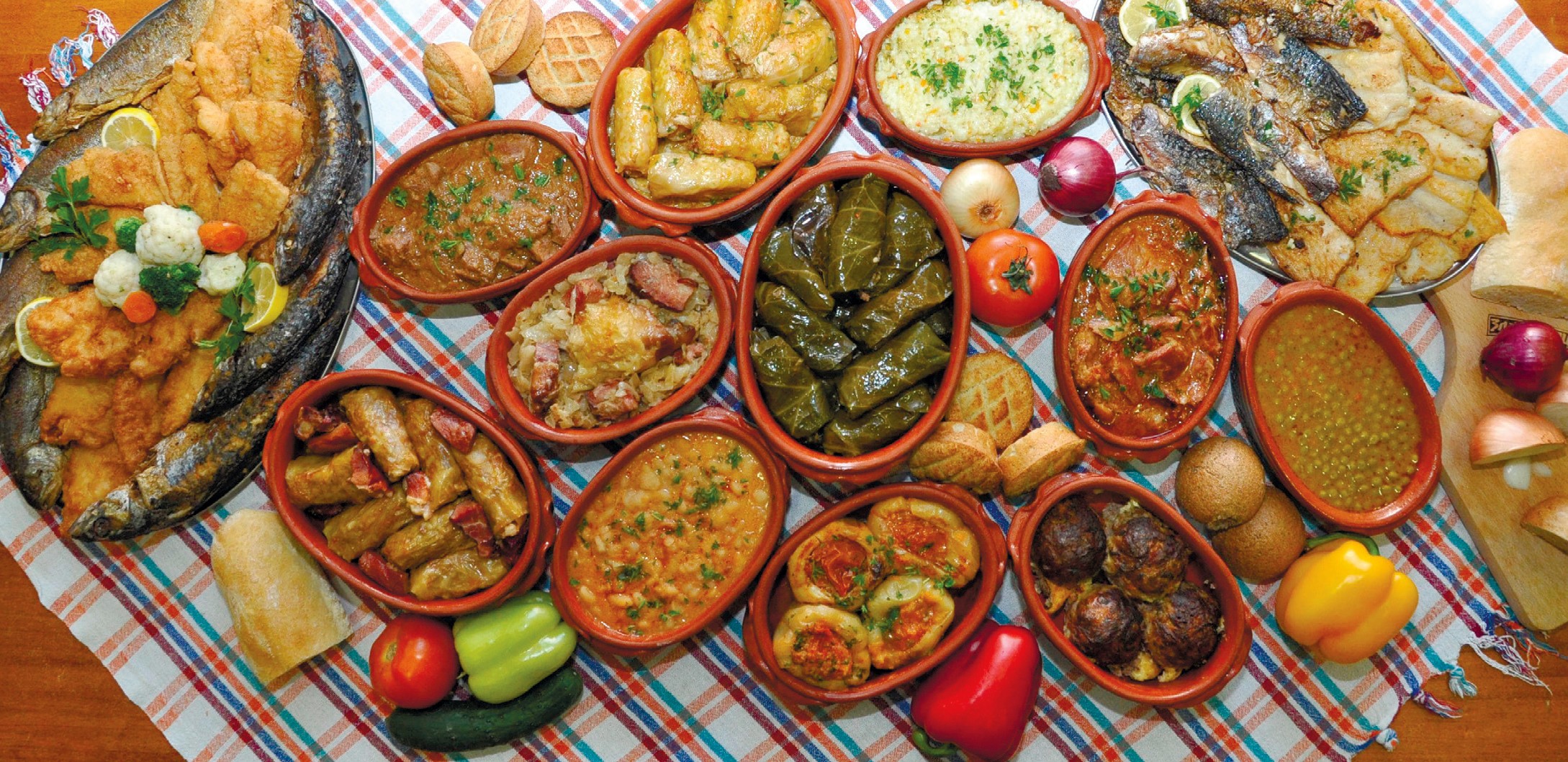
Albanian cuisine is a mix of Mediterranean simplicity and Balkan richness. There is much meat, fresh fish, vegetables and cheese. Try Fërges (a stew with peppers and curd cheese), tavë kosi (lamb with yogurt), traditional pies and strong home-made raki.
Seafood is especially good in the south, while the north specialises in meat dishes often cooked in a tandyr. Bread and olive oil are ubiquitous parts of any meal.
Albanian cuisine has preserved many elements of Ottoman gastronomy—dishes such as byrek (filled pie), kofte (meatballs), bakllava and sheqerpare (sweets) directly trace back to Turkish analogues. Turkish-Ottoman influence is also evident in everyday and family traditions.
Albania is a country that gradually reveals its treasures to the world: from picturesque mountains and cosy beaches to a rich history and authentic cuisine. Today it is increasingly chosen by those seeking not mass tourism but genuine impressions and a balance between rest and life. Perhaps it is time to discover this remarkable country, while it still retains its sincere and "untoured" charm.
RECOMMEND:
 246
246