

NO LIGHT AT THE END OF THE TUNNEL
The Russian-Ukrainian war threatens the collapse of the entire international security system
Author: Natig NAZIMOGHLU
Despite hopes for a swift ceasefire that were prevalent a month or two ago, the Russian-Ukrainian war continues. In fact, it is intensifying, as seen in the fierce fighting and the failure to establish a comprehensive negotiation process between Moscow and Kiev.
Attacks and casualties
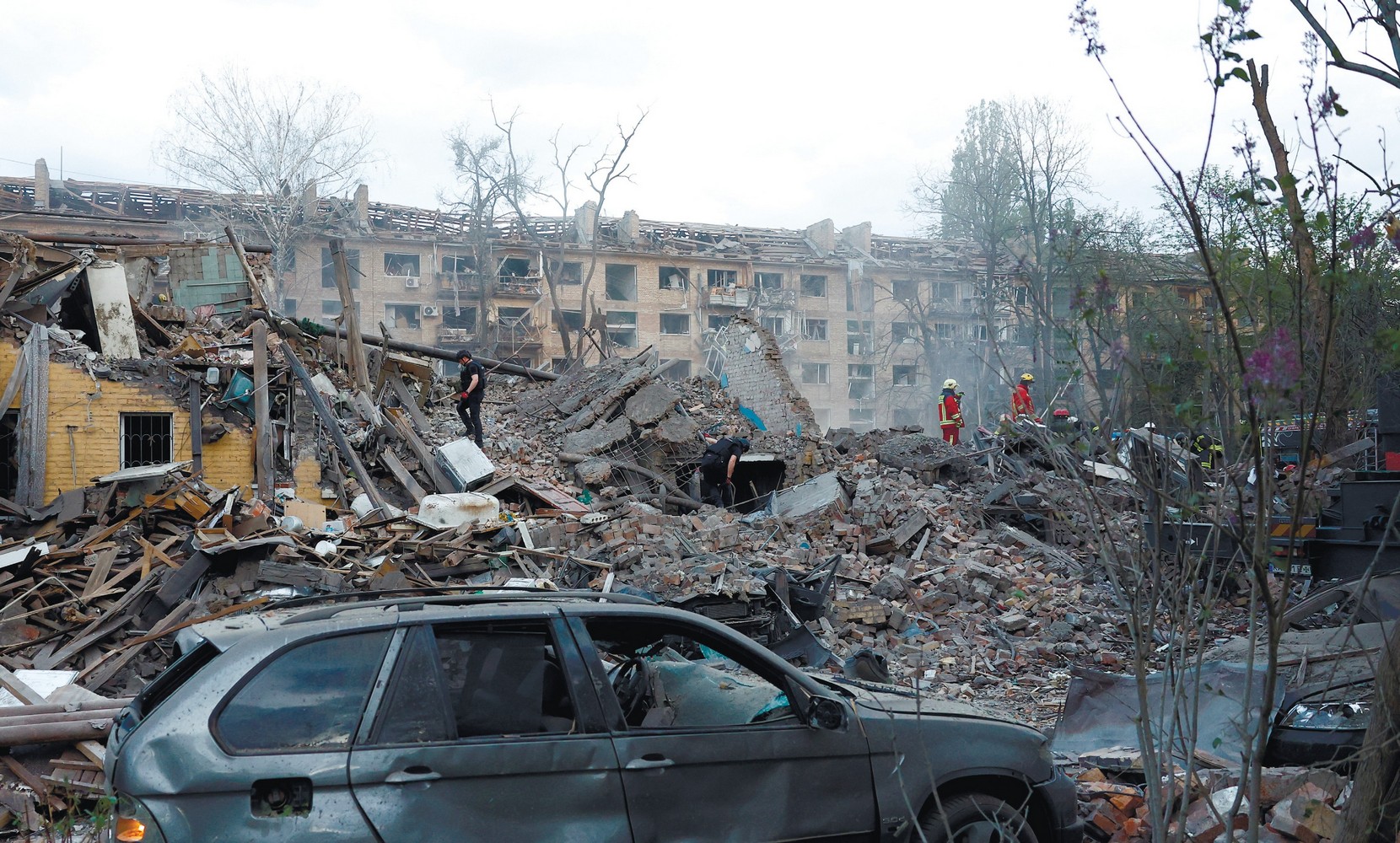
Russian forces continue to attack Ukrainian cities and villages, causing civilian casualties. On September 9, a Russian air strike on the village of Yarovaya in Donetsk Oblast killed more than 20 people. Prior to that, Russia launched its largest aerial assault since the invasion began, with Ukrainian reports indicating at least 810 drones and 13 missiles were fired, targeting a government building in Kiev and resulting in four deaths.
In response, Ukrainian forces are conducting effective drone attacks on Russian oil and gas infrastructure. According to Ukrainian Commander-in-Chief Alexander Syrsky, these strikes have "impaired Russia's ability to produce fuel and lubricants for its military, including aircraft munitions, missiles, UAVs, and air defence systems, while also disrupting its transport network."
Prospects for peace are fading as neither side can make a breakthrough on the battlefield, and their negotiating positions remain entrenched. Ukraine continues to fight for its territorial integrity, while Russia persists in its aim to annex Ukrainian land and gain international recognition for it. This deadlock, characterised by uncompromising positions and bloody conflict, remains unaffected by hopes for a ceasefire, despite provocative statements from US President Donald Trump and his officials.
It is now evident that the summit between US and Russian leaders in Alaska yielded no progress towards peace. Following that, President Putin's visit to China demonstrated Moscow's rejection of any potential compromise. Escalating Russian air strikes on Ukrainian cities, along with renewed offensives aimed at seizing Donbas and advancing in regions like Sumy and Kharkov, underscore the unlikelihood of an early end to the war. Ukraine, for its part, refuses to capitulate or cede territory.
Meanwhile, the "coalition of the willing", which includes over 30 mostly European countries, affirmed its commitment to Ukraine's security at a Paris meeting on September 4. However, it failed to agree on deploying troops to Ukraine after any future ceasefire.
According to The Washington Post, the European security plan for Kiev has two components: a "demonstrative" part involving the stationing of allied forces away from the front lines to deter Russian aggression, and a "regenerative" part focused on rebuilding Ukrainian military capabilities and training soldiers.
Meanwhile, Western media report that Germany, Italy, and Poland have declined to deploy troops to Ukraine. Italian Foreign Minister Antonio Tajani said his country would not participate in any coalition involving soldier deployments, suggesting instead an "alternative approach: a security agreement similar to NATO's Article 5, which is a reasonable proposal that Putin cannot view as provocative, yet it would guarantee Ukraine's independence and security."
This echoes Russia's stance, as Putin has warned that NATO troops in Ukraine would be considered "legitimate targets". Essentially, the coalition members have indicated that they are unwilling to fight alongside Ukraine—a notion absent since the invasion began—and are hesitant about post-war military presence. The West's commitment to arming Ukraine also remains uncertain.
Ramstein, sanctions, drones...
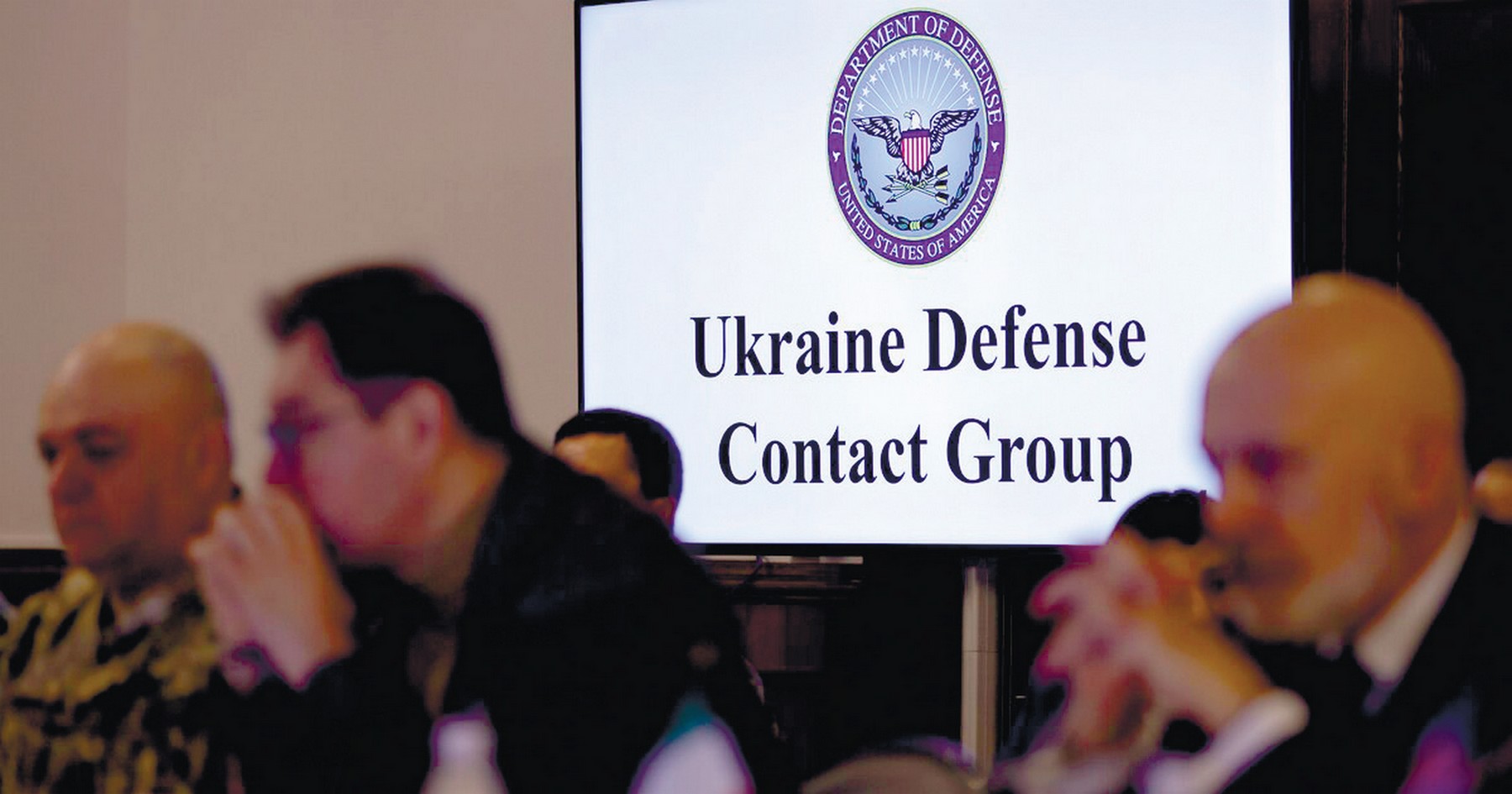
At the 30th Ramstein-format Ukraine Defence Contact Group meeting in London on September 9, Ukrainian Defence Minister Denis Shmyhal said Ukraine requires ten more Patriot air defence systems and missiles.
Previously, the US announced a halt in weapons deliveries to Ukraine, including Patriot interceptor missiles and precision munitions. EU nations have resorted to buying defence systems from the US to pass on to Ukraine. However, this situation highlights the rift between European leaders and the Trump administration over Ukraine, particularly regarding ceasefire terms and sanctions on Russia.
After meeting Putin in Anchorage, Trump dropped his call for an immediate ceasefire, endorsing Russia's concept of a "comprehensive peace"—which would require Ukraine to cede territory and abandon its Western orientation. With Russian attacks intensifying and civilian deaths rising, it remains to be seen if Trump will revise his stance.
Similarly, efforts to ramp up sanctions on Russia continue. The EU's 19th sanctions package targets Russian banks, energy firms, payment systems, credit cards, and crypto exchanges. The US is also considering secondary tariffs on nations that buy Russian oil and gas, with India—a major consumer alongside China—facing pressure. Meanwhile, Washington urges Europe to stop importing Russian energy, offering US liquefied natural gas and other fuels instead. US Energy Secretary Chris Wright argued that cutting off Russian energy revenue would weaken Moscow's war effort and hasten peace.
The White House is negotiating this with European allies, as evidenced by EU envoy David O'Sullivan's visit to Washington. Notably, after a massive Russian air strike, President Trump affirmed his willingness to strengthen sanctions, saying "Yes, I'm ready." However, whether this threat will be acted upon is questionable, especially since other administration remarks seem to undermine it, suggesting US acquiescence to Russia's planned partition of Ukraine.
If true, this implies not only that the Ukrainian crisis is intractable, but that the global order and international system have collapsed. This breakdown is attributable to major powers: Russia through its "special military operation", and the West for failing to defend a nation it had promised to protect.
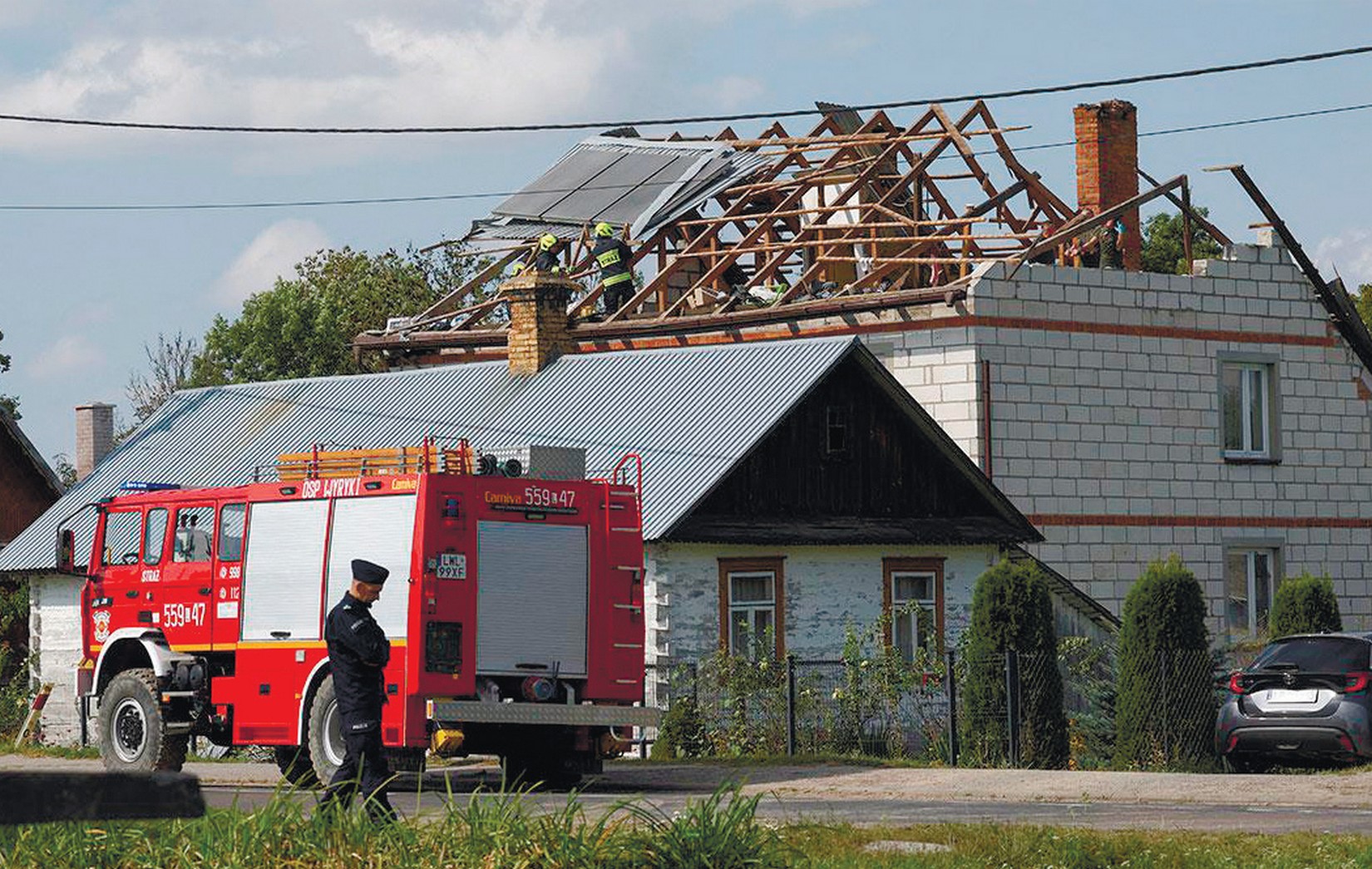
Global security is on a knife-edge. The ongoing war, which represents a broader Russia-West conflict, risks direct military confrontation. An early warning occurred on the night of September 10, when Russian drones entered Polish airspace.
NATO, viewing the incursion as deliberate rather than accidental, scrambled Polish F-16s, Dutch F-35s, and Italian AWACS planes to intercept the Russian drones, which were destroyed, the Russian side reports. This marked the first instance of NATO air forces engaging threats in their own airspace, raising fears of a wider war that could engulf Europe and beyond.
RECOMMEND:
 204
204

