

UNIQUE VIBE
Helsinki: northern minimalism and dream islands
Author: Elchin HUSEYNOV, Baku–Helsinki–Baku
They say Helsinki is a city with no excess. Here signs do not "shout", pedestrians do not rush, and the noise of great capitals does not press down. The Finnish capital seems to live on its own wave: calm, measured, assured. It does not try to please, and that is its magic. You arrive, uncertain of what to expect, and suddenly discover that you want to stay. Or at least return again to walk along the shore, sit with a cup of coffee on a wooden terrace and simply feel how more air and silence come into you.
Between the rocks and the sea
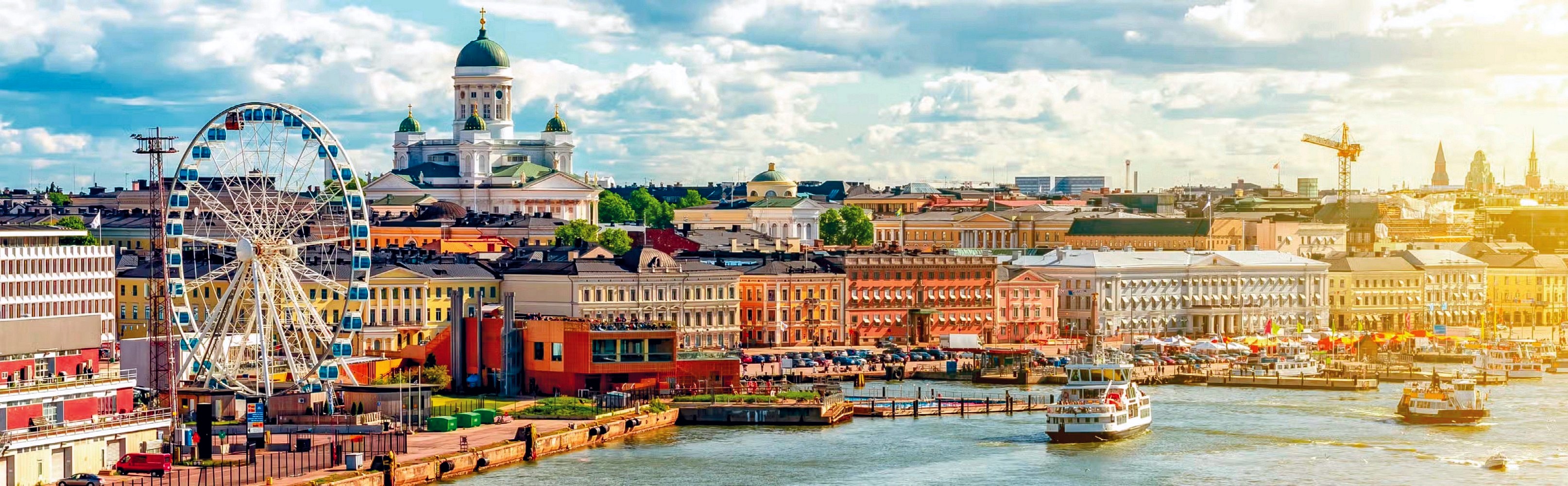
Helsinki is built on a peninsula and hundreds of small islands connected by bridges and ferries. Flying here is easy — there are direct flights from most European capitals. Many tourists touring the Baltic countries often take the ferry from Tallinn (average price from 19 to 45 euros one way) to see Helsinki as well.
Helsinki is a northern city, but thanks to the sea the winters are not harsh. Nevertheless it is best to visit from May to September: in summer the city swims in greenery, and the sun almost does not set. In autumn Helsinki becomes cosy, with blankets, hot drinks and the warmth of street fires. In winter the city turns into a Christmas card, especially if you are lucky with snow. But for southerners it will still be rather cold.
Accommodation in Helsinki is so varied that everyone can find an option to suit taste and budget. The city offers budget hostels (30–40 euros) and inexpensive hotels (65–75 euros), as well as luxury hotels with panoramic sea views and first-class service (150–200 euros). For those who prefer the comfort of home, there are many apartments and flats for rent — from simple studios to spacious lofts: depending on neighbourhood and level of comfort, 80–180 euros.
Pay particular attention to districts around the centre, such as Kamppi and Kruununhaka — convenient location, proximity to main sights, and many cafes and shops. Kamppi is a modern district with a major transport hub, a range of cafés, shops and entertainment venues. Kruununhaka is closer to the historic centre; there you will find beautiful old buildings, cosy streets and quick access to Senate Square.
If you prefer tranquillity and walks in nature, consider the Toukolä areas. There are many green spaces and parks, ideal for those who want to escape the city bustle. In these neighbourhoods you can often find cosy apartments with balconies and views of the sea or forest. One central district, Punavuori, is known as a creative and design quarter — with galleries, cafés, distinctive architecture and dense development.
For lovers of bohemian nightlife and contemporary art, the Kallio district is recommended. This is a place with a creative atmosphere, bars, cafés and small galleries, where life always hums.
Note that Helsinki has a well-developed tram and bus network, and most districts are easy to reach from the centre.
Sauna, or Helsinki’s steam tales
For Finns the sauna is not merely a place to bathe, but a true cult and a central part of national identity. Finland has about 3 million saunas for a population of just over 5 million — which means almost every home has its own sauna. This custom comes from antiquity and persists to this day, uniting generations and helping to maintain health and inner balance.
Why do Finns love the sauna? First, the sauna is a place of rest and relaxation where the body cleanses itself of fatigue and stress. Second, it is a space for socialising. Often families go to the sauna together — children, parents and even grandparents. There are no barriers, fuss or social masks, only simplicity and sincerity. Finns believe the sauna brings people closer and helps them understand one another better.
Helsinki has many public saunas that differ in style, location and atmosphere. Among the most popular are Löyly and Allas Sea Pool. Löyly is located on the shore of the Baltic Sea, combining traditional Finnish design with modern elements and offering several saunas at different temperatures. There you can steam and then plunge into the cold waters of the bay. Admission costs around 20–30 euros, depending on time and day of the week.
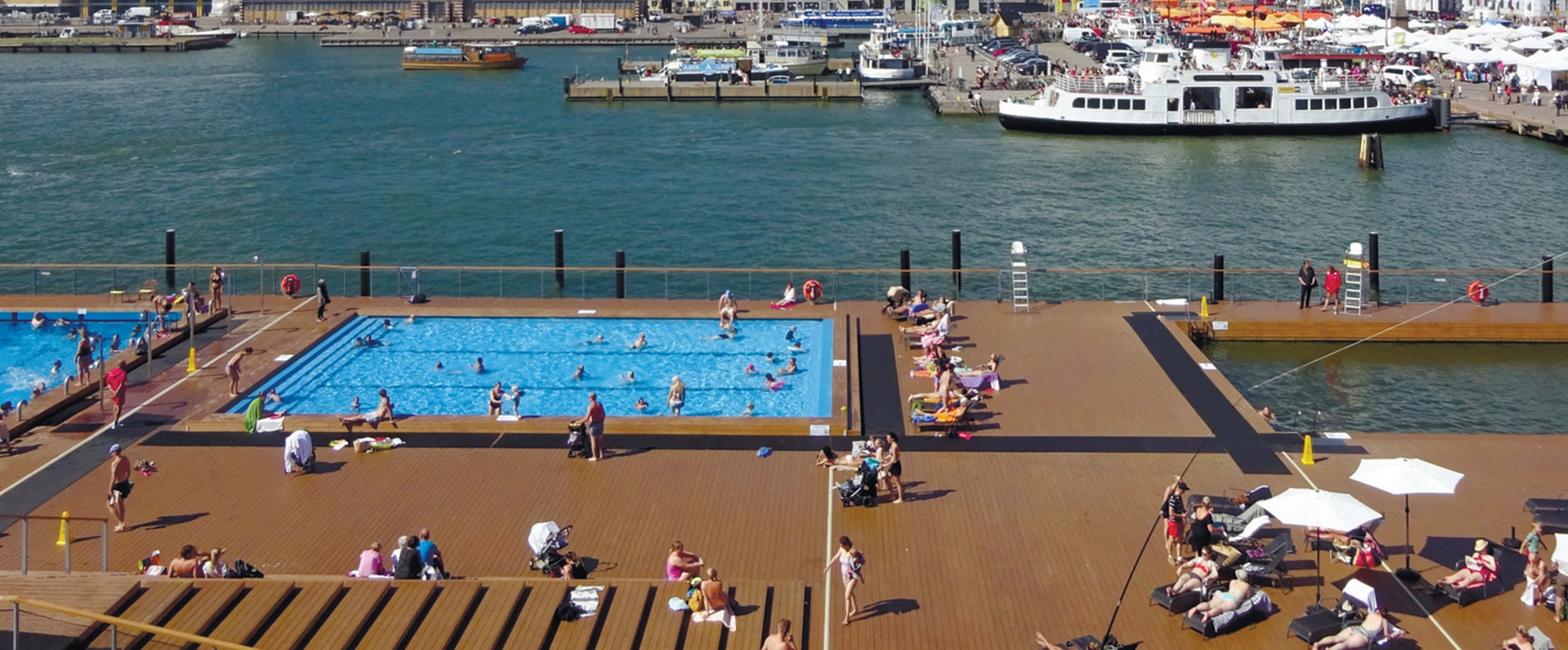
Allas Sea Pool is a complex with pools and a sauna, situated in the very centre by the old harbour. It is for those who want to combine sauna with swimming and a promenade along the quay. They also organise yoga and meditation there, which makes the visit especially beneficial for body and spirit.
Besides public saunas, Helsinki has many private and hotel options. For example, hotels often offer saunas with views of the city or sea, which become highlights of a stay.
The sauna in Finland is not just a ritual but a way of life. If you come to Helsinki, do not miss the chance to experience a Finnish sauna — it is like touching the country's very soul.
Where history comes alive and music seems to rise from the ground
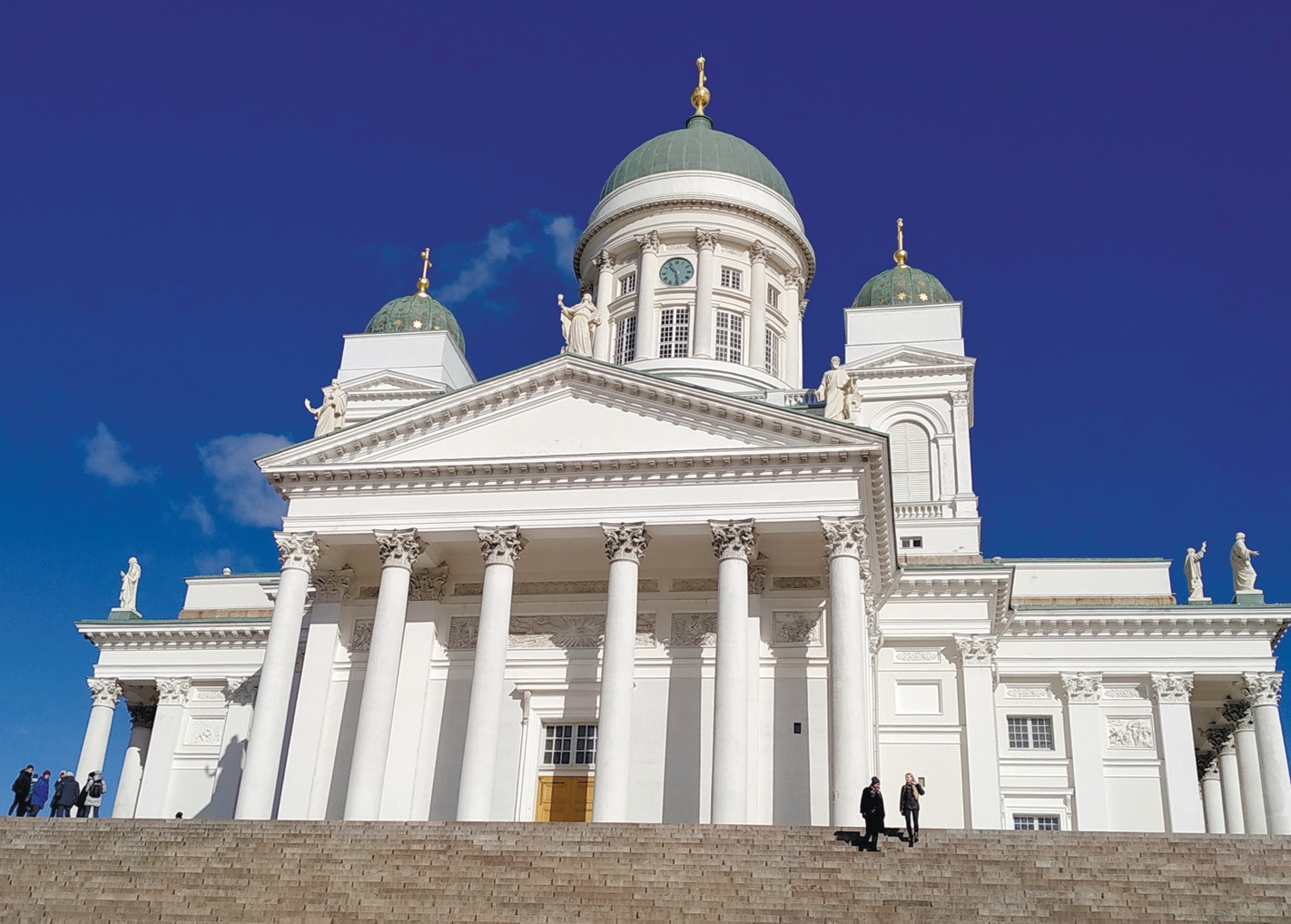
Helsinki is unimaginable without its iconic sites. The heart of the city is Senate Square. The snow‑white Cathedral towers here as a symbol of order and calm. From the cathedral, which offers one of the best views of the city, students, tourists and street musicians gather on the steps.
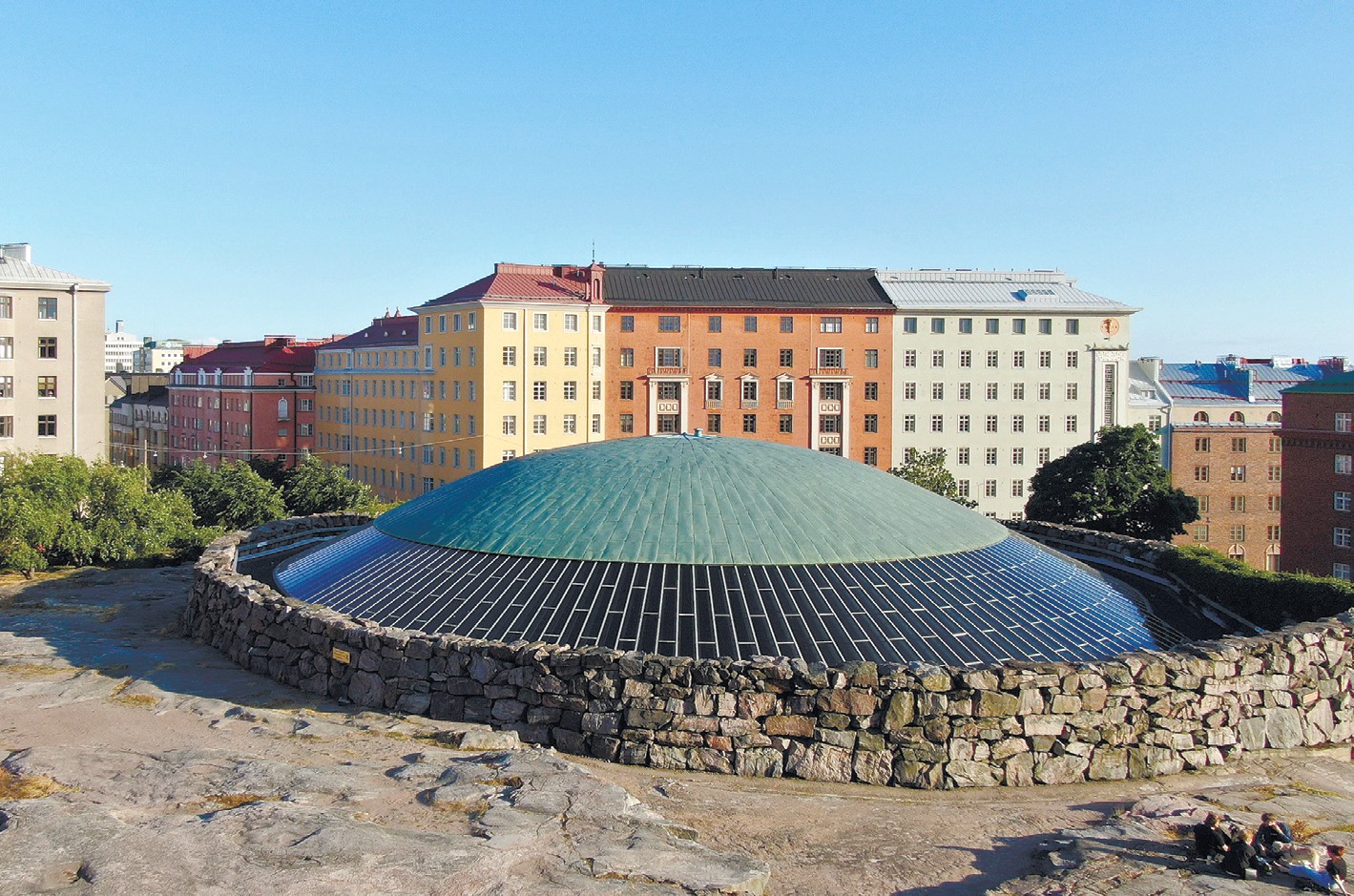
The Church in the Rock — Temppeliaukio — is truly unique. Built directly into granite, it seems a continuation of the landscape. Inside — a copper dome, softened light and absolute silence. On weekdays organ and violin are played here, and if you arrive early in the morning you can hear music that seems to come from beneath the earth.
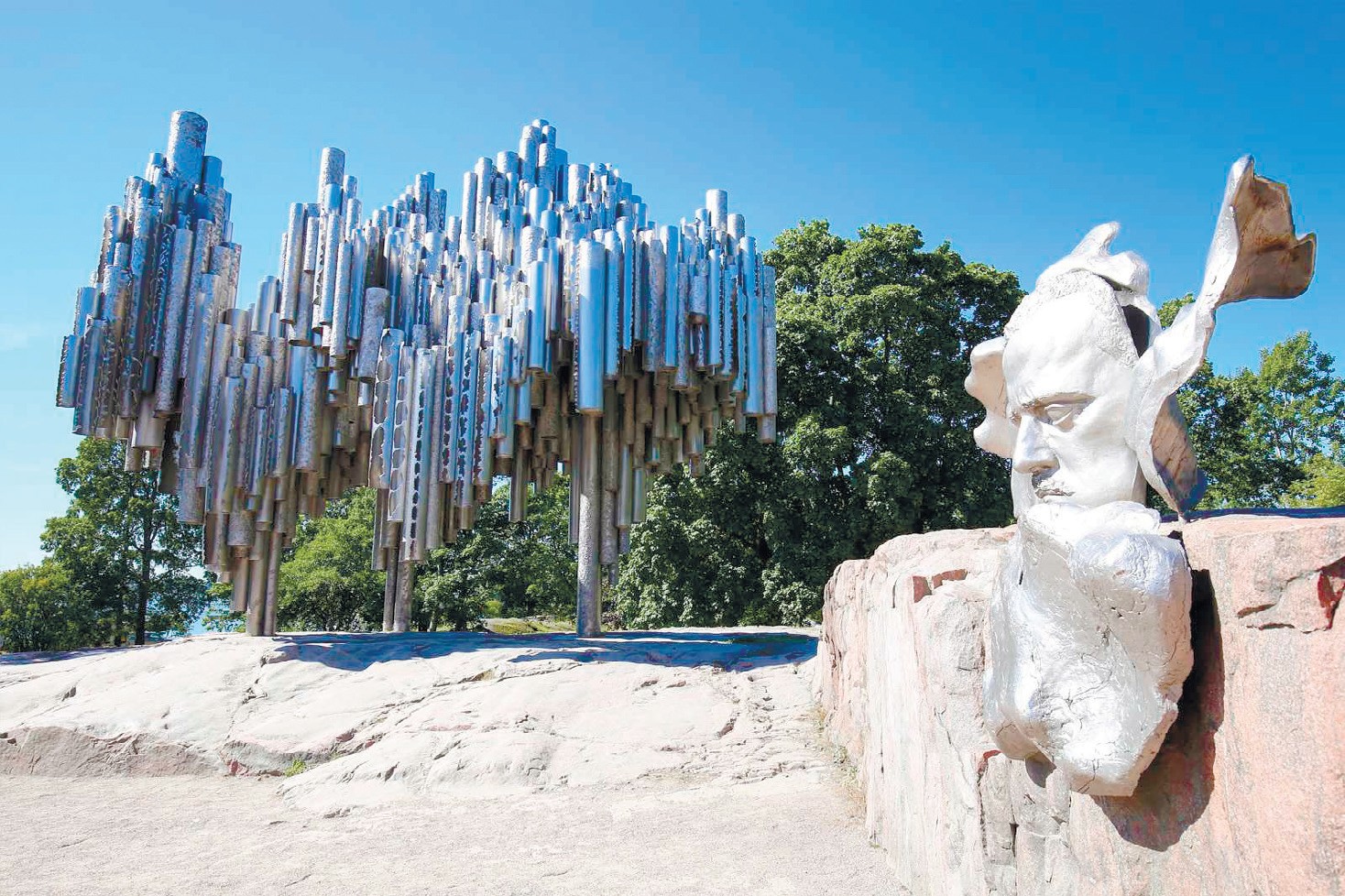
The monument to composer Jean Sibelius is another spot not to be missed. The monument itself is a unique sculpture of more than 600 pipes, symbolising music and an organ. Nearby stands a bust of Sibelius himself.
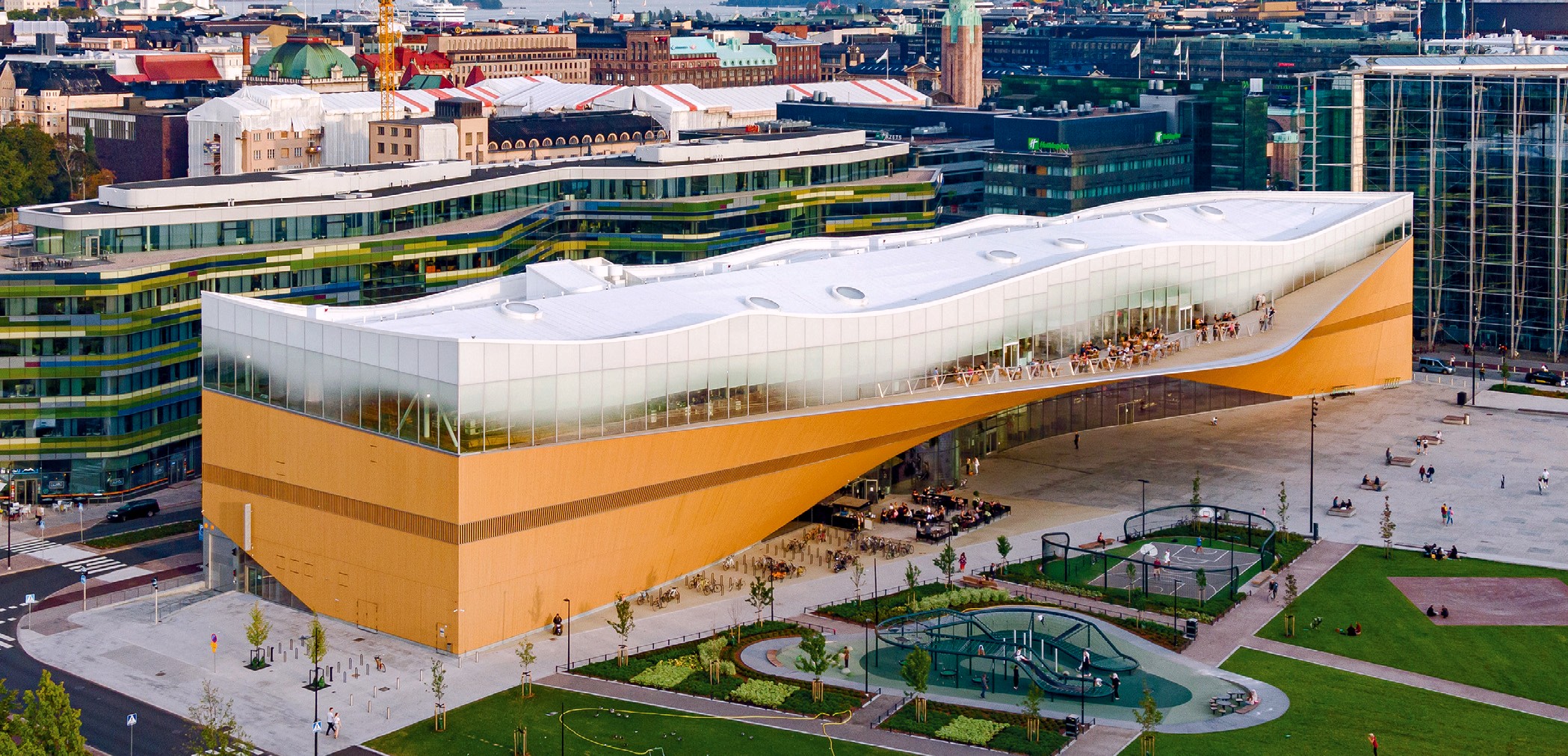
A highlight of the new Helsinki is the central library Oodi, opened in December 2018 as Finland's centennial gift. The building is shaped like a "bridge‑meteorite" with a grand wooden façade arch of spruce and a fully open first floor, symbolising accessibility and openness. The library has three levels. The first is an active space with a café, a cinema and information desks. The second is the "city workshop" with 3D printers, recording studios and creative zones. The third — Book Heaven — is a quiet reading area with a terrace and panoramic views of the city. Given that Oodi has been recognised as the best public library in the world, many tourists make a point of seeing it.
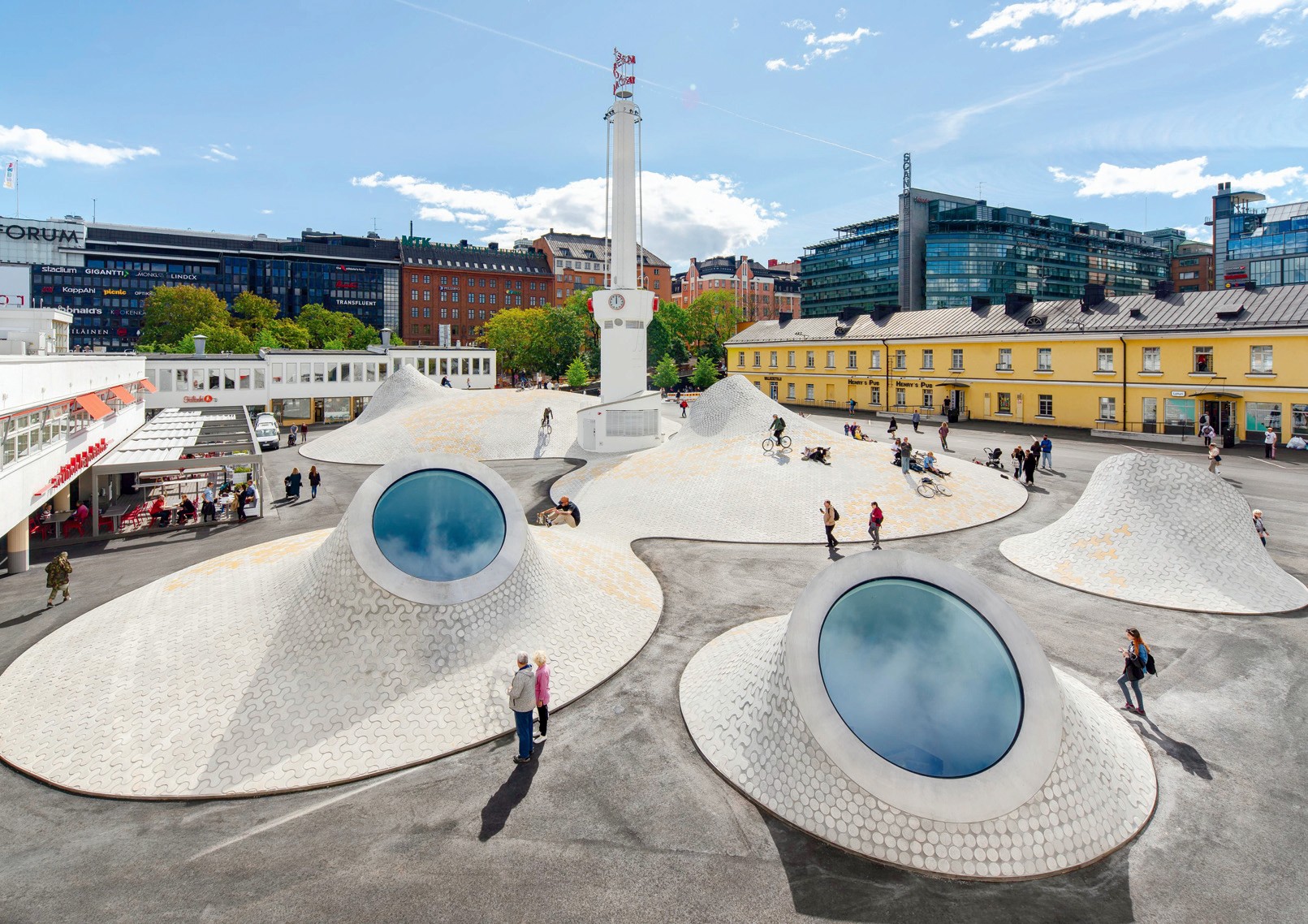
The Amos Rex contemporary art museum is one of Helsinki's most impressive attractions. It is located near the centre beneath Lasipalatsi Square. The galleries of this futuristic museum occupy about 2,200 sq. m without columns, with domed skylights that create streams of natural light in the underground space, making it part of the urban landscape. The upper part of the museum is designed as soft concrete "hills" you can walk on, sit upon or even picnic. On the surface are circular windows through which you can peer into the gallery, as if the museum "emerges" from the ground.
If you want to stray from trodden tourist routes, head to Jätkäsaari — an island district that once housed warehouses and docks. Today it hosts designer hotels, craft workshops, cafés and waterfront promenades. A place for those who value urbanism, open sea and good sunsets.
Nature close at hand
Helsinki tour agencies offer a variety of excursions and tours that help you get to know the city and its surroundings more deeply. Among the most popular are sightseeing tours of the city centre, usually lasting 2–3 hours and including the main sights — Senate Square, the Cathedral, the Sibelius monument and others. The cost of such tours ranges from 25 to 40 euros per person and often includes guide services and transport.
For lovers of history and culture there are themed walks through museums and galleries, as well as tours dedicated to Finnish design and architecture. These give the chance to learn about life in Helsinki through the prism of art and creativity.
Those wanting a unique "local" experience can take tours that include a traditional Finnish sauna, often combined with lunch or dinner in a restaurant. The cost of such programmes starts from 60 euros.
Beyond classic tours there are bicycle tours that combine sport and sightseeing. There are also gastronomic routes that include visits to markets and tastings of local dishes.
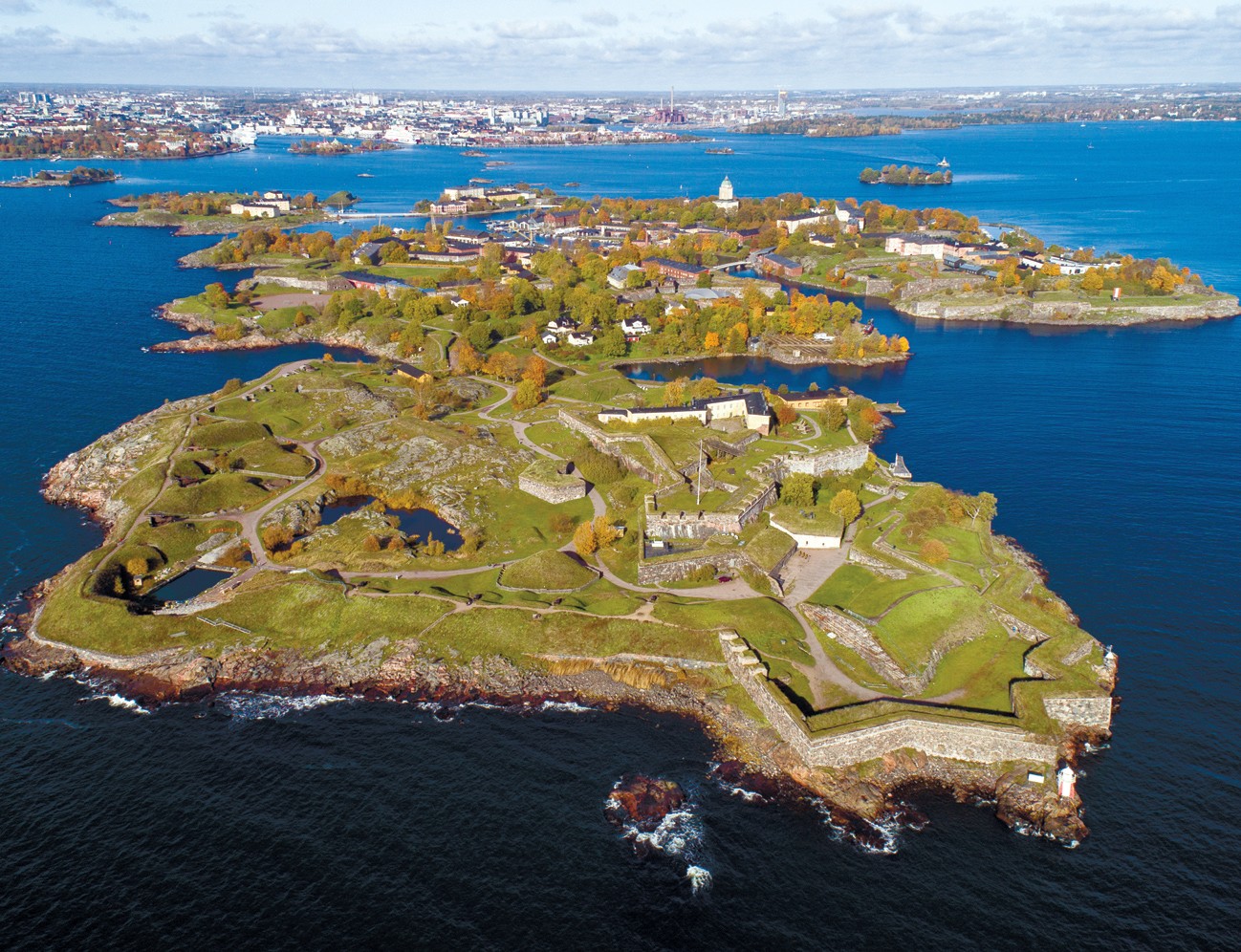
One of the most sought‑after options is sea excursions to the islands, including Suomenlinna — the famous sea fortress. Today Suomenlinna is not only a historic monument and a UNESCO World Heritage site but an entire world. People live there, a school bus runs, apple trees grow. Nearby are old walls, watchtowers, art galleries and bun shops. A walk around the island feels cinematic, where you are both viewer and protagonist. You can wander through historic forts and tunnels, visit museums, cafés and enjoy picturesque views of the Baltic Sea. Such tours usually last from 3 to 5 hours and cost about 40–60 euros. They include a ferry ride, guided walks on the islands and sometimes entrance to museums or cafés.
On the mainland take a walk through Esplanadi Park — a green avenue between two parallel streets. It runs from the centre to the waterfront, and in summer concerts and festivals are held here, while in autumn families gather to meet the sunset together.
Coffee code
Coffee in Helsinki is not merely a beverage; it is part of culture. Finland ranks among the world's leaders in per‑capita coffee consumption — on average each resident drinks about 12 litres of coffee a year. This is significantly more than in any other country and is explained not only by climate but by traditions.
Why do Finns love coffee so much? First, there are long, cold winters when the warmth of a cup of coffee comforts body and soul. Second, coffee is an excuse for pause and conversation. In Finnish cafés people do not rush; they savour the moment, not distracted by smartphones or interrupting their companion. Coffee in Helsinki is a ritual that brings people together.
The city has a huge number of coffee shops — from small family roasters to stylish modern venues with baristas who can prepare a cappuccino with perfect foam or a rare espresso. The variety of blends is impressive: from classic Arabica to exotic mixes with fruity and spiced notes. Specialty shops offer ground and whole‑bean coffee from around the world, and in supermarkets, unlike in Baku, you can find hundreds of options — from budget (2–3 euros for 250 g) to premium (50 euros and up).
Finns also favour traditional brewing methods: filter coffee is drunk almost as often as espresso. Many cafés offer alternative methods — cold brew, plant‑based milks, lattes with additions, and drinks with local ingredients such as berries or honey.
Coffee is also a social phenomenon. Many meetings, business or friendly, take place in cafés, which in Helsinki are almost the main public centres. Especially popular are venues by the water, where you can sit with a cup of coffee and look at the sea, enjoying the northern air.
Northern flavours
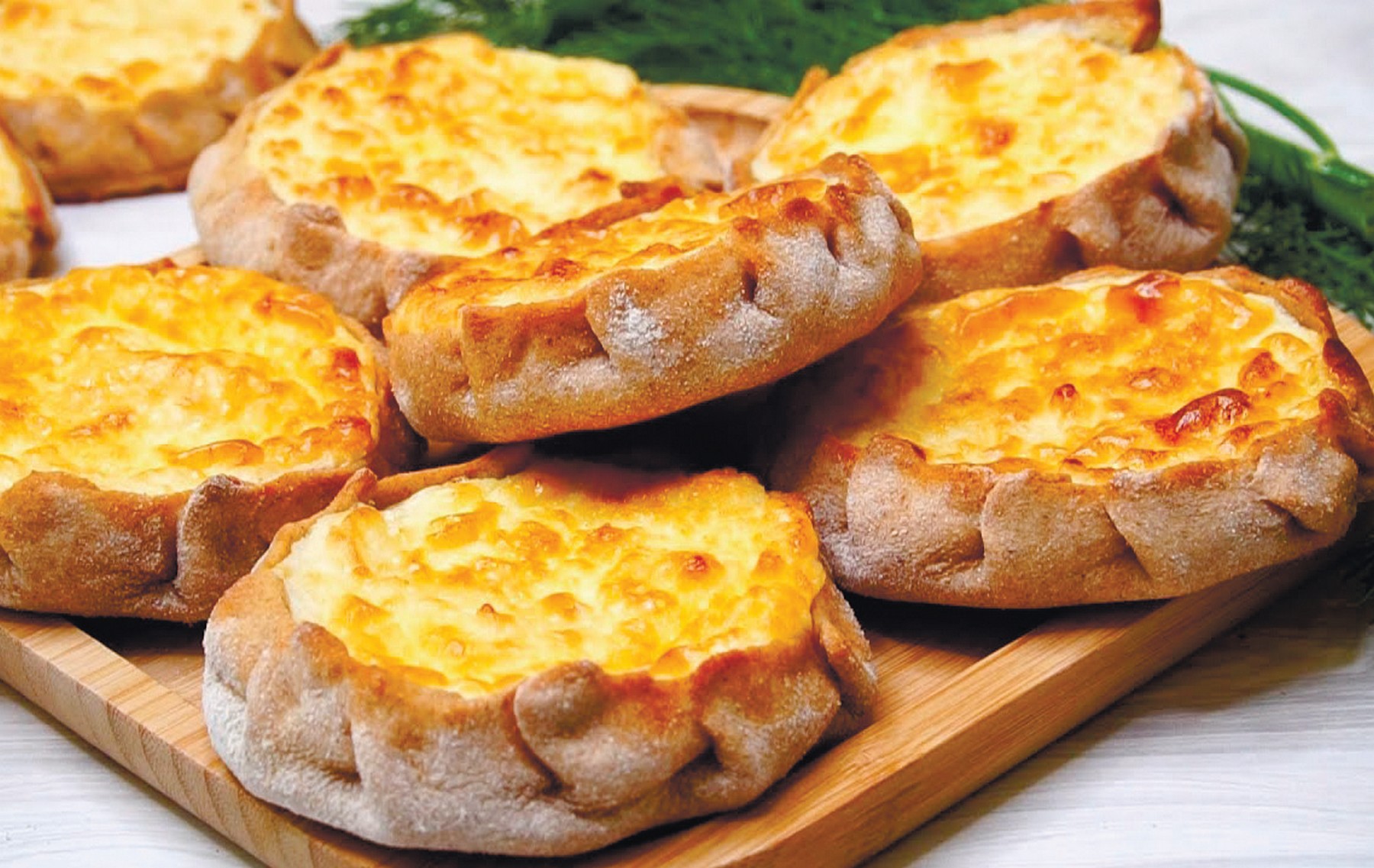
Finnish food is simple but memorable. In markets, cafés and grandmothers' kitchens in villages you will find Karelian pasties — karjalanpiirakka. Their thin rye crust and rice filling is a combination that stays with you. There is always an egg with butter nearby — the classic topping.
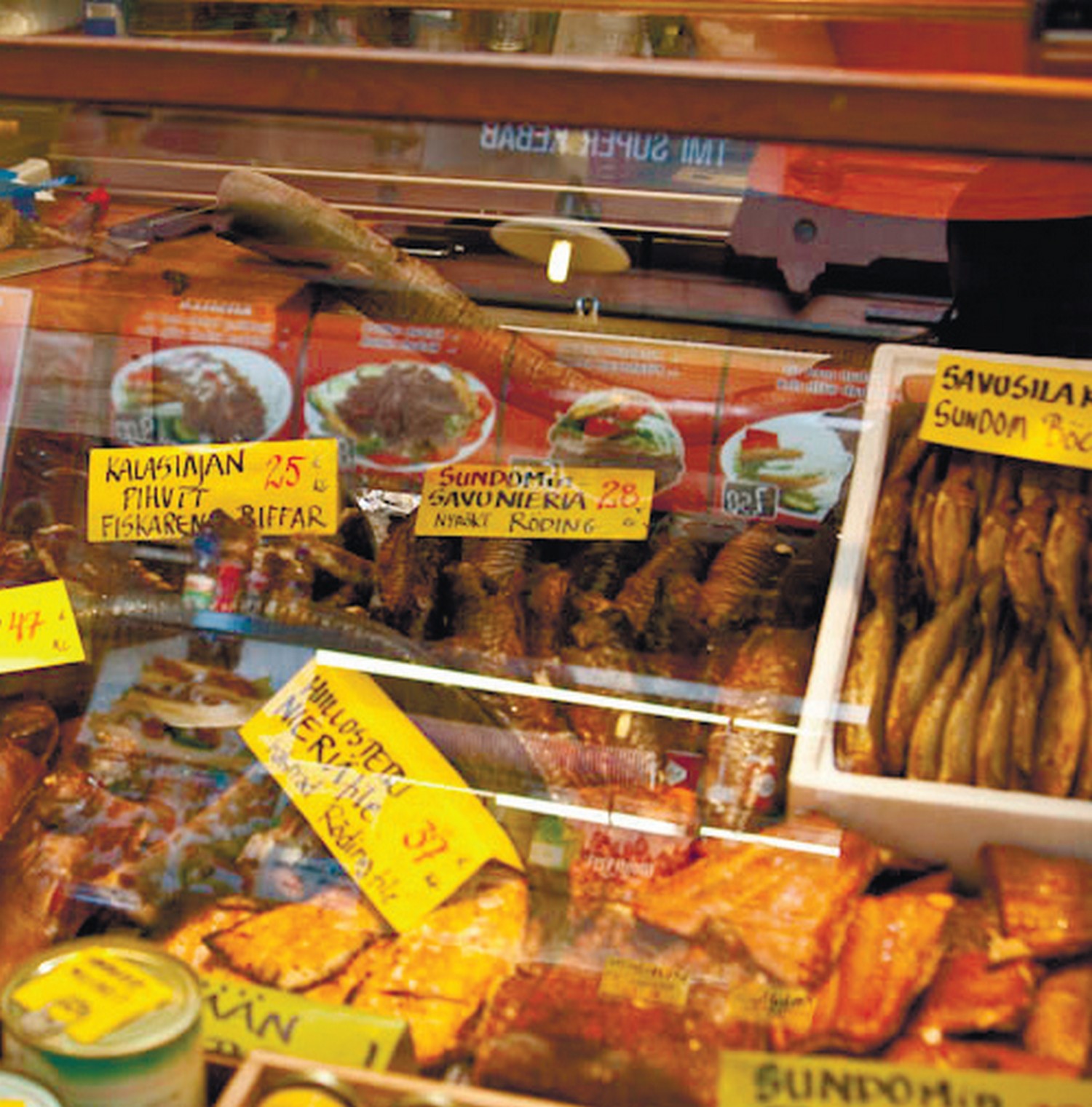
Fish is another symbol of the cuisine. Smoked salmon, marinated herring, creamy fish soup, pan‑fried whitefish — you can taste all this at the central market square Kauppatori, right by the harbour. In summer stalls cook in front of passersby, and seagulls compete to snatch something from a plate.
And of course cinnamon buns — plump, aromatic, homey. Finns adore them. They are served with coffee — the beverage that here is not just a drink but a lifestyle.
Helsinki is not an amusement park. It does not amuse, does not shout and does not try to please. It simply is. Calm, honest, harmonious. And if you are tired of overloaded itineraries and rapid impressions — this is the place for you. Here you can be alone with yourself and yet not be alone.
RECOMMEND:
 345
345

