

THE JOY OF OLD AGE
On Azerbaijan's constant search for better conditions for elders
Author: Sabira ALAKBAR
October 1 is celebrated worldwide as the International Day of Older Persons — a day dedicated to respect for and care of the older generation. In Azerbaijan it takes on special significance given dynamic demographic changes and the growing role of older citizens in society. This date is not merely an occasion for congratulations. It serves as a mirror reflecting society’s and the state’s readiness for the demographic shift and the challenges of modern ageing.
In Azerbaijani society respect for the aksakal (respected male elder) and aghbirchek (respected female elder) is not simply courtesy but a cornerstone of national culture. For a long time the system of support for older people was embedded in the institution of the extended family. However, urbanisation, labour migration and changing family structures require a shift from purely family-based assistance to a sustainable, comprehensive social architecture.
Ageing of the population
Around 1.1 million pensioners live in Azerbaijan, which constitutes 10.8% of the country’s population, while the share of people aged 65 and older varies between 6.2% and 11% according to different sources. The number of older people is increasing, reflecting the global trend of population ageing driven by declining birth rates. As of July 1, 2025 there were 1,103,300 registered pensioners, including 276 people aged 100 and older. In response to the challenges of an ageing population, measures are being taken in Azerbaijan to improve social protection for older citizens. One significant step was the pension increase: in January 2025 pensions were raised by 8.1%, which allowed the minimum pension to be raised to 320 ₼.
In addition, electronic systems for the automatic assignment of pensions are being implemented, simplifying the process of obtaining social payments and increasing their accessibility for older citizens.
An important part of social policy is support for isolated older people. Under various programmes, such as projects implemented with the support of the Heydar Aliyev Foundation, pensioners receive food packages and medicines, and home medical examinations are organised.
Volunteer organisations and initiatives
Volunteer organisations in Azerbaijan actively work with older people, helping them obtain social and medical support and integrate into public life. One such project is the DOST agency and the "Silver DOST" programme, which engages volunteers of older age to take part in social and educational activities.
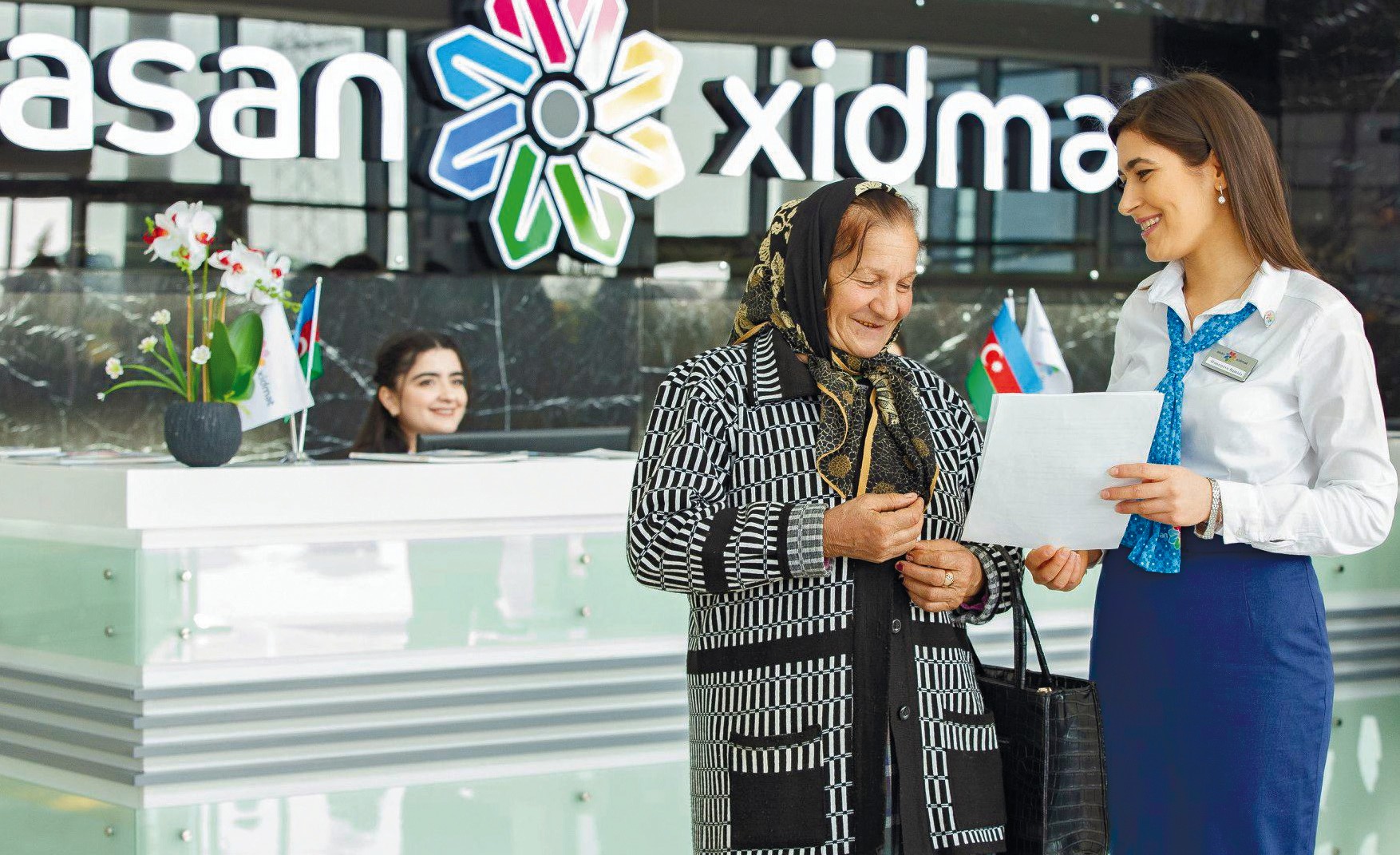
The ASAN Service also organises volunteers who assist older citizens in obtaining state services, provide access to information and support them in the document process.
The Azerbaijan Red Crescent actively participates in assistance for older people through volunteers who conduct medical examinations, deliver food and medicines, and organise leisure and educational events.
Problems and challenges
Despite these initiatives, older people face isolation, limited access to modern technologies and insufficient awareness of existing social services and opportunities for leisure and education. Not everyone can benefit from volunteer programmes because of physical limitations or lack of information. These difficulties are especially acute in rural regions, requiring targeted attention from the state and public organisations.
In large cities, where traditional neighbourhood ties are weakening, many older people, especially the solitary, are alienated from public life. To address this problem a wide network of day centres, or "houses of aksakal", should be established in every district. They should not be medical institutions but interest clubs where the older generation can socialise, practise handicrafts, play, for example, backgammon, and, most importantly, interact with young people.
In the era of e-government and online services older people are often left "overboard". The inability to book a doctor independently, pay utility bills or use an ATM becomes an additional stress factor. It would be desirable for the state and municipalities to organise free computer and mobile literacy courses in accessible formats, engaging students as instructors.
Fair fare for pensioners
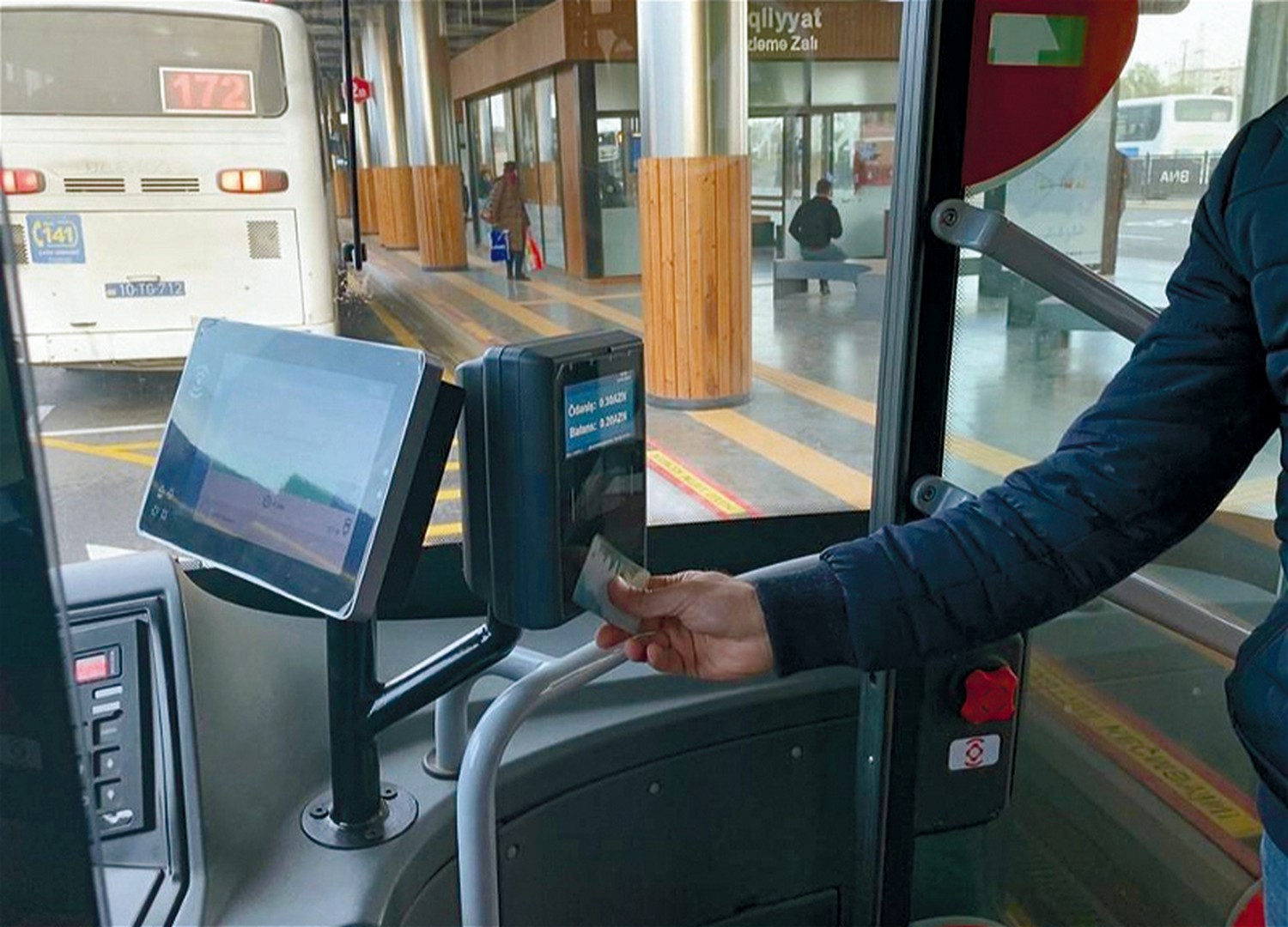
In light of the increase in public transport fares from October 1 the issue of affordable transport for pensioners is especially acute. Unlike many other countries with systems of special travel passes or discounts, Azerbaijan lacks a universal concessionary travel scheme for pensioners. Transport concessions are primarily granted to specific social groups (for example, war veterans, people with disabilities, families of martyrs) and can vary by city. This means fare increases fall directly on people with fixed and often minimal incomes.
Transport costs are not merely the price of a trip; they are the cost of leaving home, of being able to visit a doctor, bank, social centre or simply meet friends — in short, of maintaining social activity.
That is why a key element of the social architecture should be state subsidisation of pensioners' travel. International experience shows this is not a luxury but an effective instrument. In London pensioners are entitled to completely free travel. In the US there is a substantial 50% discount on season tickets and special cards for older people (Senior SmarTrip Card, Washington) that allow free travel at certain hours and half-price at other times. In Spain, the Third Age card (Tarjeta Azul) or its equivalents permit travel for a minimal monthly fee or for free. Special monthly passes at significantly reduced prices, often including unlimited regional trips, operate in Germany.
For Azerbaijan it would be sensible to consider introducing a Pension Travel Card that could ensure a 50% fare discount or, at minimum, provide a fixed number of free trips per month. Additionally, free travel during off-peak hours (from 10:00 to 16:00) could be introduced, which would reduce financial pressure and at the same time help optimise passenger flows.
Such programmes are not only measures to compensate for price increases but a direct realisation of the task of social reintegration of older people, enabling them to remain active members of society.
Development and travel
To improve older people's quality of life it is necessary to continue developing and implementing social programmes targeted to their needs. Particular attention should be paid to creating conditions that allow older people to travel. Azerbaijan can offer them calm, culturally rich and restorative routes. Rather than exhausting mountain treks, health tourism in Naftalan should be promoted, where therapeutic baths are complemented by leisurely walks in parks. In Baku priority should be given to comfortable bus tours and strolls along the level Seaside Boulevard, and visits to Icherisheher should be organised along accessible routes. Historic Sheki and Gabala are suitable for calm, contemplative holidays focused on craft and gastronomy.
Accessible tourism is not only about convenient routes but also about affordability. That is why a key element of the social architecture should be state subsidisation of tourism for pensioners. This means developing a programme of concessionary tourist vouchers that, with partial cost-sharing by the pensioner, would allow an annual special internal tourism package. These could be "Pause-Tour" packages with accommodation in certified hotels that strictly observe accessibility standards and excursions limited to three hours per day. Thus the state would not merely provide a discount but would encourage the entire tourism sector to work with a new, sustainable segment.
To ensure success, international experience can be adopted: museums in Spain and Italy offer pensioners "golden" hours for visits without crowds; Scandinavian travel agencies train geriatric guides capable of providing first aid and monitoring excursion pace; Japan enforces strict accessibility standards for hotels and transport. Azerbaijan needs to implement these standards by creating certified routes with guaranteed safety and comfort.
Care everywhere
The International Day of Older Persons is a reminder of the importance of respect for and care of the older generation. Steps are being taken in Azerbaijan to improve their situation, including pension increases, development of electronic services, social support and volunteer initiatives. But more comprehensive and systematic cooperation between the state, public organisations and volunteers will create conditions in which older people feel active, protected and valued members of society.
Ultimately the most important help we can offer is the creation of a culture of care and respect. The development of social programmes and subsidisation of tourism should not be seen as charity. They are an investment in social capital and a demonstration of a high level of humanism in society. The shift from emotional veneration to practical and systemic provision for a dignified, active and safe old age is our common ethical imperative towards Azerbaijan’s future. We are building a society that will meet its own old age with dignity.
RECOMMEND:
 245
245

