

RECOGNITION WITHOUT CONSEQUENCES
The West ready to change the rules of the game in Middle Eastern policy
Author: Samir VELIYEV
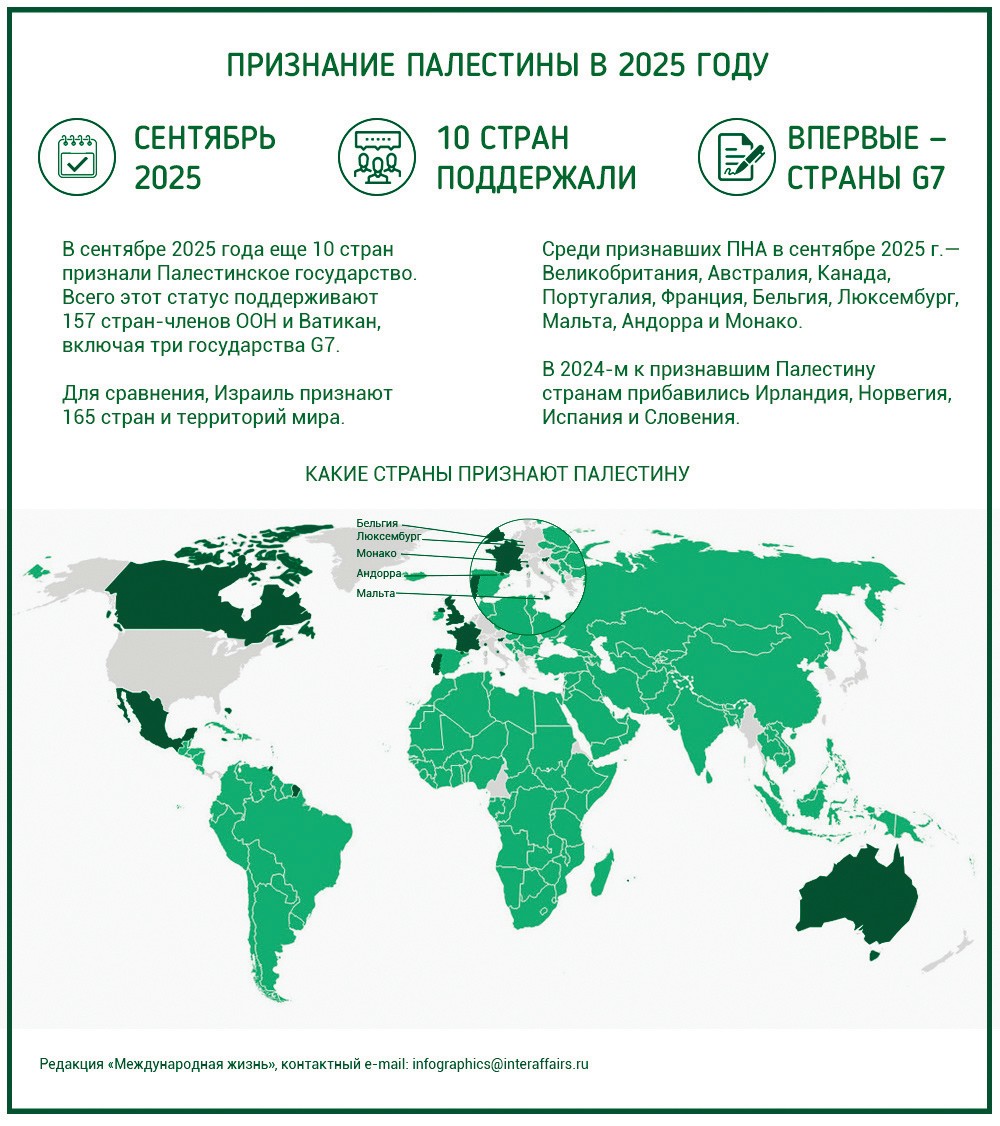
The recognition of Palestinian independence by the United Kingdom, Canada, Australia, Portugal and a number of other states has become an important milestone in the evolution of the Middle Eastern conflict, which was already highly tense because of the ongoing war in Gaza. This decision reflects not only a changed international conjuncture but also growing pressure from both global diplomacy and a mass public movement that has reached an unprecedented scale in Europe.
A strange independence
On September 22, during a high-level meeting of the UN General Assembly even President Emmanuel Macron officially announced recognition of Palestine, albeit with a proviso: a diplomatic mission in Ramallah will not be opened until hostages are released and real conditions for a durable peace appear. This step, combining symbolic and pragmatic elements, reflected the dual nature of the new diplomatic line: recognition is construed simultaneously as a moral act and as an instrument of pressure on the parties to the conflict.
Until recently, the international community linked the prospect of a Palestinian state exclusively to a final peace agreement, to be achieved as the result of protracted negotiations. Today the logic is changing: Western powers increasingly view recognition not as a concluding stage but as a means to accelerate the process, turning it into a lever capable of pushing Israel toward dialogue. Traditional allies of Tel Aviv, previously notable for extreme caution, have effectively revised the "wait for a compromise" strategy and openly spoke of recognising Palestinian statehood as an intermediate, yet necessary, step.
Such a decision carries not only a moral-political message but also practical consequences. It opens new channels for Palestine's participation in international organisations, raises its standing in the eyes of the global public and strengthens its negotiating position. At the same time, it enables the states that have taken this step to level firmer demands at Israel, using recognition as a diplomatic argument and a way to give weight to their calls for an urgent end to the violence.
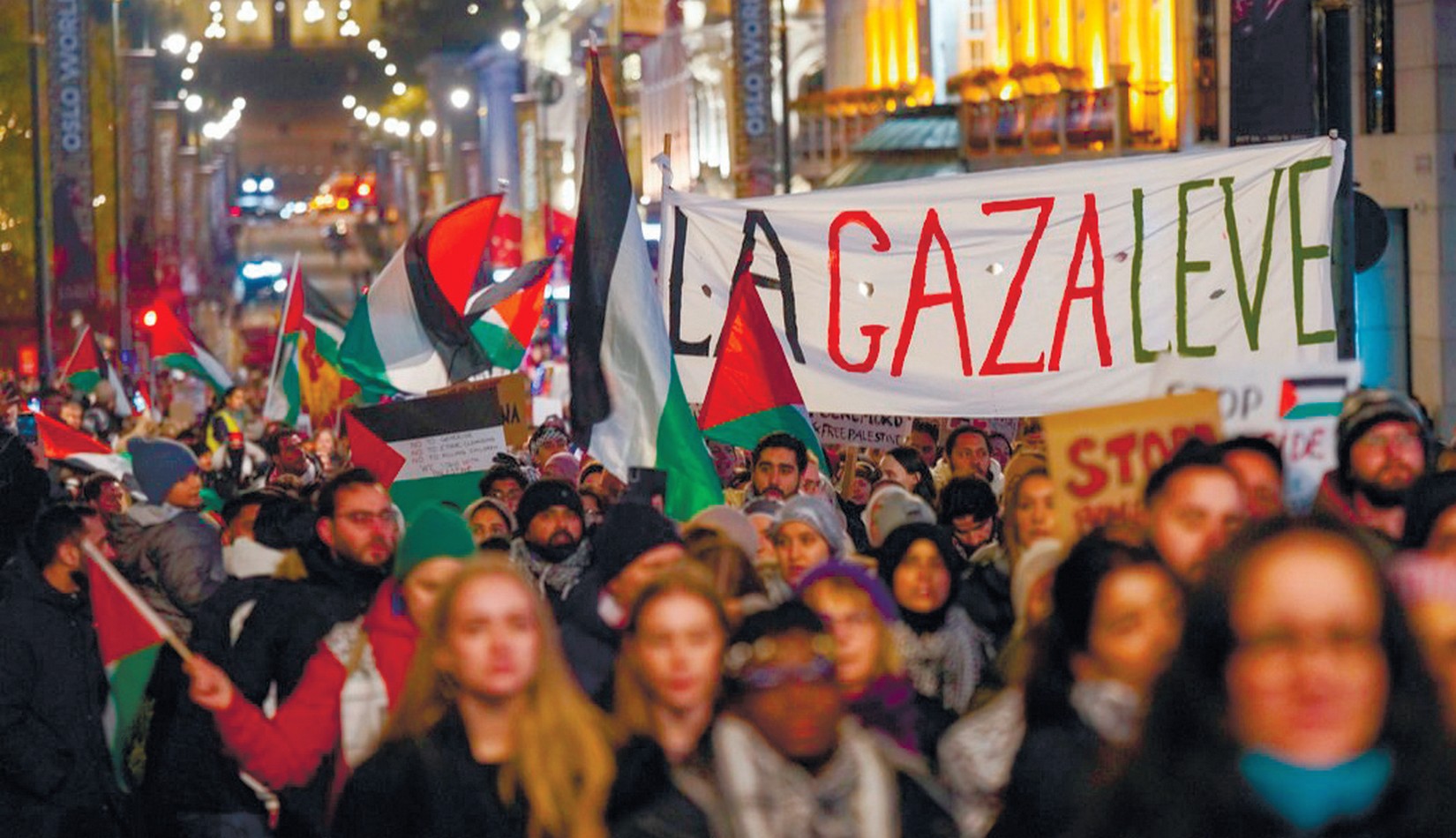
Mass protest movements in Europe have become an important component of this process. Thousands took to the streets of London, Berlin, Rome, Stockholm and other capitals, demanding an immediate end to the war and support for Palestine. In Italy, these sentiments took the form of a nationwide strike that effectively paralysed the country's transport system. In the United Kingdom and Germany protesters insisted on an immediate ceasefire and a halt to military deliveries to Israel. These actions ceased to be local outbursts of discontent: they transformed into a structural factor influencing political elites, forcing governments to seek a balance between international obligations and domestic public demands.
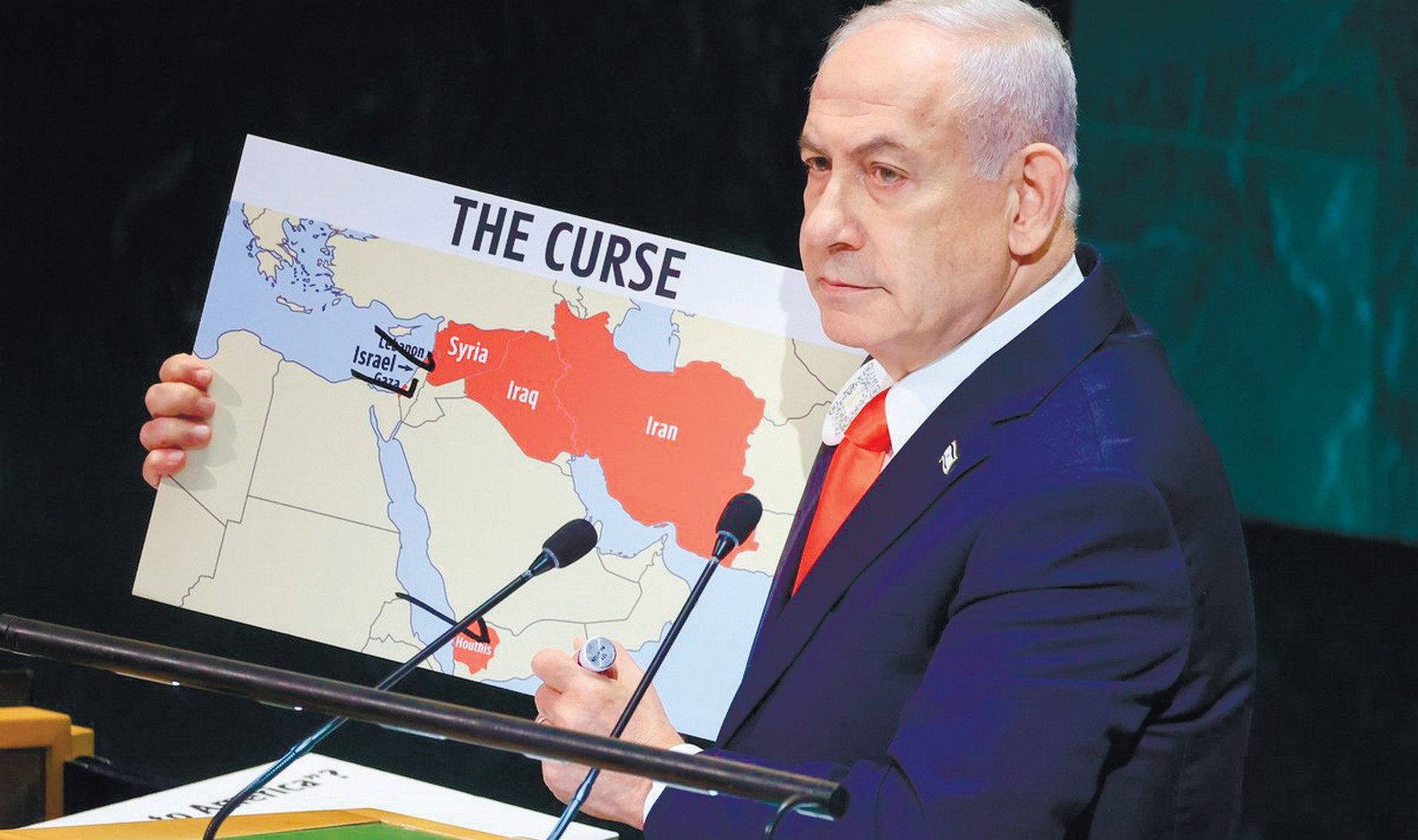
Israel’s response was extremely harsh. Prime Minister Benjamin Netanyahu said such steps were "rewards for terrorism", recalling the October 7, 2023 attacks, and stressed that a Palestinian state would never arise west of the Jordan. In Israeli political culture this is interpreted as a direct threat to security and national identity. As countermeasures, one can expect intensification of diplomatic pressure on the countries that recognised Palestine, acceleration of the expansion of Jewish settlements, and tighter controls in the West Bank.
The UN as an arena of battles
A notable element was Netanyahu's speech at the 80th anniversary session of the General Assembly. It became one of the most resonant events and consolidated the Israeli government's hard line. Netanyahu emphasised Israel's right to self-defence, rejected international initiatives that envisaged recognition of a Palestinian state, and again launched accusations against Iran, charging Tehran with supporting radical groups and destabilising the region.
Reaction in the assembly hall was divided: representatives of Arab and Muslim countries accused Israel of war crimes and even genocide against Palestinians. Statements from Qatar and Jordan sounded especially sharp, while Indonesia resorted to the symbolic address "shalom" in the context of condemning Israeli policy. On the other side, the United States again affirmed Israel's right to defend itself, while European diplomats sought to avoid extreme judgements, stressing the need to find a compromise path. In practice, this meant acknowledging Israel a certain freedom of action amid the ongoing crisis.
However, Netanyahu's speech also had an opposite effect: instead of strengthening Israel's position, it pushed supporters of Palestine to mobilise further. On the margins of the assembly, diplomatic efforts by France and Saudi Arabia intensified to consolidate international backing for recognition of Palestinian statehood. All this points to the formation of a new coalition of countries ready to formalise this status.
Recognition of Palestine outside the Middle East is now becoming a factor capable of seriously reshaping the diplomatic landscape. The US in this situation continues to adopt a cautious stance. Washington characterised the decisions of European capitals as "performative gestures", emphasising that recognition should not be an independent act but an element of a concrete peace agreement in which Israel's security guarantees are firmly enshrined. For the American administration, priority remains the fight against terrorism, the release of hostages and ensuring conditions for Israel's safe existence.
Meanwhile pressure within the United States itself is growing. Public opinion, weary of the humanitarian catastrophe in Gaza, demands change, and part of Congress insists on a reassessment of the White House line. In Europe, protests create a fundamentally different level of expectation: politicians are forced to react more quickly than usual bureaucratic mechanisms allow.
Although the US president's speech at the General Assembly showed that the current administration is by no means inclined to yield to these moods and intends to continue supporting its most reliable ally in the region to the end, thereby emphasising the gap between public sentiment and official policy. He spoke in a characteristic manner, avoiding diplomatic euphemisms and stating openly that Israel remains "an unwavering bastion of democracy" in the Middle East. His words drew applause from the US delegation and some European partners, but at the same time prompted a demonstrative walkout by representatives of several Arab countries.
Palestine as a trigger for change in Middle Eastern policy
The consequences of these processes are multilayered. On one hand, recognition strengthens Palestine's subjectivity in the international system and gives the Palestinian people a moral victory, fuelling hopes of broad support. On the other hand, it objectively deepens Israel's isolation and deprives it of unconditional Western backing. Within the European Union the probability of a split is emerging: some countries will actively promote recognition, while others will strive to remain cautious to preserve relations with Washington and with Tel Aviv itself.
In the Arab and Muslim world the current wave of decisions is perceived as a long-awaited step toward justice, but it also carries the risk of disappointment. If diplomatic recognition is not accompanied by real changes on the ground, it can become a symbolic act that will not improve Palestinians' lives.
The activism of civil society, mass demonstrations, the work of trade unions, student movements and non-governmental organisations are becoming a new dimension of international politics. These forces create the moral and informational backdrop that supplements diplomatic processes and restricts governments' room for manoeuvre. Israel, conversely, is reinforcing internal mobilisation and demonstrating a determination to resolve the conflict independently of international pressure.
For the US the situation becomes a double challenge: it must keep Israel among its reliable partners while at the same time prevent allies in Europe from drifting too far toward independent decisions. Under these conditions Washington attempts to assume the role of mediator, offering various formats for compromise negotiations. However, so far these have not found a sustainable response from either the Israeli or the Palestinian side.
In the long term, Netanyahu's harsh rhetoric and parallel diplomatic moves by Western states to recognise Palestine are capable of cementing a new status quo: the international community increasingly perceives Palestinian statehood as inevitable, while Israel risks finding itself on the defensive in diplomatic terms. Mass protests in Europe will continue to serve as a catalyst for pressure, and governments will face the need to balance alliance commitments with domestic public demands for justice.
Overall, we are witnessing not merely a series of diplomatic acts but a systemic shift. Recognition of Palestine is transforming from a marginal initiative by individual countries into a new instrument of foreign policy by which states demonstrate willingness to influence the conflict's outcome. If Israel responds by further hardening its course, this will drive escalation. But if international pressure intensifies and is accompanied by concrete steps — from negotiations on security guarantees to discussions of a two-state solution — the current wave of recognitions could become the starting point for a new diplomatic process.
Thus Middle Eastern policy is entering a phase of transition from a strategy of waiting to one of active recognition. Western states are showing willingness to change the rules of the game, Israel finds itself facing growing diplomatic isolation, and the US is forced to seek a balance between pressure from allies and the need to preserve strategic stability. In the coming months this dilemma will determine whether recognition of Palestine remains a symbolic act or becomes the foundation for future peaceful settlement.
RECOMMEND:
 176
176

