
AZERBAIJAN LEADS AGAIN!
33 gold medals, second place overall, and new sensations
Author: Sanan SHAFIZADE
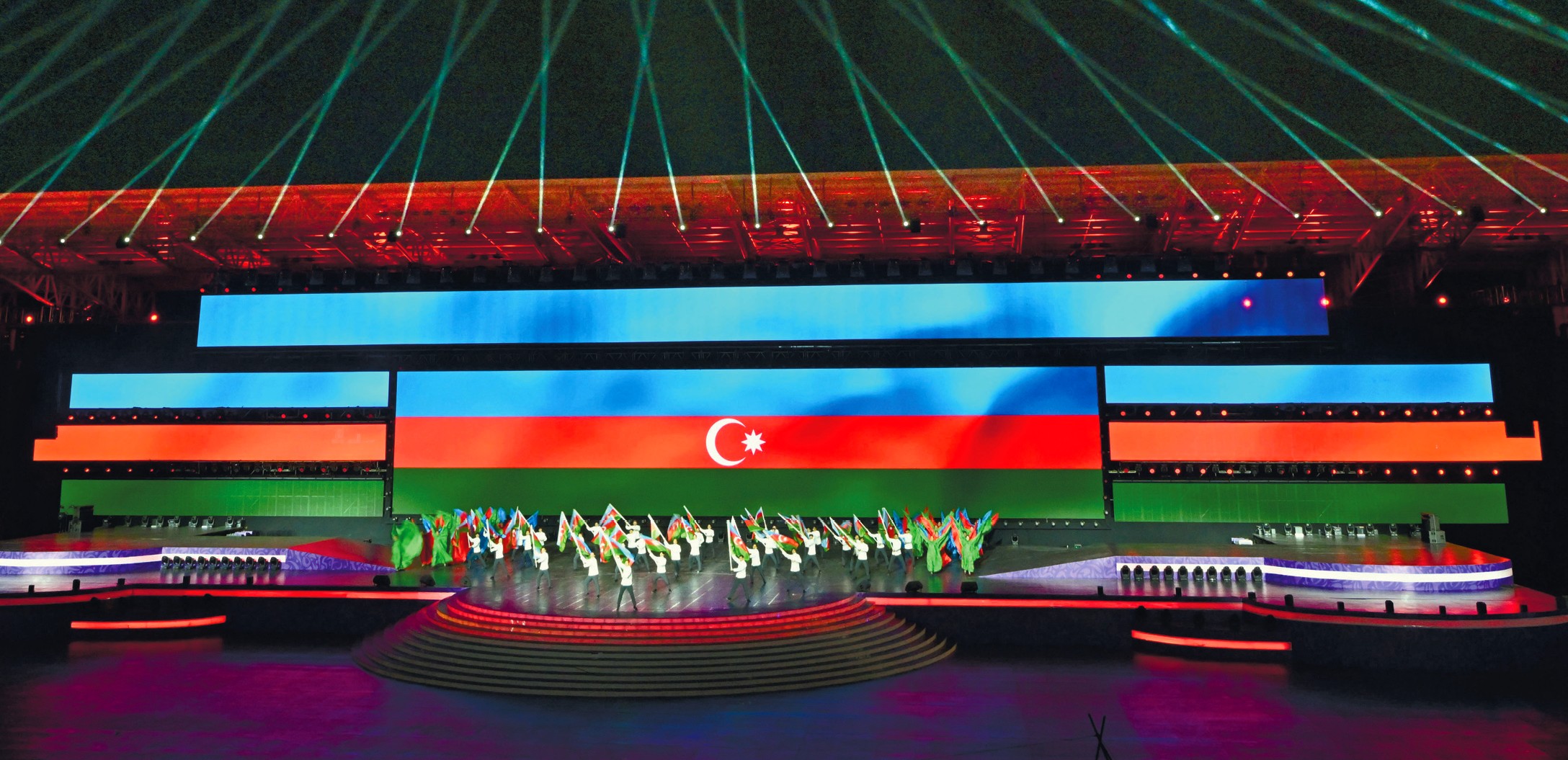
For the fourth time in its history, Azerbaijan has hosted a major multi-sport event. The count begins with the 2015 European Games, followed by the Islamic Solidarity Games in 2017 and the European Youth Olympic Festival in 2019. This year, the country successfully held the 3rd CIS Games.
184 Medals, including 33 gold
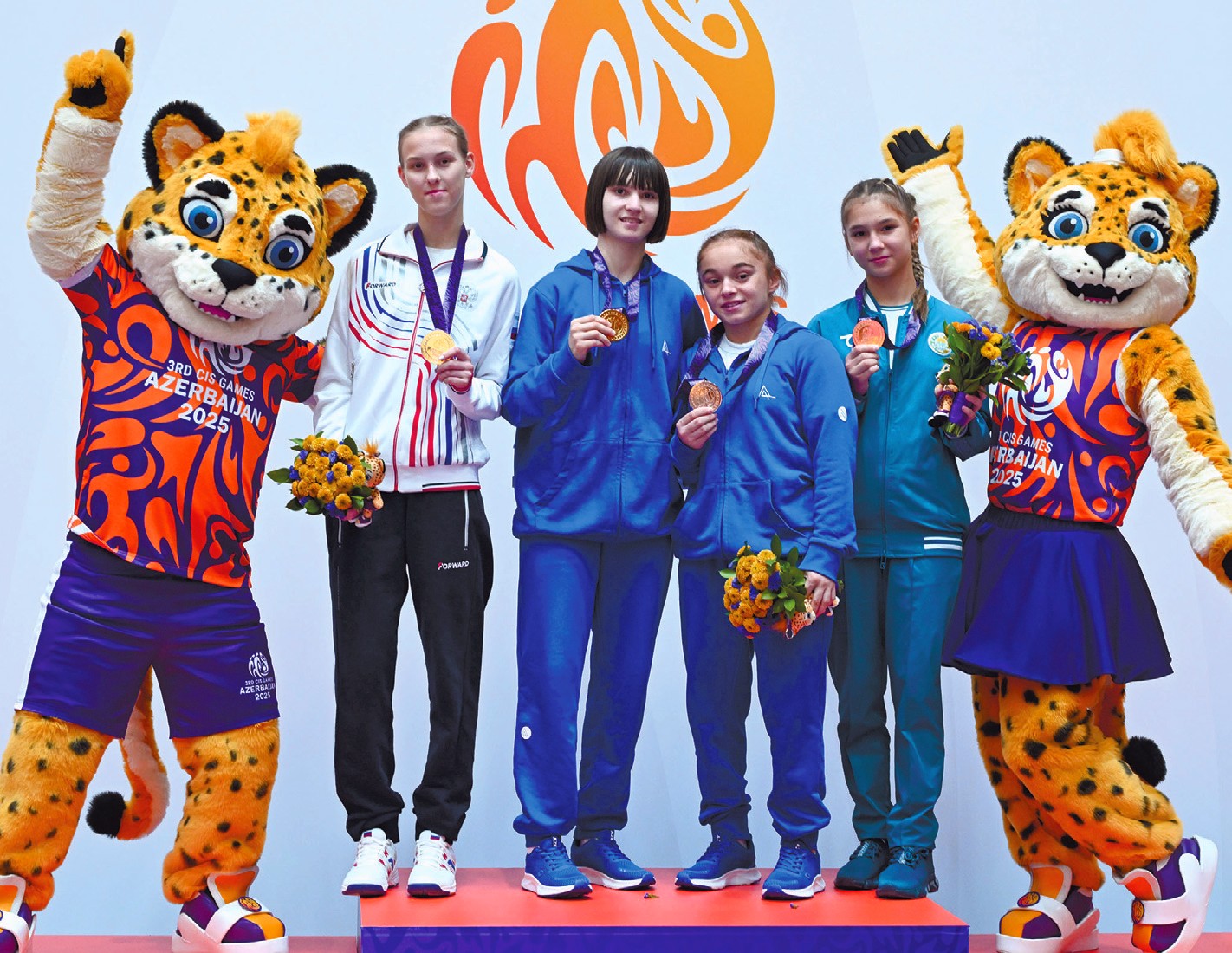
For the first time, a multi-sport competition in Azerbaijan was held not in Baku but across the regions. Over eleven days, Ganja, Sheki, Gabala, Yevlakh, Mingachevir, Göygöl, and Khankendi became vibrant centres of a grand sporting celebration, playing host to both the competitions and the athletes. Participants from eight CIS member states and five invited countries competed in 23 sports, demonstrating remarkable skill and determination as they vied for 235 sets of individual and team medals.
It can be confidently said that the organisation of these Games met the highest standards. The design of sports venues, shuttle buses between arenas, fan zones for athletes and youth, media areas, and accommodation facilities in the host cities all played a crucial role in creating optimal conditions for participants.
By the end of the Games, Azerbaijan’s athletes had collected a total of 184 medals: 33 gold, 56 silver, and 95 bronze. This outstanding result placed the country second in the overall medal standings, just behind Russia. For Azerbaijan, this marks its best performance since the revival of the CIS Games in 2021. At the first edition, Azerbaijan earned 60 medals (16 gold, 16 silver, 28 bronze), and at the second, 62 (10 gold, 17 silver, 35 bronze).
Sport revitalises the regions
When major competitions are held abroad, often at a considerable distance, the Azerbaijani national team does not always travel in full strength. Therefore, hosting a multi-sport event on home soil presents an invaluable opportunity for promising athletes to showcase their potential. At the 3rd CIS Games, Azerbaijan fielded an expanded team, enabling more athletes to gain experience and test themselves at the international level.
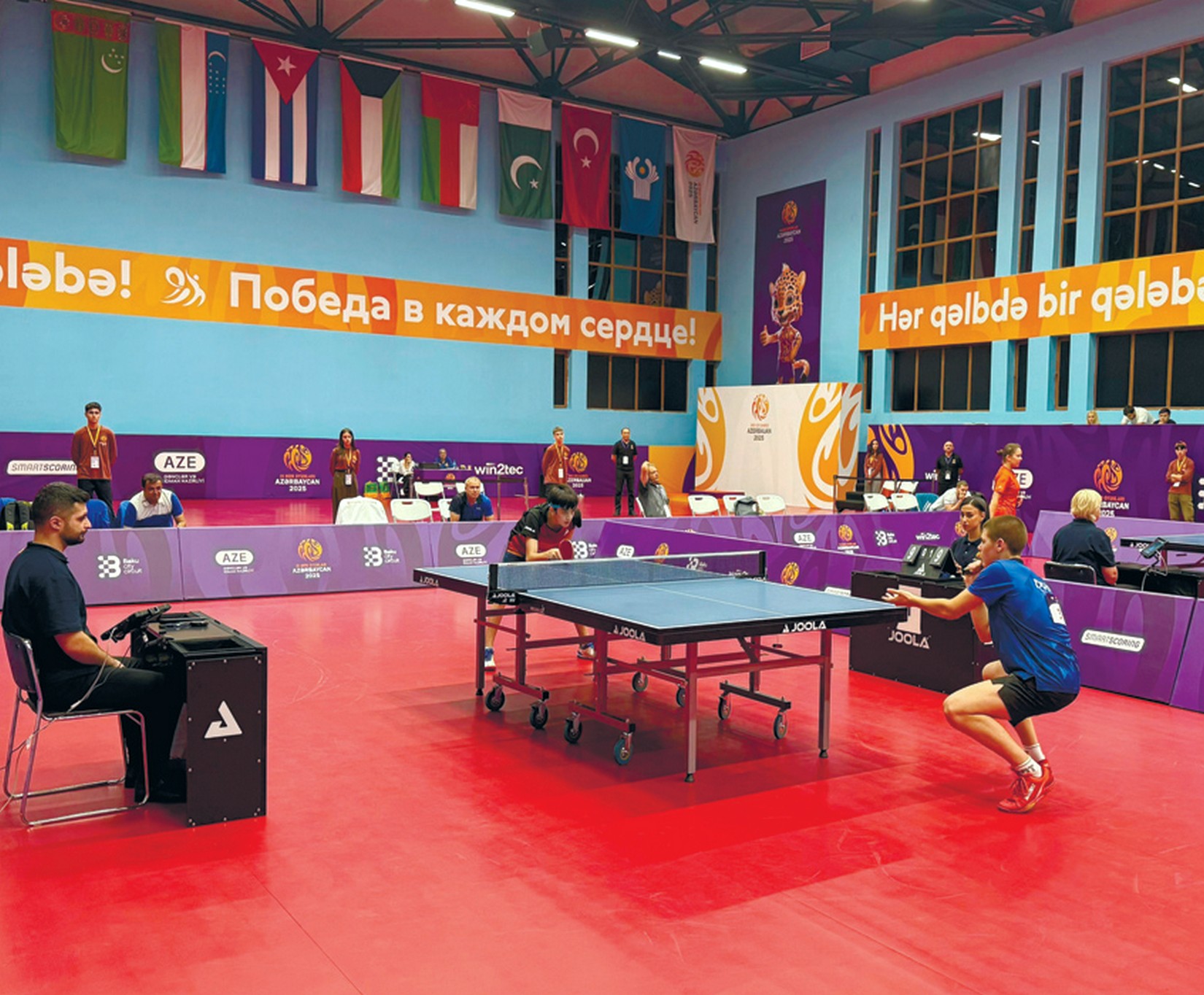
Once again, Azerbaijan demonstrated its exceptional capability in organising large-scale sporting events. Over 1,600 athletes were accommodated across seven cities. Volunteers, technical staff, organisers, and all those involved in the Games exhibited a high degree of professionalism and dedication.
The CIS Games also contributed significantly to the revitalisation of Azerbaijan’s regions, leaving a legacy of modern infrastructure in several cities. In Ganja, a long-awaited stadium meeting contemporary international standards was finally completed after a 20-year delay — a project that might have remained unfinished if not for the Games. Following the event, the new stadium was transferred to the local football club Kapaz. In addition, the new Ganja Sports Palace — now the largest sports facility in the Caucasus — was inaugurated, suitable for both domestic and international competitions.
Furthermore, the stadium in Khankendi was refurbished, an Olympic complex was built from scratch in Yevlakh, while the sports complex in Gabala and the city stadium in Sheki underwent major reconstruction. These developments represent a major contribution to the advancement of sport in Azerbaijan’s regions.
Main sensations of the tournament
The 3rd CIS Games will be remembered not only for their atmosphere but also for their sporting achievements. Azerbaijan finished second in the team standings both in the number and quality of medals, achieving historic success in several disciplines. A total of 340 Azerbaijani athletes won 184 medals, contending fiercely with strong competitors from Russia, Uzbekistan, Kazakhstan, and Belarus. Each of the 33 gold medals stands as a testament to tremendous perseverance, willpower, and professionalism.
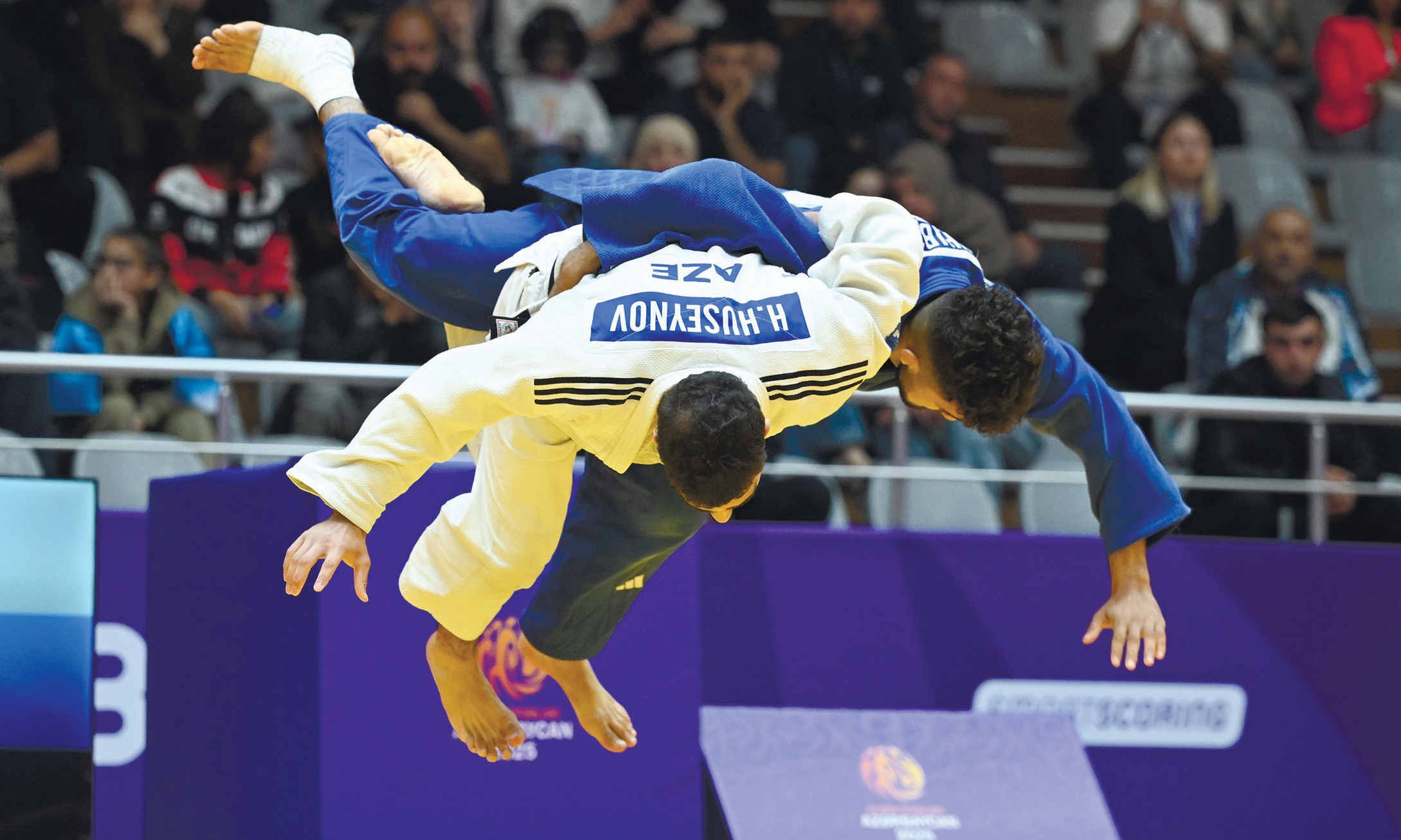
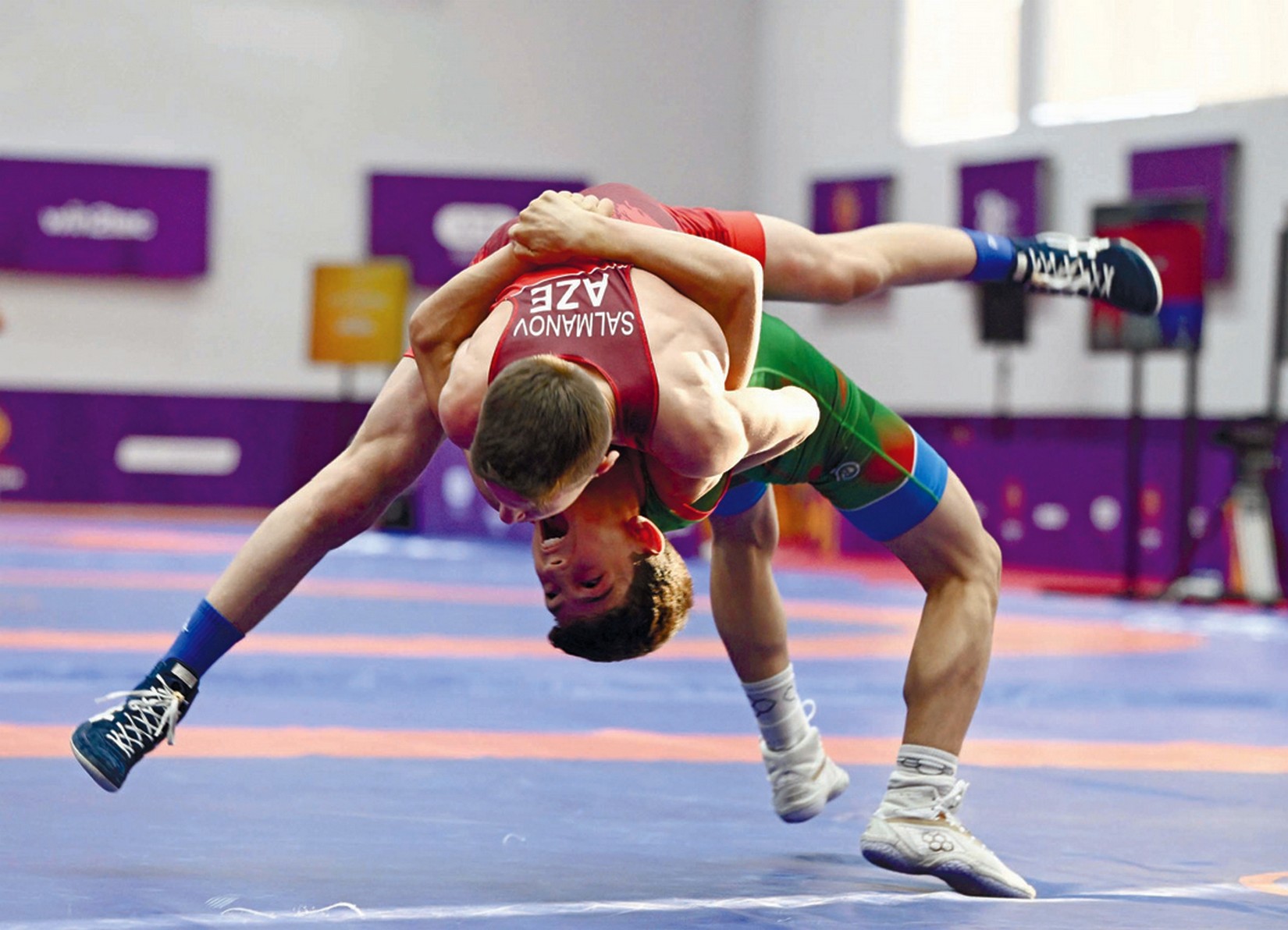
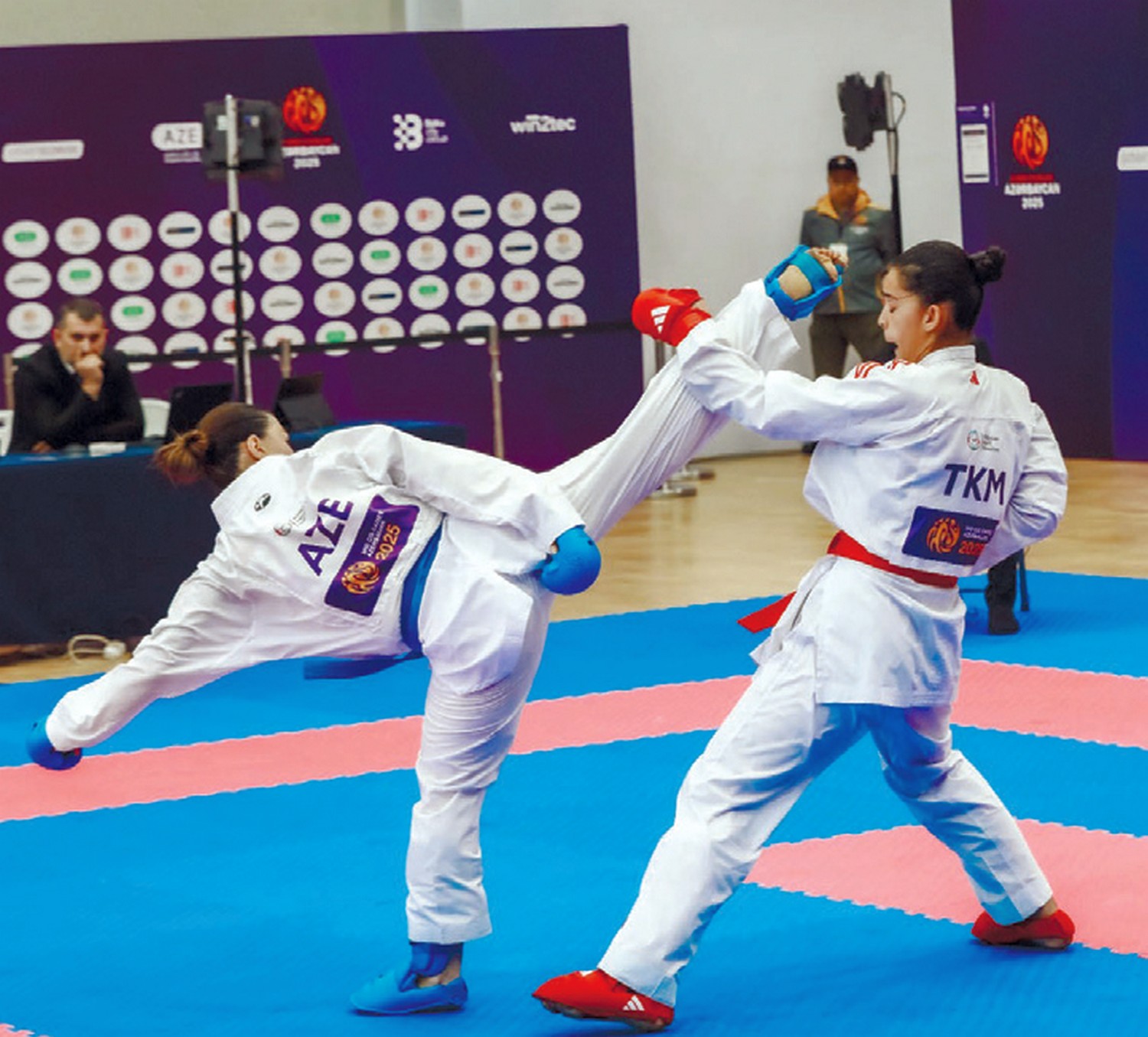
Judokas, boxers, and karatekas each brought home six gold medals, wrestlers earned five, taekwondo athletes four, swimmers and sambo wrestlers two each, while trampoline and chovgan athletes contributed one apiece. Azerbaijani competitors won medals in 19 sports, with the exception of rowing and archery.
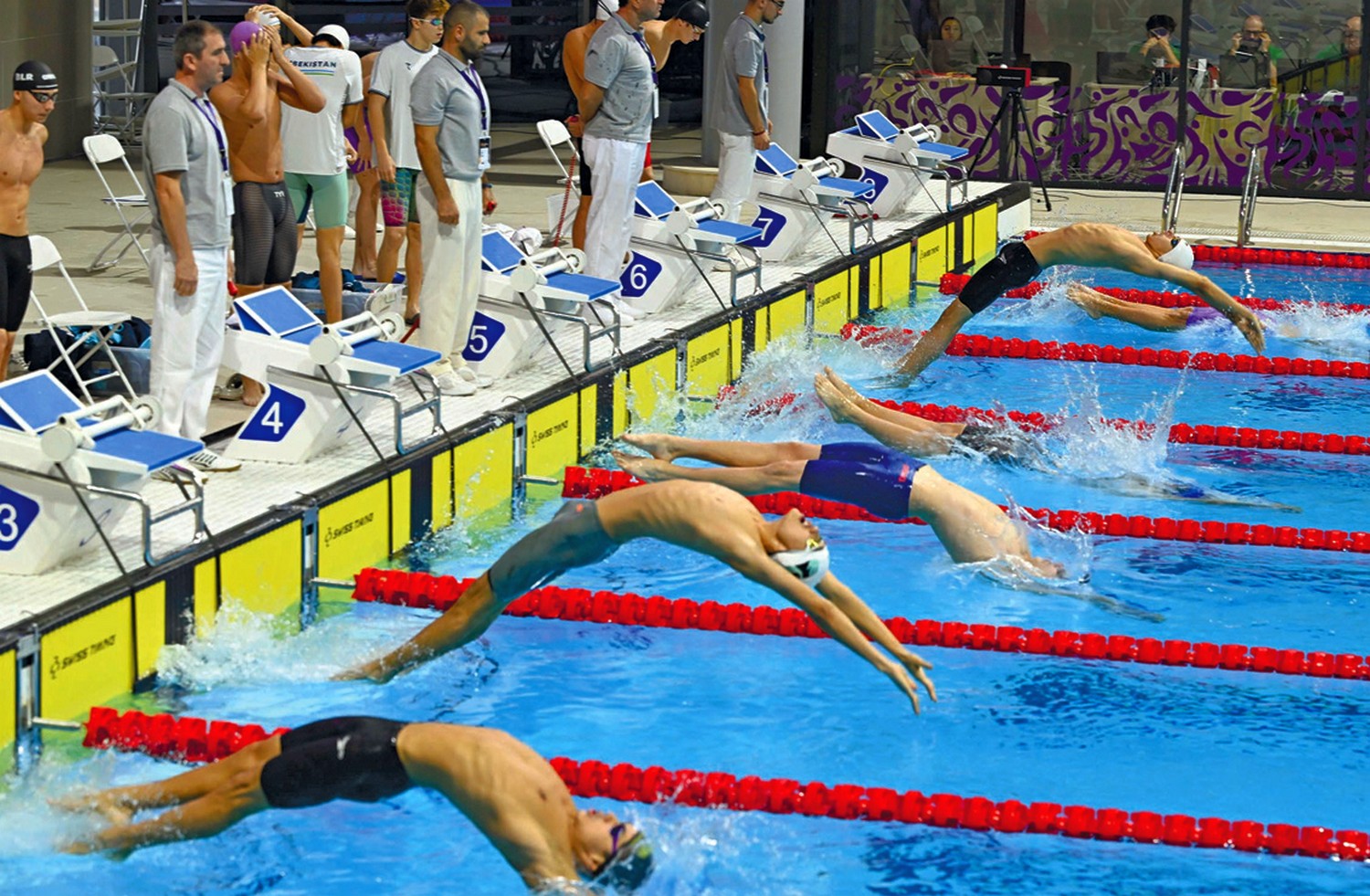
Of particular note was the breakthrough in swimming: Oqtay Huseynov and Suleyman Ismayilzade became the first swimmers in the history of the CIS Games to win gold medals for Azerbaijan, surpassing their Russian rivals. The biggest sensation, however, came from 18-year-old trampolinist Maqsud Maqsudov, who triumphed over two-time Olympic champion Ivan Litvinovich.
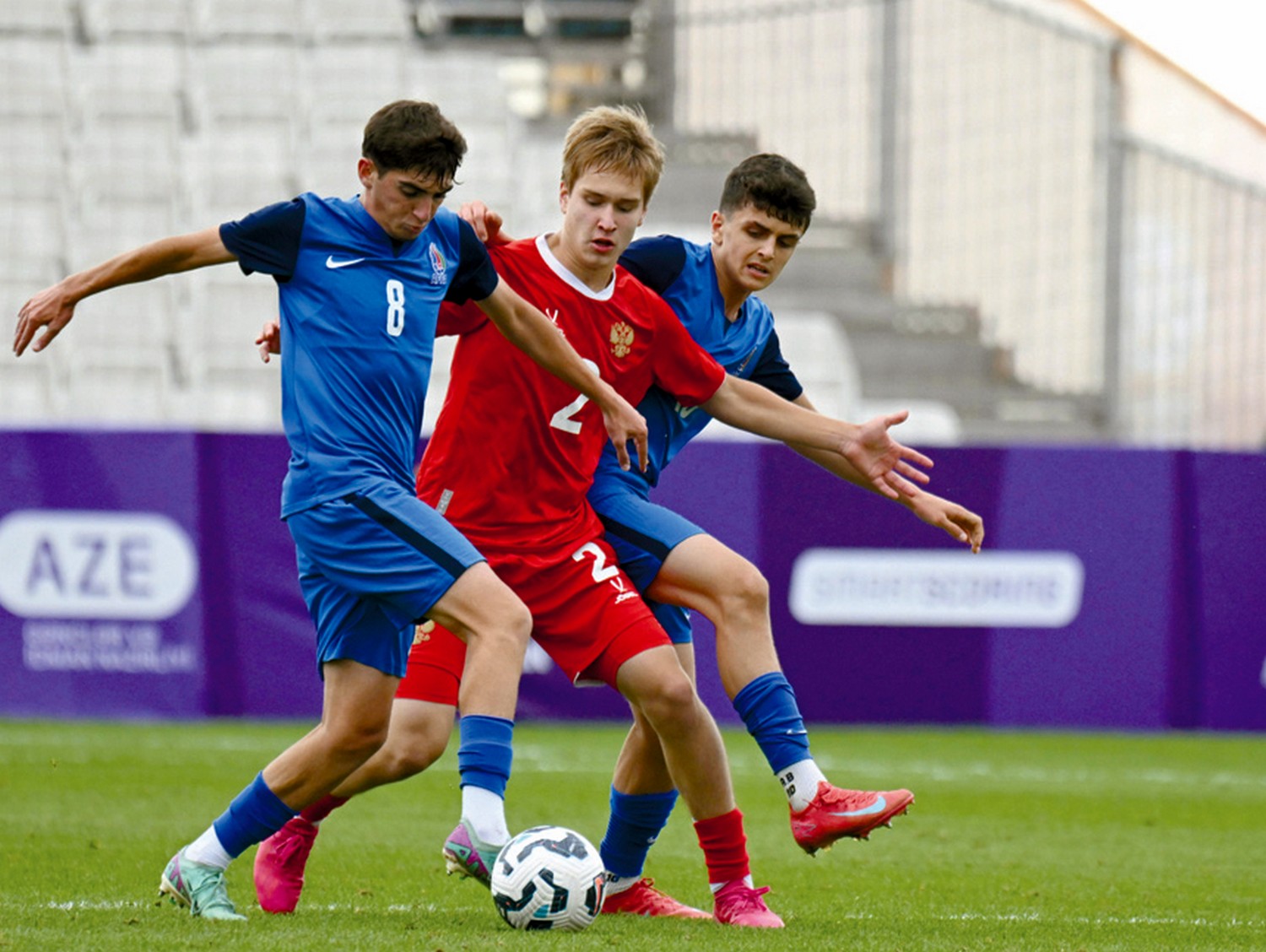
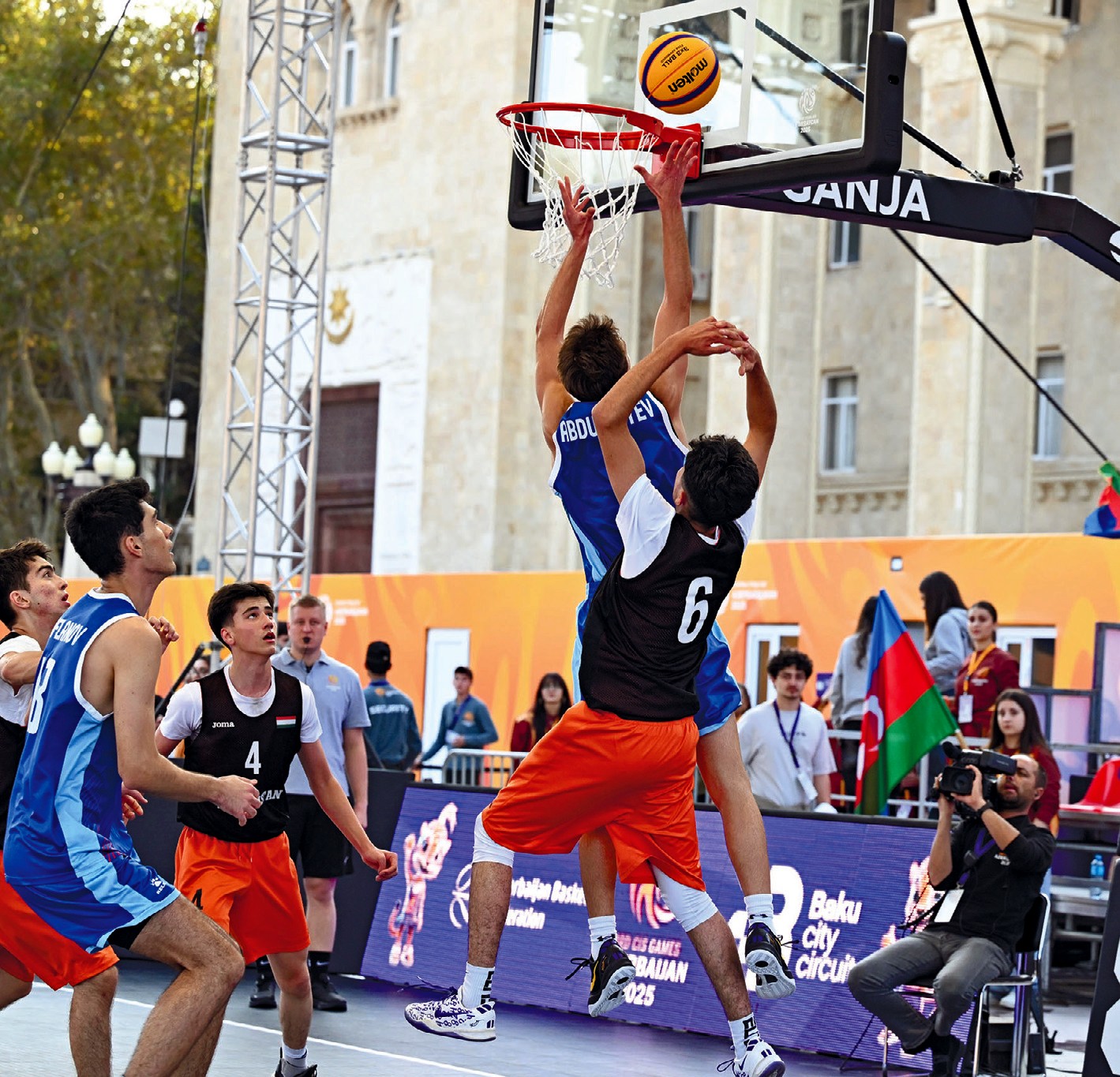
In football, Azerbaijan’s under-15 team, despite leading 2–0 in the final, suffered a narrow 2–3 defeat to Russia after late errors. Azerbaijani teams also lost to Russia in volleyball, chovgan, and 3x3 basketball. Nonetheless, the fierce performance of the women’s 3x3 basketball team left a lasting impression. Although they beat Russia in the group stage, they were unable to replicate that victory in the final.
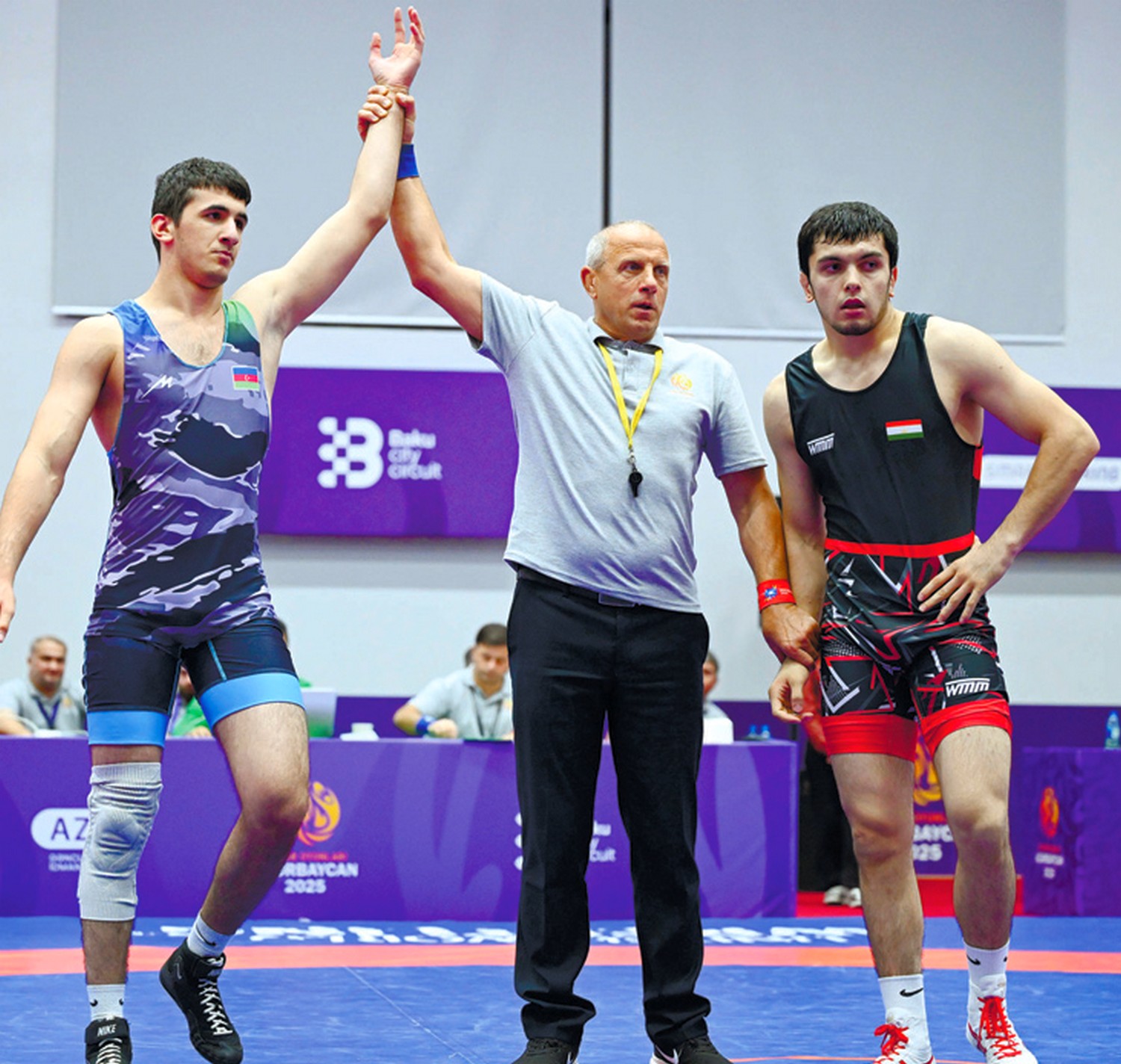
The young judokas were among the standout performers of the 3rd CIS Games, winning six gold medals across individual and team events and leaving no chance to their rivals. Greco-Roman wrestlers lived up to expectations, while freestyle wrestlers encountered significant challenges in reaching the finals.
Another success of the Games was the strong engagement of regional audiences: Azerbaijani athletes enjoyed enthusiastic support in almost every arena. Undoubtedly, these Games will play an invaluable role in nurturing the next generation of athletes. It was particularly gratifying that all guests and participants expressed their satisfaction with the event’s organisation.
At the closing ceremony, the CIS Games flag was lowered by Azerbaijani medal winners and prepared for transfer to the next host country. The 4th CIS Games will be held in 2027, though the host nation has yet to be determined.
RECOMMEND:
 230
230