

DREAM TEAM
Even when losing, the national team no longer looks doomed
Author: Sanan NADIROGHLU
The Azerbaijan national football team has completed two more qualifying matches for the 2026 World Cup. On October 10 in Paris, Aykhan Abbasov's team lost to France 0-3, and three days later in Krakow, they were defeated by Ukraine 1-2. Despite these losses, a glimmer of hope has emerged among the fans.
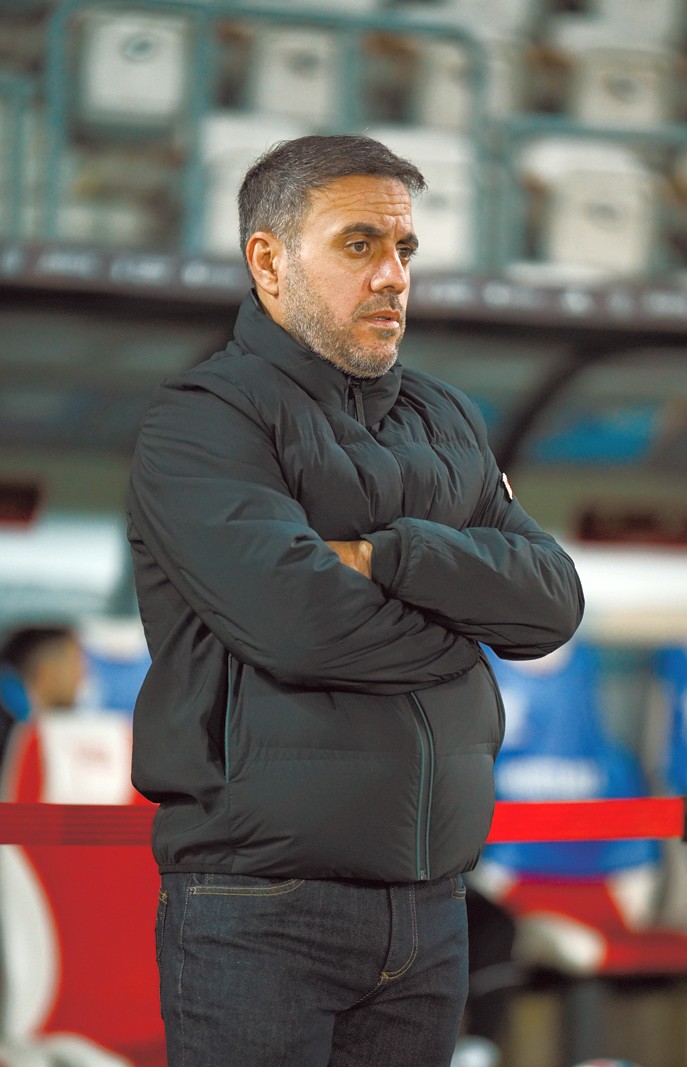
After the resignation of head coach Fernando Santos, the offer to lead the national team unexpectedly went to Aykhan Abbasov. He accepted it without hesitation. Prior to this, Abbasov had been combining his role with the U21 youth team and the club Shamakhi. Taking a risky decision, he enthusiastically stepped up to helm the national team, as it is every coach's dream.
Defeats as a step towards renewal
Agreeing to the status of acting head coach, Aykhan Abbasov has overseen three games with the national team. First, in Baku, the team drew with Ukraine 1-1, then embarked on a "daunting" away trip to Paris. Before the match with France, everyone recalled the most painful defeat in Azerbaijani football history—in 1995, the French team led by Zinedine Zidane scored 10 unanswered goals against Azerbaijan. This time, Abbasov opted for a more thoughtful tactic: despite losing by three goals, the team appeared organised. The strategy focused on a tight, collective defence, avoiding open play, and prioritising protection of their own goal.
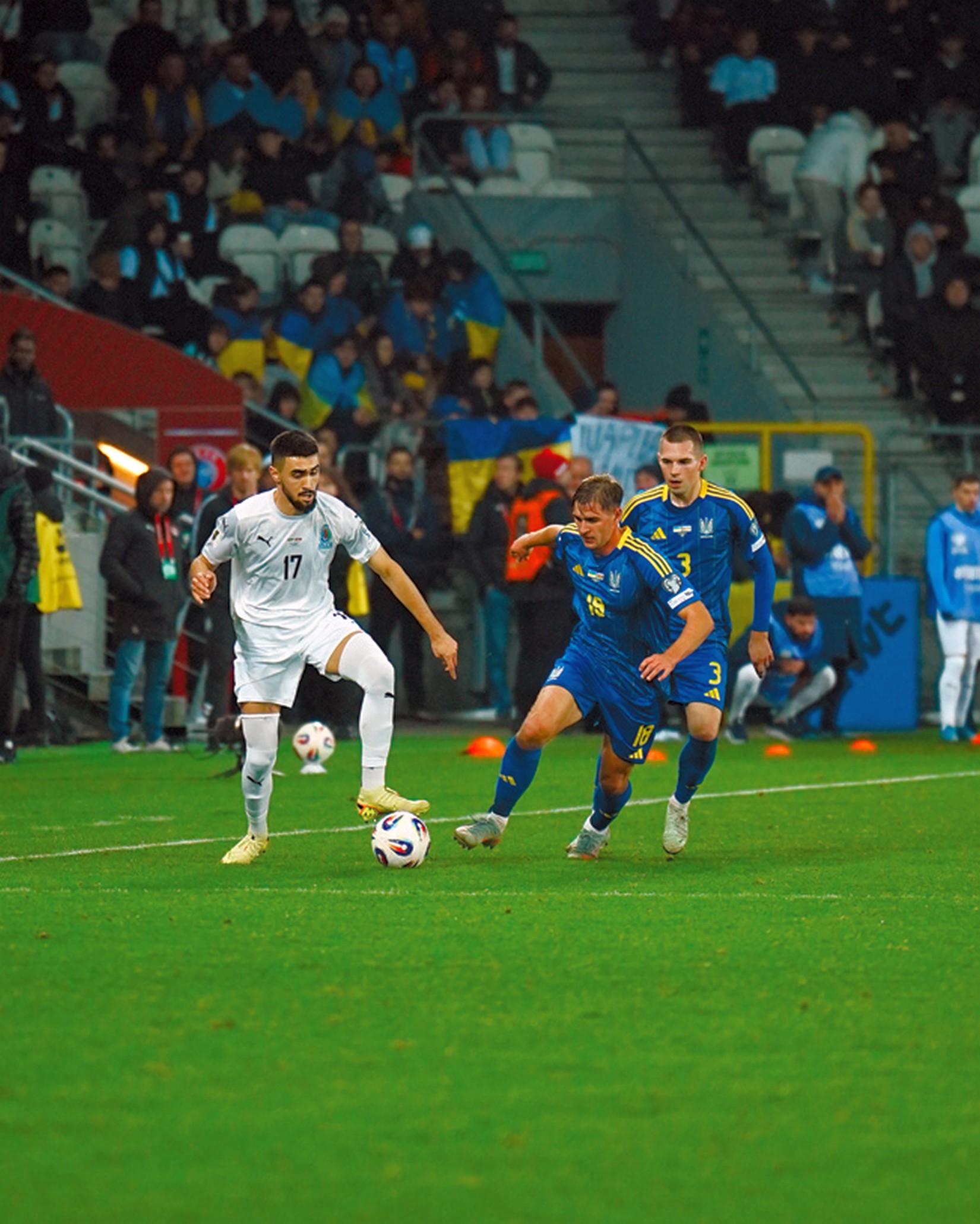
Due to martial law in their country, the Ukrainian team hosted Azerbaijan in Krakow. Despite the draw in Baku, Sergei Rebrov's squad struggled immensely to secure a win in their home match. It must be acknowledged that the officiating team made several controversial decisions in favour of the opponent. Nevertheless, we also admit that Azerbaijan did not play for a victory, and the 1-2 scoreline generally reflected what unfolded on the pitch.
Under Abbasov's guidance, the national team has garnered only one point from three matches, yet it has managed to ignite hope in the hearts of fans. After a long hiatus, the national team has again been entrusted to a local specialist, and on the field, we saw cohesive play. Although the players still frequently make errors and do not always execute tactical tasks perfectly, they demonstrated desire, endeavour, and a will to fight. Football is one of the most challenging sports, and no coach, even the most experienced, can work miracles in two weeks. Therefore, Abbasov's work in stabilising the team during a crisis moment deserves respect.
Importantly, the new coach has managed to instil a fighting spirit, a desire to compete, and that very passion for football which has been sorely lacking in recent years. The return match with Ukraine confirmed this. The team displayed commendable attacking play, which was one of the positive aspects.
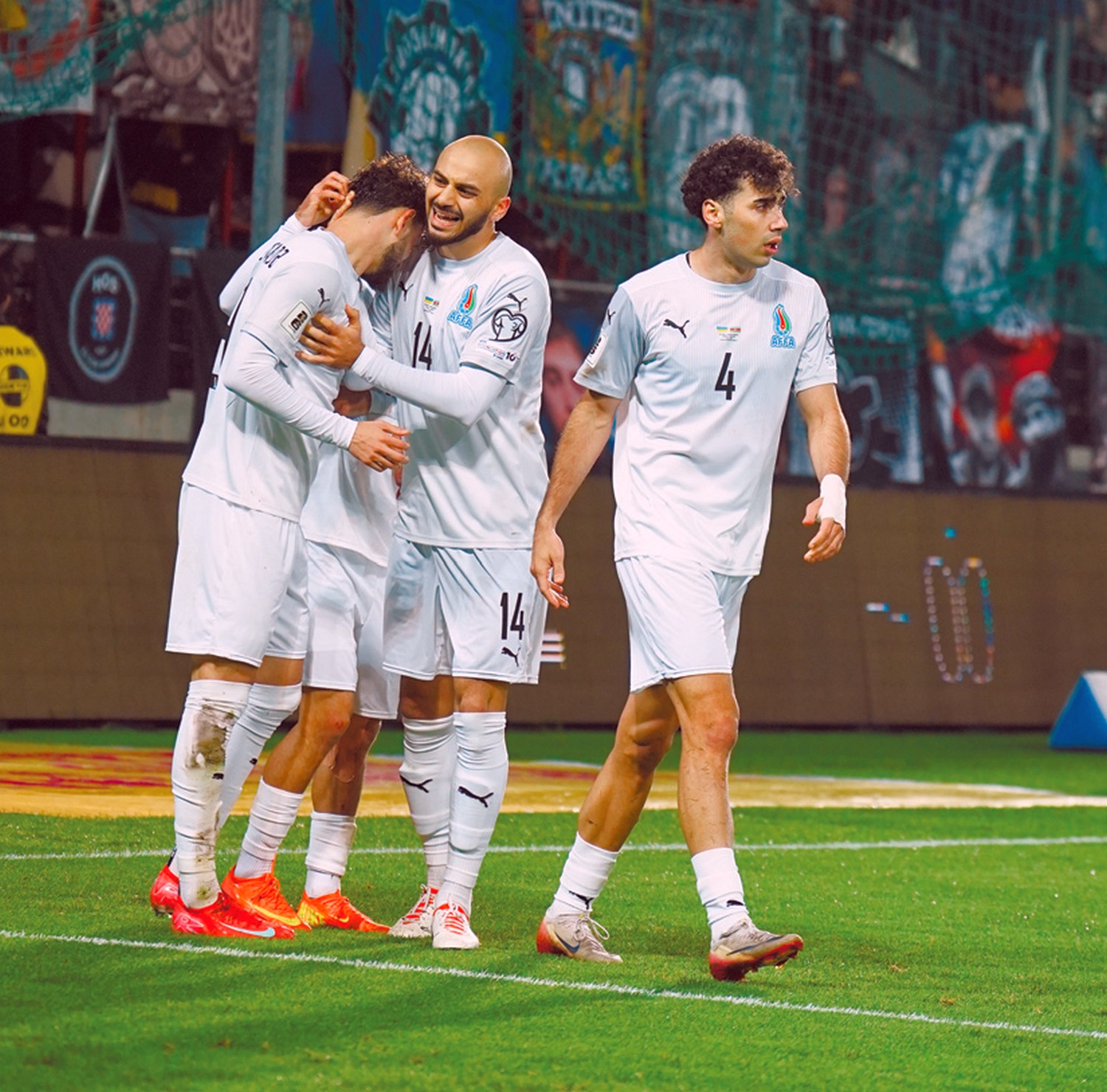
In the match against Ukraine, Elvin Jafarguliyev, Nariman Akhundzade, and Bahlul Mustafazade stood out. These players, who are key figures for "Garabagh", have also proven themselves at the national team level. Goalkeeper Shahruddin Mammadaliyev showed maximum commitment and determination to protect the goal. Under previous foreign coaches—Fernando Santos and Gianni De Biasi—such spirit and desire were not observed in the team. The squad is the same, the stadiums are the same. So why did the team not approach official matches with the same responsibility under foreign coaches?
The answer is simple: in Azerbaijani football, there are no world-class players. Our best footballer, Mahir Emrali, warms the bench in Germany's second division. When there are no stars, it is logical for the national team to be coached by a local specialist who better understands the potential and characteristics of Azerbaijani players.
Although Azerbaijan lost to Ukraine (1-2), the match was substantive and entertaining. This inspires faith in the future. However, it does not, of course, imply participation in World or European Championships in the next 1-2 years. We can only speak of the team emerging from a "coma" towards normal functioning.
And, naturally, we should not overpraise Aykhan Abbasov, though positive aspects should be acknowledged. He took over the team during a difficult period and managed to improve its internal atmosphere. His decisions such as calling up Abdulla Haybulayev from Sabah just a day before the game with Ukraine in Baku and his firm response to Renat Dadashov's dispute with the coach speak to a competent approach.
The AFFA has not yet officially announced how long-term the collaboration with Abbasov will be. For now, it is only clear that he will continue until the end of November. After that, the Executive Committee will decide everything. But if the AFFA again goes down the path of inviting another foreigner, it would be a display of disrespect to the country's football community.
At the end of the year, it would be wise to sign a one-year contract with Aykhan Abbasov. The coach needs time to implement his ideas in the 2026 UEFA Nations League. Only after that can his work be objectively assessed.
Meanwhile, the Azerbaijan national team faces its final matches in the World Cup qualifying cycle. On November 13, Baku will host the Iceland national team, and on November 16, France. After these games, the qualification will conclude, and the coach's future will become clear. We hope that those responsible for the fate of Azerbaijani football do not err this time. Recall that Fernando Santos, who was dismissed, received compensation from the AFFA amounting to ₼3.7 million. Local coaches would never demand such expensive severance pay.
"We are not making excuses: we play with heart"
Comment from national team head coach Aykhan Abbasov after the matches: "After Iceland, we took a point from Ukraine in Baku. Everyone thought the lads were tired from the long journey. But when there is desire and spirit, fatigue is not felt. Emin Mammadov was the best in terms of physical metrics. Maybe he had no strength left, but look at how he executed the tackle. All the players, despite fatigue, fought. They did not want to lose. We must get used to this. I told the players in the morning: do not turn fatigue into a psychological problem. The opponent also travelled from afar. We must adapt to this, as the tournament demands it. Our players must be prepared for such conditions from a young age. Perhaps we should increase the number of matches in the championship. If the first game had been against Ukraine, things might have turned out differently. Our championship must be more dynamic; players must be able to maintain tempo for all 90 minutes. I believe that in the future, the national team will perform even better."
RECOMMEND:
 209
209

