

TALLINN WITHOUT SECRETS
How to spend a perfect holiday in the Estonian capital and what to include in your itinerary
Author: Elchin HUSEYNOV, Baku–Tallinn–Baku
There are cities that seem to have stepped straight out of a fairy tale, and Tallinn is one of them. Here, stone walls and towers built in the Middle Ages stand beside avant-garde architecture, and the scent of freshly baked buns in cosy lanes mixes with the hum of fashionable restaurants and bars. Tallinn does not attempt to be "just another European city" — it proudly preserves its individuality and can charm a traveller from the very first minutes.
This is not simply Estonia’s capital; it is a crossroads of cultures where the northern reserve of the Scandinavians combines with Baltic warmth and a touch of Slavic soul. Here one wants to wander without a map, listen to the echo of footsteps on the cobbles, discover secret courtyards and rediscover the city every time.
Between air, sea and land
Tallinn is a convenient gateway to the Baltics and Scandinavia, so there are several ways to get here. By plane, Lennart Meri International Airport is only 4 km from the city centre. You can reach the Old Town in 10–15 minutes by taxi or by bus No. 2, which runs every 20 minutes. The average taxi fare is 10–15 euros, while the bus costs 2 euros if you buy a ticket in advance.
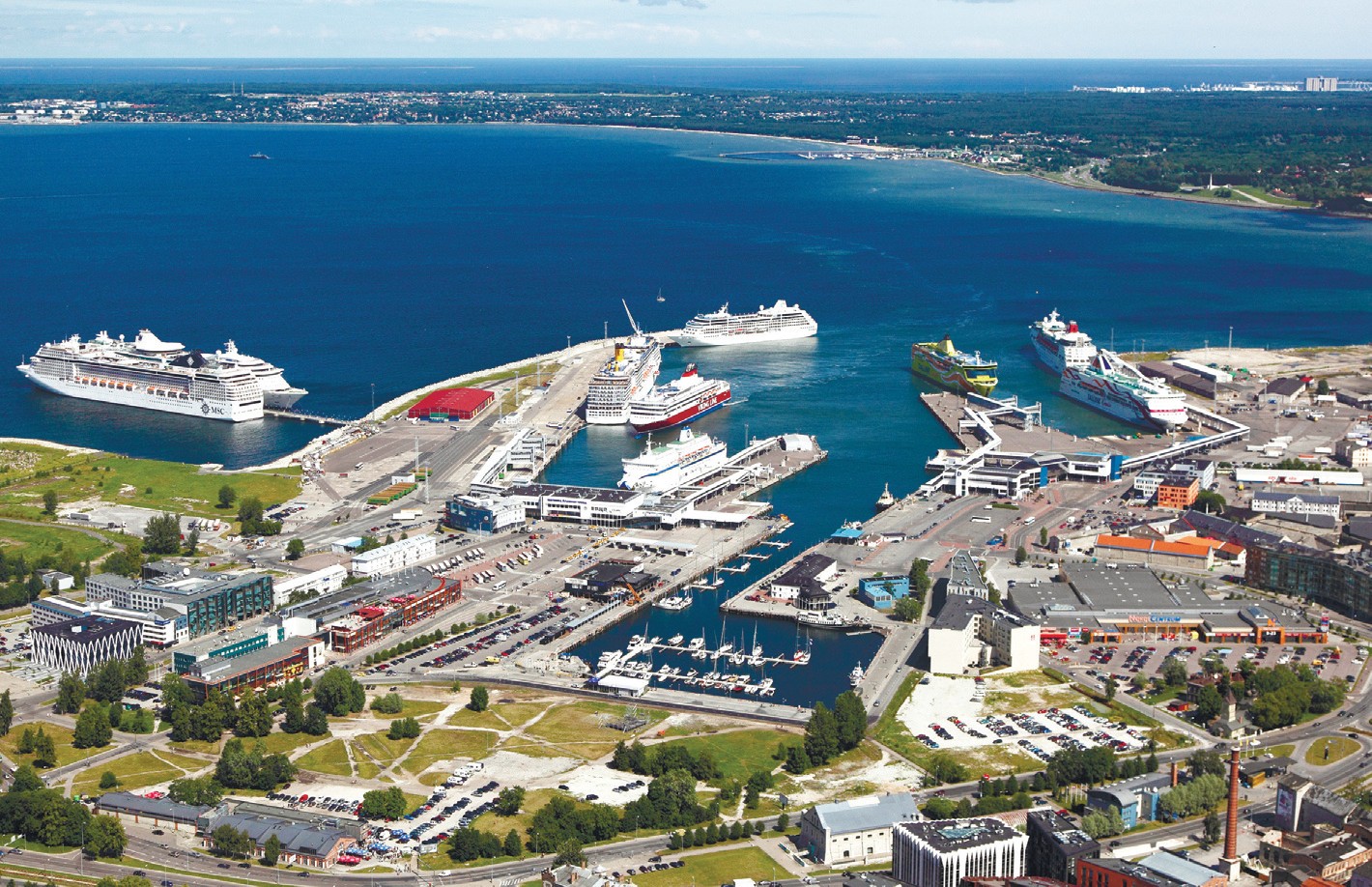
If you choose ferries, services run several times a day from Helsinki to Tallinn, and the crossing takes about 2 hours. You can also reach Tallinn by ferry from Stockholm, but the journey takes around 16–17 hours. The ferry terminal is located in the centre, within walking distance of the Old Town.
There are no direct trains to Tallinn from most European capitals. A convenient route is via Riga: the Riga–Tartu train and then a transfer to a domestic service to Tallinn. Travel time is 7–8 hours. Inexpensive buses link Tallinn with Riga, St. Petersburg, Vilnius, Warsaw and other European cities. The main coach station is a 15-minute drive from the centre.
Seasonal features
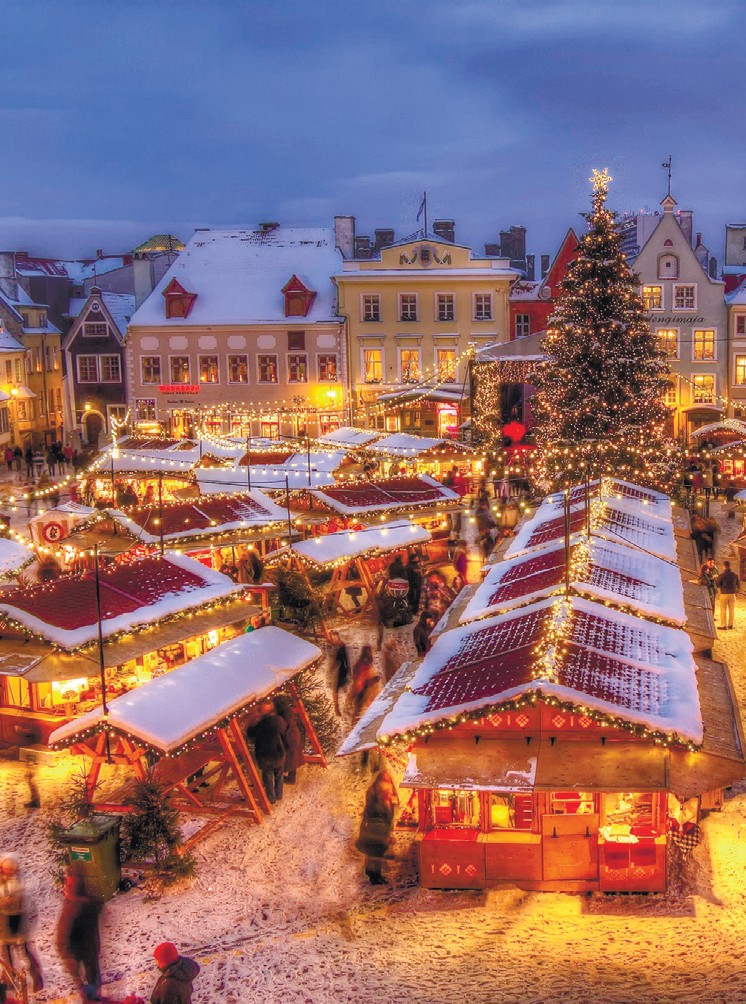
Guidebooks say Tallinn is interesting at any time of year, but your impressions will depend on the season. Each period has advantages, so consider the timing when planning your itinerary. For example, winter turns the city into a Christmas card. From late November a market opens on the Town Hall Square, one of the most famous in Europe. Hot mulled wine, gingerbread, handicrafts and souvenirs are sold there. A large Christmas tree is erected on the square, and music plays around it. In the evenings the Old Town is lit by garlands and the atmosphere becomes especially magical. But in winter keep in mind the cold weather and short daylight hours; on the plus side, hotel and ticket prices are often lower than in summer.
Spring arrives late in Tallinn, in April–May. At that time the city gradually comes to life after winter. Parks and squares blossom, there are more street musicians and cafés with summer terraces. Spring is suited to leisurely walks, museum visits and exploring the modern parts of the city.
Summer is the busiest season. In June, July and August there are many festivals, concerts and markets. Long daylight hours make it possible to stroll late into the evening. You can relax on the banks of the Pirita River, cycle along the promenade, or take ferries to nearby islands. The city is crowded with tourists in summer, which means hotel and restaurant prices rise.
Autumn gives the city a special charm. In September and October Tallinn still enjoys mild weather, but there are fewer tourists. The Old Town surrounded by golden foliage looks particularly romantic. Autumn is perfect for those who want unhurried walks, museum visits and café stops, enjoying the atmosphere without large crowds.
Medieval cosiness
The Old Town is ideal for short stays when you want to live surrounded by medieval atmosphere. Fortunately hotel prices are not that high, especially in autumn and winter. For 65–85 euros you can find double rooms with breakfast in 3- and even 4-star hotels. There are many boutique hotels and apartments in historic buildings.
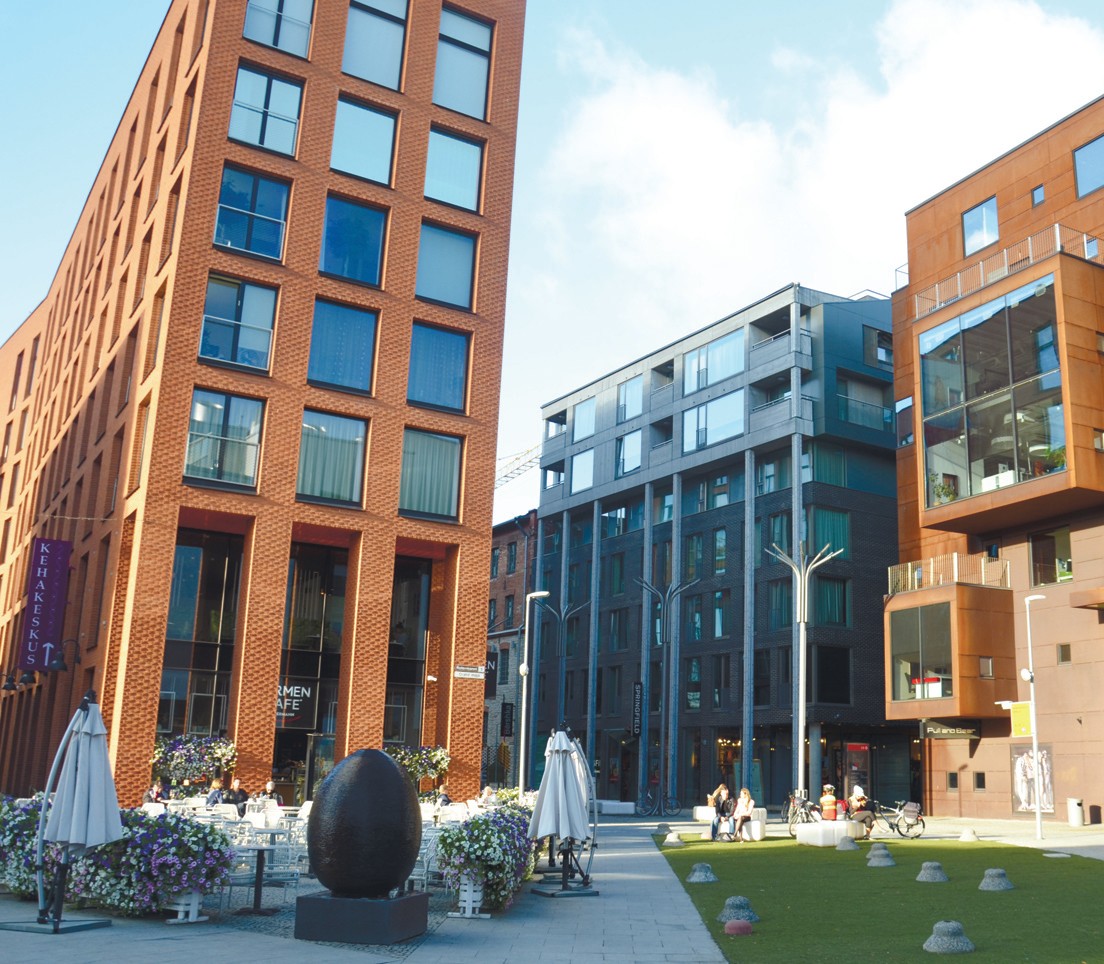
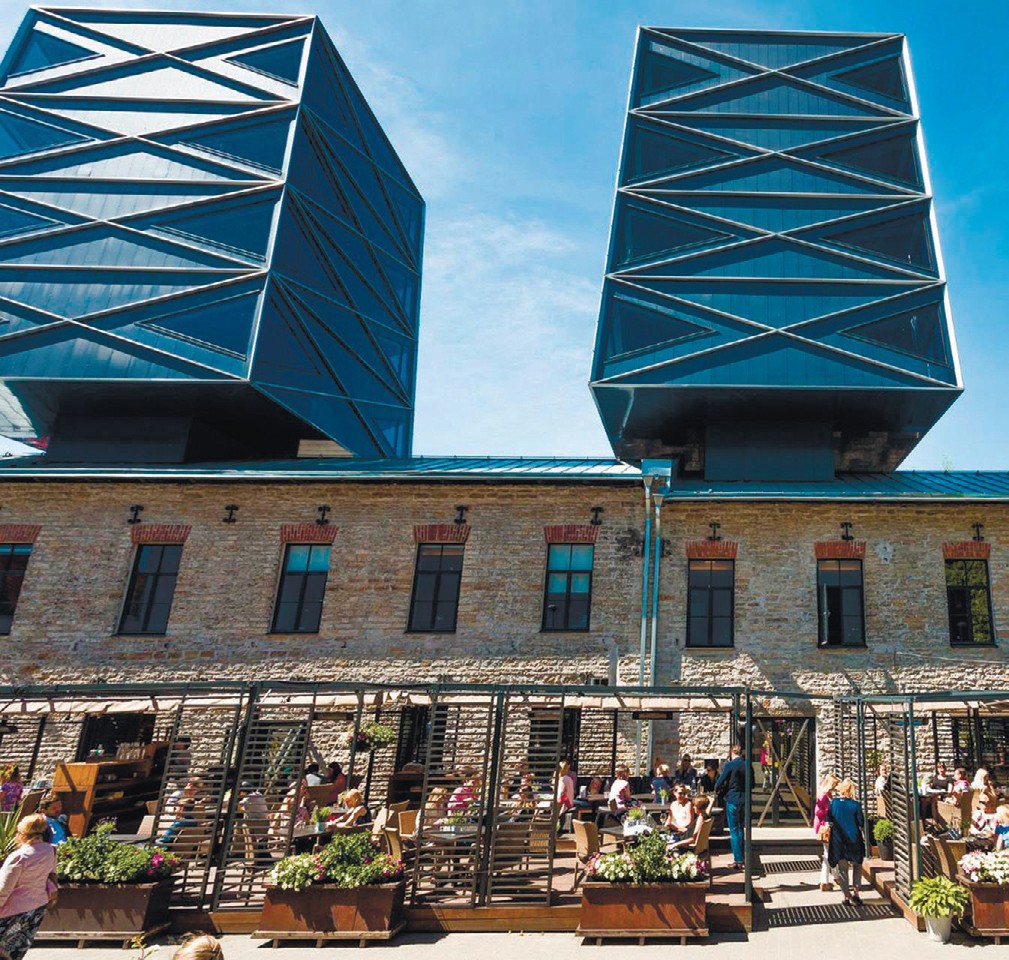
Similar prices can be found in the fashionable Rotermann and Kalamaja districts. Rotermann — a former industrial quarter — has been transformed into a design centre with cafés and shops. Kalamaja — once a fishermen’s district — is now known as a creative hub with more hostels and budget options. Large chain hotels offering more affordable rates are located in Lasnamäe and other suburbs; the downside is distance from the centre (20–30 minutes by public transport).
When estimating hotel budgets, consider the following. Hostels and the most budget hotels cost 20–30 euros per night per person. Mid-range apartments or hotels cost 60–90 euros, while boutique and premium hotels are 120–250 euros. These are low-season prices, except during the Christmas holidays.
Getting around Tallinn is convenient and simple. The city is relatively compact and the centre with main sights can be explored on foot. For more distant areas, public transport — buses, trams and trolleybuses — is reliable. Almost all districts are covered, intervals are regular and stops are well marked. You can buy a single ticket from the driver for 2 euros, but it is more economical to purchase an electronic Ühiskaart at kiosks or supermarkets and top it up. A ride paid by card costs 1.50 euros, and a day ticket is about 4.50 euros. This is convenient for tourists planning several trips in one day.
Taxis in Tallinn are inexpensive compared with other European capitals. A trip within the centre costs 5–7 euros. Popular apps Bolt and Uber operate here, which helps avoid overpaying. If you rent a car, note the shortage of parking in the centre and paid zones.
Many travellers rent bicycles or electric scooters. The city has a network of cycle paths, especially along the coast and in parks, making this transport both convenient and enjoyable.
Vana Toomas: the talisman and guardian
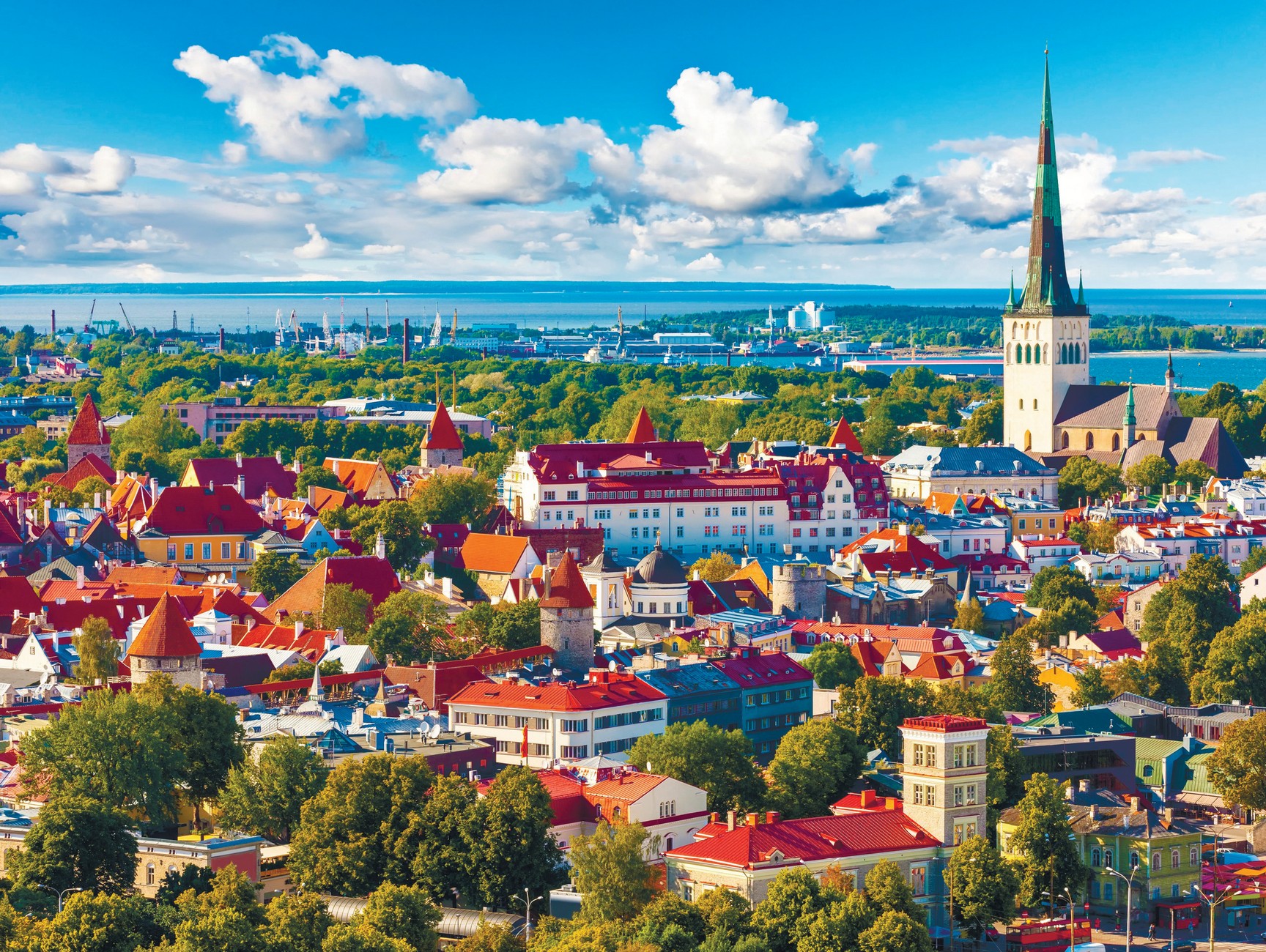
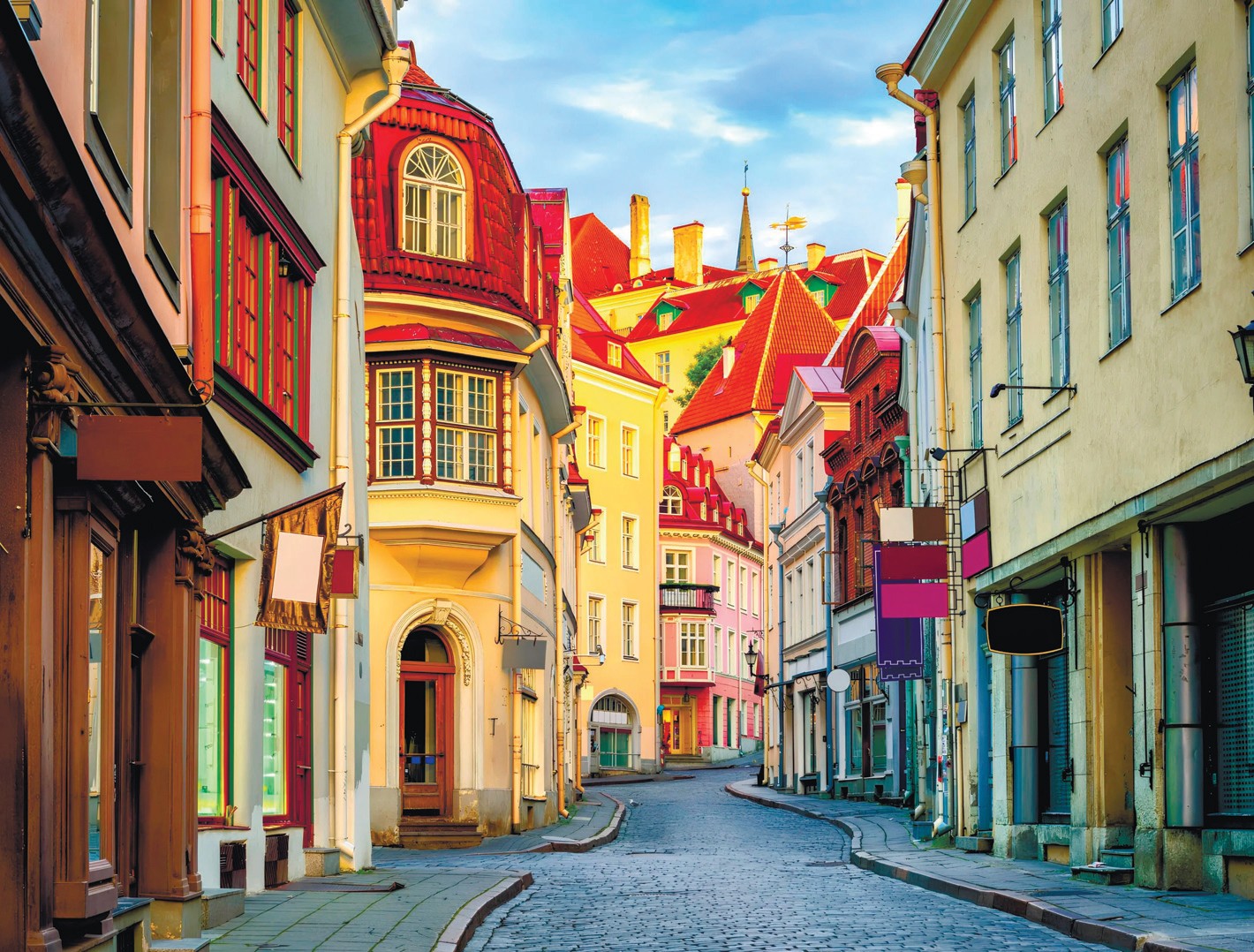
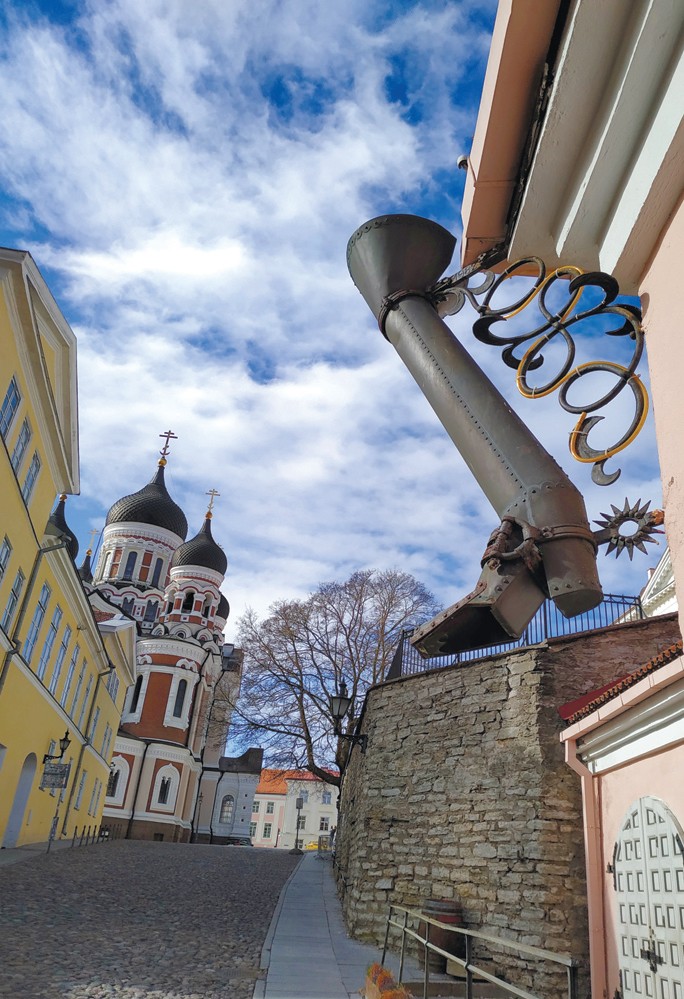
Tallinn’s Old Town is an open-air museum and a UNESCO World Heritage site. Narrow cobbled streets lead to the Town Hall Square, where the only surviving Gothic town hall in Northern Europe rises. Nearby is the famous Raeapteek pharmacy, operating since the 15th century. In the Upper Town on Toompea Hill there are viewing platforms offering vistas of red roofs and spires. Must-see stops include the majestic Alexander Nevsky Cathedral and the Dome Church, or St Mary’s Cathedral. After walks, tourists like to drop into cosy cafés serving national cuisine or taste mead in medieval taverns. Souvenir shops and craft stalls offer amber items, ceramics and artisan jewellery. In the evenings the Old Town comes alive: cafés with terraces, wine bars and small concert venues create a special atmosphere. Even a short stroll here becomes a journey through the ages.
By the way, Vana Toomas — the figure of a crossbowman on the spire of Tallinn Town Hall, installed in the 16th century — is said to have been a simple marksman and became a symbol of the city’s defence. Today he is considered Tallinn’s main talisman.
Stroll through one of the central districts such as Rotermann, a stylish neighbourhood with shops, cafés and art spaces. Kalamaja, once a fishermen’s quarter, is now known as a creative centre. It is pleasant to wander its quiet streets and pop into small galleries and cafés.
Among cultural attractions, highlight the Kumu Art Museum, the largest in the Baltics, and the maritime museum Lennusadam, housed in former seaplane hangars. There you can board a real submarine and learn the history of seafaring.
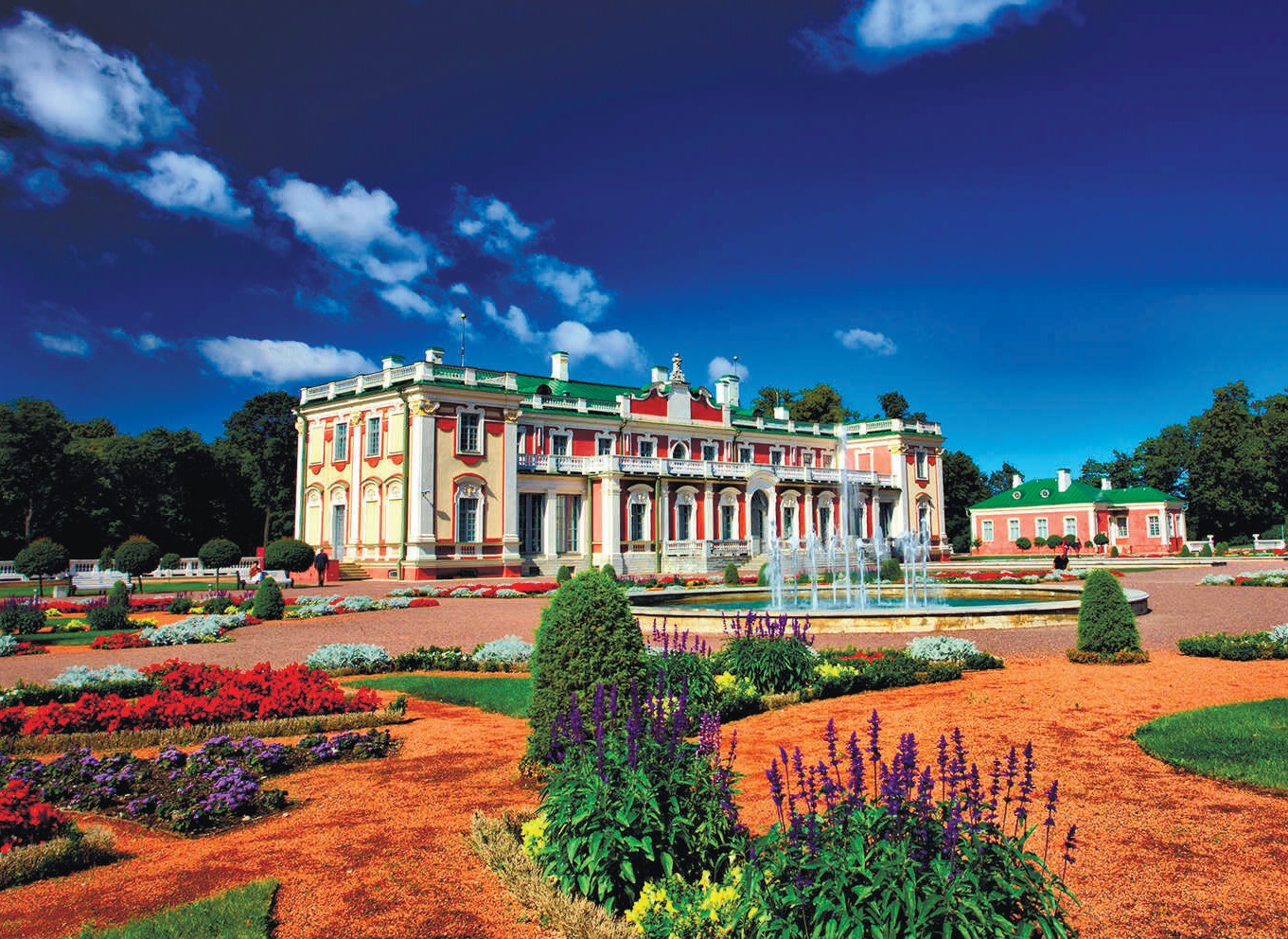
Tallinn is also known for its parks and green spaces. Kadriorg Park with its namesake palace, built by Peter I, is an excellent place for a walk. The palace now serves as an art museum and the park delights with calm and well-kept avenues.
You can then head to the coast and walk along Pirita, where the Olympic centre built for the 1980 Games is located. If time allows, visit the Baltija market to sample Estonian products and buy souvenirs. In the evening head to Sadama quay or one of the bars serving local craft beer.
From legends to panoramas: tours for every tourist
Many tourists prefer ready-made tours around Tallinn and its surroundings. There are many short walking and overview tours of the city (2–4 hours). Such excursions suit those short on time or wanting a general impression. A 2-hour guided walk of the Old Town costs about 20 euros per person. A 1.5-hour walking tour with tales on the Ghost and Legends Tour costs roughly the same, about 20 euros. A 4-hour bike tour of the Old Town with a visit to Kadriorg or Kalamaja is around 45 euros.
Combined tours include a coach overview, walks through the historic centre and sometimes a trip to the sea or parks. The Tallinn Grand Tour, 3.5 hours, costs approximately 60 euros per person. Private panoramic coach-and-walk tours from Nordic Experience are pricier: cost depends on duration and group size. A 4-hour excursion may be expensive for 1–2 tourists but becomes much cheaper per person in groups of 6–10.
Day trips outside Tallinn suit those who want to see nature, national parks and the coast. A 7–8 hour tour to Lahemaa National Park costs about 95 euros. A 6–7 hour trip to the coast and the flooded Rummu quarry is 89–95 euros, and a 9-hour excursion to Prangli Island is 90–100 euros.
Language will not be an obstacle for most tourists in Tallinn. Most residents speak English fluently, and the older generation often understands Russian.
"Alcohol tourism" of the Gulf of Finland
One of the most popular trips for tourists and locals is the ferry crossing from Tallinn to Helsinki. The two cities are separated by about 80 km of the Gulf of Finland, and the sea crossing takes 2–2.5 hours. This makes it possible to visit the neighbouring capital and return in one day.
Several large ferry companies operate on the route. The best known are Tallink Silja Line, Viking Line and Eckerö Line. They offer day and evening sailings, so travellers can choose convenient times. Ferries are large and comfortable with restaurants, bars, duty-free shops and entertainment programmes; some vessels resemble small cruise liners.
Ticket prices depend on time of day, day of week and season. On average a one-way ticket costs 20–40 euros, and round-trip discounts often apply (about 50 euros return). There are different fare types: from simple economy seating in a communal lounge to cabins and additional services.
These crossings are popular not only with tourists but also with Finns. Many Finns come to Tallinn specifically for shopping. The main reason is price differences, especially for alcohol. Alcohol is noticeably cheaper in Estonia than in Finland, so Helsinki residents often take an early ferry, spend a few hours in Tallinn shopping in stores and supermarkets, and return in the evening. This "alcohol tourism" has long become a familiar practice. Many Tallinn shops have adapted and offer special packaging and discounts for Finnish shoppers. Thus the ferry trip becomes not only leisure but also real savings for many visitors.
For ordinary tourists these ferries are a quick and inexpensive way to reach Helsinki from Tallinn, a handy way to expand an itinerary. In a few days you can see two capitals and compare the atmosphere of the Old Town with that of a modern northern metropolis.
From fish soup to cider: what to taste in Estonia
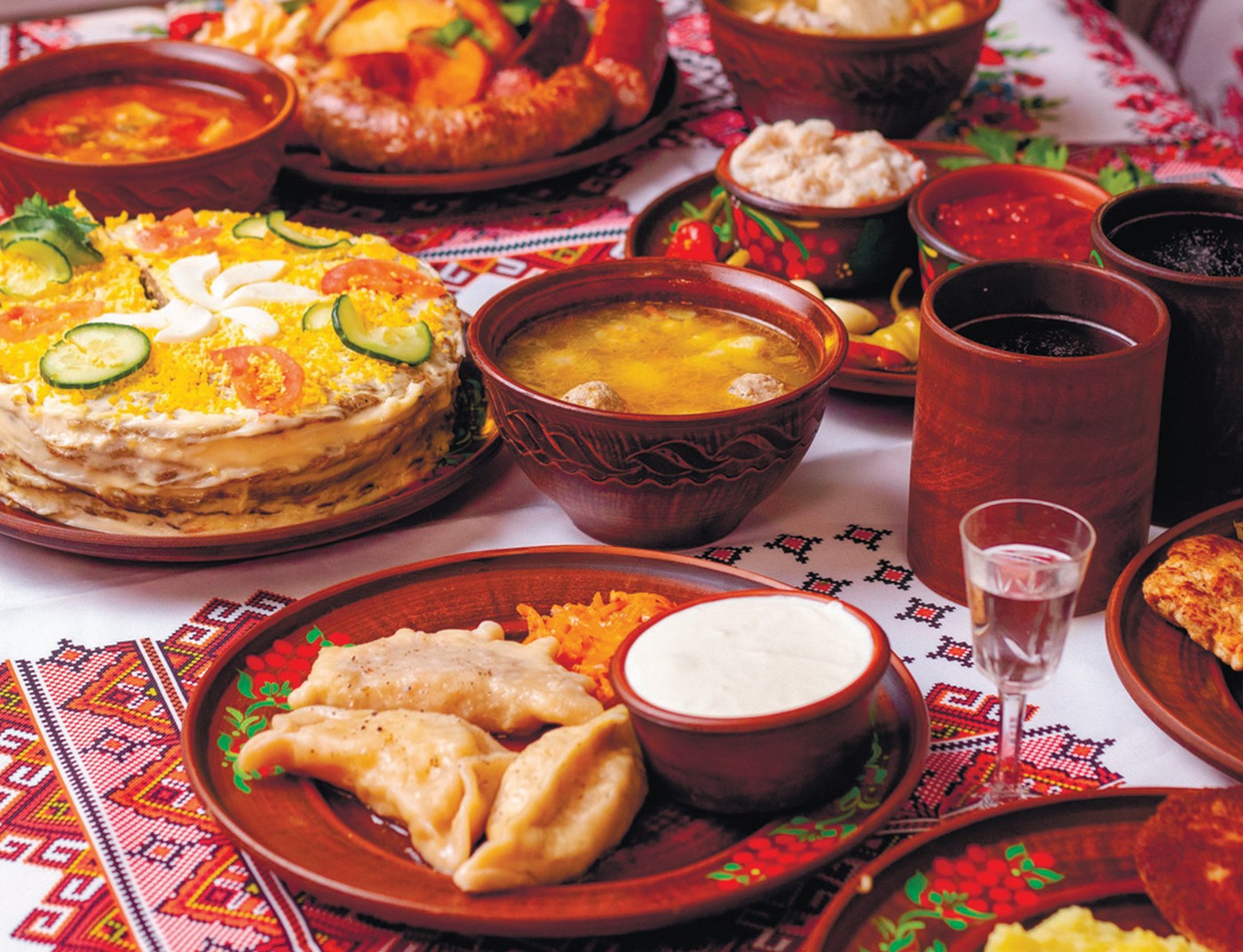
Estonian cuisine reflects its history and geography. It shows Finnish, German and Scandinavian influences while retaining its own character. Staples are simple and accessible ingredients: fish, meat, potatoes, cabbage, grains and dairy. In recent years Tallinn’s restaurant culture has grown, so alongside classic dishes you will find modern interpretations.
Traditional Estonian flavour is closely linked to fish. Herring, smoked cod, eel and Baltic herrings are served as cold starters. In coastal areas fish soups and pies are popular. Meat lovers can try pork prepared in many ways: stewed with cabbage, baked in pots or grilled. Venison and game are rarer but appear as delicacies in restaurants.
Soups are essential to the cuisine. Pea soup with smoked meat and thick vegetable soups are popular in cold months. In bread culture Estonia is close to Latvia and Finland: you will find dense rye bread served with soups and starters.
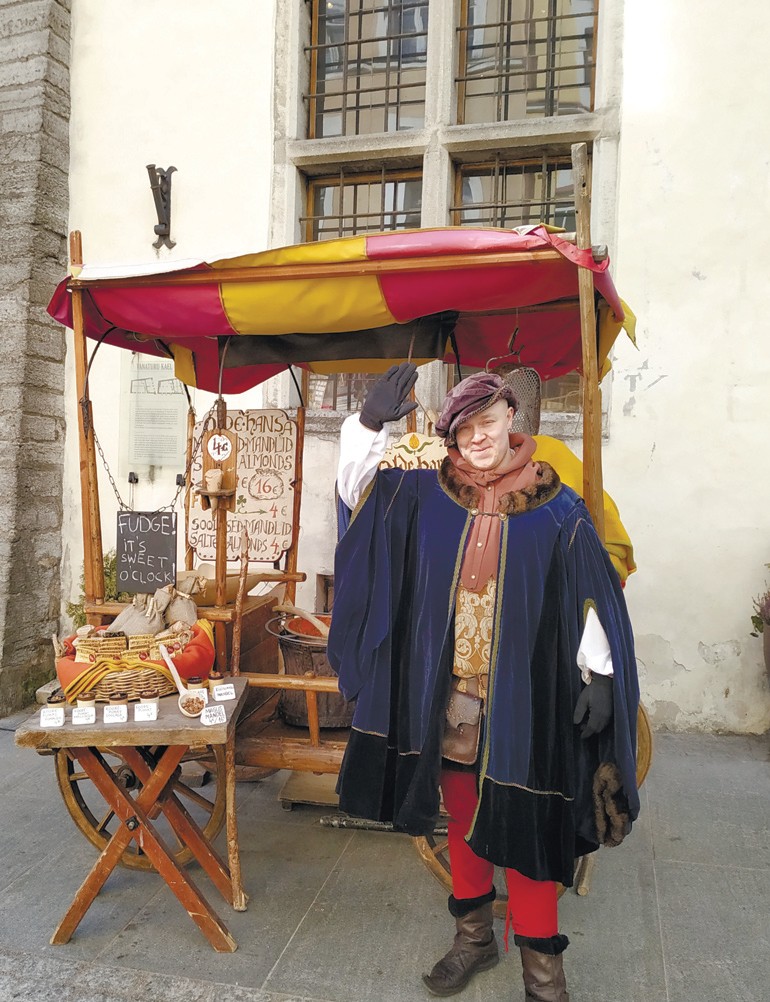
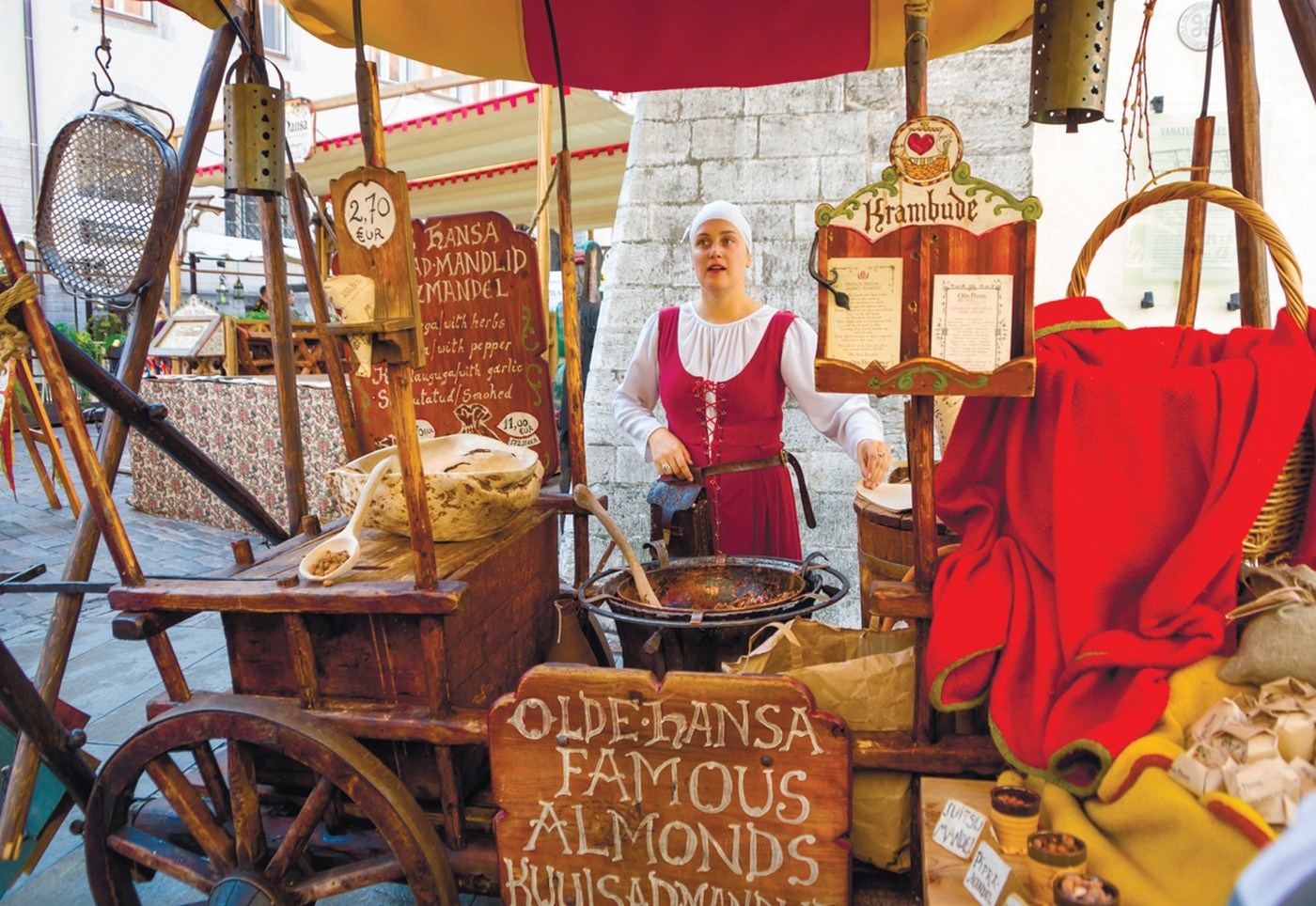
In Tallinn seek out restaurants serving dishes according to old recipes. In the Old Town there are medieval-style establishments where you can taste stews, cabbage pies seasoned with spices and beverages based on 15th–16th-century recipes. The atmosphere transports you to the past and makes dinner part of the travel experience.
The drink culture deserves attention. Estonia has a growing craft-beer tradition and many breweries in Tallinn. You can sample pale and dark beers (2–4 euros) flavoured with herbs, berries and spices. Cider made from local apples has been gaining popularity in recent years.
Vana Tallinn is the country’s signature liqueur. Sweet with notes of cinnamon, vanilla and citrus, it is often served in cocktails or as a digestif. It is sold in many shops and the airport in souvenir sets, so tourists often buy it as a gift.
You will be pleasantly surprised by prices and flavours at one of Tallinn’s most popular, inexpensive food chains — Lido — which serves traditional cuisine in a self-service format. Many restaurants also offer set business lunches at fixed prices. Bear in mind that evening prices are higher, especially in the Old Town where many venues cater to tourists.
Another place to visit is the Baltija market, where you can find fresh produce, farm cheeses, smoked goods and fish. The pavilions house cafés and small restaurants offering Estonian and international dishes.
Finally, souvenirs. Tourists often bring home Vana Tallinn liqueur, Kalev chocolate, amber and linen products. The Old Town shops sell handicrafts, ceramics and handmade jewellery.
Tallinn is a city where past and future do not compete but befriend one another. It is a city-painting where every street, tower and shadow tells a story. It is a place many want to return to because it has the rare quality of being at once ancient and modern, austere and romantic, cosy and cosmopolitan.
RECOMMEND:
 240
240

