

EMPIRE OF CODE
China builds a digital future despite Washington's opposition
Author: Irina KHALTURINA
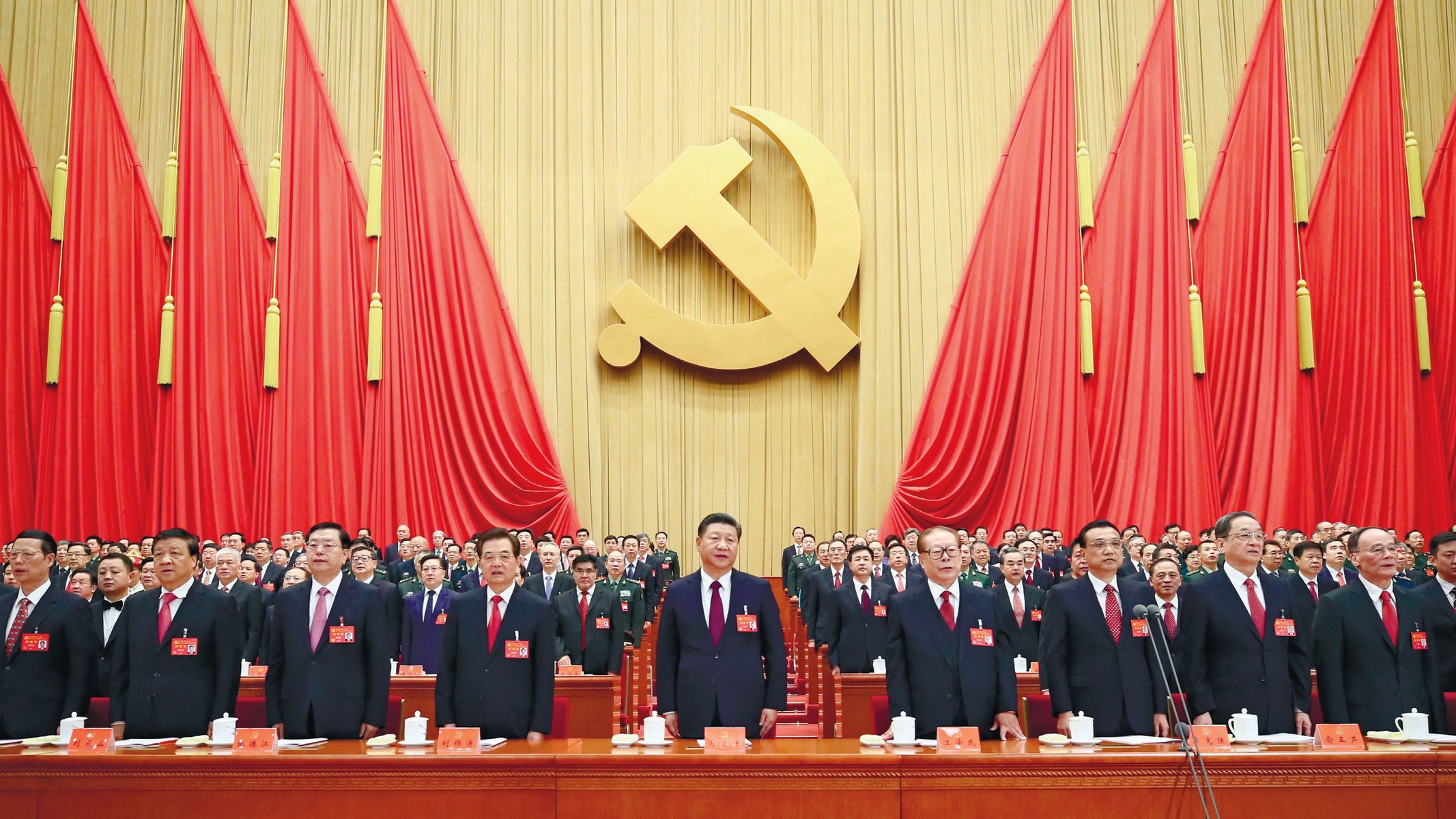
Amidst a bruising trade war with the US and global geopolitical uncertainty, the fourth plenum of the 20th Central Committee of the Communist Party of China drew intense attention worldwide—from journalists, political analysts, government officials, investors and the scientific community. The session produced proposals for the new plan, the 15th five-year plan, a strategic document that will set China's development trajectory from 2026 to 2030. The emphasis is on scientific and technological self-sufficiency, accelerating the "green" transition, modernising defence and stimulating domestic consumption. This is intended to better prepare the country for internal and external challenges.
Towards a "digital China"
The final version of the plan will be presented next spring, after consideration and approval by the National People's Congress. As General Secretary of the CPC Central Committee, Xi Jinping has stated that China has effectively achieved the goals of the current 14th five-year plan, a period he has called "epochal and outstanding" in the country's history. Despite the challenges experienced between 2021 and 2025, including the aftermath of the pandemic and global geo-economic issues, Beijing demonstrated resilience in navigating these difficulties. At the same time, there are a number of domestic economic issues that require attention. The property sector is in decline, deflationary pressures persist, youth unemployment remains high and the population is ageing rapidly. For these reasons, the plenum stressed the importance of the following measures: strengthening and developing the real sector of the economy, creating a powerful domestic market, modernising agriculture, coordinating regional development, promoting a new model of urbanisation and other measures. According to the official communiqué, the next five years will be pivotal in implementing long-term national strategies and a crucial phase of transition, during which China will establish a robust foundation for achieving its strategic objective of achieving practical completion of socialist modernisation by 2035.
The overarching theme of the new five-year plan is to position China as a global leader in education, science and technology, and human capital development. A key objective is to establish leadership in high technology. This includes quantum computing, new energy sources, biotechnology (new energy sources, hydrogen energy, new materials, etc.), artificial intelligence, including brain-computer interfaces. The aim is to construct a "digital China".
National security is another pivotal element, directly linked to the development of new technologies. High-tech industries play a pivotal role in strengthening China's technological advantage and enhancing productivity, thereby driving overall economic growth. Additionally, they contribute to the development of economic and technological autonomy, which is a crucial element in shaping global influence. This meeting occurred in the context of rising tensions between China and the US, primarily concerning trade and technology. The US recognises its mutual dependence with China and is therefore seeking to reach agreements, but is also determined to contain China's development. Otherwise, negotiations will increasingly occur on Beijing's terms or, at minimum, on an equal footing, a situation to which Americans are not accustomed. Certain key US industries are already experiencing challenges due to China's countermeasures. The situation can be summarised as follows: Washington has imposed restrictions on the sale of computer chips and advanced software to China, while Beijing has responded by leveraging its dominance in the mining and processing of rare earth metals (REMs). It is therefore difficult to disagree with the view that "high-tech industries are not only an engine of economic growth but also a shield against external pressure." Indeed, given the critical importance of rare earth metals for a wide range of civilian and defence technologies, including smartphones, electric vehicles, fighters, radars, missiles and drones, there is a strong likelihood of supply chain disruptions.
The green agenda
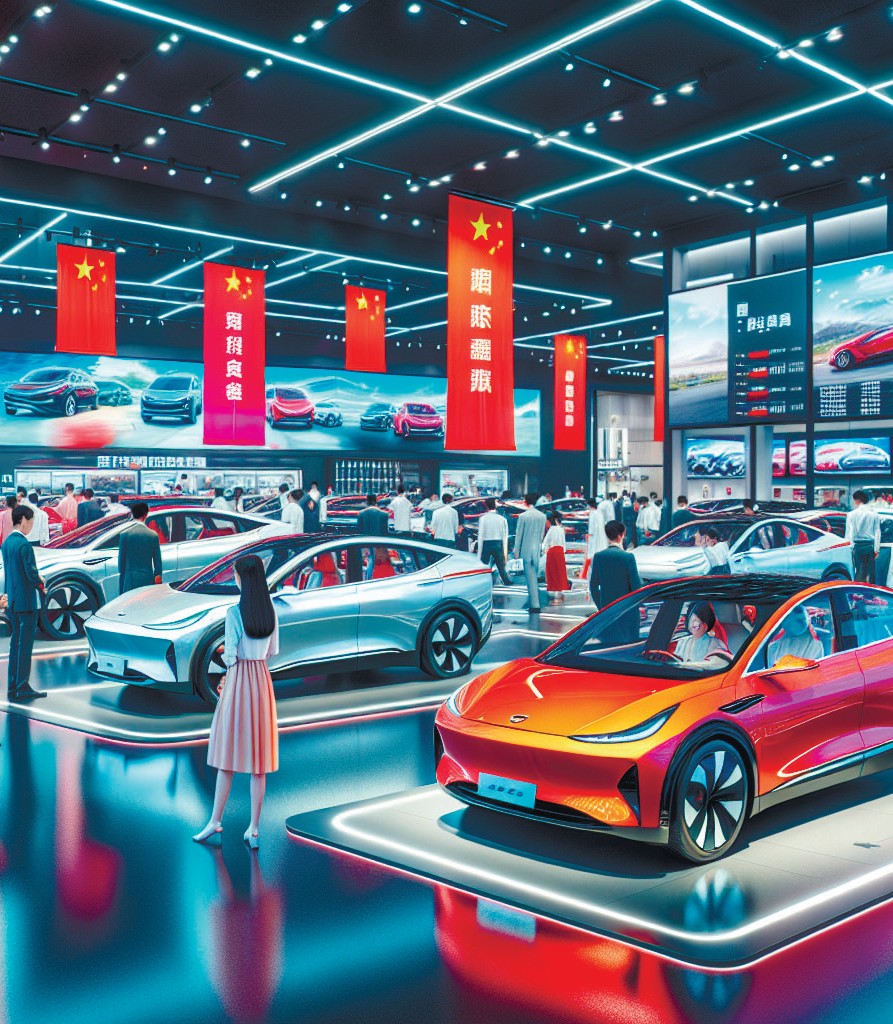
As part of the current 14th five-year plan, the People's Republic of China has made significant progress in the field of environmentally friendly technology, positioning itself as a global leader in energy. Beijing is now the leading exporter of solar panels, rechargeable batteries and electric vehicles, and accounts for a third of global investment in clean technologies. For instance, Chinese company BYD overtook American firm Tesla to become the world's largest seller of electric vehicles. It is noteworthy that China has announced plans to begin reducing greenhouse gas emissions in the coming years, after previously insisting on its right to increase them. Consequently, while the US under Donald Trump disregarded the green agenda as a "scam", China utilised it as a means of soft power and long-term economic presence. This is a consequence of Beijing's early concern for access to critical materials and the competitive conditions it has created among domestic producers. The result is that we now have control over a significant proportion of the global REMs extraction and processing capacity.
Electric power is one of the main elements in this cycle. The Chinese model of accelerated electrification is not well suited to Western economies that operate on market principles and reject state intervention. Consequently, Chinese technologies are spreading in developing countries, and with them Beijing's political influence grows. The US is taking measures to address the national security concerns associated with China's dominance in the REMs market. For the time being, however, this remains a significant bargaining chip for Beijing, which recently tightened its own export controls on this strategic commodity. It is important to note that, in the context of these developments, China continues to advocate for "expanding openness to the global community", defending multilateral trade, and promoting the "Belt and Road" initiative. In summary, the Chinese capital has repeatedly conveyed its openness to engaging in constructive dialogue with the United States, emphasising the importance of mutual respect and equitable conditions for such interactions.
A purge in the army
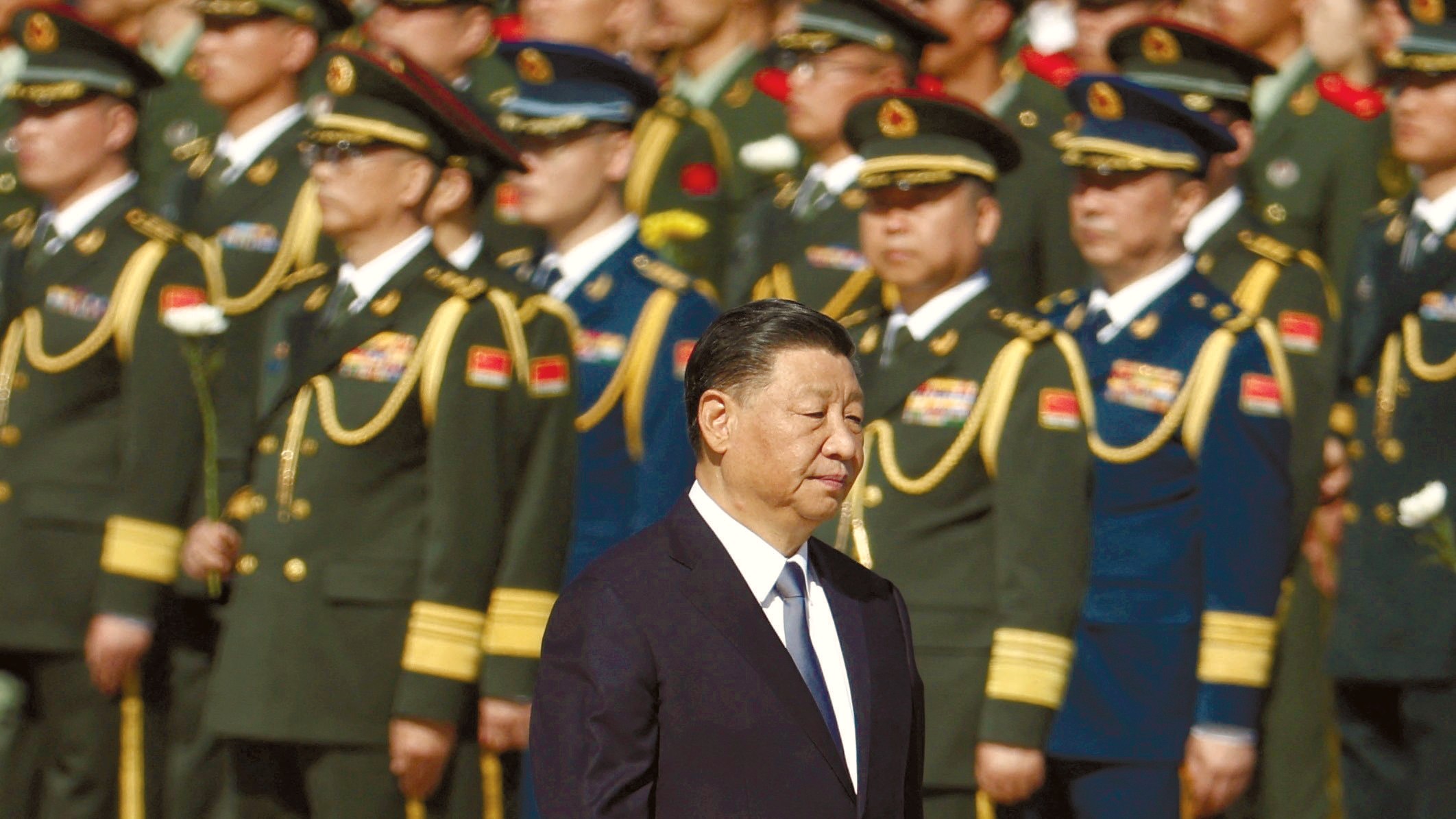
The plenum paid particular attention to the modernisation of national defence and the armed forces. China has recently undertaken significant purges, extending beyond party officials accused of corruption to encompass military leadership. Prior to the plenum, authorities announced investigations into generals of the People's Liberation Army accused of corruption or violations of party ethics. General He Weidong was among those expelled from the party. He was charged with corruption and abuse of power. He had served as first vice chairman of the Central Military Commission, the army's second-ranking official after Xi Jinping, and was a member of the Politburo, the Party's highest decision-making body. In addition, last year the party expelled Admiral Miao Hua, who headed the political department of the armed forces; Wang Xubin, first deputy director of the Joint Command Centre of the CMC (Central Military Commission); Lin Xiangyang, commander of the Eastern Theatre Command; Wang Haobin, commander of the Rocket Forces; and others. Xi Jinping initiated an anti-corruption campaign in 2012, and it has now expanded to encompass the military. In the face of external challenges, it is imperative to modernise the army as expeditiously as possible. This necessitates not only the mechanisation, informatisation and intellectualisation of the armed forces, but also the enhancement of morale, cohesion, psychological preparedness and motivation. In light of potential conflicts, particularly in the Taiwan Strait and the South China Sea, it is imperative to eliminate any potential vulnerabilities.
As the plenum communique emphasises, the country remains in a complex phase of development, where significant opportunities coexist with serious risks and external uncertainty continues to rise. Despite its robust economic foundations, considerable resilience and significant potential, China is confronted with a multitude of risks and uncertainties. Beijing is evidently keen to be fully prepared for all challenges, whether mounting global pressure, domestic issues or the rapid technological race with the US.
RECOMMEND:
 174
174

