

FOUR EUROPEAN SUCCESSES
Triumph of Azerbaijan's U-23 Team: leader among 37 countries
Author: Sanan NADIROGHLU
On November 1-2, the European U-23 Judo Championship (for athletes under 23 years old) took place in Chisinau, the capital of Moldova. The tournament drew attention for its intense competition and high level of rivalry. The U-23 event also provided insights into who might represent the main national teams in the coming years.
Leading Europe
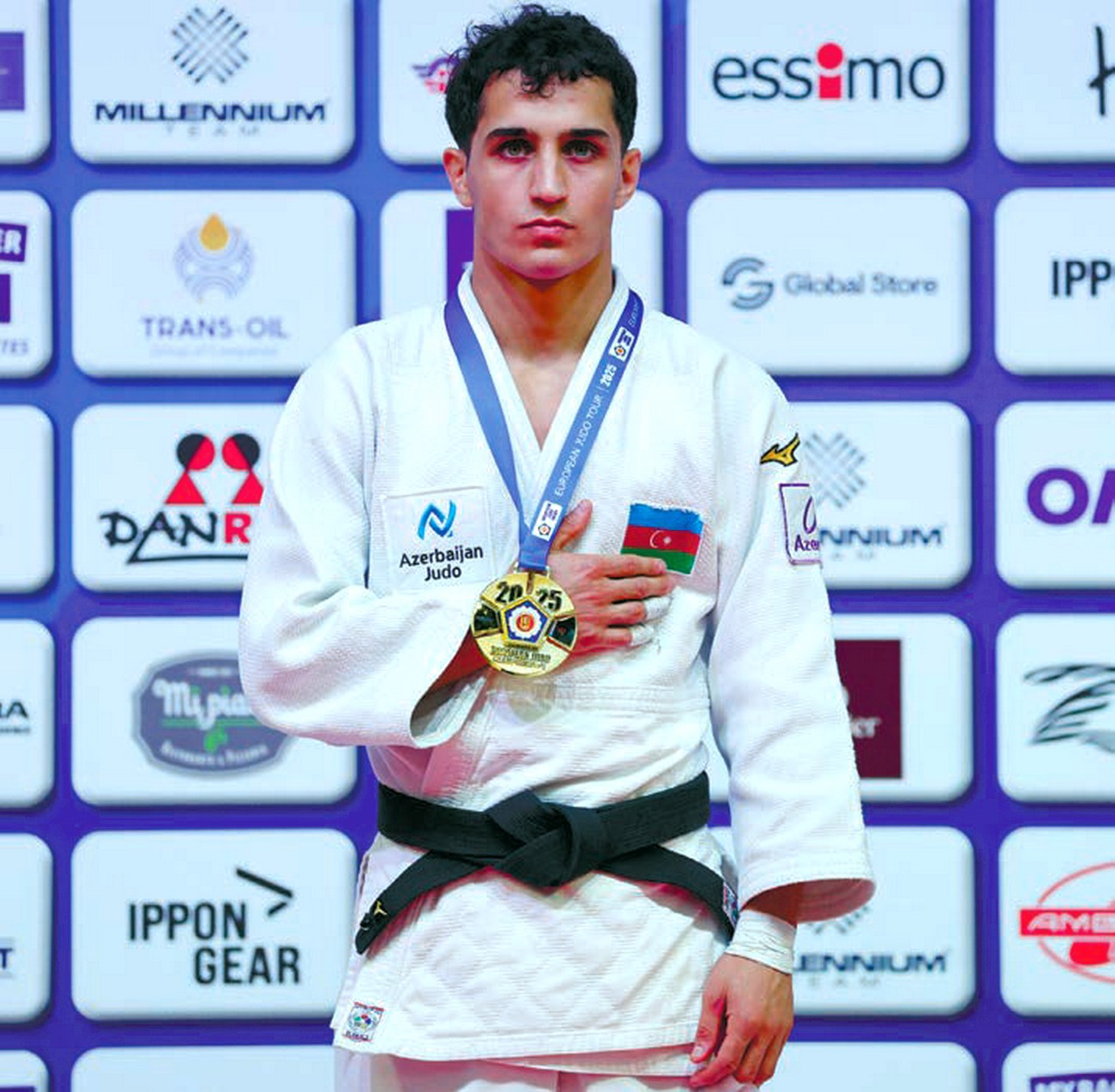
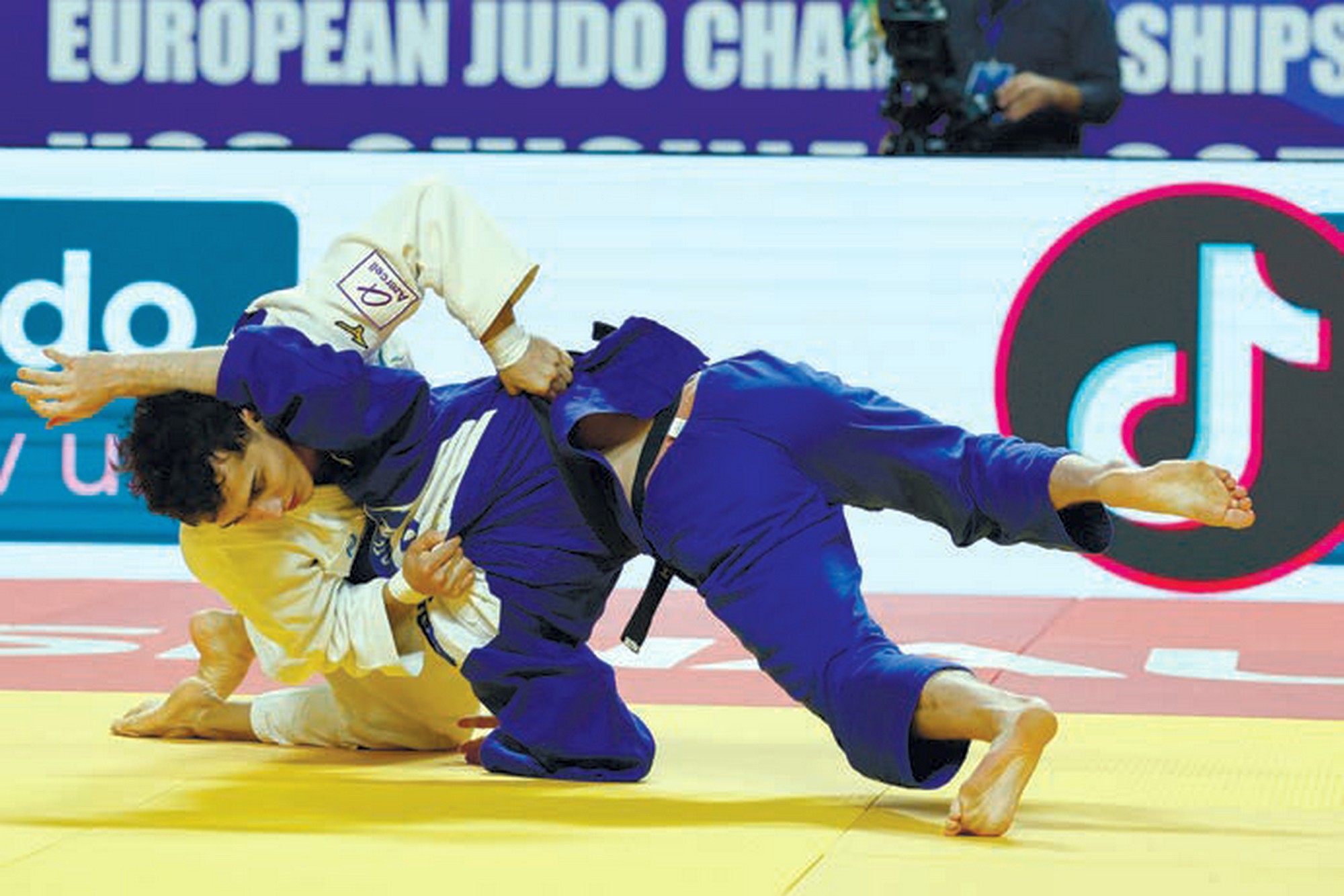
On the very first day of the championship, Azerbaijan secured a medal. In the under 66 kg category, Islam Rahimov became the European champion among U-23 athletes. In the final, he defeated Dutch competitor Johem van Harten and was awarded the gold medal. Unfortunately, other Azerbaijani athletes—Murad Muradli and Huseyn Allahyarov (both 60kg)—finished their matches without medals.
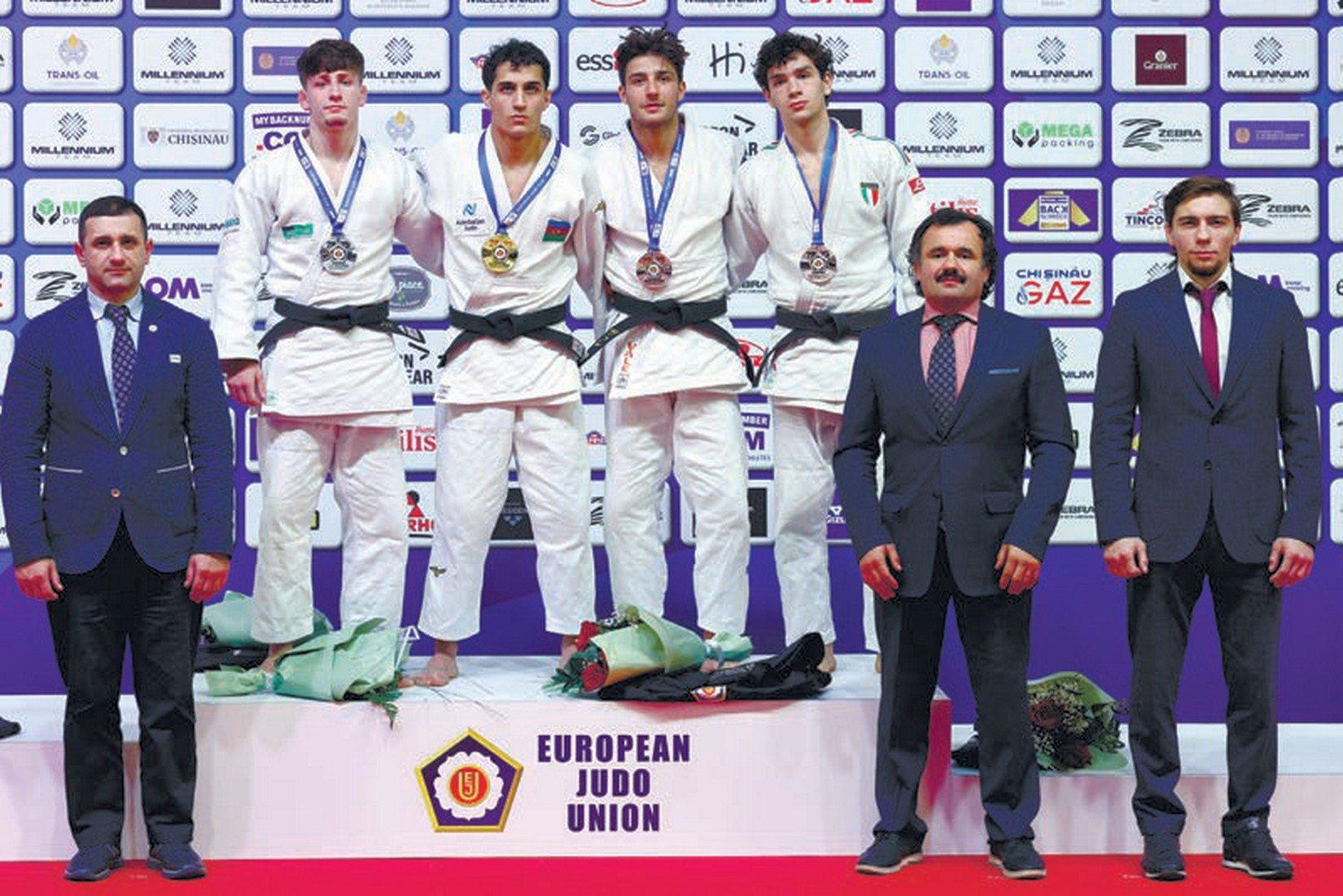
Successes continued on the second day, with the national team adding more medals to their collection. In the over 100 kg category, Kanan Nasibov triumphed over all opponents to become European champion. Omar Rajabli (81 kg) earned silver, and Aslan Kotsoev (90 kg) took bronze. It is worth noting that for the first time in Azerbaijani judo history, athletes in the under 66 kg and over 100 kg categories became European champions among U-23 competitors.
In total, Azerbaijan’s team won four medals: two golds, one silver, and one bronze. This achievement allowed them to take first place both in the overall team standings and among men. Despite only male athletes participating, the team became leaders among 37 countries.
Inspiring outcome
The coach of Azerbaijan’s youth team, Elkhan Rajabli, expressed satisfaction with his athletes’ performances. In an interview with Region Plus, he highlighted both positive and negative aspects:
"Islam Rahimov has faced many challenges in his career. Injuries and psychological factors have hindered him. His victory at this championship and the gold medal show that he has overcome these difficulties. Regarding Kanan Nasibov, we must remember his extensive experience. Previously, he placed third at the European Championship and won silver at the World Championship. His success at this tournament brings great joy. Competition in the heavy weight category is generally lower, but Kanan’s physical capabilities allow us to expect strong performances from him. Having such a champion in the heavy division gives hope to the coaching staff.
As for Omar Rajabli (81 kg), I was dissatisfied with the final match. In my opinion, the judges should not have awarded a yuko to his Italian opponent. Omar sustained an injury in his second bout and competed with this injury throughout almost the entire tournament. The Italian opponent, Parlati, is a strong athlete, but Omar should have won the final. If he lost, it means he made mistakes that need to be addressed. The positive aspect is his consistent fighting and regular medal wins; the negative is the absence of gold. In most competitions, Omar earns silver or bronze. This year was his last in U-23 competitions. Starting in 2026, he will compete in adult tournaments. Given the strong competition within the national team, he needs to work harder on himself."
Azerbaijan as a world judo hub
The four medals won by Azerbaijani judokas at the European Championship in Moldova demonstrate confident progress of young athletes toward joining the main national team. Considering the fierce competition within the main squad, not all young athletes will succeed at the adult level. The Azerbaijani team includes Olympic, world, and European champions; therefore, securing a place requires confidently competing against highly accomplished teammates.
In 2026, Azerbaijan will become a world judo hub. Baku will host the World Judo Championship for adults for the second time. As hosts, we will have the opportunity to field two athletes in each weight category, so they must be thoroughly prepared for this prestigious event.
It should be noted that according to the International Judo Federation’s decision, the World Championship in Baku will take place from October 4 to October 11, 2026. The original dates were changed to avoid overlap with other international sporting events and to ensure broader television coverage of the tournament. Individual competitions will be held from October 4-10, followed by mixed team contests on October 11. The event is planned to be held at the National Gymnastics Arena.
RECOMMEND:
 201
201

