
CROATIA, A LAND YOU WANT TO EMBRACE
When islands whisper: a journey through Kvarner and Istria
Author: Elchin HUSEYNOV, Baku-Istria-Baku
In 2025, Croatia stands as one of Europe's most brilliant tourism gems. The crystal-clear Adriatic Sea, picturesque islands, ancient cities, majestic amphitheatres, and world-class nature reserves make it a true dream for travellers. Here, everyone will find something to their taste: from historical sightseeing tours to active recreation and gastronomic discoveries.
The country is famous not only for its landscapes but also for highlights of a global scale. It was here in Croatia that the necktie, which conquered the entire world, was invented. Croatian inventions also include alternating current (Nikola Tesla), the ballpoint pen (Slavoljub Penkala), the first naval torpedo (Ivan Lupis), and the parachute (Faust Vrančić). Today, Croatians are known for their traditions of winemaking, the production of high-quality olive oil, and culinary delights—from truffle delicacies in Istria to fresh seafood on the coast.
For many years, Croatia has remained one of the most popular locations for filming world cinema, thanks to its picturesque landscapes and architecture. This is where the cult series Game of Thrones was filmed, as well as scenes from the movies Troy, The Witcher, and Westworld. The country has become a veritable cinematic treasury of Europe, where history and cinema merge into one.
The capital, Zagreb, attracts tourists with the charm of its old town, museums, festivals, and cosy cafes, creating the unique atmosphere of a Central European capital with a Croatian flair. Split is a city where the history of Ancient Rome meets modern life: the famous Diocletian's Palace, lively embankments, and local markets. Plitvice Lakes—a national park mesmerising with its cascading waterfalls, turquoise lakes, and pristine nature—attracts hikers and photographers. Dubrovnik is famous for its fortress walls, narrow cobbled streets, and views that never cease to amaze.
In recent years, Croatia has continued to gain increasing popularity as a tourist destination. In 2024, more than 21.3 million tourists visited the country—4% more than the previous year. And this is despite the fact that the country's population itself is approximately 3.9 million people. The total number of overnight stays amounted to over 108.7 million, 103.3 million of which were in coastal regions.
Among the main sources of the tourist flow are Germany, Austria, Slovenia, Poland, and the United Kingdom. The majority of tourists reach the Croatian islands by car—about 65%. The road from Europe is an adventure in itself: the journey takes about 7 hours from Munich, 3.5 hours from Austria, and approximately 3 hours from Trieste to Opatija, after which travellers continue along the winding coast or board a ferry with their car, feeling the light sea breeze and admiring the views of azure bays.
On the islands, tourists choose apartments, villas, or campsites—65% of guests prefer the freedom and convenience of independent accommodation. The local streets and piers greet them with the scent of the sea, green pine forests, and fresh pastries from coastal cafes.
And for those seeking calmer corners, Croatia offers dozens of quiet islands and small towns where one can feel the authentic breath of the country, enjoy maritime cuisine, and find seclusion.
Discovering hidden gems
The true magic of Croatia is revealed in its regions. Among them are Istria and Kvarner, where Mediterranean nature, quiet islands, and charming towns create a unique mix of history, gastronomy, and relaxation.
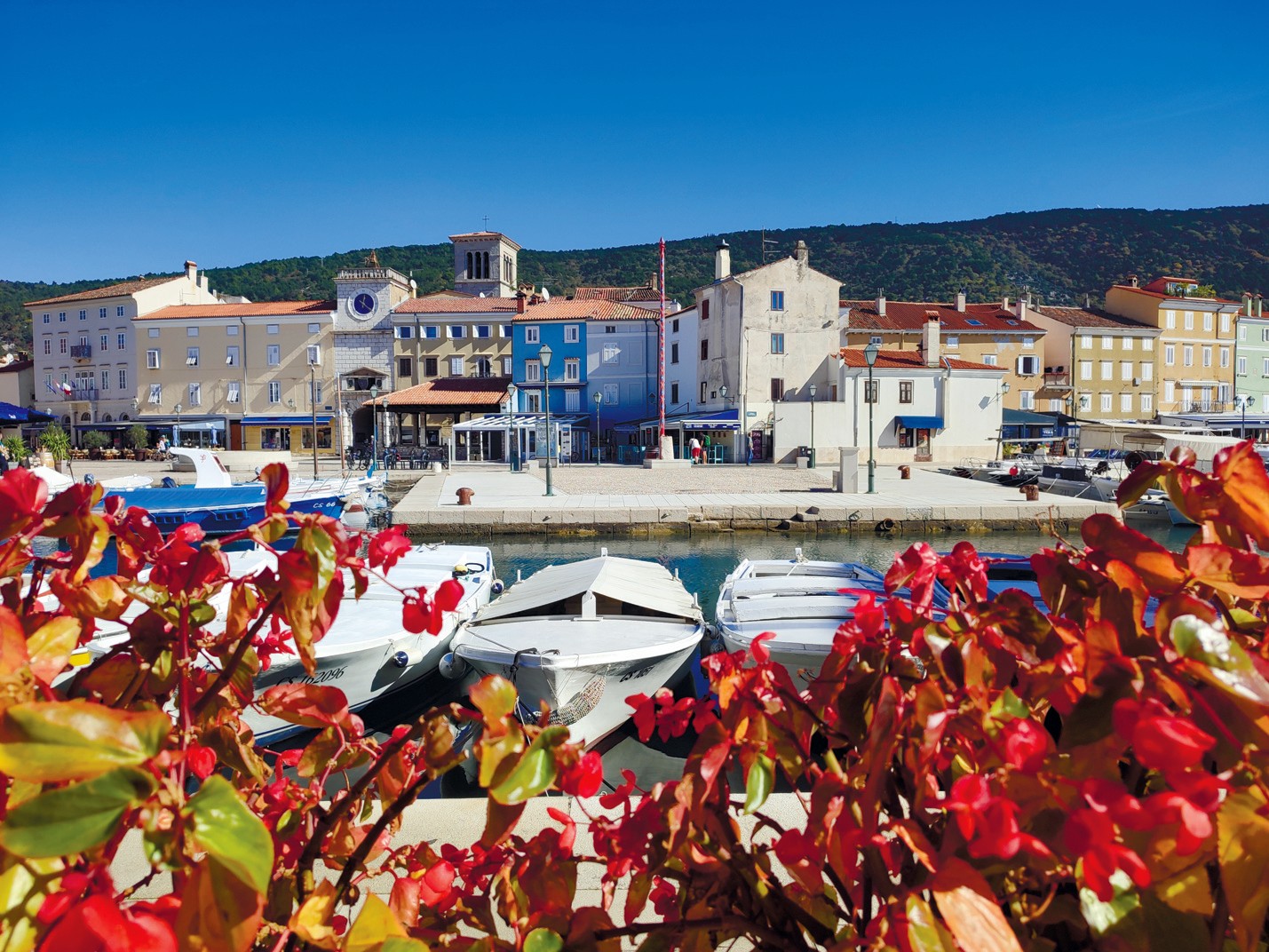
These corners of the country are ideal for travellers who want to feel the authentic atmosphere of Croatia. Along the coast and on the islands, you will encounter medieval streets, cosy ports, olive groves, vineyards, and picturesque bays where you can stop for a beach holiday or simply enjoy the sea air.
It is here that our route begins: from elegant Opatija, through the picturesque islands of Cres and Lošinj, the charming hilly towns of Grožnjan and Rovinj, to the Brijuni archipelago, Pula, and Labin—places where every step promises the discovery of a new facet of Croatian culture and nature.
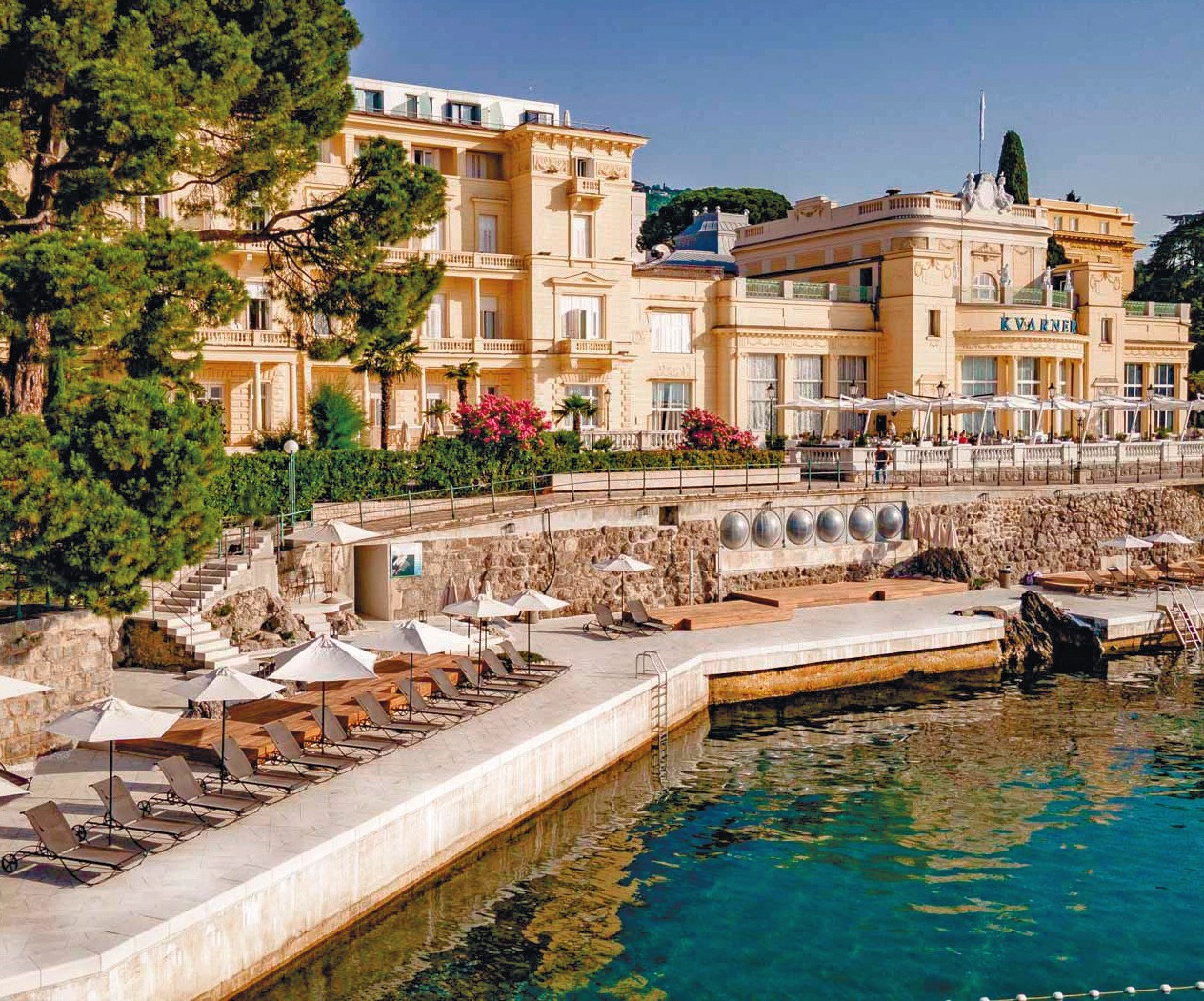
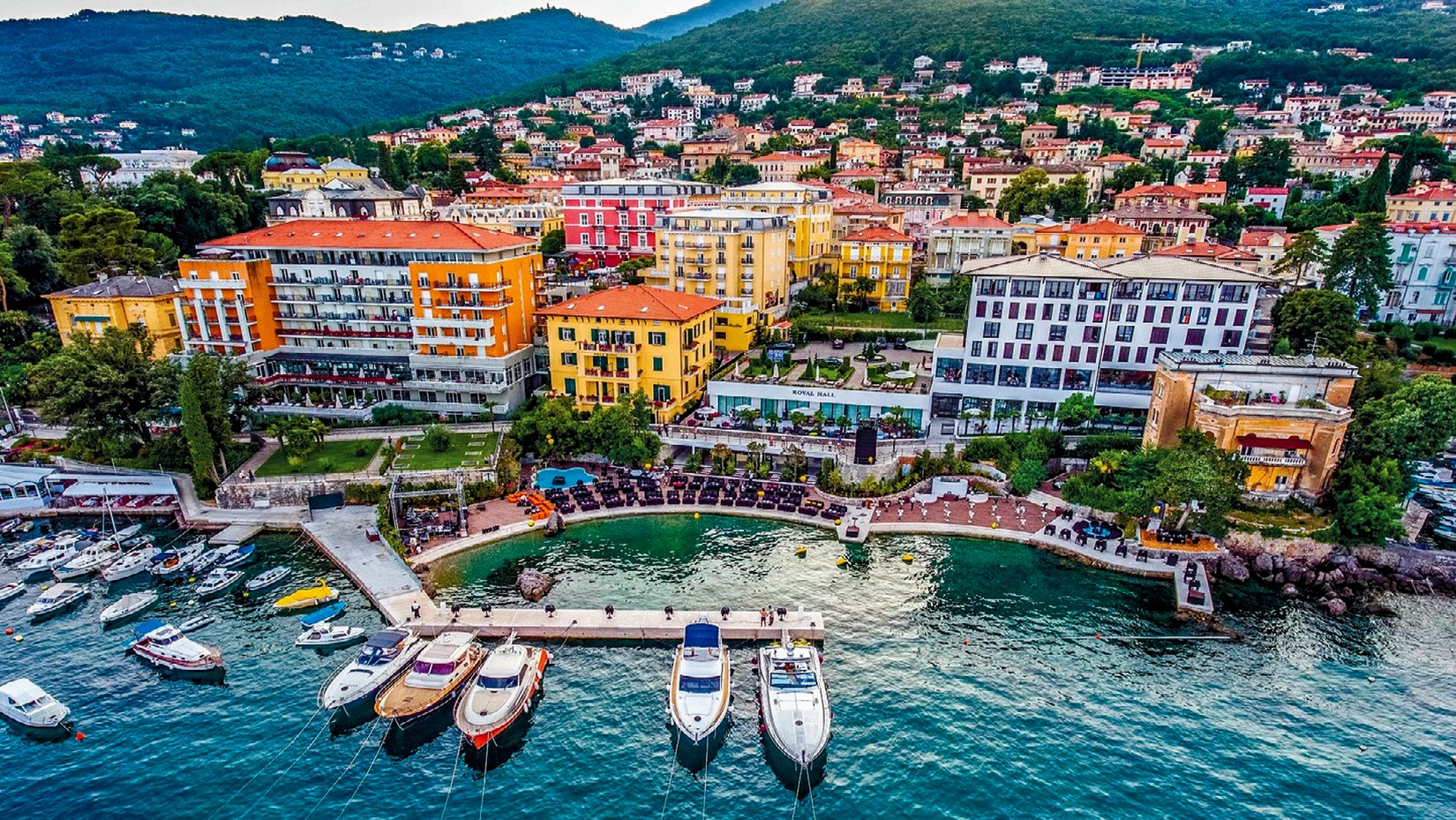
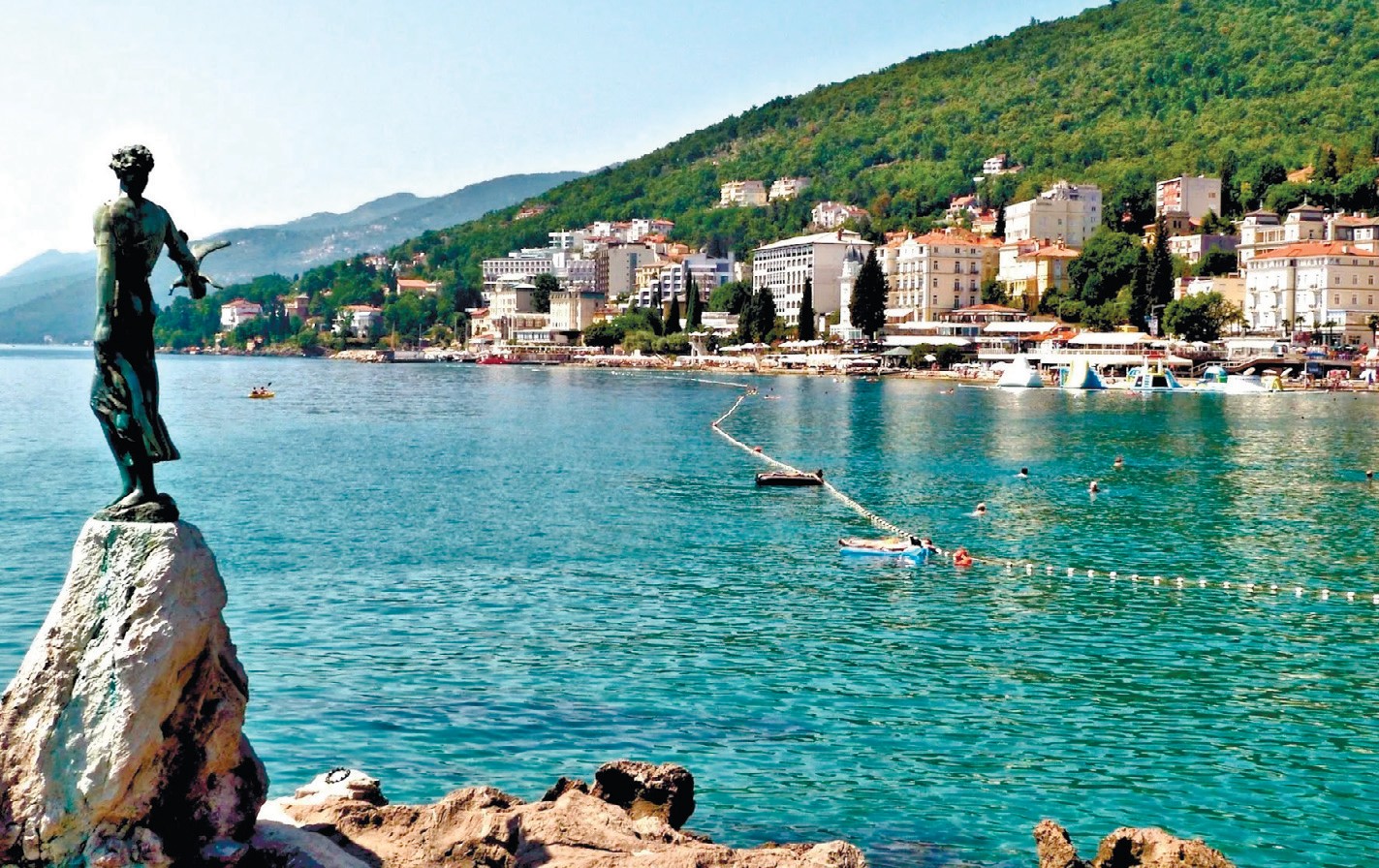
Opatija is a classic of Croatian resorts, a city with a history dating back to the 19th century. The chronology of tourism began on this stretch of the Adriatic: it was Opatija that became the first point where tourists discovered the Croatian coast. The city prides itself on its "firsts": the first hotel where European aristocrats holidayed, the first villa built for wealthy guests, and the first monastery, which became a centre of cultural life. The symbol of the city is the "Maiden with the Seagull" (Madonnina), a statue on a rock by the sea, which has been welcoming guests for two centuries and is considered the true talisman of Opatija. Opatija holds a special place in the history of health tourism: spa resorts for treating respiratory diseases originated here, and the fresh sea air is still considered beneficial for health. The main attraction of the city is the Lungomare promenade, stretching 12 km along the sea. Along the way, tourists can expect parks with exotic plants, architectural delights in the Secessionist style, ancient villas and hotels, as well as numerous cafes and restaurants serving local cuisine. In summer, Opatija comes alive: festivals, open-air concerts, and walks along the illuminated embankment create a truly special atmosphere.
The island of Cres is one of the quietest corners of the Adriatic. It is often bypassed by tourist routes, and this is precisely what makes it a real find for those seeking harmony with nature and tranquillity away from noisy resorts. The nature of Cres is striking in its pristine beauty. Rocky cliffs, picturesque bays, crystal-clear water, and pine forests create the feeling that you have landed on a dream island. Hiking trails and bicycle routes lead through olive groves, vineyards, and small villages where time seems to have slowed down. Traces of medieval settlements, ancient churches, and chapels have been preserved on Cres, and narrow cobbled streets in the villages hold the spirit of the past. One of the symbols of the island is the old lighthouse, which offers breathtaking views of the Adriatic and the neighbouring islands of Kvarner. For tourists, Cres offers a wide range of entertainment. Beach lovers will find secluded bays with transparent water here, ideal for swimming and snorkelling. Fishing and boat trips are another way to enjoy the local nature. However, the best way to explore Cres is to rent a bicycle or a small car.
Lošinj is often called the "island of scents," and this name justifies itself from the very first steps. Citrus orchards, lavender fields, pine forests, and the sea breeze create a unique atmosphere that you fall in love with immediately. The nature of Lošinj is a true paradise for both active tourists and lovers of a quiet holiday. Everything is here: cosy bays for swimming, crystal-clear water for snorkelling and diving, and picturesque trails for hiking and cycling routes. The island of Lošinj is also famous for its biological and cultural uniqueness. It is home to a number of reserves where you can find rare species of plants and birds, as well as museums and historical sites that tell of the island's life in different eras. The Lošinj Marine Education Centre introduces the rich flora and fauna of the Adriatic, while walks along the old ports transport the tourist to past centuries. Holidaymakers can see a true masterpiece of antiquity—the bronze Apoxyomenos, which is almost 2,000 years old. The statue of the athlete was discovered on the seabed in 1996, after which it underwent a complex 6-year restoration and became the main exhibit of the Museum of Apoxyomenos, attracting art and history connoisseurs from all over the world.
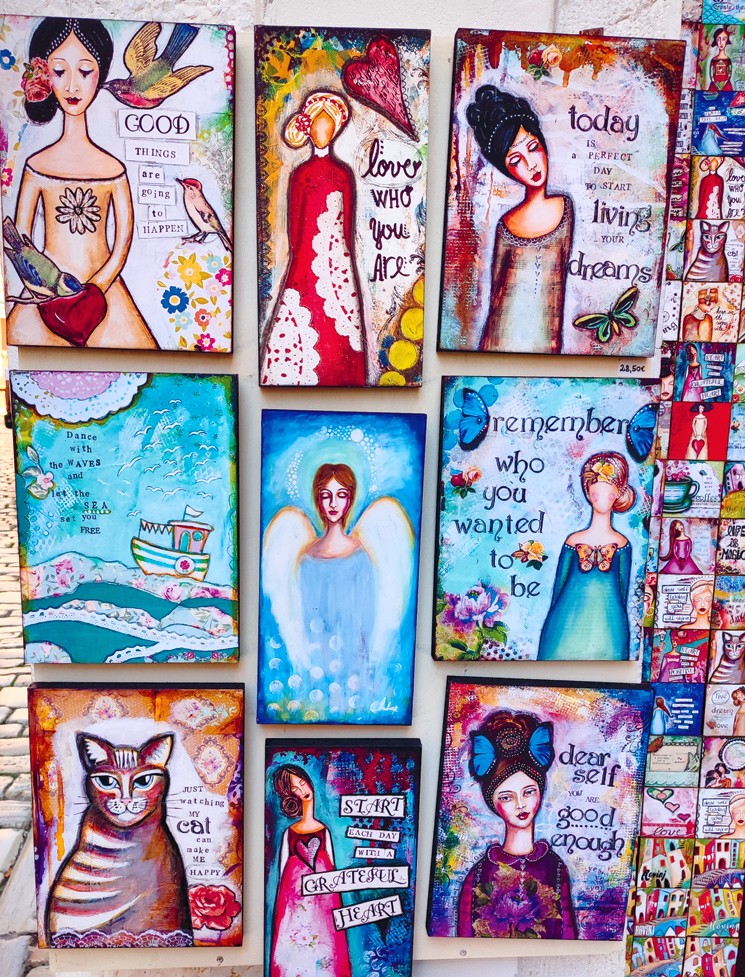
Grožnjan is one of the most colourful towns in Istria, often called the "town of artists." Located on a hill, it seems frozen in time: narrow stone streets, medieval houses, and art galleries create the feeling that every corner of the town is a small open-air exhibition. Grožnjan's history spans centuries. Ancient churches, fortifications, and medieval towers have been preserved here, testifying to the town's strategic importance in the past. Today, Grožnjan has become the centre of the region's cultural life: in summer, jazz festivals, contemporary art exhibitions, and painting masterclasses are held here, attracting artists and tourists. When you stroll through the streets, you can easily sense the atmosphere of creative inspiration. Galleries sit alongside cosy cafes where you can try local delicacies and wine, and observation decks offer stunning views of the Istrian hills and vineyards stretching into the distance.
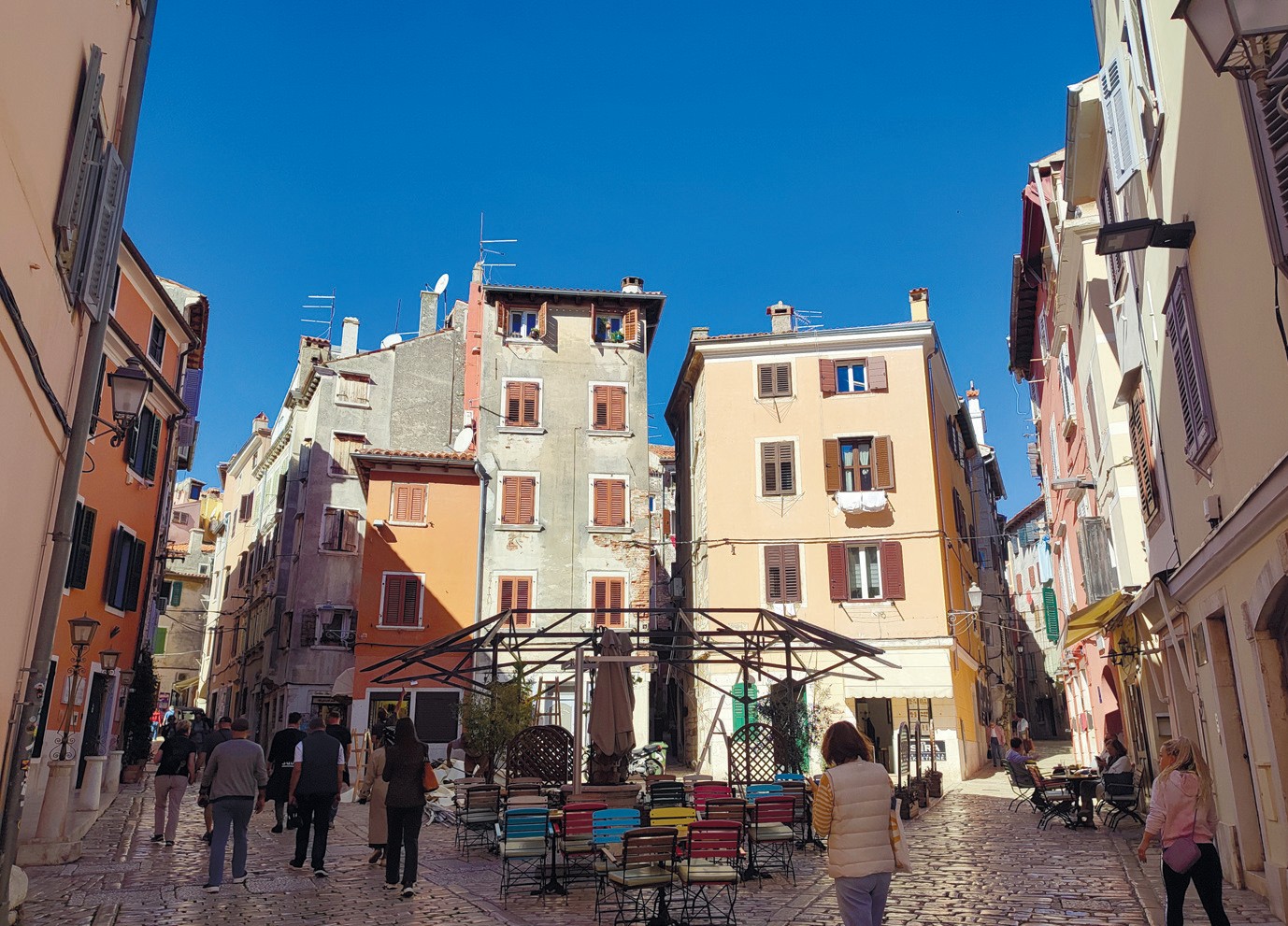
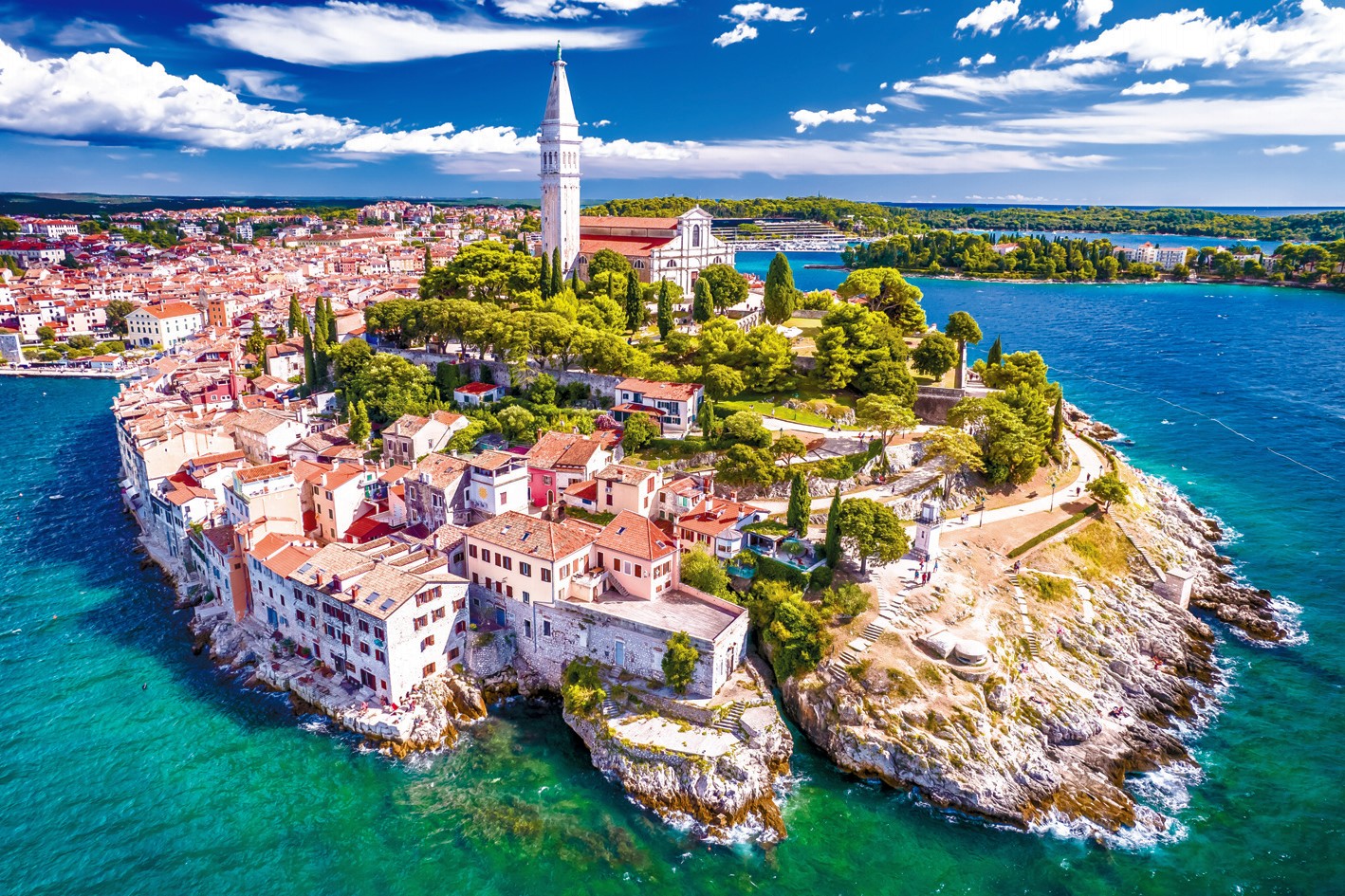
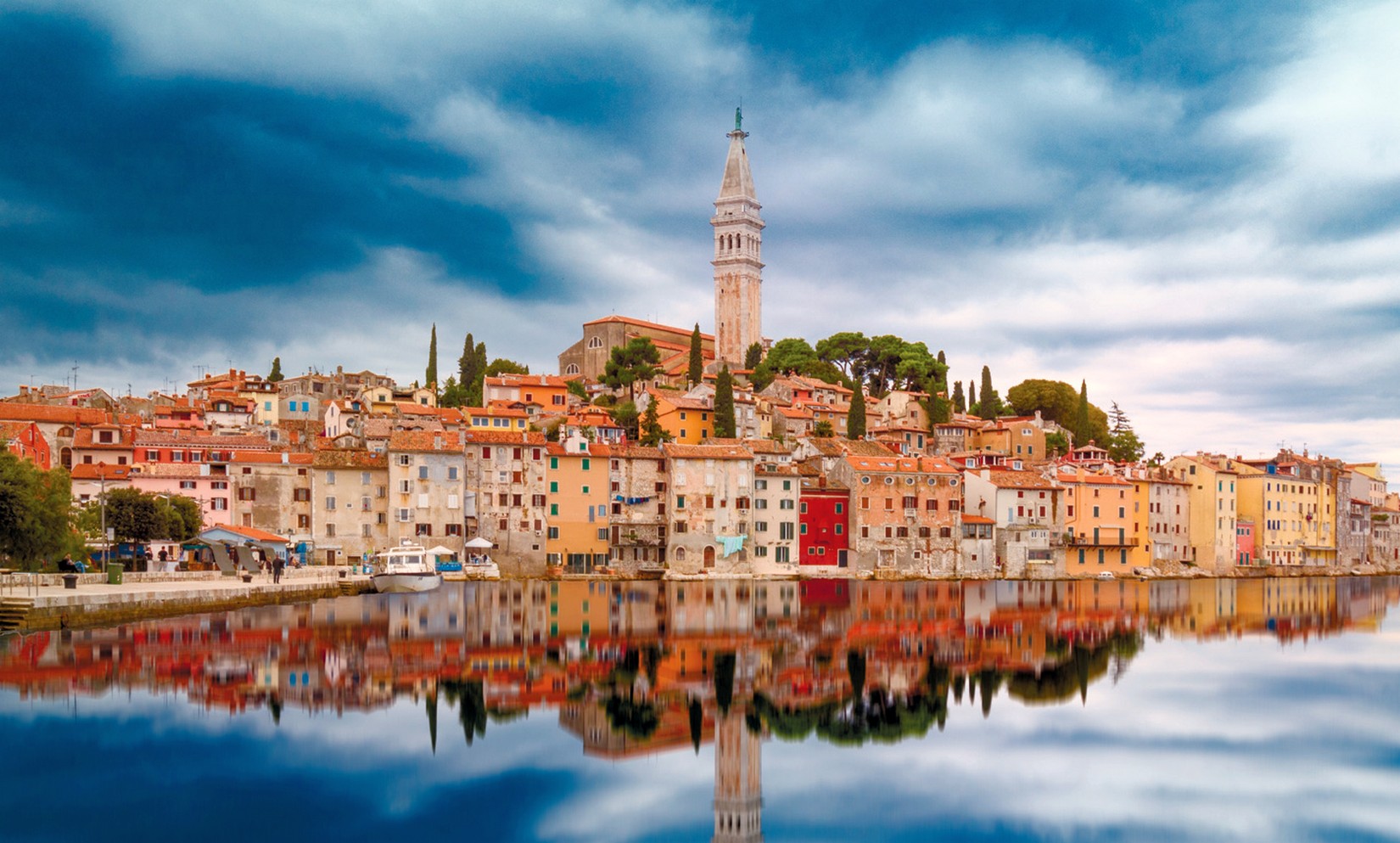
Rovinj is considered one of the most picturesque and romantic towns in Istria, known for its old town on a hill, narrow cobbled streets, and colourful house facades reflecting in the Adriatic bay. The town was founded during the era of the Venetian Republic, and many buildings still recall the style of that time. From here, it is only 2.5 hours by ferry to Venice itself. The town's central square bears the name of Marshal Tito, and its surroundings are full of cosy cafes and art galleries where one can get acquainted with the contemporary art of Istria. The main attraction is the Church of St. Euphemia, towering over the old town. From its bell tower, a panoramic view of all of Rovinj and the bay opens up, making the place a must-visit for tourists. In addition, the town is famous for its narrow streets, which, like a labyrinth, lead to quiet squares, hidden courtyards, and small restaurants serving fresh seafood and homemade pasta.
By the way, in Istria, just a few dozen kilometres from Grožnjan and Rovinj, lies the city of Umag, which has long been a mecca for tennis lovers. Every summer, the Plava Laguna Croatia Open Umag men's professional tournament is held here on sunny clay courts, where spectators enjoy the play of the world's best tennis players against the backdrop of the Adriatic coast. The tournament gives the city a special ambiance—sport, the sea, and the summer sun create a flavour that attracts tourists from the entire region.
Visiting Marshal Tito
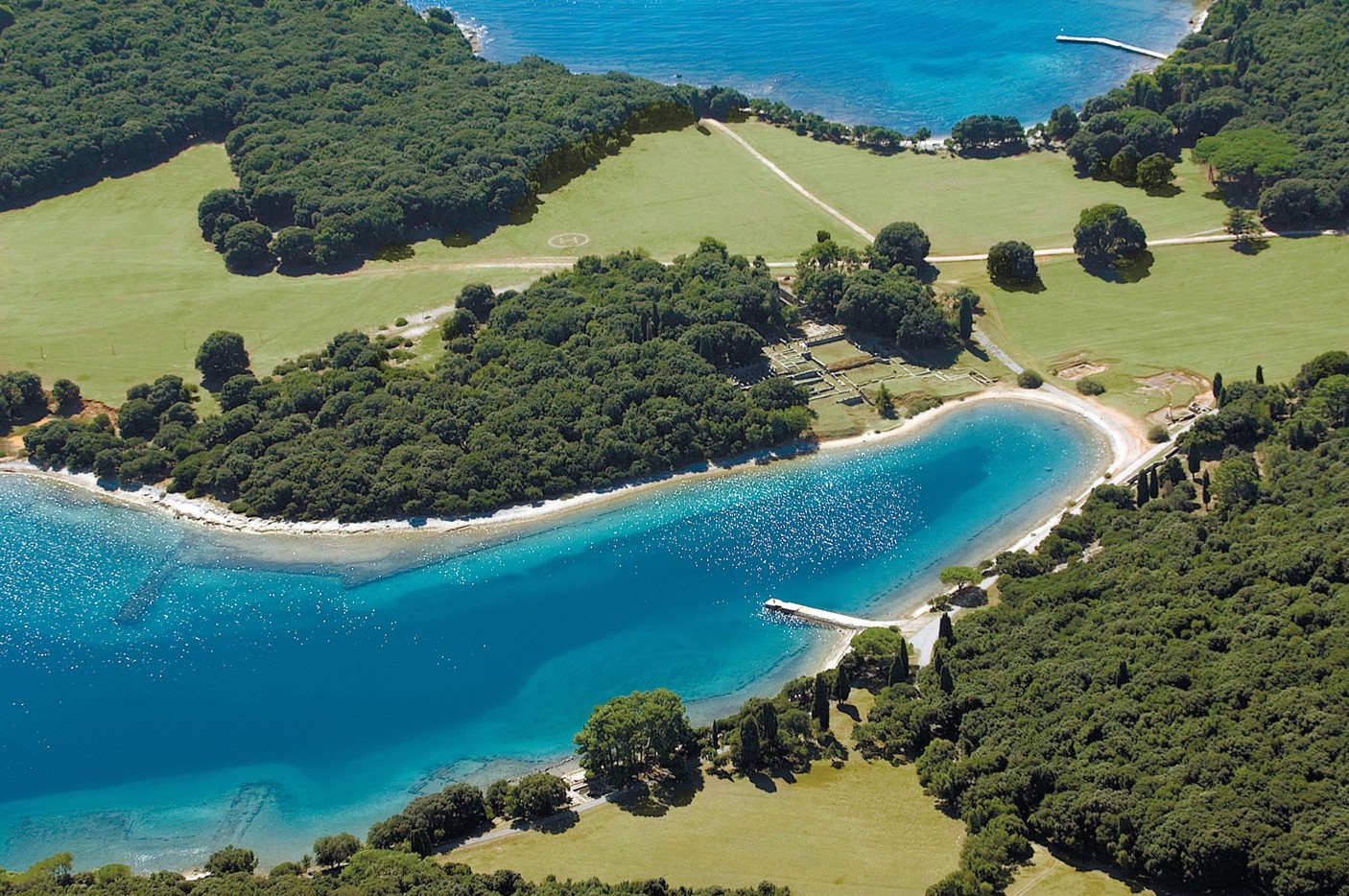
The Brijuni archipelago is a true diamond of Croatia, where history, nature, and luxury relaxation intertwine in one place. These islands were once the favourite holiday destination of the ex-president of Yugoslavia, Josip Broz Tito. Today, they attract tourists with their unique atmosphere, while preserving their privacy and elegance.
The main tourist attraction is the Tito Museum, where one can learn about the life and activities of the legendary leader. It was here that Tito hosted many famous world politicians and prominent statesmen—from Jawaharlal Nehru to Nikita Khrushchev—as well as film stars such as Sophia Loren, Elizabeth Taylor, and Gina Lollobrigida. A tour of the museum transports guests to the mid-20th century, when the islands were the centre of the region's political and cultural life.
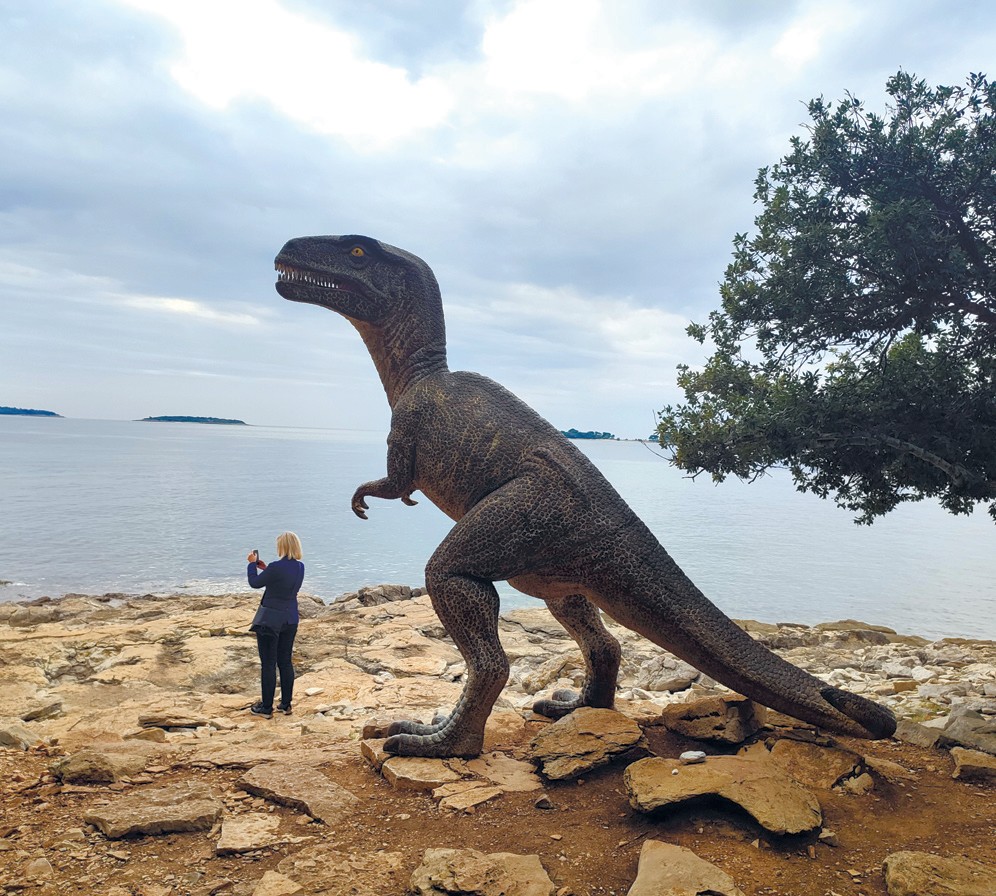
Brijuni is not only history (there are three state residences and two military bases here) but also incredible nature. Rare species of flora (680 species) and fauna have been preserved on the archipelago, and walking around the islands resembles a journey into a nature reserve. The olive tree alone, which is 1,600 years old and still bears fruit, is worth seeing! There is a mini-zoo where you can see ostriches, zebras, and other animals exotic to this area, as well as palaeontological exhibitions with dinosaur remains that attract young explorers and science enthusiasts. Thus, there are 260 dinosaur footprints (theropods) on the island, which are 125 million (!!!) years old.
For lovers of sports and active recreation, Brijuni offers golf courses with a sea view, bicycle routes, and hiking trails through picturesque forests and bays. The archipelago boasts a well-developed tourist infrastructure: there are three modern hotels here, as well as villas for rent, where one can stay with the whole family or in a group of friends, enjoying seclusion and comfort. Notably, Azerbaijanis can also be found among the guests of these villas and hotels.
During your walk, do not forget your camera—the views of Brijuni are rightfully considered some of the most picturesque on the Adriatic.
By the way, the name of the world-famous Italian fashion house Brioni comes precisely from the Brijuni archipelago.
From gladiators to miners: the two faces of Istria
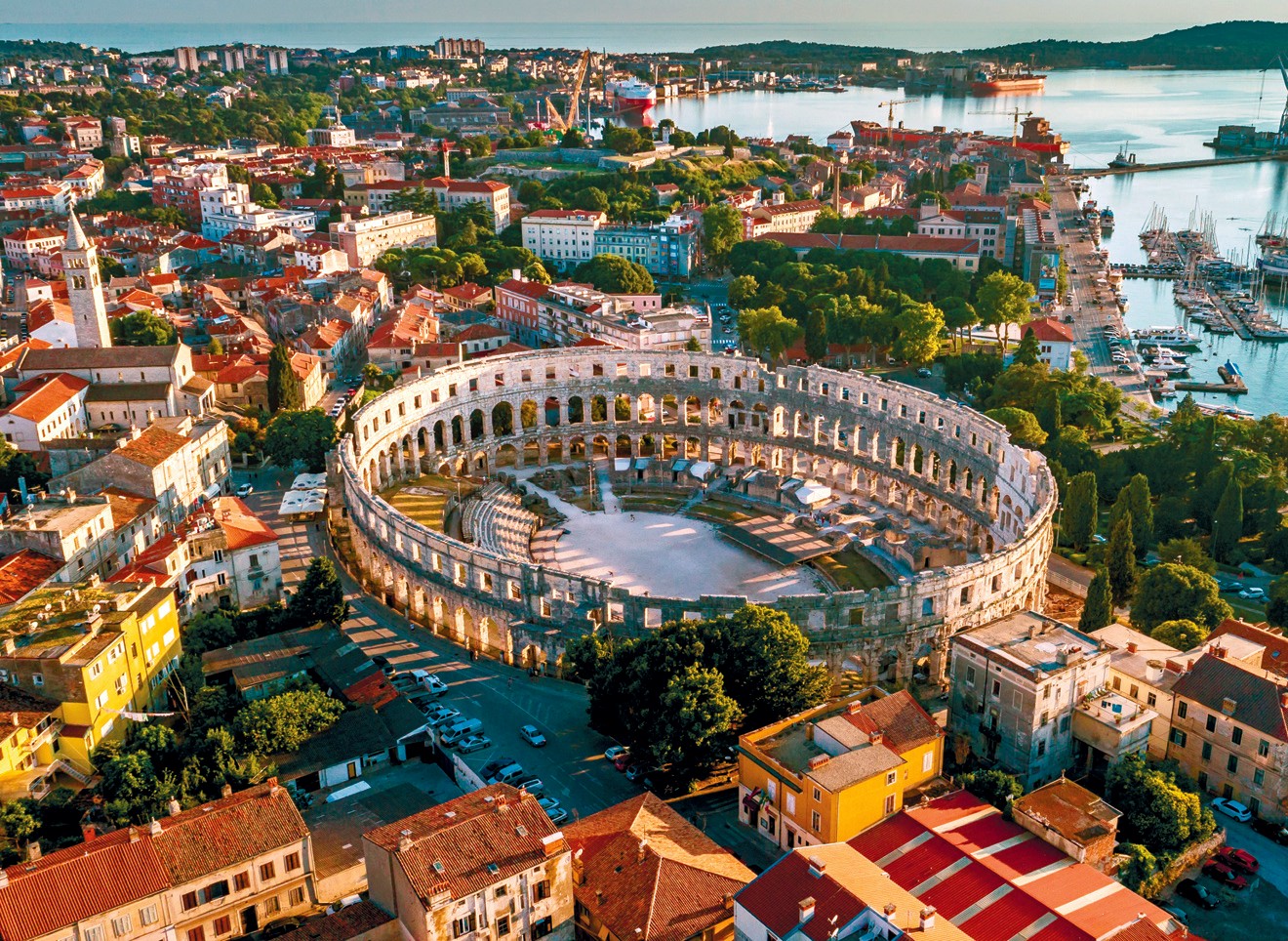
Pula is a city where history meets modern life. Its main gem is the Roman amphitheatre, known as the Pula Arena, one of the best-preserved in the world. Built in the 1st century AD, it once hosted gladiator fights and organised spectacles for 23,000 spectators. Today, the amphitheatre is used for concerts, theatrical productions, and cultural events, creating a distinctive combination of antiquity and modernity. The walls of the Arena have seen not only gladiators but also Luciano Pavarotti, Elton John, José Carreras, Bryan Adams...
Besides the Arena, Pula impresses with other historical monuments: the Triumphal Arch of the Sergii, the Temple of Augustus, and old forts that tell of the city's life in different eras. The narrow streets of the old town hold the spirit of Roman and Venetian architecture, and numerous cafes and restaurants offer local cuisine and fresh seafood. For tourists, Pula is not only history but also modern recreation. The city possesses comfortable hotels, beaches, and opportunities for active leisure: cycling and walking routes, boat trips, and excursions to nearby bays and islands. Festival lovers will appreciate the summer concerts and open-air film festivals.
Another important city in Istria is Labin, which impresses with its combination of history, architecture, and industrial heritage. The narrow streets of the old town lead to picturesque viewing platforms offering panoramic views of the surrounding hills, vineyards, and the Adriatic coast. A walk along these historic streets allows one to feel the spirit of the Middle Ages and appreciate the architectural diversity: ancient stone houses stand adjacent to 19th-century villas, and numerous small squares create a sense of cosiness and harmony.
Labin is also known for its industrial history: there are many coal mines in the vicinity of the city, which for a long time provided jobs for local residents. Just imagine: the coal mines formed an underground network in the city stretching about 400 km and on more than 30 levels. Today, part of the mines has been turned into museums where one can learn about the life of miners, coal mining technology, and its historical significance for the region. These exhibitions are particularly interesting for tourists who want to understand Istria's industrial past and its influence on the city's development.
Hunting for taste: truffles, wines, olives, and gifts of the sea
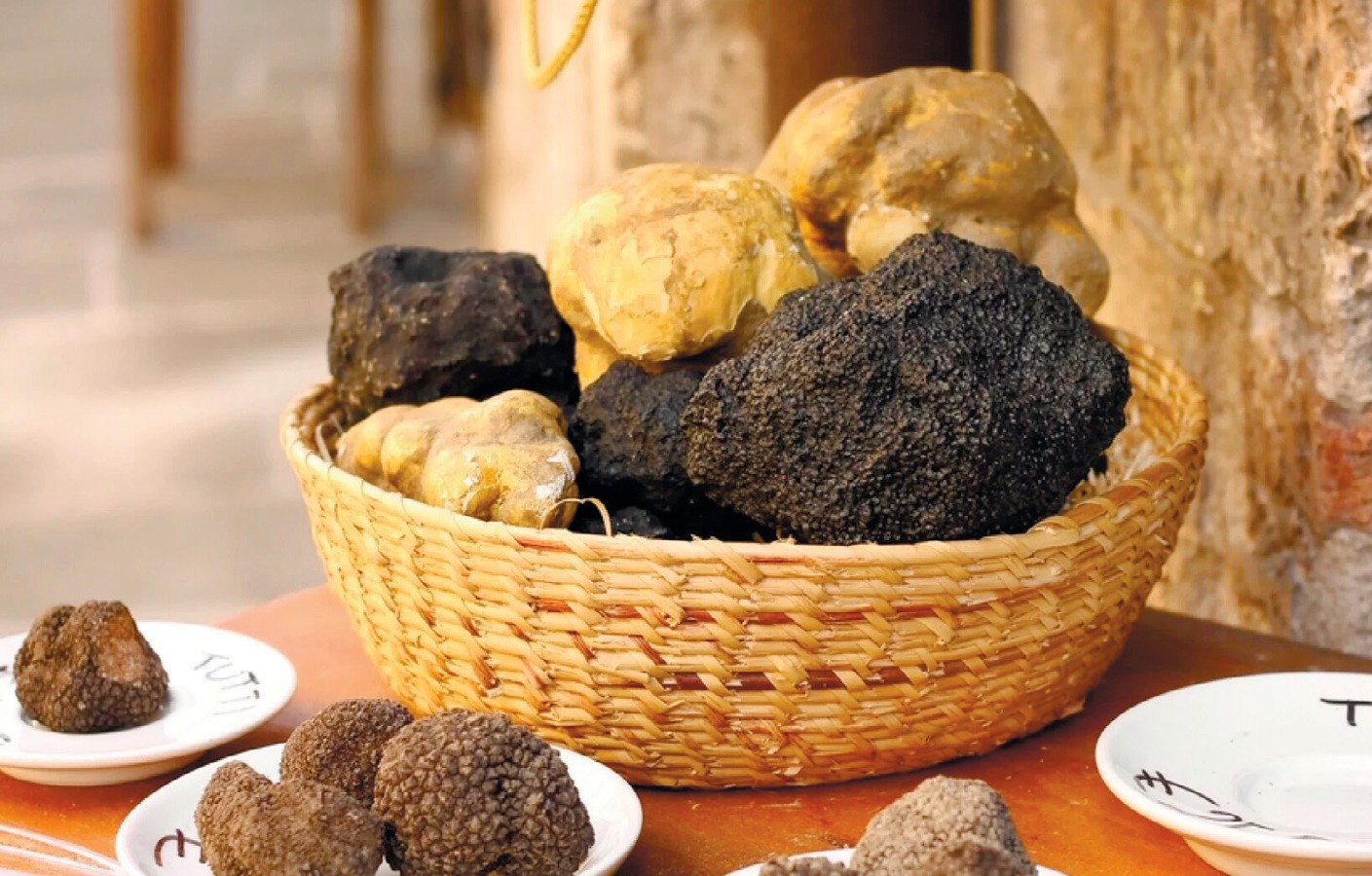
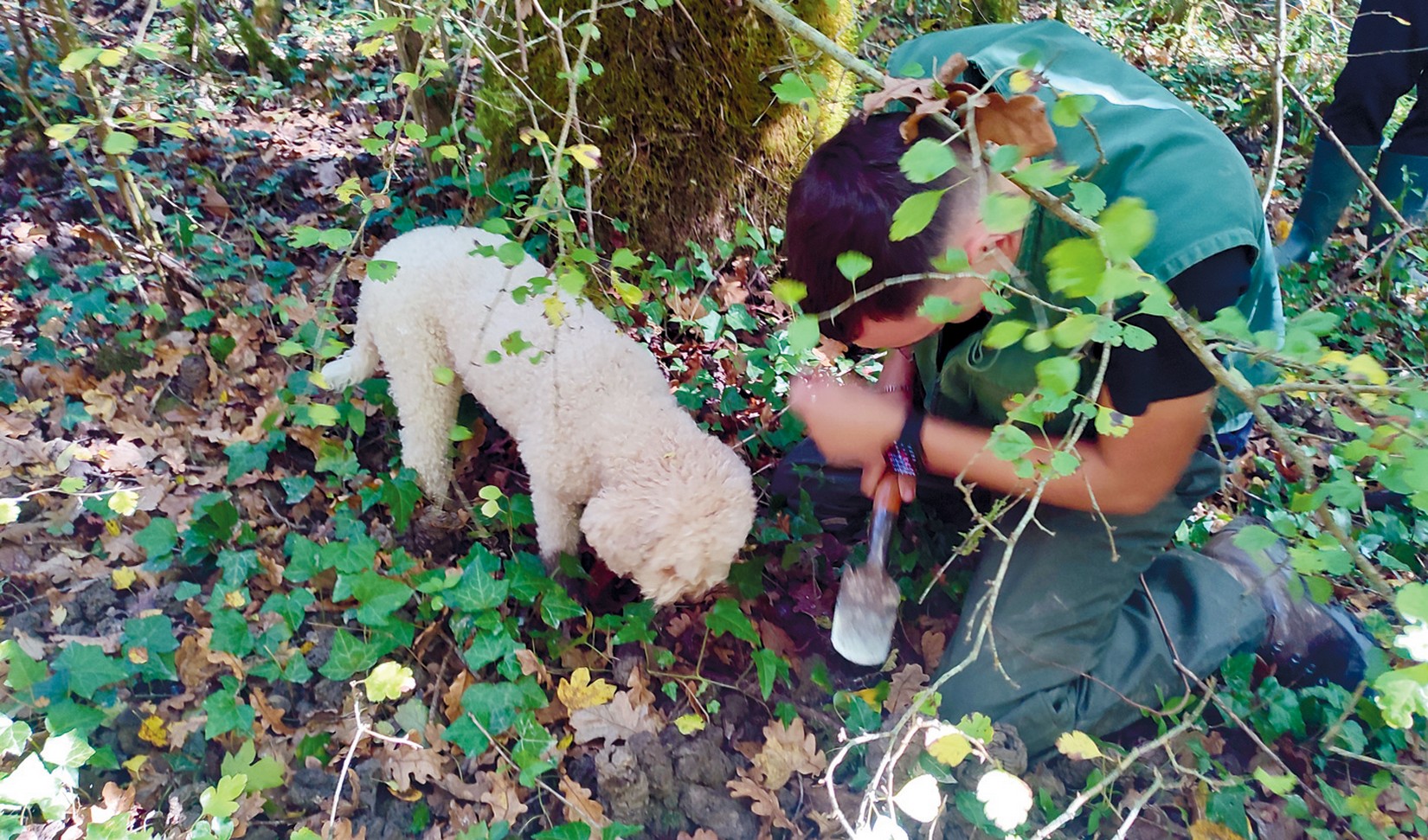
Istria has long been considered the truffle capital of Europe, and truffle hunting tours are a true highlight of the region's gastronomic tourism. These rare fungi grow underground, in symbiosis with the roots of oak and hazel trees, and it is virtually impossible to find them without the help of specially trained dogs. Therefore, experienced truffle-hunting dogs are brought in for the search, turning the hunt into a real show: at the owner's signal, the dog begins to carefully sniff the ground and, upon finding the "treasure," points to the exact spot.
Truffles are not just mushrooms. They are considered a delicacy of haute cuisine and one of the most expensive products in the world. A white truffle, for example, can cost from 3,000 euros per kilogram, and a black truffle 700 euros, depending on the season and size. These fungi are supplied to restaurants in Europe and Asia, grace the menus of the best chefs, and become ingredients in exclusive dishes.
For tourists, an entertainment has been devised here—a truffle tour, which usually begins with a morning walk through the forest together with a guide and a dog. On the way, the guide talks about the types of truffles, their seasonality, the features of the local nature, and the history of the truffle trade. The found mushrooms can be tasted right on the spot: they are grated onto pasta, eggs, or risotto, and guests taste an aroma that is impossible to forget. By the way, it is advisable to choose tours during their season—from October to January for the white truffle and from March to May for the black.
Istria and Kvarner are not only picturesque landscapes and historical cities but also a paradise for gourmets. The region is famous for the freshest seafood, premium-class olive oil, aromatic herbs, and wines that reflect the terroir of the Adriatic.
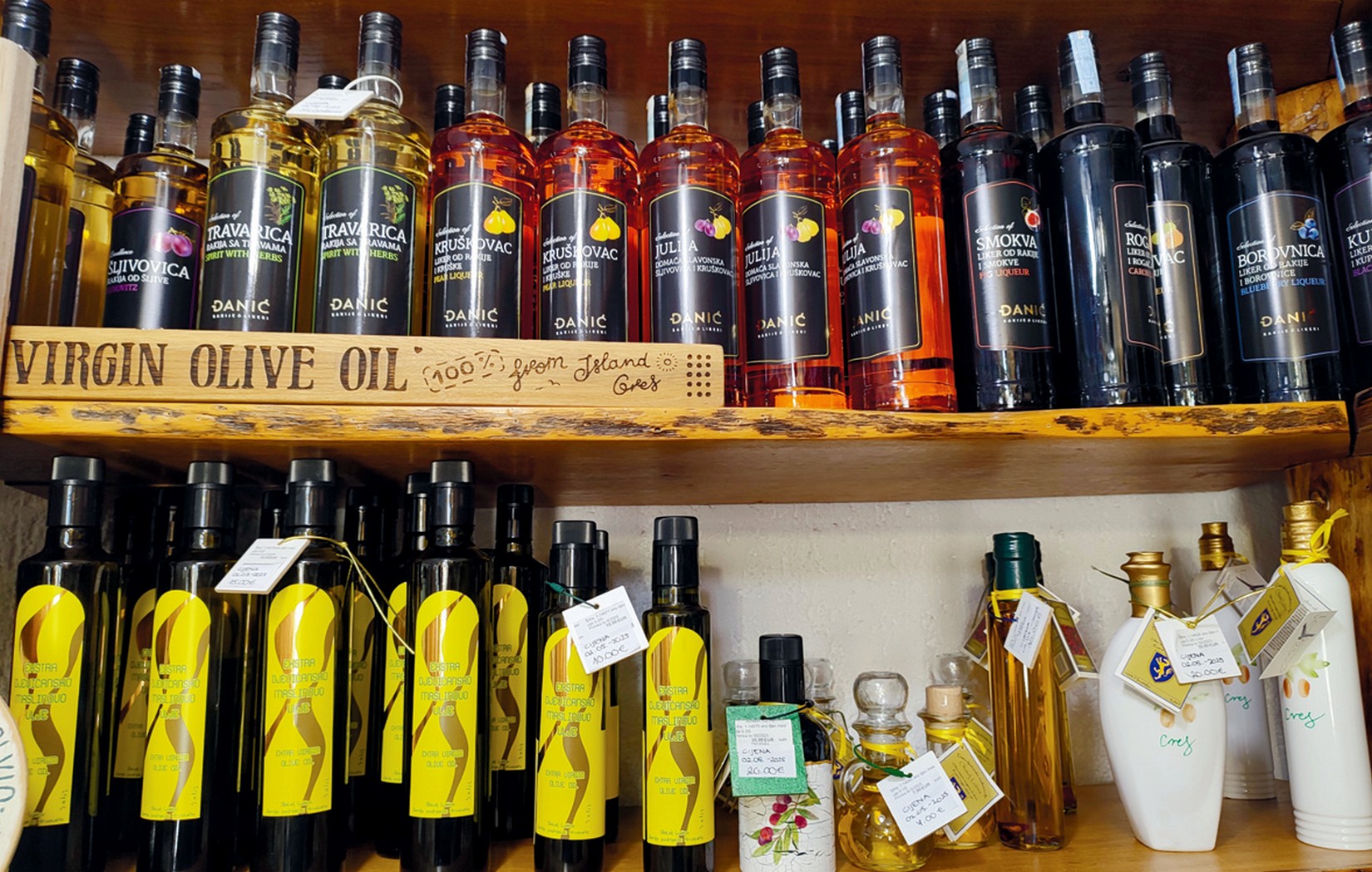
Istria is deservedly considered one of the best regions in the world for olive oil production. The Leccino, Pendolino, and Rosinjola varieties give the oil a unique taste and aroma. Local oils often receive gold medals at international competitions, and farms offer tastings and excursions. There are many olive oil tasting tours here—visit at least one of them. Note that the average price of quality extra virgin olive oil in Istria should be at least 12 euros per litre, while premium brands usually sell for no less than 25-40 euros.
The region is also known for its wines. Malvazija Istarska is a white variety with a soft fruity taste, while Teran is a rich red variety popular among connoisseurs. Wineries are open to tourists: excursions, tastings, and walks through the vineyards allow one to fully immerse oneself in the wine culture of Istria. Wine prices range from 7 to 30 euros per litre, depending on the variety and producer.
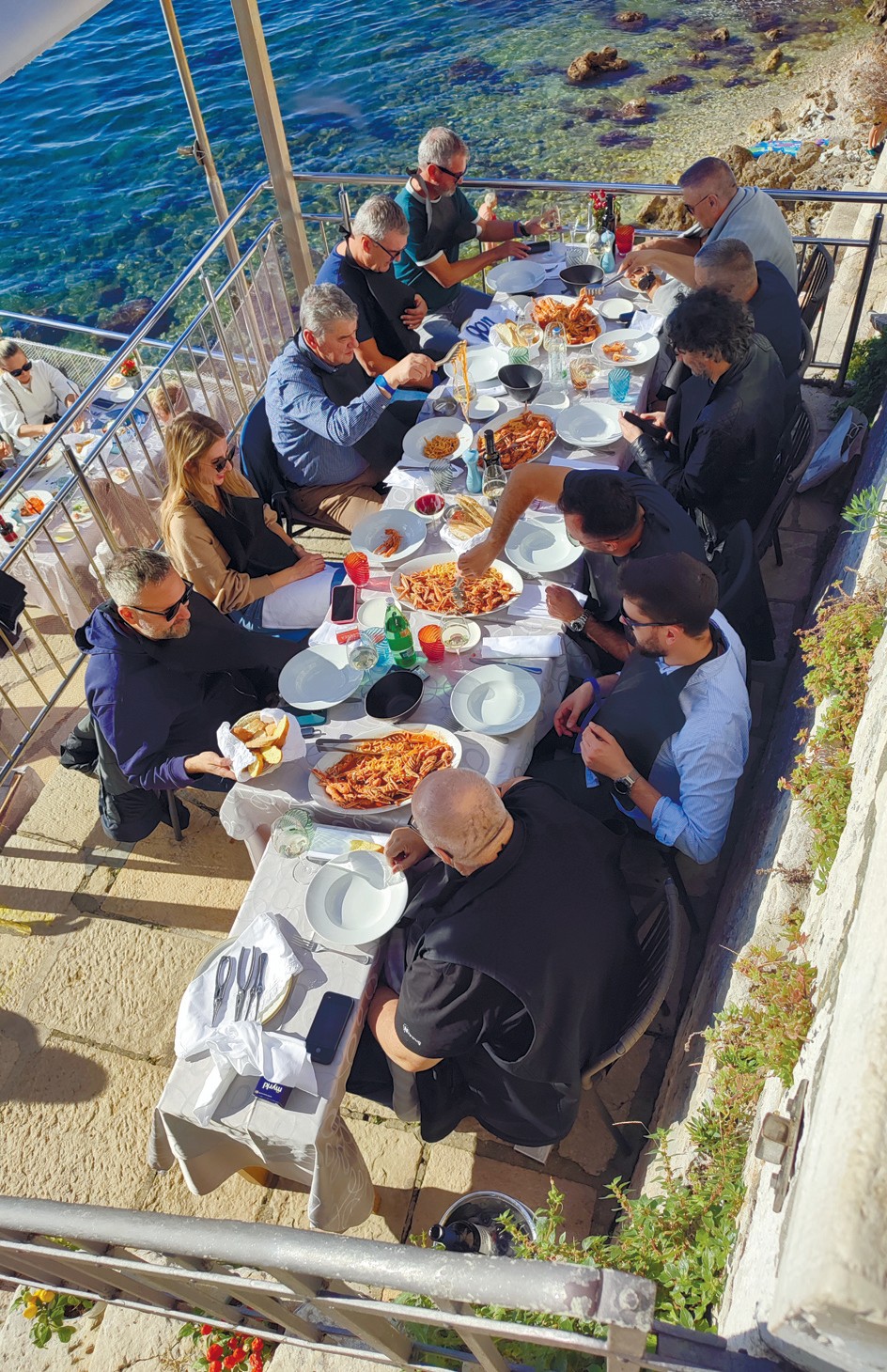
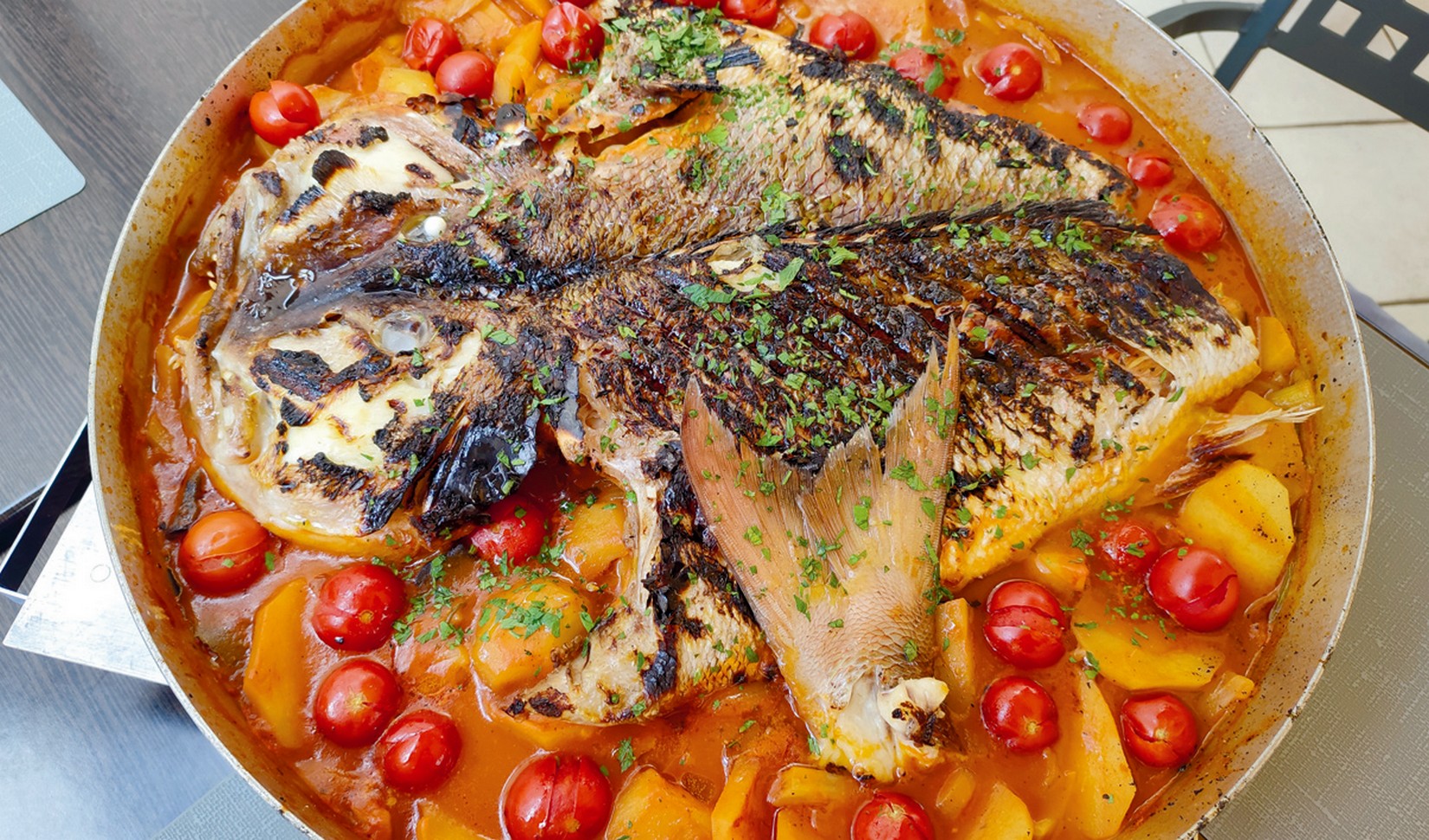
Seafood is the foundation of the cuisine of Istria and Kvarner. In every coastal town, fresh fish, shrimp, mussels, squid, octopus, and cuttlefish are served. Popular dishes are prepared from them: Bruschetta with anchovies and local olive oil is the ideal snack on a terrace overlooking the sea. Seafood risotto is a classic dish using shrimp, mussels, and squid. Pasta with truffles is an exquisite delicacy, especially popular during the white truffle season. Fritto misto—an assortment of fresh fish and seafood fried in deep fat—is popular in cafes and taverns. And Brodetto is a thick fish soup traditional to coastal villages.
Plan, discover, be inspired!
A journey through Istria and Kvarner is an opportunity to combine the beauty of nature, history, art, and gastronomy. To get the maximum impressions, it is important to think through routes, transport, and accommodation in advance.
The most convenient way to move around the region is by renting a car, especially if you plan to visit islands and small villages. Ferries and boats provide access to the islands of Cres, Lošinj, Brijuni, etc. Public transport connects major cities and resort centres, but some islands can only be reached by boat.
Accommodation in the region is diverse. Opatija and large cities offer a wide selection of hotels: from historical villas to modern spa complexes. On the islands of Cres and Lošinj, one can also stay in small hotels or apartments, ideally suited for a secluded holiday. In Lošinj, one can even rent luxurious villas, the cost of which can reach 23,000 euros per day with first-class service. The Brijuni archipelago is known for excursion tours with accommodation in one of three hotels or villas. In Grožnjan and Labin, tourists will find guest houses and boutique hotels where they can immerse themselves in the local atmosphere.
The best time to travel around Istria and Kvarner depends on your preferences. In spring, from April to June, gardens bloom, the weather is mild, and there are few tourists. In summer, from July to August, the beach season begins and festivals take place; prices are already higher, and there are many tourists. Autumn, from September to October, is particularly interesting for gastronomic tours, as the truffle and vineyard season begins. Winter is a quiet season, suitable for a relaxing holiday, walks, and visiting museums.
Istria and Kvarner are not just a route, but a whole world of impressions where every day becomes a small adventure. A trip here grants harmony, inspiration, and memories that one wants to preserve, returning here again and again.
RECOMMEND:
 214
214