

A VICTORY THAT RESHAPED THE REGION
A joint Turkish, Azerbaijani, and Pakistani military parade confirms the establishment of a strategic triangle as a factor of stability
Author: Samir VELIYEV
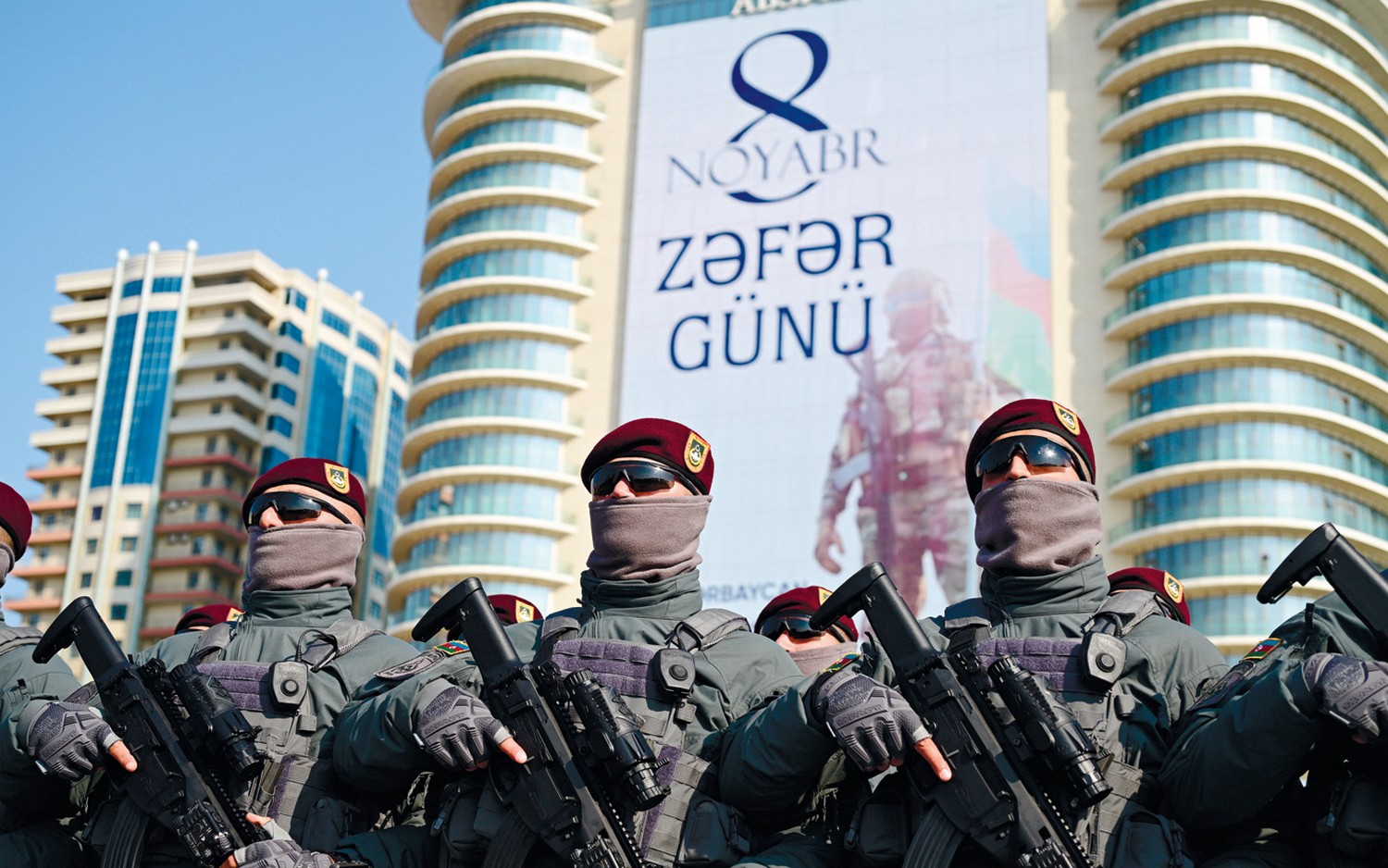
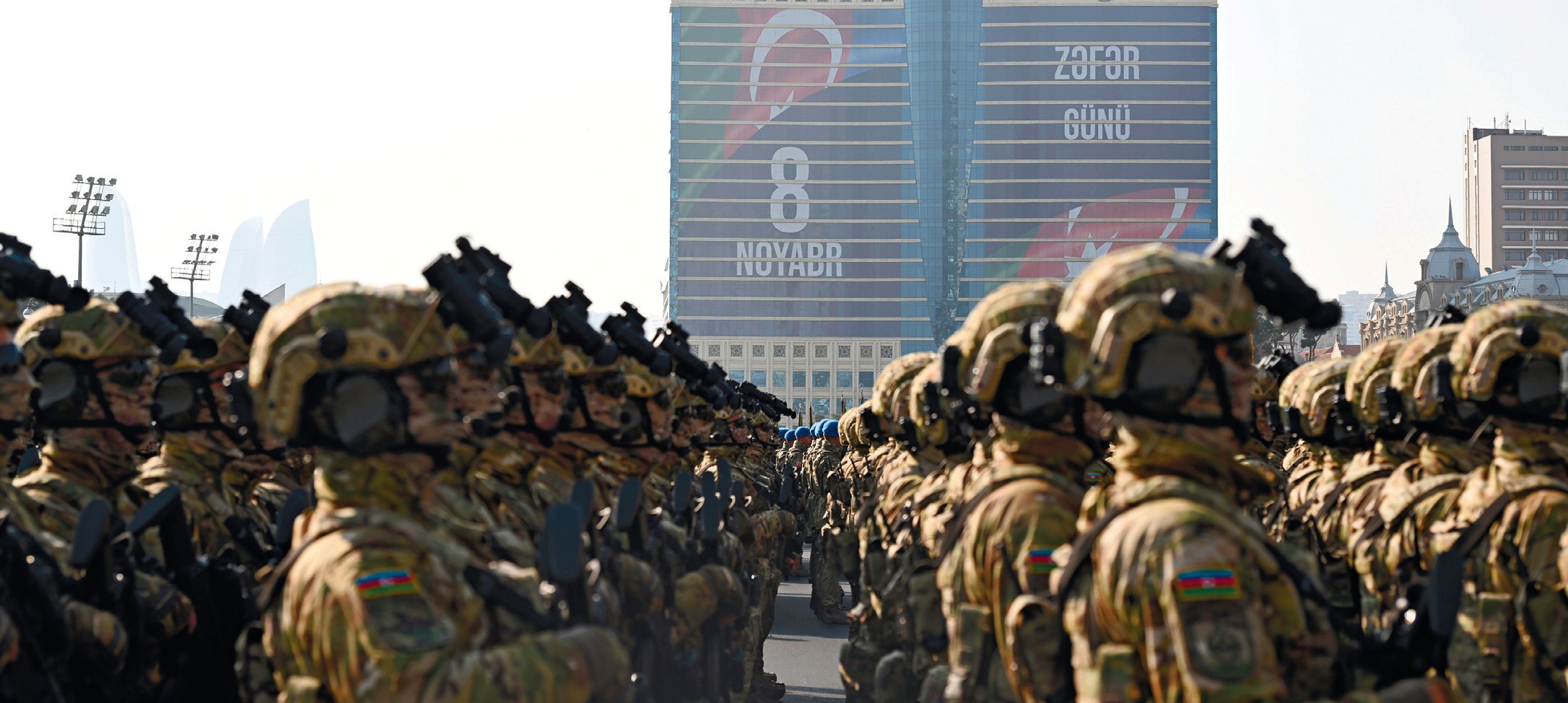
The celebration of the fifth anniversary of Azerbaijan’s Victory in the Second Garabagh War reflected the profound transformations that have taken place in the South Caucasus since 2020. The large-scale military parade held on November 8 in Baku not only emphasised the irreversible consolidation of the 44-day war’s outcome within the regional political landscape, but also demonstrated the resilience of Azerbaijan’s military-political course, its confidence in its own position, and its growing capabilities in defence and technology.
A parade of new realities
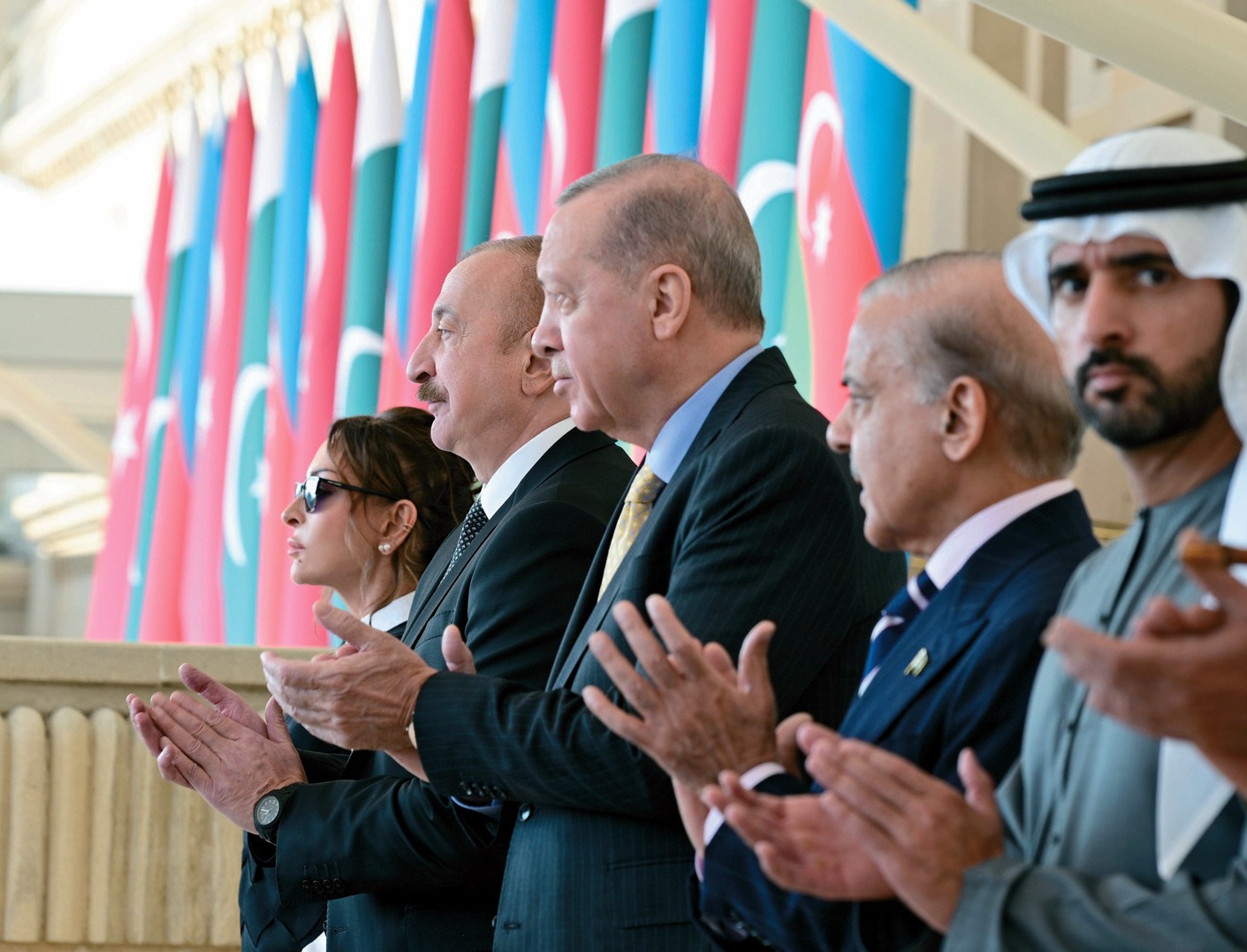
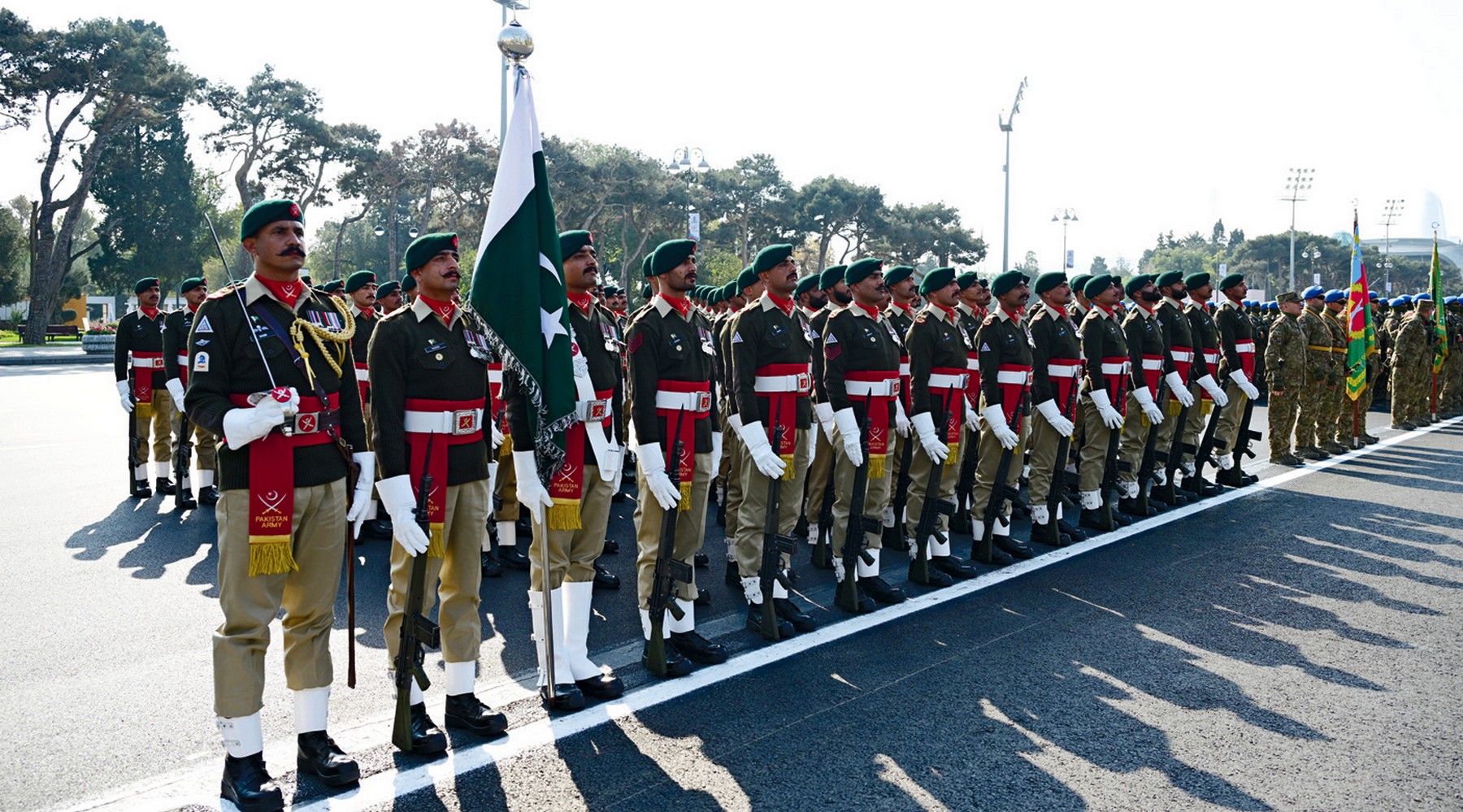
The significance of the event was heightened by the presence of Türkiye’s President Recep Tayyip Erdogan and Pakistan’s Prime Minister Muhammad Shehbaz Sharif. The attendance of leaders whose countries provided political support to Baku during the war showed the world that the Azerbaijan–Türkiye–Pakistan trilateral format is far from a temporary alignment and has long since become a permanent factor. The joint march of military units from all three countries demonstrated their readiness to support Azerbaijan in preserving the post-war balance.
In their speeches at the parade, the leaders of the three states outlined the key milestones of the current phase. While President Ilham Aliyev underlined the scale of reconstruction efforts in Garabagh and Eastern Zangezur, the formation of a new post-conflict reality, and the role of allies, President Erdogan described the liberation of Garabagh as "a source of pride for the entire Turkic world". Prime Minister Sharif, for his part, reaffirmed Pakistan’s unwavering support for Azerbaijan and the strategic nature of bilateral friendship.
The military parade also highlighted the new capacities of Azerbaijan’s defence-industrial complex. The unmanned aerial vehicles, high-precision munitions, modern armoured vehicles and electronic-warfare systems on display showed that the country has, in a short period, developed its own technological base and advanced to the level of producing fully fledged modern military equipment. The latest models of foreign weaponry demonstrated the scale of the army’s modernisation, built on cooperation with Türkiye, Pakistan, Israel and other partners.
The appearance in the parade columns of high-tech systems produced by leading global manufacturers confirmed that Azerbaijan has integrated into contemporary military-technical chains and is making effective use of external technologies to strengthen national defence capability. Overall, the military parade in Baku also served as a significant political message signalling the irreversibility of the war’s consequences.
What once seemed impossible is becoming reality
In the rapidly changing geopolitical landscape of the South Caucasus, two developments have become decisive: Armenia’s recognition of Azerbaijan’s territorial integrity and Yerevan’s agreement to the core provisions of the peace treaty reflecting Baku’s fundamental demands. The basic parameters of the document were formulated by the Azerbaijani side and built upon the five principles of settlement it had proposed and consistently promoted throughout the negotiation process.
The peace document itself was initialled on August 8, 2025, in Washington in the presence of US President Donald Trump, which lent the event additional political weight. This step marked the end of a thirty-year confrontation and effectively began the establishment of a new security architecture in the South Caucasus, with its key principles anchored in international law and Azerbaijan’s restored territorial integrity.
It should also be recalled that Armenia’s defeat in the Second Garabagh War accelerated its internal political transformation. The country’s leadership, realising the futility of its former foreign-policy course, declared the need to rethink national identity and strategic priorities. The ideological basis of the post-war period became the concept of a "Real Armenia"a rejection of mythologised visions of a "Great Armenia" and a shift towards pragmatic policies focused on modernisation and coexistence with neighbouring states.
Armenian diplomacy began presenting the country as an independent actor rather than a forward base for external powers. Prime Minister Nikol Pashinyan repeatedly emphasised that he does not intend to return Armenia to the paradigm of an "outpost state" or turn it into a tool of outside interests, stressing the need to "live in the real world" and rely on rational national interests. This course became an attempt to adapt the country to new conditions and overcome chronic isolation.
Proposing new forms of multilateral dialogue
Immediately after the 44-day war, with the support of regional leaders, President Ilham Aliyev initiated a new dialogue format "3+3", bringing together the three South Caucasus states (Azerbaijan, Armenia and Georgia) and three neighbouring powers (Russia, Türkiye and Iran). The mechanism was intended to bring participants’ positions closer and to create a platform for discussing problems and joint projects. Although Georgia declined to participate, citing the lack of diplomatic relations with Russia and the continued occupation of part of its territory, the format remains open to Tbilisi in the long term and still has the potential to serve as a tool of multilateral coordination.
By late 2023, a new trilateral cooperation format among the South Caucasus countries began to take shape. In October, at the "Great Silk Road" international forum in Tbilisi, the prime ministers of Azerbaijan, Armenia and Georgia held their first meeting. The second meeting in this format took place in autumn 2025 and signalled the intention of the parties to institutionalise the mechanism. Ahead of the forum, President Ilham Aliyev announced Azerbaijan’s readiness to allow transit of goods destined for Armenia across its territory, while Prime Minister Nikol Pashinyan stated that Armenia would allow the transit of Turkish goods through its territory towards Azerbaijan. These reciprocal steps were important signals of stabilisation and the transition from confrontation to pragmatic cooperation.
Meanwhile, the Russia–Ukraine war significantly weakened Moscow’s position in the region and created conditions for an increased Western role. Seeking to fill the emerging vacuum, the EU and the US intensified their foreign-policy presence. In this context, in April 2024 Armenia, the US and the European Union signed a trilateral agreement in Brussels, marking a new direction in Yerevan’s foreign-policy orientation. And in January 2025 Armenia and the US signed a Strategic Partnership Charter, i.e., the first comprehensive document defining the parameters of their long-term cooperation.
For Azerbaijan, the landmark achievements of its foreign-policy course included agreements reflecting its multi-vector diplomacy. The Shusha Declaration of 2021 formalised allied relations with Türkiye. In subsequent years, Azerbaijan concluded cooperation agreements with a range of other states.
It is noteworthy that in April 2025 Azerbaijan signed a Comprehensive Strategic Partnership Agreement with China, strengthening the eastern direction of its foreign policy, and in August of the same year Baku and Washington agreed to elevate bilateral ties to a high level.
Towards regionalisation of relations
Azerbaijan’s rapprochement with Central Asia has also gained special importance. The country’s participation in consultative meetings of regional leaders added a new dimension to Central Asian interaction, linking it with Caspian and Turkic structures. Azerbaijan is actively involved in developing the Trans-Caspian International Transport Route, which is gradually becoming one of the key components of Eurasian logistics. In parallel, Baku is advancing projects in "green" energy, digital technologies and pipeline infrastructure in cooperation with Kazakhstan and Uzbekistan.
A major direction of Azerbaijani diplomacy remains the Organisation of Turkic States. President Ilham Aliyev’s opening speech in February 2024, in which he emphasised that "Azerbaijan has only one family—the family of Turkic peoples", reflected the essence of this course. Azerbaijan is actively promoting initiatives in transport connectivity, energy and digital integration, becoming one of the main coordination centres of the Turkic world.
Unlike Armenia and Georgia, which rely primarily on external centres of power, Azerbaijan demonstrates deep engagement in regional structures. Baku is actively participating in organisations for economic and Islamic cooperation, as well as in various three- and five-party interaction formats. This policy strengthens its position as a connecting hub between the Caucasus, Central Asia and the Middle East.
The South Caucasus remains an arena of competition among external powers whose interests significantly influence regional dynamics. However, growing awareness of mutual interdependence in security, transit and energy creates the foundations for a new model of interaction grounded in pragmatism, mutual benefit and responsibility. On this basis, a more sustainable architecture of cooperation may emerge—one capable of gradually reducing tensions and ensuring long-term stability.
All the processes described above would have been impossible without the victory of the Azerbaijani army in the Second Garabagh War. That victory became the starting point that fundamentally reshaped the balance of power, created a new political-legal reality and opened the space for transformations shaping the present-day South Caucasus.
RECOMMEND:
 251
251

