

48 HOURS IN MADRID
Art, flavours and rhythms of the capital city





Author: Elchin HUSEYNOV, Baku-Madrid-Baku
The capital of Spain is regarded as a city of contrasts, where ancient squares sit alongside modern districts, and bustling streets give way to tranquil parks and gardens. There are so many sights that even a week would not be enough to thoroughly explore half of them. Yet, two or three days suffice to catch the city’s rhythm, visit its main cultural landmarks, sample traditional dishes, and absorb its atmosphere—provided the itinerary is planned in advance. This guide offers a practical introduction to Madrid, with every step designed to fit within 48 hours without losing the pleasure of wandering.
Four moods of the capital
Thanks to its southern climate, Spain’s main city welcomes visitors almost all year round. Naturally, each season has its own pros and cons. For instance, winter in Madrid is mild compared to northern European cities: daytime temperatures usually hover around 5-12°C, though nights are chilly. The city is adorned with Christmas lights and markets, especially in the central plazas Plaza Mayor and Puerta del Sol. This season is ideal for visiting museums, theatres, and flamenco shows, as well as for winter strolls through parks and streets. January brings sales that attract tourists wishing to combine sightseeing with shopping.
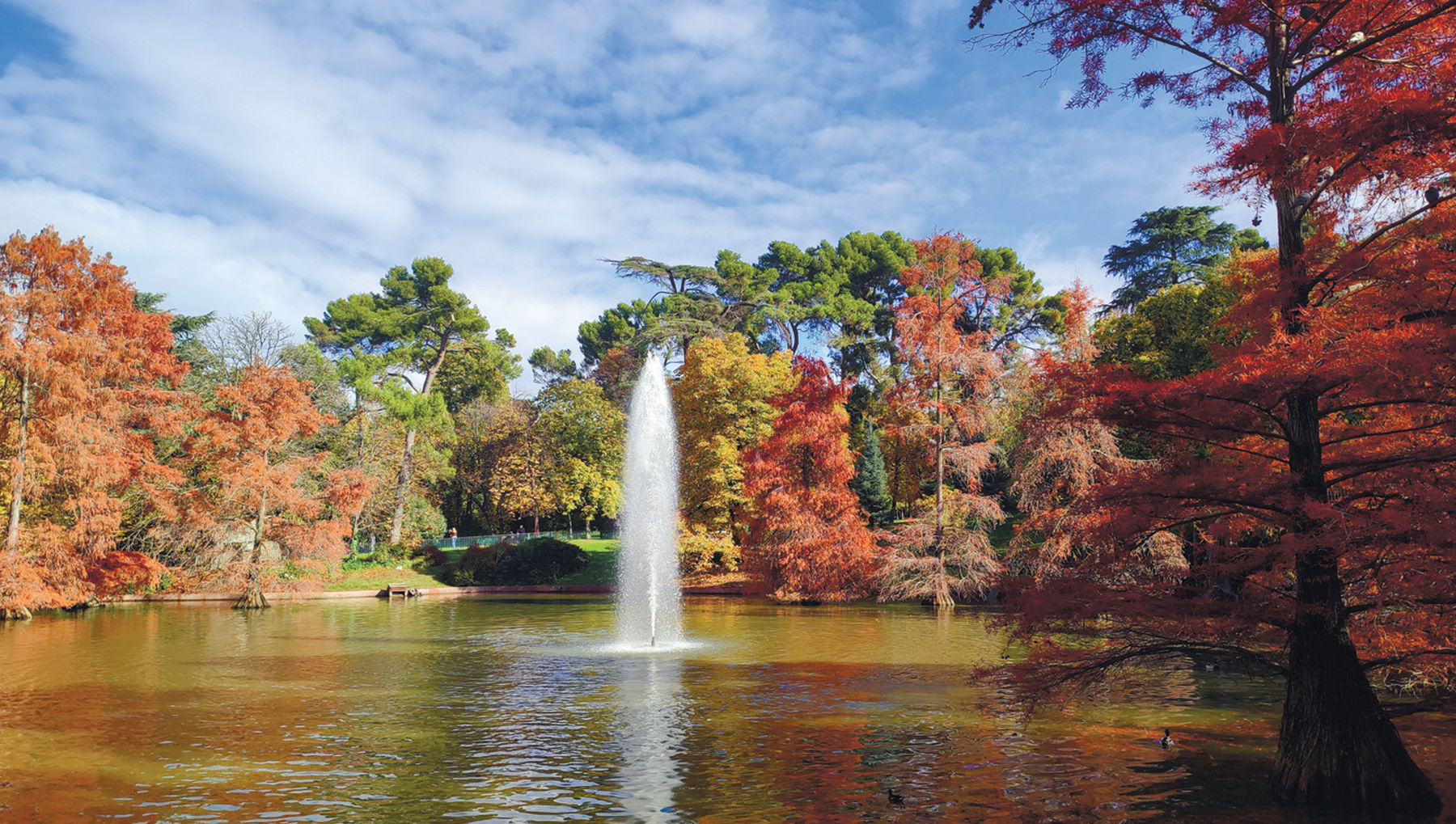
Spring is the best time to visit Madrid. Temperatures range from 12-22°C, and the city awakens from its winter lull. Streets fill with blossoming trees, especially in Retiro Park, where apple and magnolia trees create a magical scene. It is an excellent season for walking through the historic centre and enjoying open-air café terraces. March and April host cultural events and museum exhibitions; late April ushers in flower and music festivals featuring street concerts, fairs, and workshops. Spring sees fewer tourists than summer, naturally meaning shorter queues at museums and palaces.
Summer in Madrid is usually hot—temperatures reach 30-35°C or higher. Daytime visits are best spent in museums, palaces, and other indoor sites; walks are more pleasant in the mornings or evenings when the heat subsides. Summer evenings are perfect for tapas bars on open terraces and exploring the popular Chueca and Malasaña districts. July and August feature outdoor music festivals, open-air cinema screenings, and concerts in parks. The long daylight hours allow extended enjoyment of evening strolls. However, summer draws more tourists, so it’s advisable to book tickets for popular museums and attractions in advance.
Autumn is another wonderful time to visit Madrid. Temperatures linger between 15-22°C, the air is clear, and the city is painted in golden hues. It is ideal for park walks, market visits, cafés, and cultural events such as theatre festivals, music weeks, and gastronomic fairs showcasing seasonal dishes. Tourist numbers decrease compared to summer but the atmosphere remains lively. Strolling through the historic centre is especially pleasant amid mild weather and a slower pace after the hot summer.
Getting around
The best mode of transport depends on time, budget, and individual preferences. From Madrid-Barajas Airport to the city centre, the easiest options are metro, train or taxi. The metro connects all airport terminals with central districts in 30-40 minutes. A metro ticket from the airport costs about €7.30. The Cercanías train takes 25 minutes to get from the airport to main railway stations for €2.50-3. A taxi fare to the centre runs €30-35, convenient for travellers with heavy luggage or groups.
Within Madrid, metro, buses, and trams are most efficient. Metro operates from 6:00 am to 1:30 am; a single ticket costs €1.70-2 depending on zones. Buses cover areas beyond metro reach and offer comfortable city travel. Transport cards valid from one to seven days allow unlimited use of metro, buses, and trains. A one-day card costs €9; a three-day card costs €18-20. The most economical is the Suma10 card for ten trips at €7.30.
If time is short but you want maximum coverage, double-decker red sightseeing buses Madrid City Tour are convenient. Unfortunately, due to parking issues these buses no longer stop at every attraction but make a two-hour loop with an audio guide around the city. Tickets cost €25 for 24 hours or €40-45 for 48 hours.
To save money and gain convenience, tourists can use special cards like Madrid Card or Art Walk Pass. These offer unlimited public transport access during their validity period plus discounts or free entry to key museums—Prado, Reina Sofía, and Thyssen-Bornemisza—as well as participation in tours and bonuses at some restaurants and shops. Prices depend on duration: one day about €50; two days €65-70; three days €80-85.
Day one: getting to the heart of the city
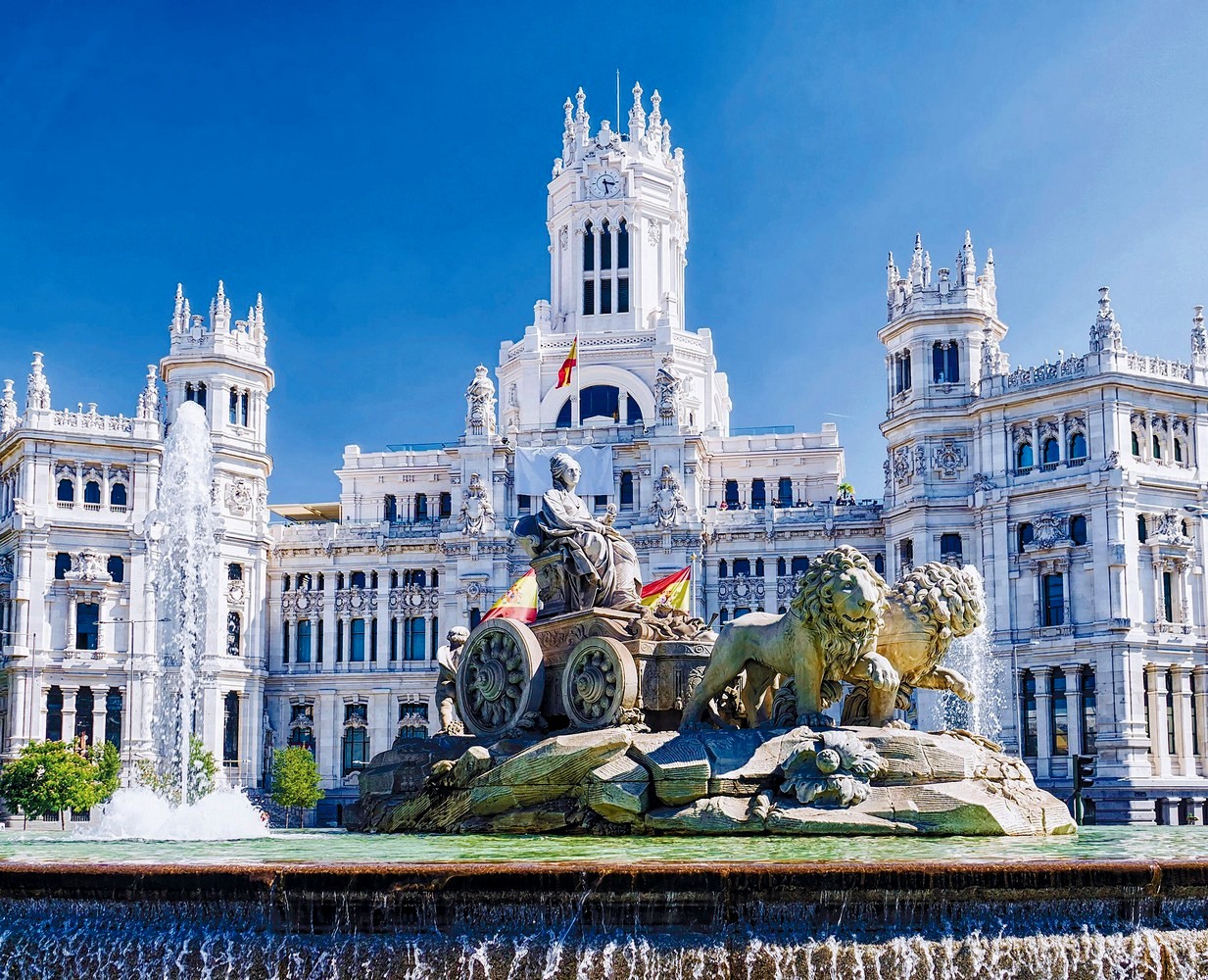
Begin your first morning at Puerta del Sol square—the historic centre where major streets converge. It is always crowded but early morning atmosphere allows enjoyment of monuments, street musicians, and first passersby heading to work. From here it is easy to reach Plaza Mayor—a grand square with arcades housing cafés and patisseries. Here you should try a traditional Spanish breakfast—hot churros con chocolate (fried dough dipped in thick warm chocolate). A portion costs €5-8 but delivers immense pleasure and a taste of local culture.
After breakfast head to the Royal Palace. A quick visit (plus ticket queue) takes about two hours. Adult tickets cost about €18-23; students and seniors get up to 50% off. Nearby is Almudena Cathedral where you can ascend the dome for €7 for panoramic city views. After the palace walk through Sabatini Park with beautiful views of the palace and gardens.
Plan lunch in La Latina district packed with numerous tapas bars where prices per dish range from €1.50-2.50. Try jamón, tortilla, paella and fresh seafood. After lunch stroll through narrow streets of old Madrid discovering charming small squares with street performers.
Afternoon is best spent exploring La Latina quarter further and visiting Templo de Debod viewpoint to admire sunset views. In the evening head to Malasaña or Chueca—nightlife hotspots offering local wines (€4-7 per glass), live music or simply colourful street walks.
Day two: art, parks and city flavours
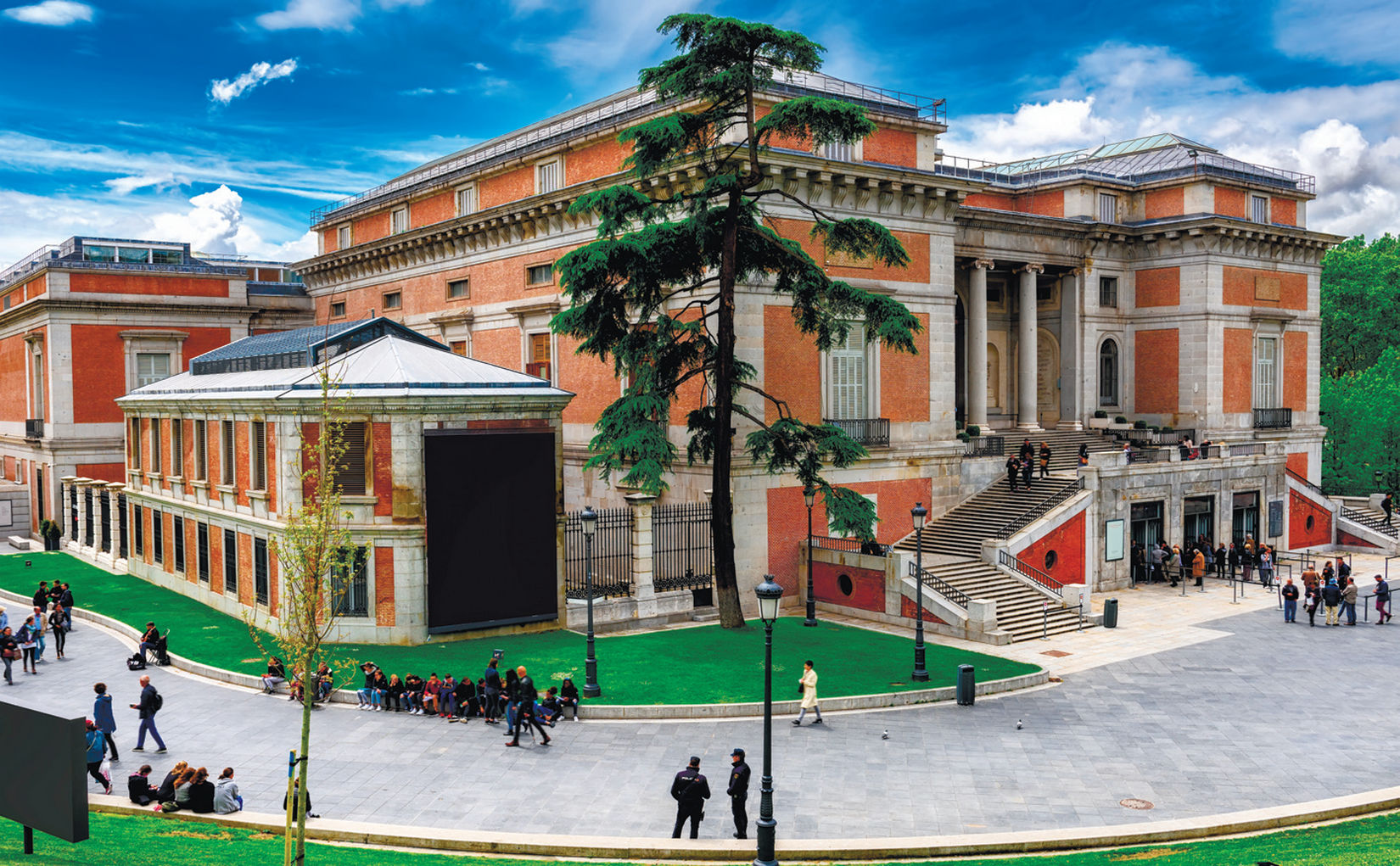
Start your second day at museums. Prado is a top highlight featuring masterpieces of European painting—from Velázquez and Goya to El Greco and Rembrandt. As one of Europe’s largest museums with over 8,000 paintings across 20,000 sq m exhibition space, seeing just key works takes 3-4 hours. Tickets cost about €15; students and pensioners get 50% discounts; entry is free during last two hours (6 pm-8 pm). For modern art lovers there is nearby Reina Sofía Museum housing Picasso’s Guernica; tickets cost €12.
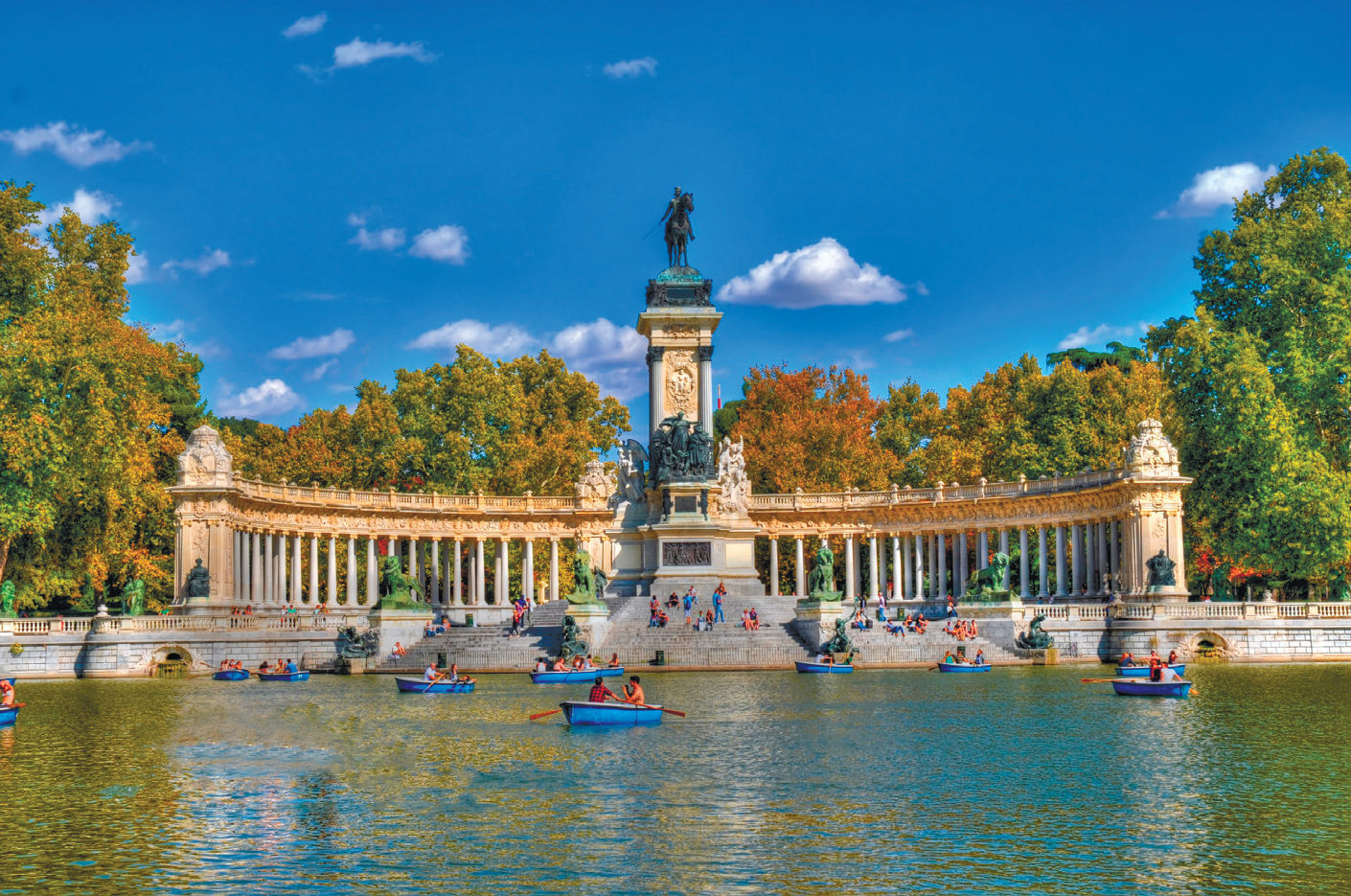
After museums take a walk in Retiro Park—a picturesque green oasis with ponds, sculptures and lovely avenues. You can rent a boat for €8-10, visit the Crystal Palace (currently under restoration) or simply relax away from urban noise. Street musicians and artists contribute to an authentic city experience.
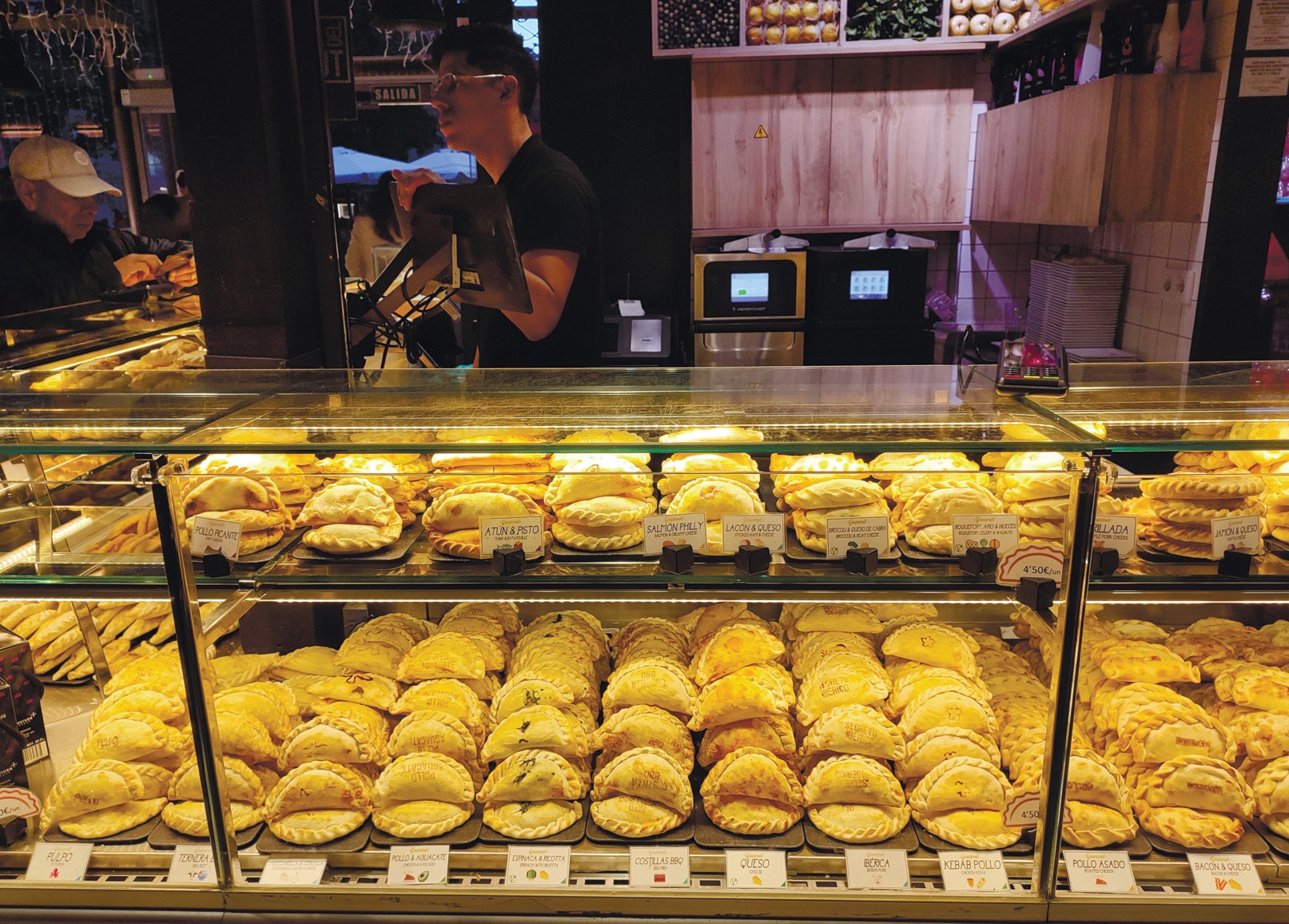
For lunch visit a local market such as San Miguel offering traditional dishes, seafood and fresh tapas costing around €15-20 depending on choice. Here you will find assorted snacks, olives, cheeses and local wines.
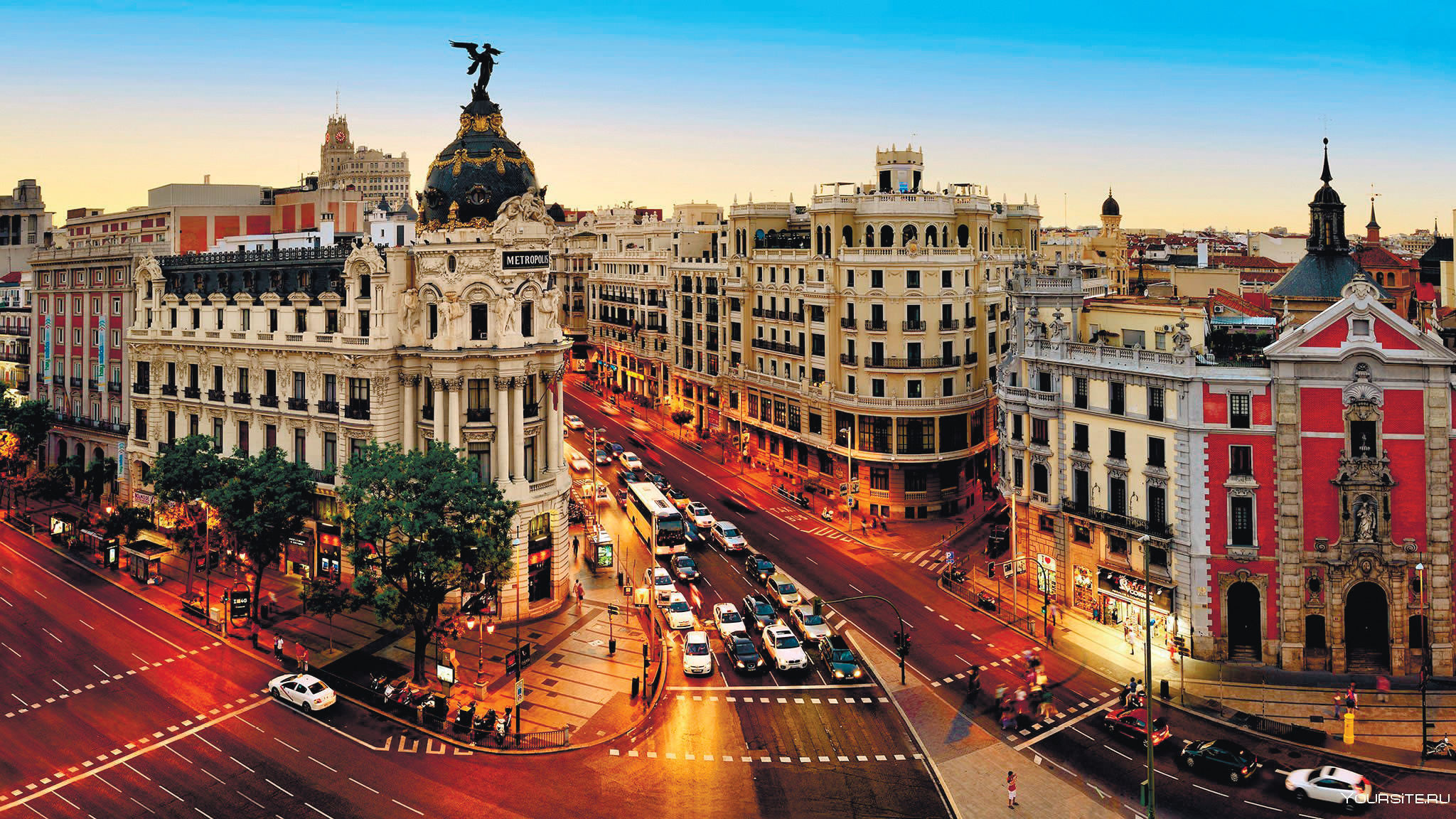
Spend the afternoon shopping and strolling along main streets. Gran Vía hosts international brands alongside local shops; Salamanca district offers luxury boutiques by famous designers. Walking these streets combines shopping with architectural sightseeing away from typical tourist routes.
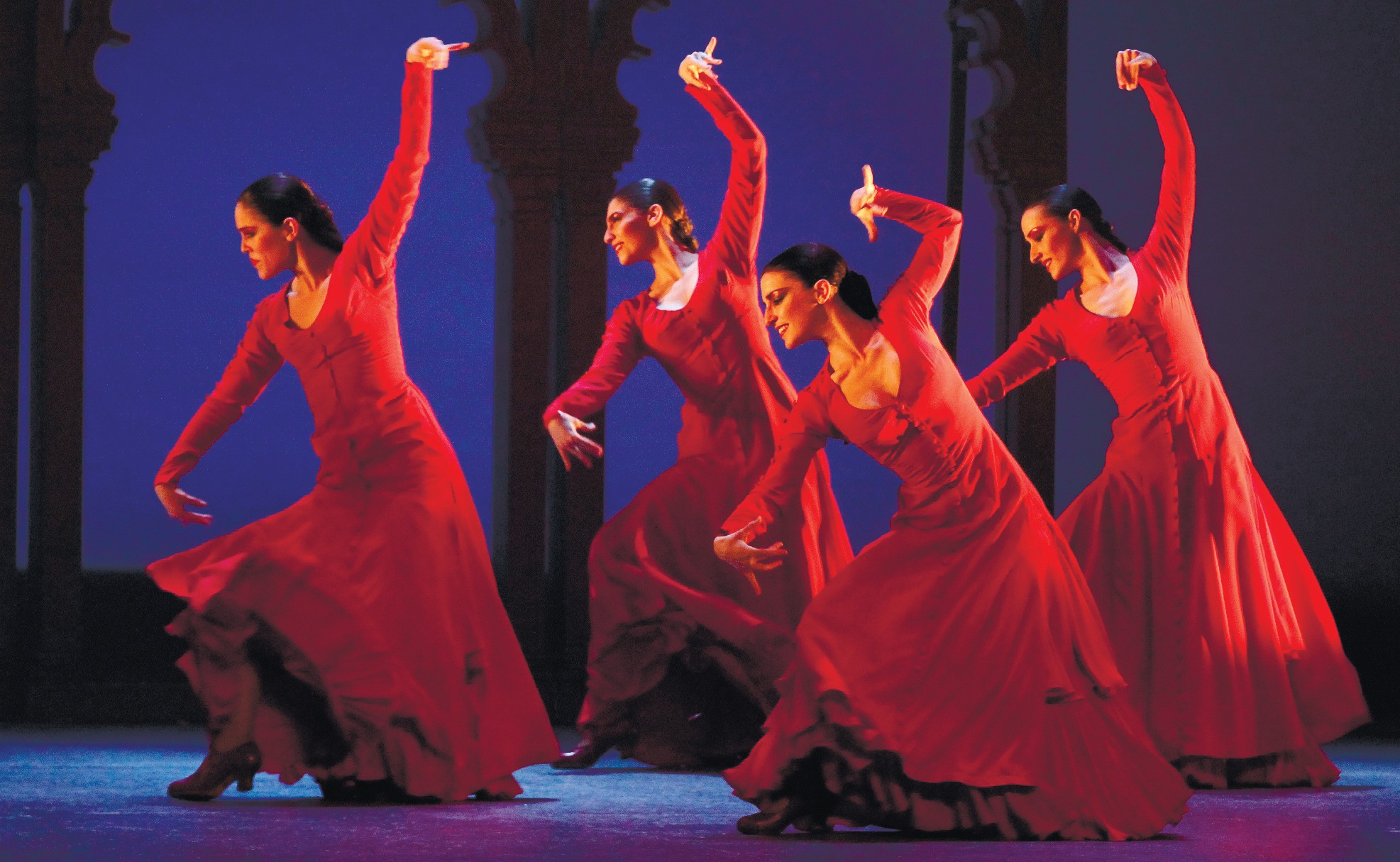
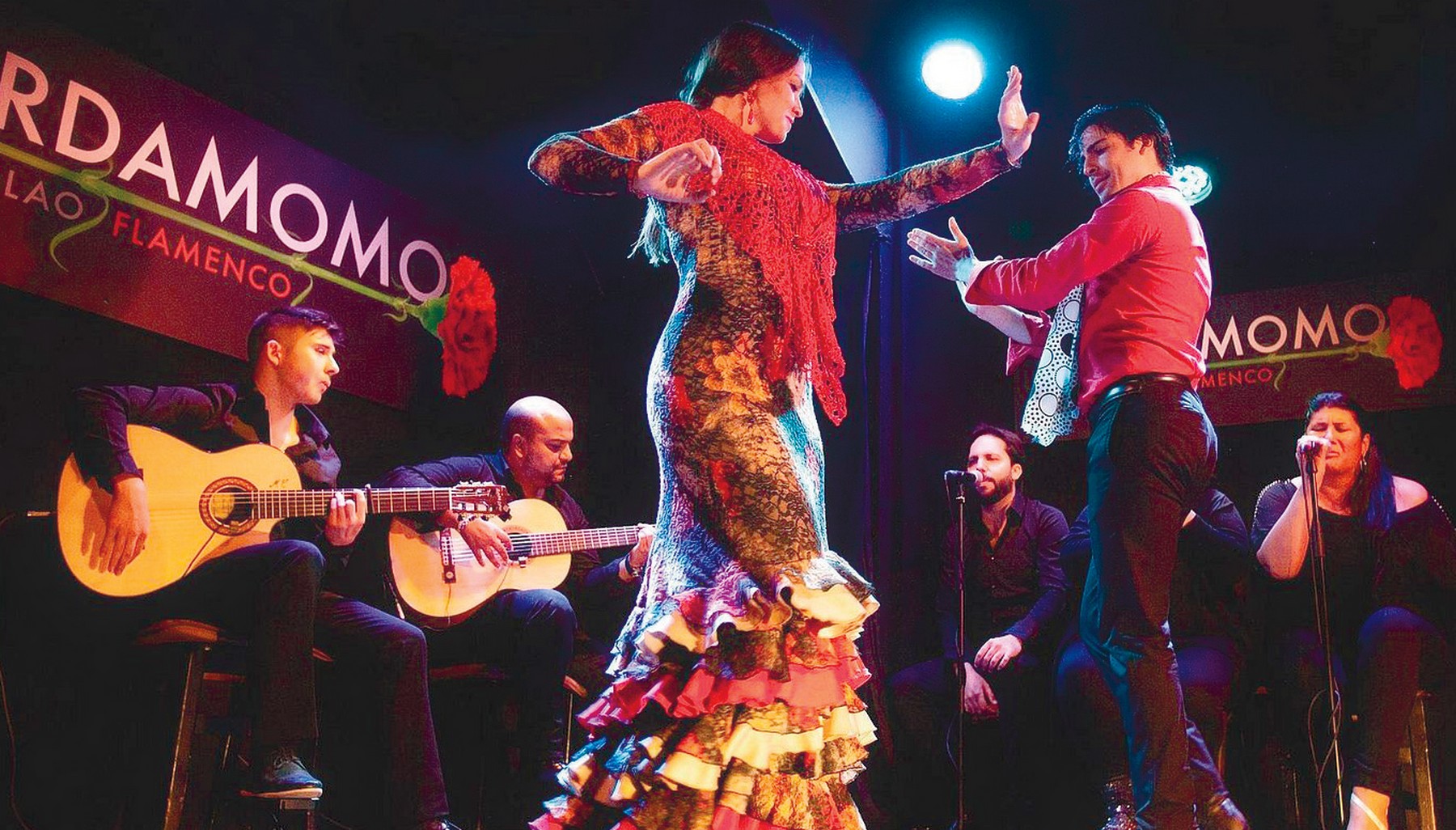
In the evening enjoy a flamenco show featuring passionate dances, thrilling guitar music and emotional singing that immerse you in Spanish spirit. Tickets range €20-40 depending on venue quality; you may choose just a performance with a glass of wine or dinner plus show options serving traditional Spanish cuisine for a combined gastronomic experience. Alternatively dine at any cosy Andalusian restaurant for €20-30.
Madrid for football fans
If you can stay an extra day or two, there is much more to explore. Begin day three at Debod Temple Park—one of Madrid’s most unusual sites. This ancient Egyptian temple was relocated here from Nubia mid-20th century; its columns reflect in mirrored pools against urban backdrops. Climb to the viewpoint at dusk for one of the most beautiful sunsets in the city. Afterwards visit less touristy quarters like Lavapiés—a vibrant multicultural district with small modern art museums where you can spend a couple of hours observing city life and browsing galleries and artisan shops.
After lunch head to Thyssen-Bornemisza Museum—part of Madrid’s famous “Golden Triangle of Art” alongside Prado and Reina Sofía. Located in Villa Hermosa Palace, it features paintings from Italian Renaissance to Modernism including Rubens, Monet and Van Gogh masterpieces. Tickets cost €15-20; it tends to be quieter than Prado allowing relaxed viewing.
In the evening explore Chamberí district—an elegant yet cosy neighbourhood filled with traditional bars, old taverns and family-run restaurants loved by Madrileños for authentic menus offering seafood croquettes, Madrid-style stews or seasonal tapas.
If you have one more day left visit Casa de Campo Park—the largest green space in Madrid exceeding 1,700 hectares featuring a lake for boating, zoo and botanical gardens—ideal for fresh air breaks, picnics or peaceful city panoramas.
Football fans know Madrid hosts two world-class clubs—Real Madrid and Atlético Madrid. Start at Santiago Bernabéu—the home stadium of Real Madrid—with tours including club museum showcasing historic trophies, panoramic viewing platforms, locker rooms and VIP boxes. Basic ticket costs €40; booking ahead is recommended as some areas may be closed due to ongoing renovations.
Then visit Wanda Metropolitano—modern stadium of Atlético Madrid offering tours including pitch access, team locker rooms, club museum and trophies for €19 adults; plan visits on non-match days for unhurried exploration.
Both venues offer unique chances not just to see stadiums but also immerse yourself in club spirit, history and Madrid football magic.
Where to stay: choosing neighbourhoods and comfort levels
Accommodation location greatly influences your impression of Madrid. The city centre—especially Puerta del Sol square (Madrid’s heart) and lively Gran Vía street—is ideal for sightseeing efficiency saving travel time. This area buzzes with shops, cafés and street performers but can be noisy.
Malasaña and Chueca suit those wanting to experience modern youthful Madrid nightlife. Salamanca is an elegant district with upscale hotels while Lavapiés offers vibrant multicultural charm with cosy cafés and street art.
Hotel prices vary by rating and season: double rooms in 3-star central hotels cost €120-140 low season rising above €200 high season; 4-star hotels run €240-300; luxury 5-star hotels start at €400 per night. Budget travellers can find hostels at €30-50; those seeking home comfort may opt for short-stay apartments costing €90-130 centrally or premium options at €150-250 depending on amenities.
Final paragraph
Even 48 hours suffice to realise that Spain’s heart beats here: between ringing wine glasses and footsteps on cobbled old town streets amid unforgettable art, music and flavours. The city impresses with its energy, contrasts and hospitality leaving visitors eager to return again and again—to discover new routes, tastes and experiences.
RECOMMEND:
 232
232