

AND THE WHOLE FRUIT IS NOT ENOUGH
How Azerbaijani winter fruits provide energy, incredible taste, and boost immunity
Author: Kamilla BABAZADE
Winter is a time when our body requires maximum protection, and the immune system demands special attention to diet. During the cold months, it is crucial to supply the body with concentrated vitamins and antioxidants. This is where fruits come into play.
However, modern dietitians and nutrition experts, such as the well-known American nutritionist Dr. Berg, often warn against excessive fruit consumption due to their high fructose content. Excess fructose can cause metabolic issues. This creates a paradox: a product full of vital benefits faces criticism. So how can one get the most health benefits from fruits while avoiding harm?
The secret is simple
Fruits must be consumed correctly, and the key word here is WHOLENESS. To maximise benefits and mitigate the potential harm of fructose, always eat the whole fruit, including all its dietary fibres and pulp. It is the fibre that acts as a natural buffer, slowing sugar absorption by the liver and preventing sharp insulin spikes. This is the primary rule for dietitians! Therefore, freshly squeezed juices are better reserved for exceptional occasions. There is also a common myth that fruits hinder weight loss because of fructose. This is only true if fruits are consumed excessively, without controlling total calorie intake, or if they are consumed as juices. In reality, when losing weight and maintaining a calorie deficit, whole fruits are excellent!
Why? Because whole fruit, thanks to its high fibre and water content, provides prolonged satiety with relatively low calories. This helps avoid snacking on highly processed foods. Additionally, unlike empty sweets, fruits supply essential vitamins, minerals, and antioxidants that are critical for supporting metabolism and energy during dieting. Importantly, they naturally satisfy sweet cravings, making weight loss psychologically more comfortable. Thus, for those managing their figure, Azerbaijani winter fruits are an ideal way to support mitochondrial and immune health while staying within the required calorie limits.
Health habitus
Among nutrition specialists there is a longstanding theory which modern science, particularly nutrigenomics and epigenetics, is beginning to confirm: the food most beneficial to a person is that which grows in the region where their ancestors lived. This concept is based on the idea of “habitus” (from Latin habitus – “appearance,” “condition”), or habituation—biological and genetic adaptation to local conditions and products. The premise is that over thousands of years, the gene pool of local populations has adapted to assimilate and extract maximum benefit from the unique soil composition, climate, and phytonutrients of plants growing in that area today. Local fruits contain an ideal balance of trace elements for the regional flora and fauna, including humans.
This is why nutritionists urge us to forget dull, flavourless, often sugar-overloaded imported fruits that endure long transportation in trucks. Azerbaijani winter fruits such as pomegranate, persimmon, feijoa, and citrus concentrate the energy of the Caucasus, perfect for the health and longevity of residents of this region but also exceptionally beneficial for tourists seeking pure, genetically rich foods. The search here involves not only flavour but genetically compatible benefits.
The Azerbaijani miracle
What is the secret? It lies in synergy: a unique climate, fertile alluvial soils, and pristine water flowing from the Caucasus Mountains create ideal conditions where fruits accumulate maximum phytonutrients and natural sugars. Ancient native varieties are still cultivated here, boasting richer flavour and, most importantly, higher levels of bioactive compounds. These fruits grow on trees rather than in greenhouses treated with growth-accelerating chemicals. Azerbaijani winter fruits ripen naturally, absorbing solar energy until the very last moment. Anyone who senses the difference tastes this splendour in the very first bite. This is flavour with a capital letter.
The King of Winter
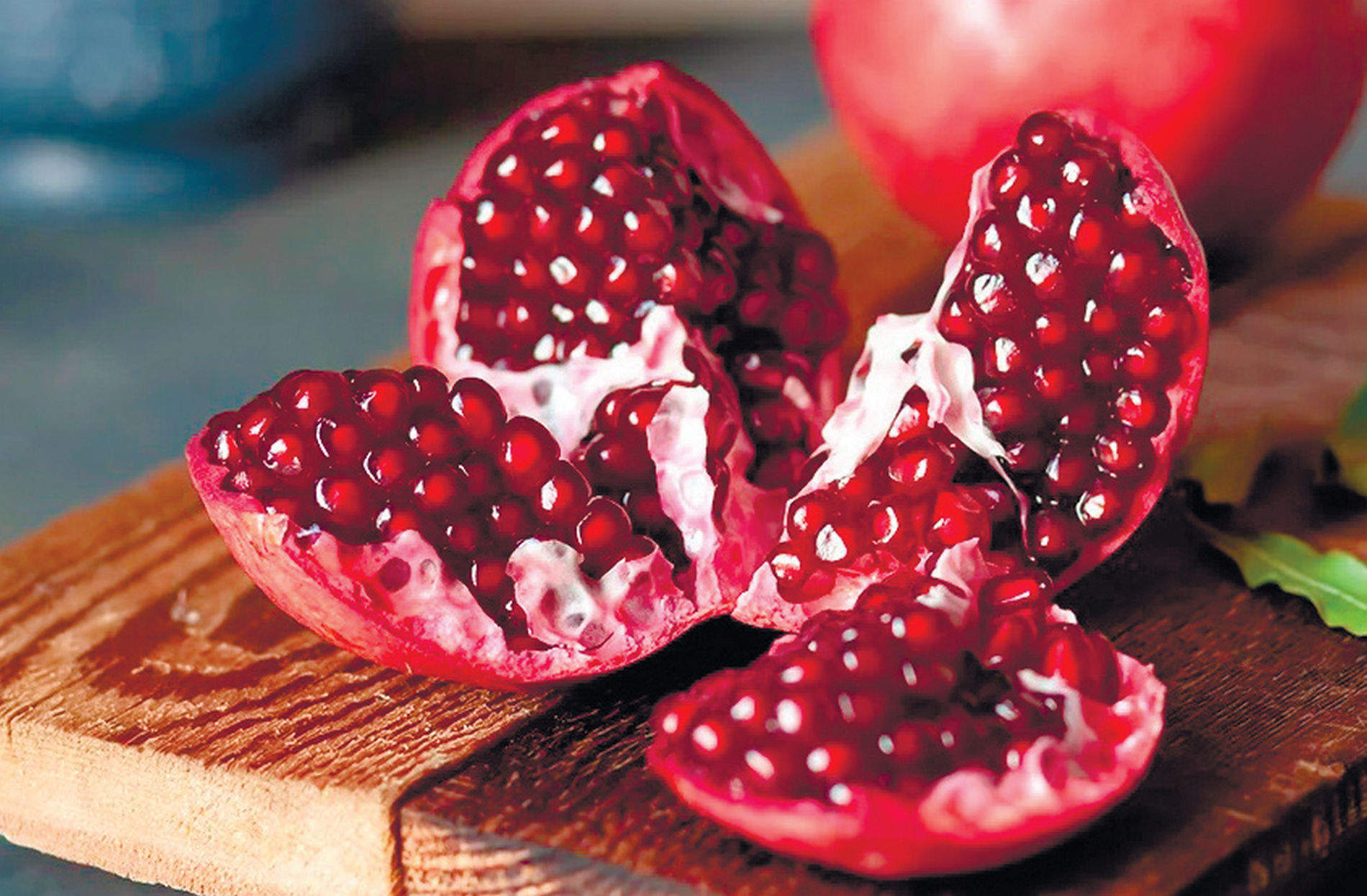
Pomegranate, or nar, is a living symbol of Azerbaijan—its ruby heart. The Göychay pomegranate is considered among the tastiest, sweetest, and juiciest, with large dark-ruby seeds that burst in the mouth with a sweet-tart tang unmatched anywhere else. Tourists should know this fruit is not only an exquisite delicacy but also a treasure trove of health benefits. Pomegranate is a true protector of DNA. Regarding fructose recommendations, remember: it is packed with antioxidants and fibre (do not discard the seeds!), making it an excellent natural whole product. The fibre helps slow sugar absorption. Therefore, eating pomegranate seeds whole is a wise choice for vascular and mitochondrial health. This explains why antioxidants abundant in Azerbaijani pomegranates—such as polyphenols and anthocyanins—are so important. They protect mitochondria from free radical damage.
Thus, “supporting mitochondrial health” means caring for the “cellular power plants” through proper nutrition to supply energy to the body, slow aging, and strengthen overall health. One medium pomegranate (whole fruit weighing about 200-250 g) contains approximately 100-125 kilocalories (kcal). This is very low calorie content for such a nutrient- and fibre-rich product. Hence, pomegranate is ideal for those monitoring their weight.
The golden melody
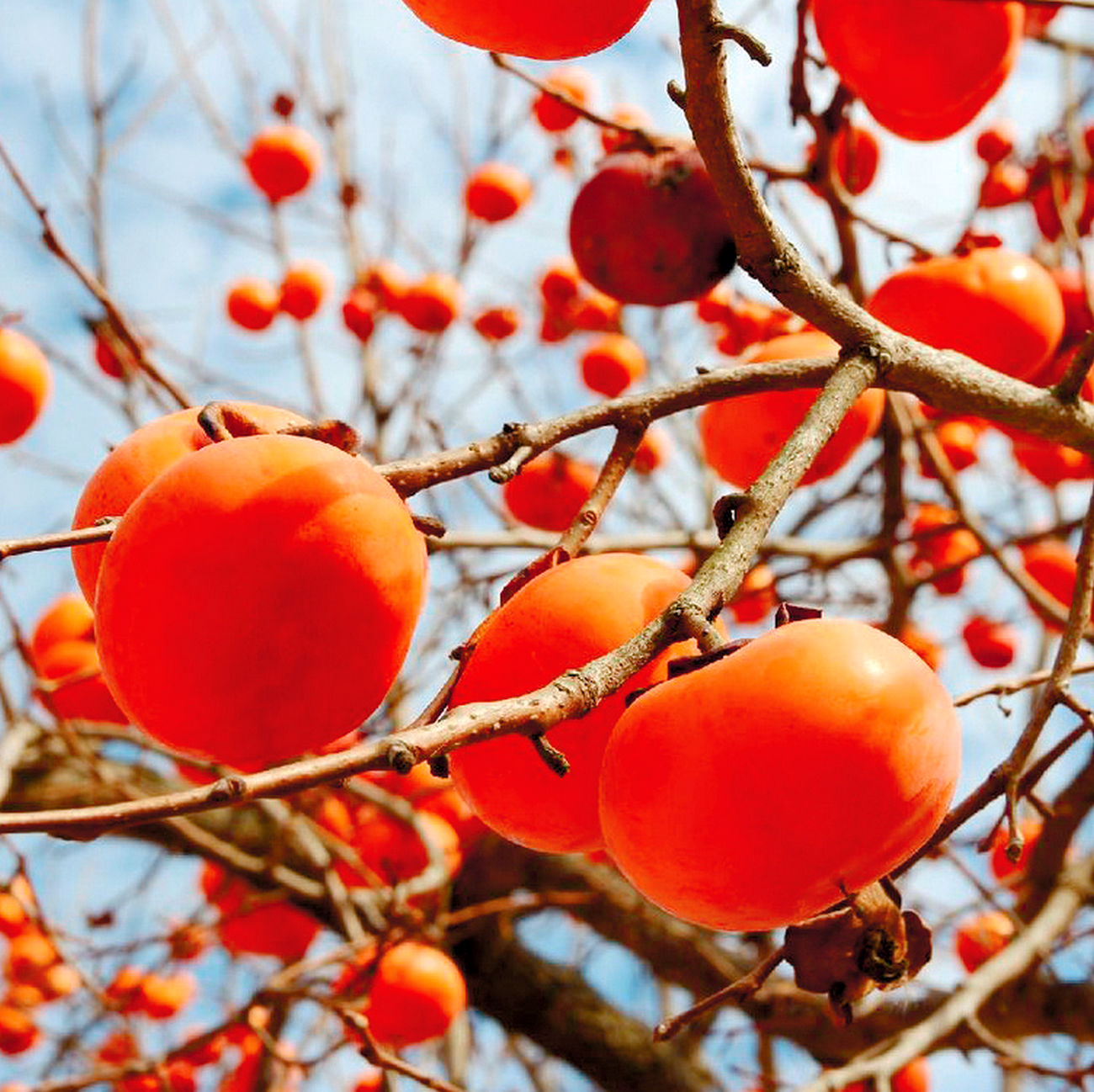
Persimmon is often called the “fruit of the gods,” and the Azerbaijani variety fully justifies this title. Two types are available on local markets: astringent honey-like fruit and non-astringent types that become incredibly soft like jelly. The korolek variety is especially famous for its buttery caramel sweetness. Persimmon reaches its peak flavour and benefit in winter. Nutrition experts like Dr. Berg emphasise that this fruit is a powerful source of fibre and vitamin A. Fibre not only regulates digestion well but also nourishes our microbiome. As noted earlier, whole fruits eaten in moderation are always preferable to juice because they contain ALL the fibre! It creates that protective buffer which softens glycemic response. Persimmon’s calorie content averages 67-85 kcal per 100 g of fresh pulp. Values may vary slightly depending on variety (e.g., korolek or Bull’s Heart), sweetness level, and ripeness. One medium persimmon (weighing about 150-200 g) contains roughly 100-150 kcal.
Although persimmon is sweet, its calorie content is low; its high fibre content slows sugar absorption making it an excellent choice for a healthy snack.
The edible emerald
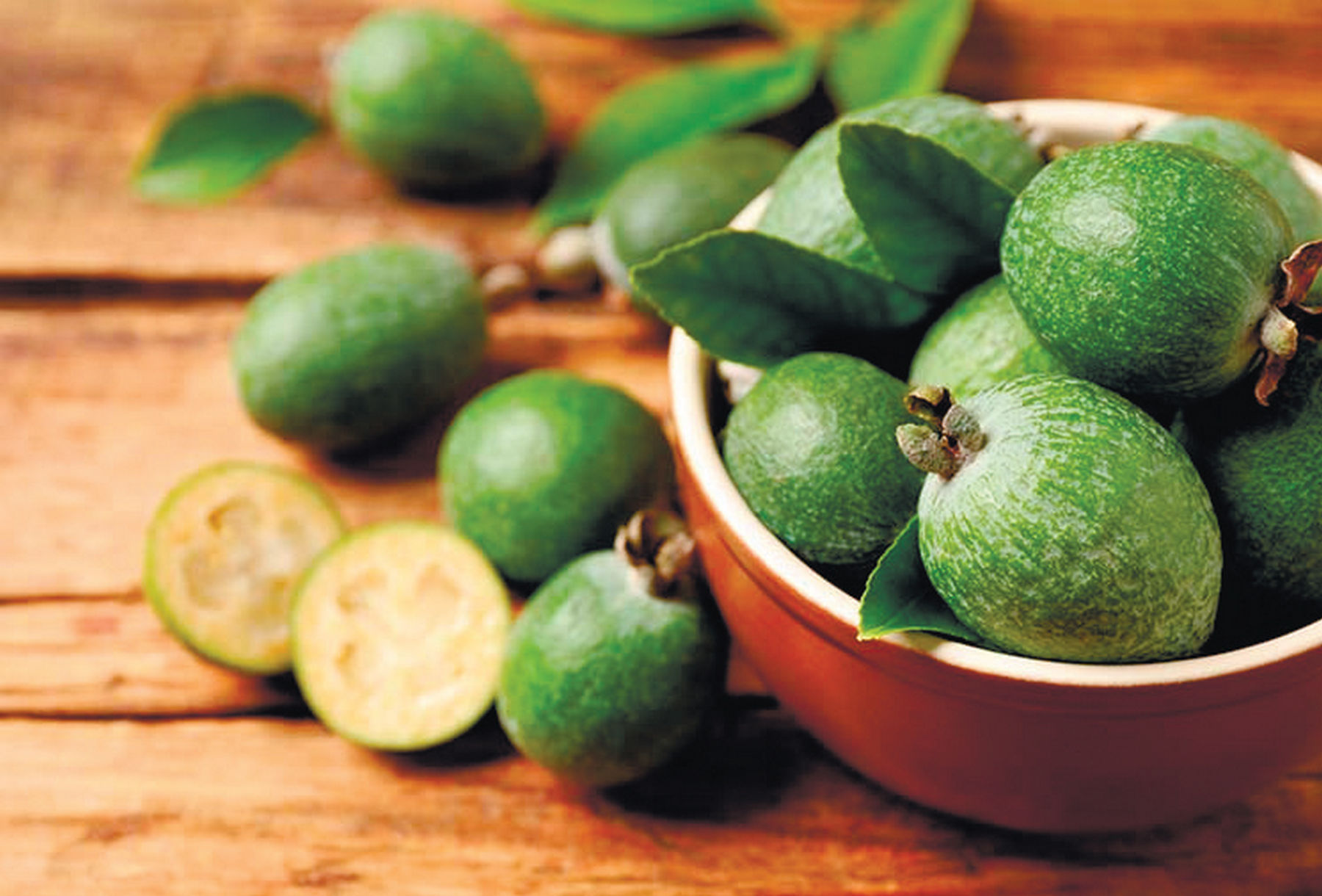
This small but mighty fruit is a true exotic delicacy growing in southern Azerbaijan. Feijoa is known for its unique aroma blending notes of strawberry, pineapple, and kiwi with its sweet-tart flavour. It can be eaten with a spoon enjoying its buttery pulp. For tourists seeking unique gastronomic experiences, feijoa is a must-try.
In preventive medicine context, feijoa is valued as a rich source of iodine! This is crucial for thyroid function which controls metabolism and energy levels. A specialist would say that if iodine deficiency is suspected, this fruit should be included in the diet. Additionally, it contains abundant vitamin C for our immune system. Feijoa’s calorie content (pulp) is usually lower than pomegranate or persimmon making it even more diet-friendly. On average, 100 g of fresh feijoa pulp contains about 50-60 kcal. One medium feijoa (typically weighing 40-60 g) contains only around 20-35 kcal. It is an excellent low-calorie source of iodine and vitamin C confirming its role as a valuable element for supporting thyroid health and immunity during winter.
Beautiful winter season
It would be impossible to discuss Azerbaijani winter fruits without mentioning the southern region of Lankaran where the climate allows cultivation of genuine subtropical treasures. When snow covers other regions, here thanks to a humid mild climate citrus fruits ripen full of sunshine. Lankaran mandarins are an ideal source of vitamin C and bioflavonoids.
Similar to Dr Berg’s recommendations, attention focuses on mandarins as an ideal natural solution for immune support essential in winter months. They combat oxidative stress and being harvested at peak ripeness have maximum nutritional value. Mandarins have very low calorie content typical for citrus fruits: on average 47-53 kcal per 100 g of peeled pulp; one medium mandarin (75-85 g peeled) contains just 35-45 kcal. Mandarins are excellent diet sources of vitamin C and water, perfectly suited for low-calorie diets.
Next are Azerbaijan’s famous lemons known for their thin skin and intense concentrated aroma. The benefits of lemons for liver and gallbladder health have long been recognised. A keto nutrition specialist might say: “This is your detox assistant. Lemon stimulates bile flow which is critical for absorption of fat-soluble vitamins and maintaining proper digestion.” Lemons have the lowest calorie content among all mentioned fruits because they contain very little natural sugar: about 29 kcal per 100 g (pulp and juice), one medium lemon (100-120 g) contains 30-35 kcal; juice from one medium lemon (40-50 ml) has roughly 10-15 kcal. This makes lemon (and its juice) practically zero-calorie but a powerful vitamin C source and digestive stimulant.
And finally juicy oranges whose rich flavour distinguishes them from imported counterparts. Oranges are another excellent whole source of vitamin C and antioxidants.
Experts sharing Dr Berg’s views always caution against juices: “Eat oranges whole! Get that precious fibre which helps your body process sugar slowly and gently.” Lankaran citrus fruits are not just dessert; they are medicine.
Orange calorie content is similar to mandarins and remains quite low: on average 47-60 kcal per 100 g peeled pulp depending on variety and sweetness; one medium orange (130-150 g peeled) contains about 60-90 kcal.
Like all citrus fruits, oranges provide abundant vitamin C and fibre at moderate calorie levels making them an excellent choice for healthy winter nutrition.
An invitation to health
The main lesson from nutraceutical science: our health is in our hands and maximum benefit lies in wholeness and regional compatibility of local gifts of nature.
Let our Azerbaijani fruits become the foundation of our winter diet! For tourists visiting Azerbaijan in winter it is not only an opportunity to see snow-covered mountains and ancient cities but also a chance to fill their bodies with live vitamins and antioxidants straight from the branch.
When arriving in Azerbaijan, tourists should understand they are buying not just pomegranate but a ticket to a world of robust health and longevity compatible with the gene pool of the Azerbaijani region.
Nowhere else in the world offers such taste and power!
RECOMMEND:
 200
200

