

BOUND BY A SINGLE NETWORK
Azerbaijan demonstrates success in developing a digital economy and e-government system
Author: Aghasaf NAJAFOV
Leading countries worldwide are working to establish an ethical and sustainable digital ecosystem that promotes human capital growth, reduces climate change risks and supports the UN Sustainable Development Goals (SDGs) to bridge the digital divide.
In recent years, Azerbaijan has also launched large-scale transformations to implement the international experience of the Fourth Industrial Revolution (4IR), introduce artificial intelligence (AI) and other digital solutions in e-government, industry and finance.
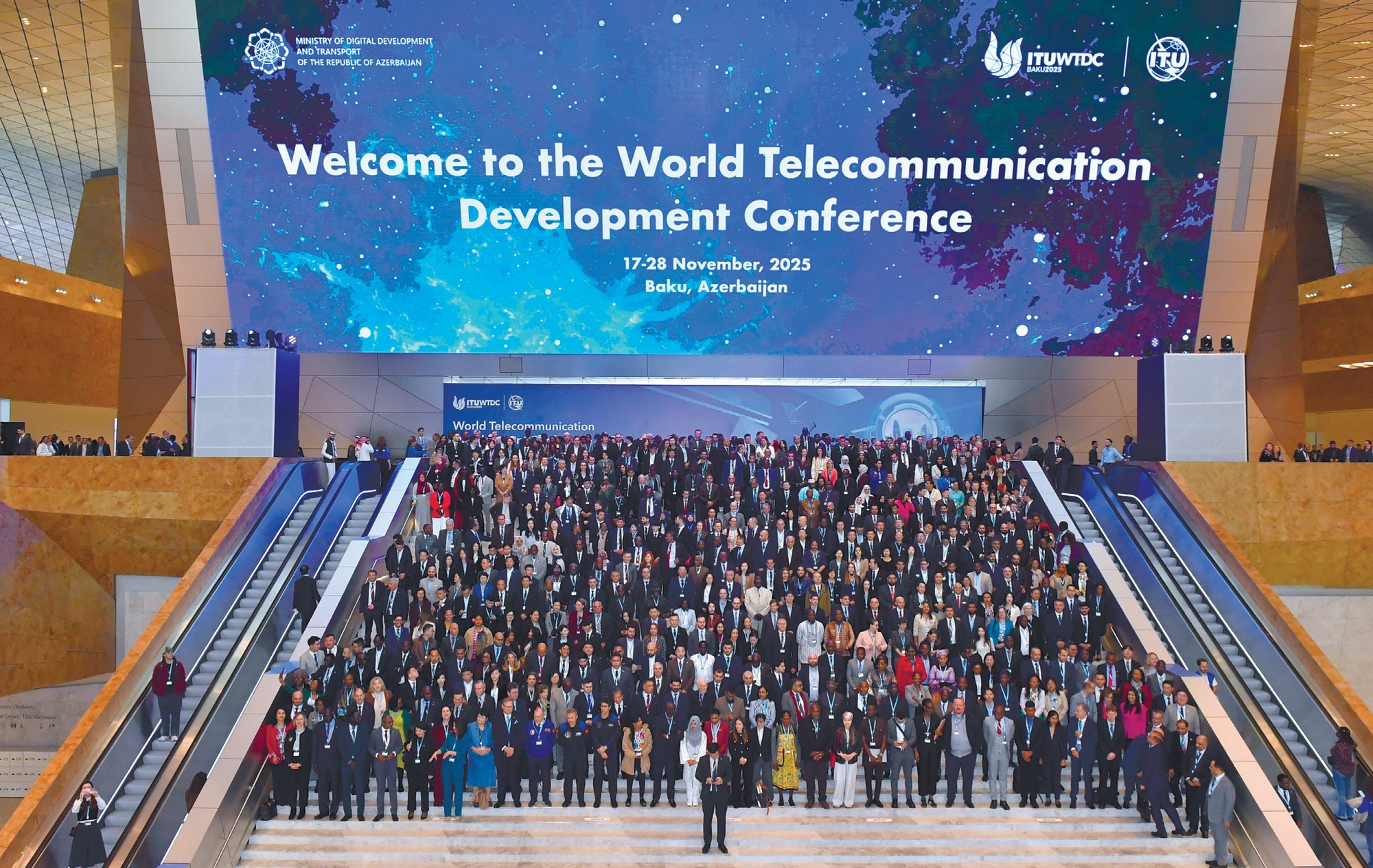
The global trend towards digital transformation and the achievements of our country in this area were discussed at the panel sessions of the World Telecommunication Development Conference (WTDC-25).
Reducing inequality
The WTDC-25 conference, organised on the initiative of the International Telecommunication Union (ITU) and the Ministry of Digital Development and Transport of Azerbaijan, was dedicated to the theme "Universal, useful and affordable connectivity for an inclusive and sustainable digital future".
This international forum is held every four years and aims to reduce the digital divide between countries around the world and promote digital transformation. It is noteworthy that Azerbaijan is the first country in the post-Soviet region to host this conference.
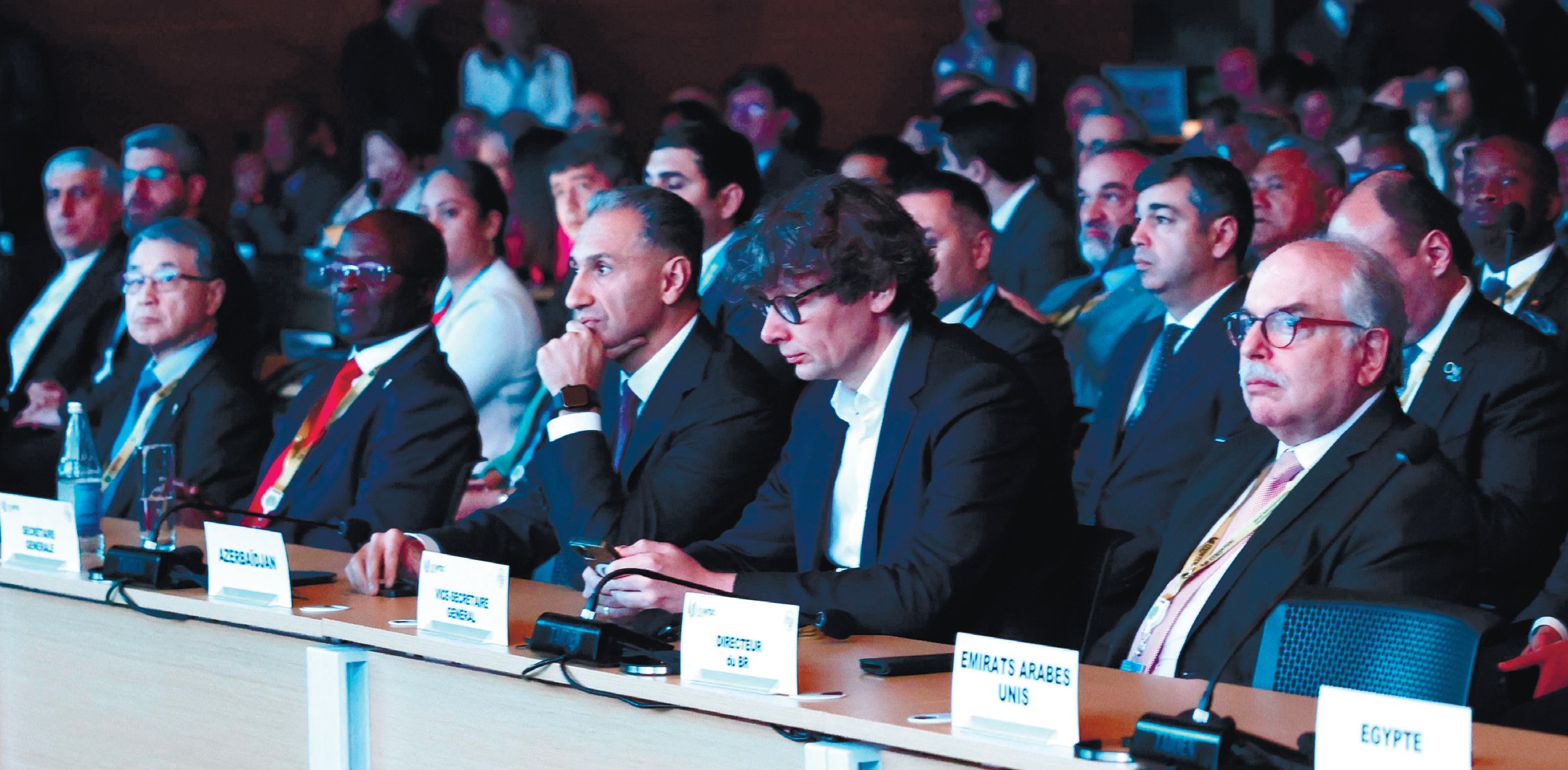
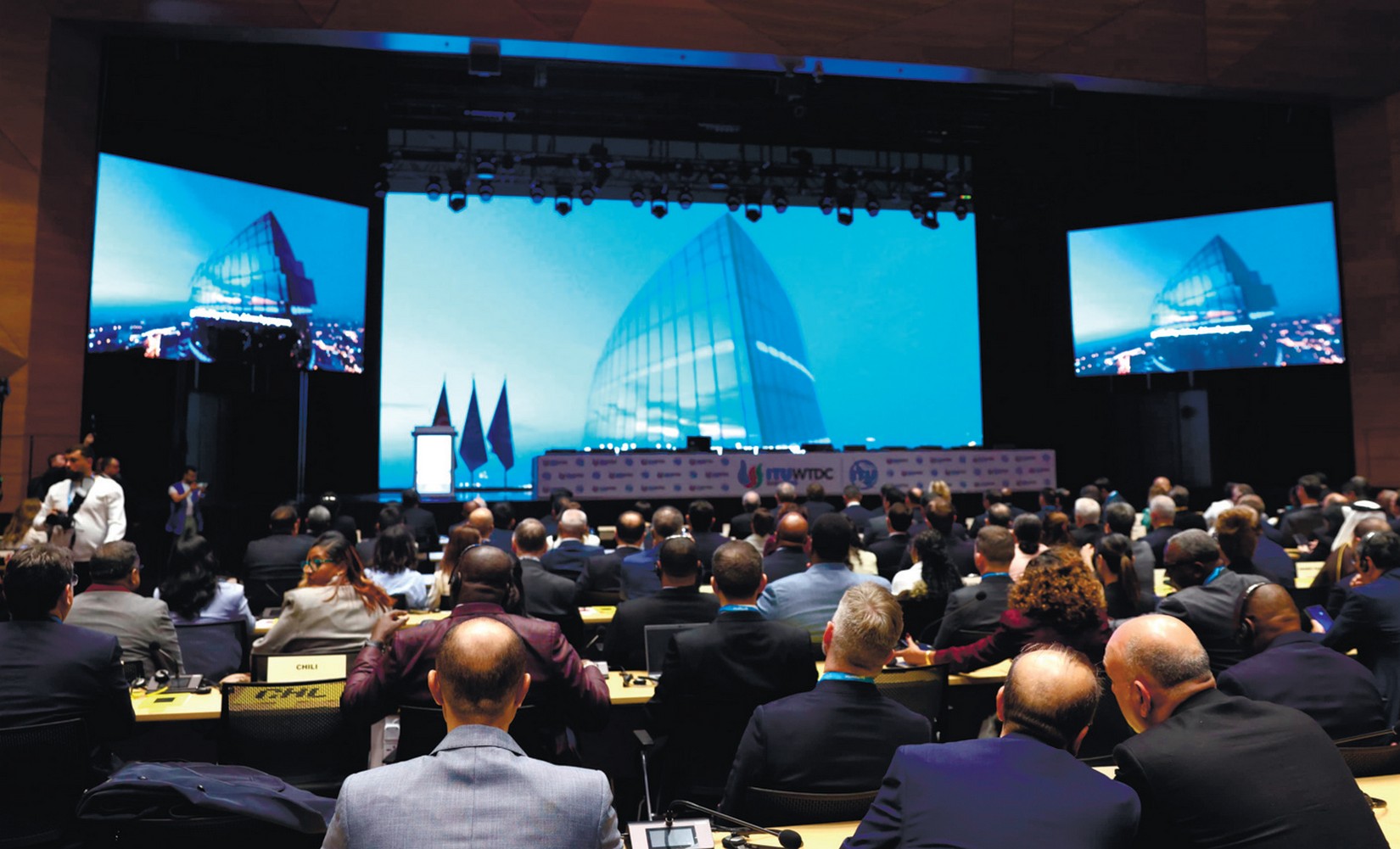
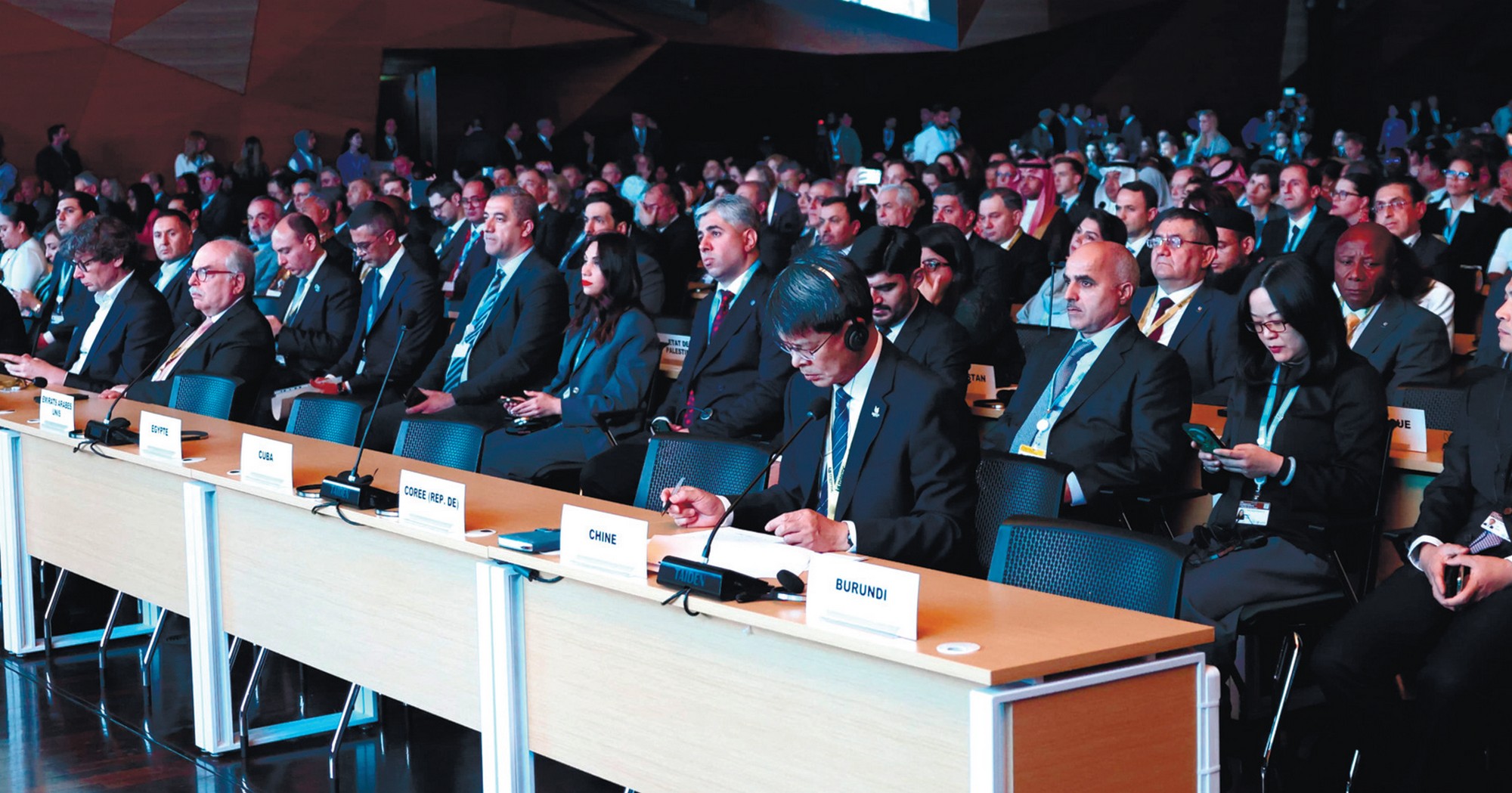
The conference held in Baku is particularly noteworthy in terms of its size and scope. It attracted nearly 2,500 delegates from 150 countries, including approximately 60 ministers and their deputies, as well as over 300 youth representatives. During the panel sessions and presentations, young professionals had the opportunity to learn about cutting-edge technologies, talk to experts, and establish cooperation with relevant organisations.
"We are pleased to be in Baku, and we would like to note that this is the first time in 160 years that the CIS region has hosted a statutory conference of the International Telecommunication Union. It is particularly important to emphasise that the host government is demonstrating good results in the deployment of advanced technologies, including 5G, AI and other innovations," said Kosmas Lukison Zavazava, Director of the ITU Telecommunication Development Bureau, on the sidelines of the event.
A similar message was conveyed in President Ilham Aliyev's address to the participants of the WTDC-25 conference, which was read out by Minister of Digital Development and Transport Rashad Nabiyev. "The communications technology sector has become a leading force in Azerbaijan's non-oil economy. This is accompanied by consistent measures taken in the field of artificial intelligence development, cyberattack prevention and digital infrastructure expansion. Today, our country is a leader in the region in terms of 100% broadband Internet coverage of the population, and is also among the leading countries in the field of digital identity," the head of state said.
As stated in the document "Azerbaijan 2030: National Priorities for Socio-Economic Development", the formation of a digital economy and the implementation of the Information Security and Cybersecurity Strategy are identified as one of the main strategic directions for the country's development.
Research by the International Monetary Fund, the World Economic Forum and the ITU has consistently recognised Azerbaijan as one of the ten most dynamic countries worldwide in terms of IT sector development, with notable achievements in the field of information and communication technologies (ICT). Ten years ago, Azerbaijan also joined the ranks of the forty countries in the world whose territory is fully covered by 3-4G mobile communication technologies.
The ITU conference in Baku aims to reduce global digital inequality, expand opportunities for affordable and high-quality network connectivity, and improve digital capabilities for the least developed countries, landlocked countries and small island states. Azerbaijan provides 100% broadband Internet coverage throughout its territory, which allows the republic to set an example in the region and share its experience at the international level," said Sameddin Asadov, Deputy Minister of Digital Development and Transport of Azerbaijan and Chairman of WTDC-25.
It is important to note that the country has successfully met the initial targets of the UN SDGs, with a focus on reducing the digital divide. Currently, efforts are underway to ensure that all citizens have access to digital connectivity. In this regard, Azerbaijan is expanding network connectivity with regional countries and implementing advanced global experience in the field of ICT, with a focus on cooperation with European Union countries.
Global project
One of the most significant regional projects, the laying of the TransCaspian Fiber Optic (TCFO) submarine cable, is being implemented by Azerbaijan and Kazakhstan. Progress on the project was discussed at one of the sessions of the forum in Baku.
As Deputy Minister Sameddin Asadov reported on the sidelines of the conference, an analysis of the route on the Caspian Sea seabed along which the cable will be laid has already been completed. In the near future, the company carrying out this work will present a report to the operators and participants of the project. The cable laying is scheduled to commence next summer and is expected to be completed by the end of 2026.
"The cable itself is currently being manufactured in China, and the logistics of its delivery to Kazakhstan are being worked out in parallel. We expect the cable to be ready by the end of March 2026, with laying work scheduled to commence in the third quarter, followed by the configuration of the entire system," said Dosjan Musaliev, Kazakhstan's Deputy Minister of Digital Development, Innovation and Aerospace Industry, who participated in the WTDC-25.
The TCFO project is of strategic importance for the entire Caspian region: a 380 km optical line connecting Sumgayit in Azerbaijan and Aktau in Kazakhstan will provide a high-speed internet connection at a rate of around 400 terabits per second. The TCFO line will become part of the international mega-project Digital Silk Way. The project will connect the two shores of the Caspian Sea through the territory of Kazakhstan (and, in the future, Turkmenistan) and further through Azerbaijan, Georgia and Turkey, and will connect to EU internet hubs. This will ensure the stable transit of digital traffic from China and other Asian countries.
The power of unity
During the plenary sessions and committee meetings of the conference, 184 initiatives from ITU member states were discussed, a roadmap for global digital development for 2026-2029 was adopted, and new regional initiatives and priorities in the field of telecommunications were identified. Cybersecurity issues, the development of AI and support for its ethical use, aspects of mobile and satellite convergence, etc. were also discussed.
A key outcome of the forum was the decision to establish an ITU Regional Acceleration Centre in Baku, which will become part of the ITU's global innovation network and a leading platform for innovation and entrepreneurship in the region.
Overall, WTDC-25 proved to be a very productive platform for Azerbaijan, which concluded agreements in the field of ICT with a number of countries around the world. In particular, the Azerbaijan Information and Communication Technologies Agency (İKTA) and the Turkish Information and Communication Technologies Authority reached an agreement on the implementation of projects in the field of digital transformation and cybersecurity. A memorandum was signed between İKTA and Romania's National Authority for Management and Regulation in the Field of Communications on the exchange of experience and the implementation of joint initiatives and training programmes in the IT sphere.
The WTDC-25 conference contributed to the expansion of Azerbaijani-Malaysian cooperation, with the countries preparing to sign several memoranda in the field of telecommunications. Malaysia's extensive experience in deploying 5G networks, along with its expertise in areas such as cybersecurity, fraud prevention, digital economy development, and satellite communications development, positions it as a valuable partner for Azerbaijan. The Malaysian Communications Minister, Ahmad Fahmi bin Mohamed Fadhil, emphasised the readiness of Malaysia to share its expertise with Azerbaijan, fostering a collaborative and mutually beneficial relationship. "We have established an academy and training centre at the regulatory authority's premises. In addition, we have set up a 5G expert centre within the ASEAN framework, which serves as a solid foundation for initiating cooperation at the working level."
Azerbaijan's experience in the IT sector, software from domestic software companies and system integrators in the field of e-government are very attractive to developing countries. During the conference in Baku, Nthati Murasi, Minister of Communications, Science and Technology of the Kingdom of Lesotho, emphasised the country's commitment to implementing the Azerbaijani "smart city" model, including the installation of urban video surveillance systems and the organisation of traffic. In turn, Kenya's Minister of Information, Communication and Digital Economy, William Kabogo Gitau, expressed interest in cooperation in the field of digitalisation, including satellite services, as well as the implementation of advanced Azerbaijani digital solutions, such as SIMA and mygov.
ITU Secretary-General Dorin Bogdan-Martin highlighted the Partner2Connect Digital Coalition as a prime example of this commitment, noting its role in driving collective progress towards overcoming digital inequality. The coalition has amassed over 1,000 commitments and has mobilised approximately $80 billion in support of meaningful connectivity and sustainable digital transformation worldwide.
Azerbaijan is working closely with the European Union on a range of digital issues, including bridging the digital divide, ensuring reliable and secure infrastructure, and unlocking technological potential. It should be noted that the EU has allocated more than €306 billion for global connectivity and digital transformation as part of the Global Gateway initiative. The objective is to establish a digital ecosystem founded on principles of equality, inclusivity and universal access, with a view to minimising the adverse effects of climate change and extending the benefits of the internet to the 2.6 billion people worldwide who currently lack access.
In the context of geopolitical tensions, increasing polarisation and fragmentation of the world, the EU Ambassador to Azerbaijan, Mariana Kujundzic, has stated that joint action by countries is crucial to ensure that ICT and digital transformation remain part of a global digital order based on rules and fundamental rights. The WTDC-25 forum in Baku is a key opportunity to collaborate in order to bridge the digital divide and utilise IT technologies for economic and social development. This could include ensuring network connectivity in rural areas, supporting sustainable agriculture and fair trade, and creating equal opportunities for women. The EU ambassador emphasised that this is how ICT can change the lives of millions of people.
The conference resulted in the adoption of the Baku Declaration, which defines the key priorities of the 194 member states of the ITU. Concurrently, approximately five fundamental priorities have been identified for the CIS countries, and the International Telecommunication Union aims to implement them over the next four years.
RECOMMEND:
 183
183

