

IS ARMENIA CHOOSING PEACE?
Why de-militarisation is the only rational path for Yerevan
Author: Namig H. ALIYEV
After severe military defeats and profound internal upheavals, Armenia has reached a crossroads. It now faces a historic choice: open the doors to peace and economic development or embark once again on an expensive arms race that previously led the country to catastrophe. This choice is particularly stark at a moment when Azerbaijan is demonstrating a clear commitment to normalisation. Baku is easing trade and transport restrictions, rebuilding the liberated territories and reforming its military personnel system. Against this background, Yerevan’s course toward extensive rearmament appears not merely strange but fundamentally at odds with the idea of lasting peace.
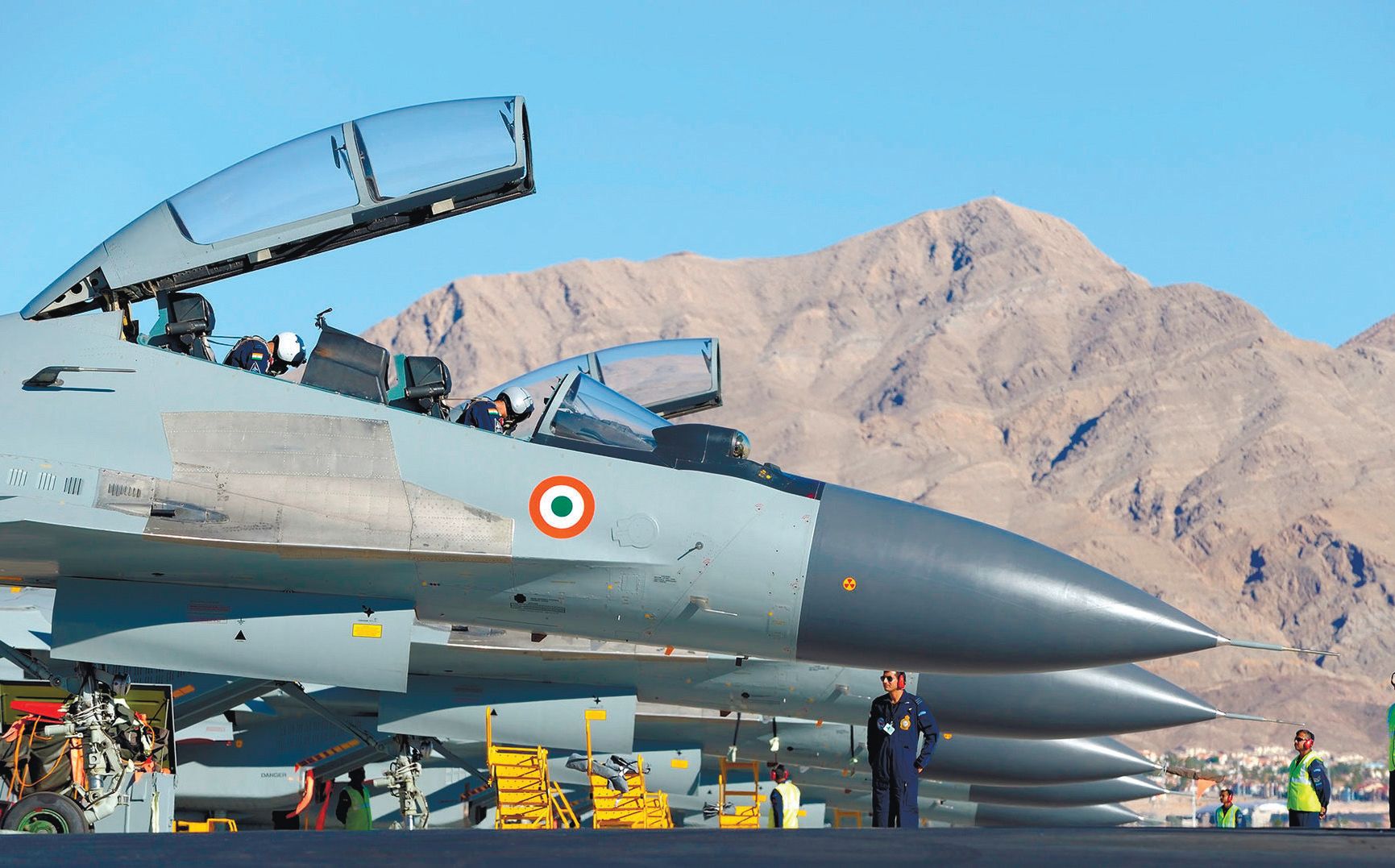
Despite this, Armenia evidently continues to place its hopes on the military dimension. Between 2022 and 2024, Yerevan purchased Pinaka multiple-launch rocket systems, Swathi radar stations, modern 155-millimetre artillery units and anti-tank munitions produced by India’s Bharat Earth Movers Limited and Bharat Electronics Limited. Now Yerevan is reinforcing its military planning: a key element is a possible major defence contract with India for the acquisition of Su-30MKI aircraft estimated at $2.5–3 billion, potentially the largest arms purchase in Armenia’s history. The aircraft are expected to be equipped with Uttam AESA radars, Astra missiles and modern electronic-warfare systems.
This multibillion-dollar transaction exposes the core issue: it does not alter the strategic balance. The disparity between Armenian and Azerbaijani military capabilities is too wide. Armenia will not be able to close this gap, even by acquiring expensive aircraft or air-defence systems. In reality, Yerevan is merely increasing its external debt, diverting funds from its citizens and provoking a new round of arms competition. Instead of peace, this creates an illusion of parity that is both dangerous and costly. Weapons feed revanchist sentiment, encouraging part of the elite to dream once again of a military solution, even though reality has proved this path futile. Genuine stability can be achieved only through the rejection of territorial claims, the opening of communications and sound diplomacy.
Arming up does not change the balance but undermines Armenia’s peace and economy
The build-up of military capabilities reflects only one thing: Armenia is once again preparing for confrontation rather than peace. The Su-30MKI is a formidable fighter capable of expanding the country’s strike potential. Its range, firepower, modern avionics and weapon systems may be perceived not as defensive tools but as instruments of pressure. Yet aviation and missiles do not guarantee security; they provide leverage. In Armenia’s case, they provide leverage that cannot alter the outcome of any future conflict.
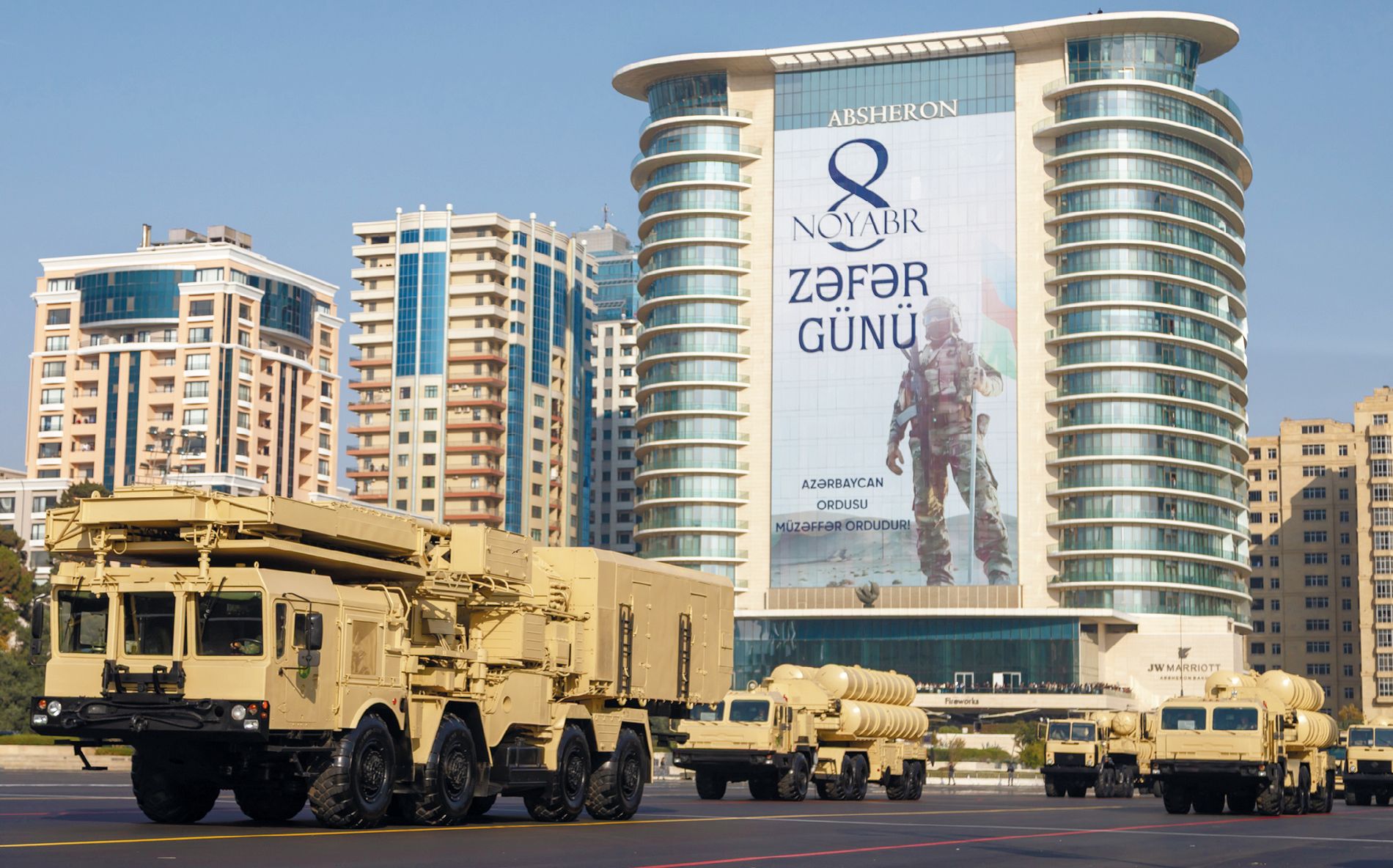
Purchases of fighter jets, air-defence systems or missiles will not change the military balance established over decades in favour of Azerbaijan. The gap in defence budgets, troop numbers, technological capacity, fleet of strike drones and modern air-defence systems remains immense. Therefore, any multibillion-dollar rearmament programme becomes a symbolic project offering no real advantage while driving the country deeper into debt.
In simple terms, Armenia is borrowing money to buy weapons that cannot change the outcome of a potential war. Armament becomes not a shield but a financial trap.
Each step toward revanchist militarisation brings new tension
If Yerevan views rearmament as a means of pressure or as an attempt to catch up with Azerbaijan, it undermines the logic of peace negotiations. Baku, in turn, is compelled to respond by strengthening its own positions and bolstering its defence. This creates a new cycle in which Armenia’s militarisation inevitably prompts Azerbaijani countermeasures. The result is increased risk and reduced stability throughout the region. The danger is even greater for Armenia, which is incapable of sustaining such competition.
Furthermore, Armenian rearmament irritates all regional actors. Multi-vector arms purchases, especially from India, heighten uncertainty and concern not only in Azerbaijan. Türkiye is closely watching attempts by Yerevan to alter the balance of power. Iran is uneasy about the growing presence of foreign suppliers in Armenia’s defence programmes. Russia is displeased that its traditional position is being replaced by Indian producers. The West likewise has no interest in a renewed arms race in the South Caucasus. In the end, Armenia isolates itself, undermines trust and becomes less predictable to neighbours and partners.
This also affects Armenia’s domestic stability. These “military achievements” are not funded by a prosperity budget. The money comes directly from citizens through rising external debt, higher taxes and cuts in social spending. This strains the economy, exacerbates social tension, weakens trust in government and increases the risk of political turbulence and protests. Prime Minister Pashinyan has already been forced to defend the sudden growth in debt, attributing it to “replenishing lost weaponry”.
But Armenian society is weary of war. The trauma of the defeats of 2020 and 2023 remains fresh. New weapons purchases only deepen internal divisions.
In these circumstances, the rational choice is to abandon militarisation and turn toward integration. The fact that Armenia officially denies concluding the aircraft deal and that India’s Hindustan Aeronautics Limited states it has received no official decision indicates that the door remains open. Yerevan still has the chance to choose peace instead of another military gamble.
If Armenia genuinely wants stability, higher incomes and real security, arms acquisition is the worst possible strategy. Peace is achieved not through missiles and aircraft but through diplomacy and economic connectivity.
The country must remove from its Constitution the provisions containing territorial claims against Azerbaijan, open the Zangezur Corridor (TRIPP), expand trade and ties with its neighbours and abandon a futile and costly arms race. Only this path can provide long-term political and economic security.
Why Armenia must abandon the arms race
In a situation where weapons provide no meaningful advantage, undermine the budget, jeopardise the peace process, alarm neighbours and intensify domestic problems, continuing militarisation becomes not merely a mistake but a danger for Armenia itself. It also contradicts the spirit of the documents signed on 8 August this year in Washington.
If procurement is limited to the single Su-30MKI deal, it will be a waste of money. No parity will emerge. Azerbaijan already possesses superior air forces, a mature drone fleet, modern air-defence systems and a much larger defence budget.
If, however, Yerevan intends to go further by developing aviation infrastructure, purchasing additional air-defence systems and forming fully trained combat units, then Azerbaijan inevitably faces a legitimate question: is it acceptable to allow the restoration of the military potential of a state that once launched aggression, held Azerbaijani lands under occupation for three decades and still refuses to abandon territorial claims?
Such a scenario increases risks, destabilises the region and reinforces revanchism among certain groups. Armenia needs peace, not new debts and illusions of strength. Abandoning militarisation is not weakness. It is the only reasonable step that can offer the country security, development and a future.
RECOMMEND:
 212
212

